The One Soil Mistake That Slows Down Georgia Garden Growth
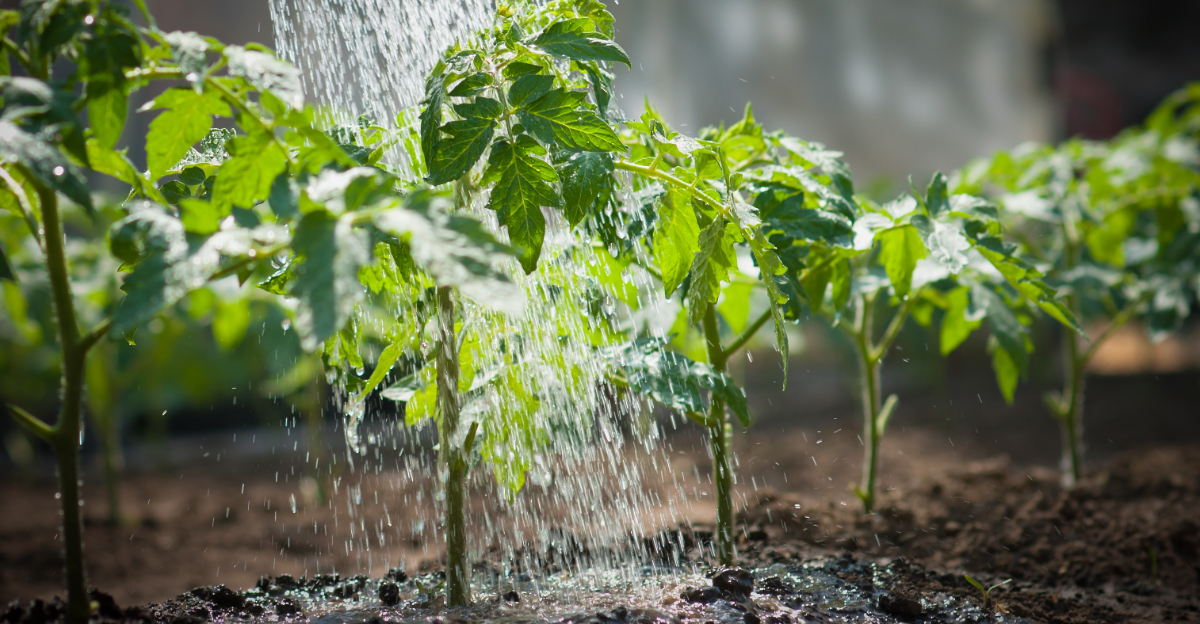
Healthy growth in a Georgia yard often feels like it should come naturally once the season settles in. Plants go in, watering stays consistent, and everything looks set for steady progress.
Then the pace begins to shift. New growth slows down, leaves lose some of their rich color, and the garden does not fill out the way it should.
Nothing looks severely damaged, which makes it harder to pinpoint the cause. Fertilizer might be added, watering gets adjusted, yet the same sluggish growth continues.
The soil still looks fine on the surface, so it is easy to assume the problem lies somewhere else.
This is the point where many gardeners pause and question what is holding everything back. The issue often sits right under the surface, tied to one simple soil mistake that quietly limits how plants grow and respond.
1. Watering Too Often Without Letting Soil Dry Slightly Between Cycles
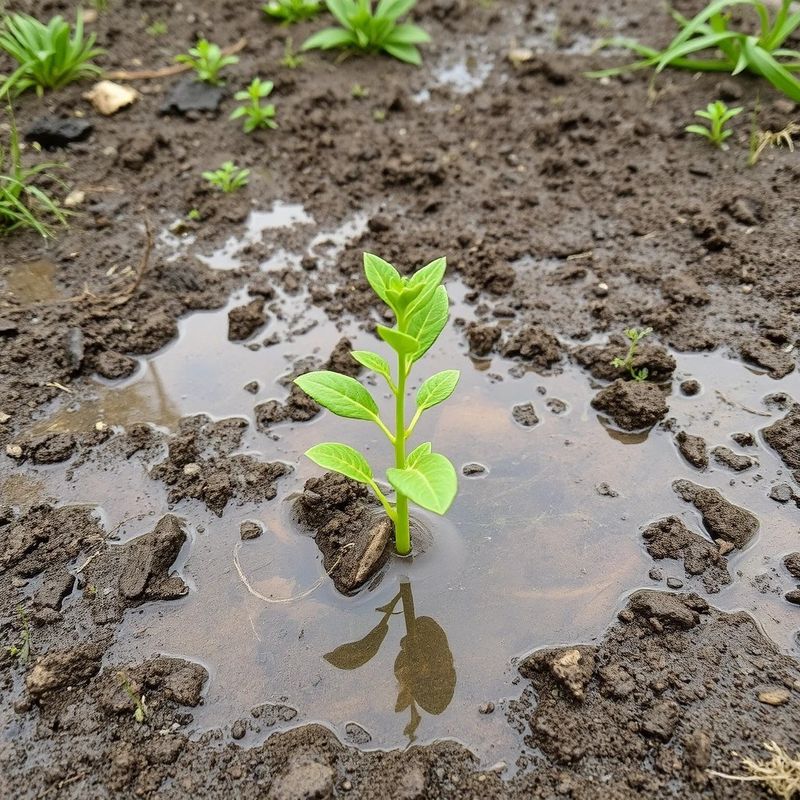
Soggy soil is quietly one of the biggest reasons Georgia gardens underperform, and most gardeners never suspect it. Clay-heavy soil across much of Georgia does not drain the way sandy or loamy soil does.
Water pools near the root zone, squeezing out the air pockets that roots depend on to function. Without oxygen, roots slow down, nutrient uptake drops, and plants just sit there looking tired instead of growing.
Watering on a rigid daily schedule is a habit worth breaking. Soil in Georgia can stay wet for two or three days after a good rain or a deep watering session, especially during cooler months or in shaded beds.
Pushing more water into already saturated ground does not help plants grow faster. It actually makes conditions worse by compacting the soil further and pushing out more air.
Before reaching for the hose, push a finger or a thin wooden dowel about two inches into the soil. If it comes out damp and dark, skip watering that day.
When you do water, soak the soil deeply rather than giving it a light sprinkle. Deep, less frequent watering encourages roots to stretch downward instead of staying near the surface where they are more vulnerable.
Improving drainage in Georgia gardens often means adding compost, aged manure, or coarse organic material to break up clay.
2. Water Less Frequently But Soak The Soil Deeply Each Time
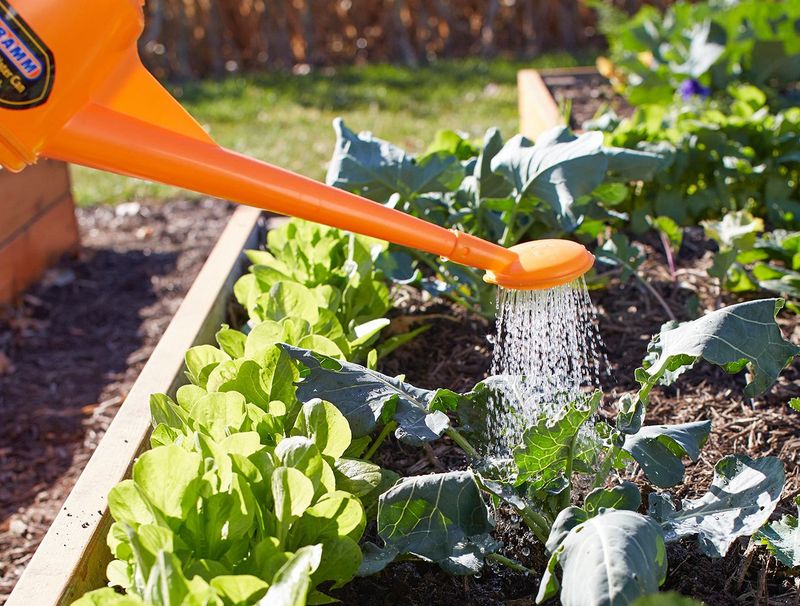
Watering less often but doing it properly can shift how plants perform across Georgia gardens faster than most people expect, even though it feels wrong at first when heat builds and everything looks dry.
Soil in Georgia holds moisture longer than it appears on the surface, especially in clay-heavy areas, so constant watering does more harm than good.
Instead of reaching for the hose every day, it works better to slow things down and let the soil in Georgia settle between cycles. Deep watering once or twice a week usually supports stronger growth than frequent light watering that never moves past the top layer.
When water stays near the surface, roots in Georgia stay shallow, which leads to weaker plants that struggle once temperatures rise or when a dry stretch hits because they rely on moisture that disappears quickly.
Your Georgia Garden Changes Every Week. Your Plan Should Too.
Gardening in Georgia changes quickly throughout the season. Every Friday you’ll receive a simple weekly plan showing exactly what to plant, prune, fertilize, harvest, and protect so you never miss the right timing.
A slow, deep soak changes that pattern by pushing water further down, and roots in Georgia follow that path over time, creating more stable growth.
Letting the top layer dry slightly before watering again keeps that balance in place, helping soil in Georgia stay workable instead of turning into a dense, airless layer that holds plants back.
3. Improve Drainage To Prevent Roots From Sitting In Wet Soil
Poor drainage is one of the most common issues holding back plant growth across Georgia, even when everything looks fine on the surface.
Soil in Georgia is often heavy with clay, which means water does not move through it easily and instead stays around the roots longer than it should.
When roots in Georgia sit in wet soil for too long, they lose access to oxygen, and that slows growth without always showing clear signs right away. Fixing this starts with improving soil structure so water can move instead of getting trapped.
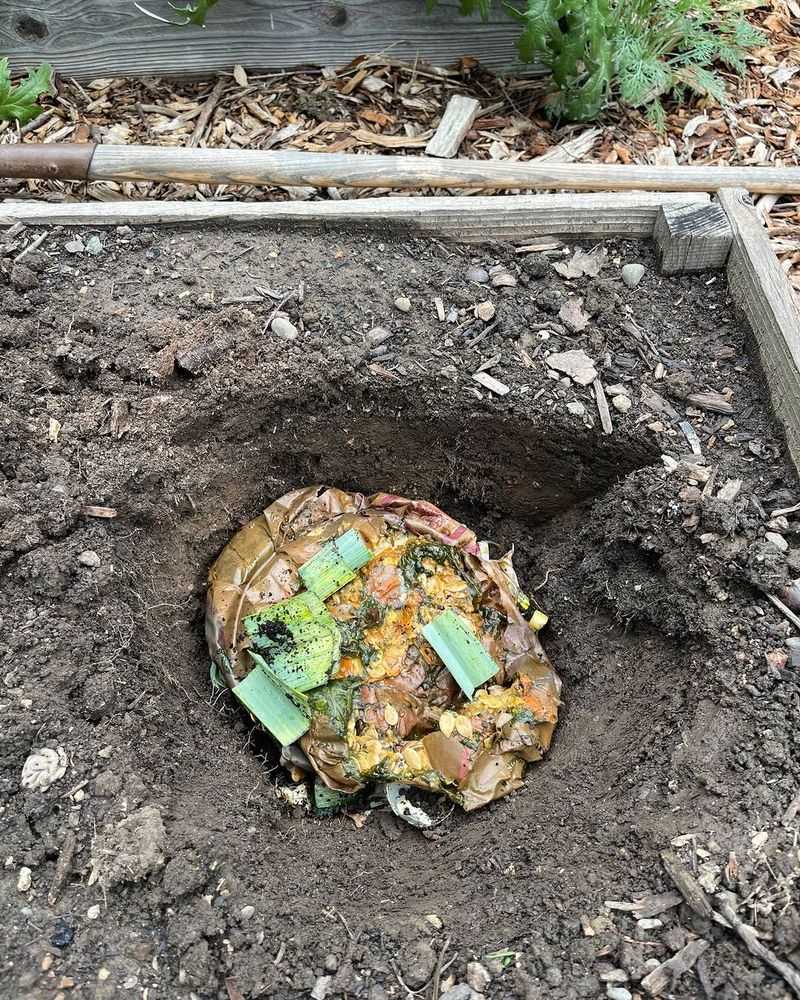
In Georgia, adding compost, aged manure, or other organic material helps break up dense soil and creates small spaces where air and water can pass through more freely. Over time, this makes a noticeable difference in how plants respond.
Raised beds can also help in Georgia, especially in spots where water tends to collect, because even a slight lift allows excess moisture to drain away instead of sitting around the roots.
The goal is to keep soil in Georgia from staying constantly wet so roots can function properly and plants can grow without that slow, stressed look.
4. Add Organic Matter To Help Soil Hold Moisture Without Staying Soggy
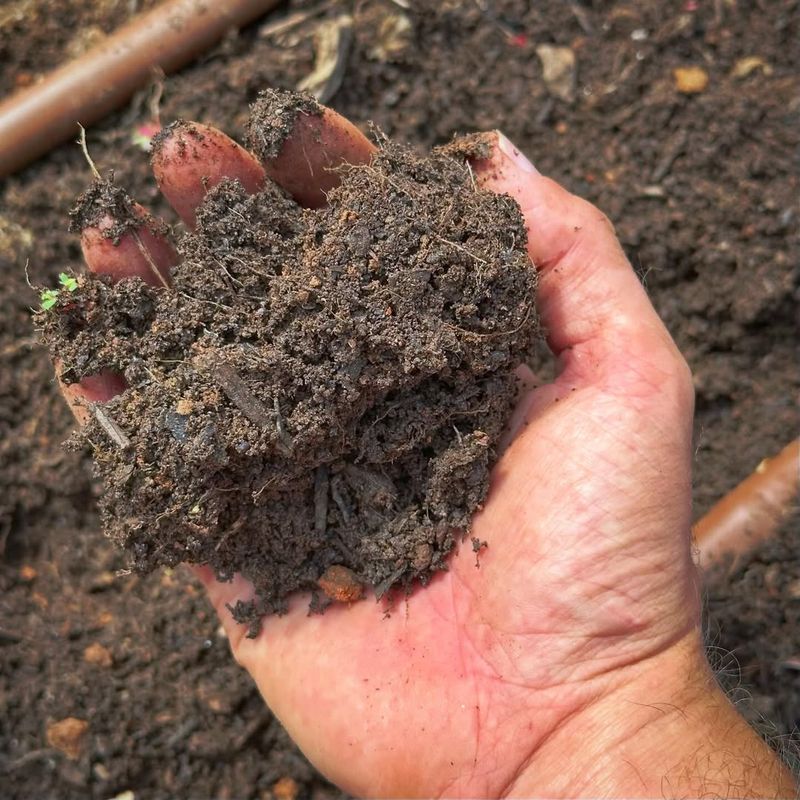
Adding organic matter is one of the simplest ways to fix how soil behaves across Georgia without making things more complicated. Soil in Georgia often swings between holding too much water or drying out unevenly, especially when clay is involved.
Organic material helps balance that by improving how moisture is stored and released over time. Instead of water sitting on the surface or pooling around roots, it spreads more evenly through the soil in Georgia, which keeps conditions more stable.
Compost, aged manure, shredded leaves, or pine bark fines all work well because they break up dense soil while also helping it hold just enough moisture where roots can reach it.
As this material mixes in, soil in Georgia becomes easier to work with and less likely to turn into a heavy, compact layer after watering or rain.
Roots respond quickly to that change because they can move more freely and access both water and air at the same time.
Over time, adding organic matter builds a healthier structure in Georgia soil, which supports steady growth instead of the stop and slow pattern that shows up in untreated ground.
5. Check Soil Before Watering Instead Of Following A Fixed Schedule
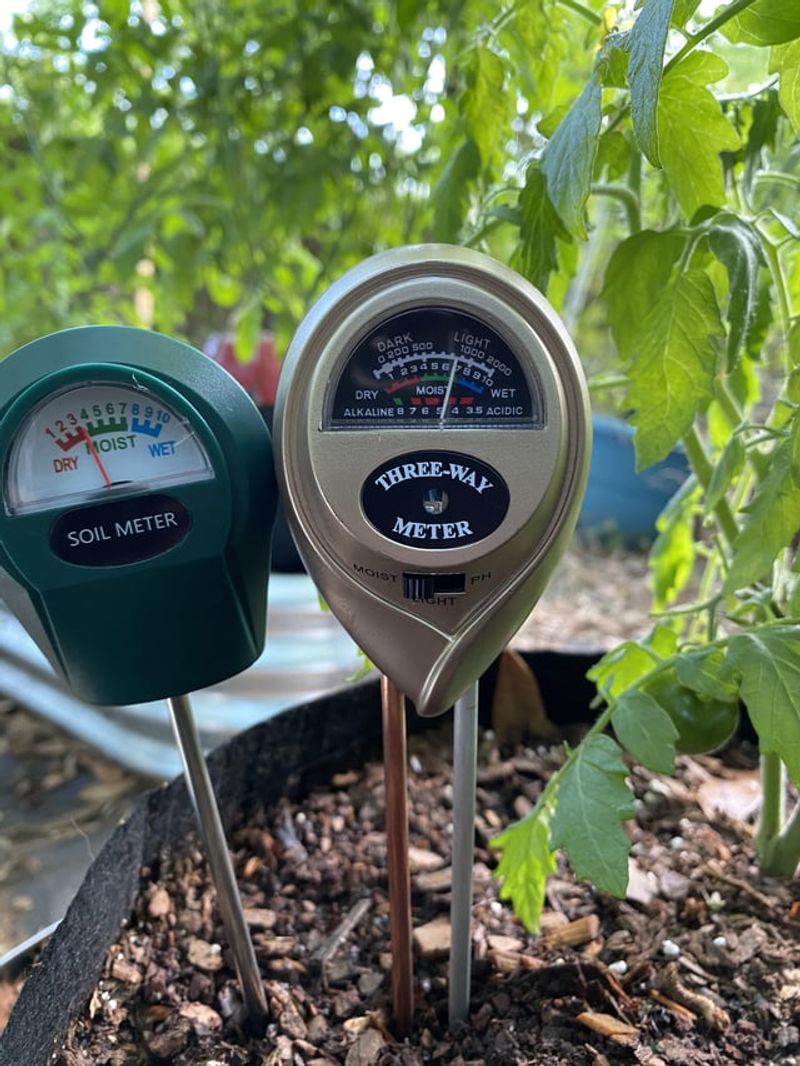
Checking the soil before watering makes a bigger difference across Georgia gardens than sticking to any fixed schedule.
It is easy to fall into a routine, especially during warm stretches, but soil in Georgia does not dry at the same rate every day.
Clay-heavy areas can stay damp well below the surface even when the top looks dry, which leads to overwatering without realizing it. Instead of guessing, it helps to check moisture directly by pushing a finger or a small tool a couple of inches into the soil.
If it feels cool and slightly damp, watering can wait. In Georgia, this simple habit prevents soil from staying constantly wet and keeps roots from sitting in poor conditions.
On the other hand, if the soil feels dry at that depth, it is a clear sign that plants are ready for a deeper soak. This approach keeps watering tied to what is actually happening in the soil instead of the calendar.
Plants in Georgia respond with stronger, more consistent growth because conditions stay more balanced. It also cuts down on wasted water in Georgia, which matters during warmer periods when evaporation increases.
6. Use Mulch To Keep Moisture Levels More Stable
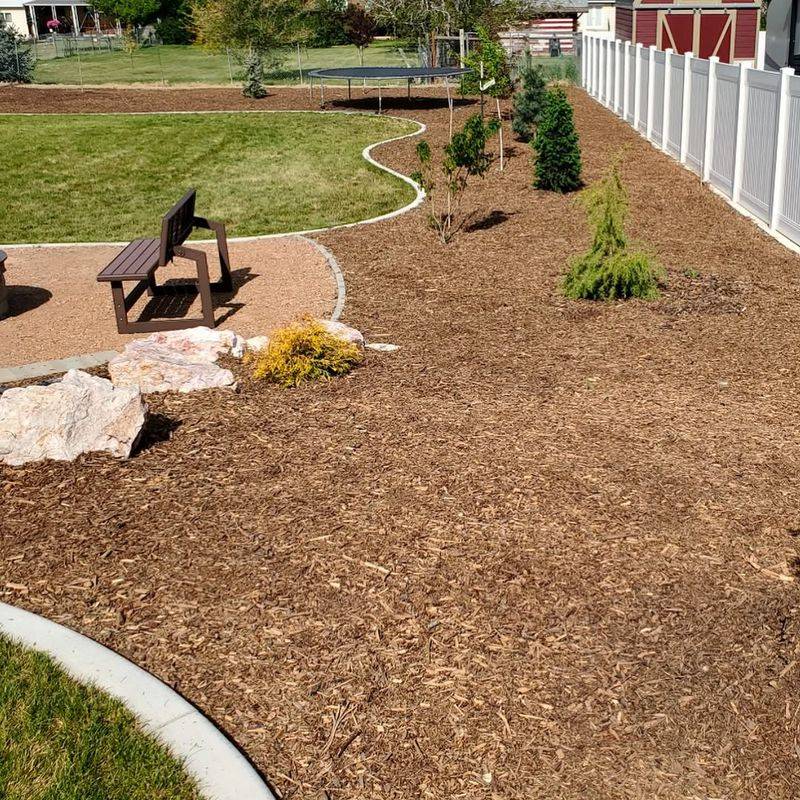
Using mulch is one of the easiest ways to keep moisture levels more stable across Georgia gardens without constant adjustments. Soil in Georgia can dry out quickly at the surface while still holding moisture deeper down, and that uneven pattern puts stress on roots.
A layer of mulch helps slow that process by reducing evaporation and keeping the top layer from baking in the sun. In Georgia, this matters even more during warm stretches when exposed soil loses moisture fast.
Mulch also softens how water enters the ground, so instead of running off or pooling, it soaks in more evenly.
Organic options like shredded bark, pine straw, or leaves work especially well in Georgia because they break down gradually and improve soil structure at the same time.
Keeping a two to three inch layer around plants helps maintain consistent moisture without trapping excess water against the roots.
This steady balance allows plants in Georgia to grow without dealing with sudden swings between dry and overly wet soil, which is what often slows them down.
It also helps reduce how often watering is needed across Georgia beds. Weeds struggle to break through mulch in Georgia, which means less competition for moisture.
Soil in Georgia stays cooler under mulch, which protects roots during hotter days.
7. Adjust Watering Based On Temperature And Rainfall Changes
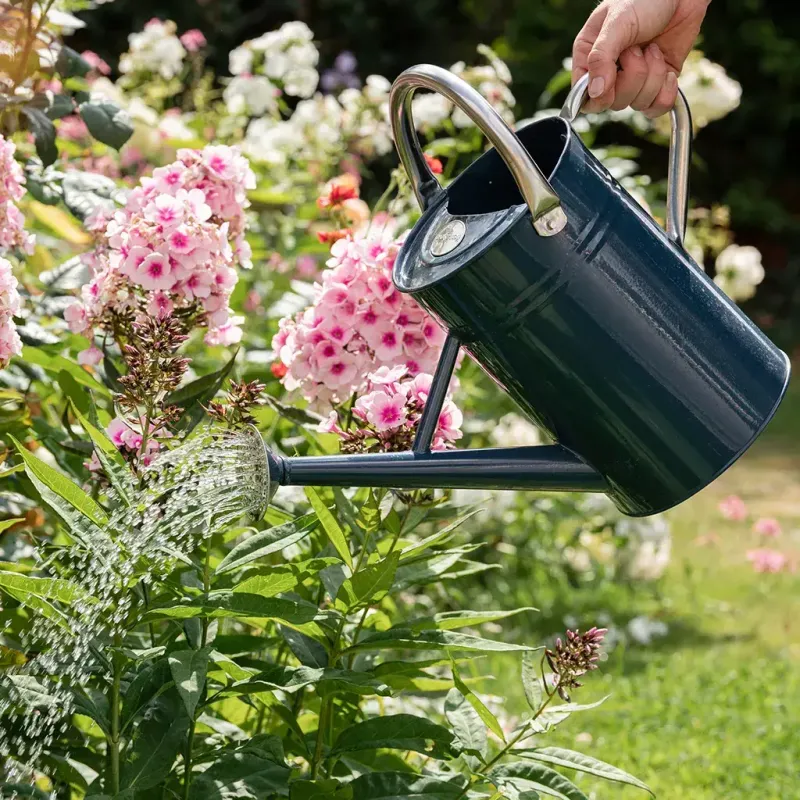
Adjusting watering based on temperature and rainfall makes a noticeable difference across Georgia gardens, especially as conditions shift quickly from one week to the next.
Soil in Georgia does not stay consistent for long, and sticking to the same routine regardless of weather often leads to either too much or too little moisture.
After rainfall, soil in Georgia can stay damp for days, particularly in clay-heavy areas, so adding more water during that time only creates heavier, airless conditions around the roots.
During hotter and drier stretches, moisture disappears faster, which means plants in Georgia may need deeper watering to stay supported.
Paying attention to recent rain and current temperatures helps keep watering in sync with what the soil actually needs. In Georgia, this approach prevents the constant cycle of overwatering followed by dry stress that slows growth.
It also helps maintain better soil structure, since water is not being added when the ground is already saturated. Plants in Georgia respond better when moisture levels stay steady instead of shifting too quickly.
Wind and sun exposure in Georgia can also speed up drying, even when temperatures are not extreme. Shaded areas in Georgia often hold moisture longer, so watering should be reduced there.
Watching these small changes across Georgia helps keep soil conditions more balanced day to day.