The Native Flower Oregon Gardeners Wish They Had Planted Sooner
Some plants take a season or two to appreciate, but Oregon sunshine tends to win people over fast.
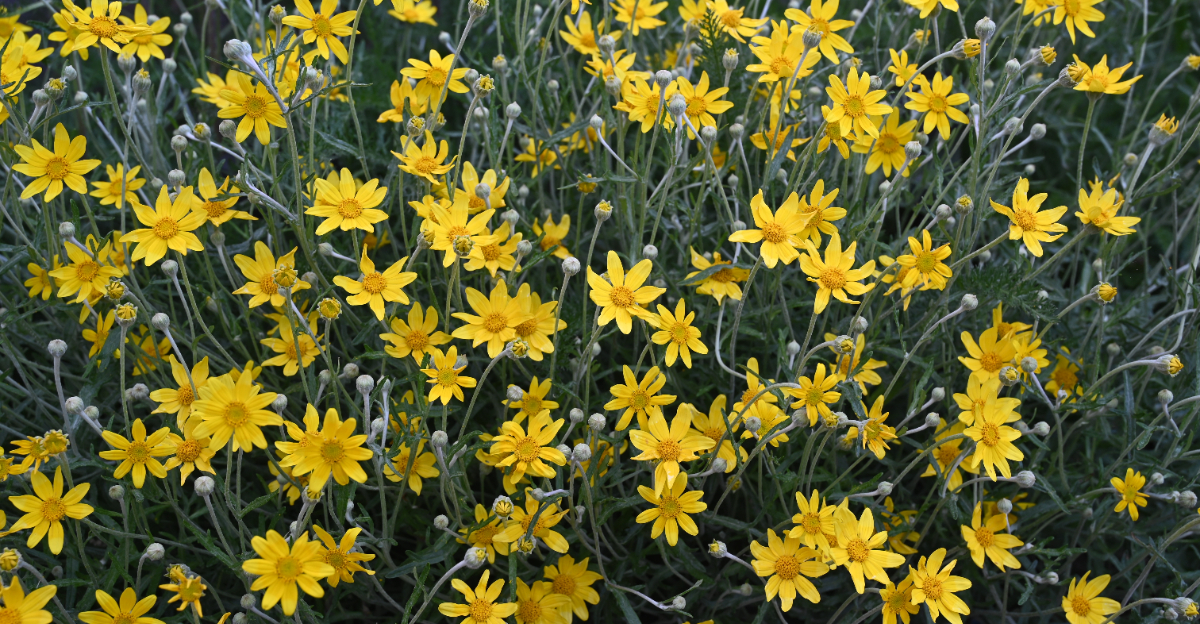
This bright, cheerful native brings bold yellow blooms that seem to glow against Oregon’s often gray spring skies, instantly lifting the look of any garden.
What really surprises gardeners is how easy it is to grow. Oregon sunshine thrives in poor soil, handles dry summers with ease, and doesn’t ask for constant attention once it’s established.
It’s the kind of plant that quietly does its job while everything else demands more care. Add it once, and it quickly earns its place.
Between its long-lasting color, tough nature, and ability to support pollinators, it’s no wonder so many Oregon gardeners end up wishing they had planted it much sooner.
1. Why Oregon Sunshine Stands Out
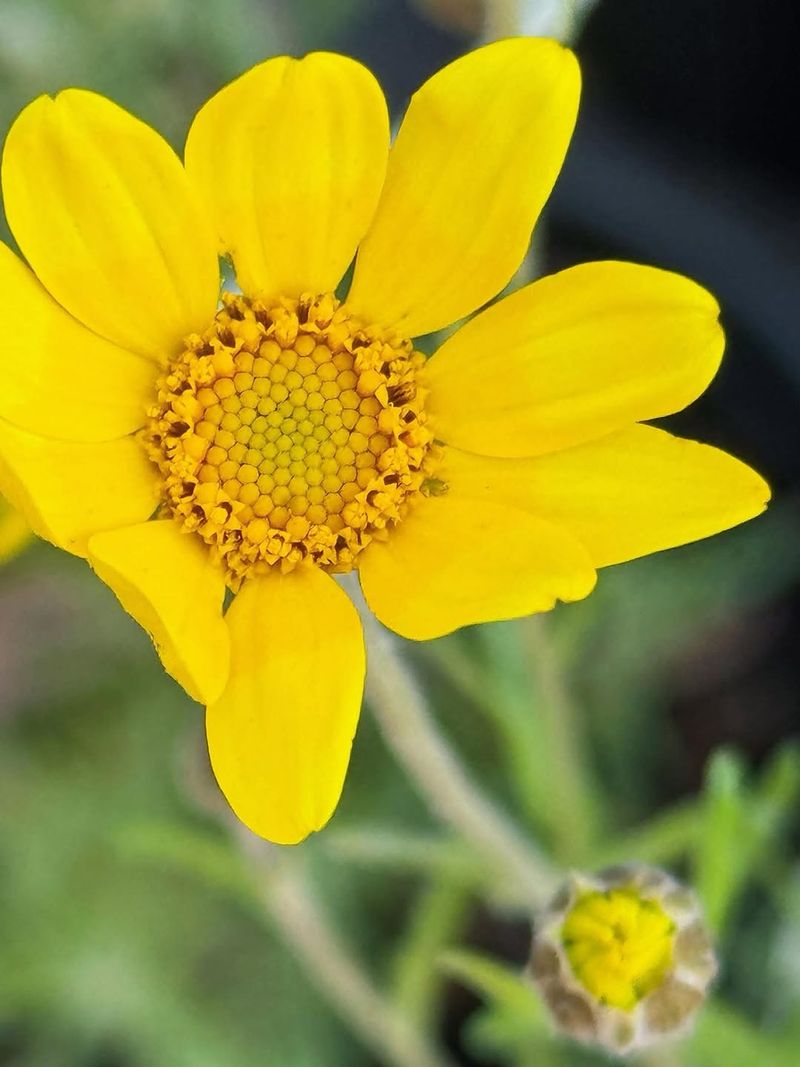
Not every plant can turn heads while surviving rough conditions, but Oregon Sunshine pulls it off beautifully. Known scientifically as Eriophyllum lanatum, this native wildflower is a true Oregon original.
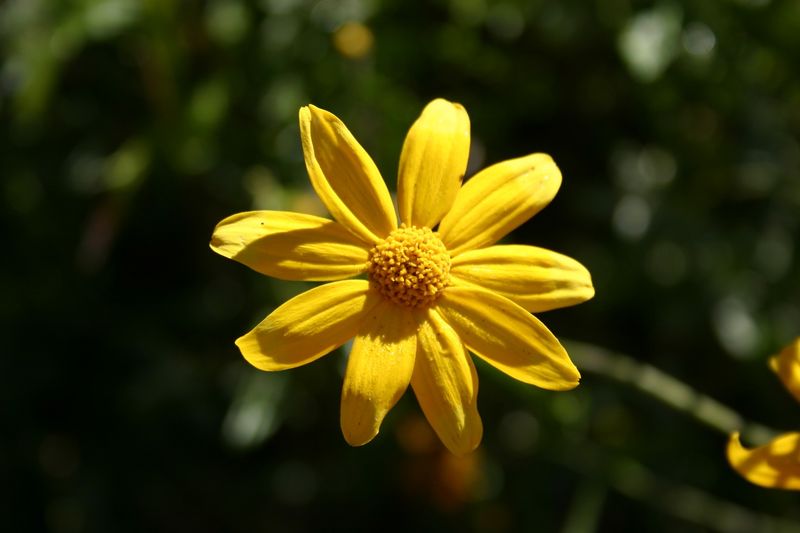
Its cheerful yellow blooms look like tiny suns scattered across the garden, and its silvery-gray leaves add texture even when the plant is not in flower.
What really sets it apart is how well it fits into the natural landscape of the Pacific Northwest. It evolved here, which means it already knows how to handle Oregon’s weather, soil, and seasonal changes.
You are not forcing it to grow somewhere it does not belong.
Gardeners in Portland, Bend, and Eugene have started choosing it over non-native plants because it simply performs better with less effort. The woolly coating on its leaves is not just pretty either.
Those fine white hairs help the plant hold moisture and reflect harsh sunlight, keeping it healthy through long, dry stretches.
It also stays compact, usually growing only one to two feet tall and wide. That makes it easy to tuck into borders, rock gardens, or dry slopes without worrying about it taking over.
Few native plants offer this combination of beauty, toughness, and good manners in the garden.
2. Thrives In Tough Oregon Soils
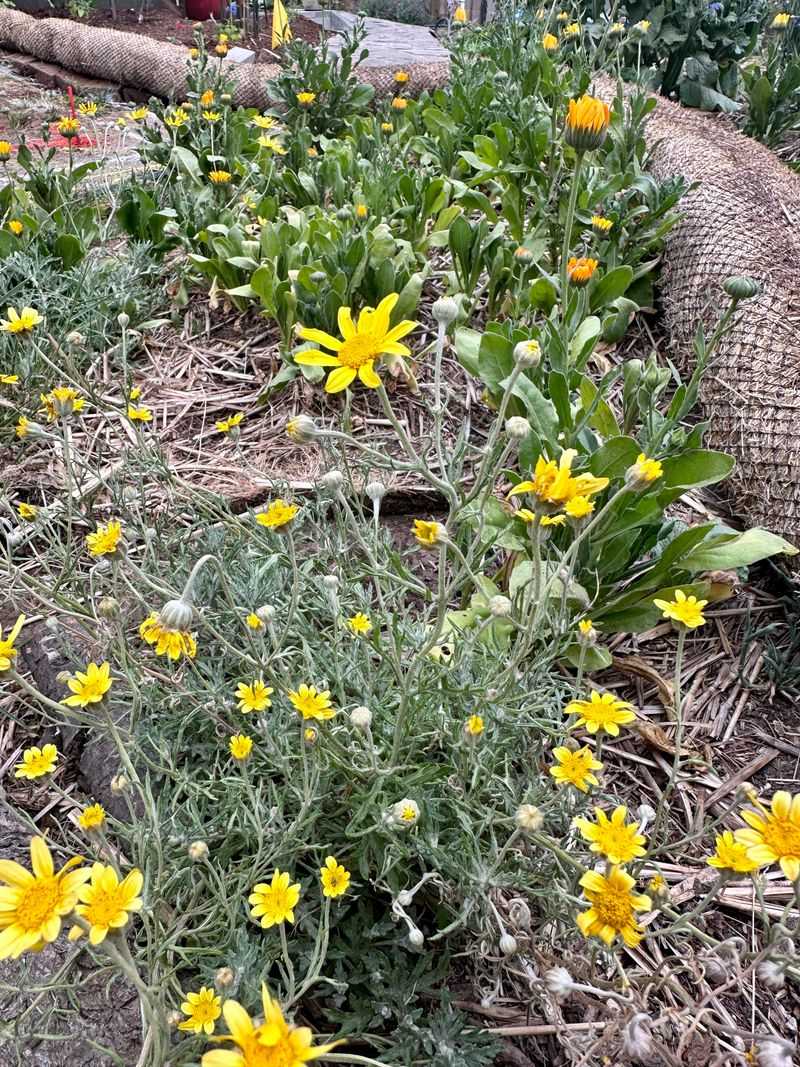
Most gardeners in Oregon know the struggle of dealing with rocky, clay-heavy, or nutrient-poor soil. Many popular flowers simply refuse to cooperate in those conditions.
Oregon Sunshine, on the other hand, actually prefers soil that other plants would complain about.
Rocky ground, sandy patches, and lean soils with little organic matter are where this plant truly shines. Good drainage is the one thing it really needs.
Sitting in soggy or waterlogged soil for too long is the main thing that can cause problems for this plant. As long as water drains away reasonably well, it tends to thrive.
Gardeners in the Willamette Valley often deal with heavy clay soils that hold too much moisture in winter. Adding gravel or coarse sand to planting areas can help improve drainage and give Oregon Sunshine the conditions it loves.
In drier regions like Central Oregon, the naturally rocky, fast-draining ground is practically perfect for it.
You also do not need to add fertilizer or enrich the soil before planting. Rich soil can actually cause the plant to grow floppy and soft instead of staying compact and strong.
Your Oregon Garden Changes Every Week. Your Plan Should Too.
Gardening in Oregon changes quickly throughout the season. Every Friday you’ll receive a simple weekly plan showing exactly what to plant, prune, fertilize, harvest, and protect so you never miss the right timing.
Planting it lean and mean is the right move. Oregon Sunshine rewards gardeners who resist the urge to fuss and just let the soil be itself.
3. Handles Dry Summers With Ease
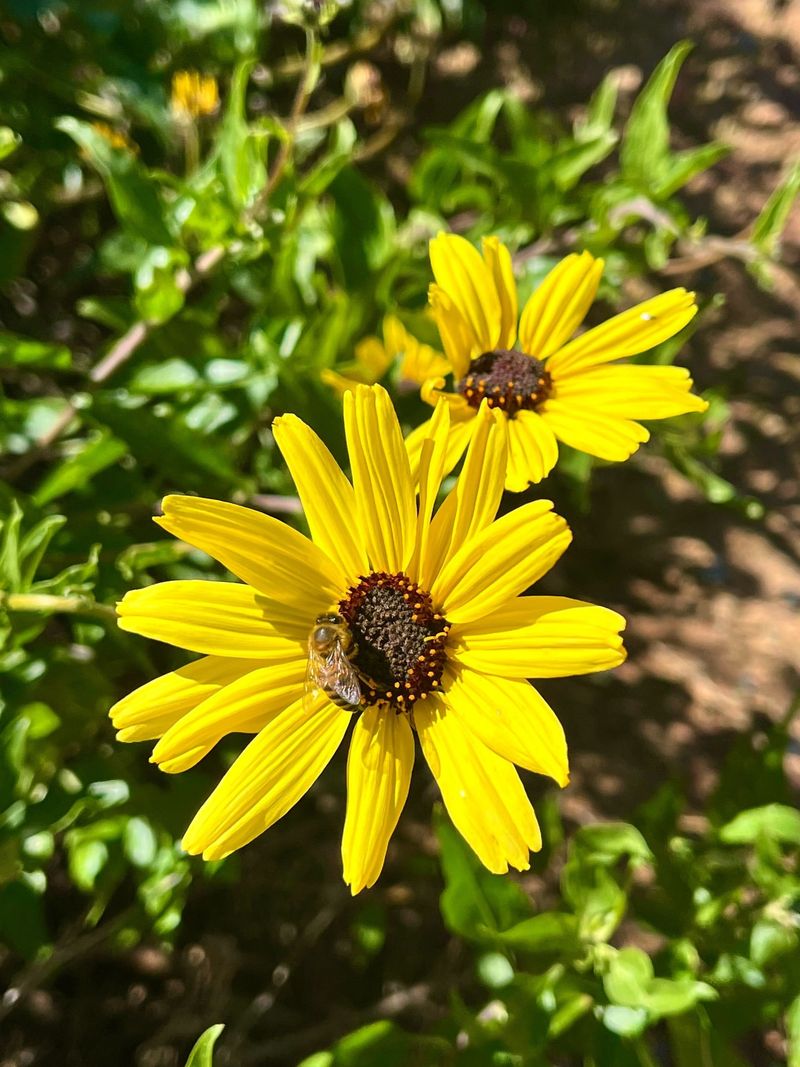
Oregon summers can be brutal. Weeks go by without a drop of rain, temperatures climb, and many garden plants start looking sad and wilted by July.
Oregon Sunshine barely notices. Once it gets established in its first year, it becomes remarkably drought-tolerant and needs very little supplemental watering.
The secret is partly in those woolly, silver-gray leaves. That fuzzy coating acts almost like a sunscreen and a moisture trap rolled into one.
It slows down water loss from the leaf surface, helping the plant stay hydrated even when the soil gets bone dry.
For gardeners in places like Medford or Bend, where summer drought is a serious reality, this quality is a game changer. Planting water-thirsty flowers in those areas means dragging out the hose constantly.
Oregon Sunshine frees you from that routine almost entirely.
During the first growing season, giving it a bit of water here and there helps it settle in and develop a strong root system. After that, you can mostly step back and let nature handle things.
Even during Oregon’s hottest stretches, a healthy established plant will keep looking good and flowering without much help from you. Xeriscape gardeners across the state have made it a staple for exactly this reason, and it rarely disappoints.
4. Long Season Of Bright Blooms
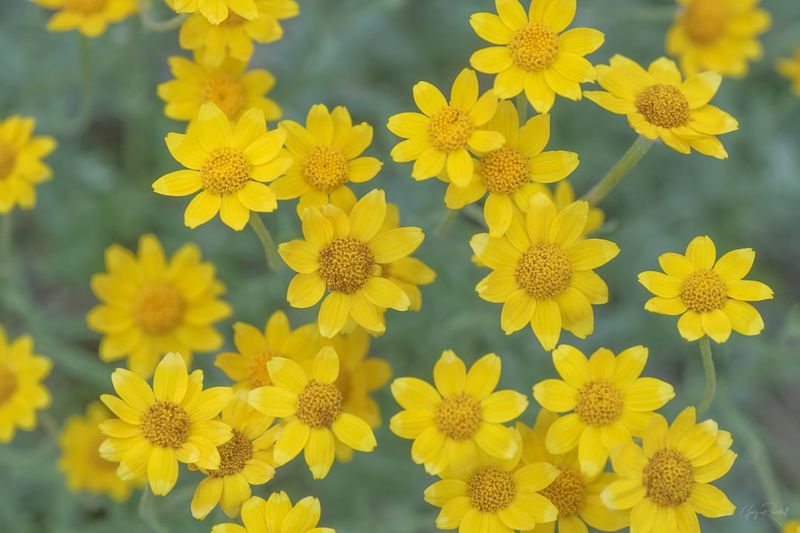
Few native plants give you as much color for as long as Oregon Sunshine does. Blooming typically starts in late spring and can stretch well into early summer, filling the garden with waves of bright golden-yellow flowers.
In some Oregon gardens with just the right conditions, flowering can even push toward midsummer.
Each flower is a cheerful, daisy-style bloom with a golden center and soft yellow petals. The plants tend to bloom in big flushes rather than just a few scattered flowers, so when they are at their peak, they really make a statement.
A single clump can produce dozens of blooms at once, creating a carpet of sunshine-colored color.
Deadheading, which means removing spent flowers, can encourage the plant to push out a second round of fresh blooms. It only takes a few minutes with a pair of garden scissors, and the reward is worth it.
Even without deadheading, the plant still puts on a great show.
The long bloom season makes Oregon Sunshine a valuable plant for layered garden designs. You can pair it with other Oregon natives like California Poppy or Western Yarrow to create a colorful, evolving display from spring all the way through summer.
Gardeners across the Willamette Valley have discovered that this simple native plant delivers more seasonal color than many fancy cultivated varieties.
5. Attracts Bees And Pollinators
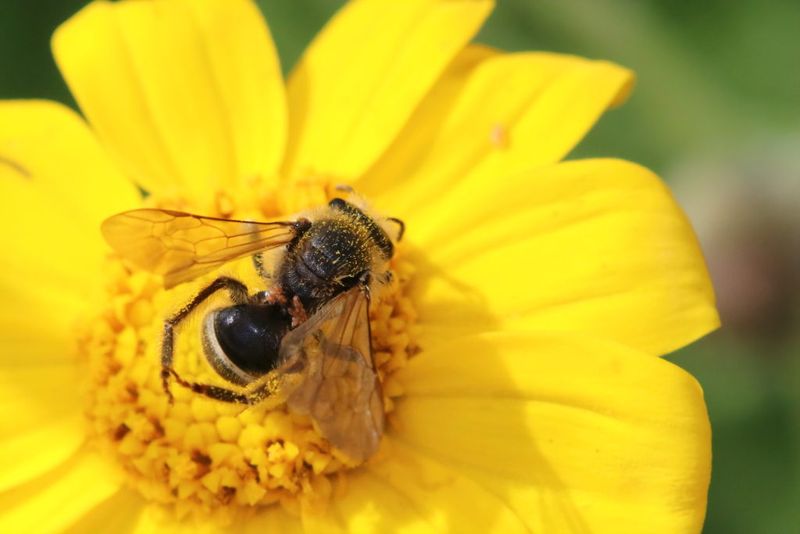
Walk past a patch of Oregon Sunshine in full bloom and you will almost certainly hear it before you see it. The buzzing of native bees working those golden flowers is one of the most satisfying sounds in a Pacific Northwest garden.
This plant is a powerhouse for pollinators, drawing in bees, butterflies, and beneficial insects throughout its bloom period.
Native bees especially love it. Bumble bees, sweat bees, and mining bees all visit regularly, collecting both nectar and pollen.
The open, flat shape of the flowers makes it easy for smaller insects to land and feed without struggling. That accessibility is one reason so many different pollinator species show up.
Oregon Sunshine also plays a special role as a host plant for the Fenders Blue butterfly, a rare and endangered species found in the Pacific Northwest. Supporting this plant in your Oregon garden means you are directly helping protect a vulnerable part of the local ecosystem.
That is a pretty big deal for such a small flower.
Beyond the ecological benefits, having pollinators active in your garden improves fruit set on nearby vegetables and other flowering plants. Planting Oregon Sunshine near a vegetable bed or orchard can boost your overall garden productivity.
It is one of those rare situations where doing something beautiful for your yard also does something genuinely good for the natural world around you.
6. Low Maintenance Once Established
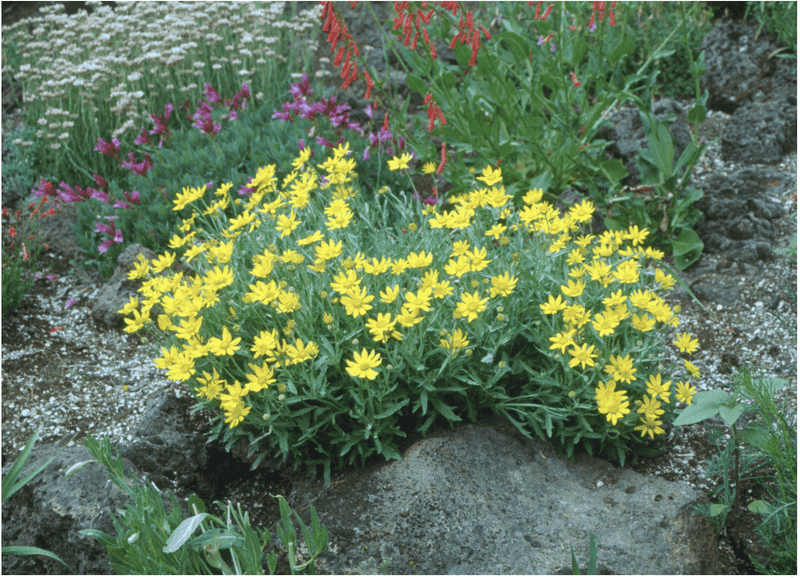
Busy gardeners, rejoice. Once Oregon Sunshine gets comfortable in your yard, it practically takes care of itself.
There is no complicated feeding schedule, no constant watering routine, and no need to fuss over it every weekend. It is the kind of plant that rewards a hands-off approach.
After the first growing season, established plants need very little supplemental water, especially in coastal and western Oregon where some summer fog and morning dew help out. In drier parts of the state, an occasional deep soak during the hottest weeks is enough to keep plants happy and looking their best.
Pruning is optional but helpful. Cutting the plant back lightly after the main bloom flush encourages fresh growth and a tidier shape.
Some gardeners in Oregon skip this step entirely and still end up with healthy, attractive plants year after year. The plant tends to stay naturally compact without much intervention.
Oregon Sunshine is also deer-resistant, which is wonderful news for gardeners in rural parts of the state where deer browsing can wreck a garden overnight. The woolly, aromatic foliage is not appealing to deer, so plants tend to be left alone.
Pests are rarely a serious concern either. For anyone who wants a beautiful, productive garden without spending every free hour maintaining it, this native plant is genuinely hard to beat.
7. Where It Fits Best In Your Yard
Finding the right spot for a plant can make all the difference, and Oregon Sunshine is pretty flexible about where it goes. Full sun is its first choice, meaning at least six hours of direct sunlight each day.
A south or west-facing slope, a dry garden border, or a sunny rock garden are all excellent options across Oregon.
Rock gardens are especially well-suited to this plant. The sharp drainage that comes naturally in a rocky setting keeps the roots healthy and prevents the soggy conditions it dislikes.
The silver-gray foliage also looks stunning against the texture of stones, creating a natural, effortless look that feels right at home in the Pacific Northwest landscape.
Pairing it with other Oregon natives creates a garden that looks intentional and ecologically sound. California Poppy, Globe Gilia, and Western Yarrow are all great companions that bloom at similar times and share similar growing needs.
Together they create a layered, colorful native plant garden that supports local wildlife.
Slopes and hillsides with erosion concerns are another great fit. The plant’s spreading root system helps hold soil in place, making it a functional as well as beautiful choice for challenging spots.
Even containers and raised beds work well, as long as drainage is good. Whether your yard is in Portland, Ashland, or somewhere in between, Oregon Sunshine can find a happy home.