The 9 Best Vegetables To Plant In Oregon This April
April is when Oregon gardens really start to wake up. The soil is finally workable, cool-season crops are ready to go in, and those longer days give everything a noticeable push.
It’s an exciting window, but timing still matters more than it seems. Oregon’s spring can swing between mild and chilly, with damp soil and the occasional late frost still in play.
The vegetables that do best right now are the ones that actually prefer those cooler conditions and can handle a bit of unpredictability without slowing down.
Plant the right crops in April and you’ll get a strong head start on the season. They’ll establish quickly, grow steadily, and often be ready to harvest before summer heat changes the pace. It’s one of the most rewarding times to plant, as long as you choose wisely.
1. Lettuce
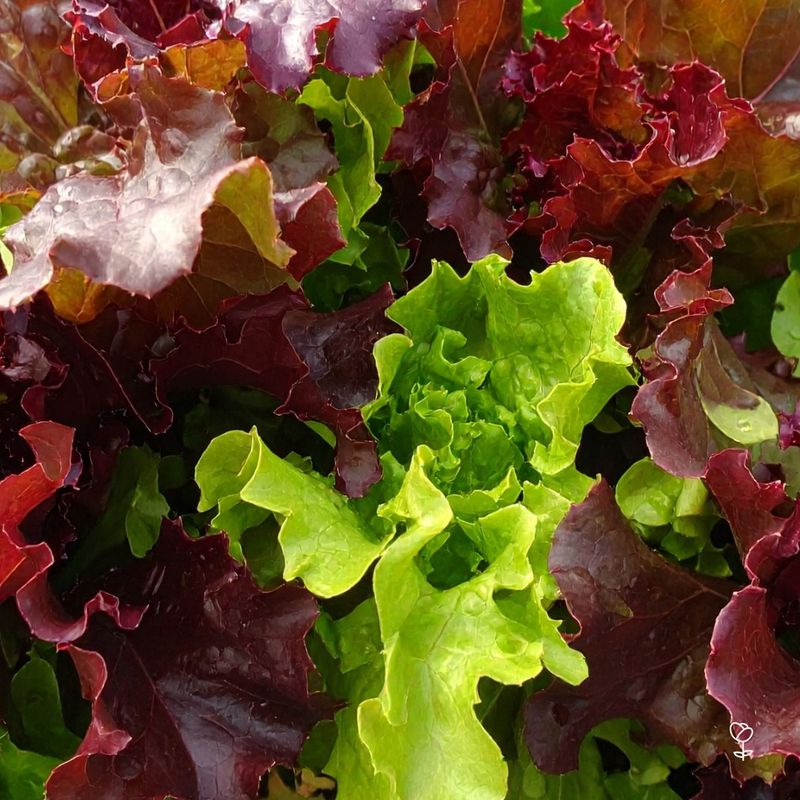
Cool, crisp, and incredibly easy to grow, lettuce is one of the first vegetables Oregon gardeners reach for every spring. It loves the mild April temperatures found across the Willamette Valley and coastal areas, making it a natural fit for this time of year.
You can start seeing results in as little as four to six weeks after planting.
Lettuce does best in loose, well-draining soil with plenty of organic matter mixed in. Scatter seeds directly into your garden bed or a container and lightly cover them with a thin layer of soil.
Keep the soil moist but not soggy, and you will see little green sprouts pop up fast.
One of the best things about growing lettuce in Oregon is that the cool, damp spring weather keeps it from bolting too quickly. Heat causes lettuce to turn bitter and go to seed, but Oregon’s mild spring slows that process right down.
Try planting a new row every two weeks so you always have fresh leaves ready to harvest. Loose-leaf varieties like Black Seeded Simpson or Red Sails are fantastic choices for Oregon gardens and give you a steady supply of tender greens all season long.
2. Spinach
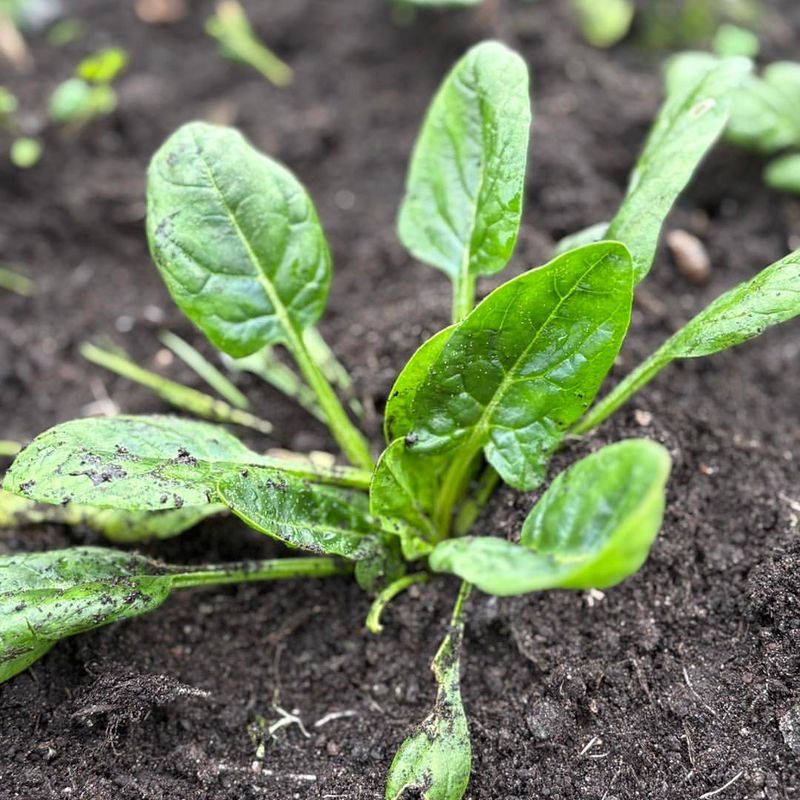
Few vegetables are as eager to grow in early spring as spinach. Plant it in April across Oregon and it practically takes care of itself, soaking up the cool temperatures and steady rainfall that make the Pacific Northwest such a great place to garden.
Spinach is packed with iron, vitamins, and flavor, so it is as good for your body as it is easy to grow.
Sow seeds directly into the ground about half an inch deep and one inch apart. Spinach germinates quickly in cool soil, often sprouting in as few as five days when conditions are right.
Thin the seedlings to about three inches apart once they get going, and use the thinnings in a salad right away.
Oregon’s coastal and valley regions are especially well-suited for spinach because the mild, moist air keeps plants healthy and productive. If you live east of the Cascades where frost can linger into late spring, consider using a row cover to protect young plants on cold nights.
Your Oregon Garden Changes Every Week. Your Plan Should Too.
Gardening in Oregon changes quickly throughout the season. Every Friday you’ll receive a simple weekly plan showing exactly what to plant, prune, fertilize, harvest, and protect so you never miss the right timing.
Varieties like Bloomsdale Long Standing and Tyee are well-loved by Oregon gardeners for their disease resistance and rich flavor. Harvest outer leaves regularly to keep the plant producing longer into the season.
3. Kale
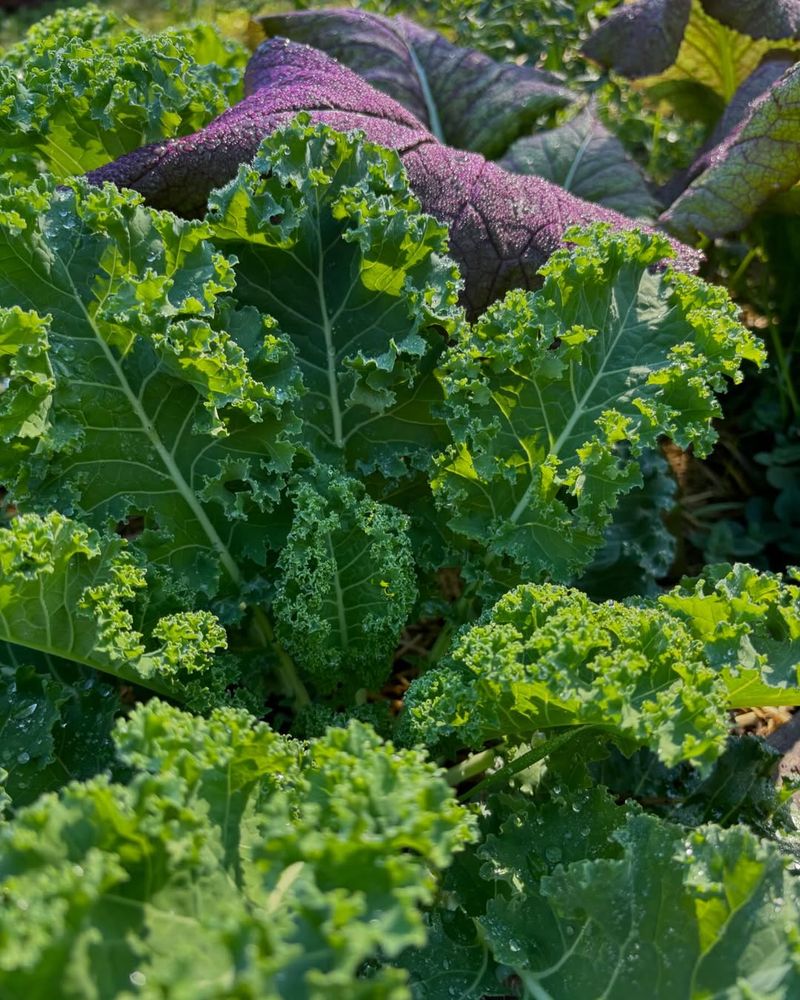
Tough, nutritious, and almost impossible to mess up, kale is a staple in Oregon gardens for good reason. It handles cold snaps, coastal winds, and even a surprise late frost without missing a beat.
April is the sweet spot for getting kale into the ground across most of Oregon, from the Willamette Valley to the southern coast.
Kale grows well from transplants or direct-seeded into the garden. Space plants about 18 inches apart so each one has room to spread out and develop those big, beautiful leaves.
Full sun is ideal, but kale also tolerates partial shade, which is handy on cloudy Oregon spring days.
What makes kale especially rewarding is how long it keeps producing. Start harvesting the lower outer leaves once the plant is about a foot tall, and it will keep pushing out new growth for months.
Curly kale varieties like Winterbor are popular in Oregon for their hardiness, while Lacinato, also called dinosaur kale, offers a slightly sweeter, more tender leaf that is wonderful in salads and soups. Kale actually tastes better after a light frost, so do not worry if temperatures dip a little after you plant.
Oregon weather often works in your favor with this one.
4. Swiss Chard
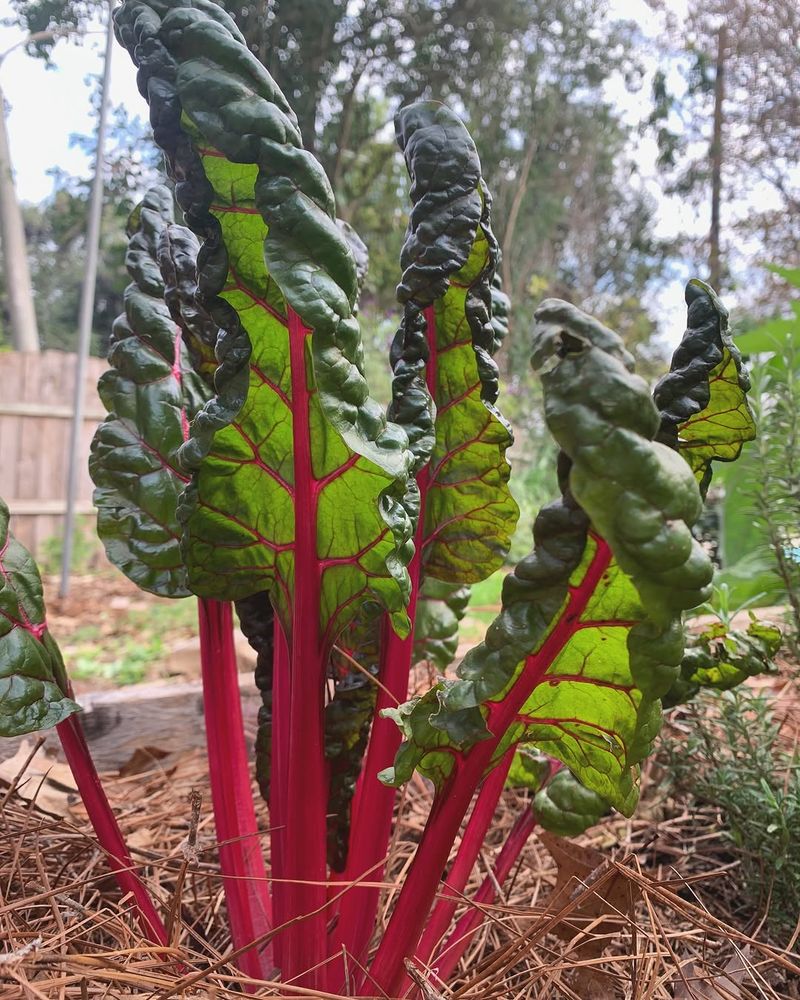
Walk through any Oregon farmers market in early summer and you will almost always spot bunches of Swiss chard with their eye-catching rainbow stems. This vegetable is as beautiful as it is useful, and April is exactly the right time to get it started in your Oregon garden.
It handles cool weather like a champ and bounces back quickly after a light frost.
Swiss chard seeds are actually clusters of several seeds, so once you plant them, thin the seedlings early to avoid overcrowding. Space plants about six inches apart to start, then thin again to about a foot once they get bigger.
Rich soil with good drainage and a bit of compost mixed in will keep your chard growing strong all season.
One of the nicest things about Swiss chard is how versatile it is in the kitchen. The leaves can be sauteed, added to soups, or eaten raw in salads when they are young and tender.
The colorful stems add a satisfying crunch to stir-fries and pasta dishes. Oregon’s mild spring climate gives chard a long growing window, especially in the Willamette Valley.
Varieties like Rainbow Chard and Fordhook Giant are both reliable performers that Oregon home gardeners love planting every April.
5. Carrots
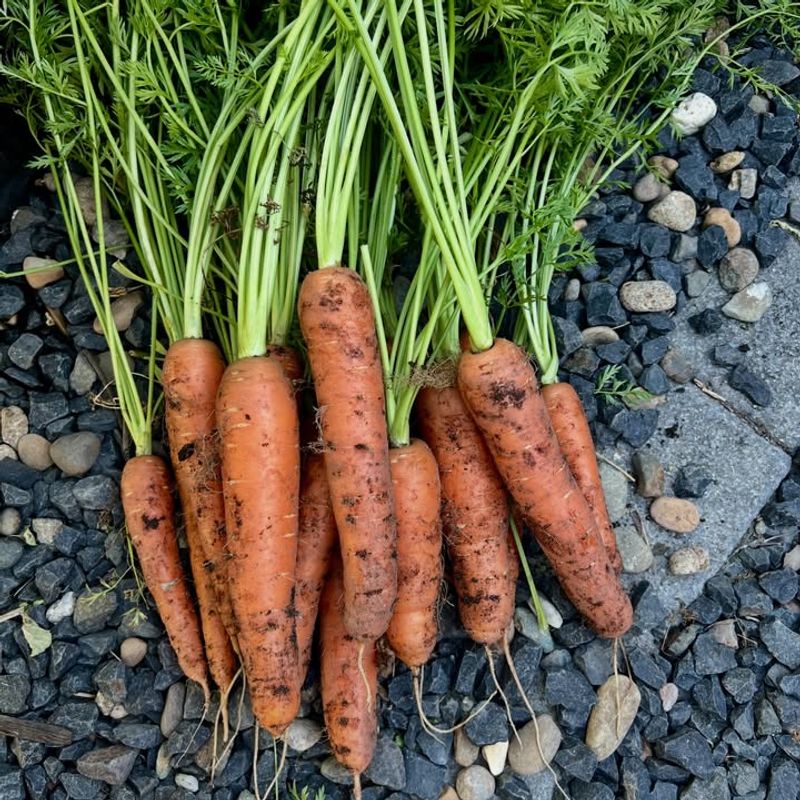
Carrots are one of those vegetables that feel almost magical to grow. You push a tiny seed into the soil, water it, and weeks later you are pulling up sweet, crunchy roots from the ground.
April is a great time to sow carrot seeds directly into Oregon’s garden beds, especially as soil temperatures climb above 45 degrees Fahrenheit.
Loose, deep, rock-free soil is the secret to growing straight, well-shaped carrots. Rocky or compacted soil causes roots to fork or twist, which is harmless but a little frustrating.
Work your soil down about 12 inches and break up any clumps before planting. Sow seeds thinly and cover with just a quarter inch of soil, then keep the surface moist until germination, which can take one to three weeks.
Oregon’s cool spring weather is perfect for carrot development because cooler soil encourages the roots to develop their natural sweetness. Varieties like Nantes and Danvers are favorites among Oregon gardeners for their reliable performance and great flavor.
Thin seedlings to about two inches apart once they sprout so each carrot has room to fill out. Carrots are slow to start but very rewarding once they get going, and a freshly pulled Oregon carrot tastes nothing like anything from a grocery store bag.
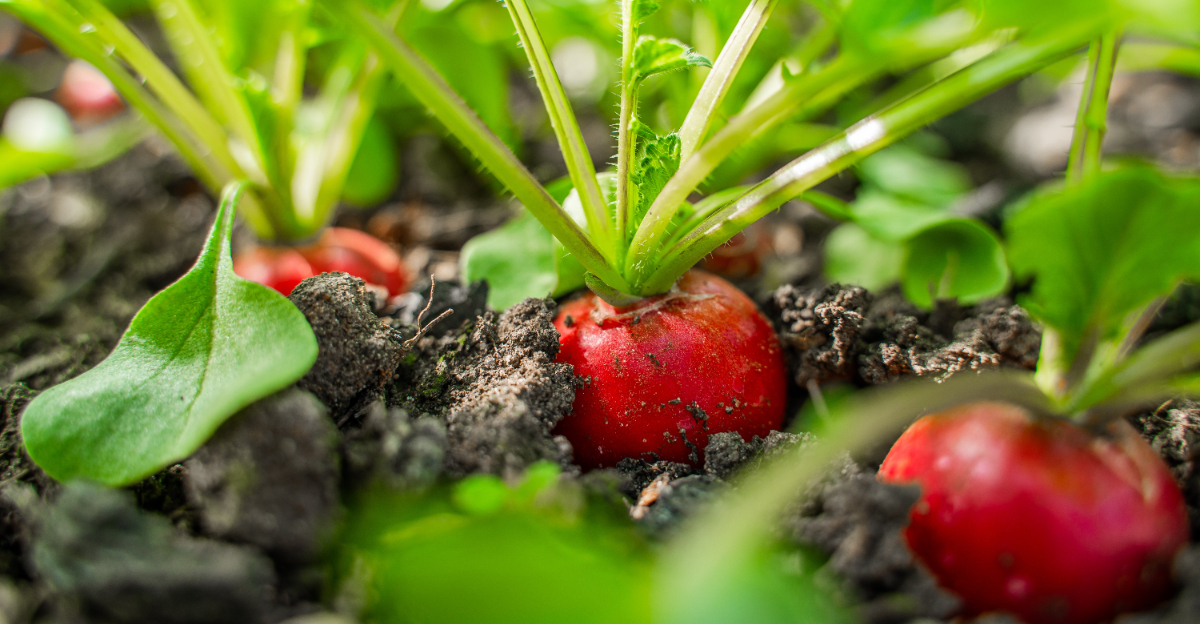
6. Radishes
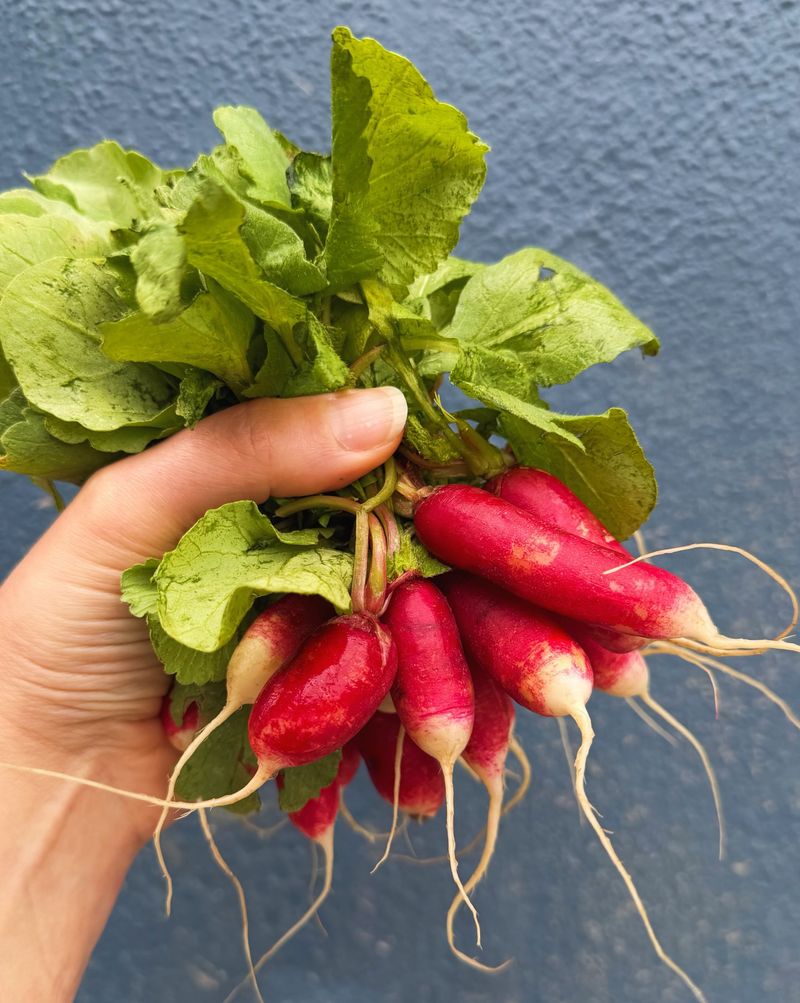
If you have never grown radishes before, April in Oregon is the perfect time to start. These little root vegetables grow so fast it almost feels like cheating.
Some varieties go from seed to harvest in just 25 days, making radishes one of the most satisfying vegetables a new gardener can grow. They are also a great way to mark rows of slower-growing vegetables like carrots.
Sow radish seeds directly into the garden about half an inch deep and an inch apart. They germinate fast, usually within three to five days in cool Oregon spring soil.
Thin seedlings to about two inches apart once they sprout so the roots have room to swell up properly. Water consistently to keep the soil moist and prevent the roots from becoming tough or cracking.
Radishes love cool weather, which is exactly what Oregon delivers in April. The mild temperatures in the Willamette Valley and along the coast are ideal for producing crisp, peppery radishes with just the right amount of bite.
Cherry Belle and French Breakfast are two classic varieties that perform exceptionally well in Oregon gardens. Harvest radishes as soon as they reach a good size because leaving them in the ground too long causes them to become pithy and overly sharp in flavor.
Fresh radishes sliced onto salads or eaten with a little butter and salt are a true spring treat.
7. Beets
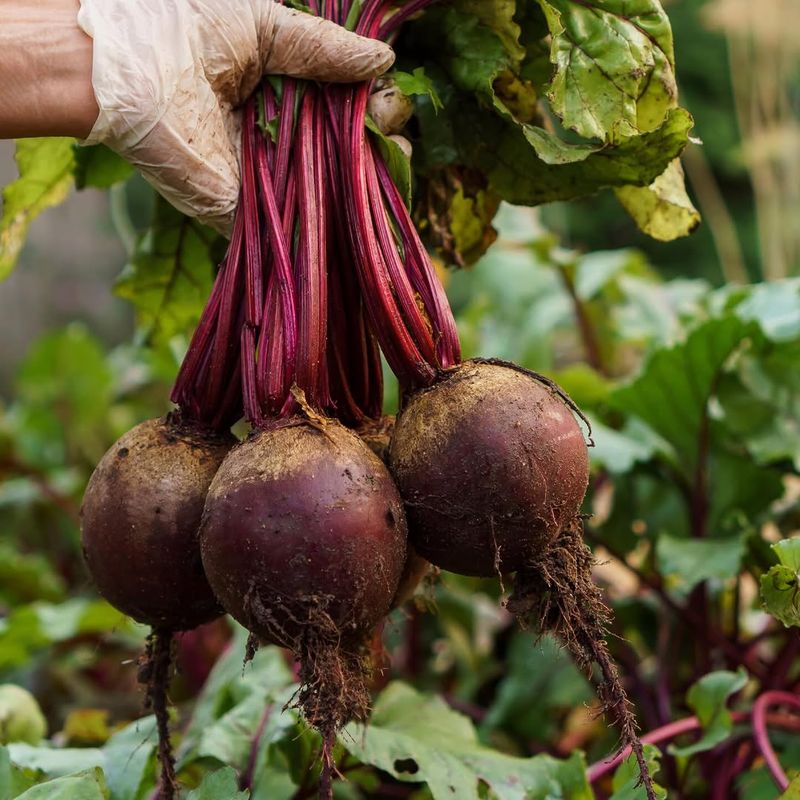
Beets are one of those underrated vegetables that deserve way more attention in the April garden. They are incredibly versatile because you get two crops in one: sweet, earthy roots and nutritious leafy greens that taste great sauteed with a little garlic and olive oil.
Oregon’s cool, damp April weather is almost tailor-made for beet growing.
Like Swiss chard, beet seeds are actually small clusters, so expect multiple seedlings from each seed. Thin them early to about three to four inches apart to give each root room to develop properly.
Plant seeds about half an inch deep in loose, well-draining soil that has been amended with compost. Avoid soil that is too heavy or clay-like, as this can cause roots to become misshapen.
Beets germinate best when soil temperatures are between 50 and 85 degrees Fahrenheit, which April in Oregon usually delivers nicely. They can handle a light frost without any trouble, so even gardeners in higher-elevation parts of the state can plant with confidence this month.
Detroit Dark Red and Chioggia are two beloved varieties among Oregon gardeners. Chioggia beets, with their striking red-and-white ringed interior, are especially fun to grow and bring a gorgeous pop of color to the dinner plate.
Start harvesting when roots reach about two to three inches across for the best flavor and texture.
8. Peas
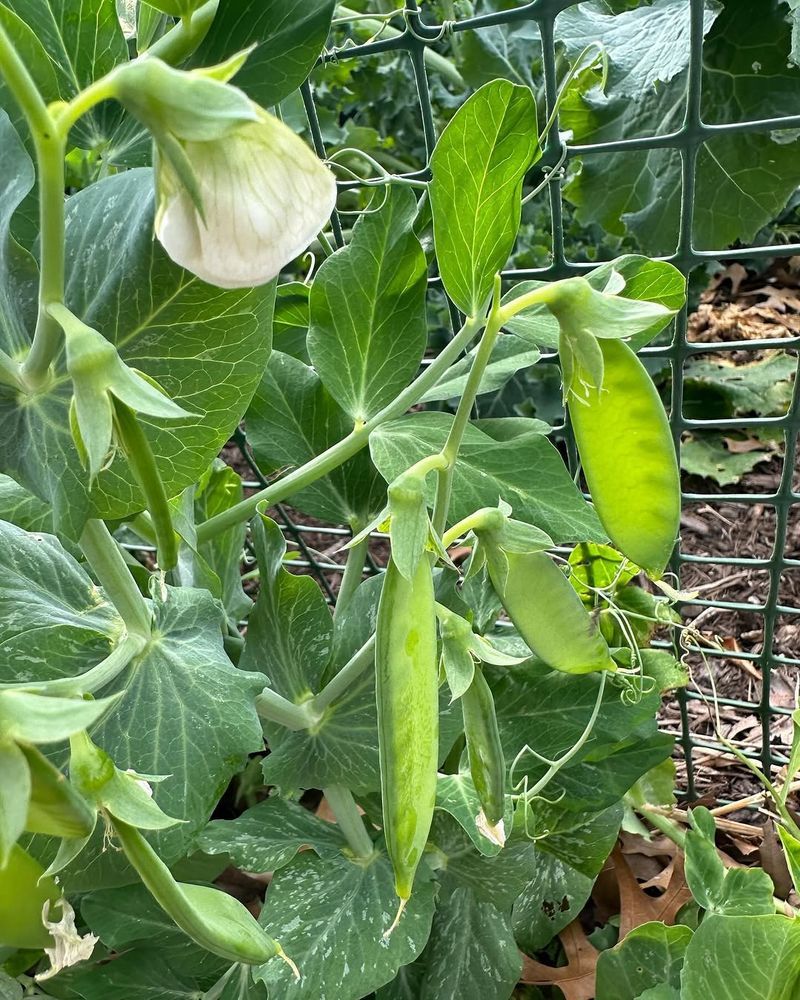
There is something wonderfully old-fashioned about growing peas in the spring garden. They climb, they flower, they produce sweet little pods, and they make the whole garden feel alive.
April is the ideal month to sow peas across Oregon because they thrive in cool soil and can handle a light frost without any fuss. Soil temperatures just above 45 degrees Fahrenheit are all they need to germinate.
Plant pea seeds about one inch deep and two inches apart in rows. Set up a simple trellis, fence, or even some twiggy sticks for the vines to climb as they grow.
Without support, pea plants flop over and become harder to harvest. Water regularly but avoid overwatering, since soggy soil can cause seeds to rot before they even sprout.
Oregon’s mild spring climate in the Willamette Valley and coastal areas gives peas a long, productive growing window before summer heat sets in. Sugar Snap and Oregon Sugar Pod are two varieties that perform exceptionally well across the state.
Sugar Snap peas are especially popular because you can eat the entire pod, crunchy and sweet, straight off the vine. Try planting a new batch every two weeks through May to extend your harvest into early summer.
Fresh peas picked right from the garden are one of the true joys of spring gardening in Oregon.
9. Broccoli
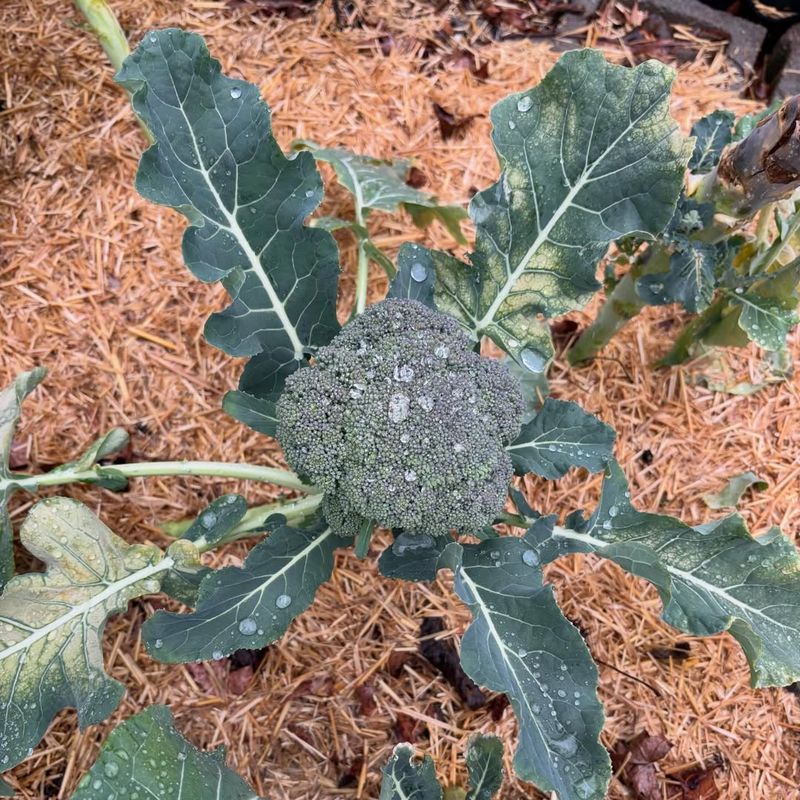
Broccoli is one of the most nutrient-dense vegetables you can grow, and April is a great time to get transplants into the ground across Oregon. Starting seeds indoors four to six weeks before your last frost date and then moving seedlings outside in April gives broccoli a solid head start before summer arrives.
The cool spring temperatures in Oregon help the heads develop slowly, which actually improves flavor.
Space broccoli transplants about 18 inches apart in rows that are about two feet apart. They need room to spread out and develop their large outer leaves.
Rich soil with plenty of nitrogen is important for broccoli, so work in a generous amount of compost or a balanced vegetable fertilizer before planting. Keep the soil consistently moist throughout the growing season.
One thing Oregon gardeners love about broccoli is that after you harvest the main head, the plant keeps producing smaller side shoots for weeks. That means one plant gives you multiple harvests across the season.
Varieties like Green Magic, Belstar, and Waltham 29 are proven performers in Oregon’s climate. Watch out for cabbage worms, which are a common pest in the Pacific Northwest.
Row covers can help protect young plants. Broccoli is worth every bit of effort because a fresh head from your own Oregon garden tastes far better than anything from a store shelf.