Texas Gardeners Should Plant These Vegetables In April
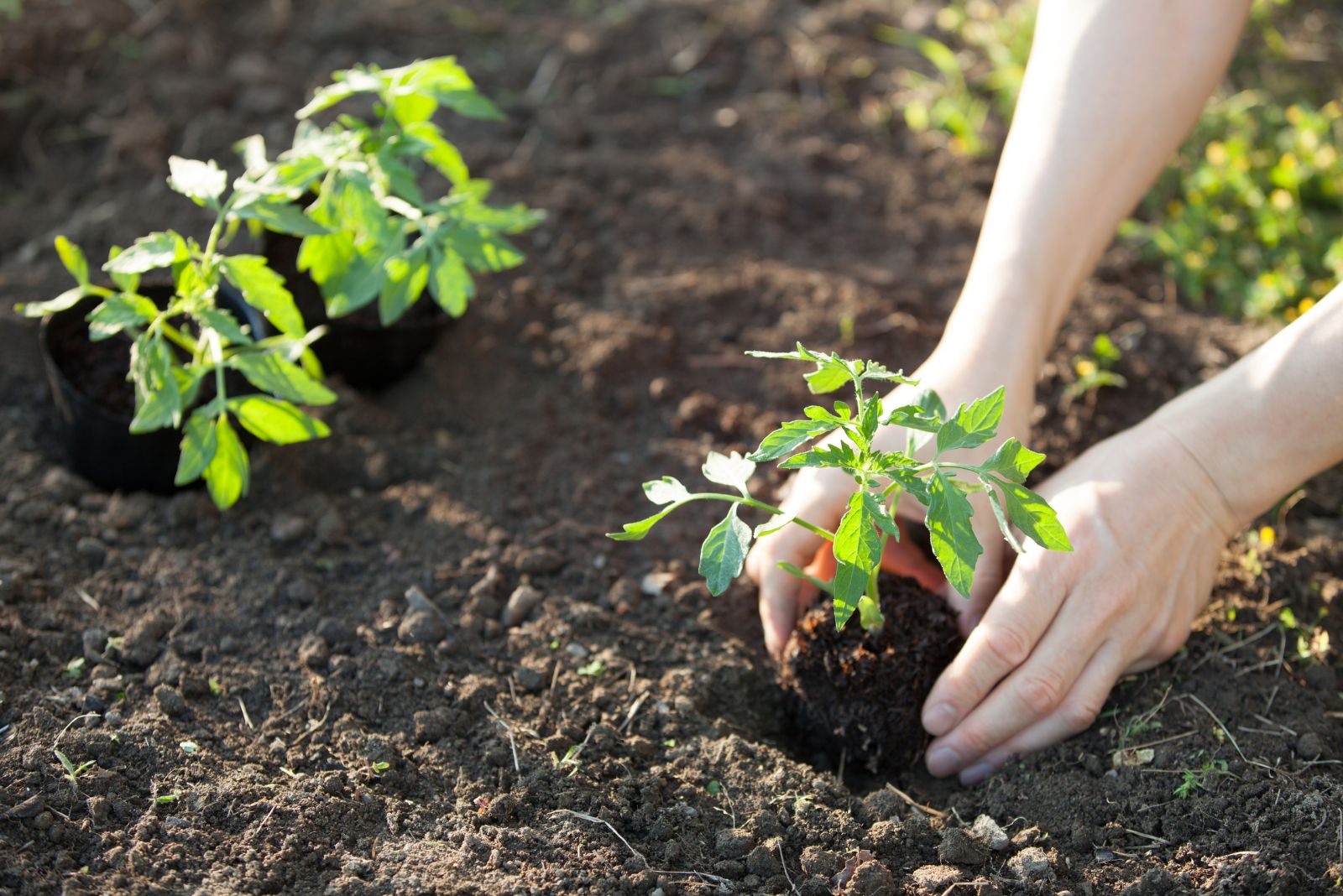
April is when vegetable gardening in Texas starts to feel exciting. The soil is warming up, the days are getting longer, and suddenly your garden feels full of potential.
It is also the month when timing matters more than many gardeners realize. Plant too early and cooler nights can slow things down.
Wait too long and the Texas heat can make life hard for young plants before they really get going.
That is why April is such an important window for getting certain vegetables in the ground. Some crops take off in these conditions and reward you with strong growth, faster harvests, and a garden that feels productive before summer gets intense.
Others are much less forgiving, which makes choosing the right vegetables a big part of your success.
If you are hoping for baskets of homegrown produce instead of a patch of stressed-out plants, this is the time to plant with purpose. A few smart choices in April can set your Texas garden up for a very satisfying season.
1. Tomatoes
Ask any Texas gardener what they grow every year, and tomatoes will almost always top the list.
There is something deeply satisfying about picking a sun-warmed tomato straight from your own garden. April is the sweet spot for getting them in the ground across Texas.
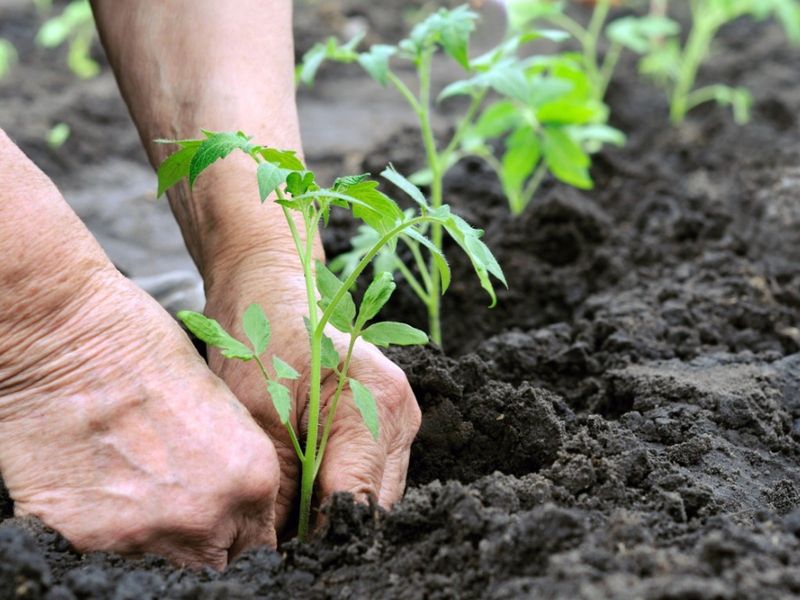
Rather than starting from seed at this point, go ahead and purchase transplants from your local nursery. Look for sturdy seedlings with thick stems and deep green leaves.
When you plant them, bury the stem deep into the soil, leaving only the top few sets of leaves above ground. This encourages a stronger root system and a healthier plant overall.
Tomatoes need at least six hours of direct sunlight every day. Full sun is non-negotiable for a good harvest.
Make sure your soil drains well so roots do not sit in standing water after rain. Water consistently and evenly to avoid problems like blossom end rot, which happens when watering is irregular.
Mulching around the base of each plant helps keep moisture in and weeds out. Popular Texas-friendly varieties include Celebrity, Better Boy, and Sweet 100 cherry tomatoes.
Stake or cage your plants early so they have support as they grow tall. With the right care, your tomato plants will reward you with a generous harvest throughout the summer.
2. Peppers (Bell And Hot)
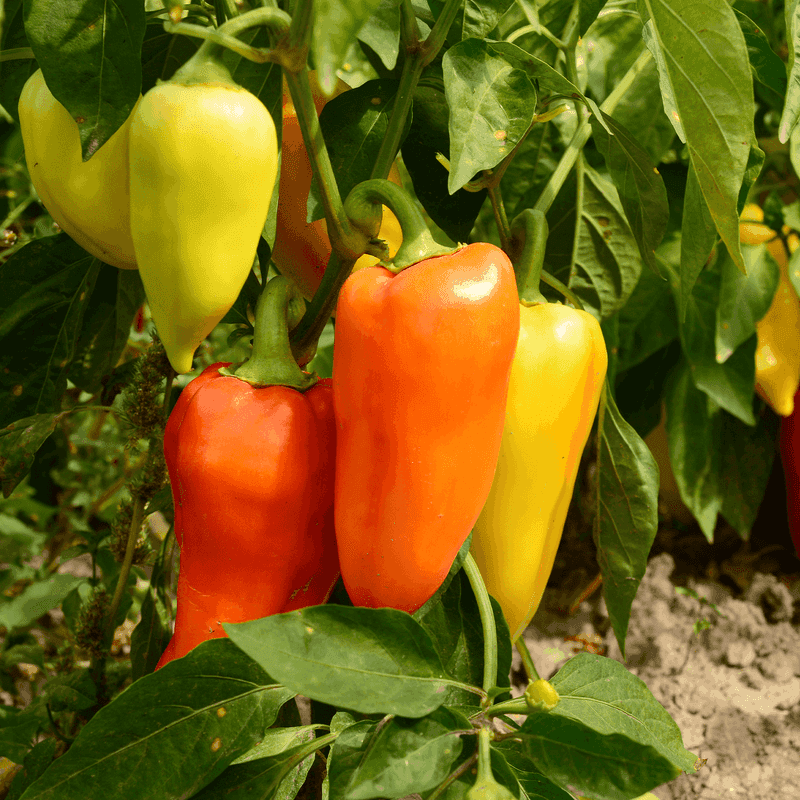
Few vegetables love Texas heat as much as peppers do. Once the temperatures start climbing and the soil stays warm, peppers take off like nothing else.
April is the ideal time to transplant pepper seedlings into your Texas garden and let them settle in before the real summer heat arrives.
Both bell peppers and hot varieties like jalapenos, serranos, and habaneros perform beautifully in Texas conditions. When choosing transplants, pick ones that look firm and healthy without any yellowing leaves.
Space them about 18 inches apart so air can move freely between plants. Good airflow helps prevent fungal issues, which can sneak up during humid stretches.
Peppers are sun lovers through and through. They need at least eight hours of direct sunlight to produce well.
Your Texas Garden Changes Every Week. Your Plan Should Too.
Gardening in Texas changes quickly throughout the season. Every Friday you’ll receive a simple weekly plan showing exactly what to plant, prune, fertilize, harvest, and protect so you never miss the right timing.
Work some compost into the soil before planting to give them a nutritious start. Once established, peppers are surprisingly low-maintenance compared to other vegetables.
Water deeply but allow the soil to dry slightly between waterings. Peppers do not like soggy roots.
A layer of mulch helps regulate soil temperature and moisture during hot Texas afternoons. As the season progresses, you will notice blooms forming and then small fruits developing.
Be patient because the bigger the fruit gets, the sweeter or spicier it becomes. Texas heat truly brings out the best flavor in every pepper variety.
3. Cucumbers
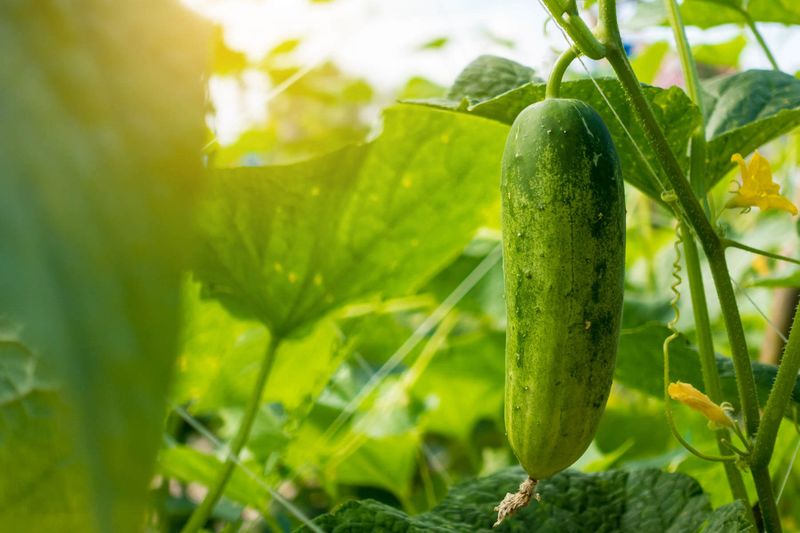
Cucumbers are the sprinters of the vegetable garden. They grow fast, produce heavily, and love the warm conditions that April delivers across Texas.
If you want quick results and plenty of fresh vegetables to enjoy, cucumbers are a fantastic choice for your spring garden.
You can plant cucumbers directly from seed in April since the soil is already warm enough for good germination. Seeds typically sprout within a week when soil temperatures are between 70 and 95 degrees Fahrenheit.
Texas soil in April usually hits that range easily. Plant seeds about an inch deep and keep the soil moist until they sprout.
One of the best ways to grow cucumbers in a Texas garden is on a trellis. Training the vines upward saves ground space, improves airflow, and makes harvesting much easier.
If you prefer, you can let them sprawl along the ground, but trellising tends to produce cleaner and healthier fruit.
Cucumbers need consistent moisture to develop well. Uneven watering can cause bitter-tasting fruit or misshapen cucumbers.
Water at the base of the plant rather than overhead to keep the leaves dry and reduce disease risk. Popular varieties for Texas include Straight Eight, Marketmore, and Spacemaster.
Harvest cucumbers when they are firm and before they turn yellow for the best flavor and texture. Regular picking also encourages the plant to keep producing throughout the season.
4. Squash (Zucchini And Yellow Squash)
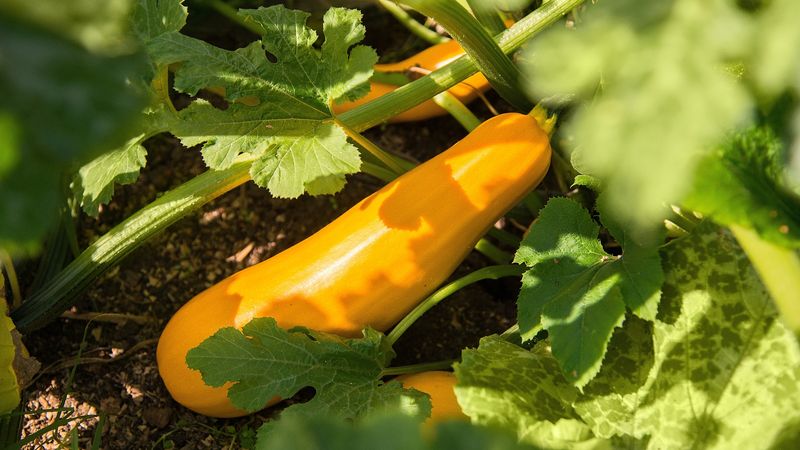
Walk through any Texas farmers market in summer and squash will be piled high in every direction. Zucchini and yellow squash are among the most productive vegetables you can grow, and April is the perfect time to get them started in Texas gardens.
Direct sowing seeds works great for squash in April because the soil is warm and conditions are just right for quick germination. Plant seeds about an inch deep and space them generously since squash plants spread out quite a bit.
Each plant can easily take up three to four feet of garden space, so plan accordingly before you start digging.
Good airflow between plants is important for keeping powdery mildew away. That is a common fungal problem that affects squash leaves, especially in humid conditions.
Avoid crowding plants together and water at the soil level rather than wetting the leaves. Morning watering gives any splashed moisture time to evaporate before nightfall.
Squash plants produce both male and female flowers. Bees and other pollinators help transfer pollen between them.
If your garden lacks pollinators, you can hand-pollinate using a small paintbrush. Harvest zucchini and yellow squash when they are small to medium-sized for the best flavor.
Leaving them too long on the vine results in tough, seedy vegetables. With just a little attention, squash will keep producing all the way through early summer in Texas.
5. Green Beans
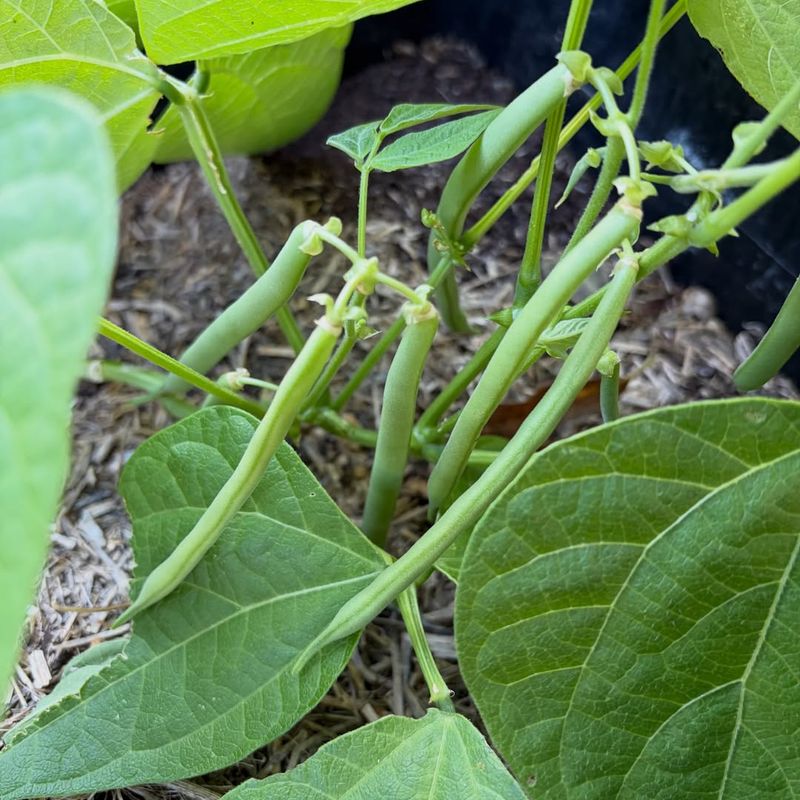
Green beans have earned their reputation as one of the most beginner-friendly vegetables you can grow. They do not need much fuss, they produce reliably, and they taste absolutely delicious fresh off the vine.
For Texas gardeners, April is the right time to get them in the ground once the last frost threat has passed.
Direct sowing is the way to go with green beans. They do not transplant well because they develop a taproot early on.
Simply push seeds about an inch into warm, well-draining soil and water them in. Germination usually happens within a week or two depending on soil temperature. Texas April conditions are usually perfect for a fast and even sprout.
You have two main choices when picking a variety: bush beans or pole beans. Bush beans grow in a compact shape and do not need any support.
They tend to produce their harvest all at once, which is great if you want to preserve or freeze a large batch. Pole beans climb and need a trellis or stakes, but they produce over a longer period.
Green beans do not require heavy fertilizing. Too much nitrogen can actually push the plant to grow lots of leaves but fewer pods.
Water regularly and keep weeds pulled so the plants can focus their energy on producing. Harvest pods when they are firm and snap cleanly. Picking often encourages more pod production throughout the growing season in Texas.
6. Okra
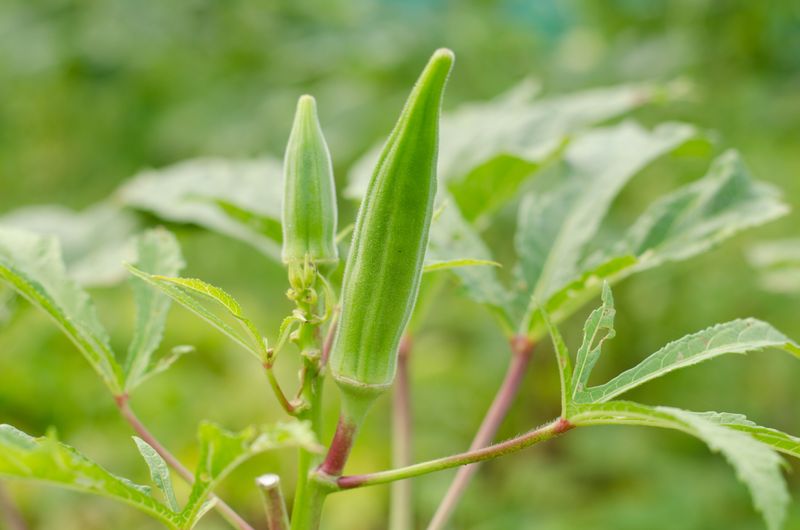
Okra is as Texas as barbecue and bluebonnets. This heat-loving vegetable has been a staple in Texas gardens for generations, and it thrives in the kind of hot, sunny conditions that the state is famous for.
April is the ideal month to get okra seeds in the ground as the soil begins warming up consistently.
Okra seeds need soil temperatures of at least 65 degrees Fahrenheit to germinate well, and Texas soil in April usually delivers that with no trouble.
Soak the seeds in water overnight before planting to help soften the hard outer shell and speed up germination. Plant them about an inch deep and space them 12 to 18 inches apart in a sunny spot.
Once okra gets going, it is one of the most low-maintenance vegetables in the garden. It handles Texas heat without breaking a sweat and is remarkably drought-tolerant once the roots are established.
That said, regular watering during the first few weeks helps the plants get off to a strong start.
Okra grows tall, sometimes reaching six feet or more, so plant it where it will not shade out shorter vegetables nearby. Harvest the pods when they are two to four inches long.
At that size, they are tender and flavorful. Leaving pods on the plant too long makes them tough and fibrous.
Check your plants every couple of days during peak production because okra grows surprisingly fast in warm Texas weather.
7. Eggplant
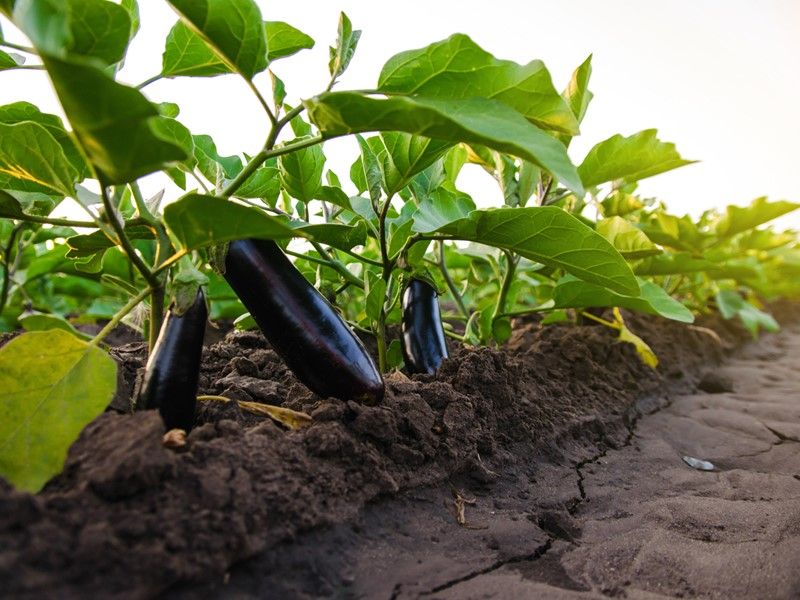
Eggplant is a vegetable that truly shines in Texas conditions. It loves long, hot summers and warm soil, which means April transplanting sets it up perfectly for a productive growing season.
Many Texas gardeners overlook eggplant, but once you try growing it, it tends to become a garden regular.
Start with transplants rather than seeds at this stage of the season. Look for healthy seedlings at your local nursery and choose varieties suited to hot climates.
Black Beauty, Ichiban, and Florida Market are all solid choices for Texas gardens. Plant transplants in full sun, spacing them about 24 inches apart to give each plant plenty of room to grow and spread out.
Eggplant needs warm soil to really get established. If the ground is still a bit cool, consider using black plastic mulch to help absorb heat and keep the root zone warm.
Regular watering is important but avoid waterlogging the soil. Eggplants prefer consistent moisture without sitting in wet conditions for long periods.
Fertilize with a balanced fertilizer once the plants are established and blooming begins. Eggplant is a heavy feeder and benefits from regular nutrient boosts throughout the season.
Watch out for flea beetles, which are tiny insects that chew small holes in the leaves. Row covers can help protect young plants early on.
Once summer rolls in across Texas, your eggplant will be producing beautiful, glossy fruit ready for grilling, roasting, or cooking in your favorite dishes.
8. Sweet Corn
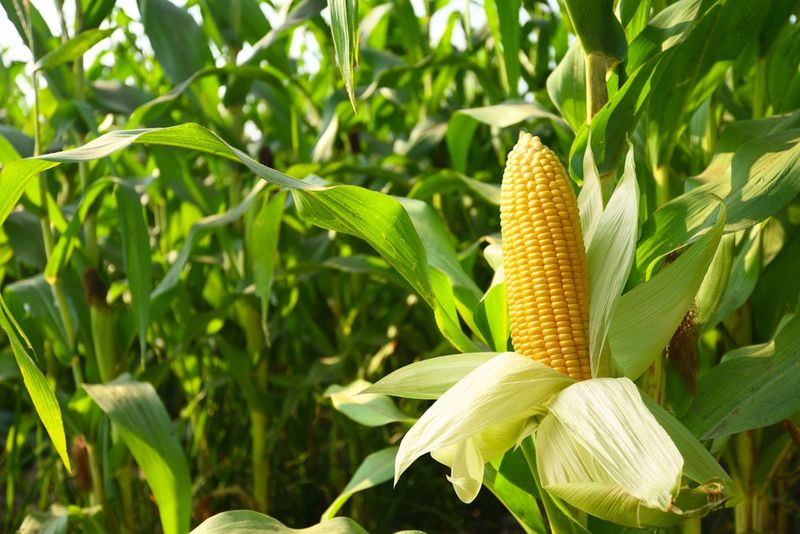
There is nothing quite like biting into an ear of sweet corn that you grew yourself. The flavor is in a completely different league from anything you find at a grocery store.
Luckily for Texas gardeners, April is a fantastic time to get sweet corn seeds in the ground and start working toward that summer harvest.
Sweet corn is a warm-season crop that needs plenty of sunshine and space. It grows best when planted in blocks rather than single rows.
The reason for this comes down to pollination. Corn is wind-pollinated, meaning pollen from the tassels at the top of the plant must fall onto the silks below.
Planting in a grid pattern of at least four rows wide gives the wind a much better chance of moving pollen where it needs to go.
Direct sow seeds about an inch deep and six to twelve inches apart in rows that are spaced about three feet from each other. Texas soil in April is warm enough to support fast germination.
Seeds usually sprout within a week under good conditions. Keep the soil moist but not soggy during the germination and early growth stages.
Corn is a heavy feeder, especially when it comes to nitrogen. Side-dress plants with a nitrogen-rich fertilizer when they reach about knee height.
Consistent watering is critical during the tasseling and ear-filling stages. Drought stress at those points can hurt your yield significantly.
With the right setup, your Texas corn crop will be ready to harvest in about 70 to 90 days from planting.