The One Flower That Truly Thrives In Pennsylvania Heat
When summer heat settles over Pennsylvania, plenty of flowers start to look tired fast. Blooms fade, leaves droop, and suddenly that cheerful garden you pictured in spring looks like it is begging for a break.
That is why finding a flower that can truly handle the hottest stretch of the season feels like such a win. Some plants survive the heat, but only a few seem completely at home in it.
This standout bloomer brings bold color, easy charm, and the kind of toughness gardeners appreciate once July and August roll around. It does not need constant babying to keep looking good, and that alone earns it plenty of respect.
In beds, borders, and even casual wildflower-style plantings, it has a way of brightening the whole space without acting fussy.
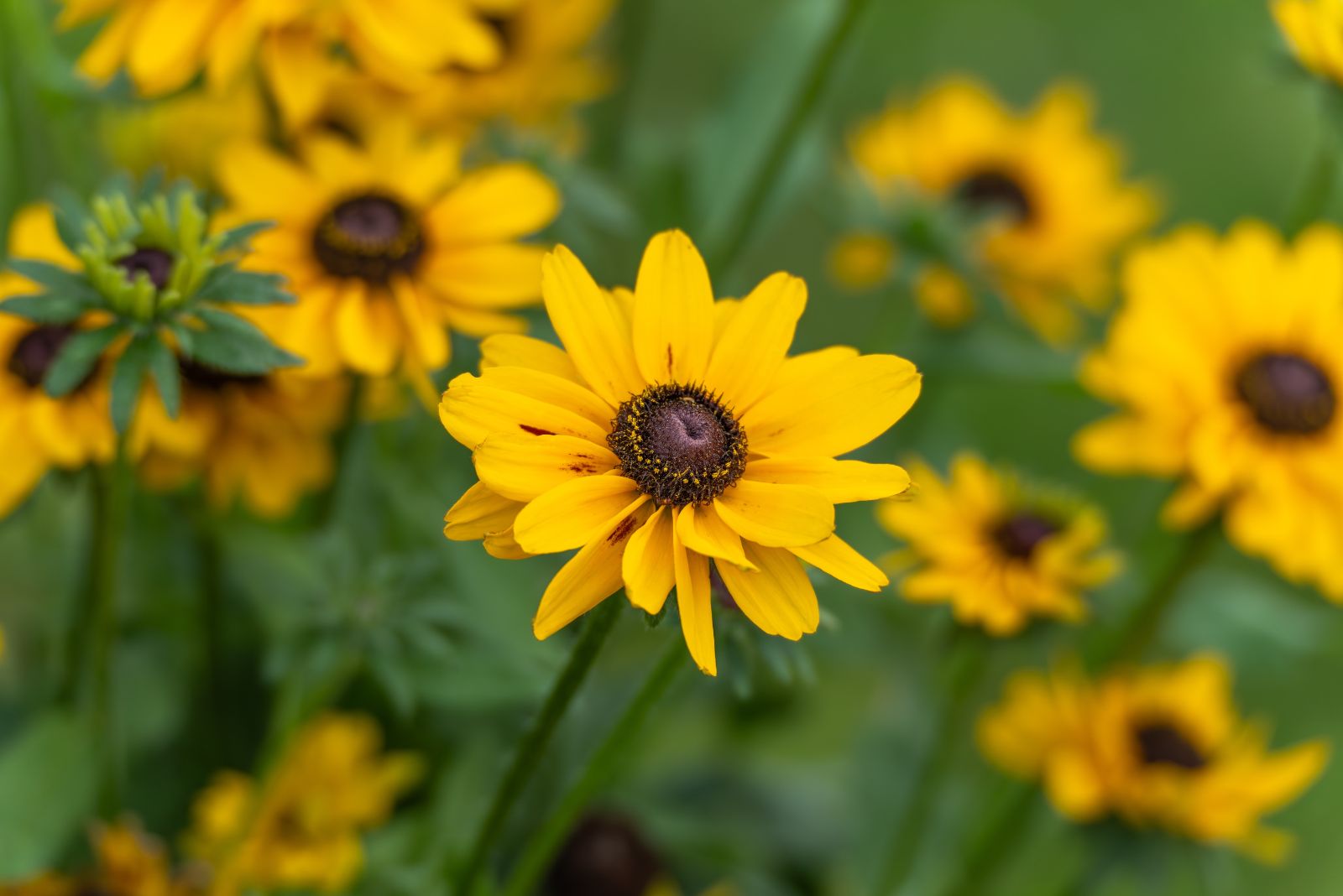
Black-eyed Susan has long been a favorite for good reason. It is sunny, dependable, and built for warm-weather performance, making it one of the smartest choices for Pennsylvania gardens that need color without the drama.
1. Black-Eyed Susan Really Can Handle Pennsylvania Heat
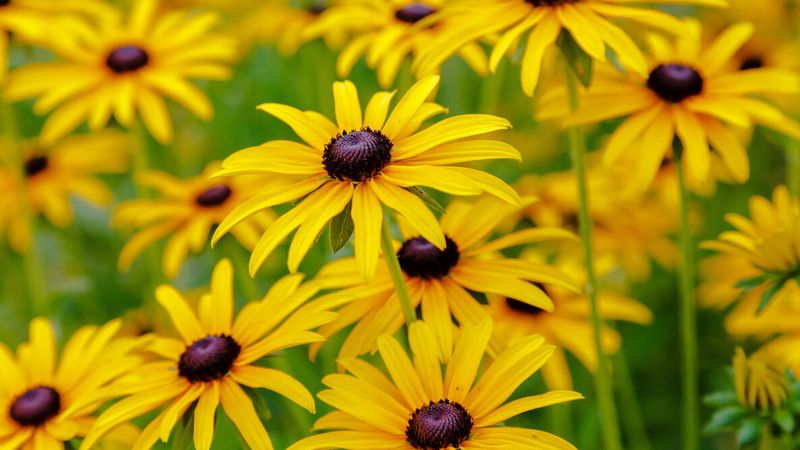
Ask any experienced Pennsylvania gardener which flower holds up best when July and August turn scorching, and black-eyed Susan will come up fast. Rudbeckia hirta is not just a pretty face.
It is a native wildflower that evolved right here in this region, which means it already knows how to handle what Pennsylvania summers throw at it.
Because it is native, this plant is naturally adapted to local soil types, rainfall patterns, and temperature swings. It does not need extra coddling or special fertilizers to get through a heat wave.
Once it is established in your garden, it handles both heat and drought with ease, continuing to bloom when other flowers are struggling to stay alive.
You will find black-eyed Susan growing naturally along Pennsylvania roadsides, in open fields, and in sunny meadows. That tells you a lot about its toughness.
It thrives in spots that get blasted by full sun all day long, and it does not complain about poor or dry soil either.
Penn State Extension has recognized black-eyed Susan as a reliable and valuable plant for Pennsylvania landscapes. Gardeners across the state, from Philadelphia to Pittsburgh, have seen firsthand how well it performs even during the hottest stretches of summer.
It blooms from mid-summer right into fall, giving you weeks of cheerful yellow color when many other plants have already faded. If you want a flower that is genuinely built for Pennsylvania heat, this is the one to plant.
2. Why This Flower Outperforms Fussier Summer Bloomers
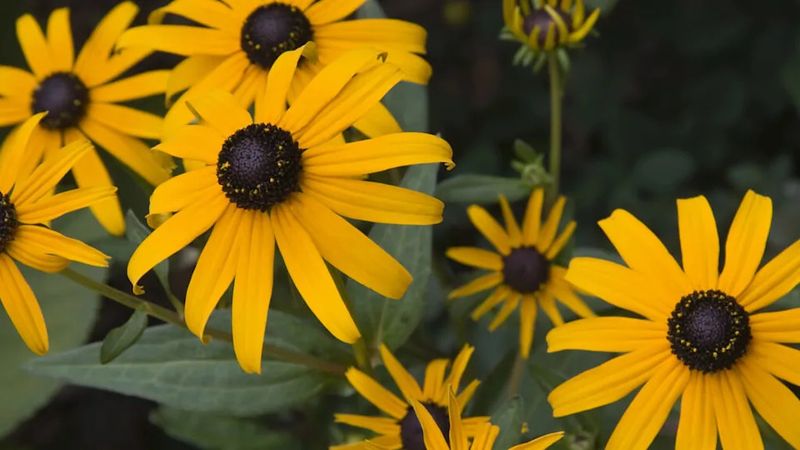
Plenty of flowers look great in spring, but the moment Pennsylvania’s summer heat kicks in, they start to fade fast. Petunias get leggy.
Impatiens wilt. Even some perennials slow way down once the temperatures climb into the upper 80s and beyond. Black-eyed Susan, on the other hand, seems to wake up when the heat arrives.
What makes it stand out is a combination of traits that fussier bloomers simply do not have. It tolerates heat without dropping its blooms.
Your Pennsylvania Garden Changes Every Week. Your Plan Should Too.
Gardening in Pennsylvania changes quickly throughout the season. Every Friday you’ll receive a simple weekly plan showing exactly what to plant, prune, fertilize, harvest, and protect so you never miss the right timing.
It keeps its upright, sturdy stems even when conditions get tough. And it does not need constant watering, deadheading, or fertilizing to stay looking good throughout the season.
Many flowers demand a lot of attention to perform well in summer. Black-eyed Susan asks for very little and gives back a lot.
Penn State has highlighted black-eyed Susan as a dependable garden performer, and it is easy to see why. Across Pennsylvania, gardeners report that this flower keeps blooming through the hottest weeks of the year while neighboring plants struggle.
Its bright yellow flowers with dark, almost black centers stay vibrant and eye-catching even on the most sweltering days.
For anyone who wants a low-maintenance summer garden in Pennsylvania, this flower is a smart pick. You get long-lasting color from mid-summer all the way into fall without having to fuss over it constantly.
That kind of reliable, hands-off performance is rare, and it is exactly what makes black-eyed Susan a step above the more demanding flowers that many gardeners give up on by August.
3. Full Sun Is Where Black-Eyed Susan Shines
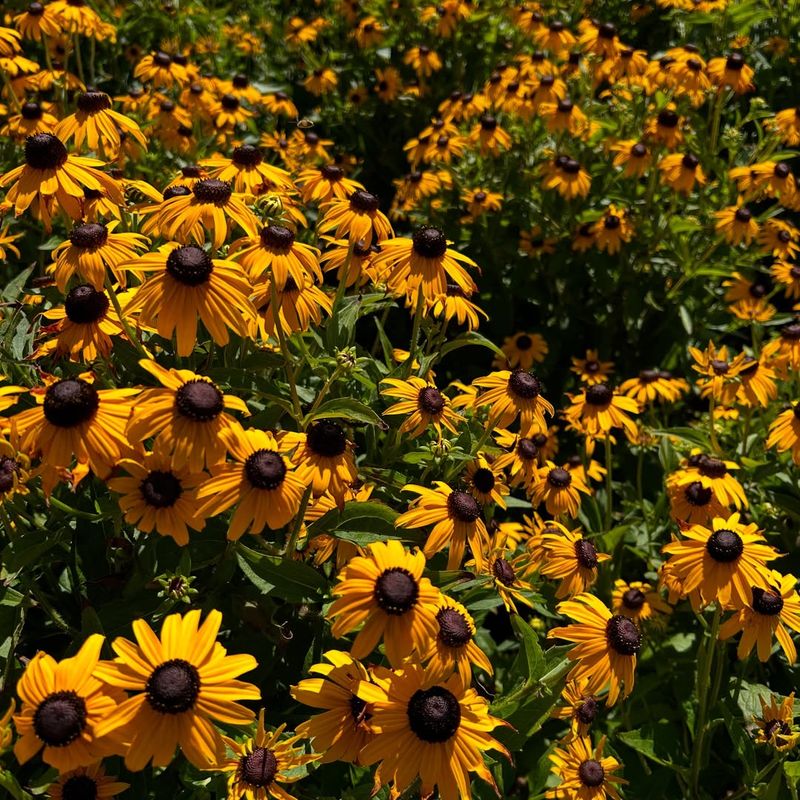
If your yard has a hot, sunny spot that seems too harsh for most flowers, black-eyed Susan will feel right at home there.
Full sun means at least six hours of direct sunlight every day, and this flower does not just tolerate those conditions. It actually performs better the more sun it gets.
Many Pennsylvania gardeners have spots in their yards that bake in the sun all afternoon. South-facing beds, open front yards, or areas along driveways can get intense heat and light that cause other plants to struggle.
Black-eyed Susan handles all of that without missing a beat. The more direct sunlight it receives, the stronger and more upright its stems grow, and the more flowers it produces.
Growing black-eyed Susan in partial shade is possible, but you will notice the difference. Plants in shadier spots tend to get taller and leggier as they reach for light, and they produce fewer blooms.
For the best show in a Pennsylvania garden, plant it where the sun hits hard and stays long. Think about the sunny spots in your yard that feel almost too hot to garden in. Those are exactly the places where black-eyed Susan will reward you most.
From the warm suburbs of Philadelphia to the open landscapes of central Pennsylvania, this flower lights up sunny beds with weeks of golden yellow color.
It is one of the best choices you can make for any bright, exposed spot in your yard, and it proves that sometimes the toughest growing conditions bring out the best in the right plant.
4. It Handles Dry Soil Better Than Many Garden Favorites
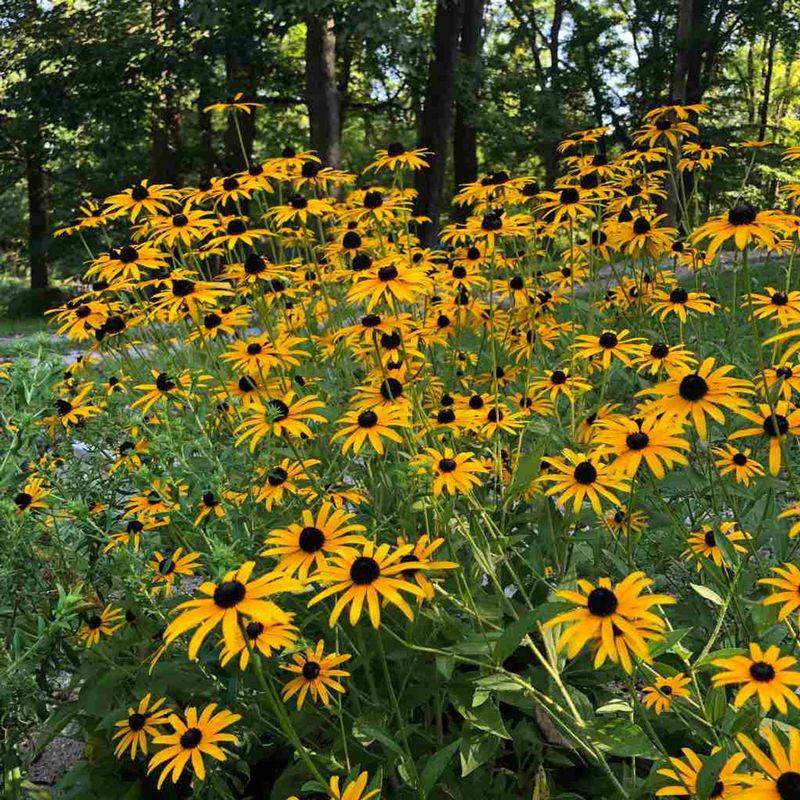
One of the biggest challenges in a Pennsylvania summer garden is keeping up with watering. When heat waves hit and rain stays away for weeks, many popular garden flowers start to suffer quickly.
Roses need extra water. Hydrangeas droop. Annual flowers in containers need watering almost every single day. Black-eyed Susan takes a completely different approach to dry conditions.
The Lady Bird Johnson Wildflower Center describes black-eyed Susan as drought tolerant and well-suited for sunny, dry areas. That is a big deal for Pennsylvania gardeners who deal with stretches of hot, dry weather every summer.
Once this plant is established, usually after its first growing season, it can go long periods without rainfall and still keep blooming. Its root system reaches deep enough to find moisture that shallower-rooted plants simply cannot access.
Beyond drought tolerance, black-eyed Susan also handles poor soil without complaint. It does not need rich, heavily amended garden beds to thrive.
Sandy soil, clay-heavy soil, and even rocky ground are all manageable for this tough native flower. That kind of flexibility makes it useful in spots around a Pennsylvania yard where improving the soil is not easy or practical.
For gardeners who want beautiful summer color without being tied to a watering schedule, this is a flower worth knowing well. You can plant it in a challenging dry spot, give it a good start with regular watering during its first season, and then largely step back and let it do its thing.
Across Pennsylvania, that kind of low-effort, high-reward plant is exactly what busy gardeners are looking for.
5. The Pollinators Love It Almost As Much As Gardeners Do
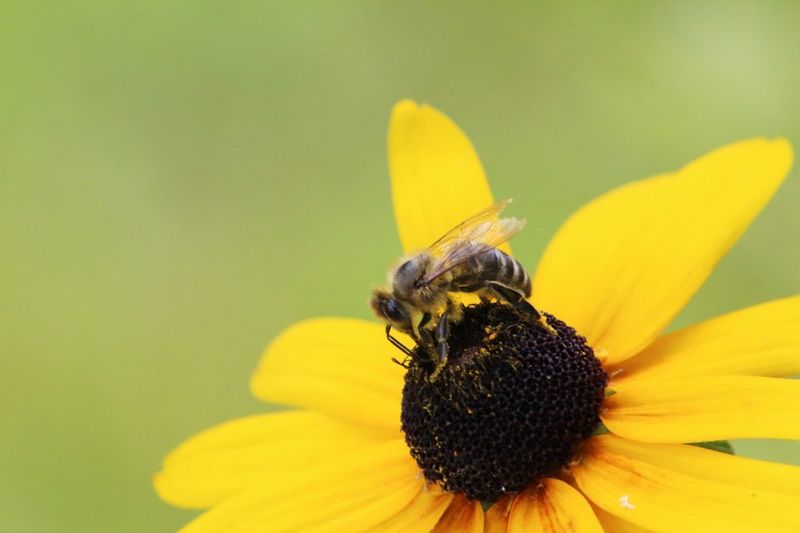
Walk up to a patch of black-eyed Susan on a warm Pennsylvania afternoon and you will rarely find it empty. Bees, butterflies, and other beneficial insects are drawn to these flowers like a magnet.
The open, daisy-like shape of the blooms makes it easy for pollinators to land and feed, and the flower produces plenty of pollen and nectar to keep them coming back.
Honeybees and bumblebees are frequent visitors, and you will often spot several species of butterflies hovering around a healthy planting. Goldfinches are also known to visit black-eyed Susan once the blooms fade and the seed heads form in late summer and fall.
That means this single plant supports wildlife across multiple seasons, not just during its peak bloom period.
For Pennsylvania gardeners who want to support local pollinators, black-eyed Susan is one of the most practical choices available.
Native plants like this one have evolved alongside native insects over thousands of years, so the relationship between the flower and its pollinators is especially strong.
Planting it helps support bee populations and butterfly species that are important to the broader ecosystem across Pennsylvania.
Beyond the ecological benefits, watching pollinators work through a sunny patch of black-eyed Susan is genuinely enjoyable. It adds life and movement to the garden in a way that a purely decorative flower simply cannot.
You get the beauty of the bright yellow blooms, the toughness that holds up through Pennsylvania heat, and the bonus of a garden that buzzes and flutters with activity all summer long. That combination is hard to beat in any home landscape.
6. Why It’s Such An Easy Win For Pennsylvania Gardens
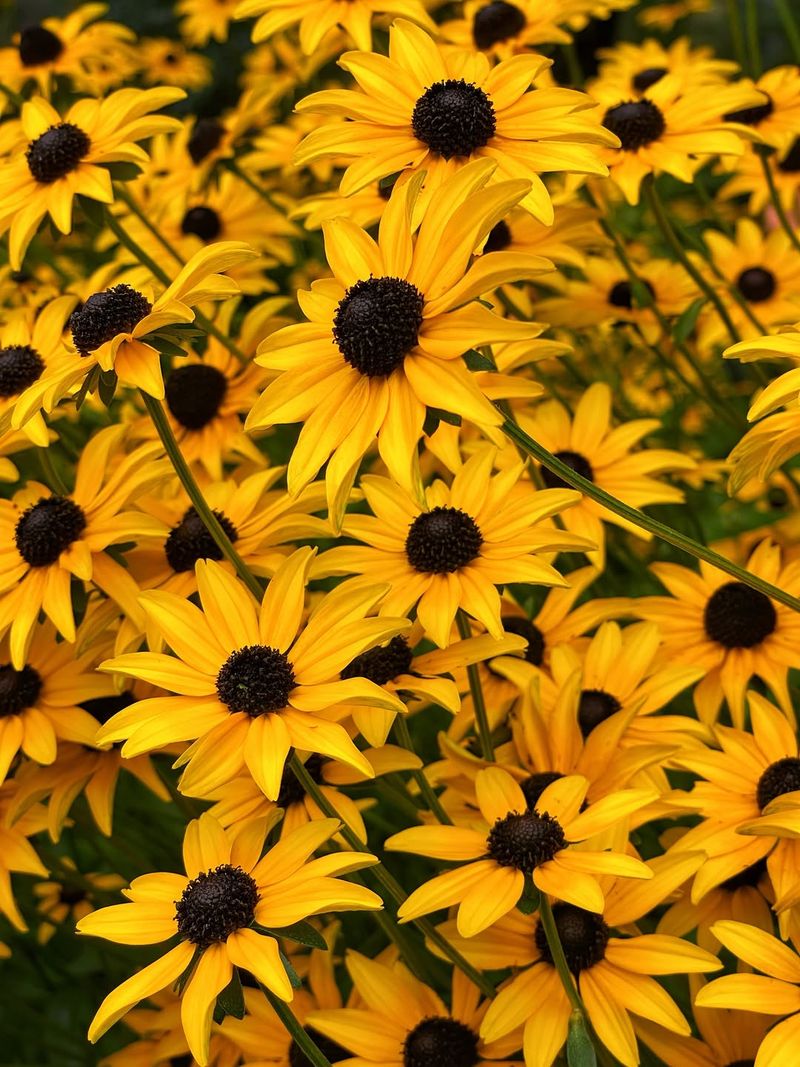
Some plants feel like a constant project. Black-eyed Susan feels like a gift. Once you get it growing in a Pennsylvania garden, it tends to take care of itself in ways that most plants simply do not. It is native, so it fits naturally into the local environment.
It is heat tolerant, so Pennsylvania summers do not slow it down. And it is low-fuss, so you do not need to hover over it to keep it happy.
One of the best things about growing Rudbeckia varieties in Pennsylvania is how they self-seed. After the blooms fade and the seed heads dry out, seeds drop to the ground and sprout new plants the following season.
Over time, a small planting can spread into a fuller, more established patch without you doing much of anything. That kind of natural spread adds long-term value to your landscape without extra cost or effort.
Black-eyed Susan also plays well with other native Pennsylvania plants. It looks great alongside purple coneflower, wild bergamot, and ornamental grasses.
Mixing these plants together creates a garden that is not only beautiful but also incredibly resilient through the heat of summer and the dry spells that come with it.
For gardeners across Pennsylvania, from the suburbs of Pittsburgh to the countryside of Lancaster County, black-eyed Susan checks every important box. It is beautiful, tough, wildlife-friendly, and genuinely easy to grow.
Whether you are starting a new garden bed or filling in a challenging sunny spot, this flower delivers season after season. It is not just a good choice for Pennsylvania heat. It might just be the best one.