These Pennsylvania Wildflowers Are Great For Color Without Turning Into Another Chore
Pennsylvania gardeners have a complicated relationship with wildflowers. The idea of a naturalistic, colorful planting that takes care of itself sounds absolutely perfect right up until someone mentions the wrong species.
Suddenly you’re dealing with something that self-seeds into every corner of your yard and requires more management than the formal beds you were trying to get away from in the first place.
The good news is that not all wildflowers operate that way. Pennsylvania has a genuinely impressive lineup of native wildflowers that bring real seasonal color, support local pollinators, and grow with enough purpose to fill a space beautifully without turning aggressive or demanding constant attention to keep in check.
These are the wildflowers that deliver everything the concept promises without the fine print. Plant them in the right spot, give them a season to settle in, and they reward you with color and life that keeps coming back without becoming another item on your gardening to-do list.
1. Black-Eyed Susan
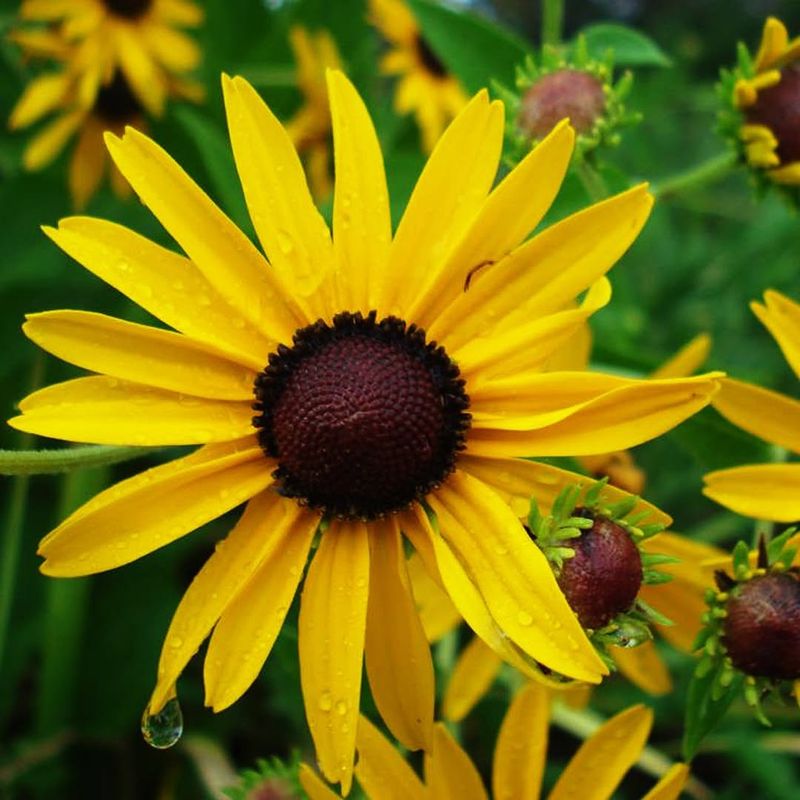
Few flowers say “summer” quite like the Black-Eyed Susan. Those golden-yellow petals surrounding a deep brown center are impossible to miss, and they show up reliably every year without you having to do much at all.
This cheerful wildflower is one of the most beloved natives across Pennsylvania, popping up in meadows, roadsides, and backyard gardens from June all the way through September.
What makes Black-Eyed Susan so great for low-maintenance gardening is its ability to reseed itself. Once it gets comfortable in your yard, it will drop seeds each fall and sprout new plants the following spring.
You get more flowers every year without buying a single new plant. It thrives in full sun and handles dry spells surprisingly well, making it a strong choice for spots where other flowers struggle.
Black-Eyed Susan also plays well with pollinators. Bees, butterflies, and even goldfinches love visiting these blooms.
In Pennsylvania, where supporting native wildlife matters, planting this flower is a small act with a big payoff. Plant it in average or even poor soil and it will still perform.
Skip the fertilizer and skip the fuss. Just give it sunshine and a little space, and Black-Eyed Susan will reward you with bold, happy color season after season without asking for anything extra in return.
2. Purple Coneflower
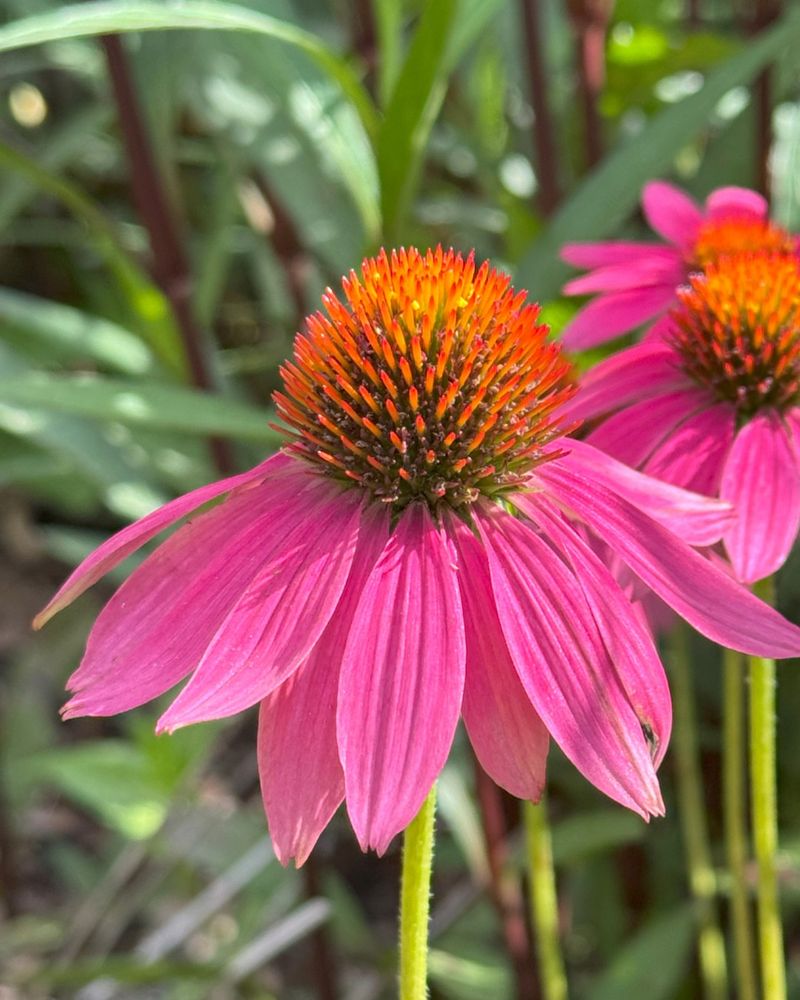
Tough, beautiful, and practically unstoppable, the Purple Coneflower has earned its reputation as one of Pennsylvania’s hardest-working native plants. Also known as Echinacea, this flower comes back year after year with very little help from you.
It handles summer heat, dry stretches, and even clay-heavy soil without flinching. Once it gets established, you can basically step back and let it do its thing.
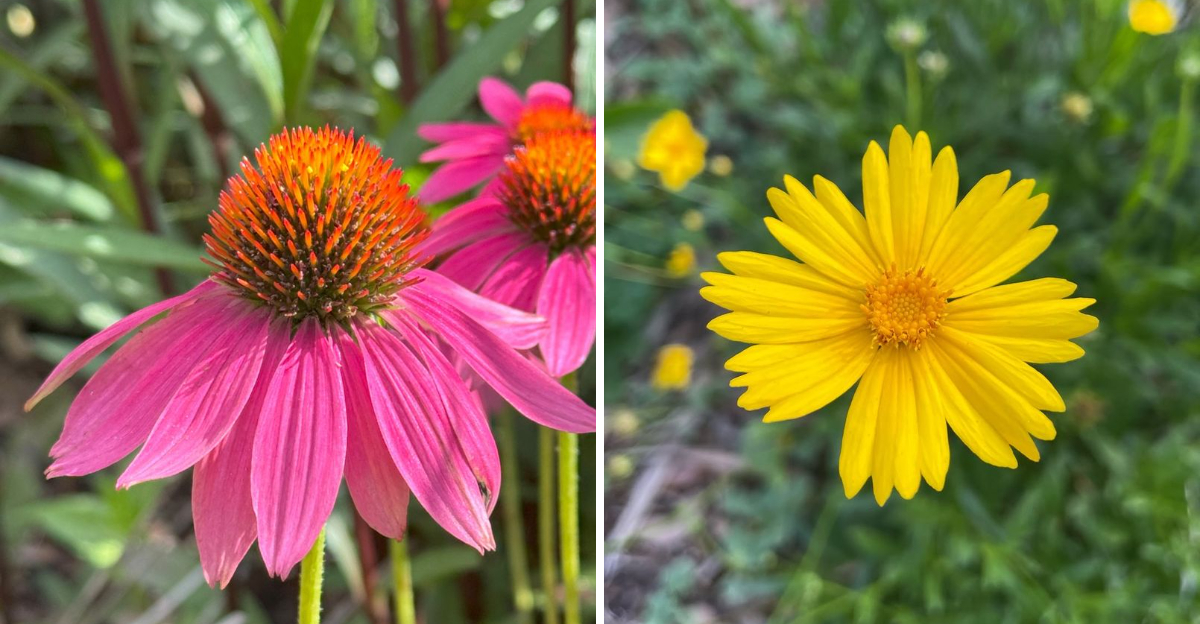
The blooms are stunning. Rosy-purple petals sweep back from a raised, spiky orange-brown center, creating a look that feels both wild and elegant at the same time.
They start opening in midsummer and keep going well into fall, giving your Pennsylvania garden a long window of color. Pollinators absolutely flock to them.
Bees, butterflies, and hummingbirds all compete for a turn at these flowers, making your yard feel alive in the best way possible.
Your Pennsylvania Garden Changes Every Week. Your Plan Should Too.
Gardening in Pennsylvania changes quickly throughout the season. Every Friday you’ll receive a simple weekly plan showing exactly what to plant, prune, fertilize, harvest, and protect so you never miss the right timing.
Here is something worth knowing: Purple Coneflower also reseeds on its own. Over a few seasons, a small planting can spread into a full, lush patch that fills gaps in your garden naturally.
You never have to divide it or fuss over it. The dried seed heads that remain after blooming are actually a food source for birds like finches through the winter months.
Leaving them standing instead of cutting them back is not laziness. It is actually the smartest thing you can do for both your garden and the local wildlife that depends on it.
3. Wild Columbine
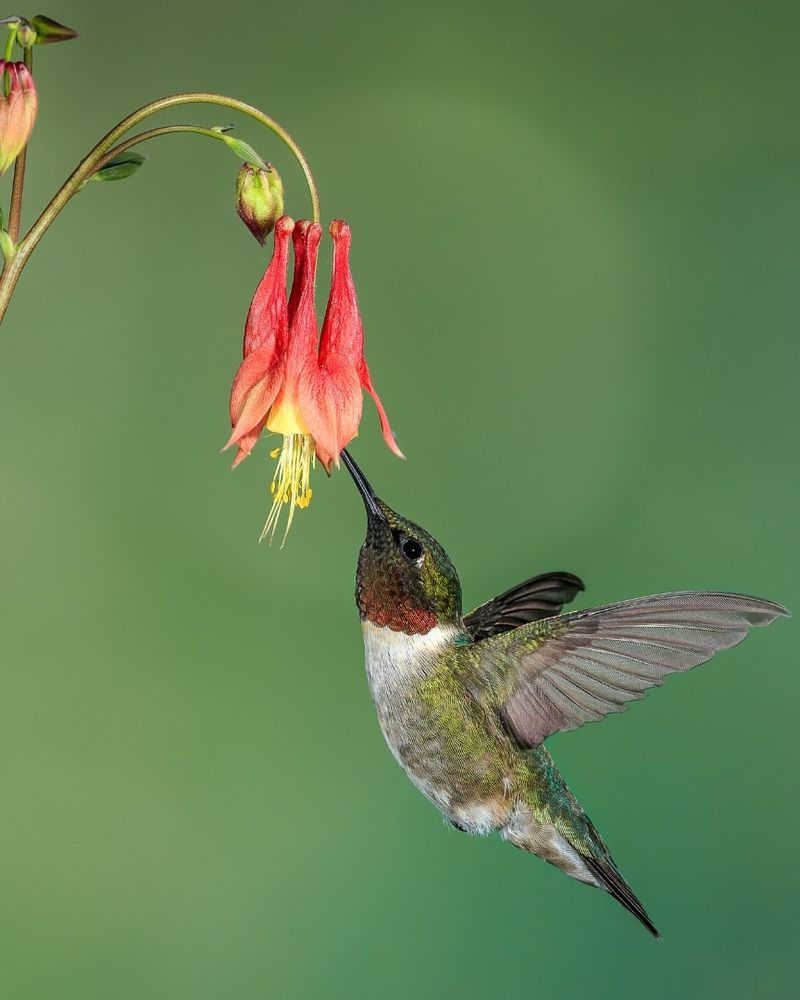
Spring in Pennsylvania feels a little more magical when Wild Columbine is in bloom. This delicate native produces nodding red and yellow flowers that dangle from slender, arching stems like tiny lanterns swaying in the breeze.
It is one of the earliest native wildflowers to bloom each year, showing up in April and May when most of the garden is still waking up.
Wild Columbine is a natural fit for spots that get partial shade, like the edges of wooded areas or the north side of a fence. In Pennsylvania, those shady corners can be tricky to fill with color, but this plant handles them beautifully.
It does not need rich soil or regular watering. In fact, it often grows wild along rocky slopes and stream banks throughout the state, which tells you a lot about how adaptable it really is.
One of the most charming things about Wild Columbine is how it naturalizes. It self-seeds quietly and spreads in a soft, unhurried way that never feels invasive or overwhelming.
Over time, a small patch fills in organically, weaving between other plants in a way that looks intentional without any effort from you.
Ruby-throated hummingbirds, which arrive in Pennsylvania around the same time this flower blooms, are particularly drawn to those tubular red blossoms.
Planting Wild Columbine is like setting out a welcome mat for one of spring’s most exciting visitors, and all you have to do is step back and enjoy the show.
4. Bee Balm
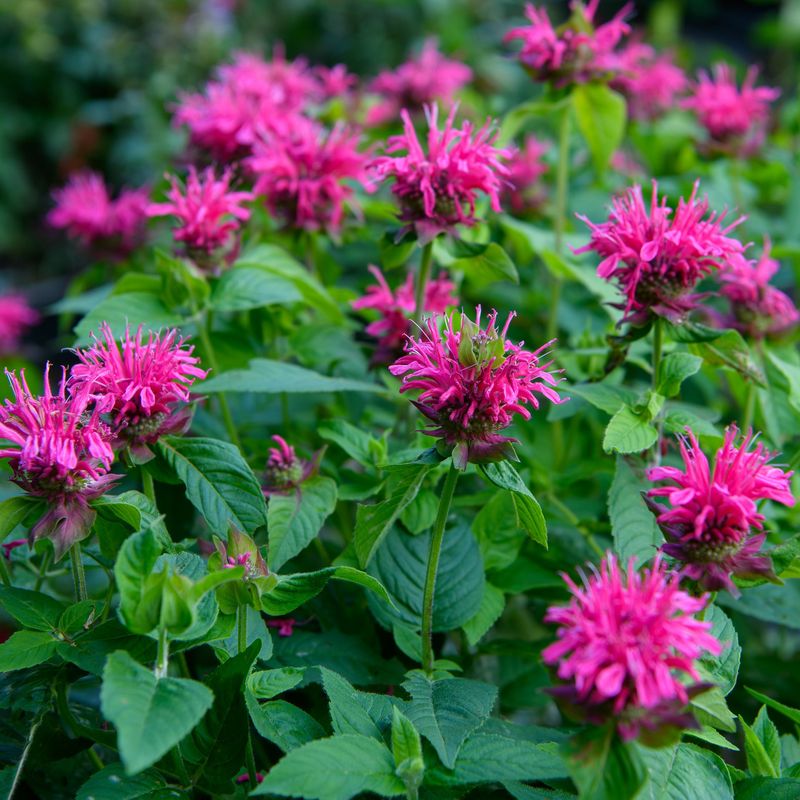
Bold, vibrant, and packed with personality, Bee Balm is the kind of flower that stops people in their tracks. The blooms look almost like fireworks, with spiky petals shooting out in every direction from a central head.
They come in shades of red, pink, and purple, and they bloom through the heart of summer when you need that pop of color the most. Pennsylvania gardeners who want drama without drama will find a real winner here.
Getting Bee Balm established takes one solid season, but after that, it pretty much handles itself. It spreads gradually through underground rhizomes, slowly filling in an area with a dense, leafy mass that crowds out weeds on its own.
That means less weeding for you. It grows well in average soil and tolerates both full sun and light shade, which gives you flexibility when planning where to put it in your yard.
The wildlife appeal is off the charts. Hummingbirds are absolutely obsessed with Bee Balm, and in Pennsylvania, spotting a ruby-throated hummingbird hovering over a patch of red blooms is one of summer’s best little moments.
Bees and butterflies pile on too, making this plant a full-on pollinator hub. One practical tip: give Bee Balm good air circulation to keep powdery mildew at bay.
Spacing plants about 18 inches apart usually does the trick. Beyond that small consideration, this flower asks for almost nothing and gives back an enormous amount of color and life to your Pennsylvania garden.
5. New England Aster
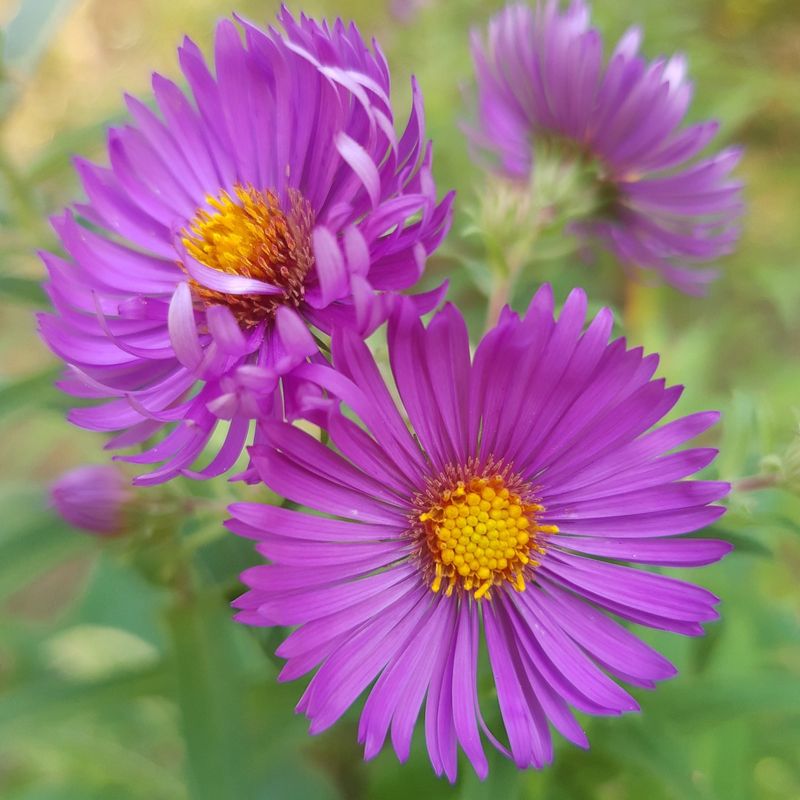
When most flowers are fading and the garden starts looking tired, New England Aster steps up and saves the season. This native wildflower blooms from late summer all the way into October, covering itself in small purple or pink flowers with bright yellow centers.
In Pennsylvania, where fall foliage already puts on a spectacular show, adding New England Aster to the mix creates a garden that feels rich and full right up until the first hard frost.
Reliability is one of this plant’s strongest qualities. New England Aster comes back every year without fail, growing into fuller, more impressive clumps over time.
It tolerates a wide range of soil types and handles both dry periods and average moisture with ease. Full sun brings out the best blooming, but it manages in light shade too. There is very little you need to do once it is in the ground and settled.
For pollinators, fall is a critical time, and New England Aster is one of the most important late-season food sources available. Monarch butterflies fueling up for their migration south rely heavily on these blooms, and dozens of bee species visit them as well.
Watching that activity in your Pennsylvania yard during October is genuinely exciting. You can pinch the stems back by about half in early June to encourage a bushier plant with more blooms.
That one small step in early summer pays off hugely when autumn rolls around and your garden is bursting with color while everyone else’s has gone quiet.
6. Coreopsis
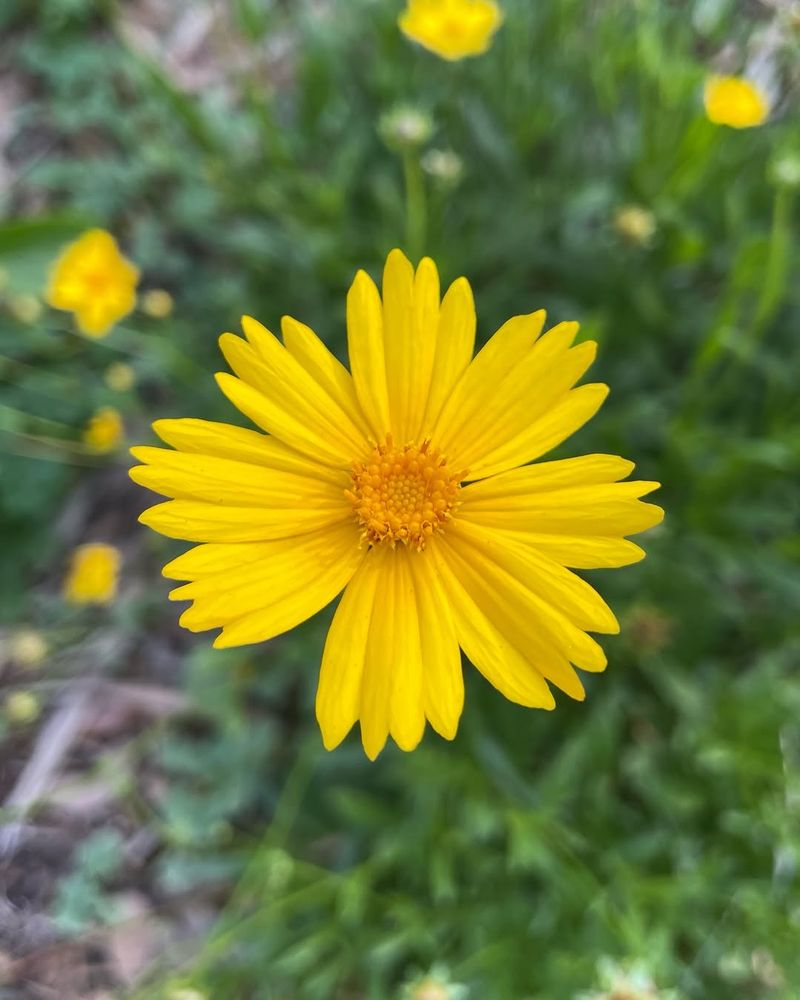
Sometimes called tickseed, Coreopsis is the definition of an easygoing garden plant. Bright yellow daisy-like flowers cover this low-growing native from late spring through late summer, creating a cheerful carpet of color that seems almost too good to be true for how little effort it takes.
Pennsylvania gardeners who have struggled with poor, sandy, or rocky soil will be thrilled to know that Coreopsis actually prefers those conditions over rich, heavily amended beds.
Overwatering and over-fertilizing are the only real ways to get on Coreopsis’s bad side. It wants to be left alone in a sunny spot, and it will reward that hands-off approach with weeks and weeks of nonstop blooms.
Deadheading spent flowers encourages even more blooming, but if you skip it entirely, the plant will still perform well. Many gardeners find that letting the seed heads stay on the plant brings birds to the garden in late summer, which is a nice bonus.
There are several Coreopsis varieties that grow naturally throughout Pennsylvania, and most of them behave in a similar low-fuss way.
They are drought-tolerant once established, which is a huge advantage during those hot July and August stretches when watering every day feels exhausting.
The plant also has a naturally tidy growth habit, meaning it does not sprawl or flop in a messy way. For someone who wants reliable summer color without a complicated care routine, Coreopsis belongs at the top of the list.
It is simple, sunny, and genuinely one of the most rewarding wildflowers you can grow in Pennsylvania.
7. Wild Bergamot
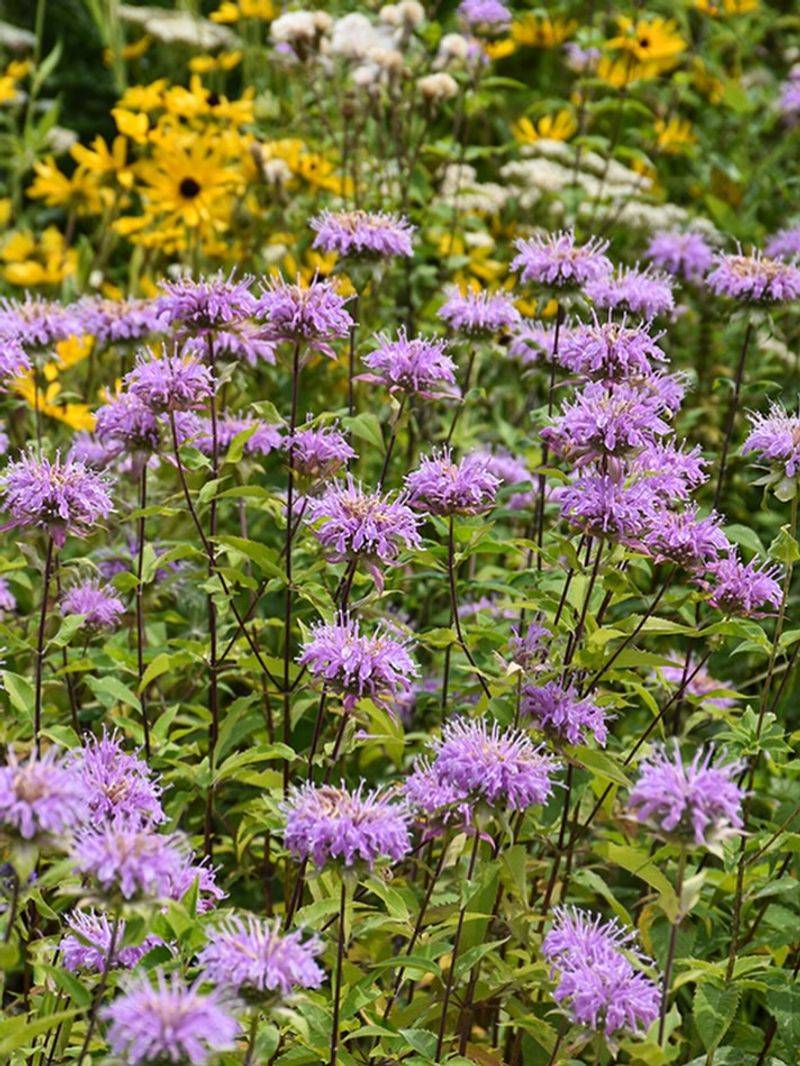
Wild Bergamot has a quiet kind of beauty that grows on you the more you look at it. The rounded flower heads are made up of dozens of tiny lavender-pink tubes, giving the whole bloom a soft, feathery texture that moves gracefully in a breeze.
It is a close cousin of Bee Balm, but where Bee Balm shouts, Wild Bergamot whispers. That understated charm makes it a wonderful choice for naturalistic gardens and meadow-style plantings across Pennsylvania.
From a care standpoint, Wild Bergamot is about as forgiving as it gets. It thrives in dry, well-drained soil and full sun, making it a strong performer in spots that tend to bake during summer.
It handles drought without complaint and does not need fertilizer to put on a good show. Once established, it spreads slowly through both seeds and underground stems, gradually building into a fuller planting that looks lush and natural over time.
Pollinators treat Wild Bergamot like a neighborhood favorite. Bumblebees are especially fond of it, and you will often see several working the same flower head at once.
Butterflies, hummingbirds, and native bees all visit regularly too. In Pennsylvania, planting natives that support local pollinator populations has real environmental value beyond just looking good.
Wild Bergamot blooms from July into September, bridging the gap between early summer flowers and fall bloomers like New England Aster.
The aromatic leaves also have a pleasant, herby scent that makes walking past this plant in your Pennsylvania garden a genuinely enjoyable experience.