The Spring Gardening Jobs Oregon Homeowners Shouldn’t Ignore
Ever step outside in early spring and feel like your Oregon yard is quietly calling for attention?
After months of rain, soggy soil, and gray skies, everything starts to wake up fast, and that short window can make a big difference.
Oregon’s mild, wet winters set the stage for explosive growth, but they also leave behind compacted soil, sneaky weeds, and plants that need a little help to shine again. A few smart moves right now can set your garden up for a smoother, more colorful season ahead.
Skip them, and small problems can pile up before summer even arrives. The good news is that most of these spring jobs are simple, satisfying, and well worth your time.
Take a fresh look around your yard and get ready to give your Oregon garden the strong start it has been waiting for.
1. Clean Up Garden Beds
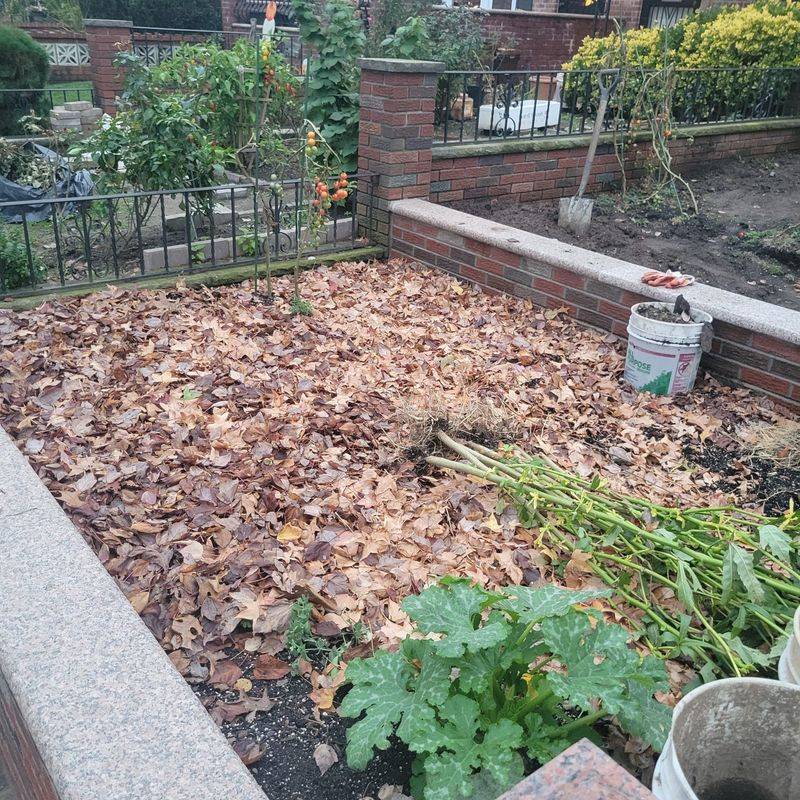
Winter in Oregon can leave your garden beds looking pretty rough. Dead leaves, broken stems, fallen branches, and soggy plant debris pile up over the cold months.
Clearing all of that out is one of the first and most satisfying jobs you can tackle when spring arrives.
Start by pulling out any dead annuals that were left from last season. Rake up fallen leaves and remove any matted plant material that could be blocking new growth underneath.
You might be surprised to find green shoots already pushing up through the soil, especially in the mild parts of western Oregon.
While you are cleaning up, keep an eye out for early weeds. Weeds love to get a head start in spring, and pulling them now before they go to seed saves you a lot of trouble later.
Chickweed and bittercress are two common Oregon weeds that sprout fast in late winter and early spring.
Do not forget to clean out your garden pathways too. Soggy leaves left on paths can become slippery and also harbor pests and mold.
Toss your organic debris into a compost bin if it is not diseased. Getting your beds clean and tidy early gives you a clear picture of what needs more attention as the season picks up.
2. Refresh Soil And Compost
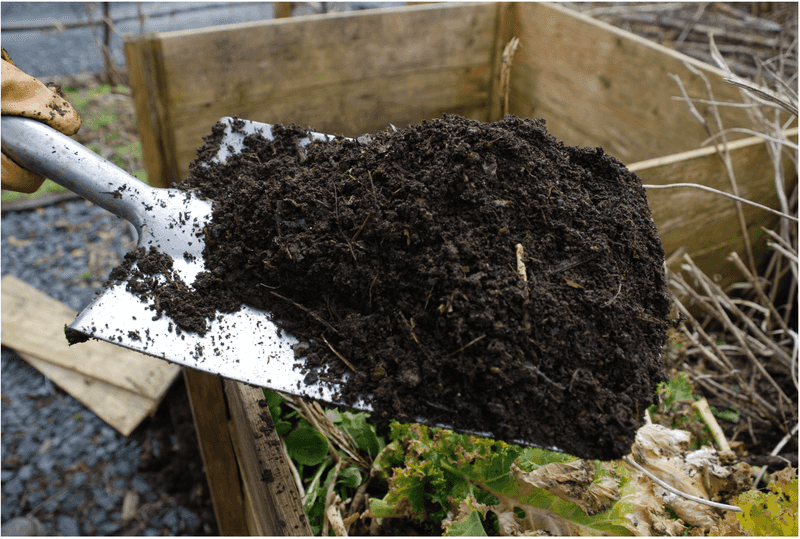
Healthy plants start with healthy soil, and after a long Oregon winter, your garden beds could use a real boost. Soil gets compacted over the cold months, and nutrients get washed away by all that rain.
Adding compost is one of the best things you can do to bring your garden back to life.
Spread two to three inches of finished compost over the top of your garden beds and work it gently into the top few inches of soil. This improves drainage, adds nutrients, and helps beneficial soil organisms get back to work.
If you have been making your own compost at home, spring is the perfect time to use it.
It is also worth testing your soil’s pH if you have not done it recently. Oregon soils tend to be on the acidic side, especially in the western part of the state.
Your Oregon Garden Changes Every Week. Your Plan Should Too.
Gardening in Oregon changes quickly throughout the season. Every Friday you’ll receive a simple weekly plan showing exactly what to plant, prune, fertilize, harvest, and protect so you never miss the right timing.
Most vegetables and flowers prefer a slightly neutral pH. If your soil is too acidic, adding a little lime can help balance things out.
For raised beds, consider topping them off with a fresh layer of quality garden mix. Raised bed soil tends to break down and settle over time.
Refreshing it each spring keeps your beds productive and full. Well-fed soil means stronger roots, bigger harvests, and healthier plants all season long in your Oregon garden.
3. Prune Winter Damage
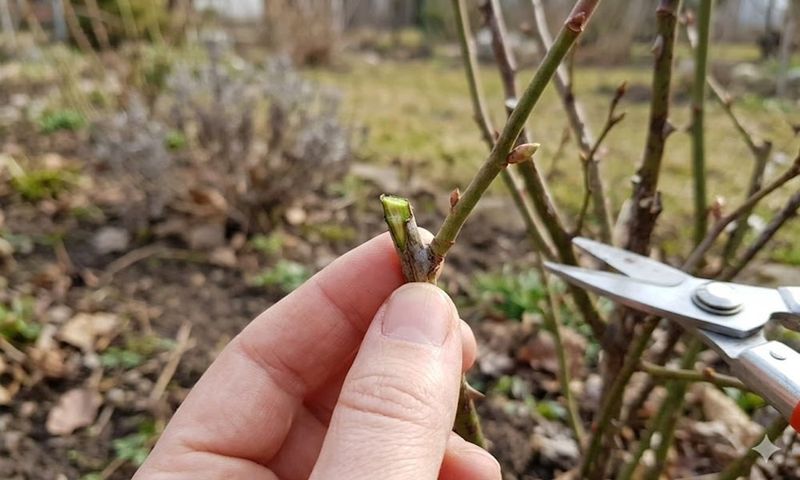
Even in mild Oregon winters, plants take a beating. Frost, heavy rain, and wind can snap branches, brown out foliage, and leave shrubs and trees looking ragged by the time spring rolls around.
Pruning out that winter damage is an essential step that many homeowners overlook.
Start by walking through your yard and looking closely at your trees, shrubs, and roses. Dead or damaged branches should be removed cleanly with sharp pruning shears or loppers.
Clean cuts heal faster and are less likely to invite disease or pests. Always cut just above a healthy bud or branch junction for the best results.
Roses are a big deal in Oregon gardens, and they respond really well to a good spring pruning. Remove any canes that look dark, shriveled, or hollow inside.
Cutting roses back to healthy growth encourages strong new shoots and better blooms later in the season.
Ornamental grasses and perennials that were left standing through winter should also be cut back now. Leaving last year’s growth on too long can actually slow down new growth and encourage disease.
Once you cut them back, you will see fresh new growth emerge quickly. Pruning is not just about looks.
It is about giving your Oregon plants the best possible start heading into the growing season.
4. Divide Overgrown Perennials
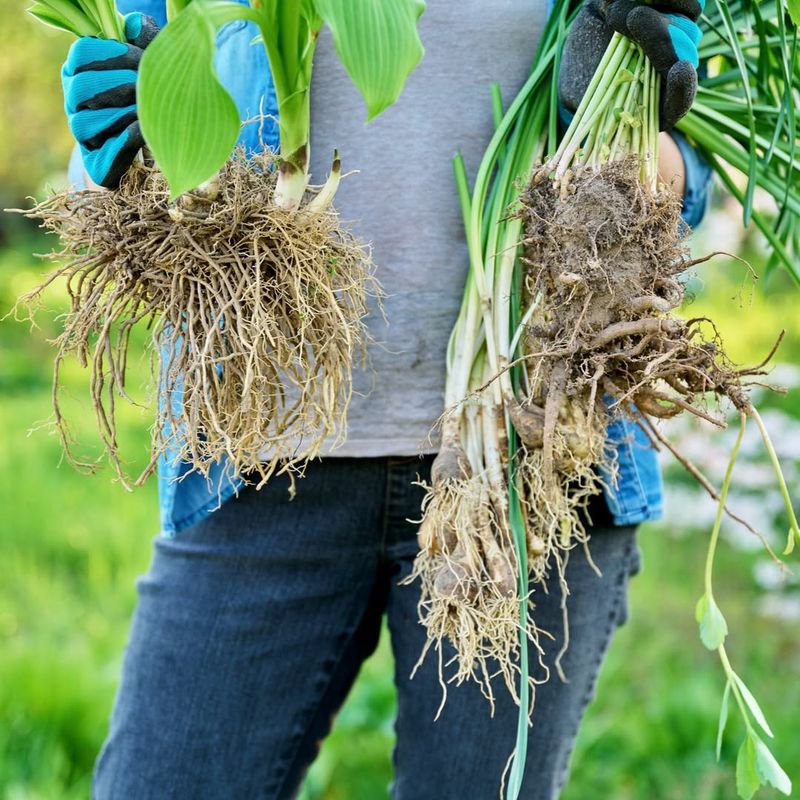
Perennials are workhorses in the Oregon garden. They come back year after year, which is wonderful, but over time they can get crowded and start to lose their vigor.
Dividing them in spring is one of the smartest moves you can make to keep them looking and performing their best.
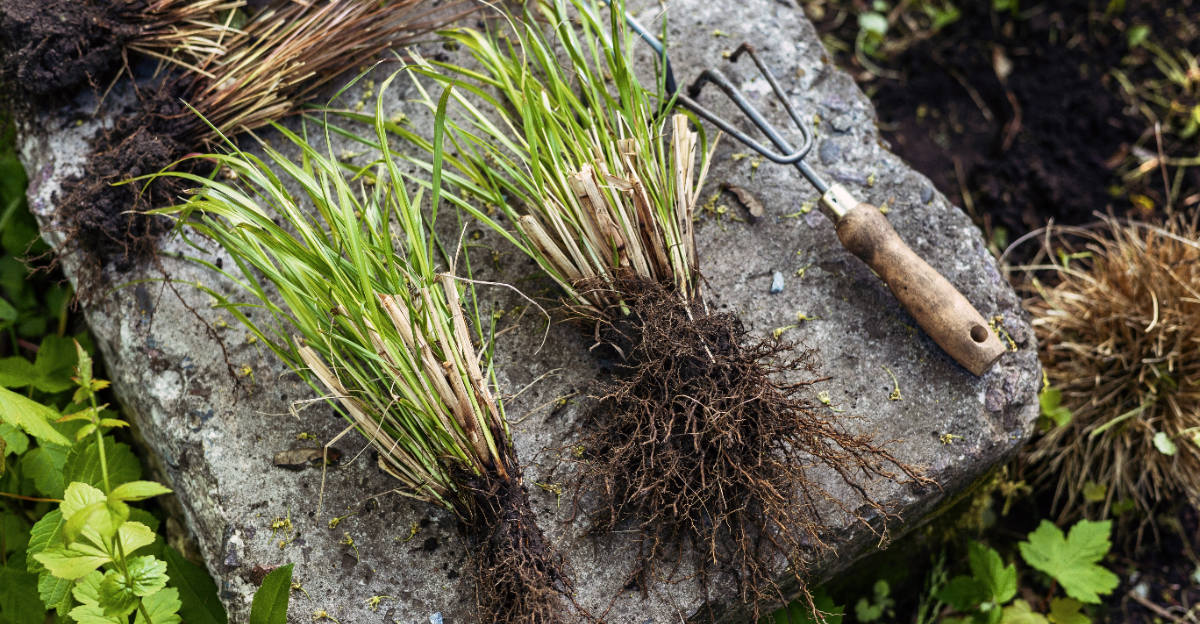
Plants like hostas, daylilies, ornamental grasses, and coneflowers all benefit from being divided every few years. When a clump gets too large, the center often starts to look weak or bare while the outer edges stay healthy.
Splitting them up fixes that problem and gives you more plants to spread around your yard or share with neighbors.
The best time to divide most perennials in Oregon is in early spring, just as new growth starts to emerge. At this stage, you can clearly see where the new shoots are coming from, which makes it easier to split the clumps without doing too much damage.
Use a sharp spade or garden fork to pry the clump apart into several smaller sections.
Replant the divisions right away so the roots do not dry out. Water them in well and keep the soil moist for the first couple of weeks while they settle in.
You will be amazed at how quickly divided plants bounce back. By midsummer, those small divisions will look full and lush in your Oregon garden beds.
5. Start Planting Cool Crops
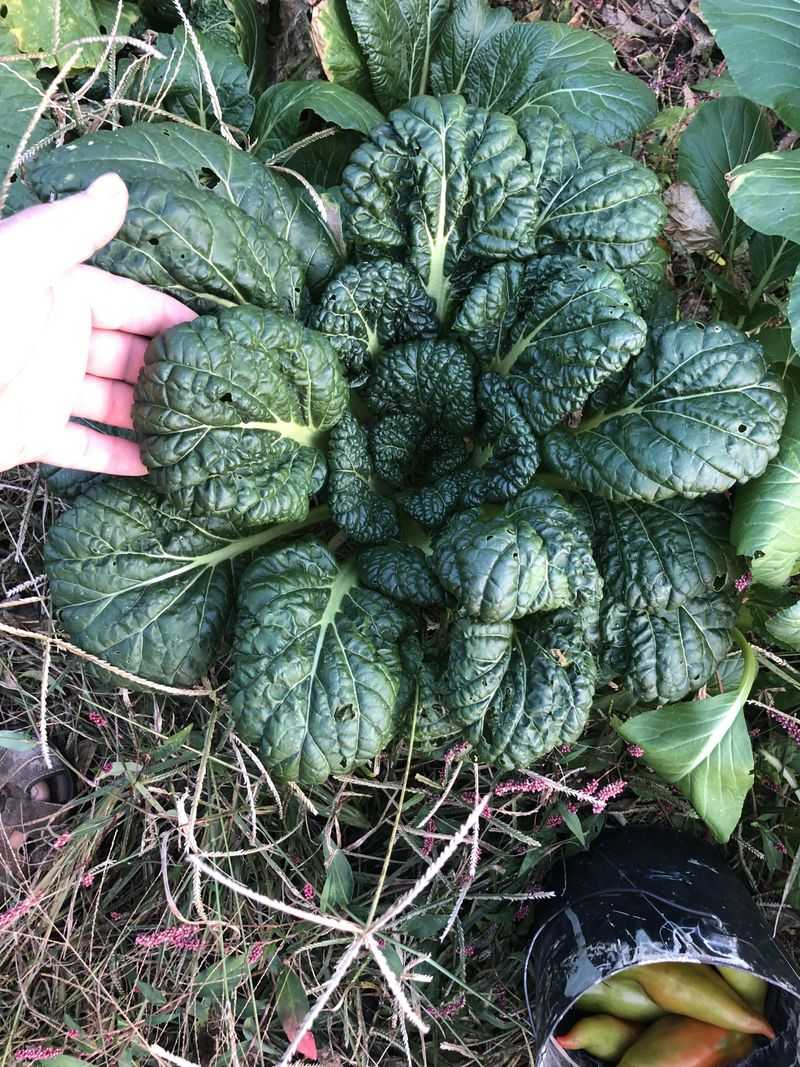
One of the best things about gardening in Oregon is that spring comes early enough to get a jump on cool-season crops. Vegetables like lettuce, spinach, kale, peas, and radishes actually prefer cooler temperatures and can handle a light frost without much trouble.
Getting them in the ground early means you could be harvesting fresh food by late spring.
Most of western Oregon sees its last hard frost sometime in March or April, depending on your exact location. Gardeners in the Willamette Valley often start planting cool crops outdoors as early as late February or early March.
If you are in a higher elevation or eastern Oregon area, you may need to wait a few more weeks.
Peas are especially popular in Oregon spring gardens and love the cool, moist weather. Sow them directly into the ground along a trellis or fence and they will climb happily as the weather warms.
Starting leafy greens from transplants instead of seed can also speed things up if you want to get harvesting faster.
Do not forget to protect your seedlings from late cold snaps with row covers or a simple cold frame. These affordable tools make a big difference in extending your growing season on both ends.
Getting your cool crops in early is one of the most rewarding spring gardening moves an Oregon homeowner can make.
6. Check Irrigation Systems
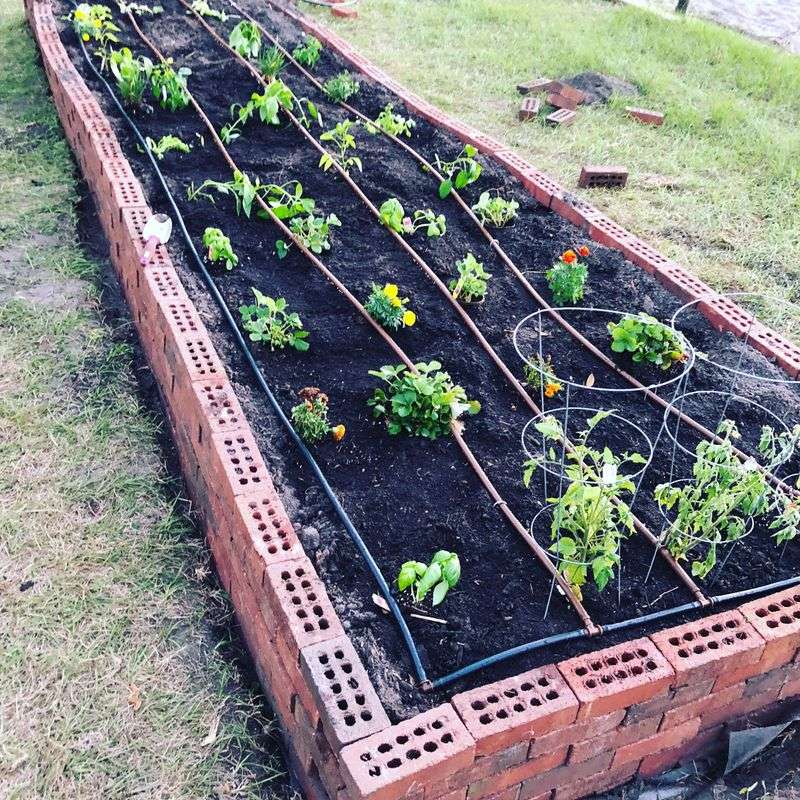
Oregon gets plenty of rain in the fall and winter, but once summer arrives, things dry out fast, especially in the Willamette Valley and Central Oregon. That is why checking your irrigation system every spring before the dry season kicks in is such a smart idea.
Catching problems early saves water and keeps your plants healthy all summer long.
Start by turning your system on and walking through the entire yard while it runs. Look for broken sprinkler heads, clogged drip emitters, leaking connections, or zones that are not working at all.
Even a small leak can waste a surprising amount of water over a whole season and lead to uneven watering in your garden.
If you have a drip irrigation system, flush it out to clear any debris that built up over winter. Check that all emitters are delivering water right to the base of your plants.
Drip systems are incredibly efficient for Oregon gardens because they put water exactly where it is needed without wasting it on pathways or bare soil.
Also take a few minutes to update your irrigation timer settings. The watering schedule that worked last fall is probably not right for spring conditions.
As temperatures rise and plants grow larger, they will need more water. Getting your system dialed in now means less worry and healthier plants throughout the dry Oregon summer months ahead.
7. Mulch To Lock In Moisture
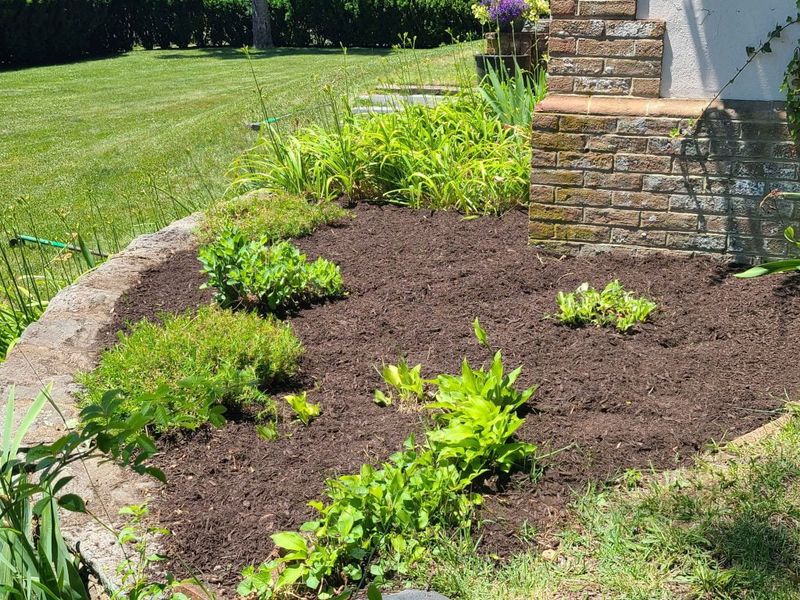
Ask any experienced Oregon gardener what their single most useful spring habit is, and mulching will almost always come up near the top of the list. A good layer of mulch does several things at once.
It holds moisture in the soil, keeps weeds from sprouting, regulates soil temperature, and even adds nutrients as it breaks down over time.
Apply two to three inches of mulch around your garden beds, shrubs, and trees after you have done your spring cleanup and soil prep. Wood chips, straw, shredded bark, and leaf mold all work well in Oregon gardens.
Just make sure you keep the mulch a few inches away from the base of plant stems and tree trunks to prevent rot and discourage pests from nesting there.
Mulching is especially valuable in Oregon because the summers can swing from very wet springs to quite dry summers in a short period of time. Having a thick layer of mulch in place before that dry stretch arrives means your soil retains moisture much longer between waterings.
That can make a real difference for both water bills and plant health.
For vegetable beds, straw is a popular and affordable choice. For ornamental beds and around trees, wood chips or shredded bark look tidy and last longer.
Refreshing your mulch layer each spring is a simple habit that pays off big throughout the entire Oregon growing season.