These Are The Oregon Plants That Come Back Bigger And Better After You Cut Them Down
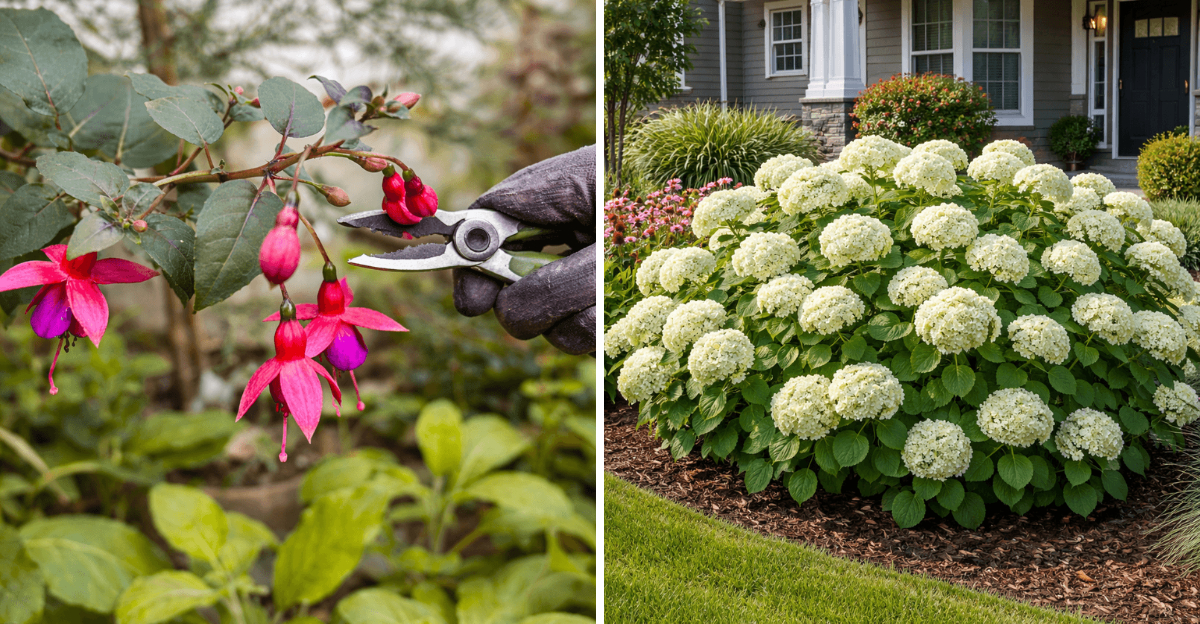
Cutting a plant way back can feel a little dramatic in an Oregon garden. One minute you are staring at a full shrub, and the next you are wondering why you just got so bold with the pruners.
Fair question. The surprising part is that some plants in Oregon actually seem to love that kind of tough treatment.
With the state’s long spring stretch, mild weather, and dependable moisture, certain shrubs and perennials bounce back with fresh stems, fuller growth, and better color than they had before.
It is one of those garden moves that looks questionable for about five minutes, then starts making a lot of sense.
Honestly, few things are more satisfying than watching a plant return stronger after a hard cut. Sometimes the best-looking plant in summer is the one that looked the most drastically chopped down in spring.
1. Smooth Hydrangea Comes Back Strong After Pruning
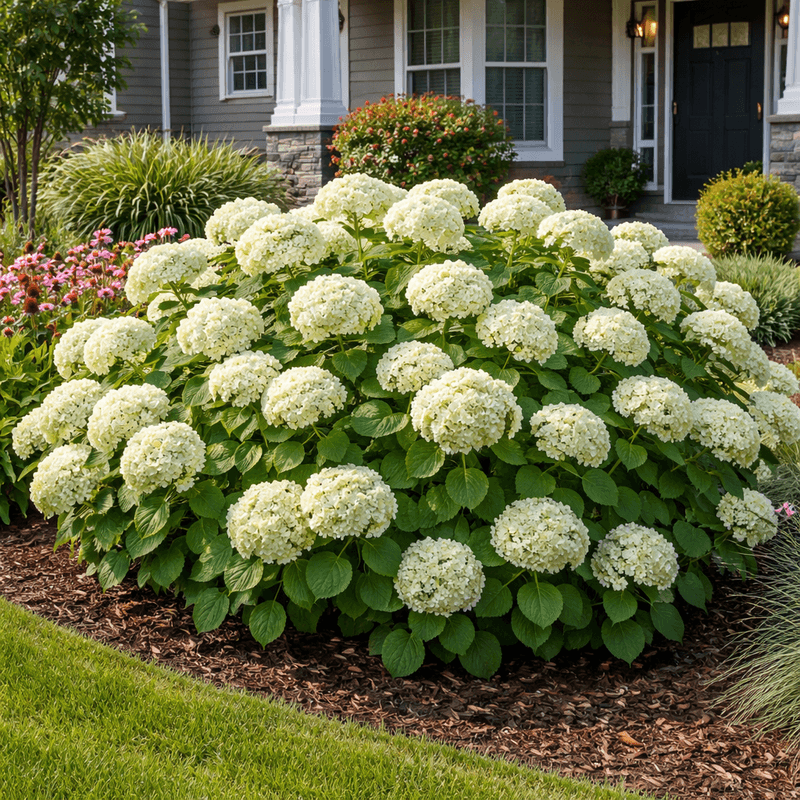
Cutting a smooth hydrangea nearly to the ground each spring can feel like a gamble, but the results are usually worth it.
This native North American shrub produces its flowers on new wood, which means the stems that grow after a hard cutback are the same ones that will carry the blooms later in summer.
In Oregon gardens, where spring warmth arrives gradually and moisture lingers well into the season, smooth hydrangeas tend to push out vigorous new growth quickly after pruning.
The flowers on regrowth stems are often noticeably larger than those produced on old wood that was left in place. Many gardeners prune their smooth hydrangeas back hard in late winter or very early spring, just before new buds begin to swell.
Cutting stems back to about 12 inches or even lower encourages a strong flush of new growth from the base.
One thing to keep in mind is that stems left too tall can produce top-heavy flower heads that flop under their own weight. A hard trim solves that problem while also keeping the plant compact and tidy in mixed borders or foundation beds.
Smooth hydrangea is a reliable performer in Oregon landscapes when given the right seasonal cutback.
2. Panicle Hydrangea Rebounds Well After Cutback
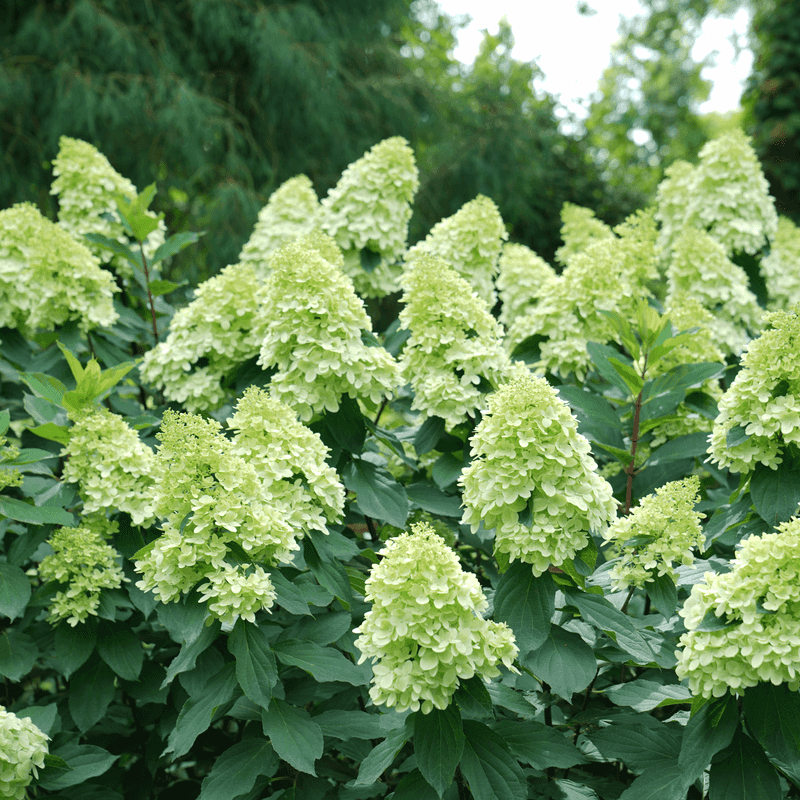
Few shrubs reward a confident pruning hand quite like panicle hydrangea. Unlike some of its cousins, panicle hydrangea blooms on new wood, so trimming it back in late winter or early spring sets the stage for a strong show later in the season.
Oregon gardeners who prune these shrubs back by one-third to one-half in late February or March often report fuller plants and larger flower clusters by midsummer.
The cone-shaped blooms, sometimes called panicles, can become quite large on well-pruned plants. Stems that grew the previous season tend to produce smaller flowers over time, so a consistent seasonal cutback keeps the plant performing at its best.
In Oregon’s mild coastal and valley climates, panicle hydrangeas break dormancy early and respond quickly to pruning, pushing out new stems that are sturdy and upright.
This shrub works well in a variety of garden settings, from sunny foundation beds to mixed shrub borders. It tolerates heavier pruning than many gardeners expect and rarely needs much encouragement to bounce back.
Your Oregon Garden Changes Every Week. Your Plan Should Too.
Gardening in Oregon changes quickly throughout the season. Every Friday you’ll receive a simple weekly plan showing exactly what to plant, prune, fertilize, harvest, and protect so you never miss the right timing.
Panicle hydrangea is also relatively drought tolerant once established, making it a practical and attractive choice for home landscapes that want reliable late-summer color with minimal fuss.
3. Deciduous Ornamental Grasses Return Fresh After A Trim
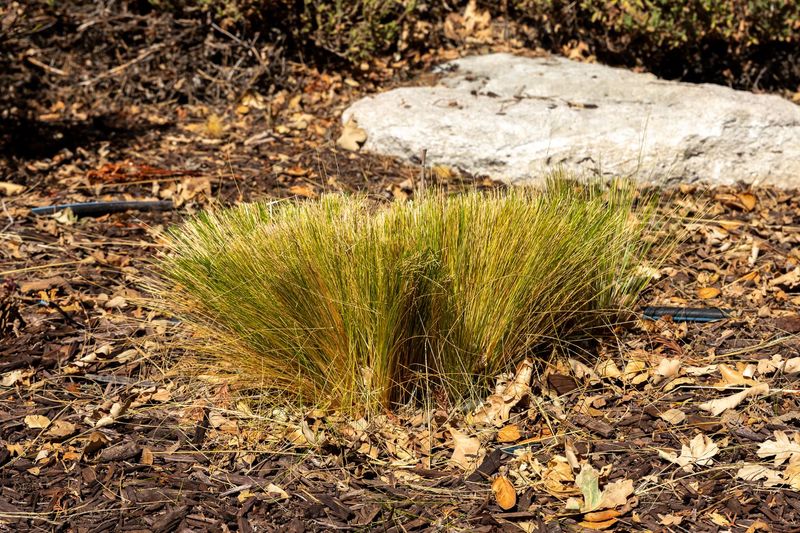
By late winter, most deciduous ornamental grasses look tired and weathered, with straw-colored blades flopped over in every direction. Cutting them back hard before new growth begins is one of the most satisfying tasks in the spring garden.
The transformation that follows is quick and dramatic, with fresh green blades pushing up from the base within a few weeks of the cutback.
Oregon gardeners typically cut deciduous grasses such as miscanthus, pennisetum, and panicum back to about four to six inches in late February or early March, before new growth begins at the crown.
Cutting too late risks removing the emerging tips, which can slow the plant’s recovery and leave it looking uneven for part of the season.
Timing matters with grasses, and getting the cut in before the new growth is visible makes the whole process cleaner and easier.
After the trim, these grasses often come back fuller and more upright than they were the previous year. The new foliage tends to be a brighter, fresher color than older growth that was left to overwinter.
In Oregon’s mixed borders and rain garden plantings, ornamental grasses provide movement and texture, and a well-timed annual cutback keeps them looking their best for the entire growing season.
4. Bloodtwig Dogwood Grows Better After Hard Pruning
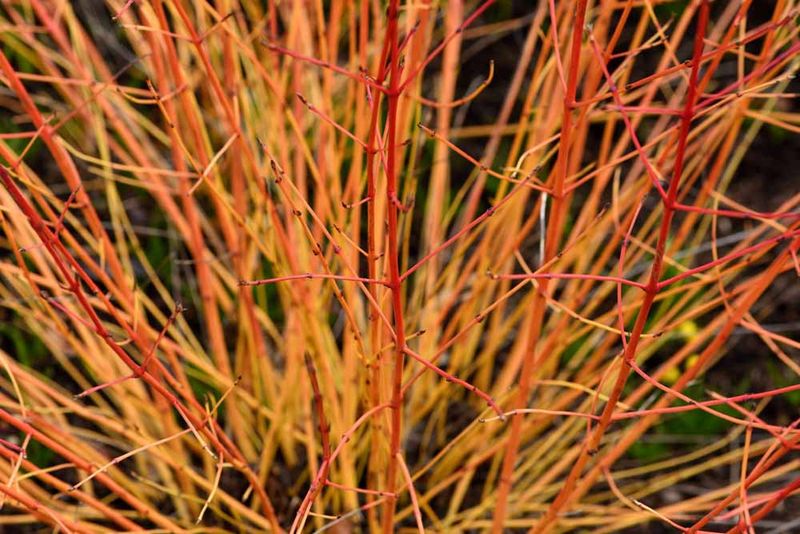
The younger the stem, the brighter the color. That simple truth is what makes hard pruning so valuable for bloodtwig dogwood in Oregon gardens.
This shrub is grown primarily for its vivid red winter stems, and those stems show the most intense color when they are one or two years old.
Older wood fades to a duller brownish tone, which is why cutting the plant back hard every year or every other year keeps the display looking its best.
In Oregon, bloodtwig dogwood is typically pruned in late winter, just before new growth begins.
Cutting stems back to within a few inches of the ground encourages a strong flush of new shoots that will develop into the bright red stems gardeners are after by the following winter.
The plant responds well to this treatment and can send up numerous new shoots from the base after a hard cut.
This shrub fits well in rain gardens and wet spots near streams or ponds, where it naturalizes easily. It also works in mixed shrub borders where its winter stem color adds interest during the quiet months.
Bloodtwig dogwood grows vigorously enough that hard pruning rarely sets it back for long, and the payoff in stem color the following winter makes the effort well worthwhile.
5. Willow Pushes Out Fresh Growth After Coppicing
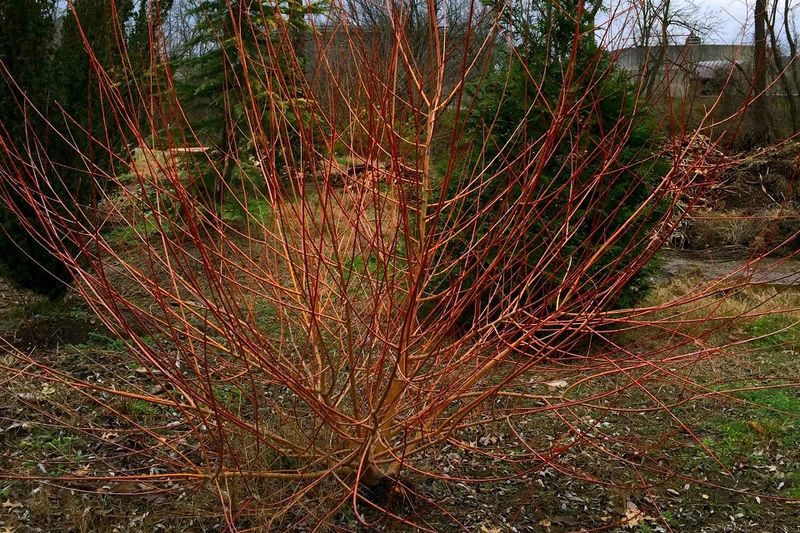
Coppicing sounds like a dramatic technique, but for willows grown as ornamental shrubs in gardens, it is simply the best way to keep them looking vibrant and manageable.
Coppicing means cutting the plant back to a low framework or even to ground level, and willows respond to this treatment with remarkable energy.
The new stems that emerge after coppicing are often more colorful, more flexible, and more visually striking than the older growth that was removed.
Ornamental willows such as flame willow and dappled willow are popular in Oregon landscapes for their colorful bark and interesting foliage.
Cutting them back hard in late winter, just before the buds begin to open, encourages a dense flush of new stems that show off their best color through spring and into summer.
Without periodic coppicing, these shrubs can become leggy and lose the compact, full shape that makes them attractive in a mixed border or foundation planting.
Wet winters and mild springs give willows the moisture and warmth they need to recover quickly after a hard cut. In wetter parts of Oregon, willows can put on several feet of new growth in a single season after coppicing.
For gardeners who want a low-maintenance shrub with genuine seasonal interest, a well-coppiced willow is a rewarding and relatively simple choice.
6. Red Osier Dogwood Shines After A Hard Cut
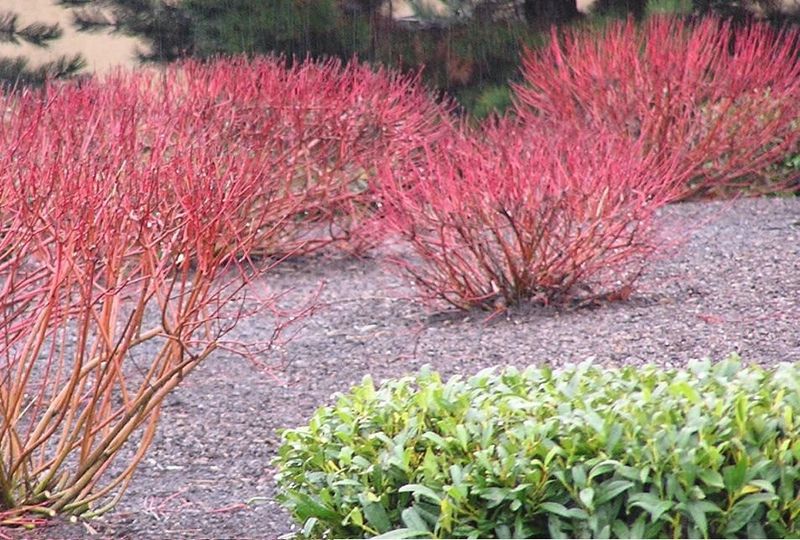
Walk through an Oregon wetland in winter and you will likely spot red osier dogwood blazing against the gray landscape with its vivid scarlet stems.
That striking color comes from young wood, and the best way to keep it coming is to cut the plant back hard on a regular schedule.
Red osier dogwood is native to Oregon and grows naturally along streams and in moist lowland areas, where it spreads into dense thickets over time.
In home landscapes, a hard cutback every one to three years keeps the plant producing the young stems that show the brightest color. Gardeners typically do this pruning in late winter before new growth begins.
Cutting stems back to within a few inches of the ground encourages a strong flush of new shoots from the base, and those shoots will develop into the rich red stems that make this shrub so eye-catching through fall and winter.
Red osier dogwood also supports wildlife by providing nesting cover and berries for birds, which makes it a useful addition to wildlife-friendly gardens. It handles wet soils well and can even help stabilize streambanks or rain garden edges.
For gardeners who want a native shrub that rewards hard pruning with seasonal color and ecological value, red osier dogwood is a standout choice in Oregon landscapes.
7. Hardy Fuchsia Returns Strong After Spring Cutback
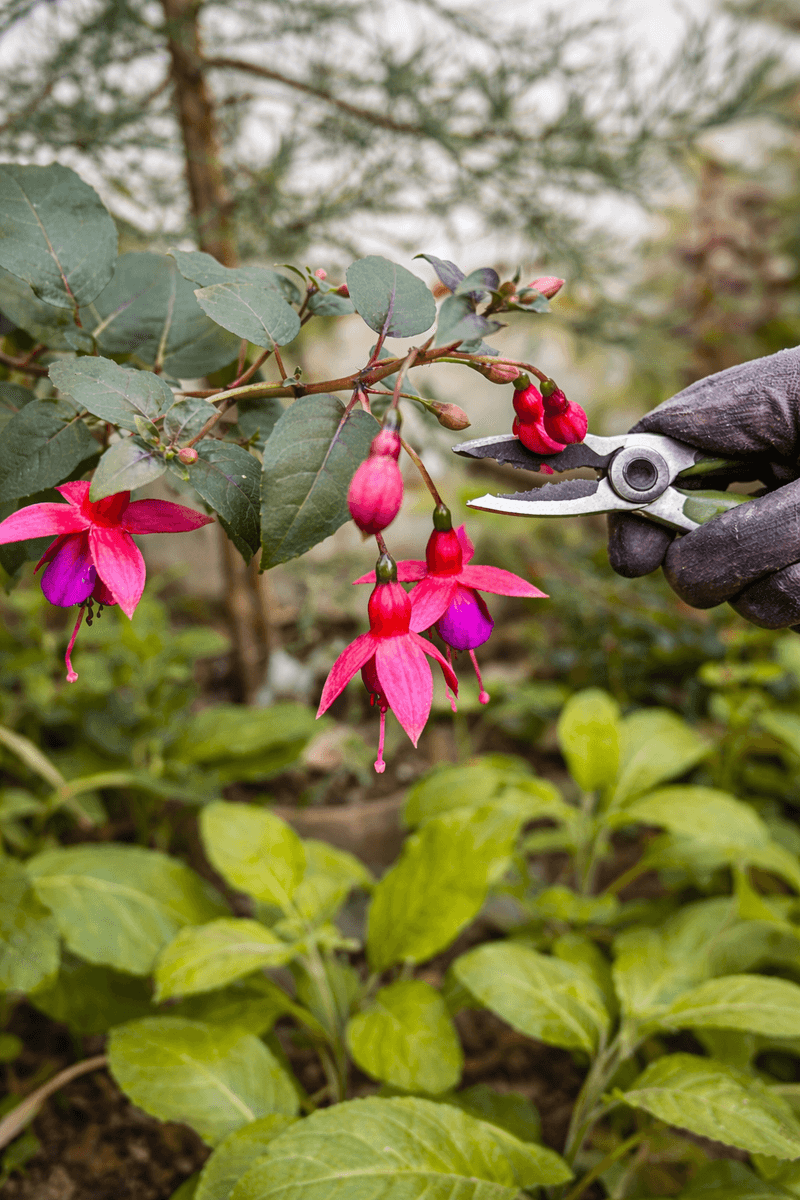
Hardy fuchsia has a reputation in gardens for being surprisingly tough despite its delicate-looking flowers.
Through much of western Oregon, the above-ground stems can be damaged or fully knocked back by winter cold, but the root system tends to survive and push up strong new growth once spring arrives.
Cutting the old stems back hard in early spring, rather than waiting to see what survived, actually encourages the plant to put its energy into fresh new growth from the base.
Gardeners who leave old fuchsia stems in place through winter often find that the plant takes longer to look tidy and full.
A confident cutback in late March or early April, once the risk of hard frost has passed, allows the plant to redirect energy into the new stems that will carry the season’s flowers.
The blooms appear on new growth, so a good spring pruning sets up a stronger flowering display later in the season.
Hardy fuchsia works well in Oregon cottage gardens, shaded borders, and spots near patios where hummingbirds are a welcome sight. The dangling flowers in shades of pink, red, and purple attract hummingbirds reliably through the summer.
Even after a hard winter, a well-established hardy fuchsia in Oregon can come back surprisingly full and floriferous once the season gets going.
8. Caryopteris Bounces Back After A Hard Trim
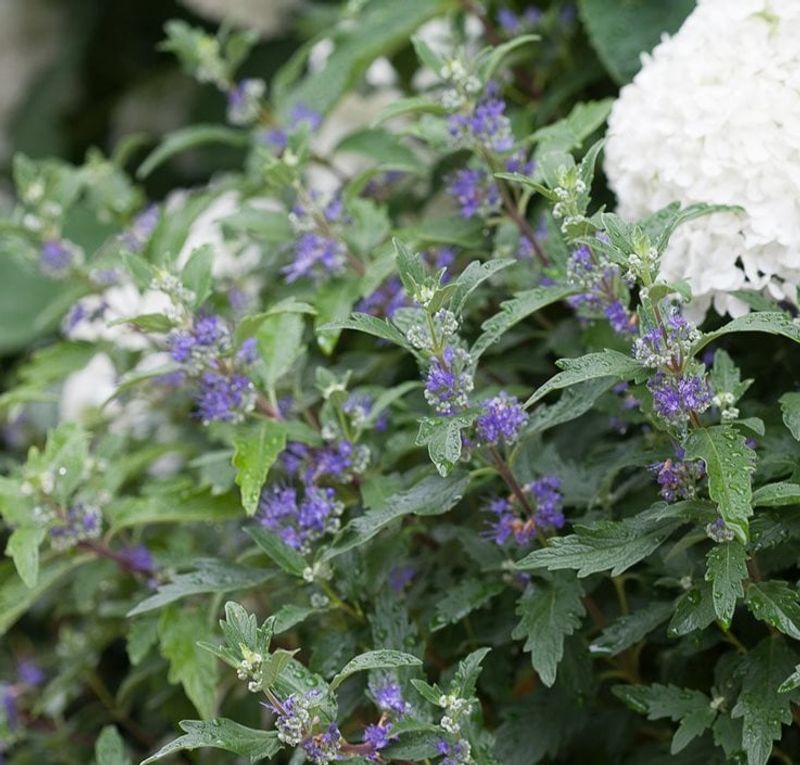
Caryopteris, sometimes called bluebeard, is one of those shrubs that genuinely looks better after you cut it down. Left unpruned, it tends to become woody and open at the base, with fewer flowers and a rangier overall shape.
A hard cutback in early spring changes all of that, sending the plant into the growing season with fresh energy and a more compact, attractive form that fills in nicely through summer.
In Oregon, caryopteris is typically pruned back to within a few inches of the ground or to the lowest set of healthy buds in late March or early April. The plant blooms on new wood, so cutting it back hard does not reduce the flower count.
In fact, many gardeners find that well-pruned caryopteris produces more flower spikes and a tidier overall shape than plants that were left to grow on old wood.
The blue to violet flowers appear in late summer, which makes caryopteris especially useful in Oregon gardens where late-season color can be harder to find. It also attracts bees and butterflies reliably during the late-summer bloom period.
Caryopteris prefers a sunny, well-drained spot and handles dry summers reasonably well once established. For a low-water, late-blooming shrub that rewards hard pruning, it is a genuinely practical choice for Oregon home gardens.
9. Russian Sage Comes Back Fuller After Cutback
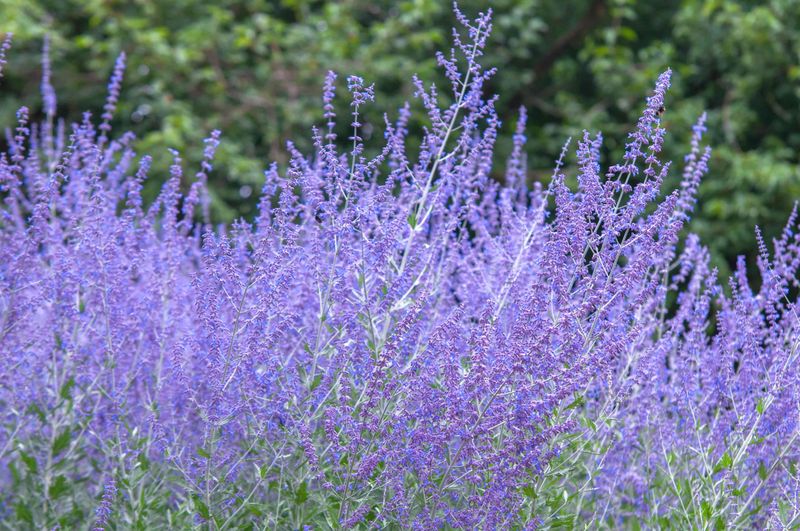
Russian sage has a tendency to sprawl and flop if it is not cut back regularly, but give it a hard trim in late winter and it responds with upright, vigorous new growth that looks far better through the season.
The plant blooms on new wood, which means a confident cutback in late February or early March does not reduce the flower show.
It actually improves it by encouraging stronger stems that hold the flowers upright instead of leaning out in every direction.
Gardeners who grow Russian sage in sunny, well-drained borders often find that unpruned plants develop a woody, open base that looks untidy by midsummer. Cutting stems back to within four to six inches of the ground removes that old woody growth and gives the plant a clean start.
New stems emerge quickly in Oregon’s mild spring conditions and develop into the airy, silvery-blue display that makes Russian sage such a popular choice for dry, sunny spots.
The soft lavender-blue flowers appear from midsummer into fall and pair well with ornamental grasses, echinacea, and other late-season perennials.
Russian sage also tolerates drought reasonably well once established, making it a sensible choice for Oregon gardens that experience dry summers.
A reliable annual cutback is the single most effective thing you can do to keep Russian sage looking its best year after year.
10. Lavatera Grows Back Fast After Pruning
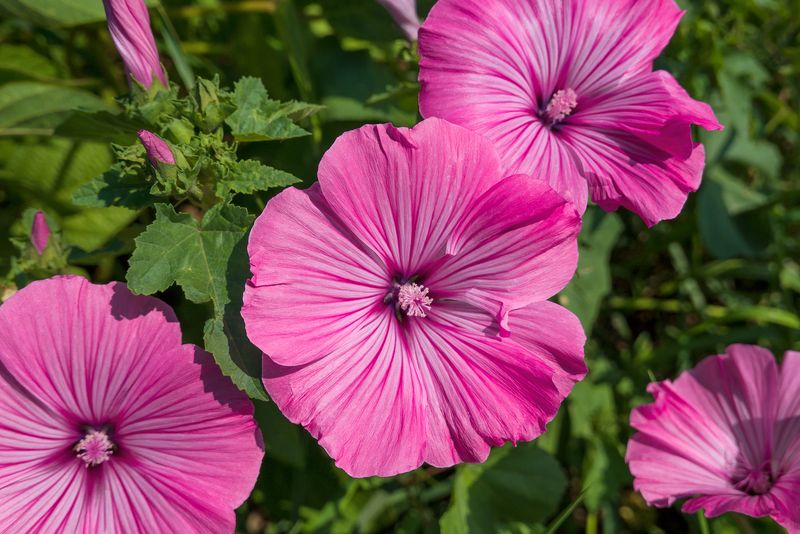
Lavatera, sometimes called tree mallow, is one of the fastest-growing shrubs in the Oregon garden, and that fast growth is exactly what makes hard pruning so effective.
Left to grow unchecked, lavatera can become top-heavy and wind-damaged, with older wood that breaks easily and a shape that looks more sprawling than intentional.
Cutting it back hard in early spring resets the plant and encourages the kind of vigorous, upright regrowth that carries the most flowers.
In Oregon, lavatera can be pruned back quite severely in late February or March, reducing stems by half or more. The plant responds with a rush of new growth that often reaches several feet in a single season.
Because it flowers on new wood, the cutback does not delay or reduce blooming. Many gardeners find that hard-pruned lavatera plants are actually more floriferous and better shaped than those left to grow on old stems.
The large, papery flowers in shades of pink and white appear through summer and into fall, providing months of color in sunny Oregon borders.
Lavatera is not fully cold-hardy in all parts of Oregon, and plants in colder inland areas may experience more stem damage over winter.
Pruning away that damaged wood in spring is both practical and productive, giving the plant a clean start and setting it up for a strong season ahead.