8 Full-Sun Perennials That Keep Growing In Arizona Landscapes
Arizona sun does not play around, and not every plant is ready for it. One week everything looks fine, and the next, some plants start to struggle while others keep pushing out new growth like nothing changed.
That contrast is what makes all the difference in a landscape that stays strong through the season. The goal is not to constantly replace plants or adjust the yard every few weeks.
It is about choosing the ones that hold their own once the sun settles in and stays intense day after day.
There are perennials that handle these conditions with surprising ease, keeping their color and structure even when everything around them feels dry and stressed.
Knowing which ones can truly keep going without constant attention makes planning much simpler and far more rewarding as the season moves forward.
1. Blackfoot Daisy Keeps Producing Small White Blooms All Season
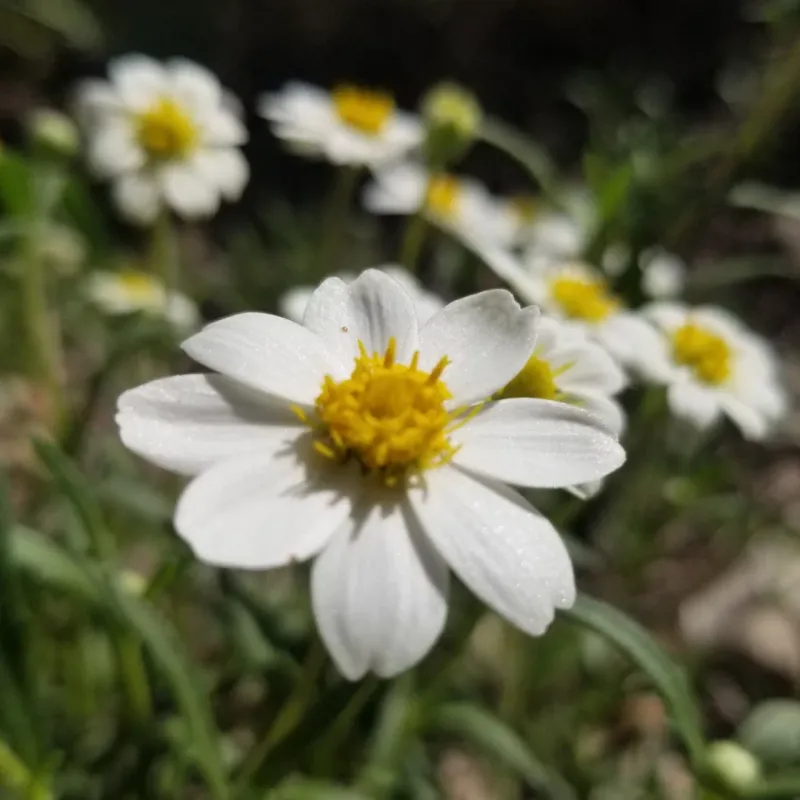
Walk past a Blackfoot Daisy on a hot July afternoon in Arizona and you will notice something surprising — it is still blooming. Most plants tap out by midsummer, but this little wildflower just keeps going.
Clusters of small white petals with bright yellow centers pop open continuously from early spring all the way into fall, sometimes even beyond.
Blackfoot Daisy grows into a tidy, rounded mound about a foot tall and slightly wider. It fits neatly along pathways, near boulders, or tucked into a rock garden.
Rocky, fast-draining soil is exactly what it wants, so if your Arizona yard has caliche or sandy ground, that actually works in your favor here.
Watering once or twice a week during summer is usually enough to keep the blooms coming strong. Pull back during cooler months and let rainfall do most of the work.
Overwatering is the one thing that will cause problems — soggy roots are not something this plant handles well at all.
Bees and butterflies visit the flowers regularly, which adds extra life to the garden. Shearing the plant back lightly after a heavy bloom cycle encourages fresh new growth and more flowers.
Blackfoot Daisy is one of those plants that rewards you most when you do not fuss over it too much.
Its long-lasting blooms bring continuous charm to any sunny spot in the yard. With minimal care, it adds both color and pollinator activity throughout the season.
2. Bright Yellow Flowers Stay On Damianita For Months
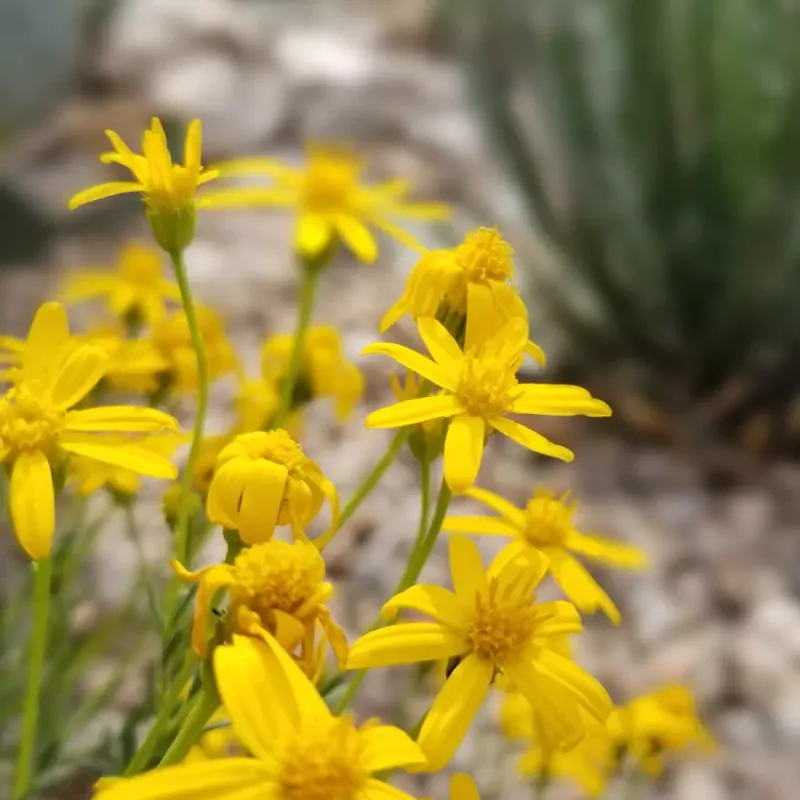
Damianita earns its place in Arizona gardens by doing something most plants struggle with — staying in full flower through some of the hottest weeks of the year. Those small, vivid yellow blooms cover the plant from spring through fall, and the silvery-green foliage looks sharp even when nothing is blooming nearby.
Native to the Chihuahuan Desert region, Damianita has been handling intense heat long before anyone planted it in a backyard. It forms a dense, aromatic mound that stays between one and two feet tall.
The scent from the foliage is strong and herbal — some people love it, others find it sharp, but it definitely keeps deer away.
Your Arizona Garden Changes Every Week. Your Plan Should Too.
Gardening in Arizona changes quickly throughout the season. Every Friday you’ll receive a simple weekly plan showing exactly what to plant, prune, fertilize, harvest, and protect so you never miss the right timing.
Gravel mulch and full sun bring out the best in this plant. Planting it in clay or poorly drained soil tends to cause root problems over time, so amending the bed before planting makes a real difference.
Once settled in, it asks for very little water during the cooler months and moderate irrigation during peak summer heat.
Butterflies are frequent visitors, especially during the long fall bloom period. Trimming the plant lightly after each big flush of flowers keeps it compact and encourages the next round of blooms.
Damianita is the kind of plant that quietly outperforms everything around it in an Arizona landscape without demanding constant attention.
Vivid yellow blooms keep the garden lively when most other plants fade. Dense, aromatic foliage and long-lasting flowers create interest while needing very little care.
3. Tall Coral Flower Spikes Rise From Red Yucca With Little Effort
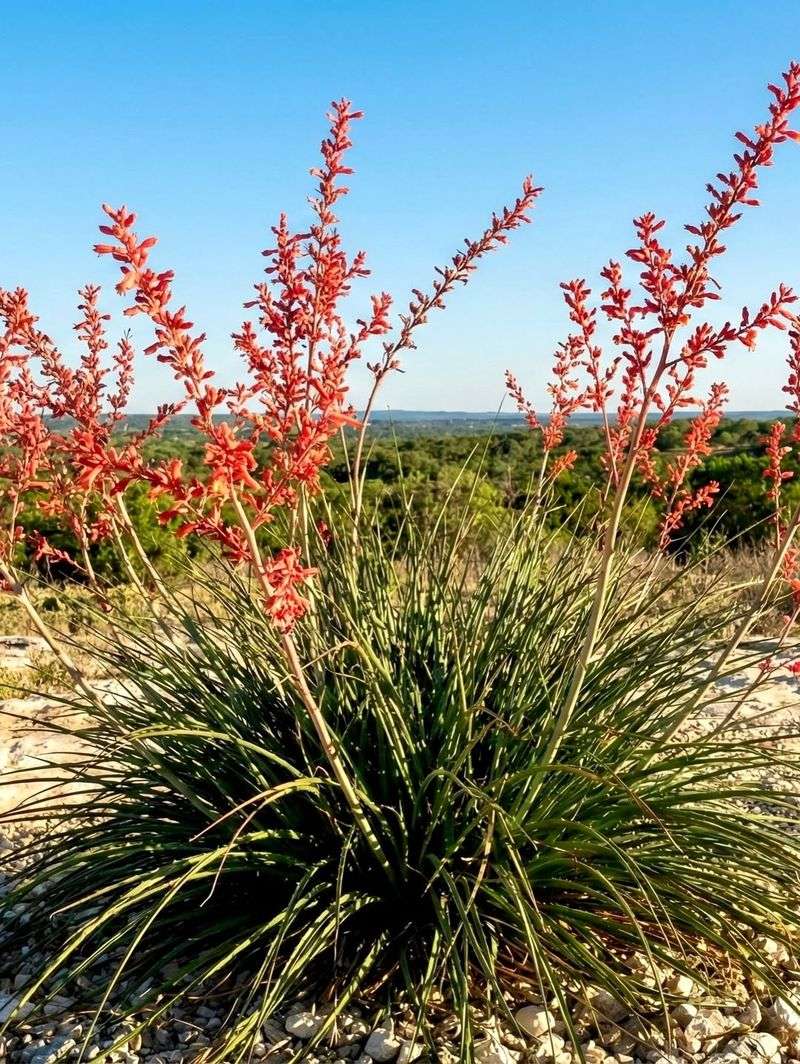
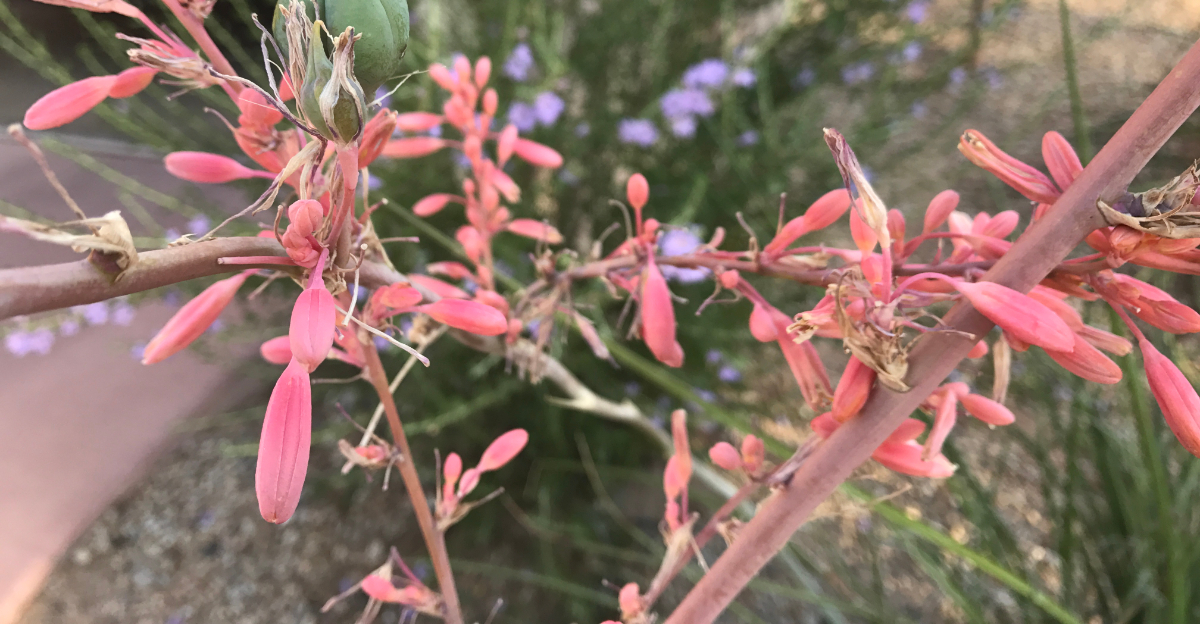
Red Yucca does not actually belong to the yucca family, but once you see those tall arching spikes loaded with coral-pink tubular flowers, the name makes sense visually.
Spikes can reach four to six feet tall, and in a well-established plant, there can be several rising at once — making it one of the most striking focal plants in any Arizona yard.
Hummingbirds absolutely target Red Yucca. During spring and early summer, you can stand near one and watch hummingbirds work their way up each flower spike one bloom at a time.
Orioles visit too, which makes the plant a real wildlife draw without any extra effort on your part.
Planting in full sun and fast-draining soil gives Red Yucca the best chance to perform well. It handles reflected heat from walls and pavement without any visible stress, which makes it ideal for tight spaces against south-facing walls — a common challenge in Arizona landscaping.
Watering deeply but infrequently during summer keeps the root zone healthy.
The narrow, grass-like foliage stays green year-round and adds texture even when the plant is not in bloom. No serious pest problems affect it in Arizona, and it rarely needs pruning beyond removing old flower stalks.
Red Yucca is genuinely low-fuss and delivers impressive results in landscapes across the state.
4. Autumn Sage Pushes Out New Color Soon After A Light Trim
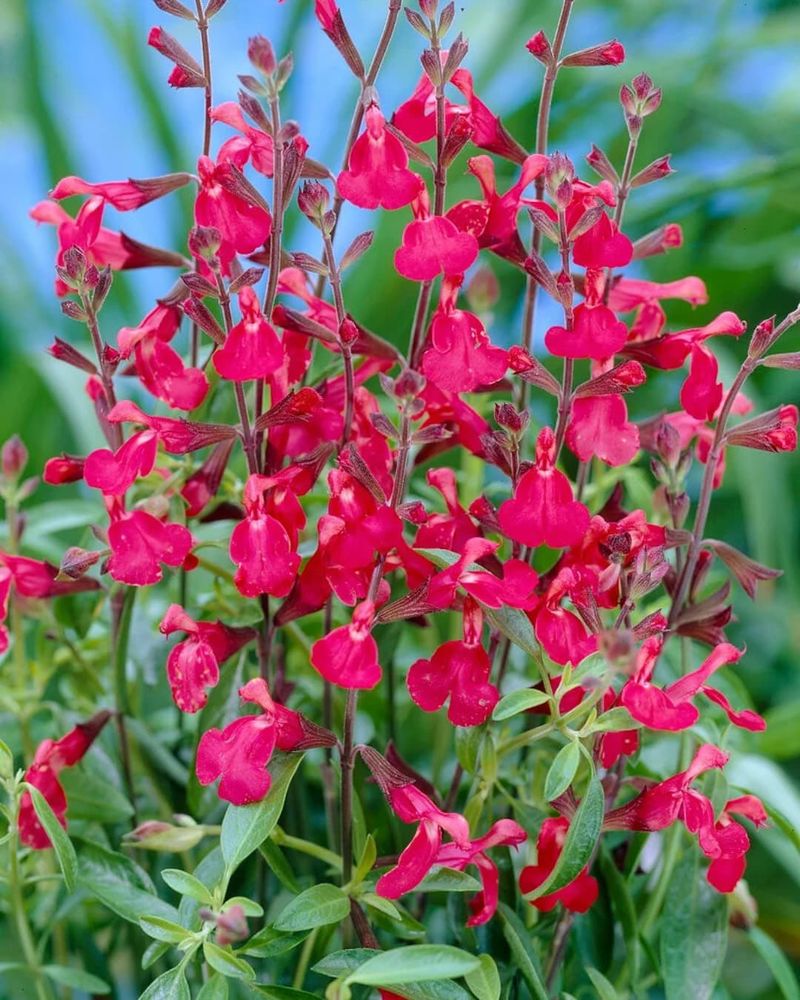
Autumn Sage has a great trick that most flowering shrubs do not — give it a light haircut after a bloom cycle, and within a few weeks, it pushes out a whole new flush of color.
In Arizona, that cycle can repeat multiple times between spring and late fall, meaning the plant earns its keep across a long season.
Red is the most common flower color, but Autumn Sage also comes in pink, coral, white, and even bi-colored forms. Mixing a few varieties together in a border creates a layered look that shifts slightly throughout the season as different plants peak at different times.
Heights stay manageable — usually between two and three feet — so it fits well in most Arizona landscape designs.
Full sun is non-negotiable for strong blooming. Plants tucked in partial shade tend to get leggy and produce far fewer flowers.
Afternoon sun against a warm wall is actually ideal, especially in higher-elevation Arizona gardens where nights cool down more than they do in the low desert.
Hummingbirds and bees are drawn to the tubular flowers consistently. Watering deeply every week or so during summer keeps the plant vigorous without promoting excessive soft growth that struggles in the heat.
Autumn Sage is one of the most dependable color sources available for full-sun Arizona beds, and it rarely disappoints when sited correctly.
5. Even Dry Soil Doesn’t Slow Down Blanket Flower
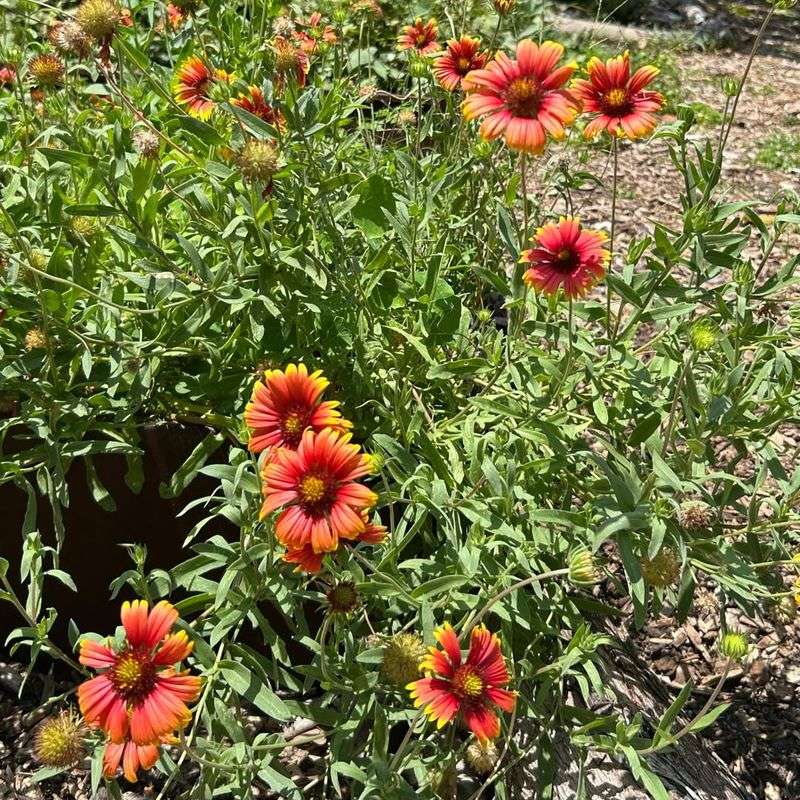
Blanket Flower looks almost too cheerful for the desert — those bold red and yellow blooms feel like something out of a summer meadow, not a dry Arizona landscape.
But that combination of heat tolerance and drought toughness is exactly what makes it such a reliable performer here.
It blooms from late spring through fall without much help from the gardener.
Sandy or rocky soil suits Blanket Flower well. Rich, amended soil can actually work against it by promoting floppy growth and reducing bloom production.
Planting in native Arizona soil with minimal amendments tends to produce stronger, more compact plants that stand up better in the wind.
Water deeply once or twice a week during summer, then back off significantly as temperatures drop in fall. Blanket Flower does not appreciate sitting in wet soil for extended periods, so raised beds or slopes with natural drainage work especially well.
In flat Arizona yards with heavy clay, adding a few inches of gravel beneath the planting hole can make a noticeable difference.
Deadheading spent blooms keeps new flowers coming faster and prevents the plant from putting all its energy into seed production. Cutting the whole plant back by about one-third in midsummer often triggers a second strong bloom cycle heading into fall.
Blanket Flower is genuinely tough and keeps performing even during stretches of intense Arizona heat.
6. Golden Blooms From Desert Marigold Last Longer Than Expected
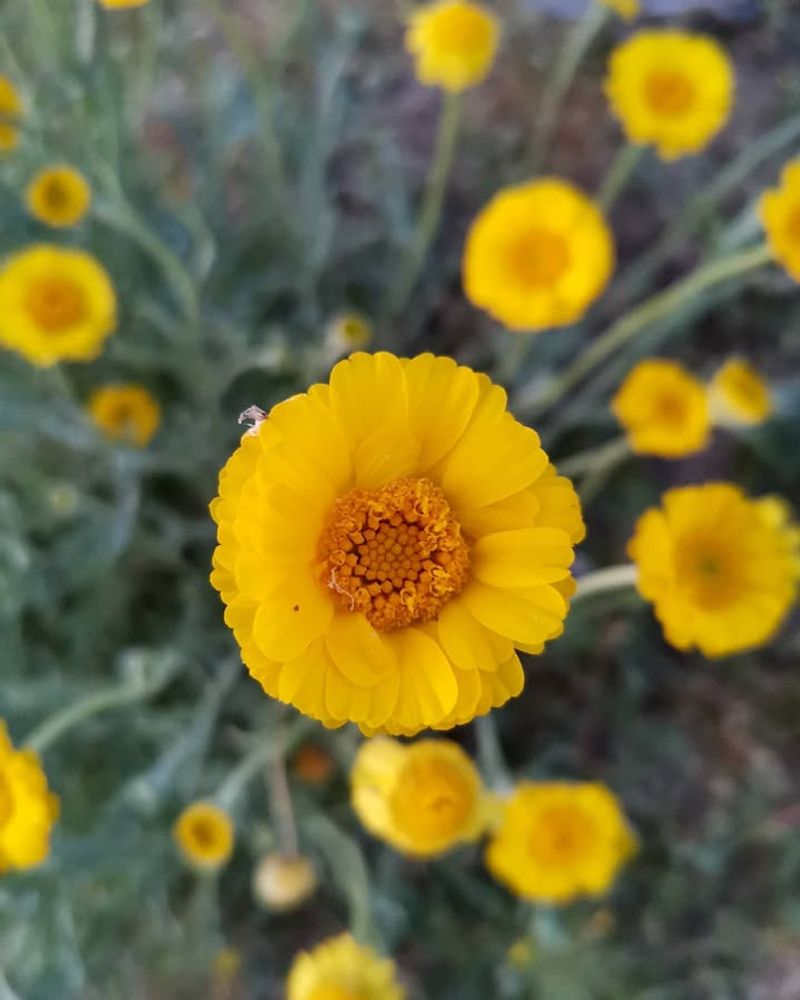
Desert Marigold puts on a bloom show that surprises people who have never grown it before. Bright golden-yellow flowers sit on long, wiry stems above woolly silver-gray foliage, and the whole plant glows when afternoon light hits it.
What really gets people’s attention is how long those blooms hold — individual flowers stay fresh-looking for weeks before fading.
Native to the Sonoran and Chihuahuan Deserts, Desert Marigold has been part of Arizona’s natural landscape for a long time. It reseeds itself readily, which means a single plant can turn into a small colony over a couple of seasons without any effort.
Some gardeners love this about it; others prefer to deadhead regularly to keep things tidy and prevent spreading.
Full sun and excellent drainage are the two requirements that matter most. Partial shade causes the plant to stretch toward light and produce fewer flowers.
In Arizona, planting along a south or west-facing slope gives Desert Marigold exactly the conditions it evolved to handle.
Blooming typically runs from spring through fall, with the heaviest flushes happening in spring and again after summer monsoon rains. Butterflies visit the flowers frequently throughout the season.
Established plants need minimal supplemental irrigation once the monsoon season kicks in, making Desert Marigold one of the most water-efficient flowering perennials available for Arizona landscapes.
7. A Strong Spring Display Comes From Parry’s Penstemon
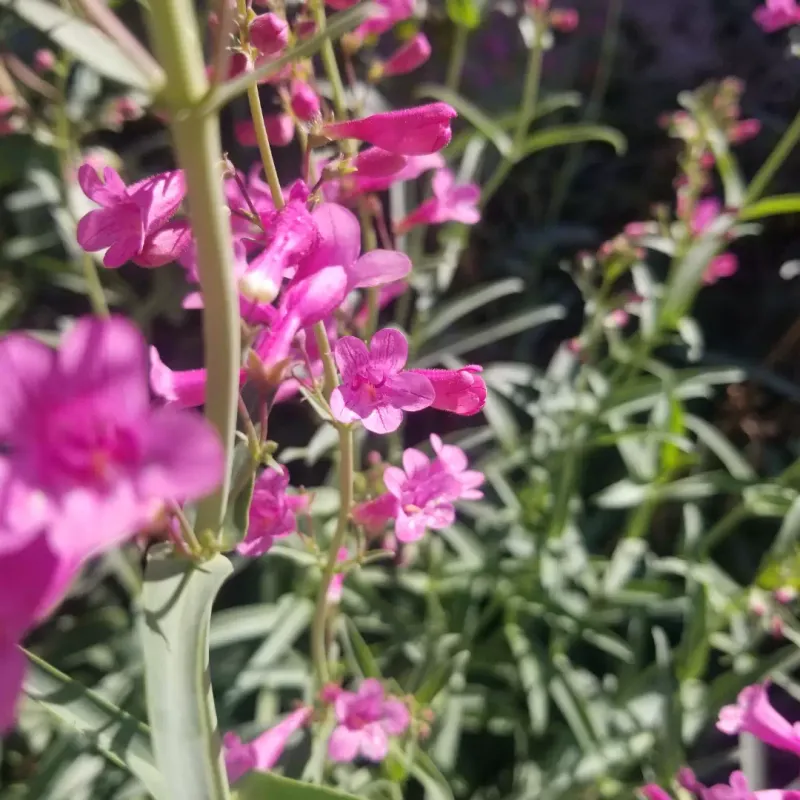
Spring in Arizona gets a serious upgrade when Parry’s Penstemon is in the picture. Tall, slender flower spikes shoot up from a basal rosette of smooth green leaves and open dozens of tubular pink-magenta flowers that hummingbirds cannot resist.
The whole display happens fast — often just a few weeks — but it is one of the most vivid things blooming in the Arizona landscape during that window.
Parry’s Penstemon is native to the Sonoran Desert, so it has a natural advantage in Arizona gardens. Rocky slopes, desert washes, and open sunny exposures are where it grows wild, and mimicking those conditions in the yard leads to the best results.
Loose, gravelly soil drains quickly and keeps root rot out of the picture.
Watering lightly through fall and winter encourages strong flower spike production the following spring. Overhead irrigation can promote fungal issues on the foliage, so drip irrigation placed at the base of the plant works much better in Arizona’s climate.
Avoid planting in low spots where water pools after monsoon storms.
After blooming finishes, the seed heads that follow are worth leaving in place for a season — birds feed on them, and the plant often reseeds naturally into nearby spots.
Parry’s Penstemon may focus its energy on spring, but it earns that reputation for delivering one of the most striking seasonal displays in any Arizona yard.
8. Trailing Lantana Quickly Covers Ground While Flowering
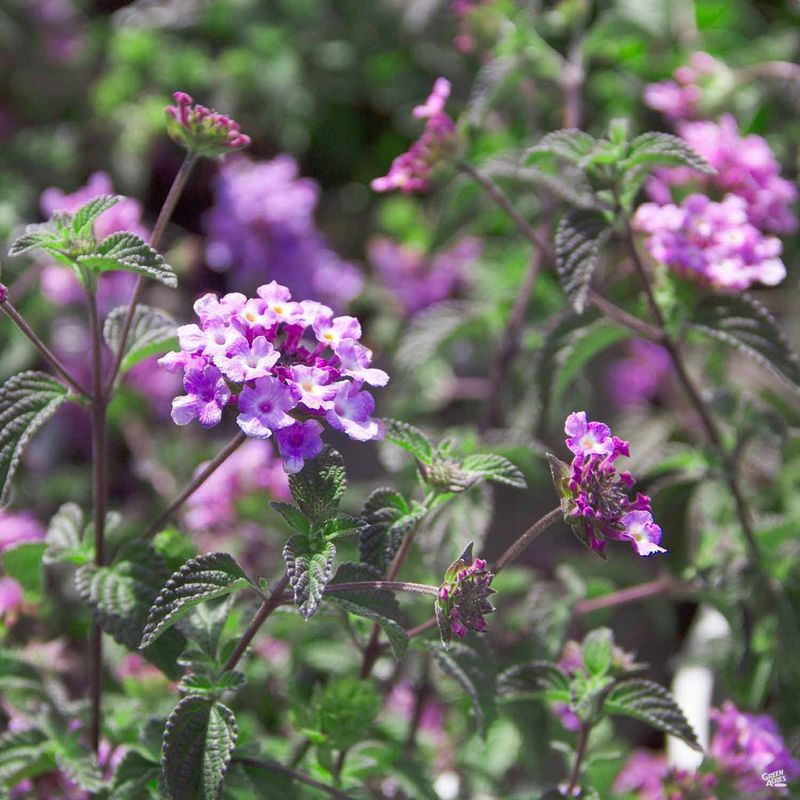
Bare ground in a sunny Arizona yard is basically an open invitation for weeds, and Trailing Lantana is one of the fastest and most colorful ways to close that invitation permanently.
Stems spread outward and root as they go, creating a dense mat of dark green foliage covered in clusters of small purple flowers almost continuously from spring through fall.
Heat reflected off walls, patios, and gravel mulch does not slow Trailing Lantana down at all. Slopes, raised planters, and areas along the base of block walls are spots where it consistently performs well across Arizona.
It handles the kind of radiant heat that would stress most other flowering plants into dormancy.
Butterflies are drawn to the flower clusters in large numbers, especially during the long fall bloom stretch. Bees visit regularly too, making Trailing Lantana a useful plant for anyone trying to support pollinators in their Arizona yard.
The foliage has a slightly rough texture and a strong herbal scent that most deer find unappealing.
Water deeply once or twice a week during the hottest months, then taper off as fall temperatures drop. Cutting the plant back hard in late winter before new growth starts keeps it from getting woody and produces stronger, denser growth through the season.
Trailing Lantana is one of the most reliable ground-covering, flower-producing plants available for full-sun Arizona landscapes.