What Voles Really Do To Michigan Plants After Snow Melt
When the snow finally melts in Michigan, many gardeners step outside expecting to see their plants bounce back to life. Instead, they are often met with a surprising sight.
Stems are chewed, bark is missing, and some plants look completely damaged at the base. It can feel confusing, especially when everything looked fine before winter set in.
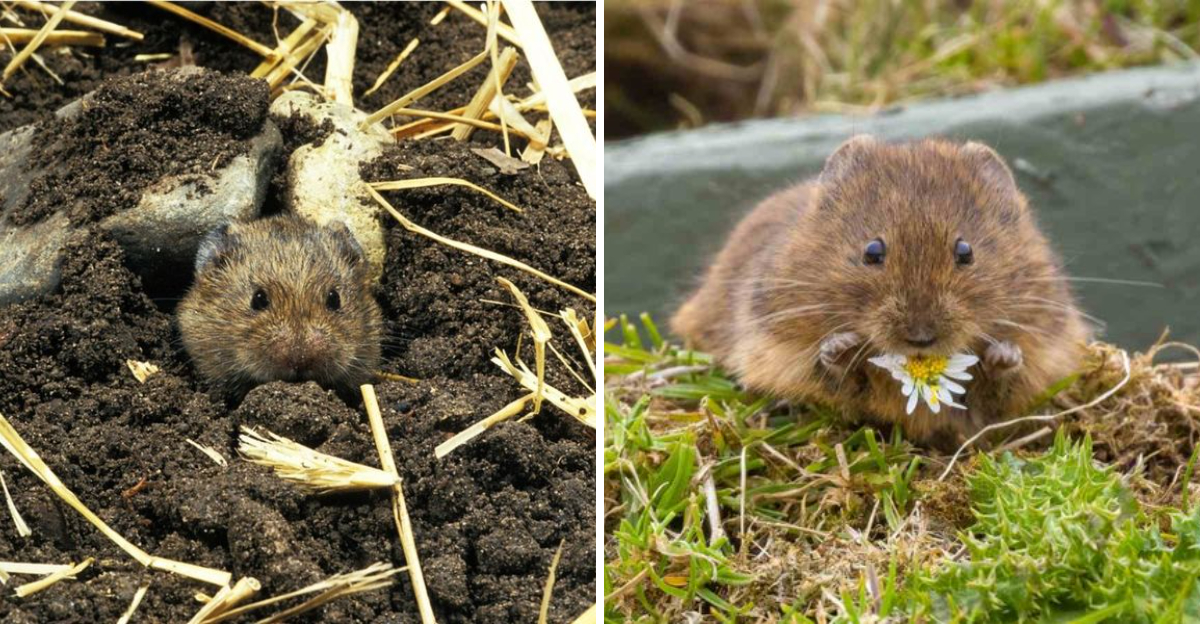
The real cause of this hidden damage is often voles, small animals that stay active under the snow all season long. Protected by that snowy layer, they move freely and feed on plants without being seen.
By the time spring arrives, the signs of their activity start to show. What looks like sudden damage is actually the result of weeks of feeding you never noticed.
Once you understand what voles really do during winter, it becomes much easier to protect your plants and prevent the same problem next season.
1. They Girdle Tree And Shrub Bark At The Base
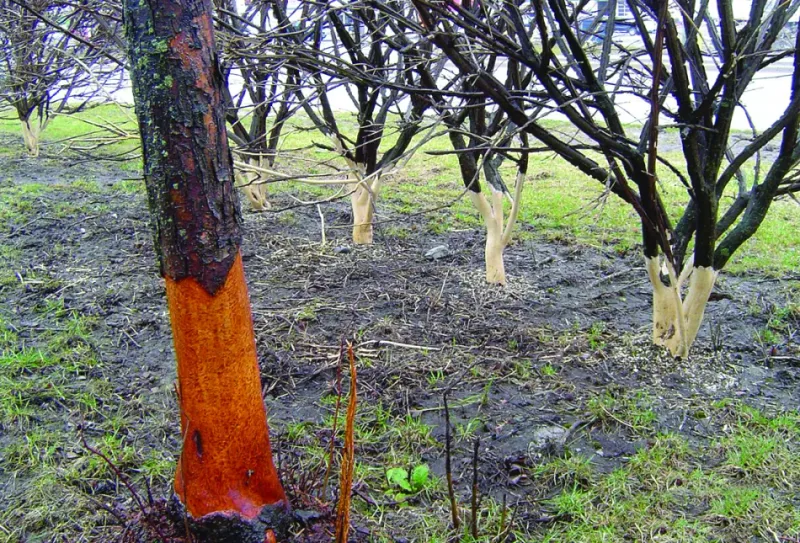
Picture walking out to your favorite young apple tree in early spring and finding the bark completely chewed away in a ring around the base.
That is exactly what vole girdling looks like, and it is one of the most serious types of plant damage Michigan gardeners deal with after snow melt.
Voles chew through the outer bark and the cambium layer, which is the thin living tissue just beneath the surface that carries water and nutrients up the plant.
When that layer gets chewed all the way around the trunk, the plant above that point cannot receive what it needs to grow. You might not notice anything wrong at first because the branches and upper growth can look perfectly fine in early spring.
Weeks later, though, leaves may wilt or simply never appear, which is a clear sign the damage runs deep.
Michigan winters give voles the perfect cover to do this work. Snow insulates the ground and hides their activity completely, letting them feed at the base of trees and shrubs for months without being disturbed.
After the snow disappears, check every tree and shrub at ground level. Look for smooth, angled tooth marks on exposed wood.
Wrapping trunks with hardware cloth or tree guards before winter arrives is one of the most effective ways to stop this from happening again next year.
2. Hidden Winter Tunnels Become Visible After Snow Melt
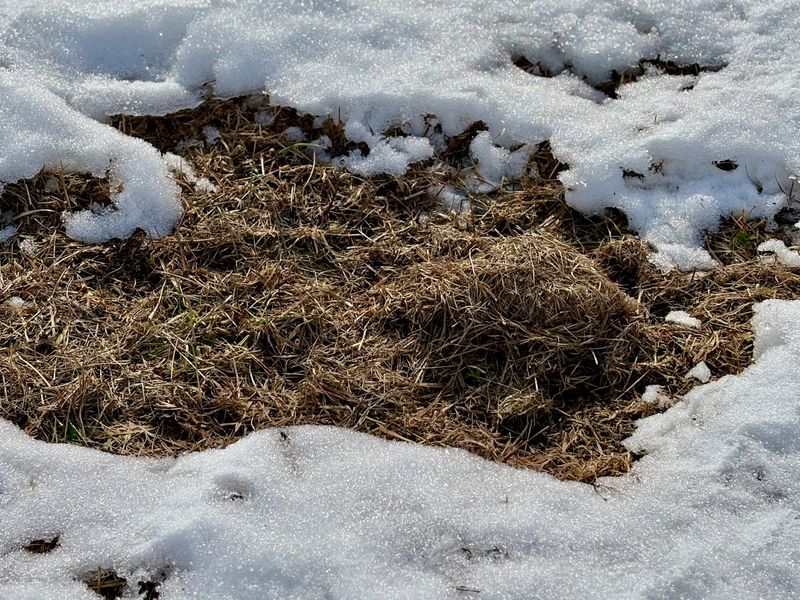
One morning in March or April, you step outside and notice winding, flattened trails running across your lawn like a maze someone drew overnight. Those paths were not there before winter, and they seem to go everywhere at once.
What you are looking at are vole runways, surface tunnels that voles use to move around safely beneath the snow all winter long.
Voles do not hibernate. They stay active in Michigan from the first snowfall straight through to spring, building an impressive network of paths under the snow cover.
These runways are usually about two inches wide and run just at or slightly below the soil surface. Some connect to underground burrow entrances, while others lead directly to food sources like plant roots, bulbs, and bark.
Your Michigan Garden Changes Every Week. Your Plan Should Too.
Gardening in Michigan changes quickly throughout the season. Every Friday you’ll receive a simple weekly plan showing exactly what to plant, prune, fertilize, harvest, and protect so you never miss the right timing.
When the snow finally melts, all of that hidden activity becomes suddenly and surprisingly visible. The matted-down grass and exposed soil paths can look alarming, but the lawn usually recovers on its own within a few weeks once growing conditions improve.
What these trails really tell you is how active the vole population was on your property during winter.
A large network of runways means a significant number of voles were present, and that is valuable information for planning your management approach before next winter arrives in Michigan.
3. Perennials And Groundcovers May Show Sudden Decline
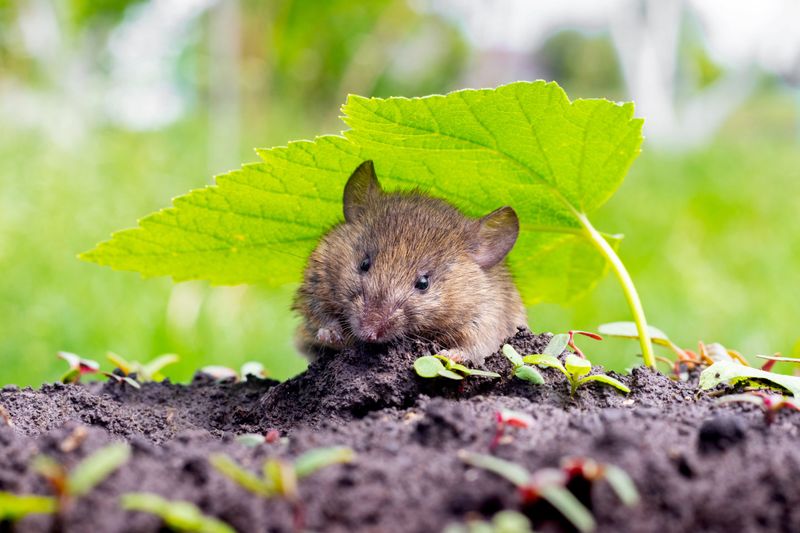
Few things are more confusing to a gardener than a perennial that looked strong all last summer suddenly failing to return in spring. No warning signs, no gradual fading, just an empty spot where a healthy plant used to be.
Voles are often the reason behind that kind of sudden disappearance, especially in Michigan gardens where long snow cover gives these rodents plenty of time to feed underground.
Voles target the roots and crowns of perennials during winter, chewing through the plant’s base where it connects to the root system.
Hostas, daylilies, sedum, and various groundcovers are especially vulnerable because their root systems stay relatively shallow and accessible.
Once the crown is chewed through or the roots are heavily damaged, the plant simply cannot push up new growth when spring arrives.
Groundcovers like pachysandra and creeping phlox are also frequent targets in Michigan landscapes. They spread low to the ground, creating a dense mat that voles actually love to travel through and feed on during winter months.
Checking your beds early in spring, right after snow melt, gives you the best chance to spot the damage and decide what needs replacing.
Adding a light layer of gravel around the base of crowns or using underground wire mesh barriers can help protect your most valuable perennials from future vole feeding activity.
4. Young Trees Are Most At Risk In Winter
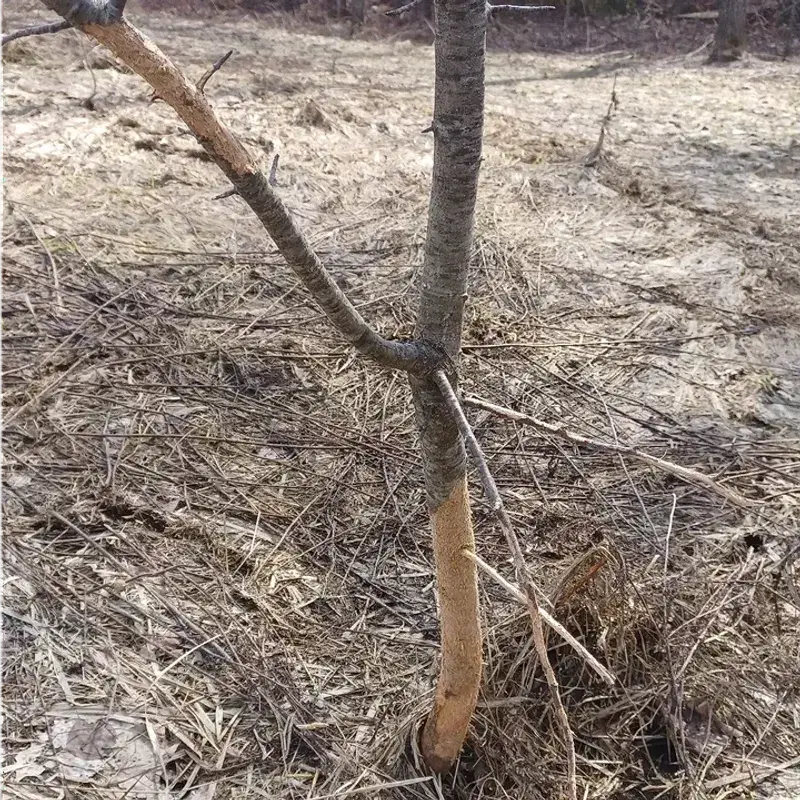
Young trees have a serious disadvantage when it comes to voles, and it comes down to one simple thing: their bark is thin.
Mature trees develop thick, tough outer bark over the years, but newly planted saplings and trees under five years old still have smooth, soft bark that voles can chew through with very little effort.
In Michigan, where snow cover can last for several months, that vulnerability adds up fast.
Snow acts like a curtain, completely hiding a young tree’s base from view and from predators. Voles can spend the entire winter feeding on the bark and cambium layer of a young tree without any interruption.
By the time snow melt reveals the damage in spring, the tree may already be struggling to survive. Look for gnaw marks that circle part or all of the trunk, especially within the first few inches above the soil line.
Even partial girdling, where the bark is chewed on only one or two sides, can stress a young tree enough to slow its growth significantly for the season.
Planting young trees with hardware cloth cylinders around the base is one of the most practical steps Michigan gardeners can take.
The cloth should be buried a few inches into the soil and extend at least eighteen inches above the expected snow line to provide full protection throughout winter.
5. Damage Is Often Missed Until Spring Growth Fails
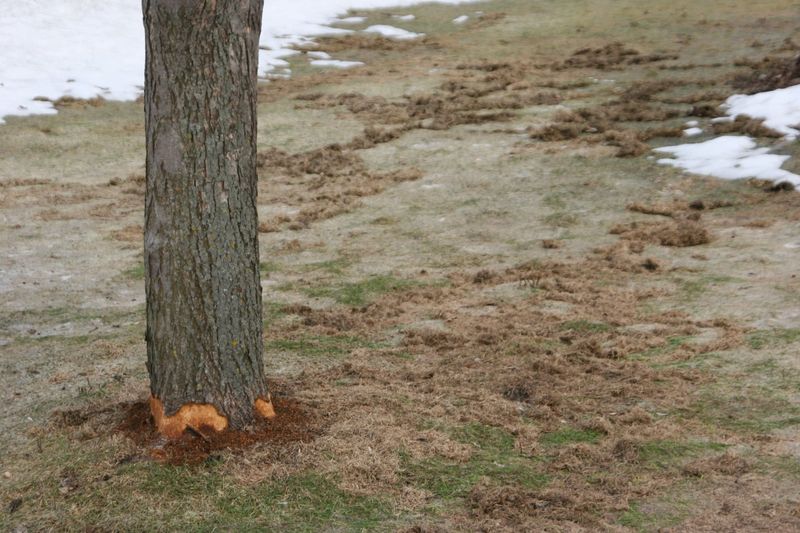
Vole damage has a sneaky quality that catches Michigan gardeners off guard every single year. The feeding happens entirely out of sight, hidden under snow and soil, with no visible clues until the weather warms up.
By the time you realize something is wrong, the plants have already spent weeks or months trying and failing to push out new growth.
Spring is the moment of truth. A plant that was chewed at the root or crown during winter will either leaf out slowly and weakly, or it simply will not come back at all.
Gardeners often wait too long, assuming a plant is just slow to wake up, when the real issue is that the root system or bark was compromised months earlier.
Checking plants proactively right after snow melt, rather than waiting for signs of life, puts you ahead of the problem.
Look closely at the soil surface around your plants for small burrow holes or disturbed earth. Gently scratch away the top layer of soil near the crown of perennials to check for chewing damage.
Examine the base of shrubs and trees for tooth marks or missing bark sections. In Michigan, early spring is a narrow but important window for catching problems before the growing season gets fully underway.
Acting quickly at this stage gives damaged plants the best possible chance to recover with the right support and care.
6. Mulch And Dense Cover Increase Winter Activity
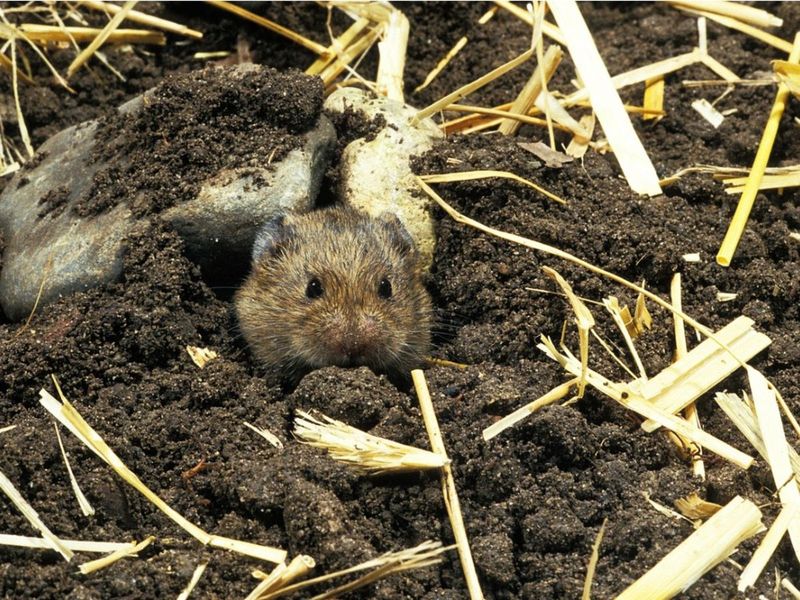
Mulch is one of the best things you can add to a garden bed, but too much of it in the wrong places creates a perfect winter home for voles.
A thick layer of wood chips or straw piled against plant stems and tree trunks gives voles exactly what they need: warmth, cover, and easy access to food.
In Michigan, where gardeners often mulch heavily before winter to protect roots from freezing, this becomes a real and recurring problem.
Voles love anything that keeps them hidden from hawks, foxes, and other predators while they feed. Dense groundcovers, brush piles, tall ornamental grasses left standing through winter, and deep mulch layers all serve that purpose beautifully.
The closer these materials are to your most valuable plants, the more likely voles are to settle in and start feeding right at the source.
Pulling mulch back a few inches from the base of trees, shrubs, and perennial crowns before winter sets in makes a noticeable difference. Aim for a clear zone of at least three to four inches around each plant stem.
Keeping the lawn mowed short in fall and removing debris from garden beds also reduces the sheltered pathways that voles use to travel. Michigan gardeners who make these small adjustments each autumn often see significantly less vole activity revealed when spring finally arrives.
7. Fruit Trees And Ornamentals Are Common Targets
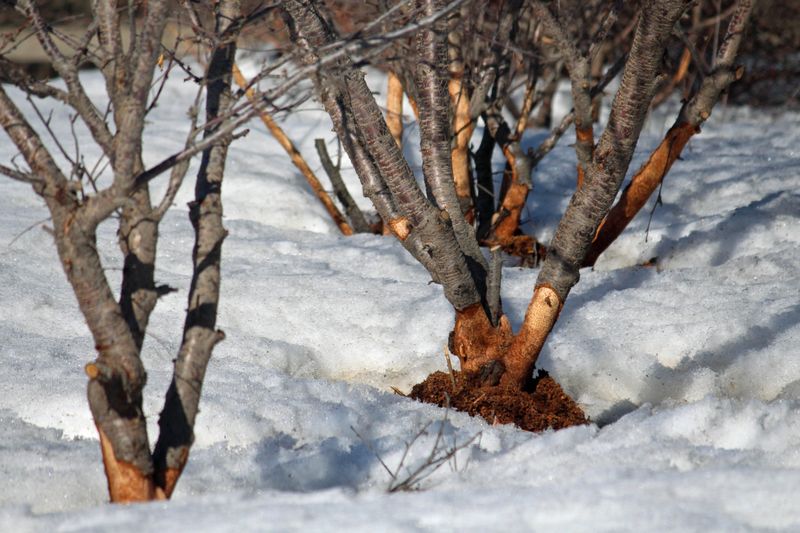
Ask any Michigan fruit grower what they dread finding after snow melt and vole damage to young apple, cherry, or pear trees will likely top the list.
Fruit trees are particularly attractive to voles because their bark is tender and flavorful, and their root systems spread close to the surface.
Ornamental trees like crabapples and flowering cherries face the same risk, making them equally worth protecting through the winter months.
What makes fruit trees especially vulnerable is that many Michigan gardeners plant them in open areas with loose, well-amended soil, which is exactly the kind of ground voles love to tunnel through.
The combination of accessible soil, tasty bark, and long winters creates a situation where damage can be severe by the time anyone checks in spring.
A fruit tree that gets girdled in its first or second winter may take years to fully recover, and its productivity can drop noticeably even if it does pull through.
Ornamental shrubs like roses, viburnums, and young dogwoods are also regularly targeted across Michigan landscapes. Voles will feed on their roots and lower stems throughout the winter season.
Surrounding the base of each tree or shrub with a hardware cloth cylinder, installed before the first frost, is the most reliable physical barrier available.
Keeping the area around fruit trees clear of tall grass and heavy mulch also reduces the habitat that draws voles in during the coldest months of the year.
8. Early Spring Is The Best Time To Assess And Act

Right after snow melt is the single best window Michigan gardeners have to understand what voles did over the winter and to start making changes before the damage gets worse.
The evidence is fresh, visible, and spread out across the garden in ways that are easy to read if you know what to look for.
Waiting even a few weeks means new plant growth will start to cover the signs, making it much harder to get a clear picture.
Start by walking the entire property and noting every area where runways, burrow holes, or disturbed soil appear. Check the base of every tree and shrub for tooth marks or missing bark.
Scratch gently at the soil near perennial crowns to look for root damage. Take notes or photos so you can compare from year to year and identify which areas consistently attract more activity.
Once you have assessed the damage, the most effective steps are also the most straightforward. Remove dense ground cover and debris near valuable plants.
Pull mulch away from stems and trunks. Install hardware cloth barriers around any tree or shrub that showed damage this year.
In Michigan, vole populations can spike significantly in years with heavy snow cover, so building good habits now pays off season after season. Early spring action is not just about fixing what happened, it is about making sure next winter goes much better for your garden.