10 Low-Maintenance Plants Perfect For Michigan Landscapes
Michigan yards don’t make things easy. One season brings frozen ground and late frosts, the next swings into humid heat and dry stretches, and many gardens sit on stubborn clay.
Keeping everything looking good can start to feel like a full-time job. That’s where the right plant choices make a real difference.
Native, compact options tend to handle these ups and downs with less attention while still bringing color, texture, and steady pollinator activity. With a thoughtful mix, even small spaces can stay interesting through the seasons.
Across Michigan, from the Upper Peninsula to the southern Lower Peninsula, these picks have shown they can hold their own.
1. Black Eyed Susan Brings Easy Summer Color
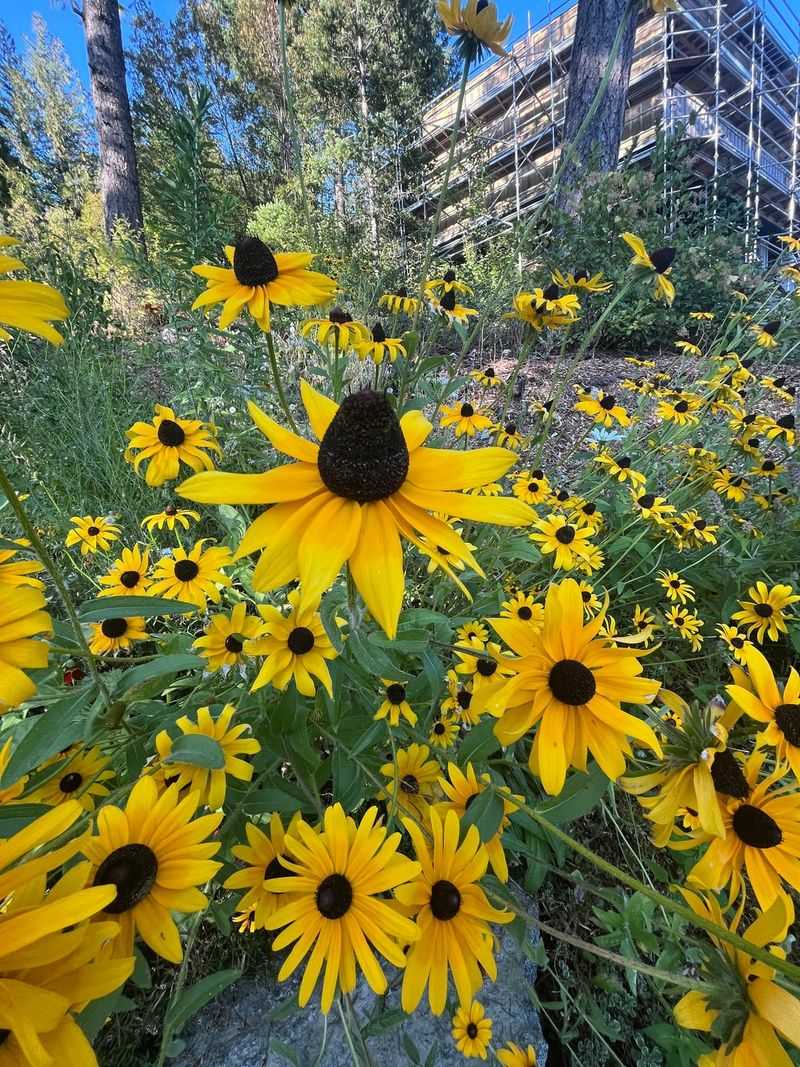
Few sights say Michigan summer quite like a patch of golden Black-Eyed Susans swaying in a warm breeze.
Rudbeckia hirta is a native wildflower that feels right at home across the state, tolerating everything from sandy loam to heavy clay without much complaint.
It blooms from mid-summer through early fall, covering itself in cheerful yellow petals with nearly black centers that catch the eye from across the yard.
Once established, Black-Eyed Susan handles drought surprisingly well, making it a smart choice for gardeners who forget to water or travel during August.
It thrives in full sun and grows between two and three feet tall, fitting neatly into borders, meadow gardens, and cottage-style beds.
Pollinators absolutely love it, so expect bees and butterflies to show up regularly once the blooms open.
Planting is straightforward. Start with transplants or direct-sow seeds in spring, and water consistently through the first growing season to help roots settle in.
After that, rainfall usually handles most of the work. Removing spent blooms is optional, since the seed heads feed goldfinches through winter.
Divide clumps every three to four years to keep plants vigorous and spreading at a manageable pace.
2. Purple Coneflower Adds Blooms And Pollinators
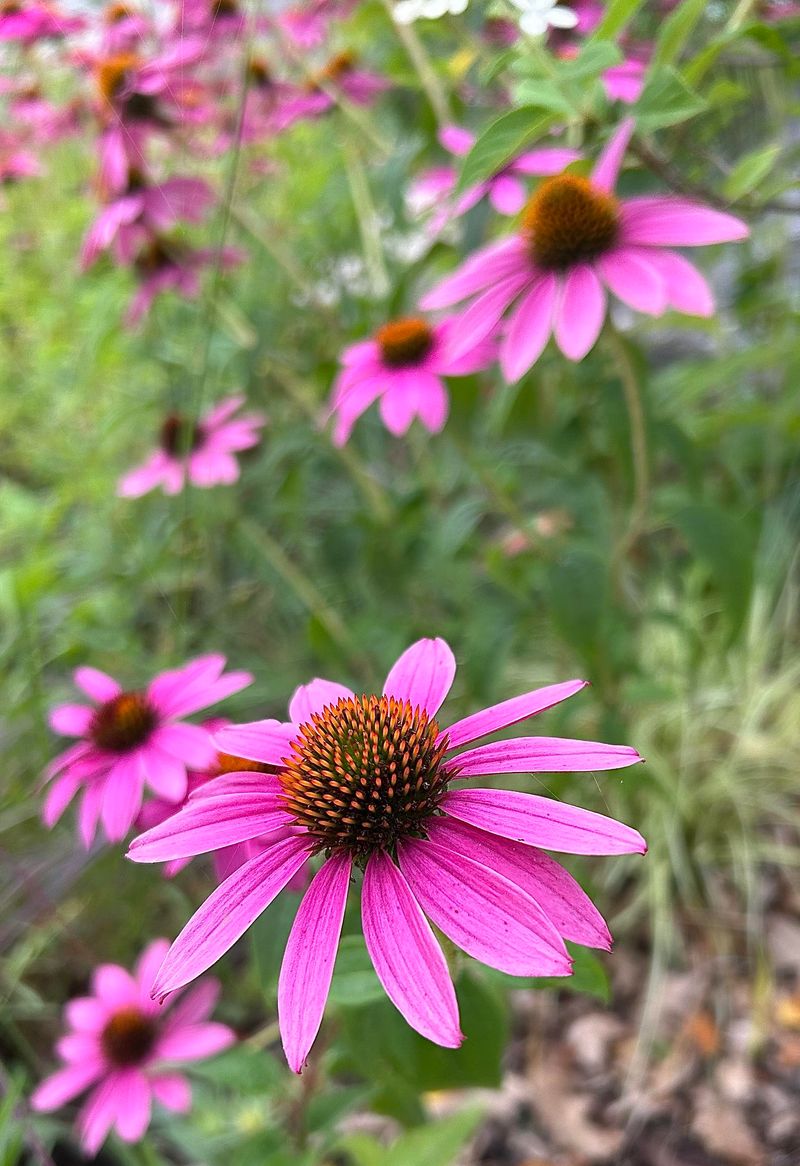
Walk through almost any Michigan nature preserve in July and you will likely spot purple coneflowers nodding along roadsides and meadow edges.
Echinacea purpurea is a tough native perennial that has earned its place in home landscapes for good reason.
The rosy-purple petals droop slightly from a spiky orange-brown center, giving each bloom a casual, wildflower charm that pairs well with ornamental grasses and other prairie-style plants.
Purple coneflower thrives in full sun and prefers well-drained soil, though it adapts reasonably well to clay-heavy conditions once established. Mature plants reach two to four feet tall and form spreading clumps over time.
They bloom from early through late summer, and if you leave the seed heads standing through fall and winter, finches and chickadees will thank you for the easy snack.
Watering during the first season helps roots develop, but after that, coneflower handles dry stretches without much trouble. Cutting plants back in early spring refreshes growth without encouraging disease.
Dividing crowded clumps every four to five years keeps the planting healthy and gives you free transplants to share with neighbors. Few perennials attract as wide a variety of pollinators while asking for so little in return.
Your Michigan Garden Changes Every Week. Your Plan Should Too.
Gardening in Michigan changes quickly throughout the season. Every Friday you’ll receive a simple weekly plan showing exactly what to plant, prune, fertilize, harvest, and protect so you never miss the right timing.
3. Daylily Delivers Color With Little Effort
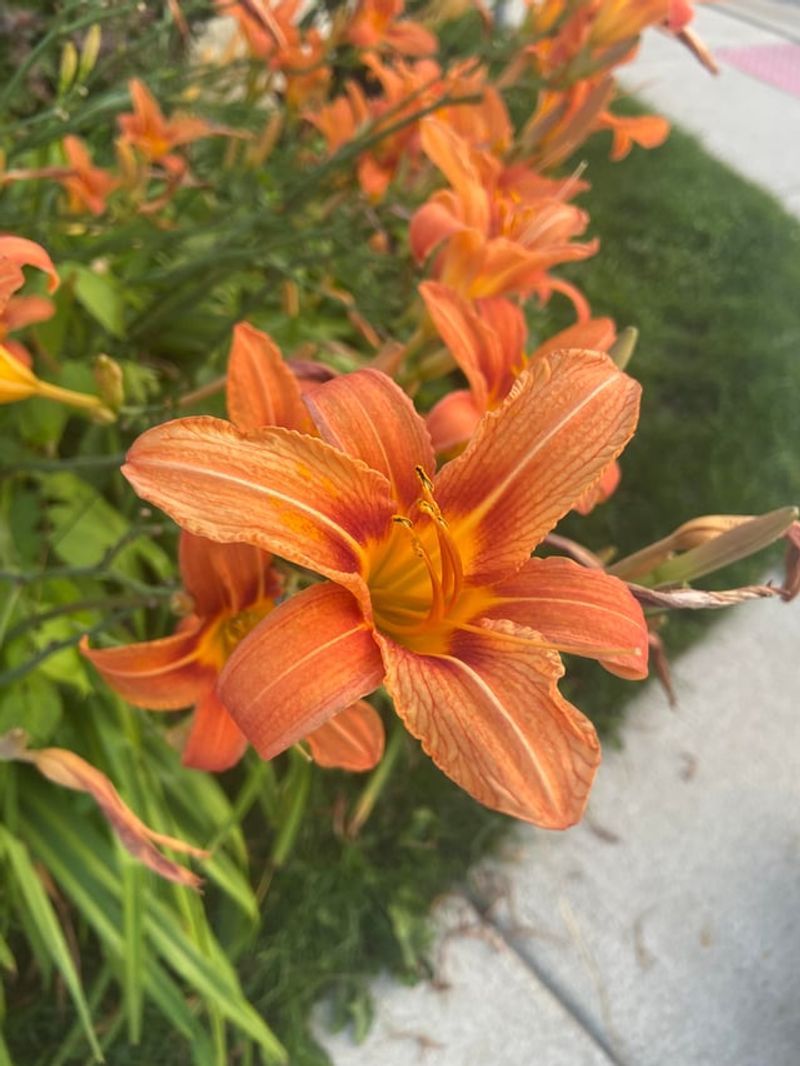
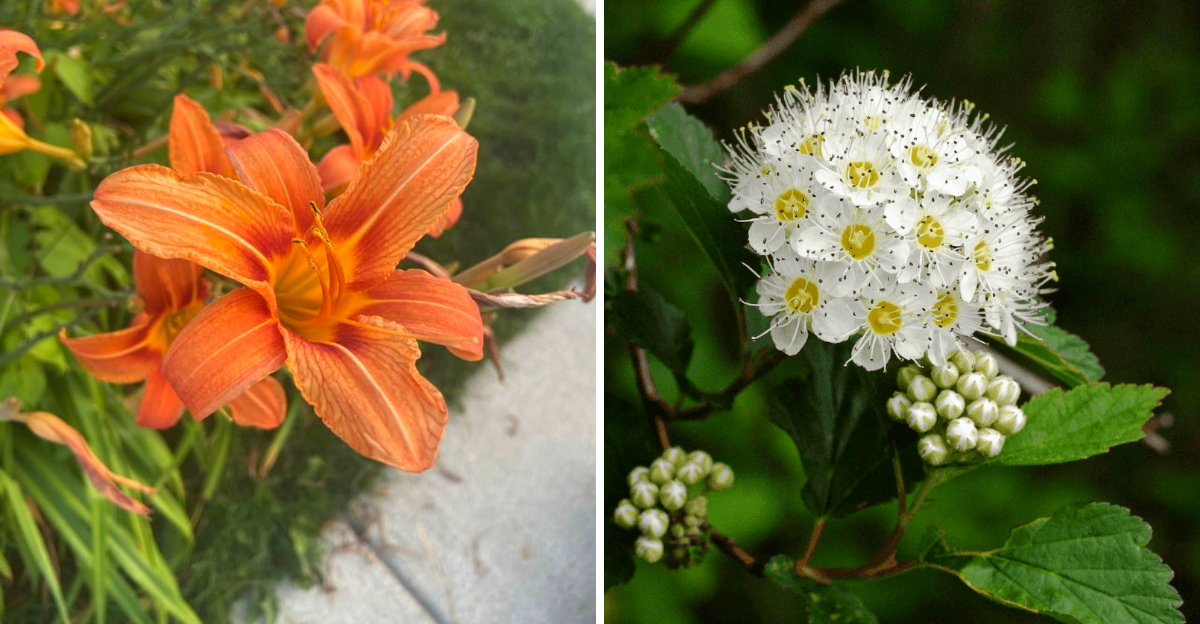
Generations of Michigan gardeners have passed daylily divisions over backyard fences, and for good reason.
Hemerocallis varieties come in an astonishing range of colors, from pale lemon yellow to deep burgundy, and they bloom reliably year after year with almost no intervention.
Each flower only lasts a single day, but plants produce so many buds that the display keeps going for weeks through summer.
Daylilies adapt well to a range of light conditions, performing best in full sun but tolerating partial shade reasonably well. They are not picky about soil type, which makes them useful in the clay-dominant yards common across much of Michigan.
Mature clumps typically reach one to four feet tall depending on the variety, making them suitable as ground covers, border plants, or mid-bed accents.
During the first season, consistent watering helps plants get established. After that, they are remarkably self-sufficient.
Spent flower stalks can be cut back after blooming ends to keep the bed looking tidy. Every three to five years, crowded clumps benefit from division in early spring or late summer.
Dividing not only reinvigorates growth but also gives you new plants to fill bare spots elsewhere in the yard at no extra cost.
4. Sedum Keeps Color Going Late
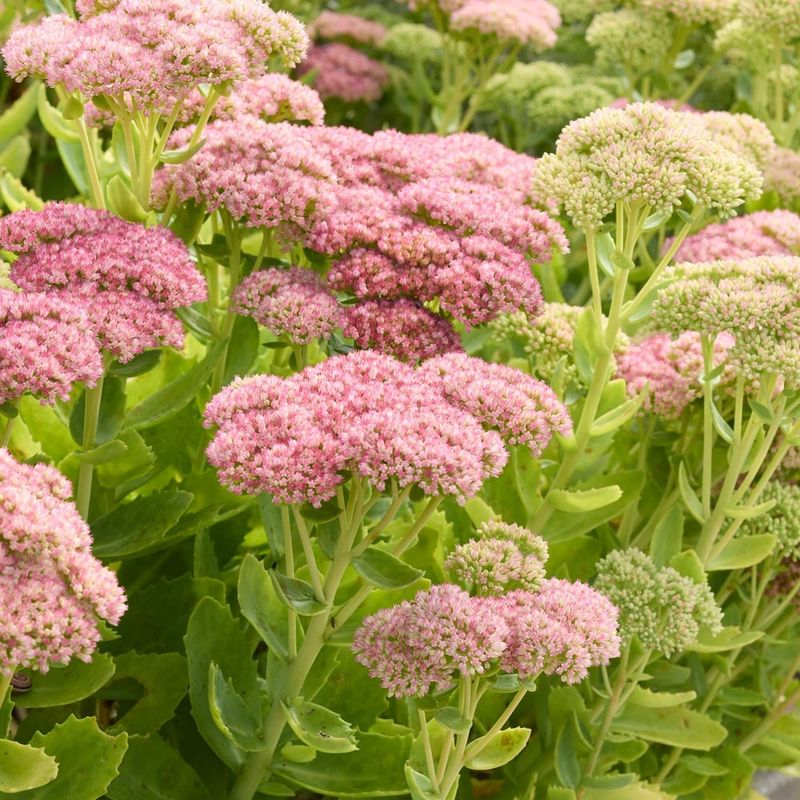
By September, most perennial gardens start looking tired and faded. Sedum, often called stonecrop, is the plant that steps up right when everything else is winding down.
The upright varieties, particularly Autumn Joy and its relatives, produce tight clusters of star-shaped flowers that open rosy-pink and deepen to a rich copper-red as temperatures drop.
That late-season color is genuinely hard to find in any other low-maintenance perennial.
Sedum thrives in full sun and poor to average, well-drained soil. It actually performs worse in rich, wet conditions, which can cause stems to flop and roots to rot over winter.
Michigan gardeners with sandy or gravelly soil often find sedum one of the easiest plants they grow. Mature clumps reach 18 to 24 inches tall and spread gradually into tidy mounds that need almost no attention.
Watering during establishment is helpful, but once roots are settled, sedum handles Michigan summers with minimal irrigation.
Leave the dried flower heads standing through winter since they add structure to the garden and attract seed-eating birds.
Cut plants back to a few inches in early spring before new growth emerges. Dividing every three to four years keeps clumps compact and prevents the center from opening up and falling apart.
5. Hosta Fills Shade With Bold Leaves
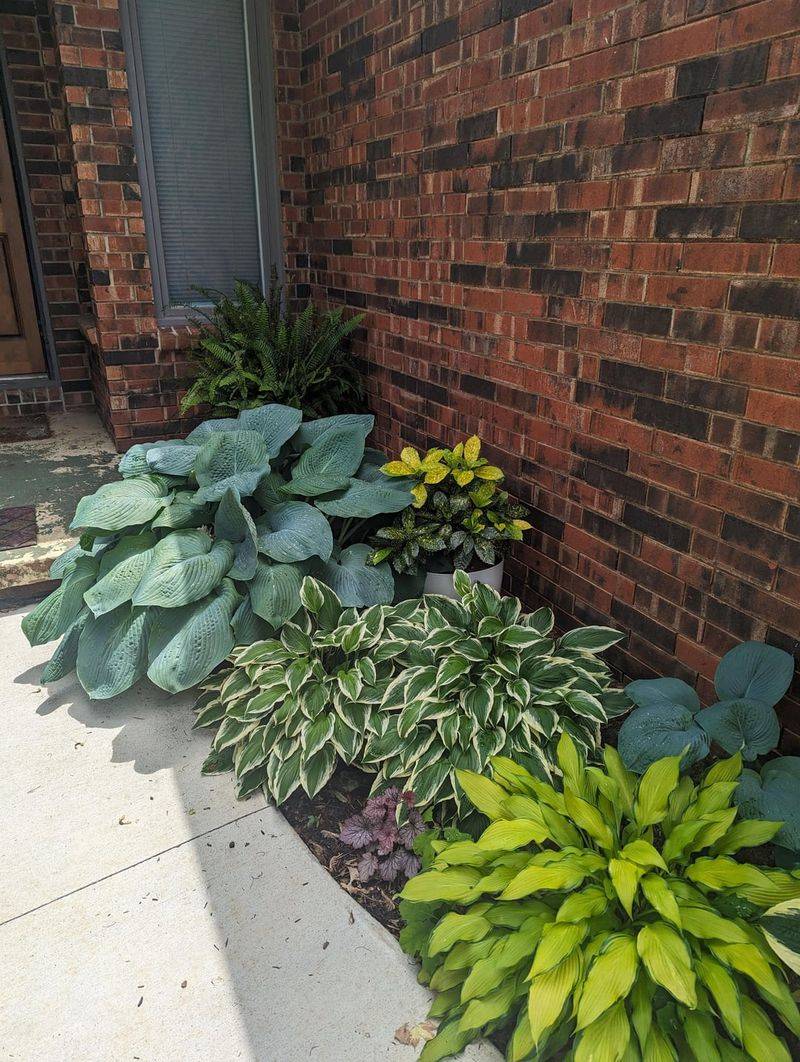
Shady spots under mature oaks or maples can feel impossible to plant, but hostas make those areas look intentional and lush.
These bold-leafed perennials come in hundreds of varieties ranging from tiny teacup-sized plants to giants with leaves as wide as a dinner plate.
Colors span from deep blue-green to chartreuse yellow, and some varieties feature striking white or cream margins that brighten dark corners of the yard.
Hostas prefer partial to full shade and moist, organically rich soil. They grow well under the tree canopy conditions found in many Michigan yards, though they do need consistent moisture since competing tree roots can dry soil quickly.
Mulching around plants helps retain moisture and keeps weeds down, reducing maintenance time significantly through the growing season.
Hostas emerge in spring and expand through summer, producing lavender or white flower spikes in mid to late summer that attract hummingbirds and bees.
After a hard frost, foliage collapses naturally and can be cut back or left to break down on its own.
Dividing large clumps every four to five years keeps plants healthy and gives you more material to fill other shady spots. Slugs can be an occasional nuisance but are manageable with simple organic controls.
6. Yarrow Thrives In Sunny Dry Spots
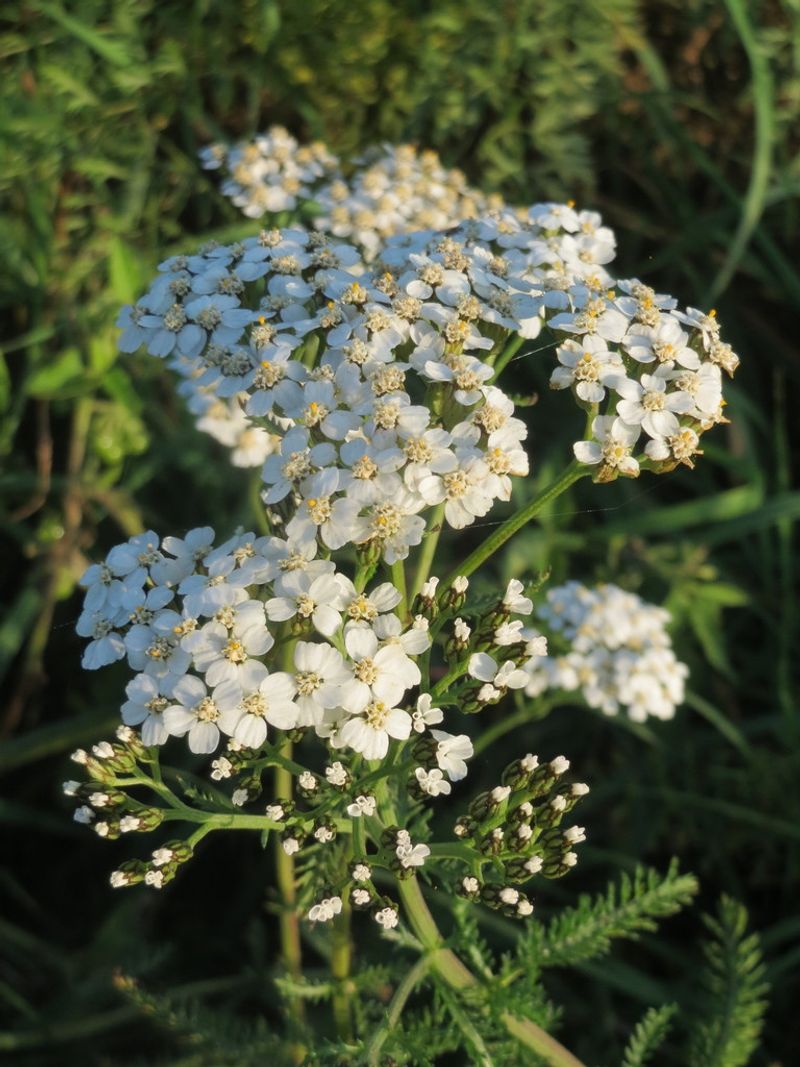
Rocky slopes, gravel pathways, and baking-hot south-facing beds are the kinds of spots that challenge most plants, but yarrow genuinely thrives there.
Achillea millefolium produces flat-topped flower clusters in shades of white, yellow, pink, and red above feathery, aromatic foliage that stays attractive even when blooms are not present.
The plant has been used in gardens and herbal traditions for centuries, and it earns its place in modern Michigan landscapes just as easily.
Full sun and well-drained soil are the two main requirements for yarrow to perform well.
It actually struggles in rich, wet conditions, making it an ideal candidate for the dry sandy soils found across western Michigan or slopes where water drains quickly after rain.
Once established, yarrow is genuinely drought-tolerant and rarely needs supplemental watering except during extended dry spells in the first season.
Mature plants reach one to three feet tall and spread steadily by rhizomes, filling in gaps between other plants over time. Snipping off old blooms helps promote another wave of flowering later in the season.
Cutting plants back to a few inches in fall or early spring keeps the planting tidy. Divide crowded clumps every two to three years to maintain vigor and prevent aggressive spreading into neighboring plants or lawn areas.
7. Bee Balm Brings Summer Color And Pollinators
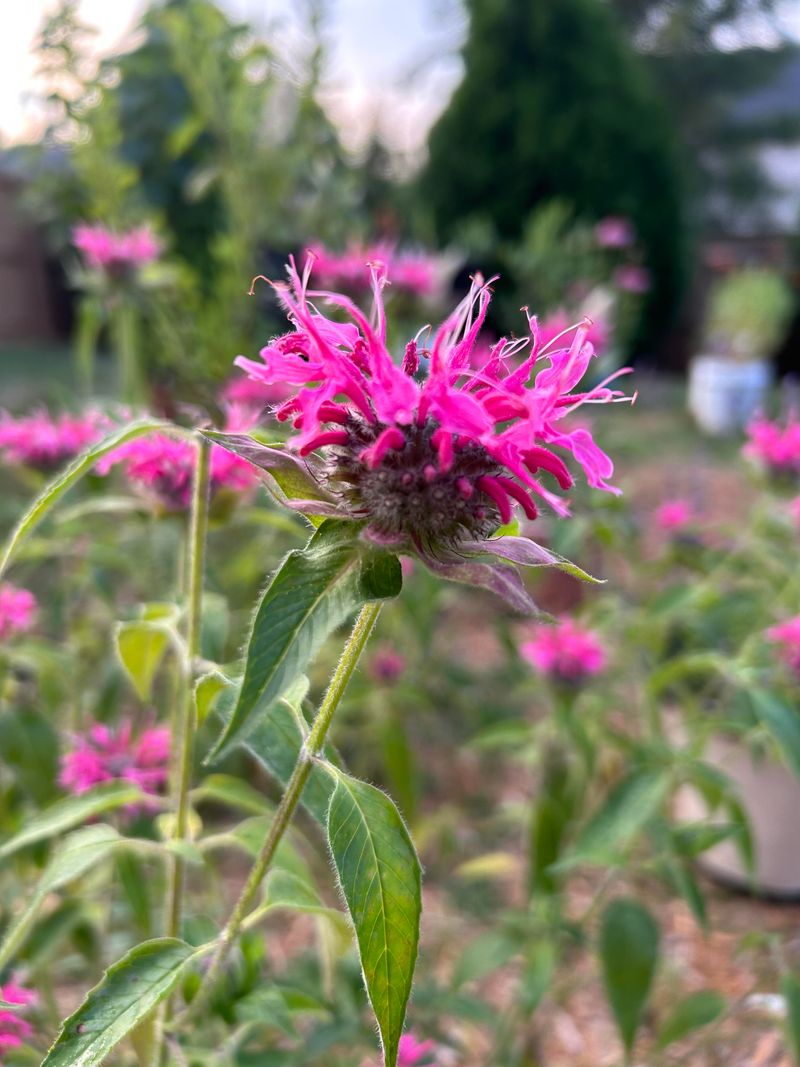
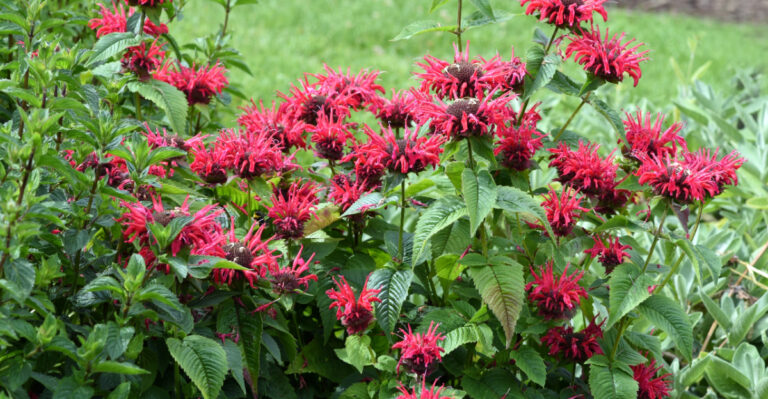
If you want hummingbirds in your yard, plant bee balm and wait. Monarda is one of the most effective pollinator magnets available to Michigan gardeners, drawing hummingbirds, bumblebees, and swallowtail butterflies from mid through late summer.
The shaggy, tubular flowers come in red, pink, purple, and white, and they rise above aromatic foliage on stems that reach two to four feet tall depending on the variety.
Bee balm grows best in full sun to light partial shade and prefers moist, well-drained soil with decent organic content.
It spreads by underground rhizomes and can expand into generous patches over several seasons, which is either a bonus or a consideration depending on how much space you have.
Choosing mildew-resistant varieties like Jacob Cline or Raspberry Wine reduces the powdery mildew that can affect older cultivars during humid Michigan summers.
Water during dry stretches, especially in the first year while roots establish. Cutting plants back by one-third in late spring encourages bushier growth and can delay bloom time slightly, extending the season.
After flowering, cut stems back to the ground to tidy up and sometimes encourage a lighter second flush of blooms.
Divide clumps every two to three years in spring to prevent overcrowding and keep the planting looking fresh and vigorous.
8. Switchgrass Adds Height And Movement
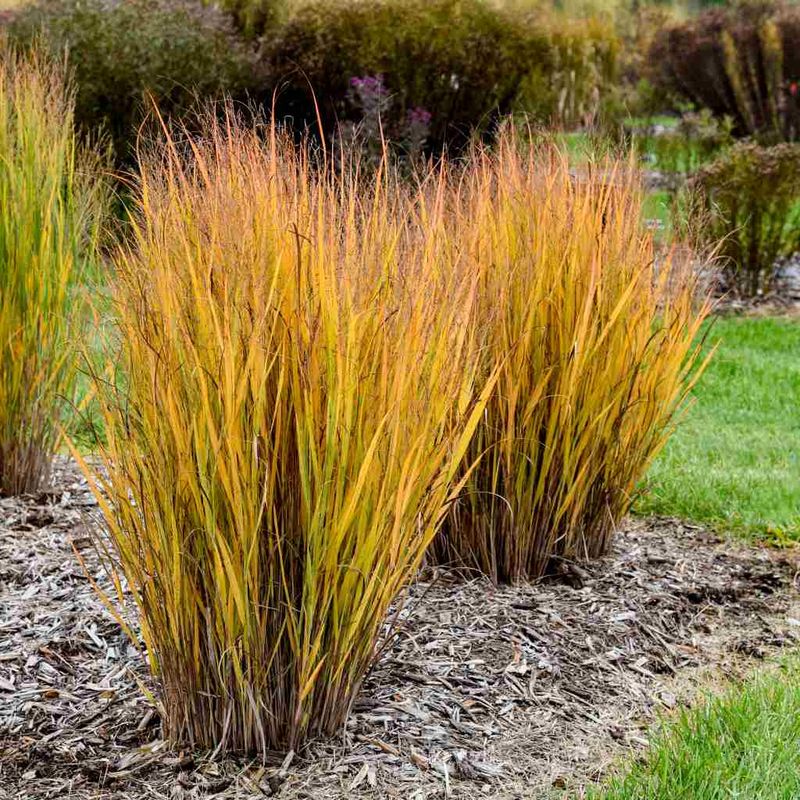
There is something almost hypnotic about watching switchgrass catch the wind. Panicum virgatum is a native prairie grass that brings height, texture, and graceful movement to Michigan landscapes in a way that few other plants can match.
Airy seed heads emerge above the foliage in late summer and persist well into winter, giving the garden a soft, feathery look even after the growing season ends.
Switchgrass is remarkably adaptable, growing in full sun to light shade and tolerating wet, dry, sandy, and clay soils with equal ease.
It handles Michigan winters without any special protection, and because it is native to the region, it rarely struggles with local pests or diseases.
Popular varieties like Shenandoah and Prairie Fire develop impressive red fall color that rivals most ornamental shrubs for seasonal interest.
Mature clumps typically reach three to six feet tall depending on variety and site conditions. The only real maintenance task is cutting plants back hard in late winter or very early spring before new growth emerges.
A string trimmer or hedge shears make quick work of the job. Switchgrass rarely needs dividing, but clumps that begin to open in the center can be divided in spring to restore their upright, tidy form and overall appearance.
9. Ninebark Offers Tough Shrub Beauty
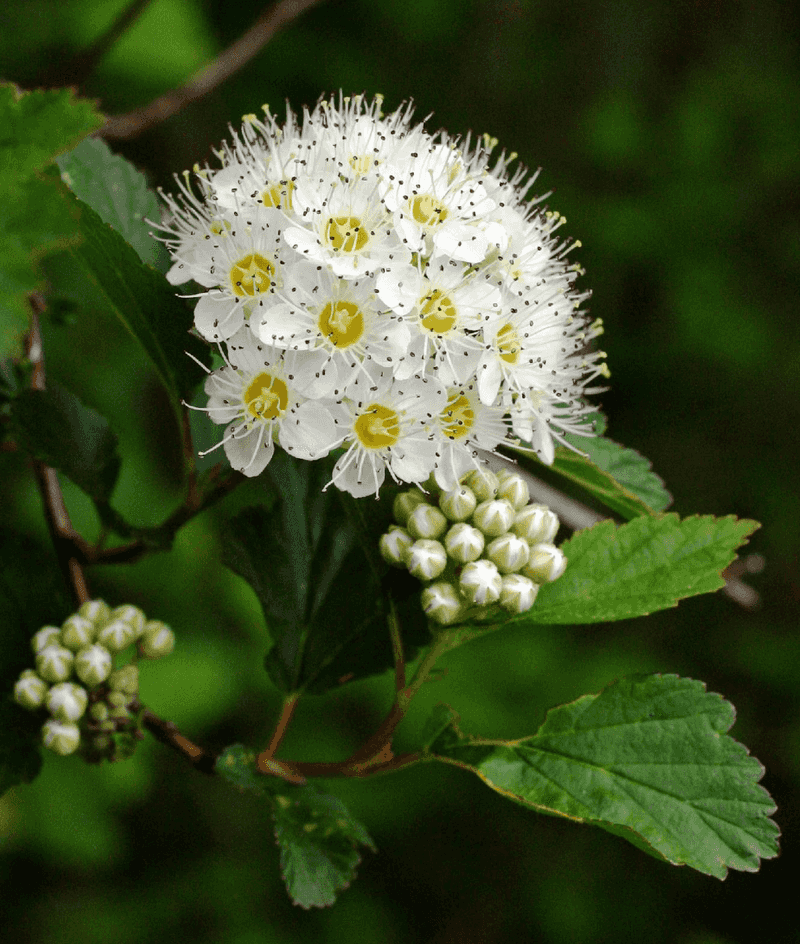
Walk past a mature ninebark in late May and the clusters of small white or pink flowers covering every branch make it hard to believe this shrub asks for almost nothing in return.
Physocarpus opulifolius is a native Michigan shrub that earns its keep across all four seasons, offering spring blooms, interesting summer foliage, reddish seed capsules in fall, and attractive peeling bark that adds texture to the winter garden.
Ninebark grows in full sun to partial shade and adapts to a wide range of soil types, including the clay-heavy soils that frustrate many gardeners across the state.
Varieties like Diabolo and Summer Wine feature deep burgundy-purple foliage that holds its color well through summer heat, while Little Devil and Tiny Wine offer compact forms suitable for smaller yards and foundation plantings.
Mature size ranges from three to ten feet tall depending on variety, so choosing the right cultivar for your space matters.
Pruning is minimal, though removing one-third of the oldest stems each spring after flowering keeps plants open and vigorous.
Ninebark rarely struggles with serious pest or disease pressure in Michigan, making it one of the most reliably easy shrubs available for both beginning and experienced gardeners throughout the state.
10. Spirea Keeps Landscapes Bright And Tidy
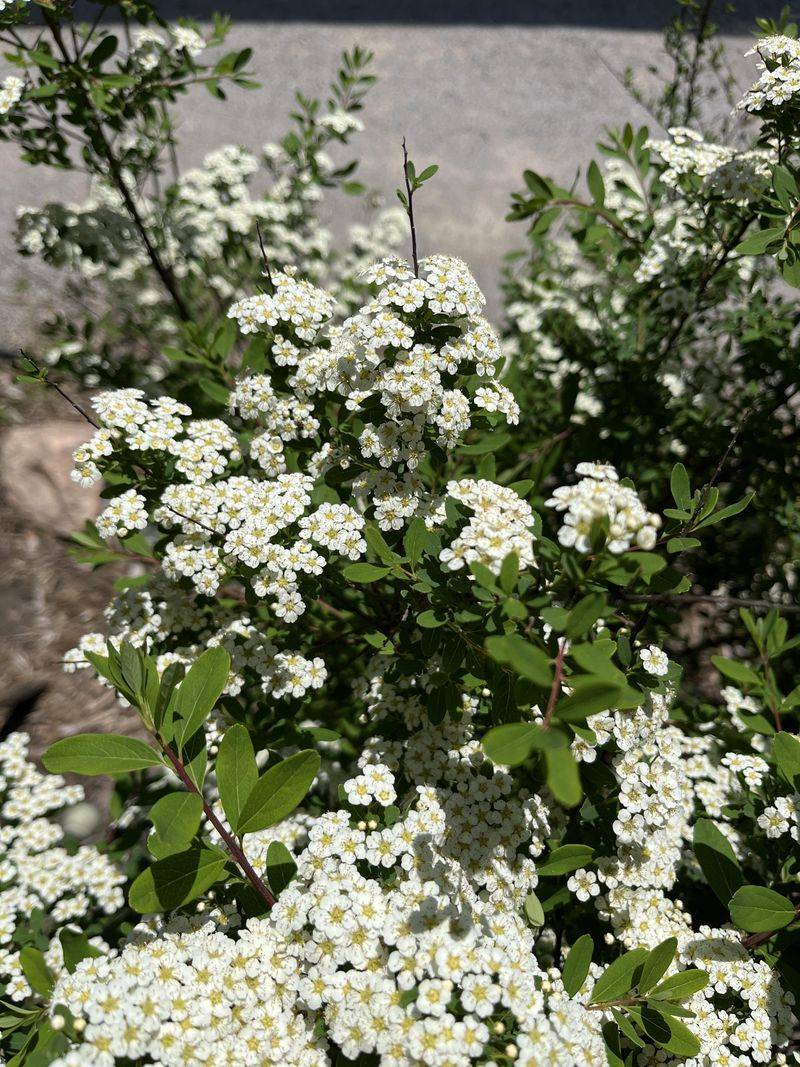
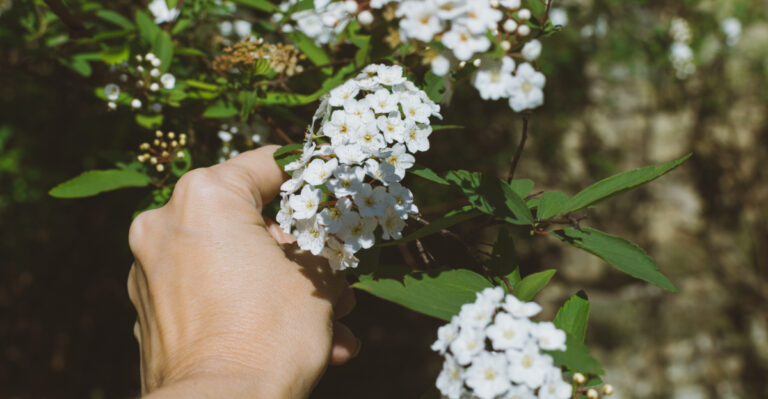
Compact, colorful, and unfussy, spirea is the kind of shrub that makes a front yard look well-tended without requiring much work from the gardener.
Spiraea japonica and its many cultivars produce rounded mounds of fine-textured foliage topped with flat clusters of pink, white, or red flowers in late spring through summer.
Some varieties rebloom lightly if cut back after the first flush fades, extending the color season into early fall.
Spirea grows best in full sun, where it flowers most heavily and holds its form most compactly. It tolerates a range of soil types, including the clay-heavy conditions common across much of Michigan, and handles moderate drought once established.
Varieties like Little Princess, Goldflame, and Double Play Gold offer colorful foliage that adds interest even when plants are not in bloom.
Mature size depends on variety, ranging from two to five feet tall and wide. Shearing plants lightly after the first bloom encourages tidier growth and often triggers additional flowering.
A harder cutback in early spring before new growth begins removes any winter-damaged tips and reinvigorates the plant.
Spirea rarely has serious pest issues in Michigan and does not need dividing, making it one of the most genuinely low-effort shrubs available for busy homeowners.