These 9 California Plants Look Expensive But Are Easy To Grow
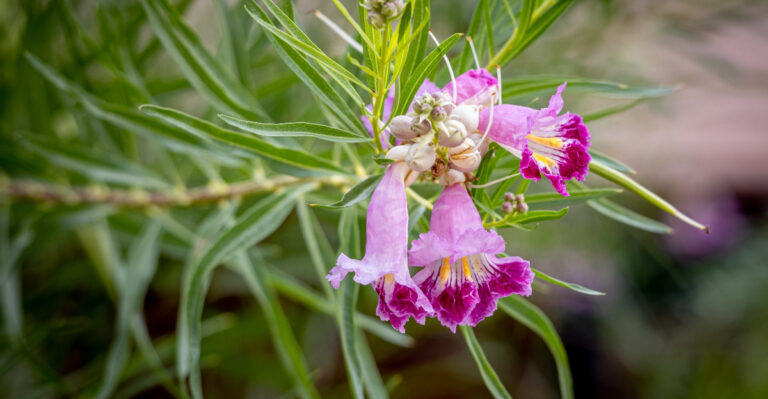
Some California plants have that high-end, designer look that makes a garden feel polished and intentional, yet they are surprisingly easy to grow once established.
Walk through certain neighborhoods and you will spot bold textures, sculptural shapes, and rich color combinations that seem like they took years of effort to perfect.
In reality, many of those standout plants are low maintenance and well suited to California’s climate.
With the right choices, you can create that elevated look without constant upkeep or complicated care routines.
Drought-tolerant options, in particular, pull a lot of weight, offering structure and color while handling long dry stretches with ease.
A few well-placed plants can instantly upgrade the feel of your space, giving it that clean, curated style without turning your garden into a full-time project.
1. Fragrant Pitcher Sage
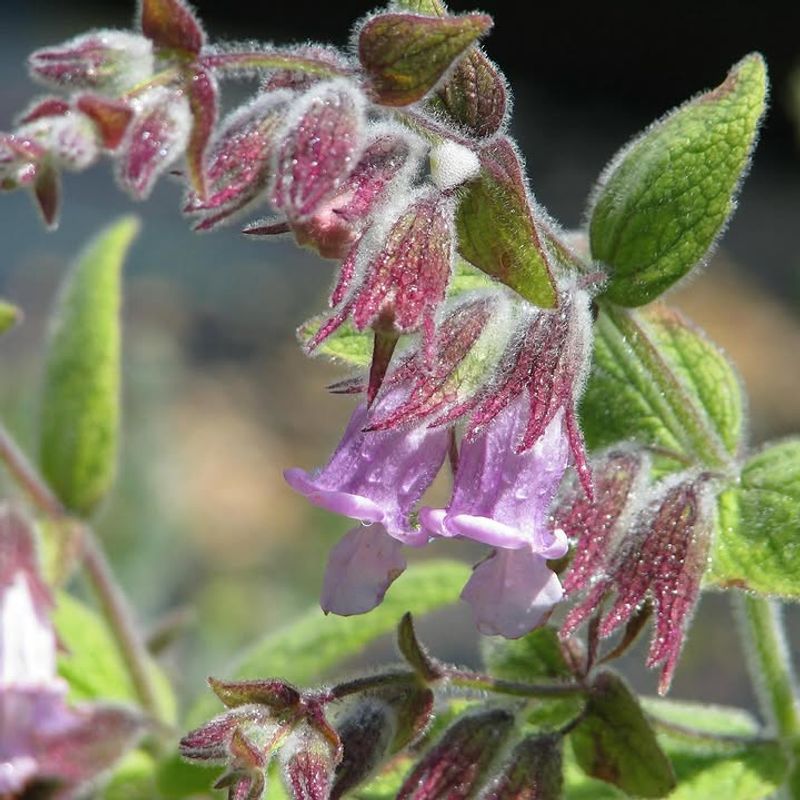
Walk past a Fragrant Pitcher Sage on a warm California afternoon, and you’ll instantly notice the rich, herbal scent drifting through the air. This aromatic shrub has a naturally luxurious look, with soft, fuzzy leaves and elegant bell-shaped flowers that range from white to light purple.
It’s the kind of plant that looks like it took years of careful tending, but the truth is, it practically takes care of itself.
Lepechinia fragrans thrives in full sun or light shade and does best in well-drained soil. Once it’s settled in, it needs very little water, making it a smart choice for California’s dry summers.
It grows into a full, rounded shape that adds real structure to any yard or garden bed.
Pollinators absolutely love this plant. Bees and hummingbirds are regular visitors, which adds even more life and movement to your outdoor space.
Plant it near a patio or walkway so you can enjoy the scent up close. It’s a low-effort, high-reward shrub that earns its place in any California landscape without demanding much in return.
2. Powdery Liveforever
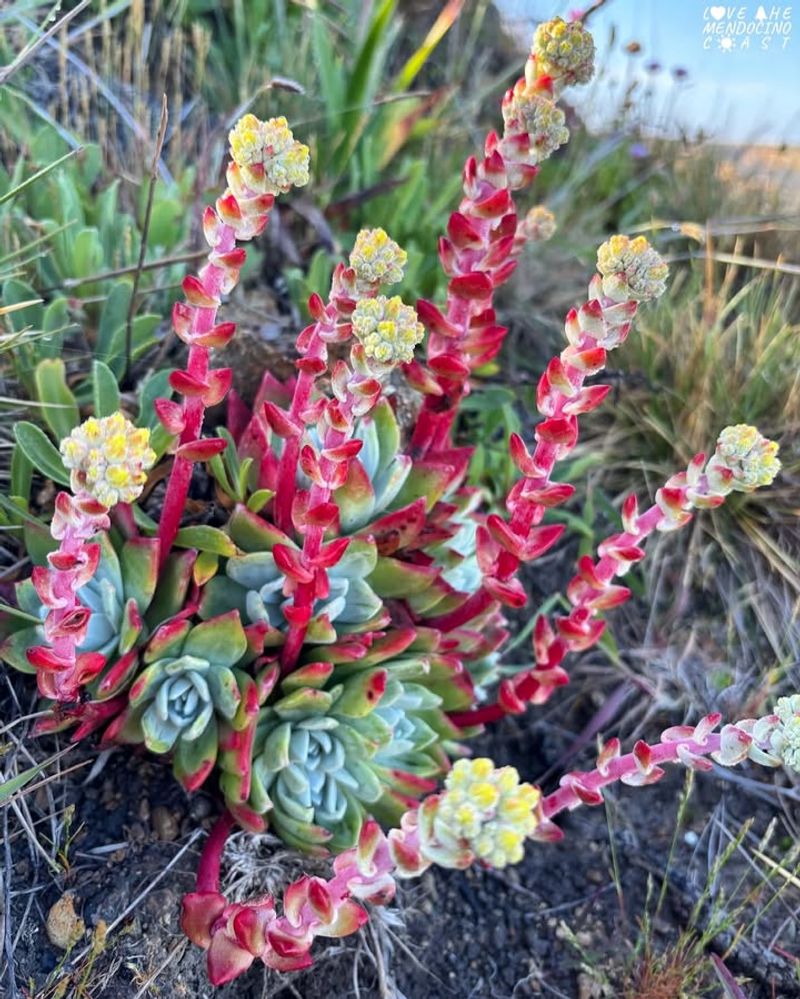
Succulents are having a major moment in California gardening, and Dudleya farinosa might just be the most elegant one of the bunch. Its rosettes are coated in a silvery, powdery finish that makes them look almost painted.
When the tall flower spikes shoot up in spring, the whole plant takes on a sculptural quality that feels very upscale and intentional.
This plant is built for dry, rocky slopes and sandy soil, which means it’s perfectly suited to many parts of California. Once established, it needs almost no watering at all.
It stores moisture in its thick, fleshy leaves, so even during a hot California dry season, it keeps looking fresh and healthy.
One fun fact about Dudleya farinosa: it can live for decades. Some plants in the wild are believed to be over a hundred years old.
That powdery coating on the leaves is not just for looks, it actually helps protect the plant from intense sun and heat. Plant it in a rock garden or along a dry garden border and watch it become the quiet showstopper that everyone asks about.
Your California Garden Changes Every Week. Your Plan Should Too.
Gardening in California changes quickly throughout the season. Every Friday you’ll receive a simple weekly plan showing exactly what to plant, prune, fertilize, harvest, and protect so you never miss the right timing.
3. California Lilac
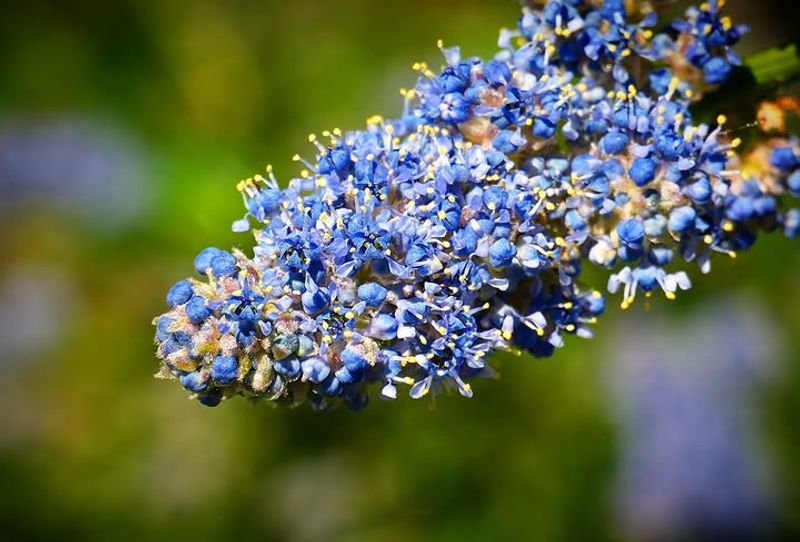
Few plants in California put on a show quite like Ceanothus. When it blooms in late winter or early spring, entire hillsides can turn brilliant shades of blue and purple.
In a home garden, even a single plant creates a jaw-dropping display that looks like something you’d see in a fancy botanical garden. The best part?
It asks for very little in return.
California Lilac is drought-tolerant once established, which makes it a dream plant for homeowners who want beauty without the constant watering schedule. It grows well in full sun and well-drained soil, which are conditions that are easy to find across much of California.
Some varieties stay compact and low, while others grow into tall, full shrubs, so there’s a size that works for almost any yard.
Pollinators go wild for Ceanothus. Bees swarm the blossoms, and butterflies aren’t far behind.
It’s a plant that gives back to the local ecosystem while making your yard look stunning. If you’ve ever driven through the California foothills in spring and wondered what those gorgeous blue-flowering plants are along the roadside, now you know.
You can have that same beauty right at home.
4. Manzanita
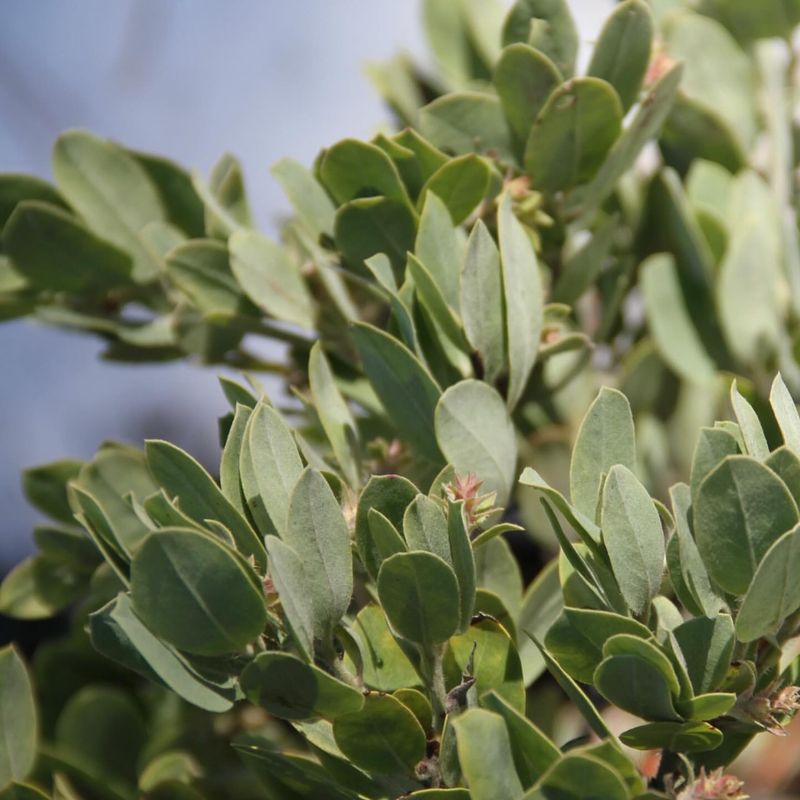
There’s something almost artistic about a Manzanita shrub. The bark is a deep, polished red-brown that looks like it was lacquered by hand.
The branches twist and curve in ways that feel sculptural rather than random. Even without its small white or pink flowers, Manzanita is one of the most visually striking plants you can grow in California.
This plant is incredibly well-suited to California’s dry conditions. It thrives in rocky, well-drained soil and handles drought without missing a beat.
Once it’s established, you can basically step back and let it do its thing. It doesn’t need much fertilizer, doesn’t need frequent pruning, and doesn’t need much water at all.
That’s a rare combination in a plant that looks this good.
Manzanita also supports local wildlife in a big way. The small berries it produces are a favorite food source for birds and other animals throughout California.
Hummingbirds are drawn to its flowers, making it a lively addition to any yard. With over 100 species to choose from, you can find a Manzanita that fits almost any garden size or style.
It’s a native California classic that never goes out of fashion.
5. Buckwheat
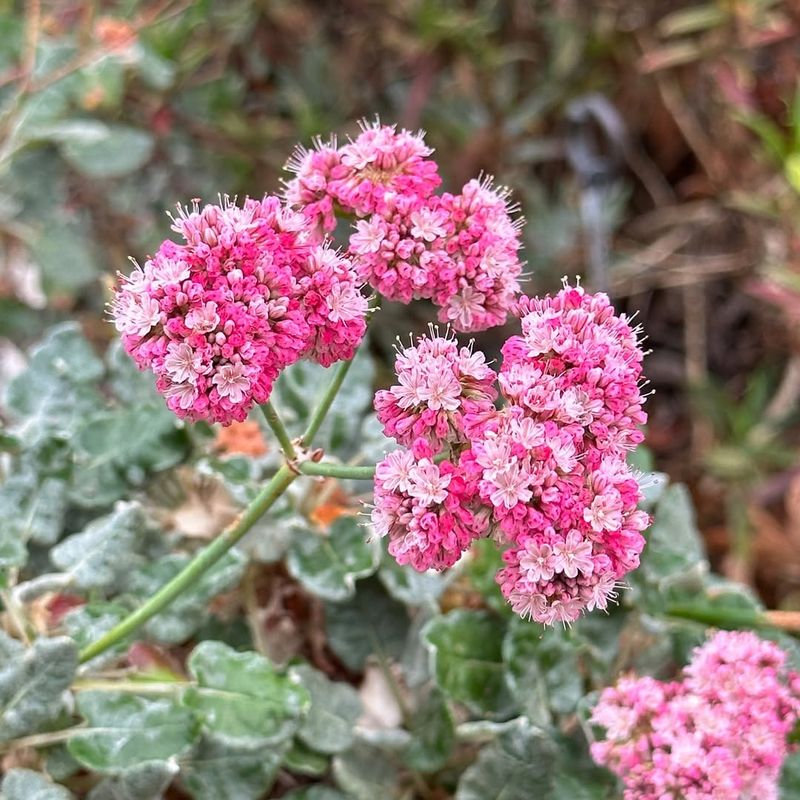
Buckwheat might not be the first plant that comes to mind when you think of a stunning garden, but give it a chance and it will completely change your mind. Eriogonum plants produce clusters of tiny flowers that start out cream or yellow and slowly age to shades of rust and copper.
The result is a plant that looks like it’s always in bloom, even when the flowers are past their peak.
There are dozens of Buckwheat species native to California, and most of them are extremely easy to grow. They love full sun and well-drained soil, and they handle California’s dry summers with ease.
Once planted, they need minimal watering and almost no maintenance. That makes them a fantastic option for busy homeowners or anyone new to gardening.
Beyond their looks, Buckwheat plants are ecological powerhouses. They attract an impressive variety of beneficial insects, including native bees and butterflies, which help pollinate other plants in your garden.
Some species also serve as host plants for certain butterfly larvae. Planting Buckwheat in a California garden is like setting up a welcome mat for local wildlife.
It’s beautiful, practical, and surprisingly hard to mess up.
6. Salvia
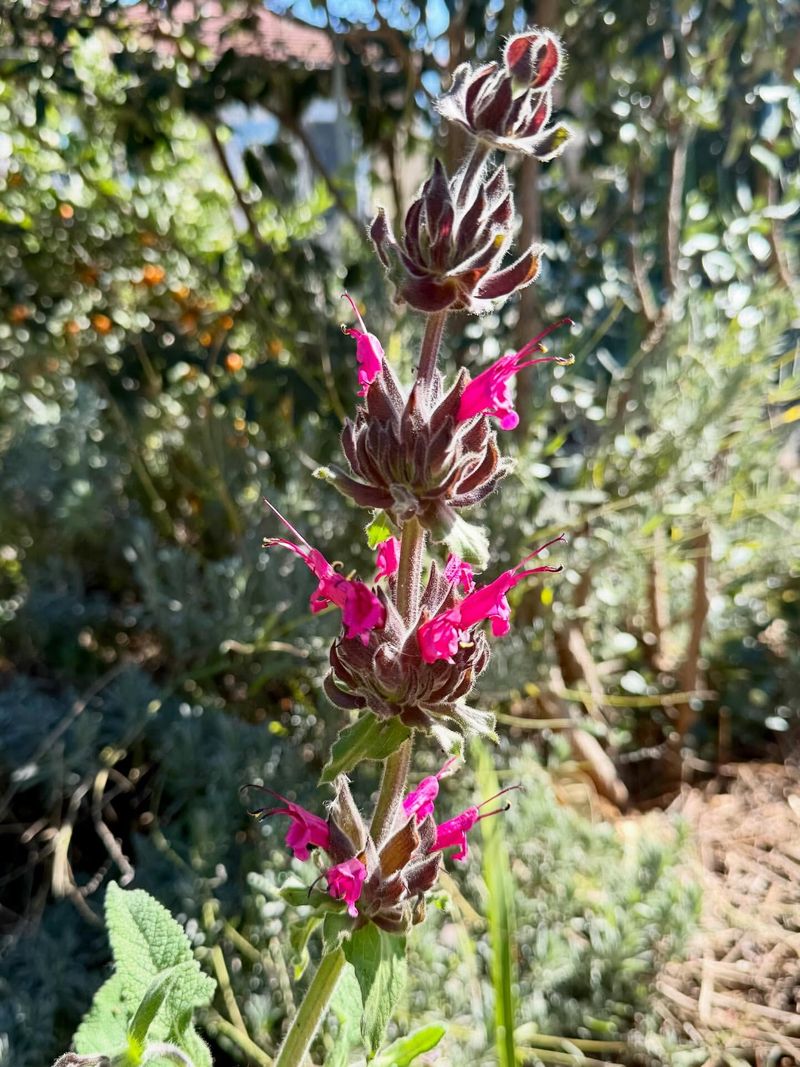
Sage has been a garden favorite for centuries, and once you see a California native Salvia in full bloom, it’s easy to understand why. The tall flower spikes come in shades of deep blue, purple, red, and pink, depending on the variety.
They have a bold, elegant look that seems like it should require a lot of effort, but Salvia is actually one of the easiest plants you can grow in California.
Most Salvia varieties thrive in full sun and well-drained soil. They’re built for dry conditions, so California’s warm, sunny climate suits them perfectly.
After the initial watering period while they get established, they can handle long stretches without rain or irrigation. That’s a huge advantage in a state where water conservation really matters.
Hummingbirds are absolutely obsessed with Salvia flowers, especially the red and orange varieties. Bees love them too, making your yard feel alive and buzzing all season long.
The leaves are also aromatic, releasing a pleasant herbal scent when brushed. With so many species available at California native plant nurseries, you can mix and match colors and heights to create a layered, lush-looking garden bed that costs very little to maintain.
7. California Coffeeberry
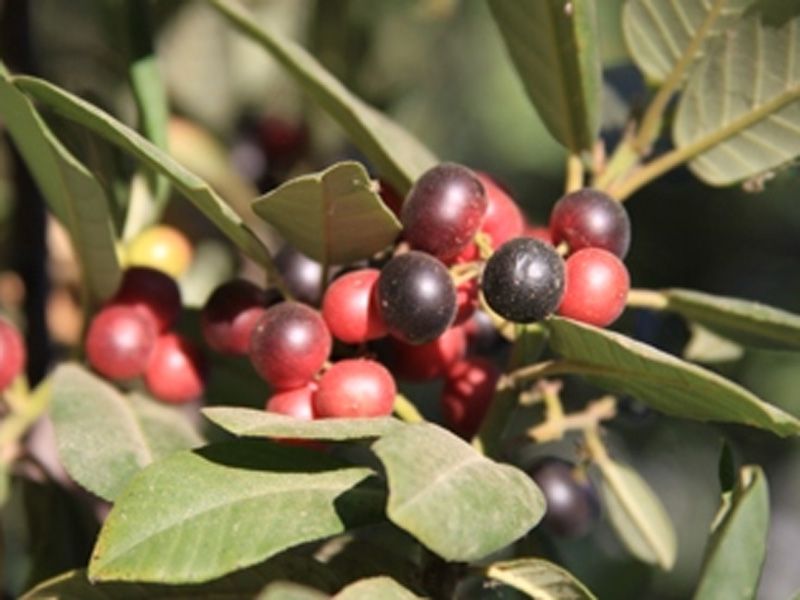
Not every garden plant needs to shout for attention. California Coffeeberry takes a quieter approach, and that’s exactly what makes it so sophisticated.
The glossy, deep green leaves give it a polished, evergreen look year-round. Then come the berries, small clusters that shift through green, red, and eventually deep purple or black as the season progresses.
It’s like having a plant that changes its outfit throughout the year.
Rhamnus californica is one of the most adaptable native plants in California. It grows in sun or shade, handles a wide range of soil types, and once it’s established, it needs very little water.
That flexibility makes it useful in spots where other plants might struggle, like under trees or along a fence line that doesn’t get much attention.
Birds love the berries and will visit your yard regularly once the plant matures. It also provides great cover for small wildlife, adding a natural, layered feel to your garden.
California Coffeeberry grows into a tidy, full shrub that works well as a hedge or a backdrop for smaller flowering plants. It’s low-maintenance, wildlife-friendly, and has that polished, intentional look that makes a garden feel well-designed without a lot of extra effort.
8. Toyon
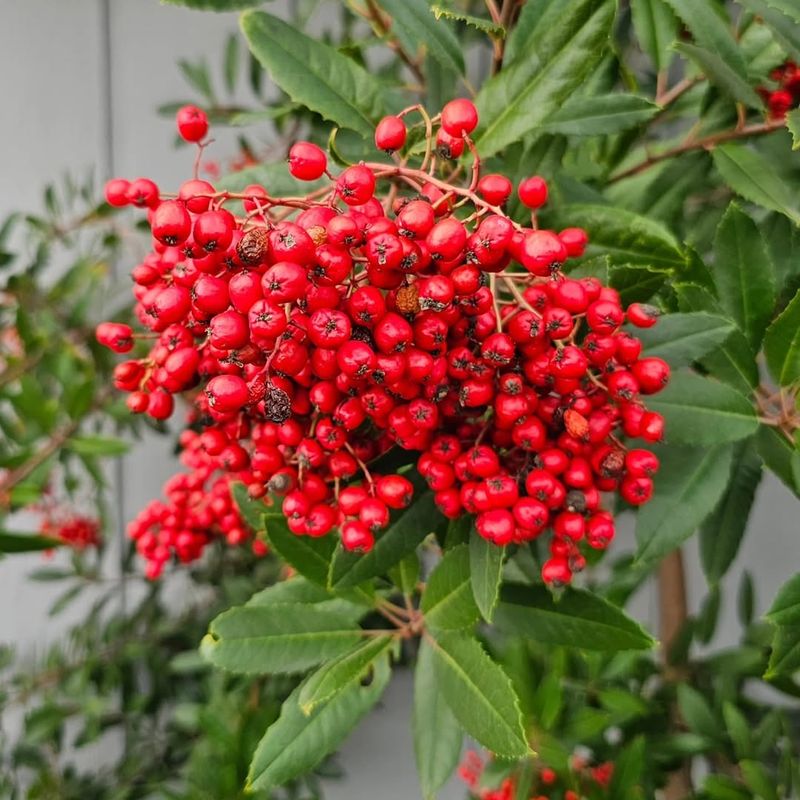
Back in the early days of Los Angeles, the hillsides were covered in Toyon’s bright red berry clusters, which reminded settlers of English holly. Today, it remains one of the most beautiful and underused plants in California gardens.
Growing it at home feels like owning a little piece of California history.
This evergreen shrub has leathery, dark green leaves that look tidy and refined all year long. In summer, clusters of small white flowers appear.
By winter, those flowers turn into brilliant red berries that light up the garden during the holiday season. It’s one of the few California native plants that offers real seasonal drama without any extra effort from the gardener.
Toyon thrives in full sun or light shade and does well in well-drained soil. It’s drought-tolerant once established, making it a natural fit for California’s dry climate.
Birds flock to the berries in winter, turning your yard into a lively scene during the quieter months of the year. It grows large enough to serve as a privacy screen or a bold focal point in a bigger landscape.
For a plant with this much personality, it’s remarkably easy to grow.
9. Claret Cup Cactus
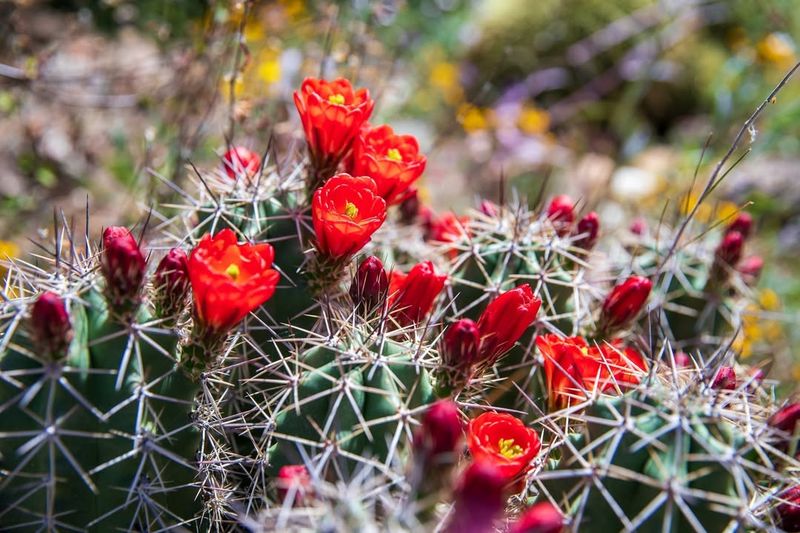
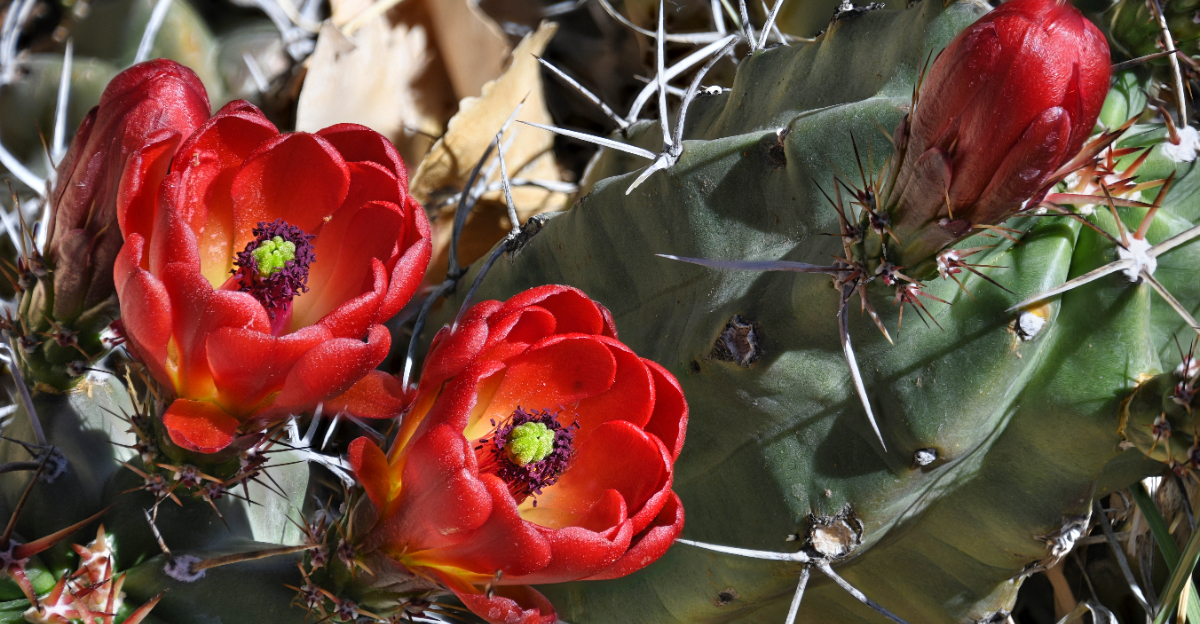
If you want a plant that stops people in their tracks, the Claret Cup Cactus is it. When this cactus blooms in spring, it produces some of the most vivid flowers you’ll ever see in a California garden.
The blossoms are a deep, electric red-orange that looks almost too bright to be real. Against the spiny green stems, the contrast is absolutely striking and completely effortless.
Echinocereus engelmannii is perfectly built for California’s drier regions. It grows naturally in rocky, sandy soil with very little rainfall, so home gardeners don’t need to do much at all once it’s planted.
No regular watering schedule, no special soil amendments, and no complicated care routine. Just find a sunny spot with good drainage and let this cactus do what it does naturally.
The flowers attract hummingbirds and native bees, so even this tough desert plant contributes to your local California ecosystem. It stays relatively compact, which makes it a great choice for rock gardens, dry borders, or container arrangements on a sunny patio.
For anyone looking to add serious visual impact with almost zero maintenance, the Claret Cup Cactus is one of the smartest choices you can make in a California garden.