These Heat-Loving California Flowers Thrive When Planted In June
June in California is not exactly easing anybody into summer. One day it is pleasantly warm and the next your garden thermometer is doing something alarming and the soil is drying out faster than you can blink.
Coastal gardeners might still be dealing with morning fog while inland yards are already operating at full summer intensity by lunchtime.
The good news is that June planting is absolutely still on the table, you just have to be a little strategic about what goes in the ground.
The right flowers at this point in the season are the ones built for heat, bright sun, and the kind of dry conditions that California summers are famous for.
Choose well now and you could be looking at serious color from midsummer all the way through fall.
1. Zinnias Bring Fast Summer Color
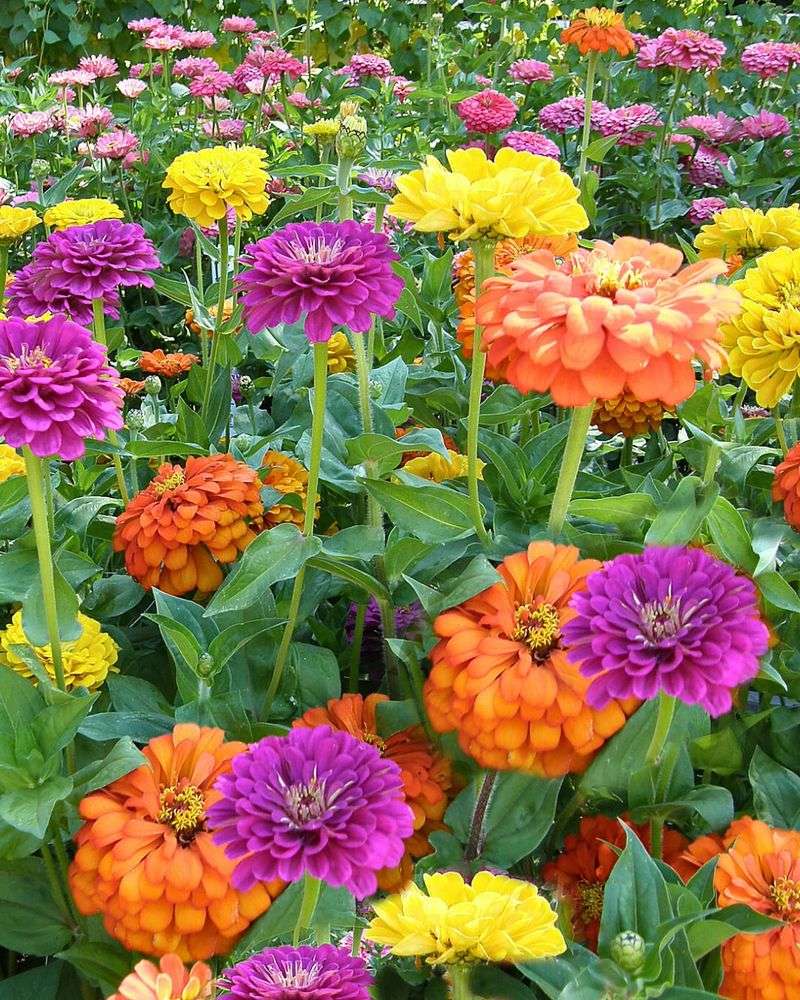
Few flowers reward a June planting quite like zinnias. These cheerful annuals are among the fastest-blooming warm-season flowers available to gardeners, often producing their first blooms within six to eight weeks of going into the ground.
That quick turnaround makes them especially satisfying when you want summer color without a long wait.
In California’s sunny garden beds, zinnias thrive when given full sun and well-draining soil.
They handle warm inland temperatures reasonably well once established, though newly planted seedlings may need a little extra attention during heat spikes in the first couple of weeks.
Watering deeply at the base of the plant rather than overhead can help reduce the chance of powdery mildew, which zinnias can be susceptible to in humid or poorly ventilated spots.
Zinnias come in a wide range of sizes and colors, from compact mounding types suited for containers and borders to tall cutting varieties that look striking in a summer vase.
Deadheading spent blooms regularly encourages the plant to keep producing fresh flowers rather than setting seed.
For gardeners looking to attract butterflies and other pollinators to sunny borders or patio gardens, zinnias are a reliable and rewarding choice worth adding to the June planting list.
2. Marigolds Handle Heat With Steady Blooms
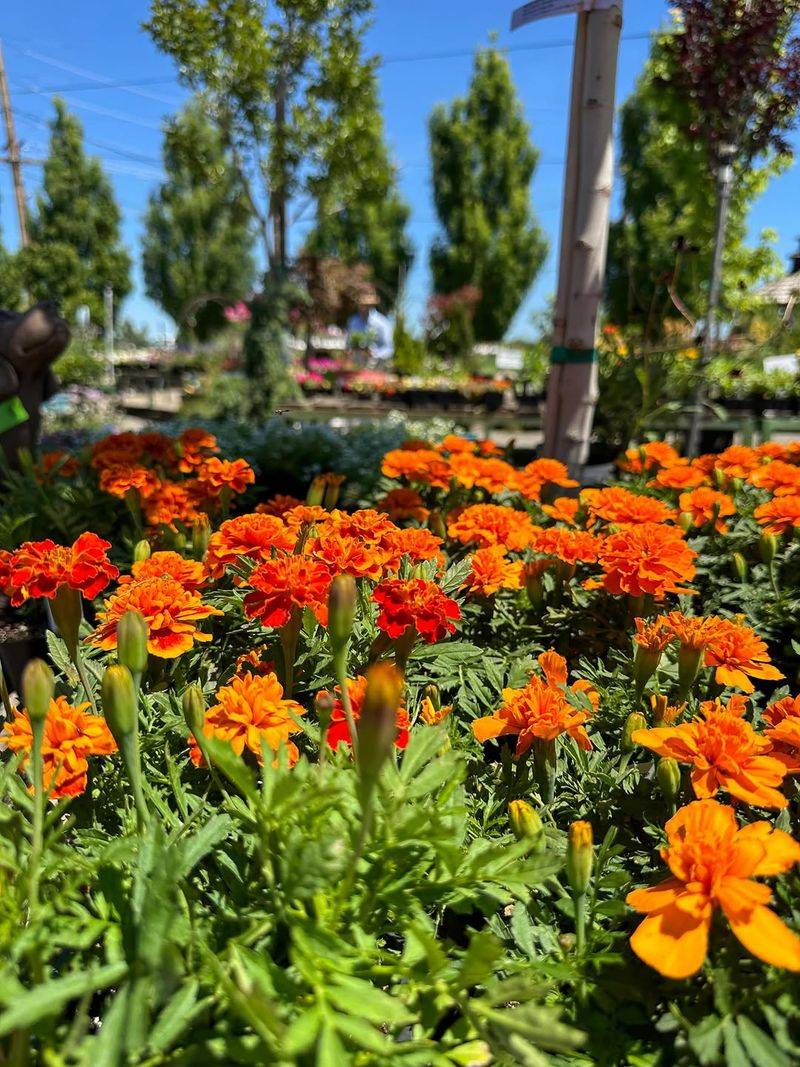
Walk through almost any California nursery in June and you will likely spot trays of marigolds near the entrance, and for good reason.
These warm-season annuals are among the most dependable flowering plants for summer gardens across the state, handling both coastal breezes and inland heat with steady, consistent blooming that continues for months with proper care.
Marigolds prefer full sun and do well in a range of soil types, though they tend to perform best when drainage is good. During the dry summer, watering at the base of the plant and letting the soil dry slightly between sessions can help prevent root issues.
Established marigolds are reasonably drought tolerant, but newly planted ones in June will need more consistent moisture while their roots settle in.
French marigolds tend to stay compact and bushy, making them a practical choice for container gardens and front borders. African marigolds grow taller and produce larger blooms that make a bold statement in open beds.
Your California Garden Changes Every Week. Your Plan Should Too.
Gardening in California changes quickly throughout the season. Every Friday you’ll receive a simple weekly plan showing exactly what to plant, prune, fertilize, harvest, and protect so you never miss the right timing.
Both types benefit from deadheading, which keeps the plant focused on producing new flowers rather than going to seed.
Marigolds also have a reputation for deterring certain garden insects, which can make them a useful companion planting choice alongside ornamental beds and patio containers throughout the California summer season.
3. Sunflowers Love Long Sunny Days
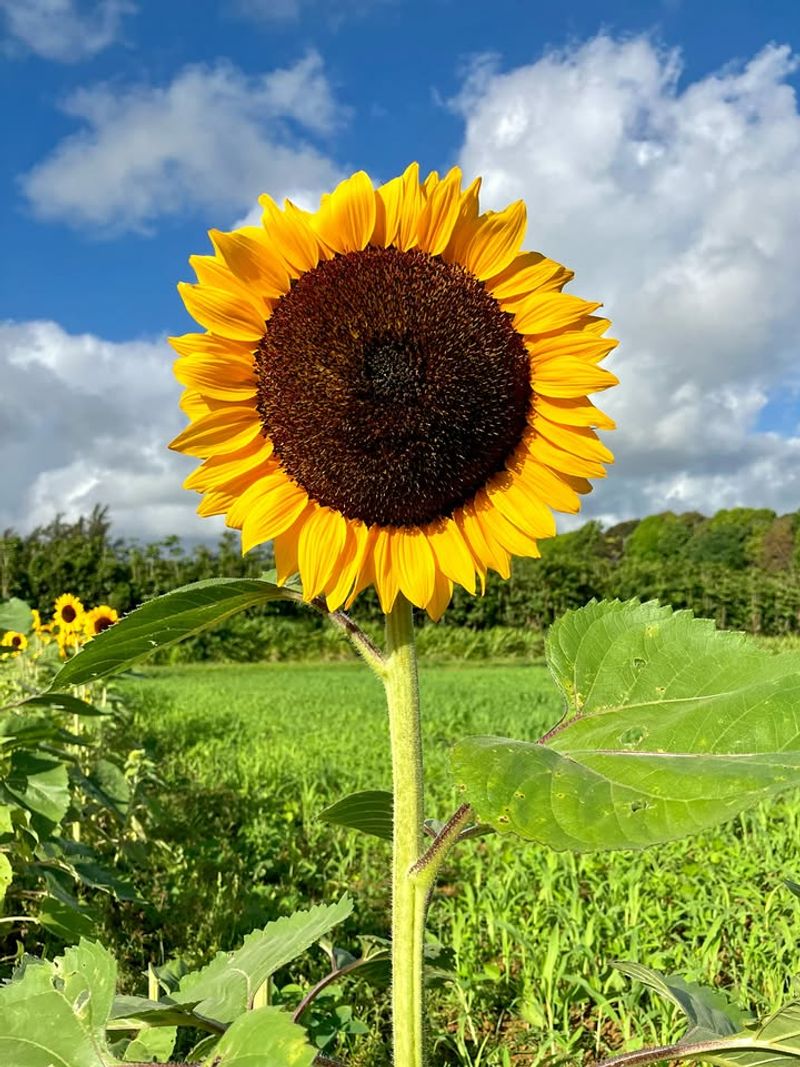
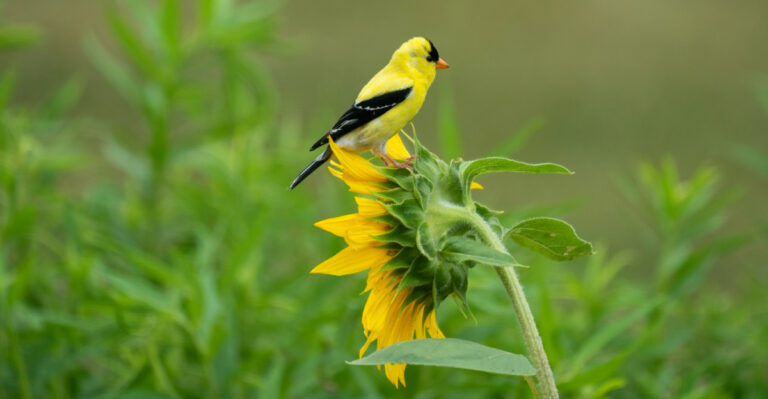
Long sunny days in June create conditions that sunflowers genuinely seem to love.
These bold, cheerful annuals grow quickly once the soil is warm and the sun is strong, and planting them in early to mid-June can still give them enough season to reach their full height and produce their signature golden blooms before fall arrives.
Sunflowers do best in full sun with well-draining soil and are not particularly fussy about soil fertility, though they appreciate a spot where roots can spread without competition.
In inland California gardens where summer heat can be intense, newly planted sunflowers benefit from deep watering that encourages roots to reach further into the soil rather than staying shallow.
Mulching around the base can help retain soil moisture during dry spells.
There is a wide range of sunflower varieties available, from towering single-stem types that can reach ten feet or more to shorter branching varieties that produce multiple blooms and work well in mixed borders or containers.
Birds are drawn to sunflower seed heads as summer winds down, which adds an extra layer of wildlife interest to the garden.
For gardeners with open, sunny beds or slopes that need bold vertical interest, sunflowers planted in June can deliver a strong visual payoff through late summer and into early fall.
4. Celosia Adds Bright Color In Hot Beds
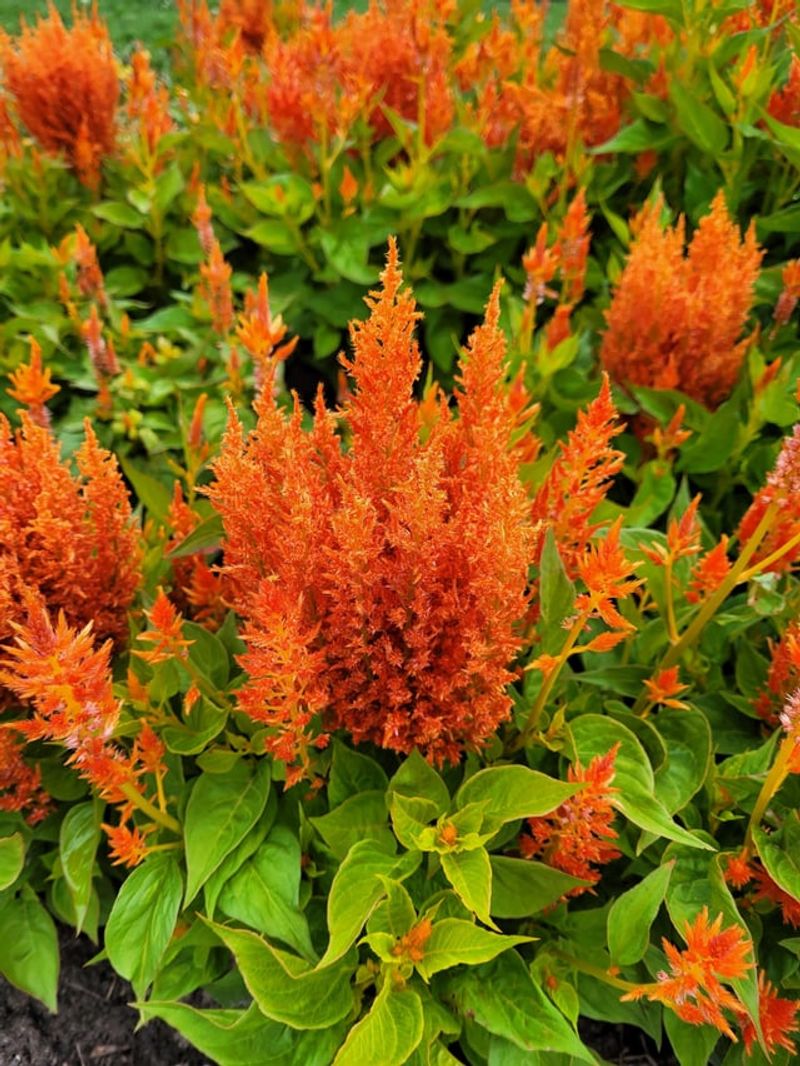
Hot garden beds that bake in the California sun for most of the day can be a tough spot to fill with color, but celosia tends to rise to that challenge with remarkable energy.
This warm-season annual actually performs better in heat than in cool or cloudy conditions, which makes it a strong candidate for June planting in California gardens where summer temperatures climb early and stay high for months.
Celosia comes in two main forms that gardeners encounter most often.
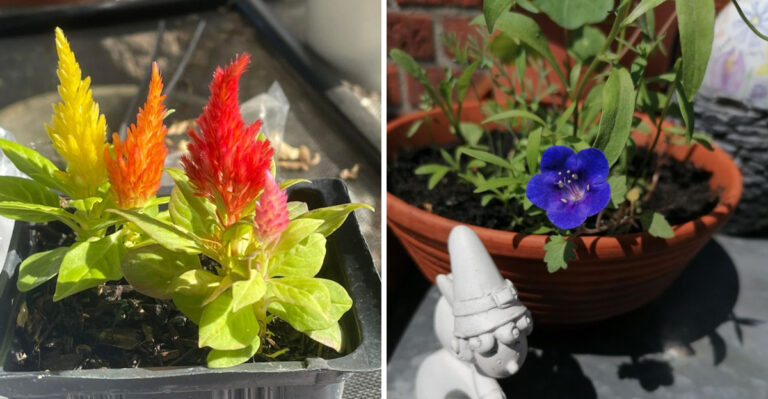
Plumed types produce soft, feathery flower spikes in shades of red, orange, yellow, and pink, while crested types have a unique wavy, brain-like bloom structure that adds a quirky visual element to borders and containers.
Both forms hold their color well even during warm stretches and tend to look fresh longer than many other summer annuals.
For best results, plant celosia in full sun with well-draining soil and water consistently during the first few weeks while roots establish.
Once settled in, celosia can handle drier conditions fairly well, though regular watering during dry season keeps plants looking their best.
Deadheading or trimming spent blooms encourages continued flowering.
In containers on sunny patios or in raised ornamental beds, celosia provides vivid, long-lasting summer color that holds up well through the warmest months of the California gardening season.
5. Cosmos Keep Summer Gardens Airy
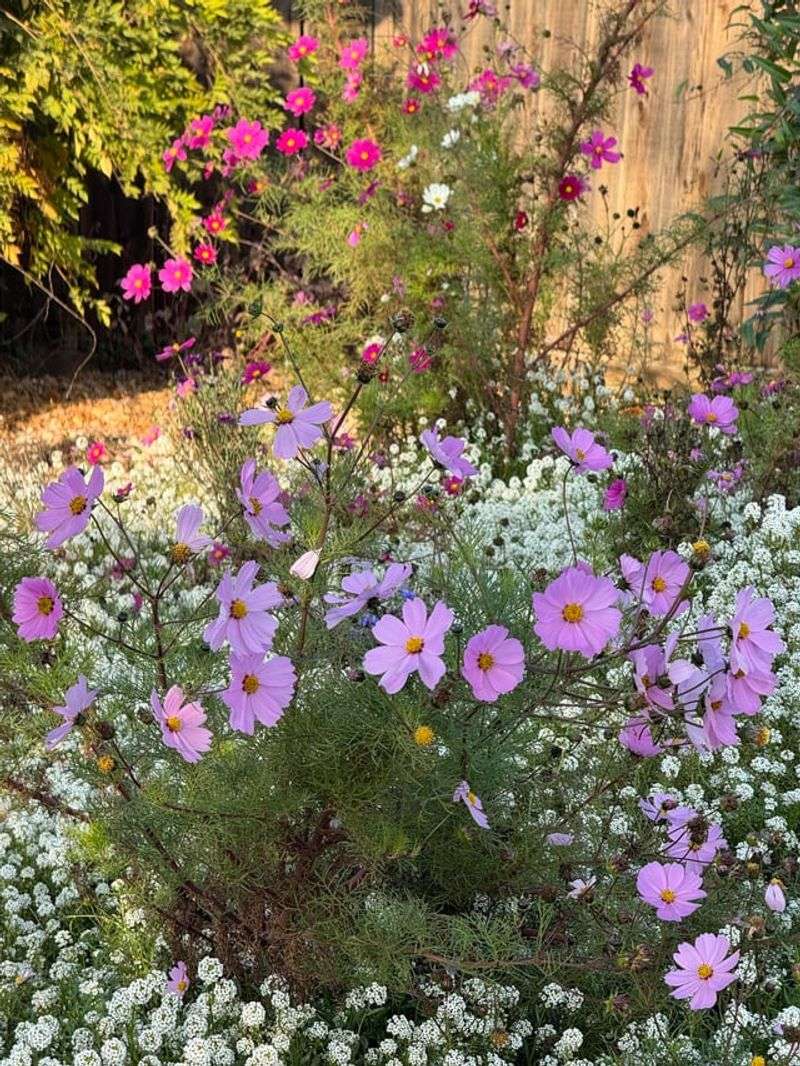
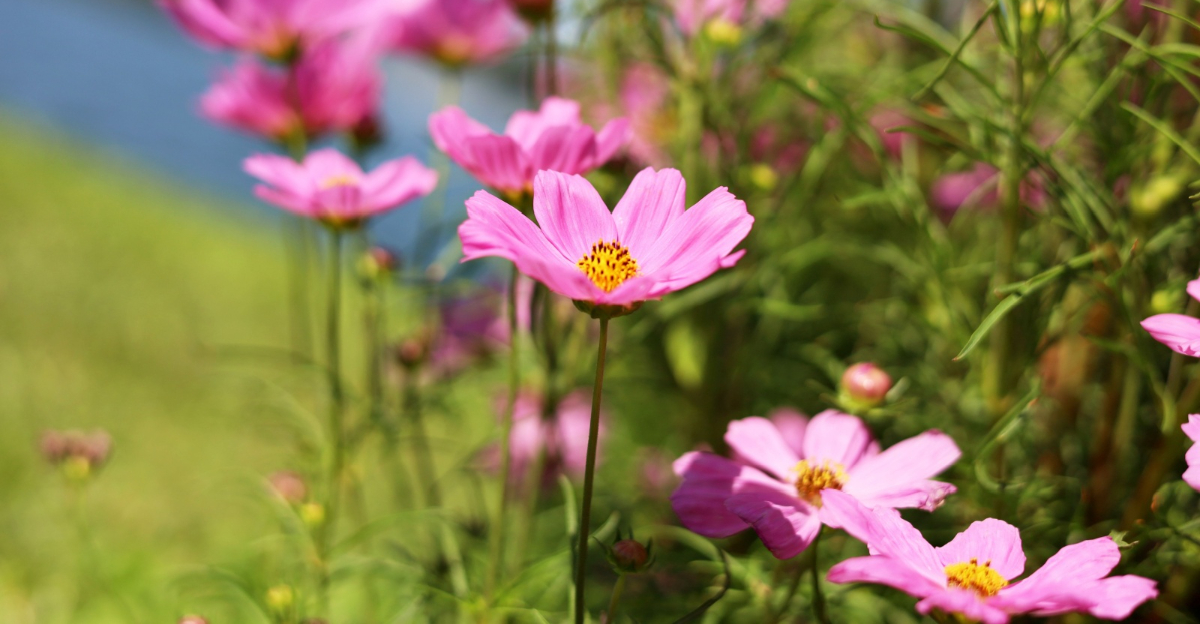
Among summer annuals, cosmos stand out for their relaxed, feathery look that softens the edges of busy garden beds and borders.
The delicate, daisy-like blooms sway gently in the breeze above finely cut foliage, creating a light and airy feel that balances heavier, denser plantings.
In gardens where a cottage-style or naturalistic look is the goal, cosmos planted in June can fill that role beautifully by midsummer.
Cosmos are easy to grow from transplants or seed and prefer full sun with lean to average soil.
Interestingly, overly rich or heavily amended soil can lead to lush foliage at the expense of blooms, so cosmos tend to do well in spots where other flowers might struggle.
They handle warm conditions reasonably well once established, though very young plants in June should be watered regularly until roots are settled.
Taller cosmos varieties can reach four to six feet and may benefit from light staking in spots exposed to strong coastal winds or afternoon gusts common in some California locations.
Shorter varieties stay more compact and work well in containers or along the front of mixed borders.
Cosmos attract bees and butterflies throughout the summer, making them a pleasant addition to pollinator-friendly planting areas. Deadheading regularly helps extend the bloom season well into fall across much of California.
6. Portulaca Handles Dry Sunny Spots
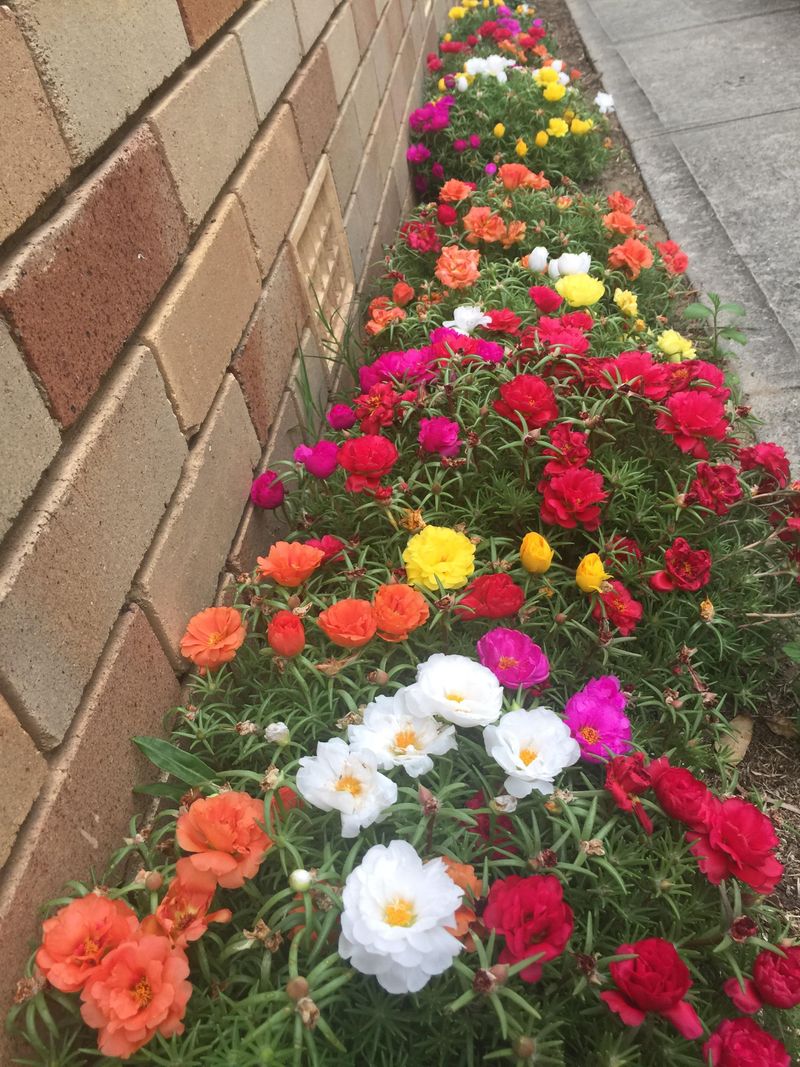
Sunny slopes, sandy soil, and spots that dry out quickly between waterings can be some of the hardest areas in a California garden to keep looking attractive.
Portulaca, sometimes called moss rose, is one of the few flowering annuals that genuinely thrives in those conditions.
Its succulent-like stems and small waxy leaves allow it to store moisture efficiently, which makes it a practical choice for June planting in dry, sun-baked California locations.
Portulaca produces cheerful, rose-like flowers in a wide range of warm colors including pink, orange, yellow, red, and white, often with a silky sheen that catches the light nicely.
The blooms open in response to sunlight and tend to close on cloudy days or in the evening, which is simply part of their natural behavior rather than a sign of stress.
For gardeners who want color without heavy irrigation demands, this is a notable advantage.
Plant portulaca in full sun with sandy or well-draining soil. It does not perform well in heavy clay or consistently moist conditions, so raised beds, rocky borders, containers, and sunny slopes suit it far better than shaded or irrigated lawn edges.
During the establishment period after June planting, some regular watering helps roots develop.
Once settled, portulaca can handle California’s dry summer conditions with minimal supplemental irrigation compared to many other flowering annuals.
7. Salvia Brings Color And Pollinator Interest
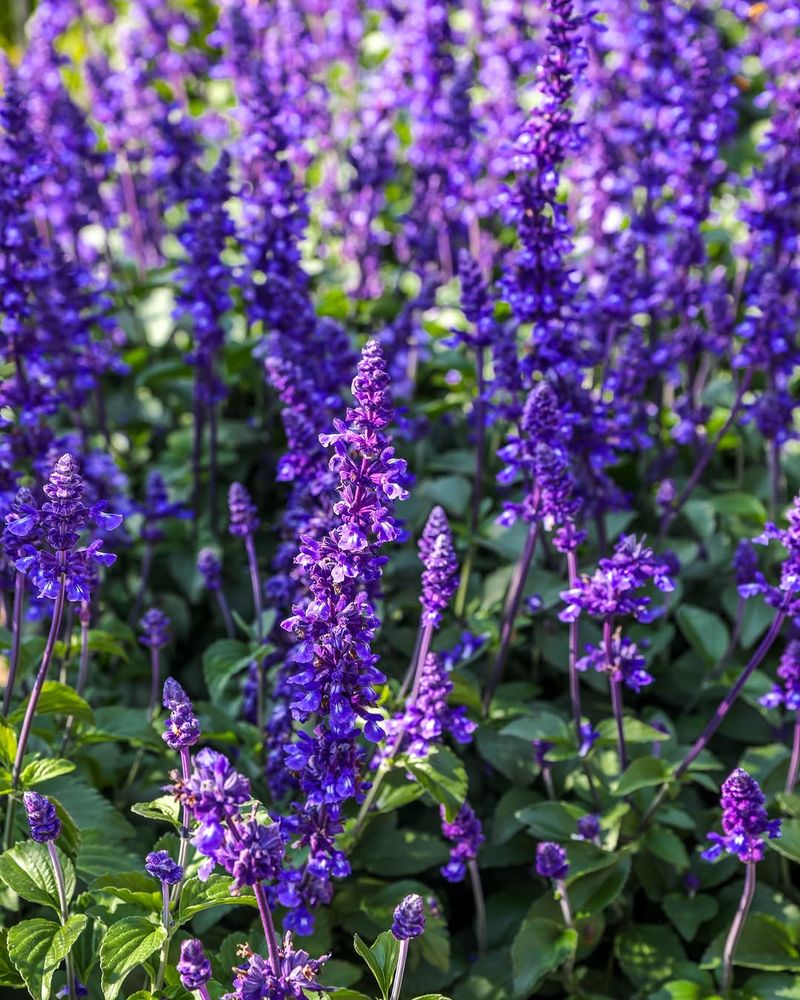
Hummingbirds and bees seem to find salvia before gardeners even finish planting it.
The tubular flowers on salvia spikes are well designed for pollinators, and in warm summer months, a flowering salvia plant can become a lively gathering spot for beneficial insects and hummingbirds throughout the day.
That pollinator activity alone makes salvia a compelling addition to any June planting plan.
Annual salvias, including the popular Salvia splendens types commonly found in California nurseries, grow well in full sun to partial shade and tolerate summer heat reasonably well once established.
Scarlet red is the most familiar color, but varieties also come in purple, coral, salmon, and white, offering flexibility for mixed borders and container combinations.
Taller varieties work well as a back-of-border accent, while compact types suit container gardens and patio plantings nicely.
Newly planted salvia in June will need consistent watering while settling in, especially during warm inland conditions.
Once established, salvia handles California’s dry summer weather better than many gardeners expect, though deep watering during extended hot spells helps maintain healthy growth and continued blooming.
Removing spent flower spikes encourages the plant to send up fresh ones, which keeps the display going longer.
For gardeners focused on creating pollinator-friendly spaces, salvia planted in June delivers reliable color and ecological value through the heart of summer.
8. Annual Vinca Stays Strong In Summer Heat
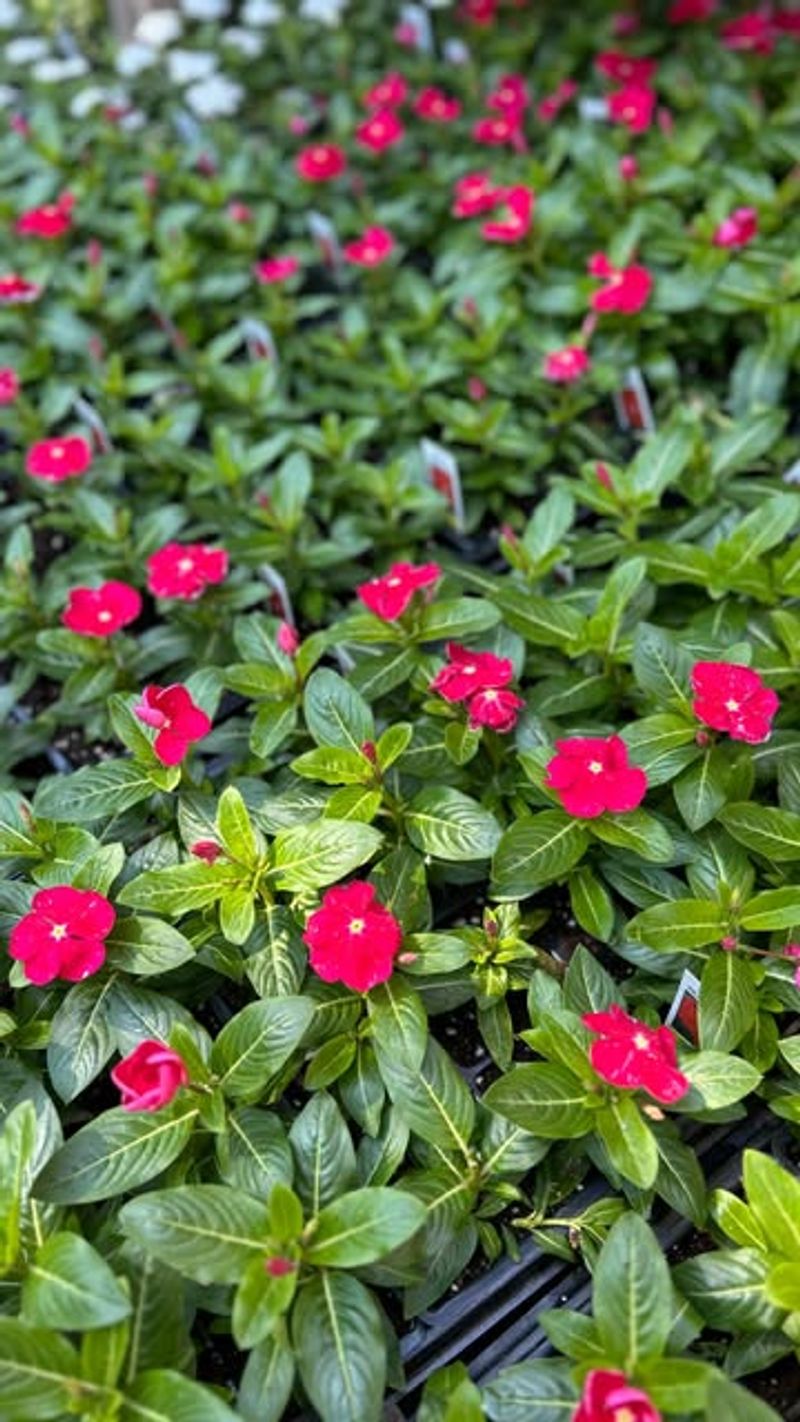
Summer heat that wilts other flowering plants often seems to invigorate annual vinca, also known as Catharanthus roseus or periwinkle.
This low-maintenance annual has built a strong reputation in California landscapes precisely because it keeps producing tidy, colorful blooms through the hottest stretches of summer without much fuss.
For gardeners who want reliable color in full sun beds with minimal intervention, annual vinca deserves serious consideration when planning June plantings.
Annual vinca comes in a cheerful range of colors including pink, red, white, coral, and bicolor combinations, with a neat, mounding growth habit that suits both garden beds and containers.
The glossy, dark green foliage stays attractive even when temperatures climb, which is not something every summer annual can claim.
Plants typically grow between six and eighteen inches tall depending on the variety, giving gardeners flexibility for different planting situations.
One thing to keep in mind when planting annual vinca in June is that it prefers warm soil and does not respond well to overwatering or poorly drained beds.
Allowing the soil to dry slightly between watering sessions suits vinca better than keeping it consistently moist.
In California’s dry summer climate, this preference actually aligns well with sensible water use practices.
Once established, annual vinca holds its color and form through late summer and into fall, making it one of the most dependable warm-season annuals available to gardeners.