The One Native Flower Every Pennsylvania Garden Needs
Across Pennsylvania, more yards are starting to look a little different, and native plants are a big reason why.
Gardeners are paying closer attention to what thrives in local soil while also supporting bees, butterflies, and birds.
With cold winters, humid summers, and shifting conditions from season to season, plant choices matter more than ever.
One flower keeps showing up in gardens of all sizes, from casual backyard beds to carefully planned landscapes.
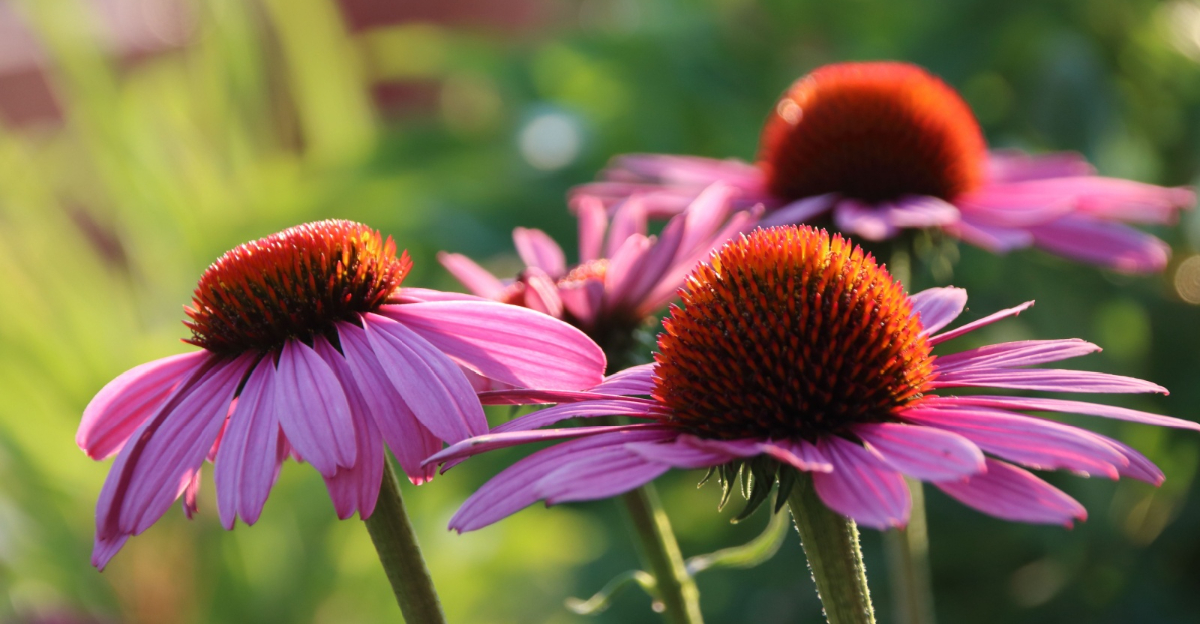
Eastern Purple Coneflower stands out for its bold color, steady performance, and strong connection to local ecosystems, making it a natural fit for Pennsylvania spaces.
1. Why Eastern Purple Coneflower Fits Pennsylvania Gardens So Well
Across Pennsylvania, plant choices often come down to how well they handle a mix of cold winters, humid summers, and shifting spring conditions.
Eastern Purple Coneflower fits comfortably into that pattern because it is native to much of the region and has adapted to those seasonal swings over time.
Gardeners working with anything from clay-heavy soils to lighter, well-drained beds often find it settles in without much trouble once established.
It also tolerates periods of summer dryness better than many non-native ornamentals, which can be helpful during stretches of inconsistent rainfall.
In many Pennsylvania landscapes, it blends easily with both formal flower beds and more relaxed, natural-style plantings.
Its upright habit and sturdy stems help it hold its shape through wind and rain, while its blooms stand out without overwhelming nearby plants.
Because it is already suited to local conditions, it tends to require fewer adjustments compared to plants brought in from very different climates.
That balance of adaptability, visual appeal, and steady performance is a big part of why it continues to gain attention in gardens across the state.
2. A Native Wildflower That Supports Local Pollinators
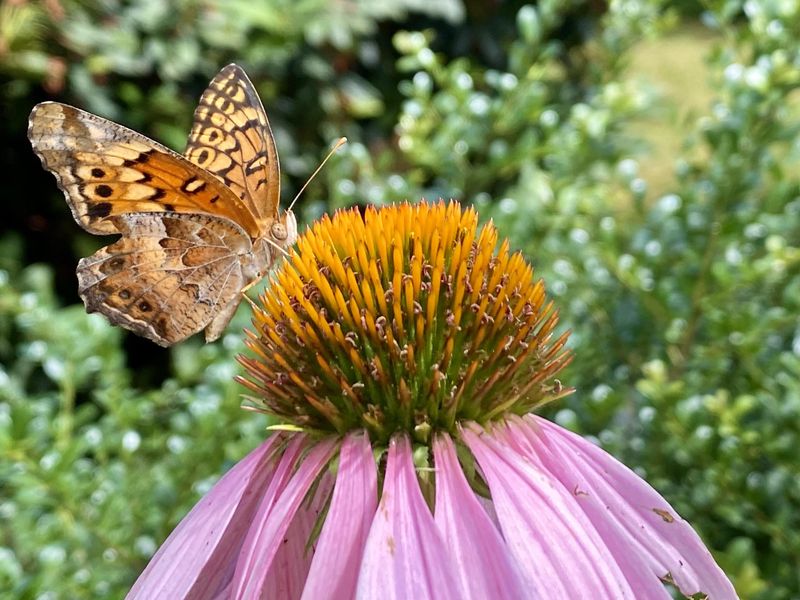
Warm-season gardens across Pennsylvania often come alive with pollinator activity, and plant selection plays a major role in how much of that activity shows up.
Eastern Purple Coneflower offers a steady food source for a range of beneficial insects, especially bees and butterflies that rely on nectar during the growing season.
Its open, daisy-like flower shape makes it easier for many pollinators to access, which can lead to more consistent visits throughout the day.
In areas where gardeners are trying to build pollinator-friendly spaces, this plant often becomes part of a broader mix that supports insects from early summer into fall.
Because it is native, it also fits naturally into local ecosystems, helping support species that have evolved alongside it.
Many Pennsylvania gardeners notice increased insect activity not long after planting it, especially when it is grouped with other native perennials.
Beyond its ecological role, those frequent visits add movement and life to the garden, turning a simple planting into something more dynamic.
Supporting pollinators has become a growing priority across the state, and this flower plays a meaningful role in that effort.
3. How Its Long Summer Bloom Adds Reliable Color
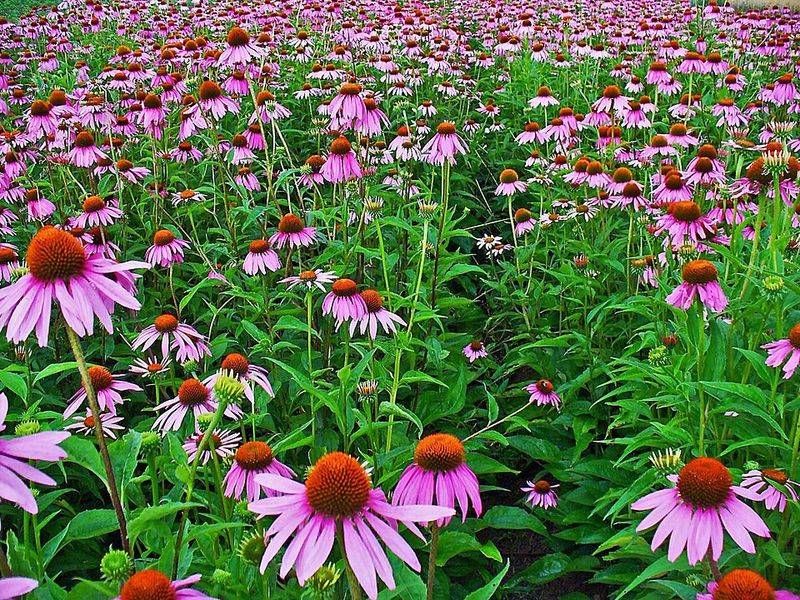
By the time summer settles in across Pennsylvania, many spring flowers have already faded, leaving gaps in color that can make garden beds feel less lively.
Your Pennsylvania Garden Changes Every Week. Your Plan Should Too.
Gardening in Pennsylvania changes quickly throughout the season. Every Friday you’ll receive a simple weekly plan showing exactly what to plant, prune, fertilize, harvest, and protect so you never miss the right timing.
Eastern Purple Coneflower helps fill that gap with blooms that typically begin in early to mid-summer and continue for several weeks.
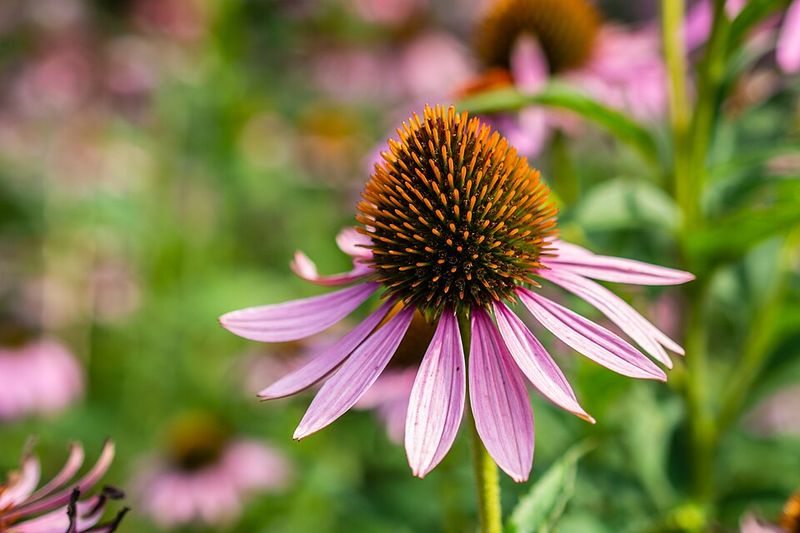
The soft purple petals and prominent central cone create a look that stands out without clashing with nearby plants, making it easy to pair with a wide range of perennials.
Gardeners often rely on it to keep beds looking active during the hottest part of the season, when some plants begin to slow down.
Because the flowers appear over an extended period rather than all at once, the display tends to feel steady instead of brief.
Removing spent blooms can encourage additional flowers, though many gardeners leave some in place to support wildlife later in the season.
In mixed plantings, it works well alongside ornamental grasses, black-eyed Susans, and other summer bloomers, helping create layers of color and texture.
That dependable presence through the height of summer makes it a valuable addition to Pennsylvania landscapes.
4. What Makes It A Low-Maintenance Perennial Option
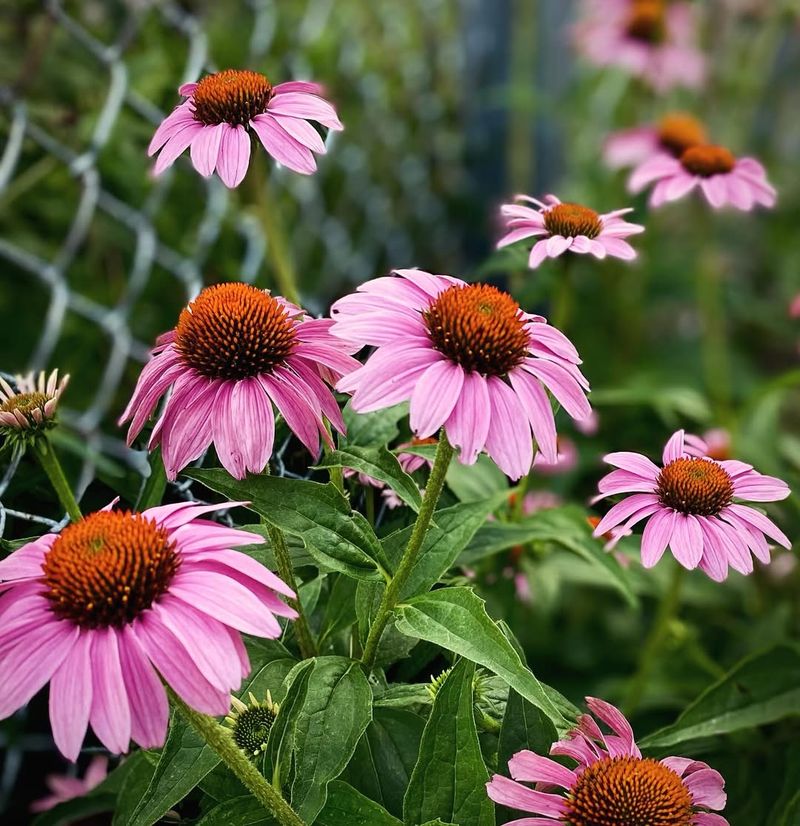
Busy schedules often shape how much time gardeners can spend on plant care, especially during the peak growing season in Pennsylvania.
Eastern Purple Coneflower tends to fit well into lower-maintenance gardens because it does not demand frequent attention once it becomes established.
It can handle average garden soils without requiring constant amendments, and it does not need heavy feeding to perform well.
Regular watering helps during the first growing season, but mature plants can get by with less frequent watering compared to more delicate ornamentals.
Its sturdy stems reduce the need for staking, even during summer storms, and it generally maintains a tidy shape without constant pruning.
Many gardeners choose to cut it back in late fall or early spring, though leaving seed heads through winter can add visual interest and support wildlife.
Compared to plants that require ongoing monitoring for minor issues, this one tends to stay manageable with basic care.
That balance makes it especially appealing for those looking to build attractive gardens without adding extra work, which is a common goal for many Pennsylvania homeowners.
5. The Soil And Sun Conditions It Prefers Most
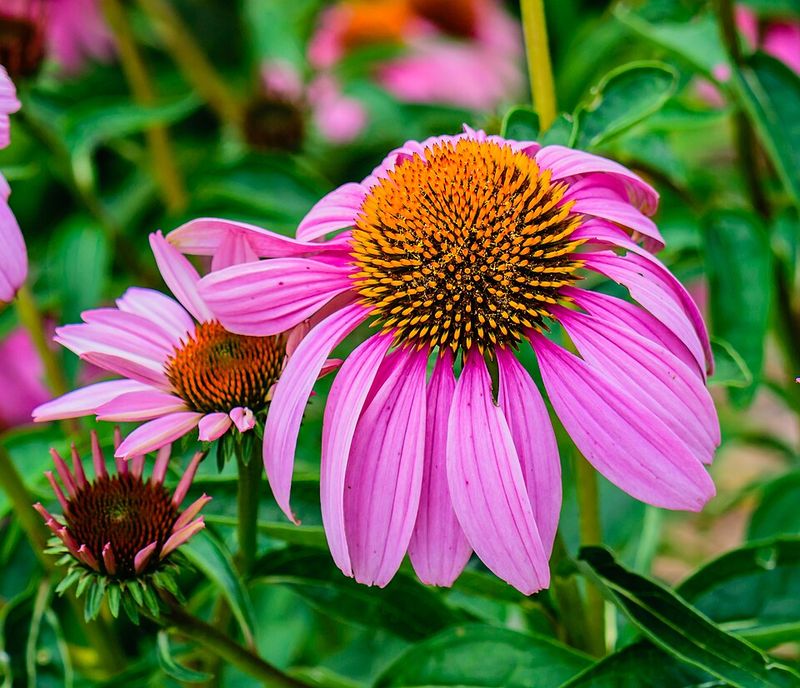
Garden success in Pennsylvania often starts with understanding soil and sunlight, and this plant responds best when those basics are in place. Eastern Purple Coneflower grows well in full sun, where it can receive at least six hours of direct light each day.
In those conditions, plants tend to develop stronger stems and produce more consistent blooms. While it can tolerate partial shade, flowering may be less abundant if sunlight is limited.
Soil-wise, it performs best in well-drained ground, which helps prevent issues that can arise in consistently wet conditions.
Many Pennsylvania gardens include areas of heavier soil, so improving drainage with organic matter can help support better growth.
Once established, it adapts to a range of soil types, including those that are not especially rich.
It does not require highly acidic or highly alkaline conditions, which makes it easier to work into existing beds without major adjustments.
Good air circulation around the plant can also support overall health, especially during humid summer weather. Paying attention to these basic site conditions can make a noticeable difference in how well it performs.
6. How It Handles Pennsylvania Winters And Seasonal Changes
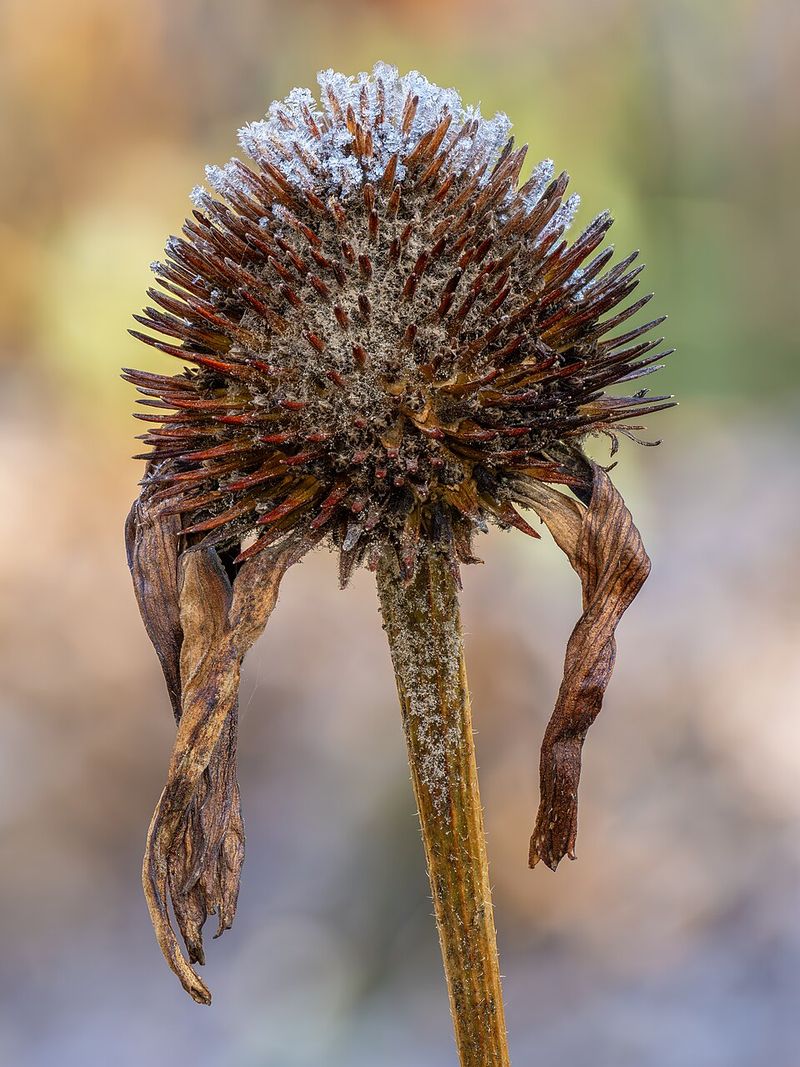
Seasonal shifts in Pennsylvania can be dramatic, moving from freezing winters to warm, humid summers in a relatively short time.
Eastern Purple Coneflower is well adapted to these changes and can handle winter conditions common across much of the state.
As temperatures drop, the plant naturally fades back to the ground, entering a dormant phase that helps it conserve energy. In spring, new growth emerges from the root system once soil temperatures begin to rise.
This cycle repeats year after year with minimal intervention from the gardener.
Mulch can help moderate soil temperature fluctuations and protect roots during colder periods, especially in areas with less consistent snow cover.
During summer, the plant continues to perform through heat and humidity, conditions that can challenge less adapted species.
Its ability to move through these seasonal transitions without requiring special care makes it a reliable option for long-term planting.
Many Pennsylvania gardeners appreciate how it returns each year with a familiar presence, contributing to a sense of continuity in the landscape as seasons change.
7. Ways To Use It In Flower Beds And Pollinator Gardens
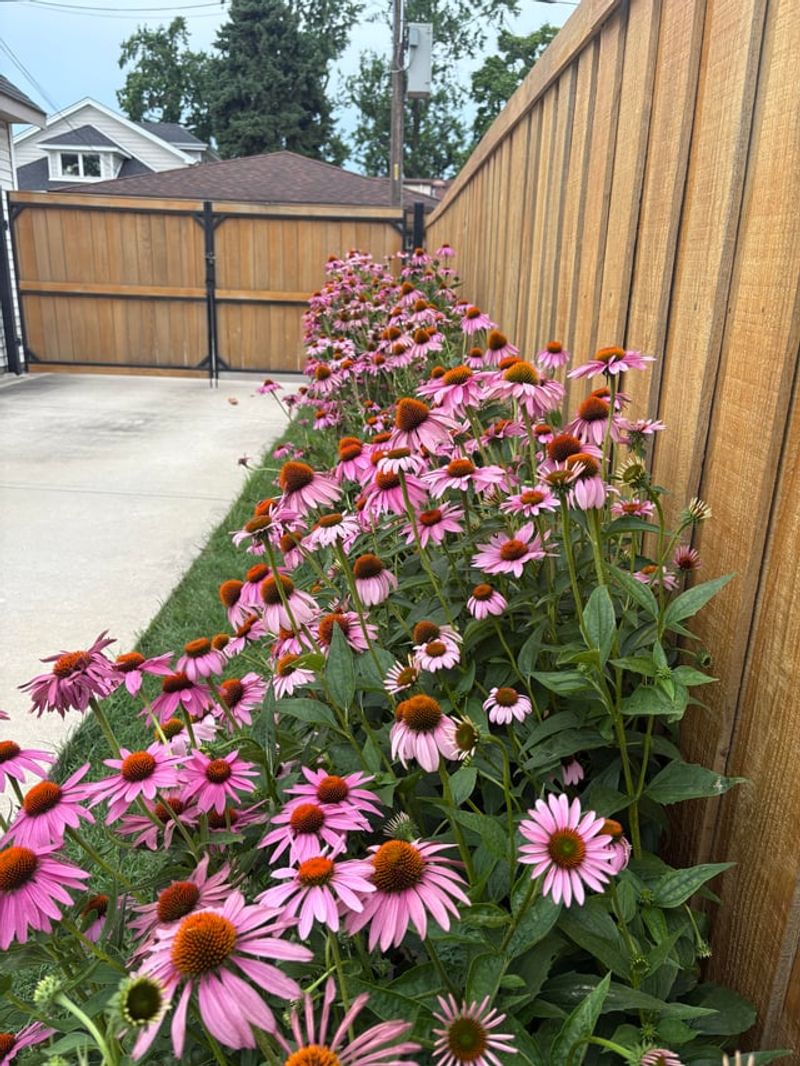
Designing a garden in Pennsylvania often involves balancing structure, color, and seasonal interest, and this plant fits into a variety of layouts.
In traditional flower beds, it can be placed toward the middle or back, where its upright growth adds height without blocking smaller plants in front.
When grouped in clusters, it creates a stronger visual impact and draws attention during its bloom period.
In pollinator-focused gardens, it is often combined with other native species to provide a steady sequence of blooms from spring through fall.
Its shape pairs well with grasses and more delicate flowers, helping create contrast in both texture and form. Some gardeners use it along borders or pathways, where the flowers can be appreciated up close.
It also works in more naturalized areas, where a less formal arrangement allows it to blend into meadow-style plantings.
Because it does not spread aggressively, it tends to stay within its space, making it easier to plan around.
This flexibility gives Pennsylvania gardeners plenty of options when incorporating it into different landscape styles.
8. What To Expect From Its Growth And Spread Over Time
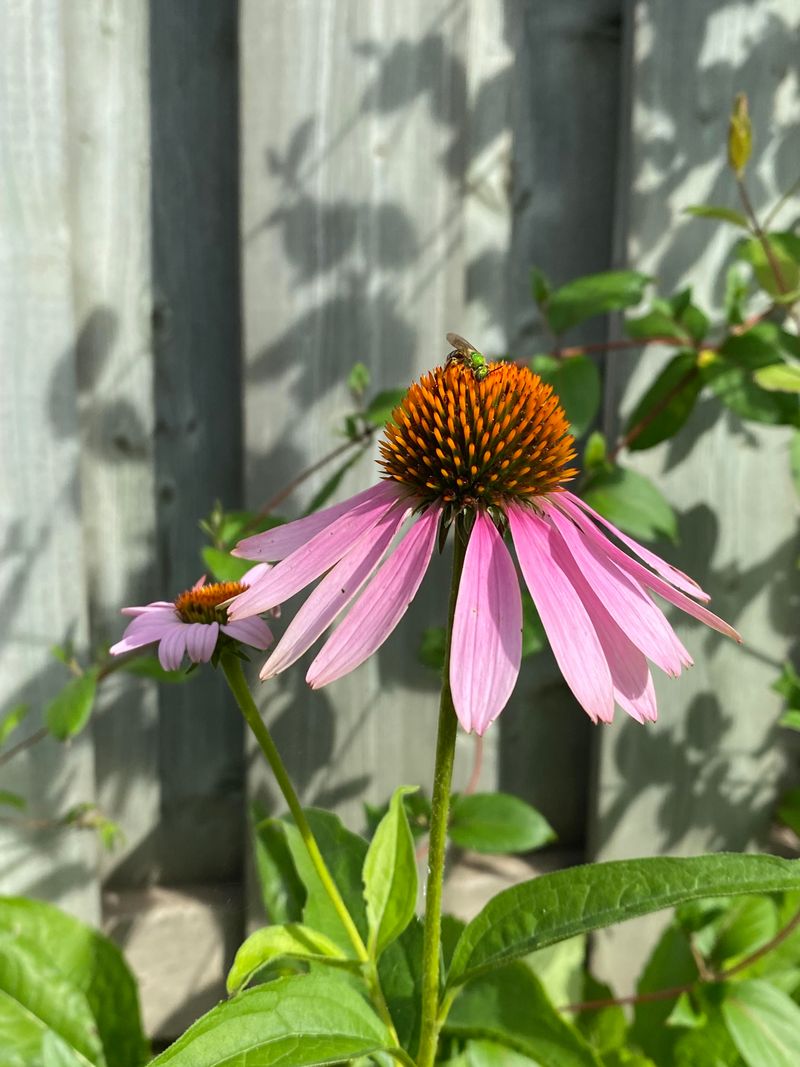
Long-term planning is an important part of gardening in Pennsylvania, especially when working with perennials that return each year.
Eastern Purple Coneflower typically forms clumps that gradually expand over time rather than spreading rapidly across a bed.
In the first season, growth may seem modest as the plant focuses on establishing its root system. By the second and third years, it often becomes fuller and produces more blooms.
Gardeners who want to manage its size can divide clumps every few years, which also helps maintain plant vigor. It can also self-seed under the right conditions, though new seedlings may vary slightly from the parent plant.
In more controlled garden settings, unwanted seedlings are easy to remove if needed. Spacing at planting time plays a role in how it fills in, with enough room allowing each plant to develop its natural shape.
Over time, it tends to create a stable presence in the garden without becoming difficult to manage. That steady, predictable growth pattern makes it a reliable choice for many Pennsylvania landscapes.
9. Why Birds Visit After The Flowers Fade
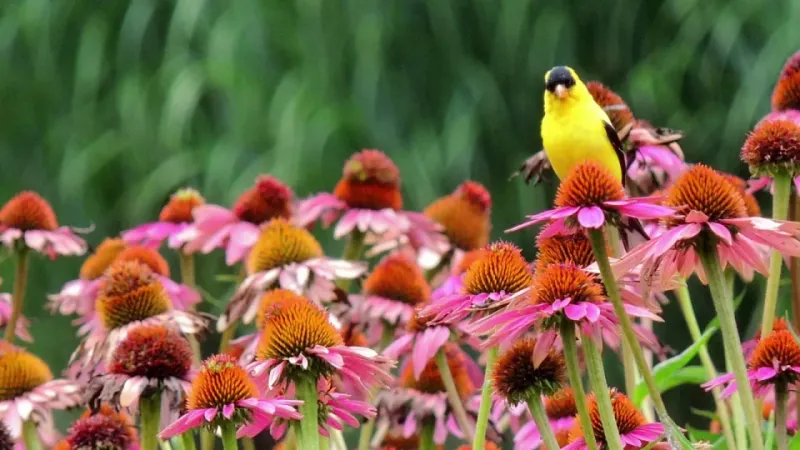
Late in the growing season, Pennsylvania gardens begin to shift as many flowers fade and plants prepare for cooler weather.
Eastern Purple Coneflower continues to offer value even after its petals drop, thanks to the seed heads that remain.
These cone-shaped centers become a food source for birds, especially species like goldfinches that are often seen feeding on the seeds.
Leaving the seed heads in place through fall can support wildlife while also adding texture to the garden.
The dried forms catch light in a different way than fresh blooms, creating subtle visual interest as the season changes. Some gardeners choose to cut them back later in winter, while others leave them until early spring.
This extended usefulness adds another layer to its role in the landscape, going beyond its summer display.
By supporting birds at a time when food sources can be more limited, it contributes to a more balanced garden environment.
That connection between plant and wildlife is one reason it remains a favorite across Pennsylvania.