These Native Pennsylvania Wildflowers Outperform Annuals
Annuals have a very convincing sales pitch. They’re colorful, they’re familiar, they’re sitting right there at the front of every nursery in spring just begging to go home with you, and for a few weeks they absolutely deliver on the promise.
The problem is that a few weeks is often all you get before the replanting cycle starts all over again and your wallet starts feeling it. Native Pennsylvania wildflowers operate on a completely different level.
These plants aren’t putting on a short burst of color before checking out for the season. They establish deep root systems, spread naturally over time, come back stronger every year, and support the kind of local pollinator activity that turns a garden into something genuinely alive and dynamic.
The comparison to annuals isn’t even really close once you see what these wildflowers are capable of across a full growing season. Some things just outperform the competition by a wide margin.
1. Purple Coneflower (Echinacea Purpurea)
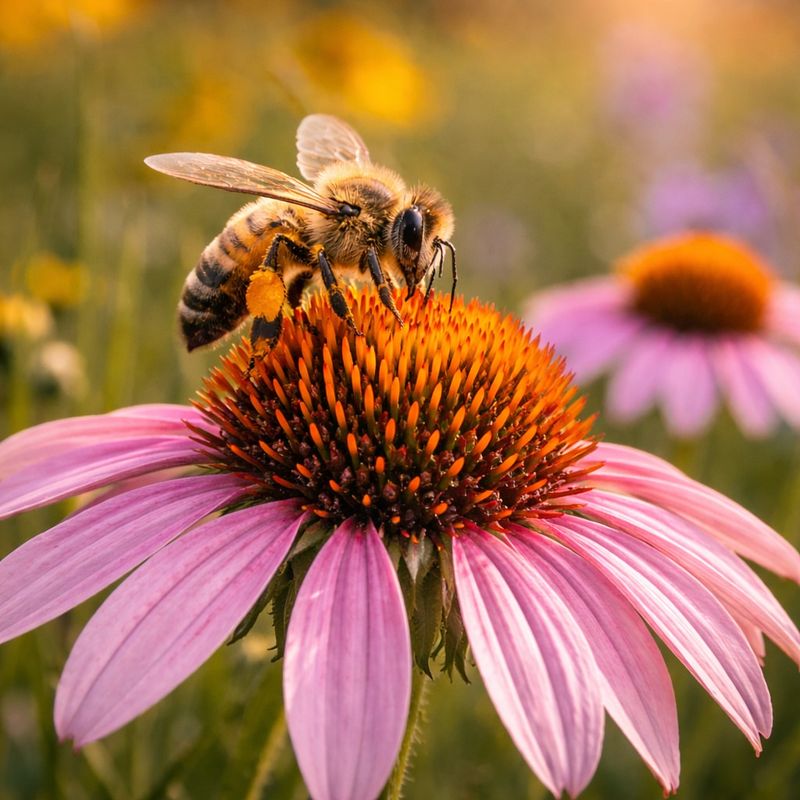
Few flowers earn their place in a garden quite like Purple Coneflower. Native to the eastern United States, including Pennsylvania, this bold beauty has been thriving in meadows and prairies long before anyone thought to plant it in a backyard.
Its rosy-purple petals and spiky orange centers are hard to miss, and pollinators absolutely love them.
What makes Purple Coneflower stand out from most annuals is its toughness. It handles summer heat without flinching. Poor soil? No problem. Dry spells that would leave annual flowers struggling? Coneflower barely notices.
Once it gets established, it comes back stronger every year without you having to do much at all.
Gardeners across Pennsylvania appreciate that this plant blooms from midsummer well into fall. That’s a long window of color compared to many short-lived annuals.
Butterflies, bees, and goldfinches are regular visitors, making your yard feel more alive with every passing week.
Another bonus is how it spreads over time. Purple Coneflower slowly forms larger clumps and may even self-seed in nearby areas.
You get more plants for free, which is always a win. It pairs beautifully with Black-Eyed Susans and ornamental grasses for a natural, low-maintenance look.
If you want one plant that delivers big color, feeds wildlife, and grows stronger every season, Purple Coneflower is the one to start with. It’s a Pennsylvania garden staple for very good reason.
2. Black-Eyed Susan (Rudbeckia Hirta)
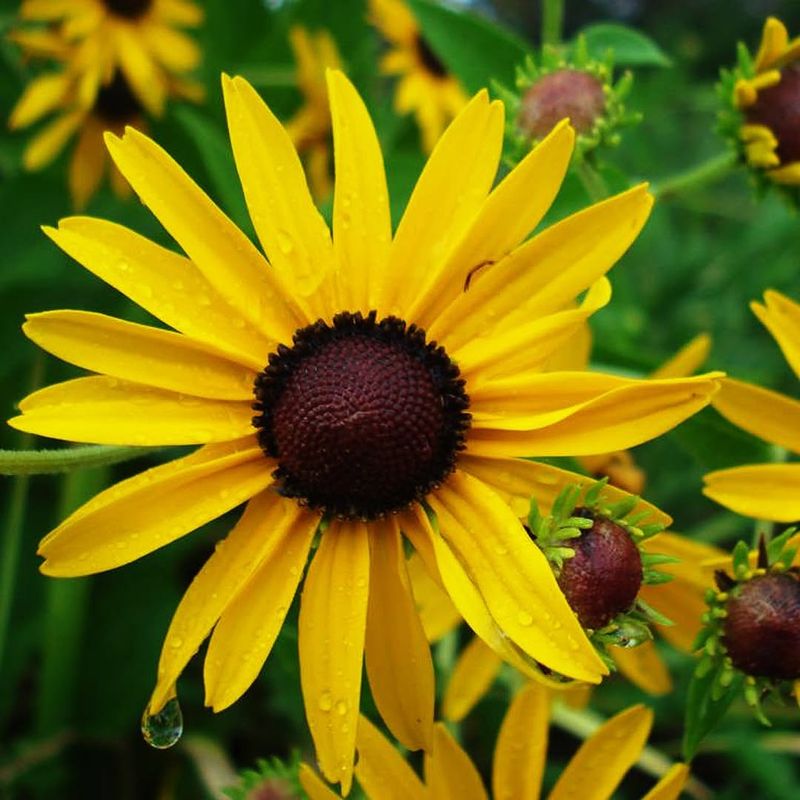
There’s something cheerful and familiar about Black-Eyed Susan. Those bright golden-yellow petals surrounding a rich chocolate-brown center have been brightening Pennsylvania roadsides and meadows for generations.
It’s the kind of flower that makes you smile without even trying. One of the biggest advantages of Black-Eyed Susan over typical annuals is its ability to self-seed. Once you plant it, the flowers produce seeds that fall to the ground and sprout new plants the following year.
You get continuous color season after season without ever having to buy new plants or do any replanting. That’s a level of convenience most annuals simply can’t match.
Your Pennsylvania Garden Changes Every Week. Your Plan Should Too.
Gardening in Pennsylvania changes quickly throughout the season. Every Friday you’ll receive a simple weekly plan showing exactly what to plant, prune, fertilize, harvest, and protect so you never miss the right timing.
Black-Eyed Susan blooms through the heat of summer, usually from June through September in Pennsylvania. It handles full sun like a champion and grows well in average to poor soil.
Watering it constantly is not necessary, which makes it perfect for gardeners who want beauty without a heavy schedule of upkeep.
Pollinators go wild for these flowers. Bees and butterflies visit constantly, and birds enjoy snacking on the seed heads in late fall and winter.
Leaving the seed heads standing after blooming season ends is actually a great idea for wildlife support.
Black-Eyed Susan also mixes easily with other native plants. Try pairing it with Purple Coneflower or Wild Bergamot for a colorful, wildlife-friendly display.
For Pennsylvania gardeners who want maximum impact with minimum effort, this native wildflower delivers every single time.
3. Wild Bergamot (Monarda Fistulosa)
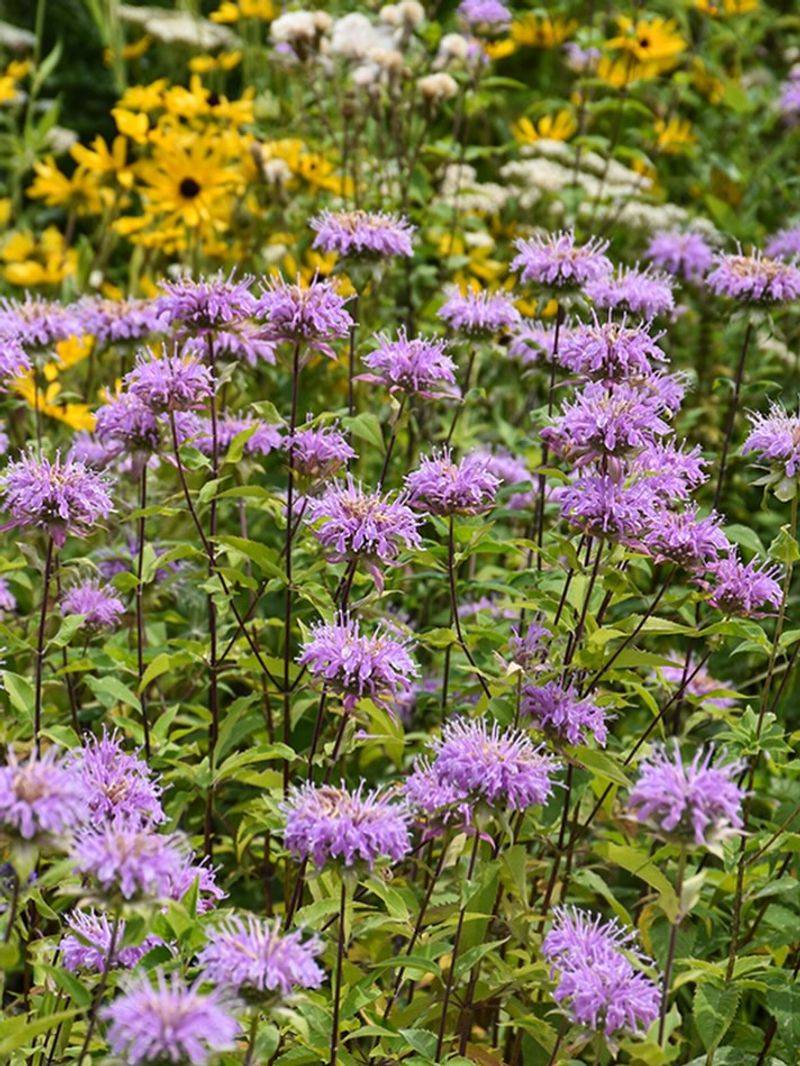
Walk past a patch of Wild Bergamot on a warm summer day and you’ll catch a light, herbal fragrance that stops you in your tracks.
Related to the mint family, this native Pennsylvania wildflower has aromatic leaves and striking lavender-pink blooms that look like tiny fireworks frozen in place. It’s both beautiful and useful in ways most annuals never come close to matching.
Wild Bergamot is a powerhouse when it comes to attracting pollinators. Bees, butterflies, and hummingbirds are drawn to its blooms like a magnet.
In Pennsylvania, where native bee populations benefit greatly from flowering plants, having Wild Bergamot in your yard makes a real difference. It blooms from July through September, filling in that mid-to-late summer gap when other plants start to wind down.
Dry summers don’t slow this plant down. Wild Bergamot has strong drought resistance, which makes it far more reliable than many annual flowers that wilt and struggle when rainfall gets scarce.
It grows well in average, well-drained soil and thrives in full sun to partial shade. Spreading naturally through rhizomes, Wild Bergamot forms loose, airy colonies over time. This gives your garden a natural, meadow-like feel without much effort on your part.
Dividing the clumps every few years keeps it healthy and gives you extra plants to share with neighbors.
For Pennsylvania gardeners who want fragrance, color, and serious pollinator activity all in one plant, Wild Bergamot is a standout choice that outperforms annuals in almost every way.
4. Coreopsis (Coreopsis Lanceolata)
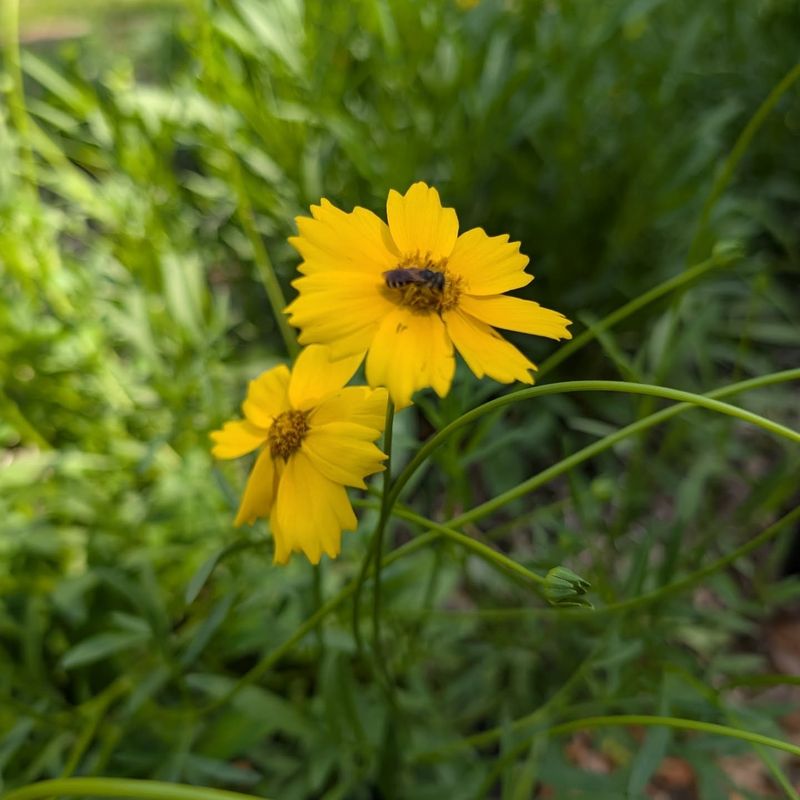
Some plants just have a sunny personality, and Coreopsis is exactly that. Also called Lance-Leaved Coreopsis or Tickseed, this cheerful yellow wildflower is native to Pennsylvania and blooms reliably from late spring into midsummer.
Its bright, daisy-like flowers pop against green foliage and keep the garden looking lively during a season when many gardeners are still waiting for other plants to catch up.
Drought tolerance is one of Coreopsis’s biggest strengths. Once it gets established in your garden, it requires very little water or attention to keep blooming.
That kind of low-maintenance performance is something most annuals simply cannot offer. You plant it, let it settle in, and then enjoy the show year after year without the hassle of replanting every spring.
Coreopsis thrives in full sun and well-drained soil, which is easy to find in many Pennsylvania yards and garden spaces. Sandy or rocky soil that would challenge other plants is actually fine for Coreopsis.
It’s a plant that seems to prefer being a little rough around the edges rather than pampered.
Pollinators love the blooms, especially native bees and small butterflies. Deadheading spent flowers encourages more blooms and extends the flowering period well into summer.
Leaving some seed heads intact toward the end of the season also benefits birds looking for a late-summer snack.
If you want a plant that starts early, stays colorful, and practically takes care of itself, Coreopsis deserves a solid spot in your Pennsylvania native garden.
5. Blanket Flower (Gaillardia Pulchella)
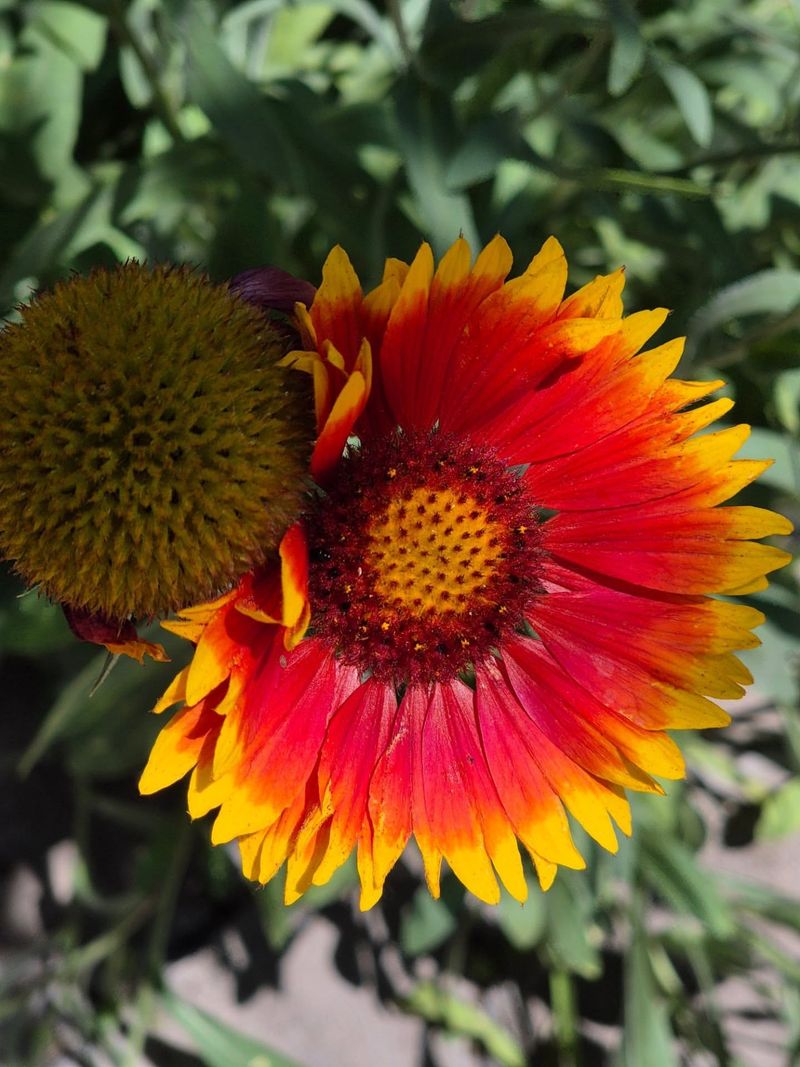
Bold, fiery, and completely unfazed by tough growing conditions, Blanket Flower is the kind of wildflower that earns your respect. Its red and yellow blooms look like something painted by hand, with warm tones that remind you of a sunset in the middle of summer.
Native to North America and well-suited to Pennsylvania’s climate, this plant brings serious visual energy to any garden space.
What really sets Blanket Flower apart from most annuals is its ability to thrive where other plants struggle. Poor, dry, or sandy soil?
That’s actually where it does best. Too much rich soil or overwatering can actually work against it.
This makes it a perfect fit for Pennsylvania garden spots that are hard to grow anything else in, like rocky slopes, dry hillsides, or areas along driveways and paths.
Blooming from early summer all the way through fall, Blanket Flower offers one of the longest flowering windows of any native wildflower in the region.
That extended bloom time means your garden stays colorful long after many annuals have faded away. Bees and butterflies visit the flowers regularly, adding movement and life to the space.
Blanket Flower self-seeds moderately, meaning you’ll often get new plants popping up nearby without any effort. Deadheading spent blooms keeps the plant looking tidy and encourages even more flowers.
It pairs well with Purple Coneflower and Black-Eyed Susan for a warm, vibrant, native wildflower planting that practically runs itself.
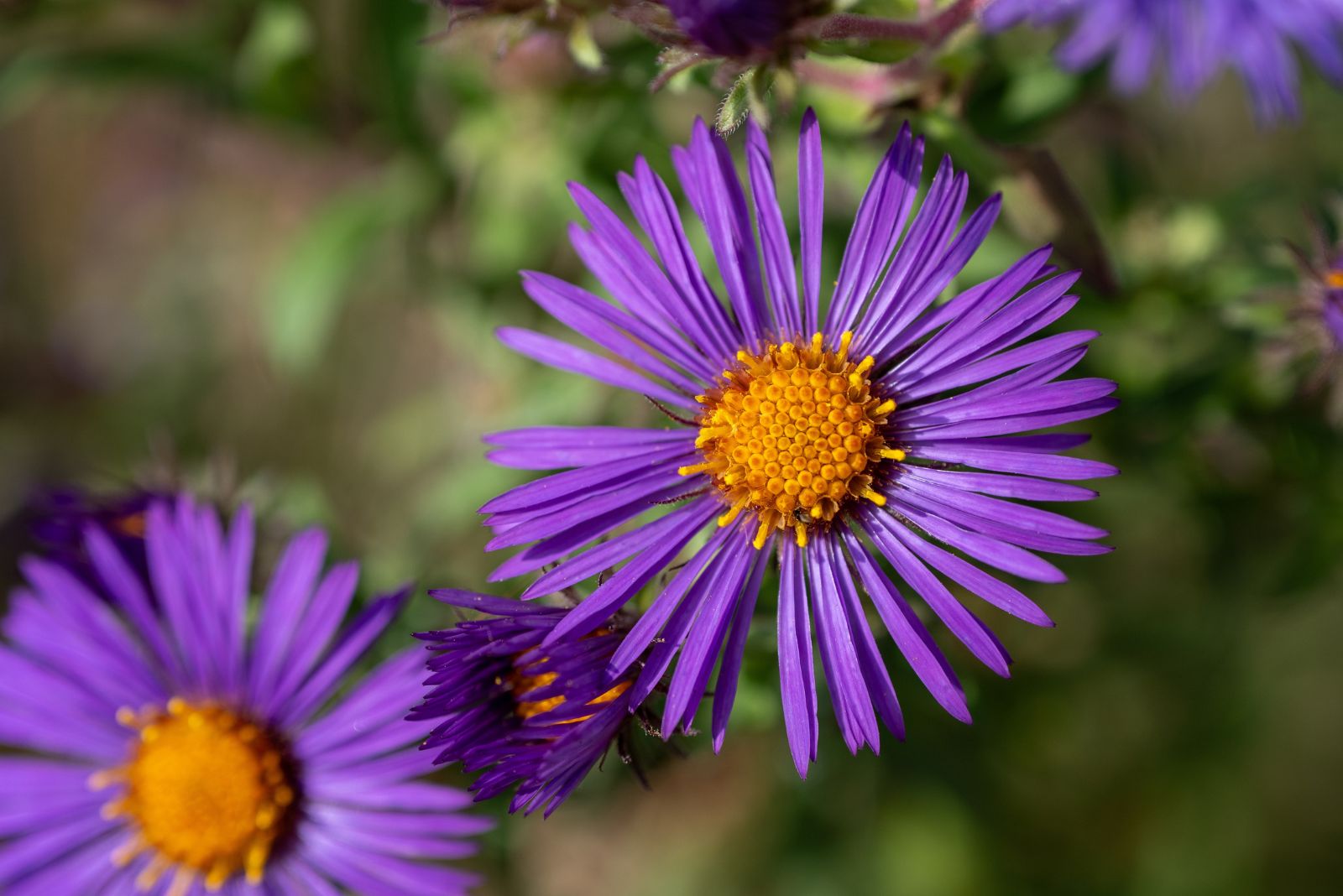
6. New England Aster (Symphyotrichum Novae-Angliae)
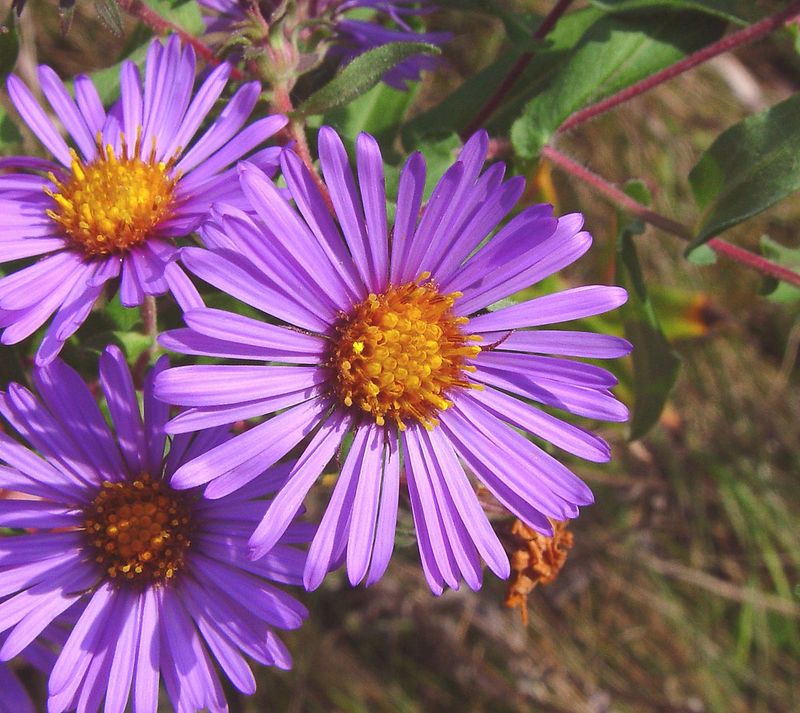
Just when the rest of the garden starts to wind down, New England Aster steps up and steals the show.
Blooming from late summer through October, this native Pennsylvania wildflower brings rich purple and pink flowers to a season when most annuals have already faded. If you’ve ever wished your garden looked great in fall, this plant is the answer.
New England Aster is especially valuable for pollinators during the autumn months. Monarch butterflies rely on late-blooming flowers like this one as they migrate south, and native bees stock up on nectar before cooler weather arrives.
Planting New England Aster in Pennsylvania isn’t just a garden choice; it’s a genuine contribution to local wildlife during a critical time of year.
This plant grows tall, often reaching three to six feet in height, so it works well at the back of a garden bed or along a fence line.
It’s hardy, adaptable, and handles average Pennsylvania soil with no complaints. Full sun brings out the best blooms, though it also tolerates light shade reasonably well.
Cutting the stems back by half in early summer, a technique called Chelsea Chop, keeps the plant more compact and encourages bushier growth with even more flowers. Without trimming, it can get a bit floppy, so a little early-season attention goes a long way.
For gardeners who want color when everyone else’s yard looks bare, New England Aster is one of the most rewarding native wildflowers Pennsylvania has to offer.
7. Goldenrod (Solidago Spp.)
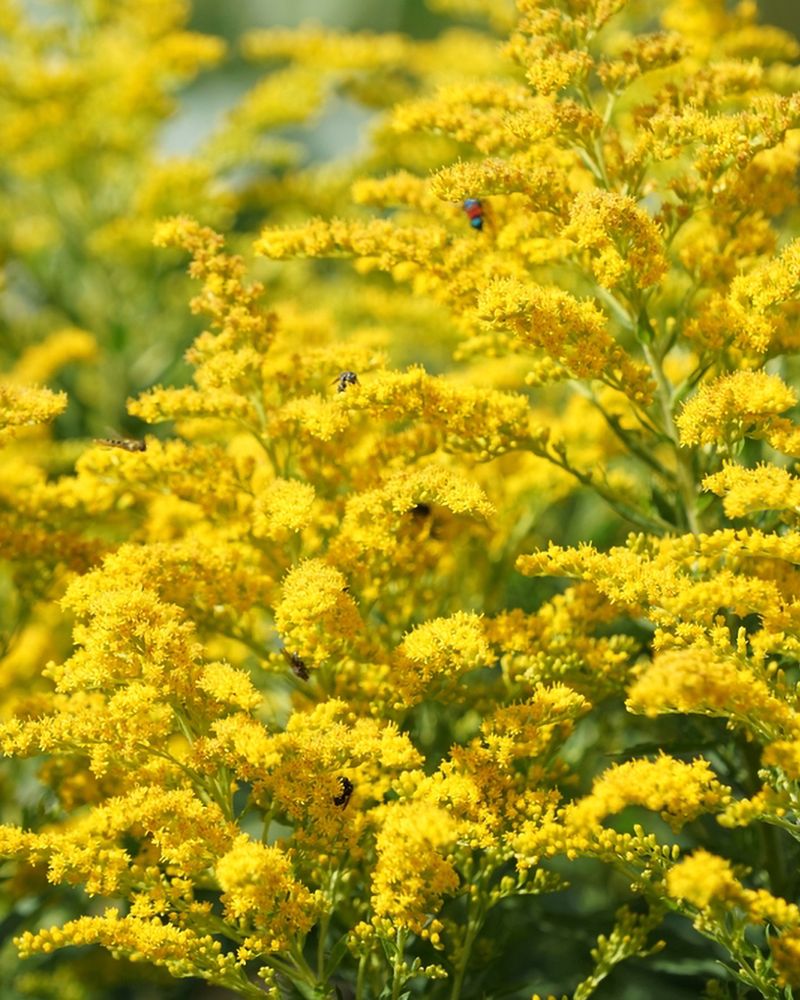
Goldenrod gets a bad reputation it doesn’t deserve. Many people blame it for fall allergies, but the real culprit is ragweed, which blooms at the same time.
Goldenrod’s pollen is too heavy to travel through the air and cause sneezing. Once you know that, it’s easy to appreciate this stunning native Pennsylvania wildflower for the powerhouse it truly is.
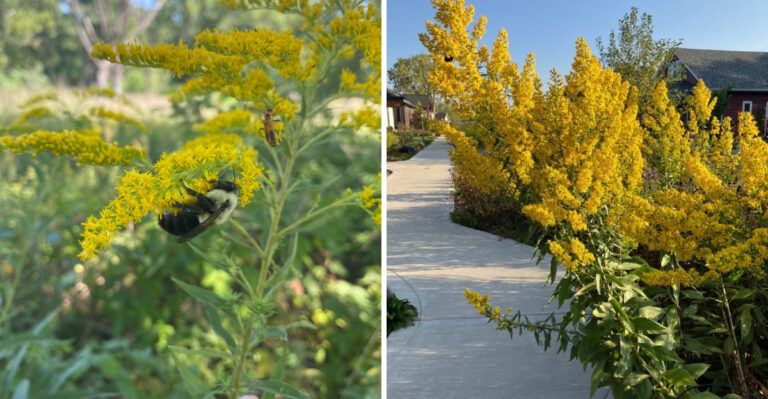
Few plants bloom as reliably in late summer and fall as Goldenrod does. Those arching plumes of bright yellow flowers light up roadsides, meadows, and garden borders across Pennsylvania from August through October.
When most annuals are long past their prime, Goldenrod is just hitting its stride, offering a burst of gold that feels like the garden’s grand finale.
Wildlife absolutely depends on Goldenrod. Over 100 species of native bees visit it for nectar and pollen.
Butterflies, beetles, and beneficial insects are drawn to it in large numbers. Birds like sparrows and finches feed on the seeds well into winter.
Planting Goldenrod in Pennsylvania is one of the single most impactful things a gardener can do for local wildlife.
It grows in a wide range of conditions, from dry sandy soil to average garden beds, and spreads steadily over time through both seeds and underground rhizomes.
Choosing clump-forming varieties like Solidago rugosa or Solidago nemoralis keeps spreading more manageable in smaller spaces.
Low maintenance, wildlife-friendly, and brilliantly colored, Goldenrod is proof that native Pennsylvania wildflowers can outshine annuals in every season that matters.