7 Native Arizona Plants To Grow Instead Of Oleander
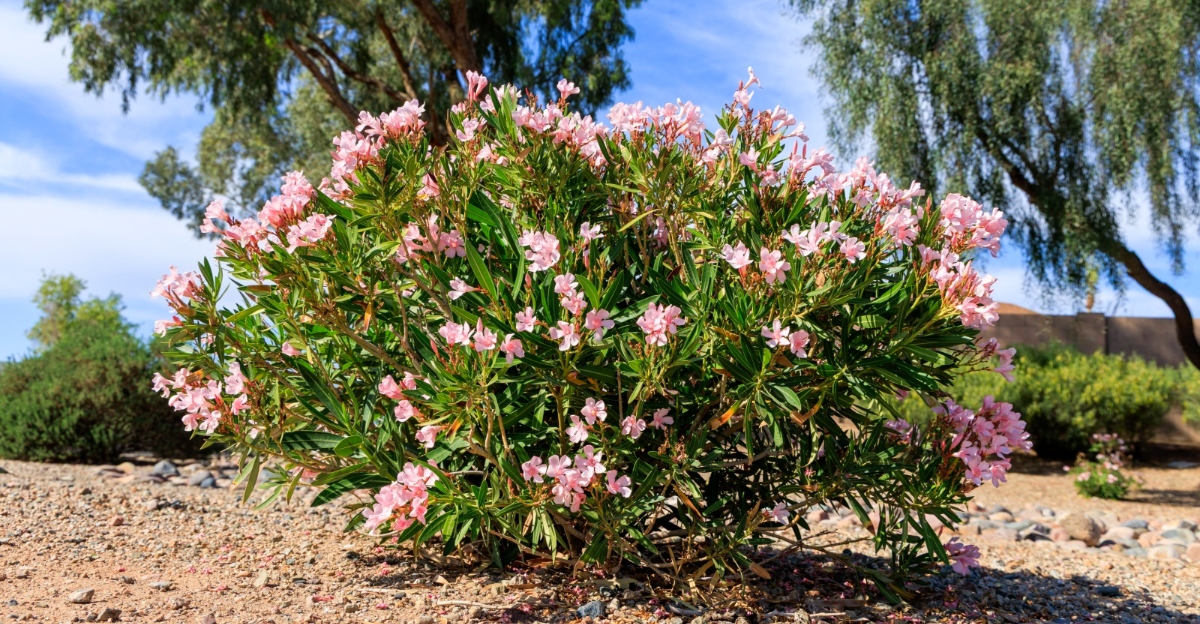
Oleander has long been the go-to for fast, easy privacy in Arizona, but its hidden risks are starting to outweigh its appeal.
Toxic to pets and people, and prone to spreading with heavy water needs, this Mediterranean import struggles under the desert sun.
The great news? Arizona’s native landscapes offer alternatives that are tougher, lower-maintenance, and better suited to local conditions.
By swapping thirsty, hazardous hedges for plants built to thrive in blazing sun and sandy soils, you create a beautiful, water-wise garden that supports hummingbirds, butterflies, and native wildlife.
It’s time to replace risky plantings with a landscape that truly belongs in the Southwest.
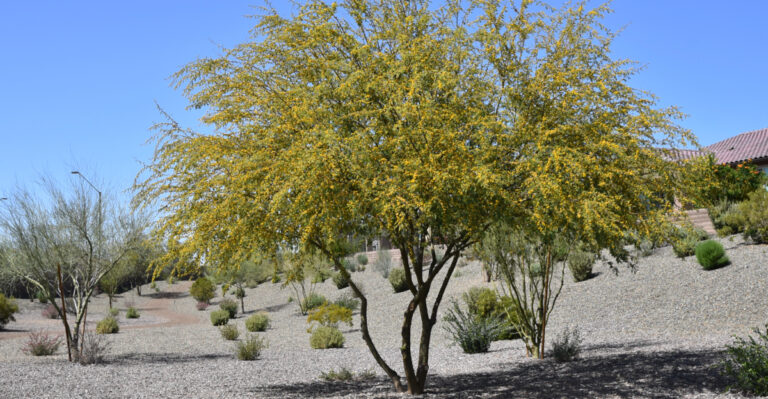
1. Desert Willow Brings Light Shade And Orchid Like Blooms
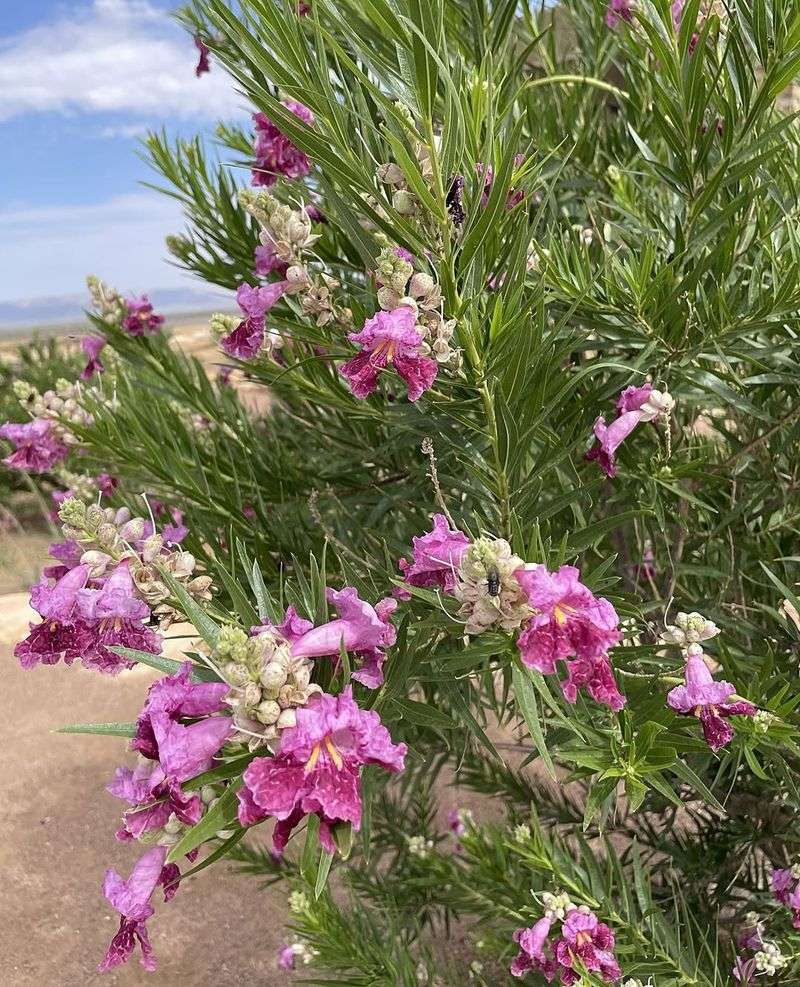
Few sights in an Arizona summer garden stop visitors in their tracks quite like a Desert Willow in full flower.
Chilopsis linearis is a small native tree or large shrub that can reach up to 15 feet tall, and its cascading, orchid-like blooms appear in shades of pink, lavender, white, and deep burgundy throughout the warm months.
Hummingbirds absolutely love it, making every warm afternoon feel lively and colorful.
Unlike oleander, Desert Willow is not toxic to pets or children, which gives gardeners real peace of mind.
It thrives in full sun and is well-suited to the low desert conditions around Phoenix and Tucson, though it also performs well at higher elevations like Prescott.
Once established, it needs only occasional deep watering, especially during extended dry spells in summer.
The plant prefers well-drained soil and actually benefits from rocky or sandy ground, which is abundantly available across most of Arizona. Pruning in late winter helps maintain a tidy shape and encourages vigorous new growth for the next bloom season.
Because it loses its leaves in winter, it works well in spots where you want light shade in summer but more sun exposure during cooler months.
As an oleander replacement, Desert Willow delivers comparable height and visual drama while offering genuine ecological value to the surrounding desert environment.
2. Arizona Rosewood Forms A Dense Evergreen Screen
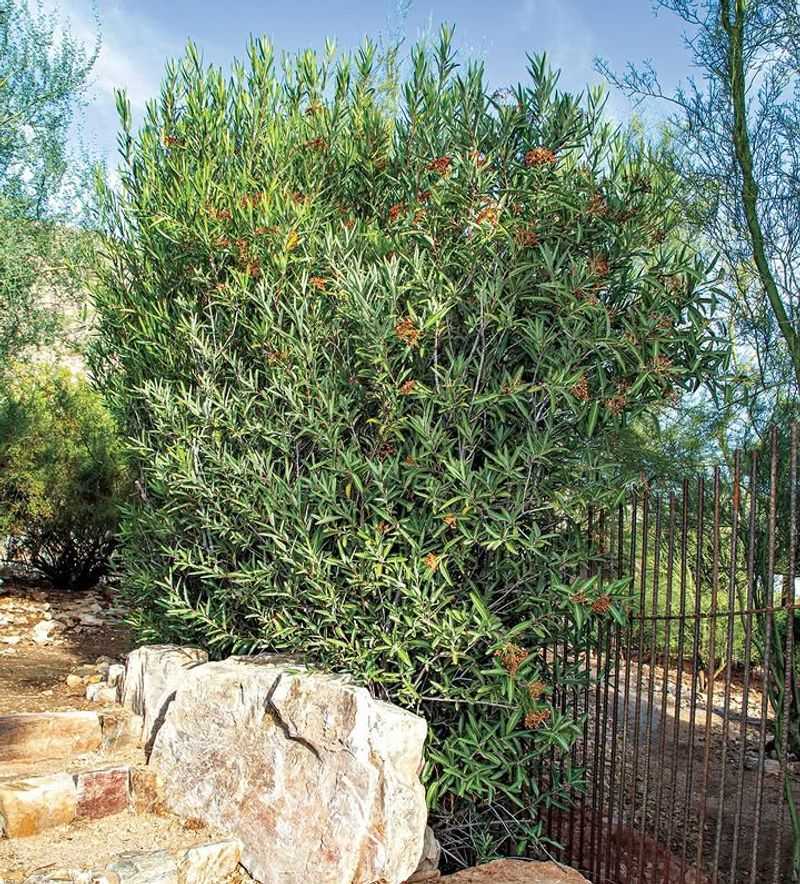
When you need a year-round privacy screen that can handle Arizona’s punishing heat without constant irrigation, Arizona Rosewood deserves serious attention.
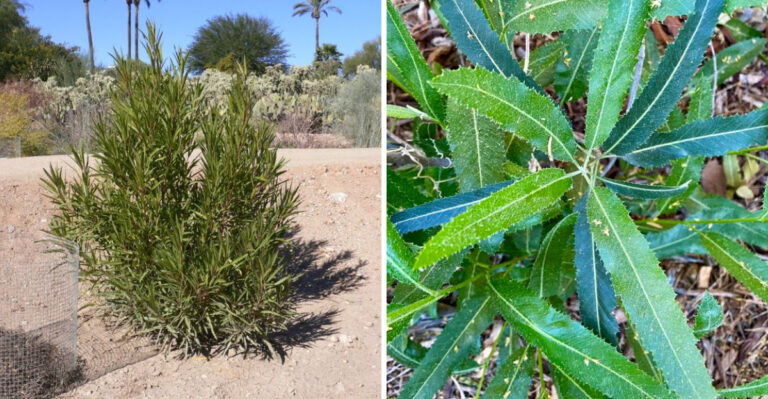
Vauquelinia californica is a slow-growing evergreen shrub with deep green, leathery leaves that hold their color through summer heat and winter cold alike.
Its clusters of small white flowers appear in spring, attracting native bees and other beneficial insects to the garden.
According to the University of Arizona Cooperative Extension, Arizona Rosewood is more cold-hardy than oleander and handles the temperature swings common at elevations around Prescott and Flagstaff with relative ease.
In the low desert near Phoenix, it appreciates some afternoon shade during the most intense weeks of summer.
The plant can be trained into a small tree with selective pruning, giving homeowners flexibility in how they use it in the landscape.
Water needs are low once the plant is established, generally requiring only supplemental irrigation during prolonged dry periods.
It grows well in rocky, well-drained soils and does not demand rich amendments, which suits most Arizona yards quite well.
Your Arizona Garden Changes Every Week. Your Plan Should Too.
Gardening in Arizona changes quickly throughout the season. Every Friday you’ll receive a simple weekly plan showing exactly what to plant, prune, fertilize, harvest, and protect so you never miss the right timing.
Mature plants can reach 10 to 20 feet tall and wide, providing a substantial screen comparable to a full-grown oleander hedge.
Because it stays evergreen and dense throughout the year, Arizona Rosewood is a strong candidate for replacing oleander along property lines, near walls, or as a backdrop for smaller flowering plants in a native garden design.
3. Texas Mountain Laurel Fills The Air With Sweet Spring Fragrance
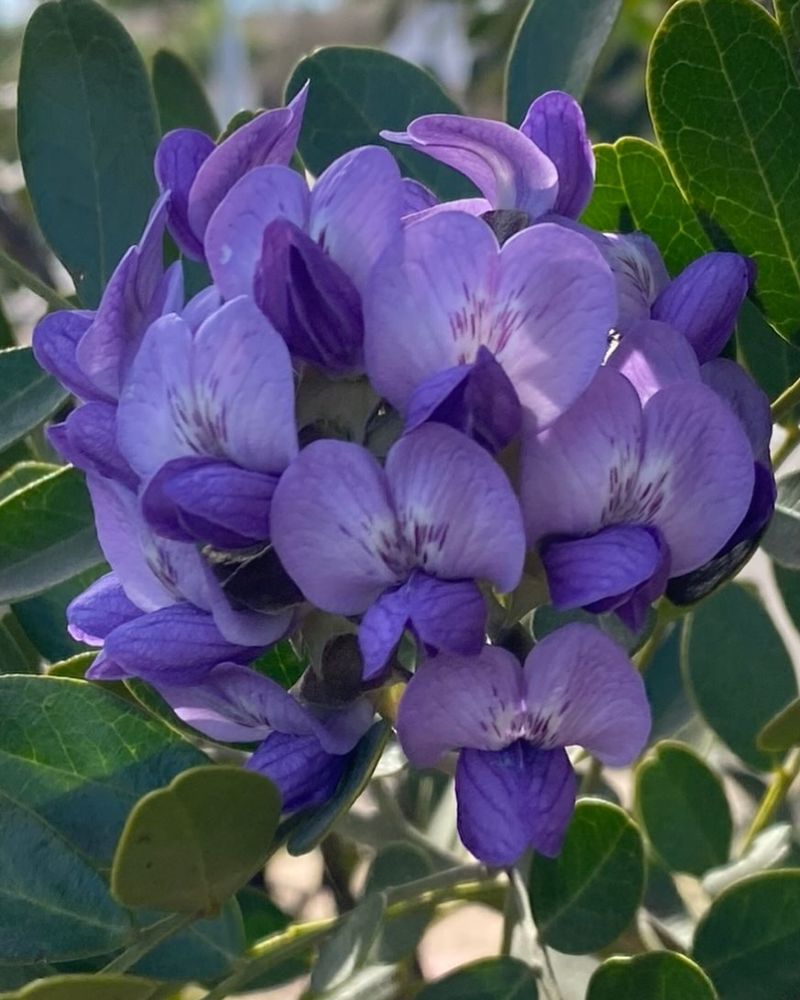
Imagine stepping outside on a warm March morning in Tucson and being greeted by the unmistakable scent of grape soda drifting through the air.
That is exactly what Texas Mountain Laurel, known botanically as Sophora secundiflora, delivers every spring.
The dense clusters of violet-purple flowers are visually striking, but the fragrance is what truly sets this plant apart from nearly every other native shrub in the Arizona landscape.
Texas Mountain Laurel is an evergreen shrub that grows slowly to about 10 to 15 feet tall, making it a reasonable size for screening or as a focal point near an entry.
It thrives in full sun and well-drained alkaline soils, conditions that are common across much of southern and central Arizona.
Once established, it is quite drought-tolerant, though young plants benefit from regular watering during their first two summers.
One thing to keep in mind is that the bright red seeds inside the decorative seed pods are toxic if ingested, so households with curious young children or pets should consider placement carefully.
That said, the plant itself is far less of a widespread concern than oleander.
Native bees and butterflies are drawn to the blooms, adding real pollinator value during early spring when forage can be limited.
For gardeners who want a refined, fragrant anchor plant that feels right at home in an Arizona native landscape, Texas Mountain Laurel is a genuinely rewarding choice worth considering.
4. Hop Bush Adds Colorful Foliage And Handles Heat Well
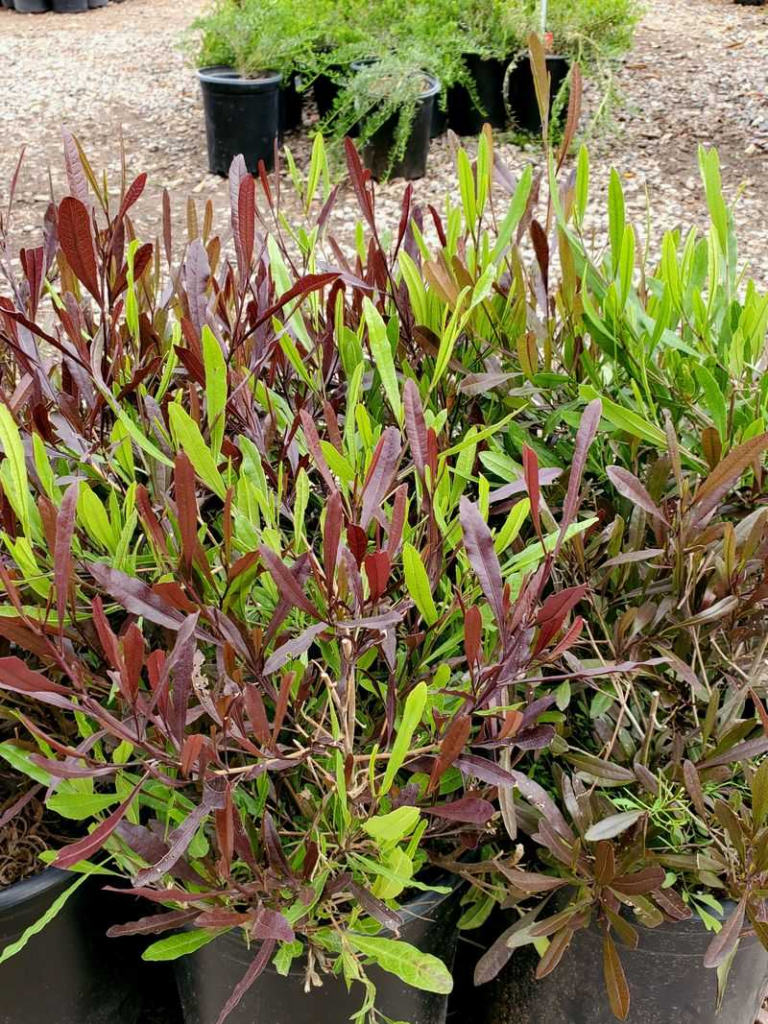
Walk through almost any well-designed xeriscape garden in the Phoenix metro area and you will likely spot the rich, bronze-purple foliage of a Hop Bush catching the afternoon light.
Dodonaea viscosa is a fast-growing evergreen shrub that can reach 8 to 10 feet tall and equally wide, providing a dense visual screen in a relatively short amount of time.
The cultivar Purpurea is especially popular in Arizona for its deep purple leaf color, which intensifies during cooler weather in fall and winter.
Hop Bush handles Arizona’s extreme summer heat with impressive composure, requiring only minimal supplemental irrigation once it has settled into the ground.
It grows well in full sun and adapts to a wide range of soil types, including the rocky, alkaline soils found throughout the Sonoran Desert region.
The papery, winged seed pods that appear after flowering add another layer of visual texture, catching the breeze in a way that feels almost playful.
Pruning can be done in late winter or early spring to keep the plant at a manageable size or to shape it into a formal hedge.
Because it grows quickly and tolerates reflected heat from walls and pavement, Hop Bush is particularly useful in tight urban spaces where oleander has traditionally dominated.
Native insects visit the inconspicuous flowers, contributing to backyard biodiversity without requiring any extra effort from the gardener. As an oleander swap, it checks nearly every box while staying well-behaved in the landscape.
5. Fairy Duster Attracts Pollinators With Soft Red Blooms
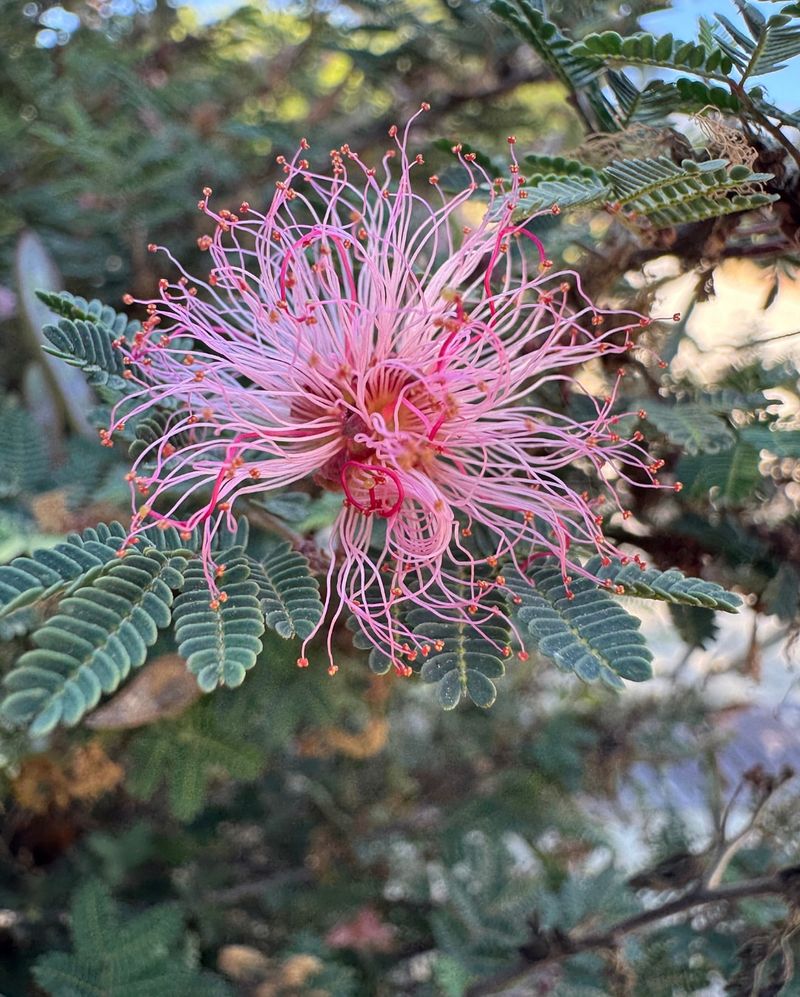
There is something almost magical about watching a hummingbird hover over a Fairy Duster in full bloom, its wings blurring as it reaches into the feathery red flowers.
Calliandra eriophylla is a low-growing native shrub that rarely exceeds four feet in height, making it a natural fit for borders, slopes, and the foreground of larger plantings.
The blooms look like soft powder puffs in shades of red and pink, appearing most heavily in late winter and spring with occasional repeat flowering through summer.
Fairy Duster is native to the Sonoran Desert and thrives across southern and central Arizona in full sun with excellent drainage.
Its fine-textured foliage gives it a delicate appearance that contrasts beautifully with the coarser leaves of desert shrubs like Jojoba or Arizona Rosewood.
Butterflies, native bees, and hummingbirds all visit the blooms regularly, making this plant a genuine hub of pollinator activity in any native garden.
Water needs are minimal after the plant is established, and it actually tends to look its best when not overwatered. Soggy soil is the main thing to avoid, so raised beds or slopes with good drainage are ideal planting spots.
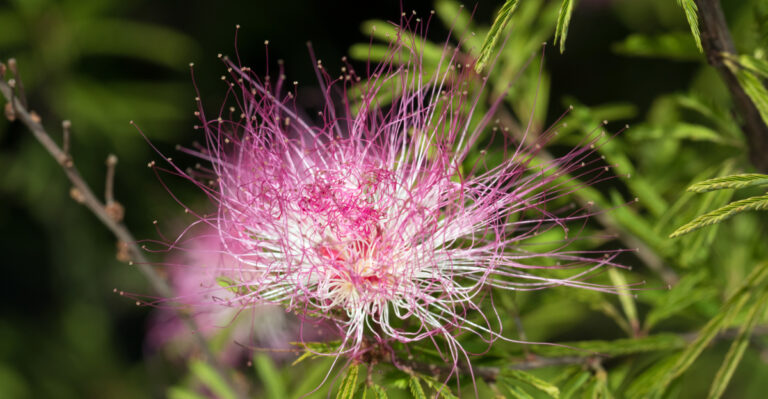
While Fairy Duster will not replace oleander as a tall privacy screen, it works brilliantly as a low flowering hedge or mass planting along a sunny wall.
Its cheerful blooms and wildlife-friendly character make it one of the most rewarding small shrubs available to Arizona gardeners looking to go native.
6. Brittlebush Brightens Dry Landscapes With Golden Flowers
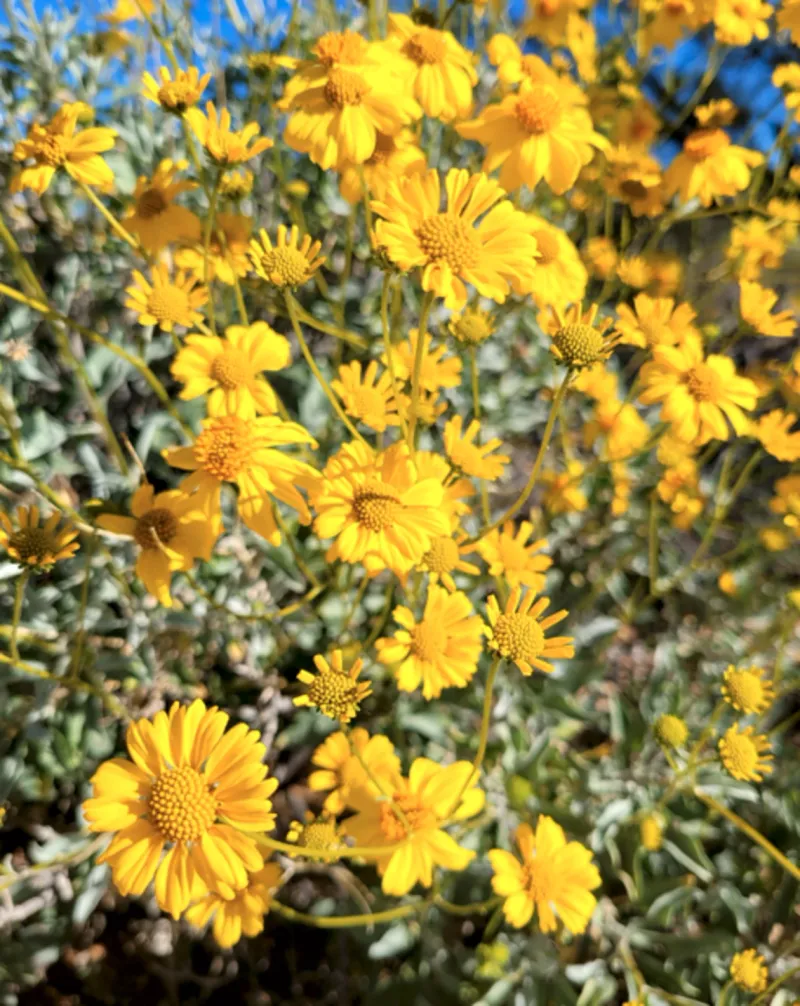
Drive along any Arizona highway in late winter or early spring and the roadsides burst into gold, thanks almost entirely to Brittlebush doing what it does best.
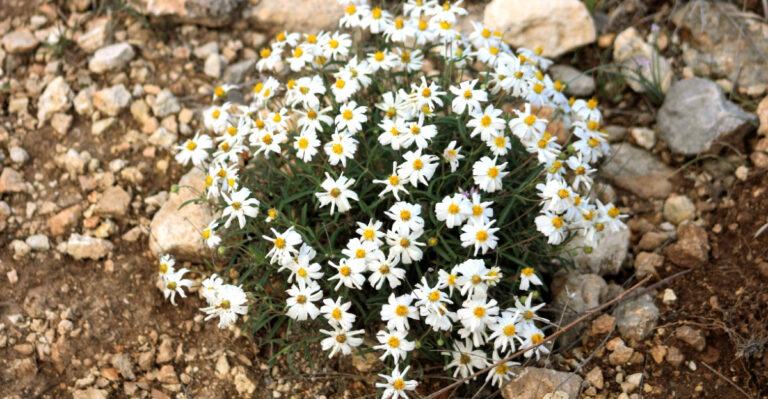
Encelia farinosa is a rounded, mounding shrub that grows two to five feet tall, producing an abundance of bright yellow, daisy-like flowers on long upright stems.
The silvery-gray foliage is soft and reflective, which actually helps the plant manage intense solar radiation during the hottest months of the year.
Brittlebush is one of the most recognizable wildflowers in the Sonoran Desert and adapts readily to cultivated landscapes throughout Arizona’s low desert zones.
It thrives in full sun, rocky or sandy soils, and requires very little supplemental water once established.
During extended drought, the plant may drop its leaves to conserve moisture, but it rebounds quickly once temperatures moderate or rainfall arrives.
While it is not an evergreen shrub in the traditional sense, Brittlebush earns its place in any native garden through sheer floral output and low-maintenance character.
It works well as a colorful border plant, a slope stabilizer, or a mass planting that delivers seasonal drama without demanding much attention.
Native bees are particularly fond of the flowers, and the plant has a long history of use by Indigenous communities in the Southwest for its aromatic resin.
For gardeners replacing oleander in hot, sun-drenched spots where other plants struggle, Brittlebush brings reliable golden color and genuine desert authenticity to the space.
7. Jojoba Thrives In Tough Conditions With Minimal Care
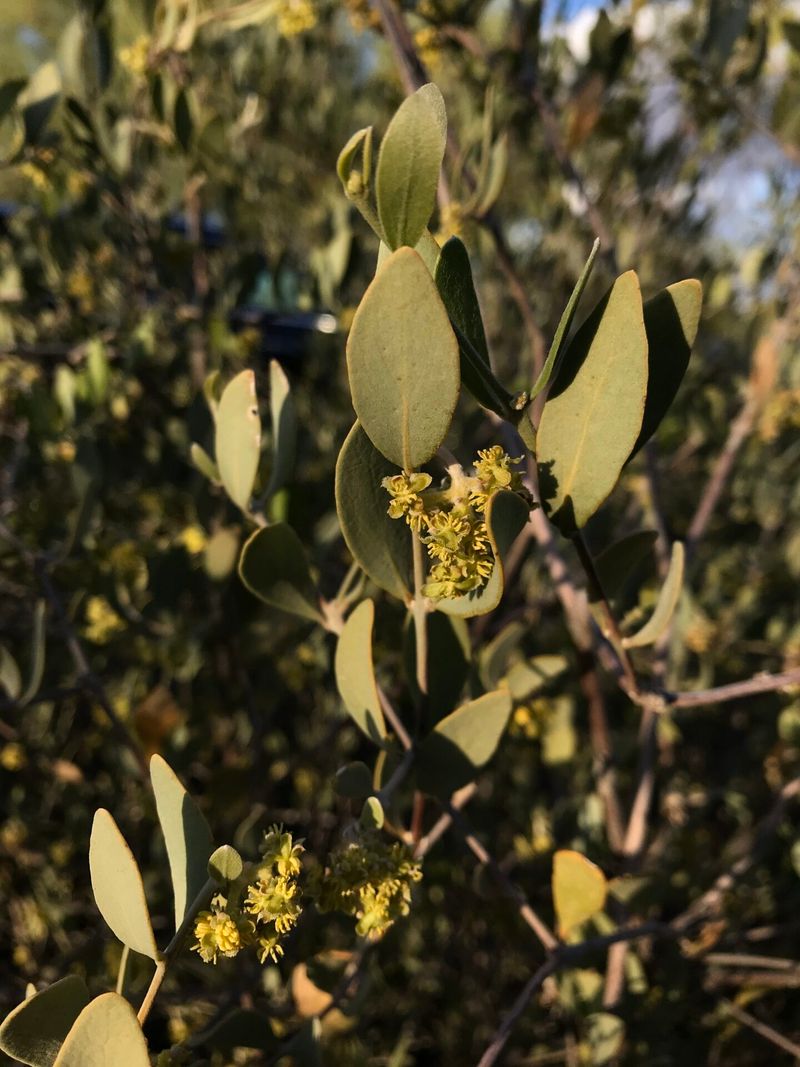
Out in the open Sonoran Desert, where summer temperatures routinely exceed 110 degrees and rainfall is measured in inches per year, Jojoba quietly goes about its business without complaint.
Simmondsia chinensis is a dense, evergreen shrub with thick, waxy, olive-green leaves that are remarkably good at reducing water loss in extreme heat.
Plants can grow anywhere from 3 to 15 feet tall depending on conditions, and they have a lifespan that can stretch well over a century in the wild.
Jojoba is native to the Sonoran Desert and performs best in the low desert regions of Arizona, including the Phoenix and Tucson areas, where it receives full sun and well-drained, sandy or gravelly soil.
It is notably deer-resistant, which is a meaningful advantage for gardeners in areas where deer browsing can be a persistent frustration.
The plant produces small, acorn-like seeds that are valued for their liquid wax content and are an important food source for native wildlife, including quail and ground squirrels.
Once established, Jojoba needs very little supplemental irrigation and handles both drought and reflected heat from walls and hardscape with ease.
It can be lightly shaped to maintain a hedge-like form or left to grow naturally for a more relaxed desert aesthetic.
As a replacement for oleander, Jojoba offers similar evergreen density and heat tolerance while being completely non-toxic and genuinely supportive of Arizona’s native desert ecosystem.
It is a low-drama, high-reward plant for any serious xeriscape garden.