8 Plants Arizona Gardeners Can Divide Before Summer Heat Arrives
Arizona spring has a funny way of rushing past you. One minute you’re enjoying mild temperatures and a garden full of fresh growth, and the next you’re staring down a forecast full of triple digits wondering where the time went.
Sound familiar? Here’s the thing though, late spring is actually one of the most useful windows you have as an Arizona gardener, especially if your perennial beds are starting to look a little, well, crowded.
Daylilies, cannas, iris, ornamental grasses, and calla lilies are all beautiful, but they’re also quietly competing for space and resources under the soil in ways you can’t always see.
Dividing them now, before the serious heat locks in, gives each plant a real fighting chance to settle in, grow strong, and actually show up for you all summer long.
1. Late-Season Perennials Benefit From Spring Division
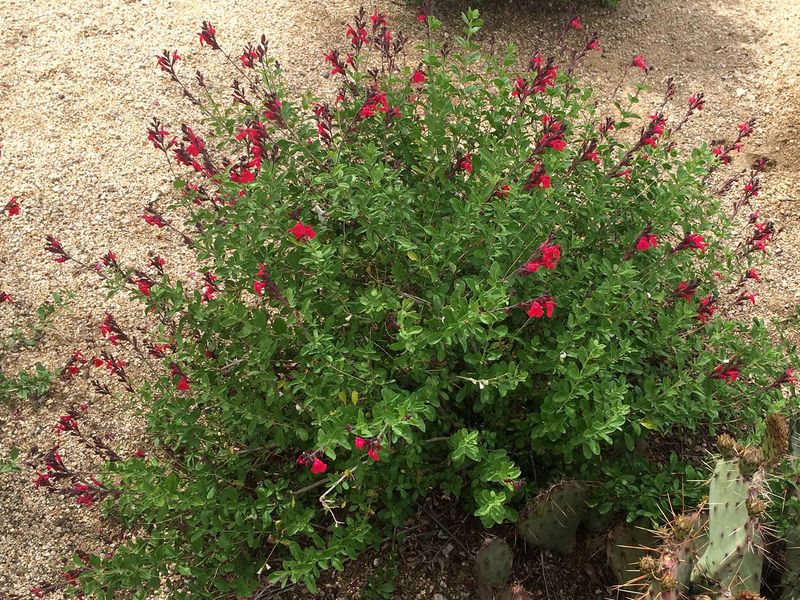
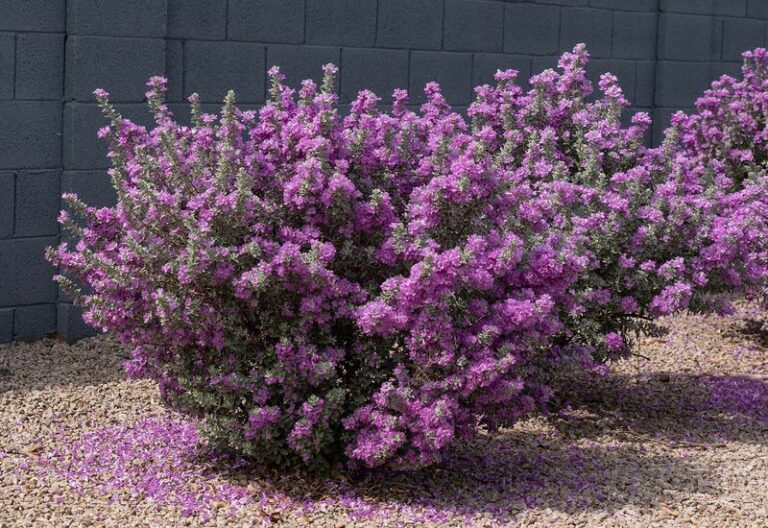
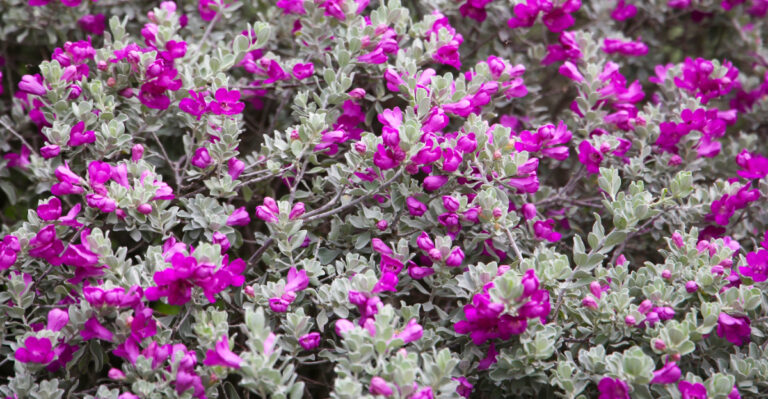
Crowded roots in late-season perennials like autumn sage, Mexican bush sage, yarrow, blanket flower, black-eyed Susan, hardy chrysanthemums, and bee balm are easy to overlook until the plants start showing small signs that they need more room.
Blooms may become smaller or less numerous, stems may look thinner, and the center of the clump may appear less vigorous than the outer edges.
In Arizona, late spring can offer a useful window for dividing these plants before summer heat makes transplant recovery more difficult.
These perennials are often used in mixed borders, pollinator beds, cottage-style plantings, and sunny garden areas where they can slowly spread over time.
When a clump has grown beyond its original space, lifting and dividing it can help refresh the planting and give each new section better access to water, nutrients, and airflow.
Replant divisions into prepared soil, water them in well, and keep the root zone evenly moist while they settle. A light layer of mulch can help reduce moisture loss, but keep it pulled back slightly from the stems.
In hotter Arizona locations, temporary afternoon shade for a few days can help newly divided plants adjust more comfortably before summer conditions become more intense.
2. Daylilies Bounce Back Before Summer Heat
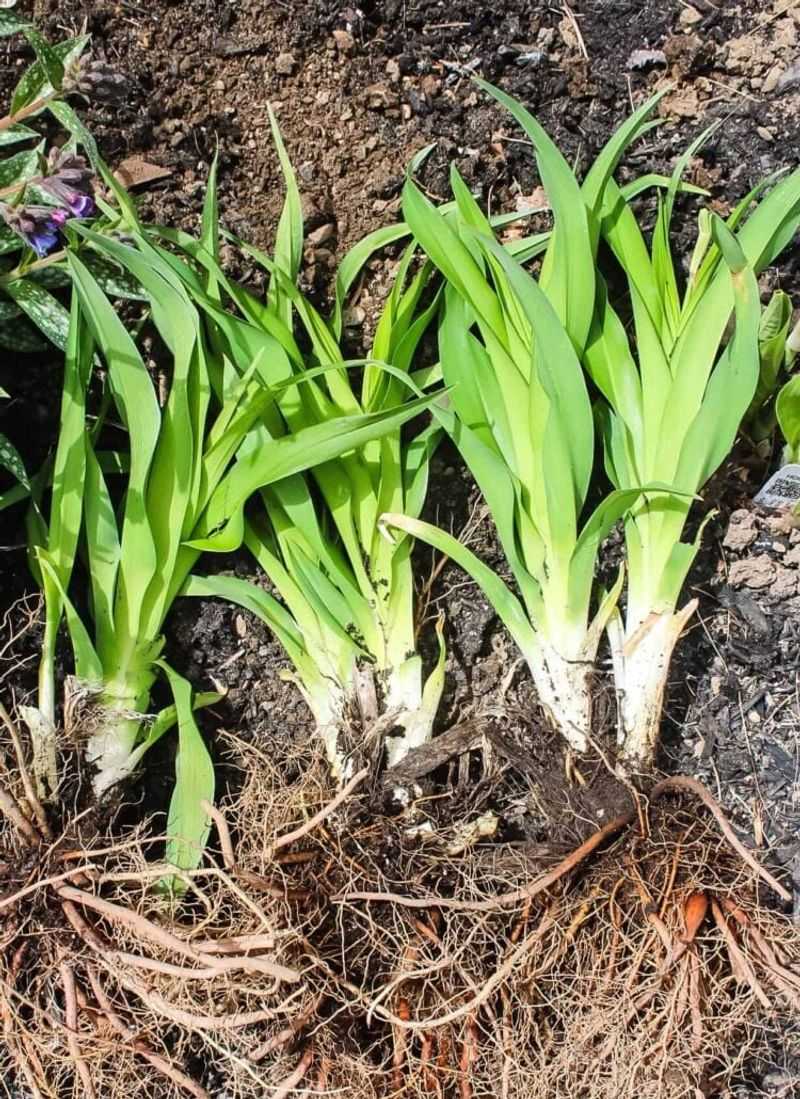
Few plants in an Arizona garden are as rewarding as daylilies, and few are as forgiving when it comes to division.
These tough, sun-tolerant bloomers tend to multiply quickly, and after a few seasons, a single plant can become a dense clump with dozens of fans competing for space and nutrients.
When bloom production starts to drop or the center of the clump looks sparse, it is usually time to divide.
Spring is a practical time to tackle daylily division in Arizona because the plants are actively growing but have not yet entered the demanding heat of summer.
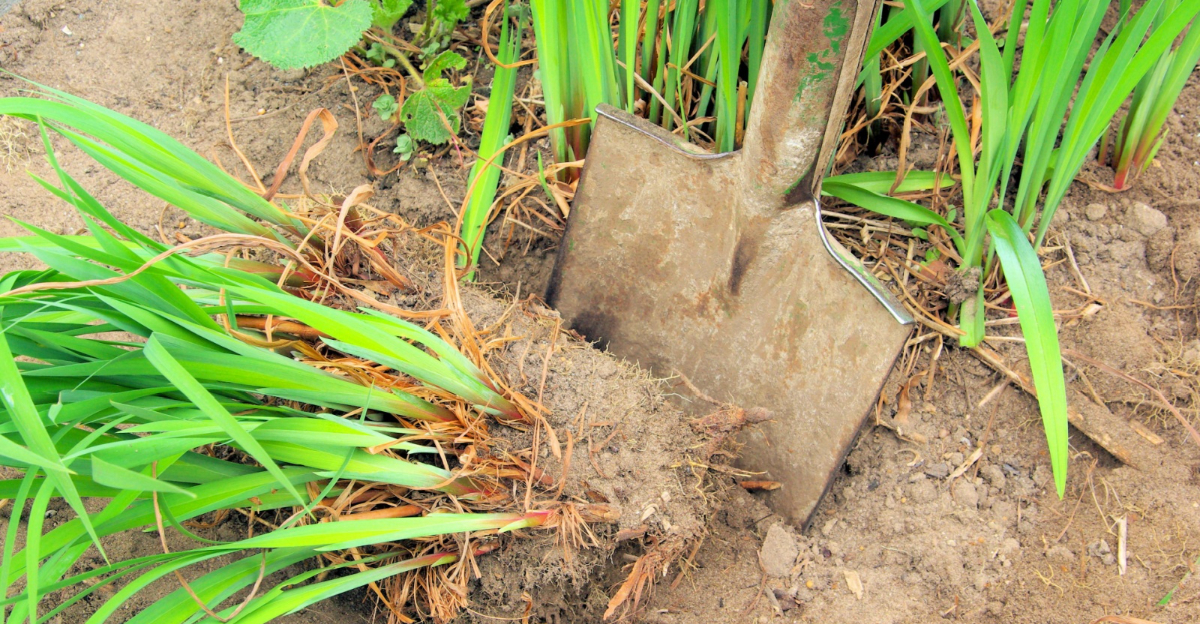
Digging up the clump, separating individual fans with their attached roots, and replanting them with good spacing gives each division room to develop.
Loosening the soil and working in compost before replanting helps the roots anchor quickly.
Newly divided daylilies may not bloom heavily in their first season after division, but they typically fill in well by the following year. Consistent watering in the weeks after division is important, especially as temperatures begin climbing.
Your Arizona Garden Changes Every Week. Your Plan Should Too.
Gardening in Arizona changes quickly throughout the season. Every Friday you’ll receive a simple weekly plan showing exactly what to plant, prune, fertilize, harvest, and protect so you never miss the right timing.
Avoid planting divisions in low spots where water might pool, since daylily roots prefer well-drained soil even when moisture is needed for establishment.
3. Cannas Spread Better After Clump Division
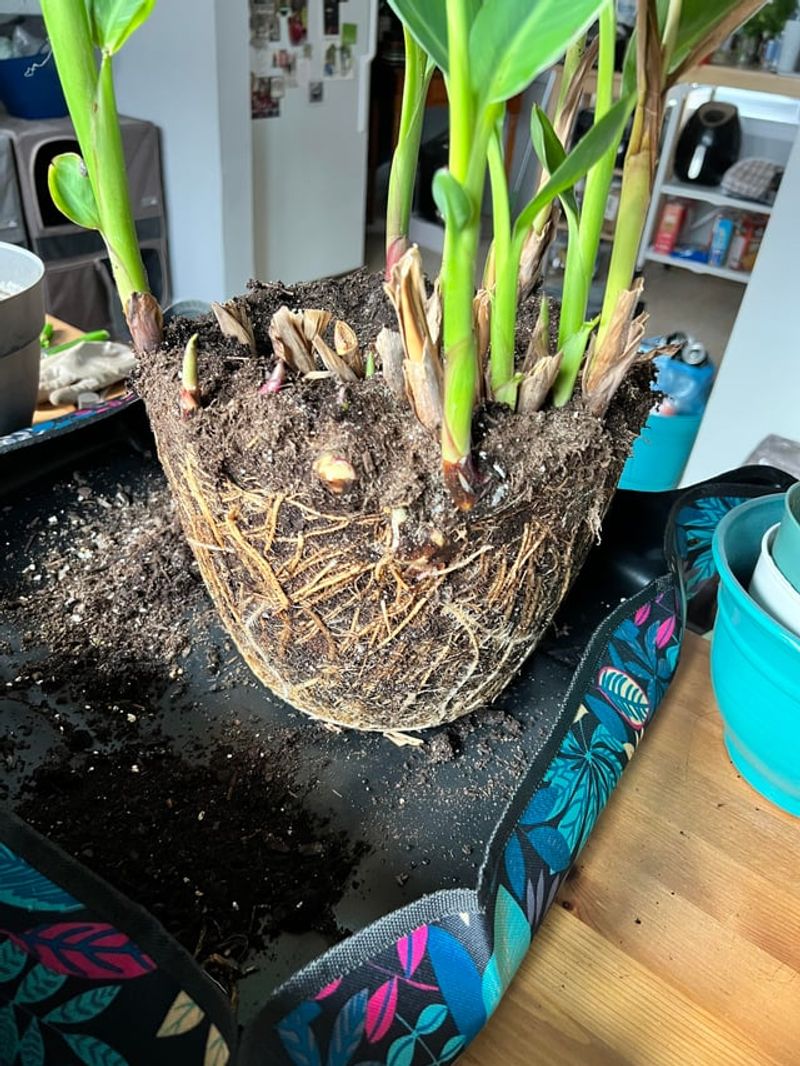
Cannas are one of those plants that seem to take over a garden bed quietly, spreading underground through thick rhizomes until the clump becomes so dense that growth slows and flowering declines.
Gardeners who grow cannas in borders, raised planters, or poolside beds often notice that older clumps produce fewer of those bold, tropical-looking blooms when they become overcrowded.
Dividing the rhizomes before summer arrives can turn one tired clump into several vigorous new plants.
The process involves carefully digging up the entire clump and using a clean, sharp tool to separate the rhizomes into sections, each with at least one visible growing point or eye.
Replanting at the same depth as the original clump, with enough space between divisions for air circulation, sets each section up for healthy growth.
Fresh compost mixed into the planting hole gives the rhizomes a nutritional boost.
In Arizona, timing canna division for mid-to-late spring allows the rhizomes to settle and begin pushing new growth before the most intense heat arrives.
Keeping the soil evenly moist during establishment is helpful, but cannas generally dislike sitting in waterlogged conditions.
Once established, they are reasonably heat-tolerant and can handle Arizona summers with regular irrigation.
4. Bearded Iris Needs Division After Blooming
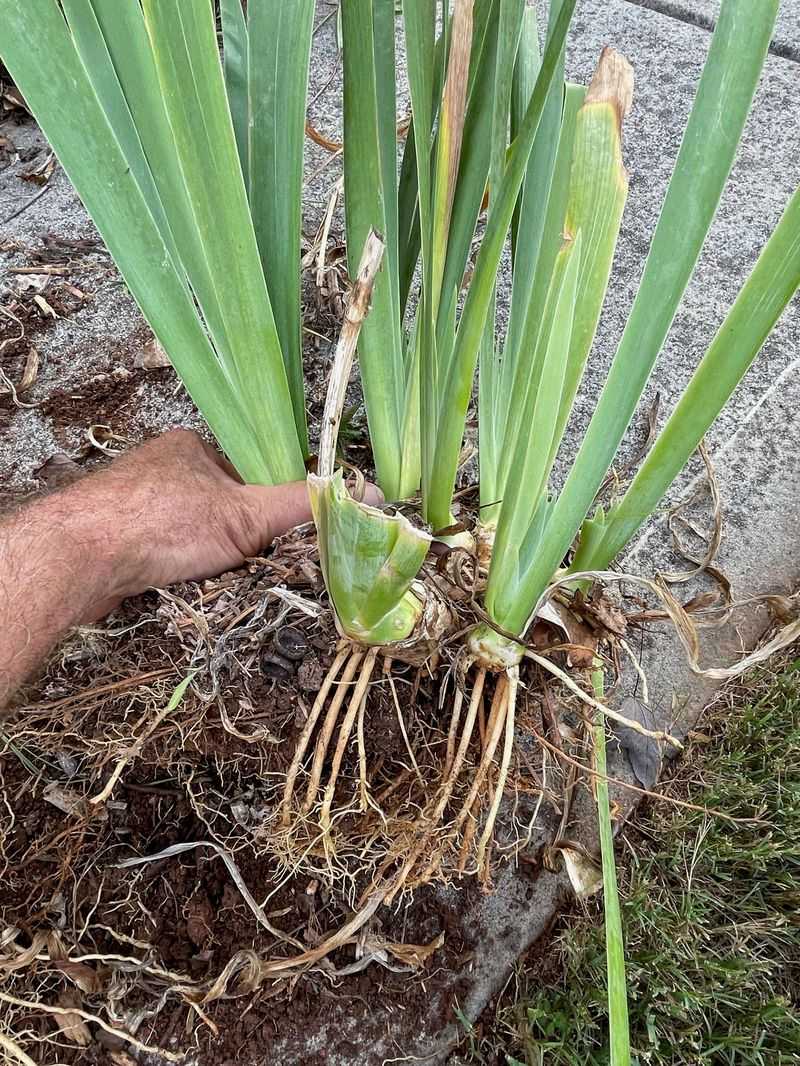
Bearded iris puts on a stunning show in Arizona during spring, but once those purple, white, or yellow blooms fade, the plant’s crowded rhizomes deserve some attention.
Over time, iris clumps expand outward while the center becomes woody and unproductive.
Gardeners often notice fewer blooms and more leaf-tip browning when a clump has gone too long without division. Tackling this task right after the blooming period ends makes good use of the plant’s natural growth cycle.
Lifting the clump with a garden fork and separating the healthiest outer rhizomes from the older, woody center is the standard approach. Each division should have a firm rhizome, healthy roots, and a fan of trimmed foliage.
Replanting the divisions so the top of the rhizome sits just at or slightly above the soil surface is important, since iris rhizomes need some sun exposure to bloom well.
Arizona’s dry climate can actually work in favor of iris after division, since the soil drains quickly and reduces the risk of rhizome rot. Water the new divisions gently but avoid overwatering during the establishment phase.
Giving divided iris plants some afternoon shade in the first few weeks can reduce stress as the summer heat gradually builds toward its peak.
5. Amaryllis Clumps Need Room To Grow
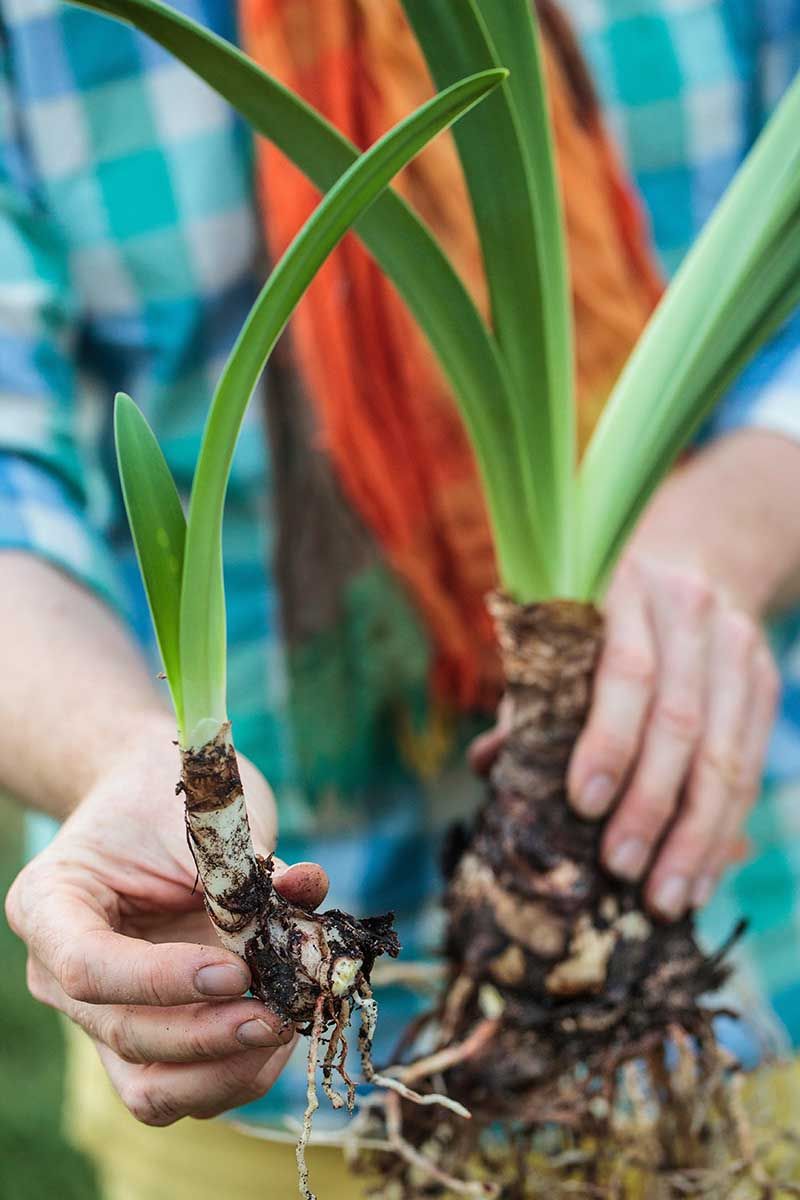
Amaryllis grown in Arizona gardens can produce impressive bulb offsets over the years, slowly building into dense clumps that start to feel the squeeze.
When the bulbs are packed too tightly together, the blooms often become smaller and less frequent, and the foliage may look pale or stressed even with regular watering.
Spring, before the hottest months arrive, offers a reasonable opportunity to gently lift and separate those crowded bulbs.
Carefully digging around the clump to avoid damaging the bulbs, then working the offsets free from the parent bulb, is a patient process but well worth the effort.
Each offset with a healthy root system can be replanted at the right depth, typically with the neck of the bulb just above the soil line, in a spot that receives morning sun and some afternoon relief from intense heat.
Amaryllis divisions may take a full growing season to settle before producing blooms, so patience matters here. Watering consistently but not excessively helps the roots establish without sitting in soggy soil.
In Arizona, adding a light layer of mulch around the planting area can moderate soil temperature and help retain just enough moisture to support root development as warmer months approach.
6. Calla Lilies Benefit From Gentle Separation
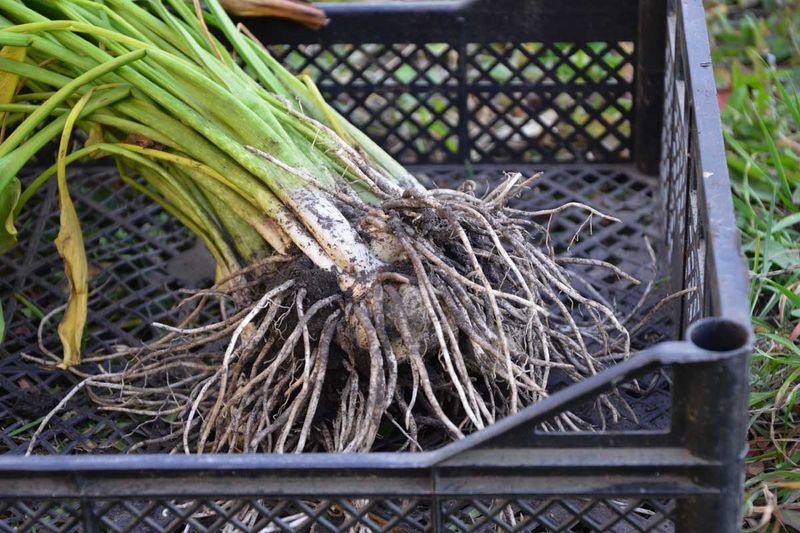
Calla lilies have a quiet elegance that makes them a favorite in Arizona gardens, especially in shaded borders or near water features where the soil stays a bit cooler.
Over several growing seasons, calla rhizomes multiply and the clump gradually becomes congested, which can reduce the number of those graceful, funnel-shaped blooms.
Spring division, done with care before summer heat intensifies, helps refresh these plants and encourages better flowering in the seasons ahead.
Digging up a calla clump requires a gentle touch since the rhizomes are somewhat fragile and can bruise easily.
Once the clump is lifted, individual rhizomes can be separated by hand or with a clean knife, making sure each piece has at least one growing bud.
Replanting in a spot with rich, well-amended soil and reliable moisture, but without standing water, gives the divisions the best start.
Calla lilies appreciate some afternoon shade, especially during the transition period after division when roots are still getting established. Regular watering in the first few weeks is important, and a light application of balanced fertilizer can support early growth.
Watching for new leaf emergence is a good sign that the rhizomes have taken hold and are adjusting well to their new location.
7. Ornamental Grasses Recover Best Before Heat
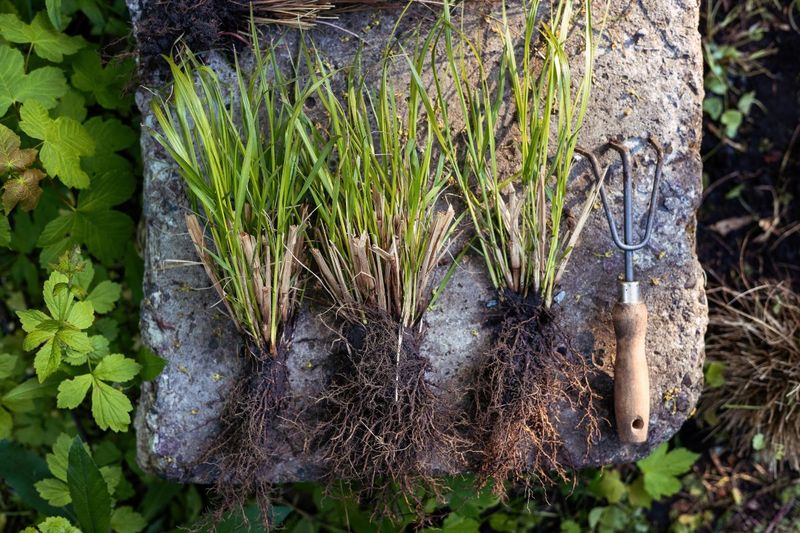
Ornamental grasses add texture and movement to Arizona landscapes, but after a few years of growth, many varieties develop a thick, dense crown that starts to look ragged in the center.
The outer edges of the clump remain vigorous while the middle thins out, leaving an uneven, ring-like appearance.
Dividing the clump in spring, before summer heat arrives, gives the separated sections time to root in and recover before conditions become more demanding.
The process of dividing ornamental grasses can take some physical effort since established root masses are often tightly bound. A sharp spade or pruning saw may be needed to cut through the crown and separate it into manageable sections.
Each division should include healthy roots and several strong growing points to ensure recovery. Cutting the foliage back before replanting reduces stress on the roots as they establish.
Summers can be hard on newly planted material, so timing the division for late winter through mid-spring gives the best chance of success.
Planting divisions in well-draining soil and providing consistent moisture during the first month or so supports root development.
Once ornamental grasses settle in and begin pushing new growth, they tend to be fairly heat-resilient and can handle Arizona’s intense summer conditions with reasonable irrigation.
8. Crowded Ground Covers Need Early Thinning
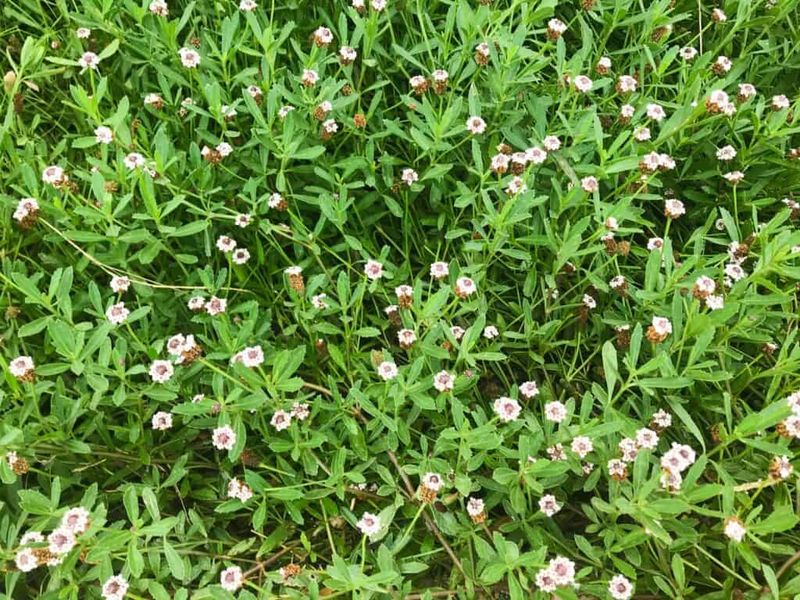
Ground covers in Arizona gardens like trailing lantana, frogfruit, creeping germander, pink fairy duster, prostrate rosemary, Damianita, and dwarf verbena do exactly what they are designed to do, spreading steadily to fill open spaces and soften bare soil.
The challenge comes when those plantings become overcrowded, start creeping into walkways, or grow so dense that airflow and healthy new growth begin to decline.
In Arizona’s warm climate, many ground covers spread quickly through spring, which makes late spring a useful time for thinning and dividing before intense summer heat settles over the garden.
Pulling back sections of the planting and cutting or lifting rooted portions along the outer edges gives gardeners healthy divisions that can be transplanted into bare spots elsewhere in the yard.
Removing older, congested growth from the center of the planting helps encourage fresher growth and improves the overall appearance of the bed.
Mixing compost into exposed soil can help improve moisture retention around new divisions while they establish.
Newly transplanted ground covers usually benefit from more frequent watering during the first few weeks, especially as Arizona afternoons become hotter and drier.
Keeping the soil evenly moist without making it soggy supports root development and helps the plants settle in more comfortably before peak summer temperatures arrive.