Why North Carolina Hydrangeas Leaf Out In April But Still Do Not Set Buds
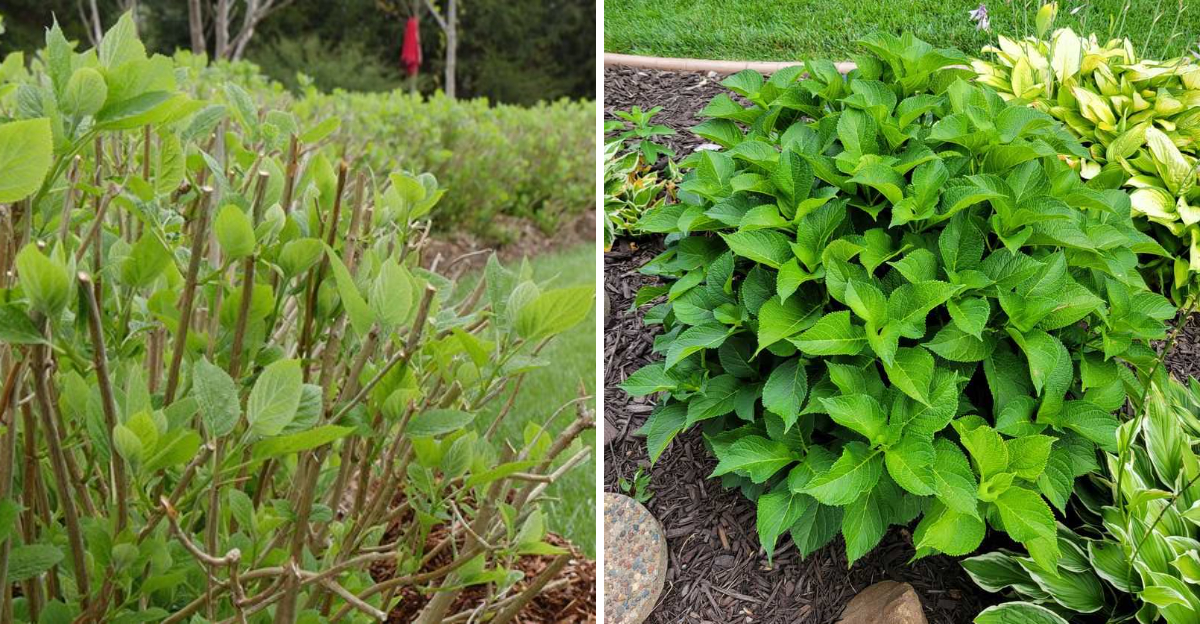
In many North Carolina gardens, hydrangeas start leafing out in April, filling in with fresh green growth that signals the start of a new season. At first glance, everything looks right on track.
But as the weeks go by, some gardeners begin to notice something missing. The leaves are there, but the buds that lead to those colorful blooms are nowhere to be seen.
This can be confusing, especially when the plant looks healthy and full. The reason often comes down to what happened earlier, not what you see now.
Late cold snaps, pruning at the wrong time, or natural growth habits can all affect whether buds form. In a state with shifting spring weather, timing plays a bigger role than many people realize.
Once you understand why your hydrangeas are growing leaves but not setting buds, you can make small changes that help bring those blooms back in future seasons.
1. Late Spring Frost Damages Developing Flower Buds
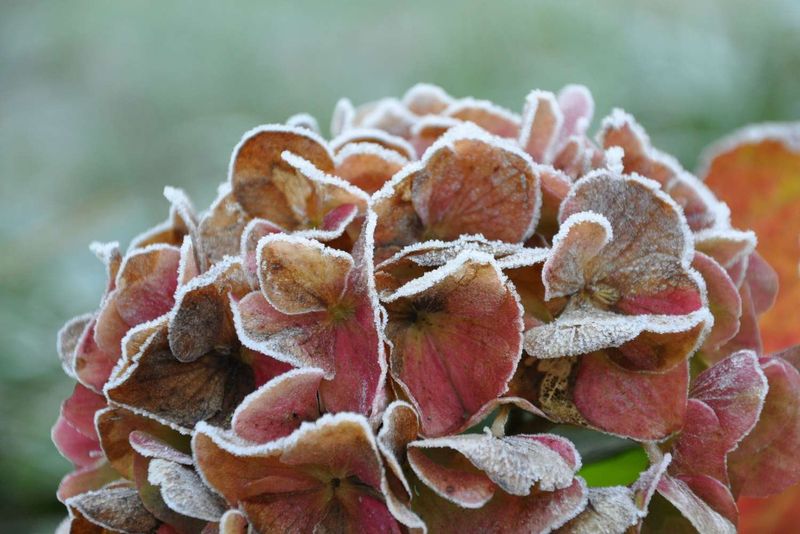
A sneaky April frost can quietly ruin what looked like a perfect bloom season before it ever begins. Hydrangeas in North Carolina, especially across the Piedmont and Coastal Plain regions, warm up fast in early spring.
That warmth signals bigleaf hydrangeas like Hydrangea macrophylla to start swelling their buds early, often before the last frost date has safely passed.
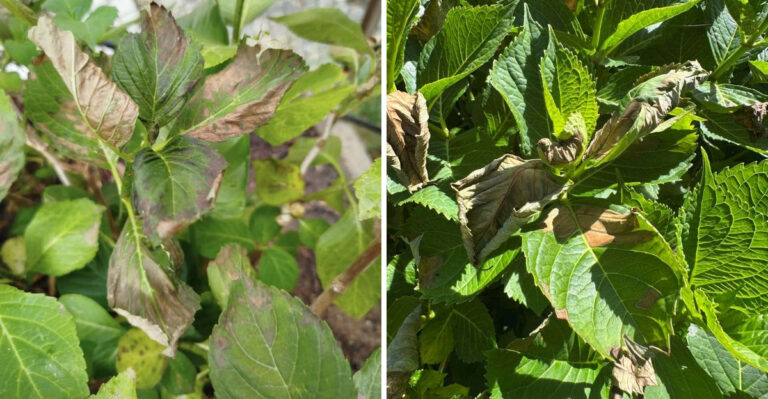
The tricky part is that frost tends to harm tender flower buds while leaving the leaves completely untouched. So your plant looks healthy and full of green, but the buds were quietly damaged during that one cold night in early April.
Many gardeners in North Carolina are surprised to learn that a single night below 32 degrees Fahrenheit can wipe out an entire season of blooms without leaving any obvious visible clues.
Protecting your plants is easier than most people think. Cover them with frost cloth or old bed sheets on any night where temperatures are expected to drop below 35 degrees Fahrenheit.
Planting your hydrangeas near a south-facing wall or fence also adds natural warmth and wind protection.
Morning sun exposure with some afternoon shade works beautifully across North Carolina gardens, helping buds develop without exposing them to harsh overnight temperature swings that interrupt healthy flower formation.
2. Pruning At The Wrong Time Removes Next Year’s Buds
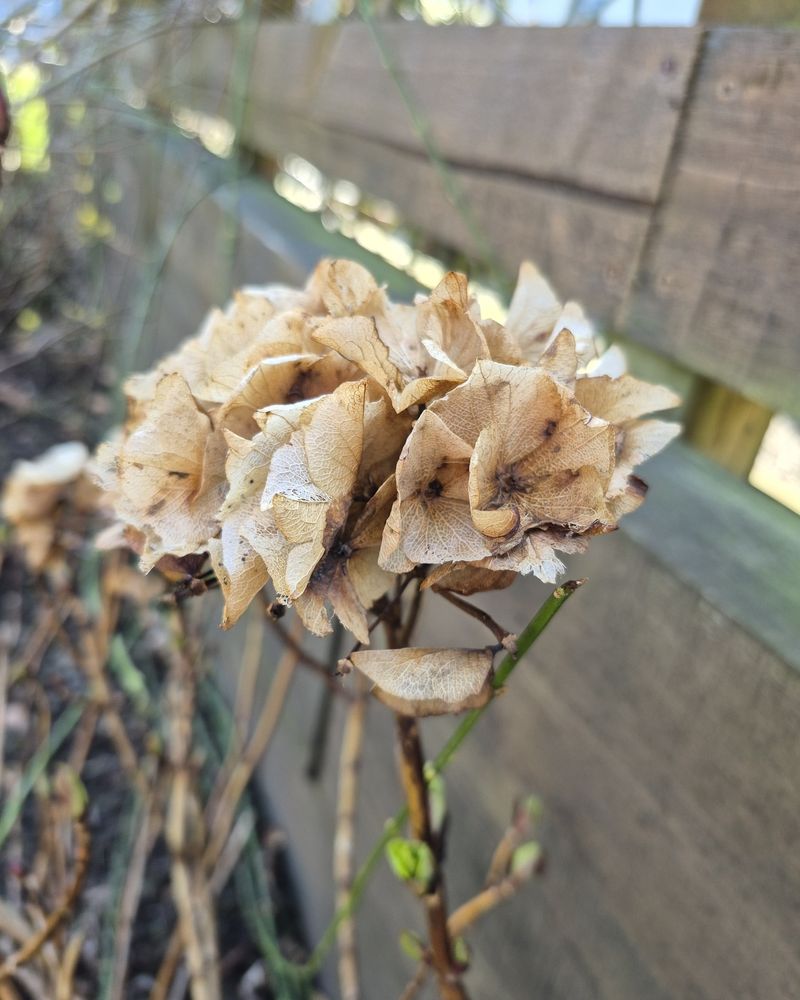
Grab your pruning shears at the wrong time of year, and you could accidentally cut away every single bud your hydrangea worked all summer to produce.
This is one of the most common reasons North Carolina gardeners end up with gorgeous leafy shrubs that simply refuse to bloom.
Hydrangea macrophylla and Hydrangea quercifolia both bloom on old wood, which means the flower buds formed during the previous summer are sitting on last year’s stems.
When you prune in late fall, winter, or early spring, those precious buds go straight into the yard waste bin. The plant then leafs out normally in April because leaves grow from new growth, not old wood.
Everything looks fine on the surface, but the blooms were already removed months before spring even arrived.
Your North Carolina Garden Changes Every Week. Your Plan Should Too.
Gardening in North Carolina changes quickly throughout the season. Every Friday you’ll receive a simple weekly plan showing exactly what to plant, prune, fertilize, harvest, and protect so you never miss the right timing.
Timing your pruning correctly makes a huge difference across every part of North Carolina. Wait until your hydrangea finishes flowering in early to midsummer, then prune within about four to six weeks after the last bloom fades.
This gives the plant enough time to form new buds before fall arrives. A light cleanup to remove crossing branches and spent flower heads is all most hydrangeas ever truly need, so avoid heavy cutting unless absolutely necessary to keep your blooms coming back reliably each year.
3. Warm Spells Followed By Cold Snaps Interrupt Bud Formation
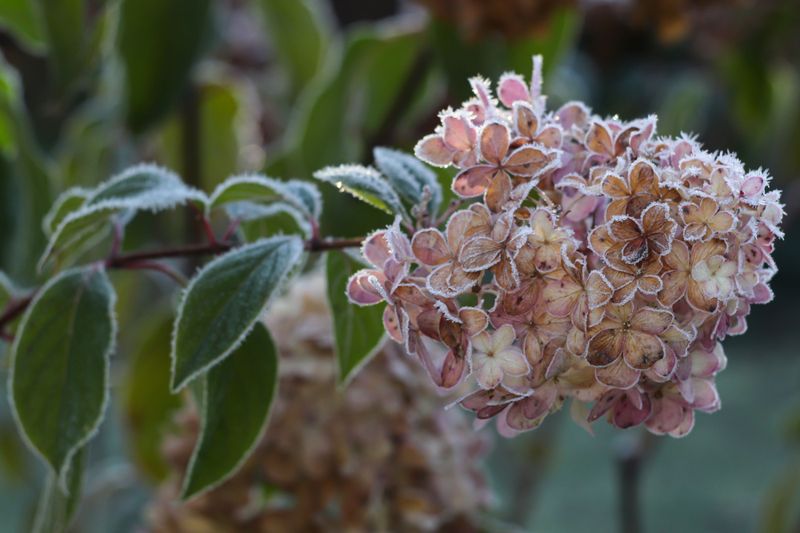
North Carolina springs can feel like two seasons packed into one month. Warm, sunny days in late March or early April push hydrangeas out of dormancy quickly, triggering leaf growth before conditions are truly stable.
Then a cold snap rolls back through the Piedmont or mountain regions, and the developing flower buds take the hit while the tougher leaves survive just fine.
This cycle of warm-then-cold is especially unpredictable in central North Carolina, where temperatures can swing dramatically within a single week.
Hydrangea buds are far more sensitive to cold than the foliage, so even a brief return to freezing temperatures can stress or damage bud tissue enough to prevent blooming entirely for that season.
The plant simply redirects its energy toward recovery rather than flower production.
Choosing a slightly shaded planting spot can actually work in your favor here. A location that gets morning sun but stays a bit cooler in the afternoons slows early spring growth just enough to protect emerging buds from those late cold surprises.
Adding two to three inches of pine bark mulch around the base of your hydrangea also helps moderate soil temperature and keeps root systems more stable during these wild North Carolina spring temperature swings, giving your plants a much better shot at setting strong, healthy buds.
4. Too Much Shade Prevents Buds From Forming
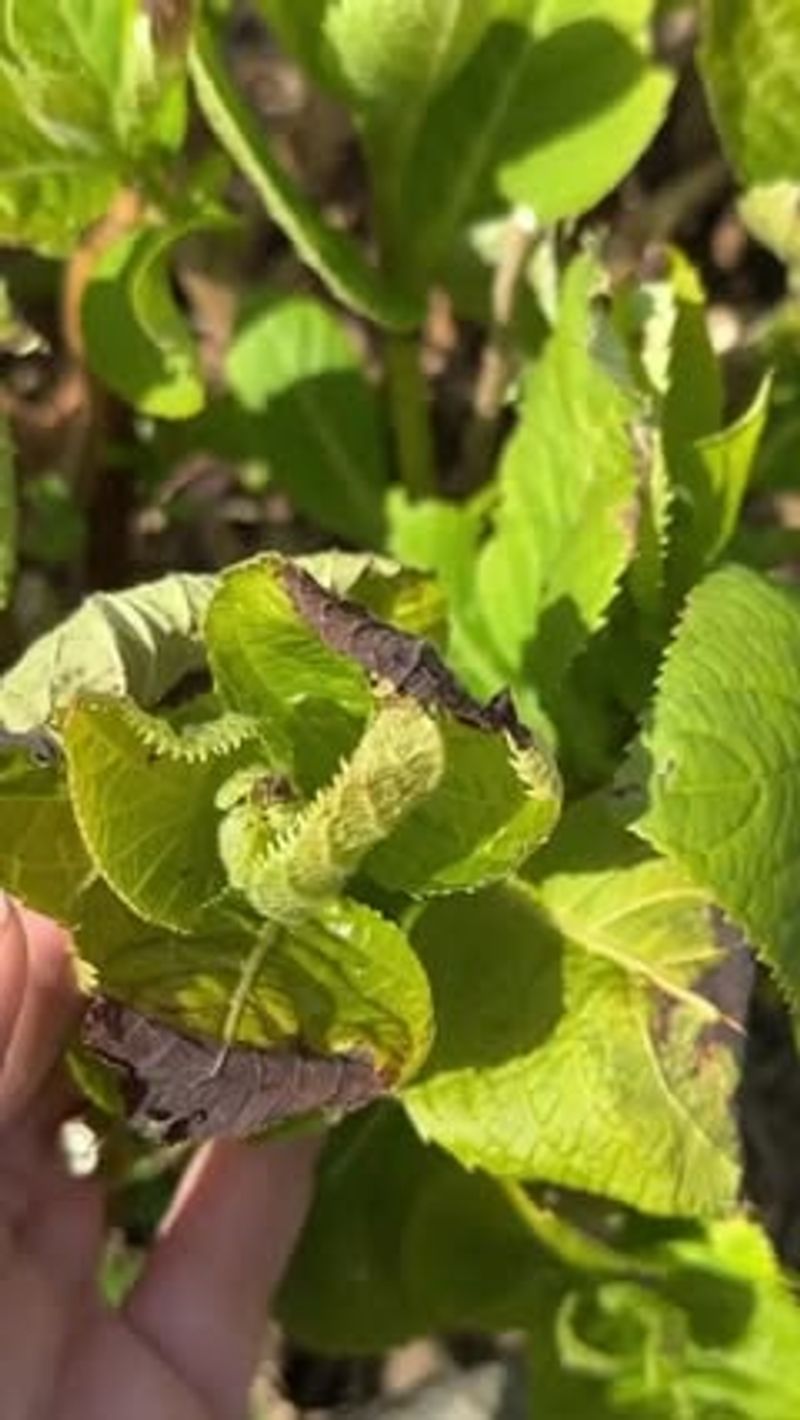
Shade is not always a hydrangea’s best friend, even though many gardeners assume these plants love low-light spots. Across the North Carolina Mountains, mature oaks, maples, and hickories create deep canopy shade that can completely shut down bud production.
Your hydrangea may look absolutely stunning with rich, dark green foliage while producing zero flowers season after season.
Plants need light energy to trigger the hormonal signals that lead to bud formation. Without enough sunlight, the plant keeps pushing out leaves because it is focused entirely on capturing whatever light it can find.
Three to five hours of direct morning sun is the sweet spot for most hydrangea varieties grown across North Carolina, giving them enough energy for both healthy foliage and reliable bloom production without the stress of harsh afternoon heat.
If your hydrangea sits under a dense tree canopy, consider selectively thinning a few overhead branches to let more light filter through. Transplanting to a brighter location during fall is another solid option if the shade situation cannot be improved.
Even moving the plant ten to fifteen feet toward a sunnier area of your yard can completely transform its blooming performance.
Many North Carolina gardeners are amazed at how quickly their previously flowerless hydrangeas respond once they receive adequate morning sunlight throughout the growing season each year.
5. Excess Nitrogen Fertilizer Pushes Leaves Instead Of Blooms
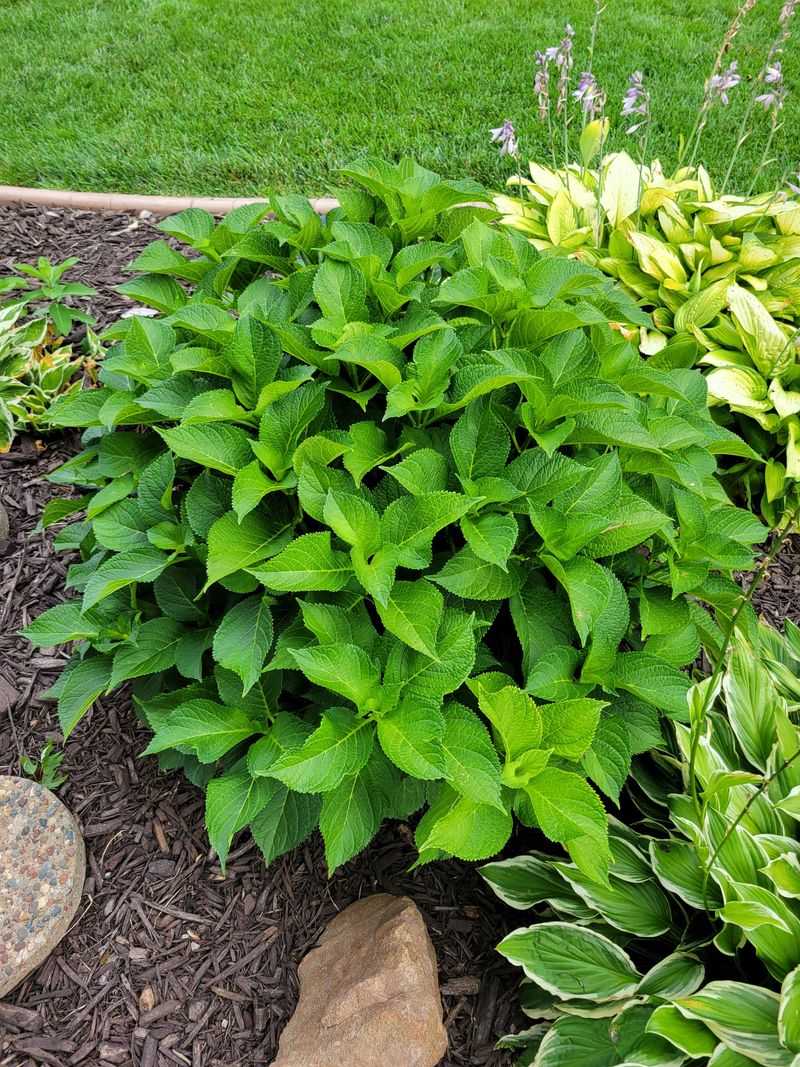
Picture a hydrangea that looks almost too healthy, with enormous deep green leaves and thick stems but absolutely no sign of a flower bud anywhere.
That is often the result of too much nitrogen fertilizer, a surprisingly common problem in North Carolina gardens where clay-heavy soils and enthusiastic feeding schedules collide.
Nitrogen is the nutrient that drives leafy, green growth, and when there is too much of it, flowering takes a back seat entirely.
Lawn fertilizers are a sneaky culprit here. If your hydrangeas are planted near a lawn that gets regular high-nitrogen feeding, runoff and root uptake can push those same nutrients directly into your hydrangea’s root zone.
The plant responds exactly as it is programmed to do, producing more leaves and stems rather than channeling energy into bud development.
Switch to a balanced fertilizer like a 10-10-10 formula in early spring, applied just once at the recommended rate on the package label. Some gardeners in North Carolina prefer a low-nitrogen or bloom-boosting fertilizer with higher phosphorus content, which actively encourages flower production.
Avoid fertilizing after midsummer, since late feeding can push new tender growth that gets damaged by early fall cold snaps. Simple adjustments to your fertilizer routine can bring blooms back surprisingly fast in the following season.
6. Drought Stress The Summer Before Prevents Bud Formation
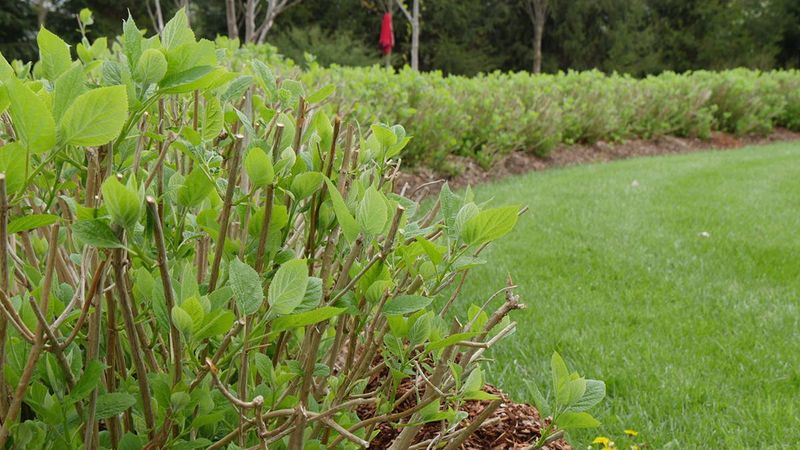
Most people think about bloom problems in spring, but the real story often starts the summer before. Hydrangeas set their flower buds for next year during mid-to-late summer, and that process requires consistent moisture throughout the entire season.
In the hot, dry summers that hit North Carolina’s Coastal Plain hard, a plant that misses regular watering during July and August may simply skip bud formation altogether, even if it looks perfectly healthy the following April.
Drought stress forces hydrangeas to conserve energy and water by prioritizing survival over reproduction. The leaves stay green and the plant holds on just fine, but the internal signal to form flower buds never fires.
Come spring, that same plant leafs out beautifully while producing no blooms, leaving gardeners confused about what went wrong during an otherwise normal-looking growing season.
Deep, consistent watering is the best protection against this problem. Aim for one to two inches of water per week during summer, either from rainfall or supplemental irrigation.
Applying two to three inches of pine bark mulch around the base of each plant helps the soil hold moisture much longer between waterings, which is especially important in the fast-draining sandy soils common across eastern North Carolina.
A simple soaker hose set on a timer makes this routine nearly effortless throughout the summer months.
7. Poor Drainage In Clay Soil Limits Root Health
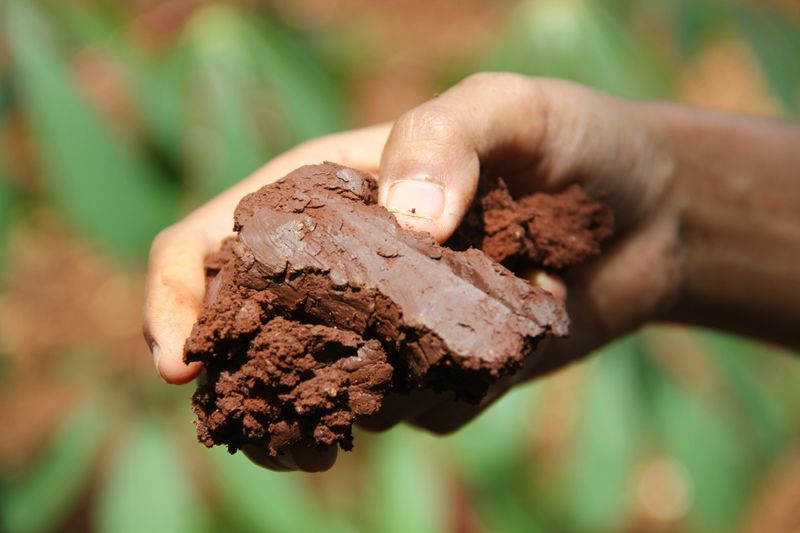
Clay soil is one of the most common gardening challenges across the North Carolina Piedmont, and it creates a sneaky problem for hydrangeas that many people never connect to their missing blooms.
Heavy clay holds water like a sponge after rain, which cuts off oxygen to the root zone and slowly weakens the plant from the ground up.
A hydrangea with stressed, oxygen-deprived roots can still push out leaves in April, but it rarely has the root strength needed to support full bud development.
Roots need both moisture and air to function properly. When soil stays waterlogged for days after a rainstorm, roots begin to struggle and the plant focuses all available energy on basic survival rather than flowering.
Over time, root health declines quietly while the above-ground portion of the plant continues looking reasonably normal, making this issue easy to overlook until bloom season comes and goes without a single flower.
Improving drainage before planting makes a major difference. Work generous amounts of compost and pine bark fines into the planting area to break up clay and improve soil structure.
Planting your hydrangea slightly above the surrounding grade, about two to four inches higher, helps water drain away from the root zone after heavy rain.
Raised beds are another excellent option for North Carolina gardeners dealing with especially stubborn clay soil that simply refuses to drain well on its own.
8. Young Or Recently Planted Shrubs Focus On Roots First
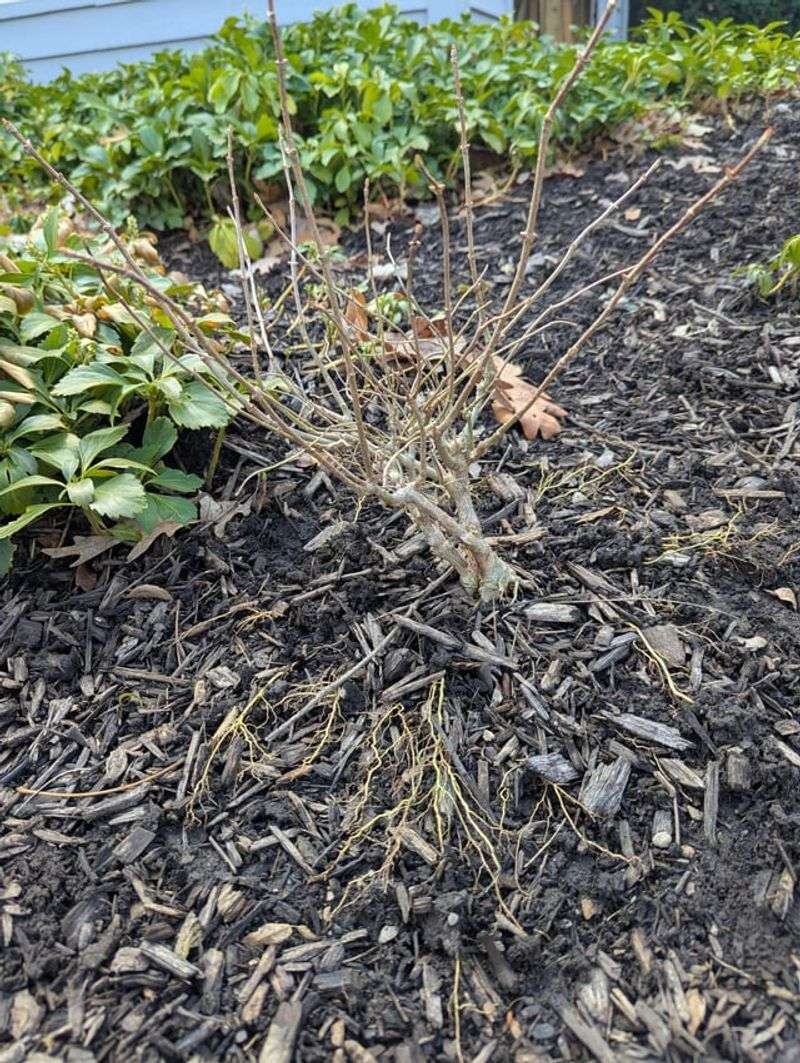
Brand new hydrangeas have a priority list, and blooming is not at the top of it. A freshly planted shrub spends its first season or two putting nearly all of its energy into building a strong, deep root system that can support long-term growth.
North Carolina’s long, warm growing season actually encourages fast leaf development, which can make a young plant look mature and ready to bloom well before it truly is.
Many gardeners in North Carolina plant a new hydrangea in spring, watch it leaf out vigorously through April and May, and then feel disappointed when no buds ever appear. This is completely normal plant behavior, not a sign that something went wrong.
The root system simply needs time to establish itself before the plant can reliably direct energy toward flower production season after season.
Patience combined with good care is the best approach during those first one to two years. Water consistently, apply a two-to-three-inch layer of mulch to protect developing roots, and avoid heavy fertilization that pushes too much top growth before the roots are ready to support it.
Skip pruning entirely during the first year or two to avoid unnecessary stress. Most hydrangeas planted in North Carolina gardens reward patient gardeners with generous blooms starting in their second or third growing season once their roots are well established and thriving.
9. Wrong Hydrangea Variety For Your North Carolina Region
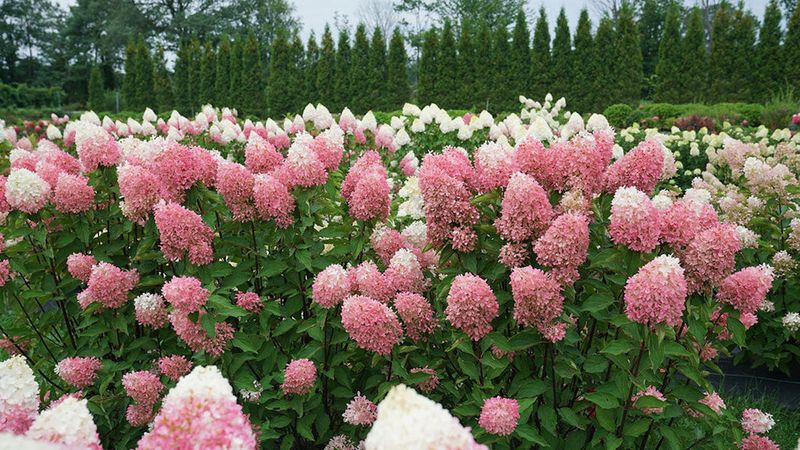
Not every hydrangea variety is built to handle all corners of North Carolina equally well, and choosing the wrong type for your specific region is a surprisingly common reason for missing blooms.
The state spans a remarkable range of climates, from the cool, frost-prone mountain elevations in the west to the hot, humid coastal zones in the east. A variety that thrives beautifully in Asheville may struggle badly in Wilmington, and vice versa.
Hydrangea macrophylla varieties, the classic bigleaf types with big colorful mophead or lacecap blooms, are especially tricky across North Carolina because they bloom on old wood and are highly sensitive to late frosts and temperature extremes.
In colder mountain areas, bud damage is a constant risk. In hotter coastal zones, summer heat stress can prevent bud formation even when watering is consistent and conditions otherwise seem ideal.
Choosing varieties that bloom on new wood removes most of these regional headaches entirely. Hydrangea arborescens, commonly called smooth hydrangea, and Hydrangea paniculata, known as panicle hydrangea, both produce buds on current-season growth every year.
Late frosts and winter cold cannot touch their buds because those buds have not formed yet when cold weather strikes.
Both types perform reliably across nearly every region of North Carolina, making them smart, low-stress choices for gardeners who want dependable blooms without the guesswork.