These Are The North Carolina Plants That Keep Mosquitoes Away From Patios All Summer
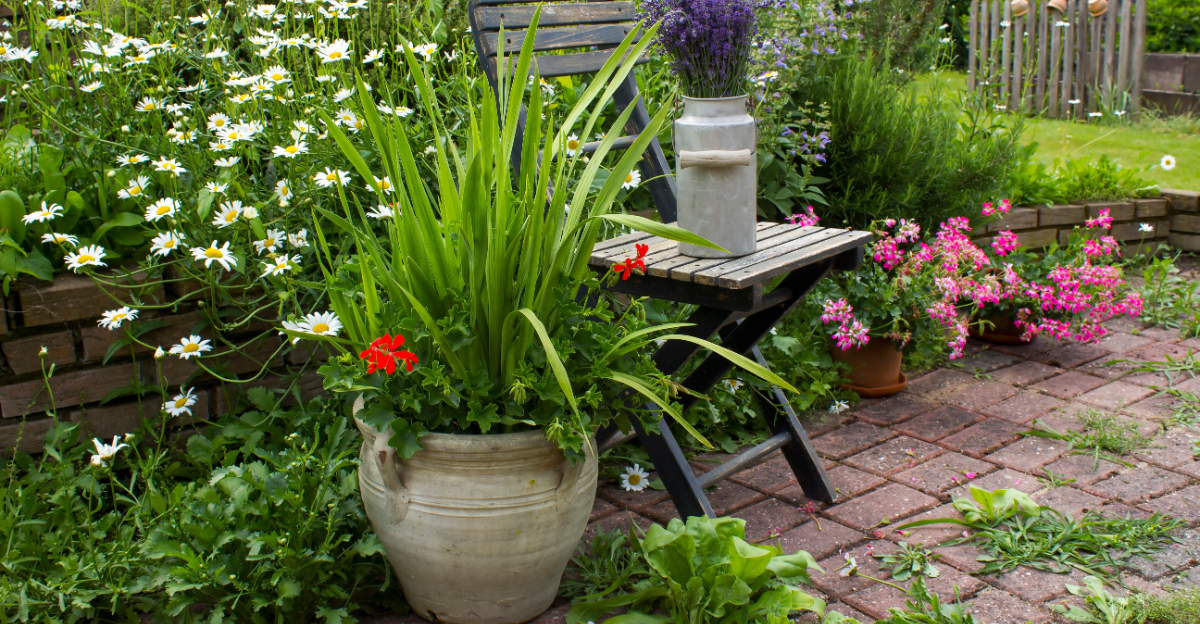
A summer evening on a North Carolina patio should be one of the better parts of living here. Mosquitoes have a habit of disagreeing.
Sprays work for a short while. Citronella candles help within a narrow radius. Torches are mostly there for the atmosphere. What actually changes the situation is what you grow around the space.
Certain plants release compounds that mosquitoes genuinely avoid, and they do it all season without any effort on your part. Some are attractive enough to anchor an entire planting bed.
Some can go straight from the garden into the kitchen. All of them share one quality that a bottle of repellent never will.
They keep working when you stop paying attention, which is exactly when mosquitoes tend to show up.
1. Lemongrass
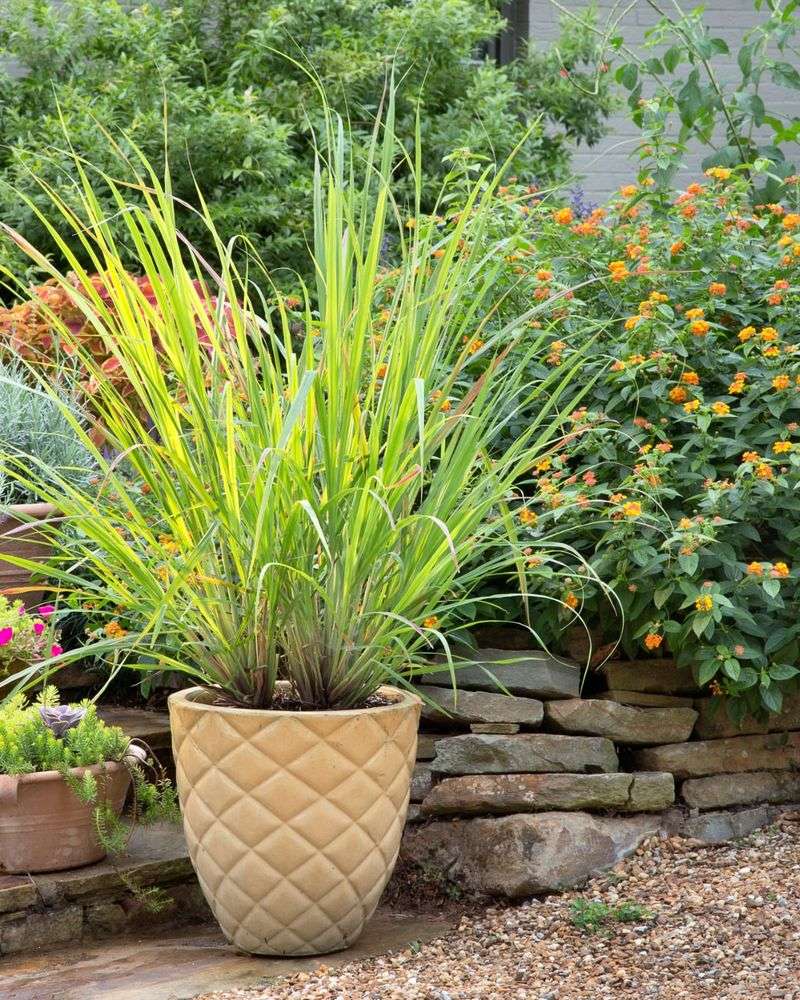
Few plants bring that instantly refreshing citrus scent to a patio quite like Lemongrass.
Scientifically known as Cymbopogon citratus, this towering, grass-like plant can grow four to six feet tall in a single warm season, making it a real showstopper in any container garden.
When you brush against the long, arching leaves or crush them between your fingers, that bold lemon fragrance releases immediately, filling the air around your seating area with something truly pleasant.
Growing Lemongrass successfully in North Carolina means giving it full sun for at least six to eight hours daily and keeping the soil consistently moist but never waterlogged.
Good drainage is critical, especially in containers, where a mix of quality potting soil and a well-draining base works perfectly.
Regular watering during hot, dry spells keeps the foliage lush and prevents the tips from browning.
One thing worth knowing upfront is that simply planting Lemongrass near your patio will not reliably send mosquitoes packing. The fragrance needs to be actively released by touching or cutting the leaves to have any noticeable effect in the immediate area.
In North Carolina, Lemongrass is not cold-hardy outside of the coast, so most gardeners treat it as a warm-season annual or bring containers indoors before the first frost arrives in fall.
2. Citronella Geranium
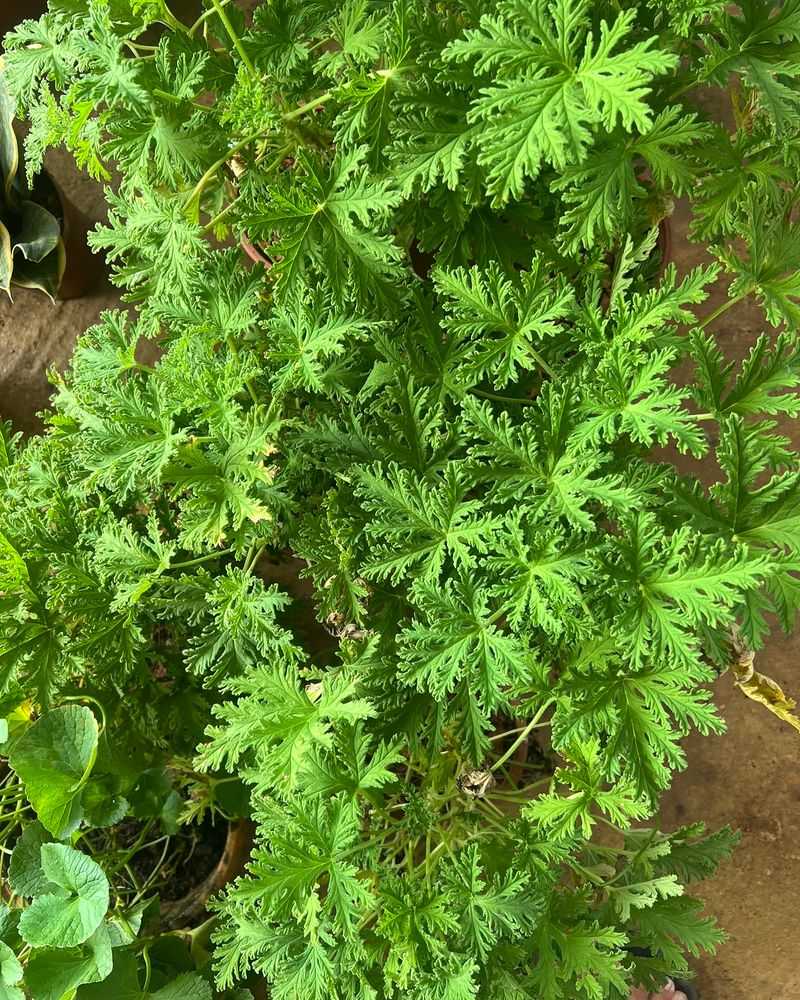
Walk past a Citronella Geranium on a warm afternoon and give one of its ruffled leaves a gentle squeeze. That unexpected burst of citrusy, rose-tinged fragrance is exactly why this plant has become such a popular patio addition across North Carolina.
Sold under the name Pelargonium ‘Citrosum,’ this fragrant geranium is often marketed as a mosquito-chasing plant, and while it certainly smells wonderful, the reality is a bit more nuanced than the label suggests.
The fragrance from Citronella Geranium is genuinely noticeable when leaves are touched or brushed, making it a pleasant sensory addition near seating areas and walkways.
However, studies show it is far less effective than approved mosquito repellents or products made from concentrated citronella oil.
Think of it more as a beautiful, sweet-smelling container plant that adds ambiance rather than a reliable line of defense against biting insects.
For gardeners, this plant thrives in full sun to partial shade with well-draining soil and consistent moisture. Avoid overwatering, which can cause root problems quickly in humid summer conditions.
Your North Carolina Garden Changes Every Week. Your Plan Should Too.
Gardening in North Carolina changes quickly throughout the season. Every Friday you’ll receive a simple weekly plan showing exactly what to plant, prune, fertilize, harvest, and protect so you never miss the right timing.
Regular pruning keeps the plant bushy and full, and removing spent blooms encourages fresh growth.
Because it is frost-sensitive, most gardeners either bring it indoors for winter or treat it as a seasonal annual, replacing it fresh each spring for the best results on the patio.
3. Rosemary
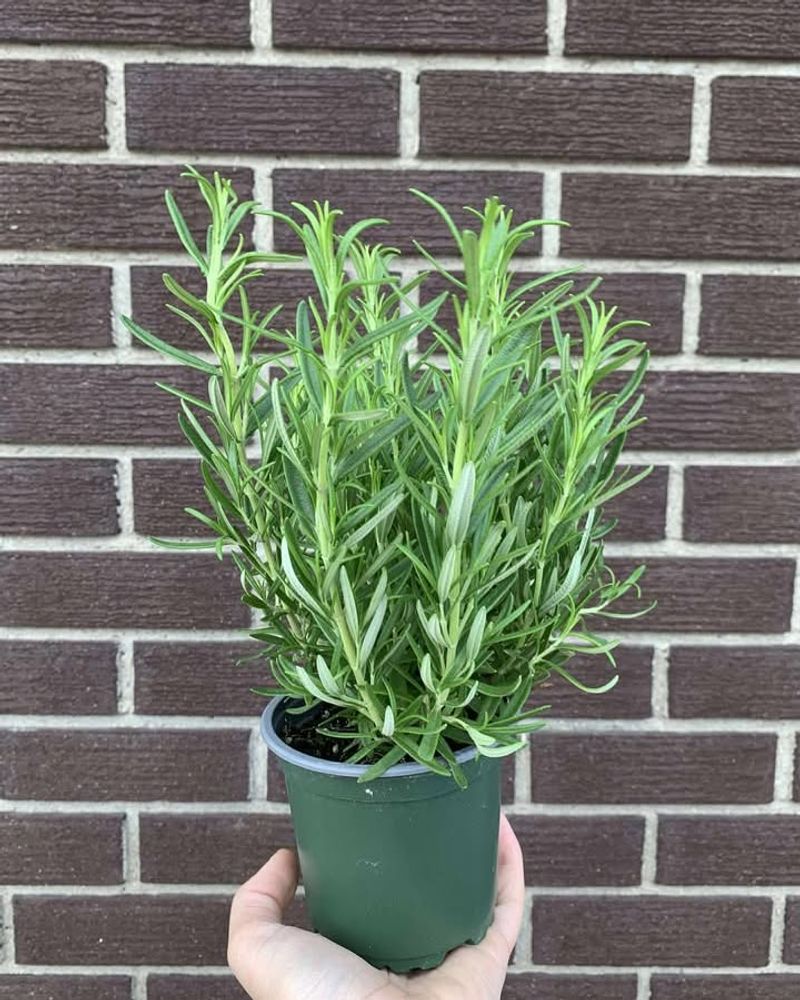
Rosemary has been a beloved herb for centuries, and once you grow it on your North Carolina patio, it is easy to understand why.
Known scientifically as Salvia rosmarinus, formerly called Rosmarinus officinalis, this woody, needle-leaved herb fills the air with a sharp, piney fragrance every time you brush against it or snip a sprig for cooking.
That bold aroma is part of what makes it such a satisfying plant to keep near an outdoor kitchen or seating area.
Rosemary absolutely loves full sun and sharp drainage. In our humid summers, poor drainage is the fastest way to lose a plant, so containers with drainage holes and a gritty, well-draining potting mix work best.
Water when the top inch of soil feels dry, and always avoid letting the roots sit in standing water. Good airflow around the plant also helps prevent fungal issues that can develop in sticky, humid conditions.
While the aromatic foliage is genuinely pleasant, Rosemary should not be counted on to control mosquitoes around your patio.
The scent is most noticeable up close, especially when the plant is disturbed. Across North Carolina, winter hardiness varies by region.
Coastal areas may see Rosemary survive outdoors, but Piedmont and mountain gardeners often bring containers inside before temperatures drop below 20 degrees Fahrenheit to protect the plant through cold months.
4. Basil
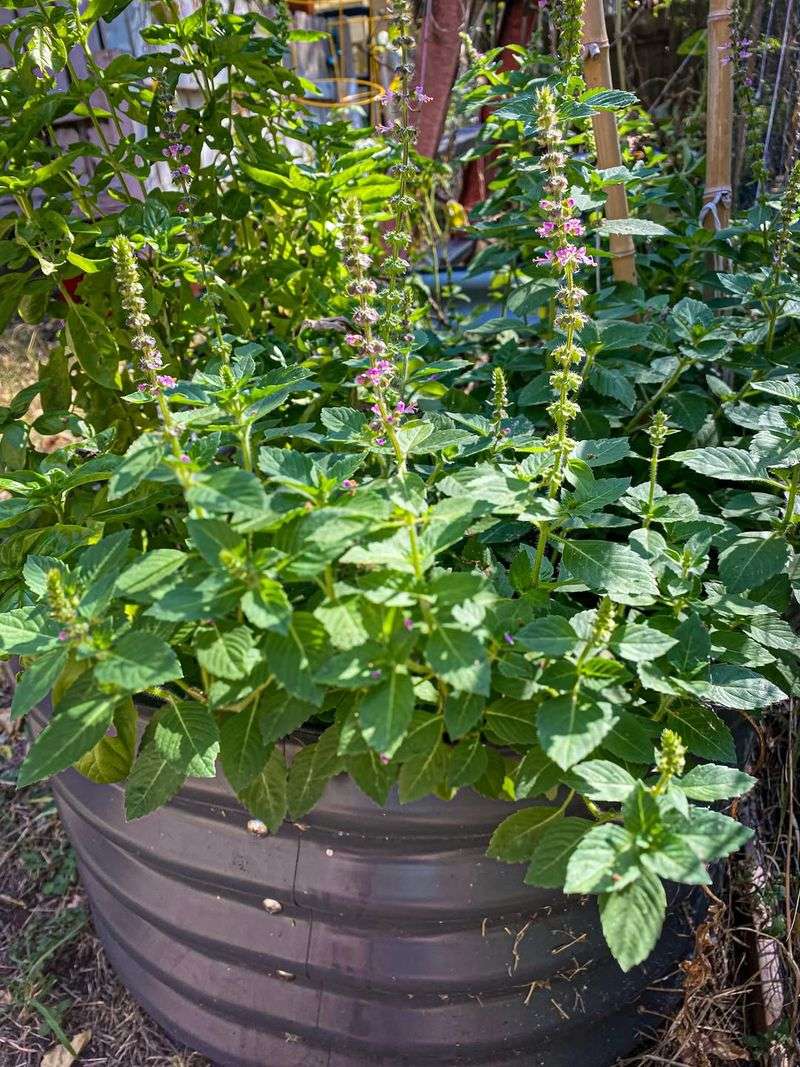
There is something almost magical about growing Basil on a summer patio. The moment you pinch a leaf, that rich, spicy-sweet fragrance floats right up to greet you, making every outdoor meal feel a little more special.
Ocimum basilicum, the botanical name for common culinary basil, is one of North Carolina’s most rewarding warm-season herbs, thriving in the region’s long, hot summers with just a bit of regular attention.
Basil needs full sun, at least six hours daily, and consistently moist but well-drained soil to perform its best. In containers near a patio or outdoor kitchen, it grows quickly and responds well to frequent harvesting.
Pinching off flower buds as soon as they appear keeps the plant focused on producing lush, flavorful leaves rather than going to seed too quickly. Good airflow between plants also reduces the risk of fungal issues in humid summer air.
One honest note for gardeners: basil’s scent is strongest when the foliage is actively brushed, harvested, or crushed. Simply having the plant nearby does not create a reliable mosquito barrier around your seating area.
The fragrance is wonderful and the fresh leaves are endlessly useful in cooking, but basil earns its place on the patio more as a productive culinary herb than as a mosquito solution. Pair it with other fragrant plants for a truly sensory outdoor garden experience.
5. Mint
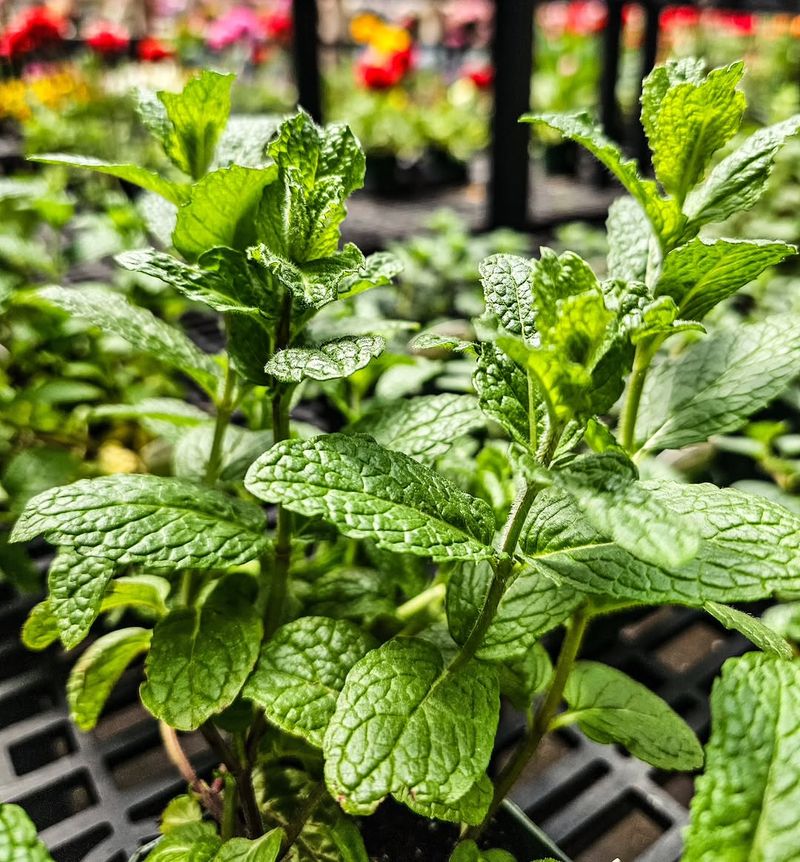
Mint is one of those plants that earns instant respect the moment you rub a leaf between your fingers. That sharp, cool, unmistakable fragrance is refreshing in a way few other garden herbs can match.
Belonging to the genus Mentha spp., mint encompasses dozens of varieties, from classic spearmint and peppermint to apple mint and chocolate mint, each with its own unique scent and flavor profile worth exploring on your patio.
Here is the most important thing to know before planting mint anywhere in your North Carolina garden: it spreads aggressively. Given open ground, mint sends out underground runners in every direction, quickly taking over beds and crowding out neighboring plants.
Containers are almost always the smarter choice, keeping this enthusiastic grower right where you want it, within easy reach for harvesting and without taking over your entire patio garden.
Mint grows well in full sun to partial shade and prefers consistently moist soil. Regular harvesting and trimming keeps the plant bushy and productive all summer long.
In our humid climate, good airflow helps prevent powdery mildew on the leaves, so avoid overcrowding pots. While the scent of mint is genuinely invigorating when leaves are handled or brushed, it should not be treated as dependable mosquito control.
Enjoy it for its fresh fragrance, culinary uses, and easy container growing rather than expecting it to protect your entire patio.
6. Lemon Balm
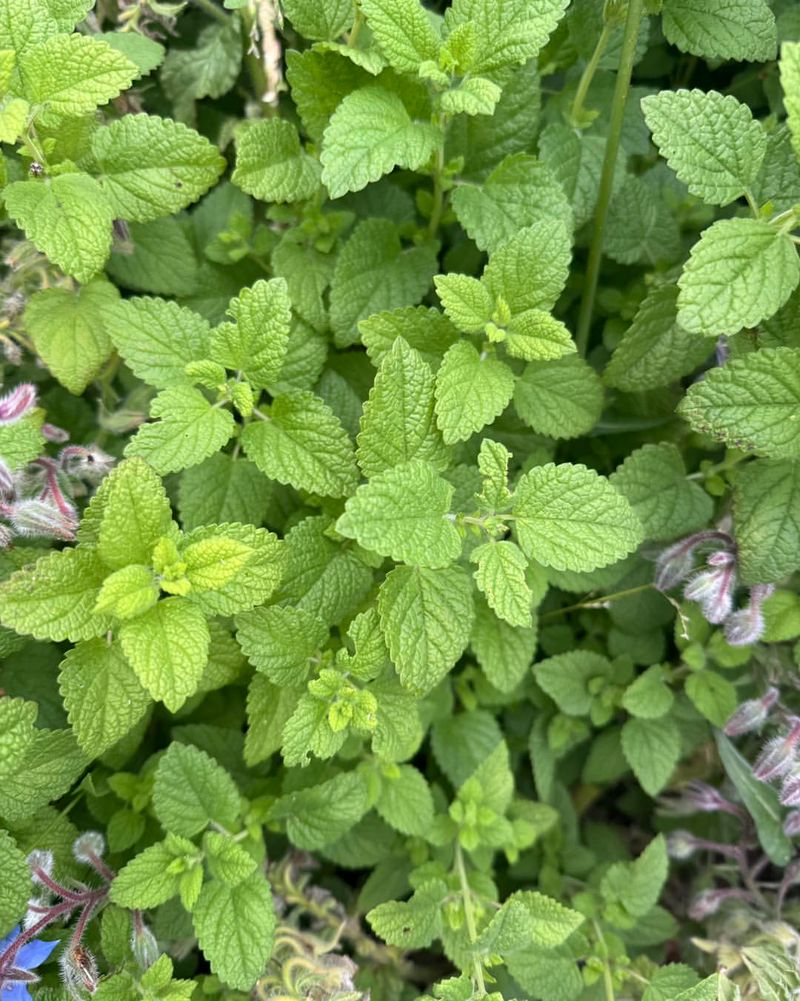
Lemon Balm is one of those quietly charming herbs that surprises you every time.
Known botanically as Melissa officinalis, this leafy, soft-textured herb releases a sweet, gentle lemon fragrance the moment you touch its crinkled leaves, making it a lovely sensory addition to any patio or garden edge.
Bees absolutely love its tiny white flowers, so keeping it around also helps support pollinators buzzing through your North Carolina garden.
Growing Lemon Balm in North Carolina is straightforward. It adapts well to full sun or partial shade, which makes it more flexible than many other herbs, especially useful for patios that only get morning light.
Keep the soil consistently moist and trim the plant regularly to prevent it from flowering too quickly. Once it flowers and sets seed, Lemon Balm reseeds enthusiastically, which can lead to unwanted seedlings popping up all over your garden beds.
For that reason, many gardeners in North Carolina prefer growing Lemon Balm in containers, which keeps reseeding under control while still allowing the plant to thrive.
The fragrant foliage is most noticeable when harvested or brushed, not when the plant simply sits undisturbed nearby.
Counting on Lemon Balm alone to keep mosquitoes away from your seating area would be an overestimate of its abilities. However, it earns a well-deserved spot on the patio for its calming fragrance, pollinator appeal, and easy, rewarding growth all summer.
7. Catmint
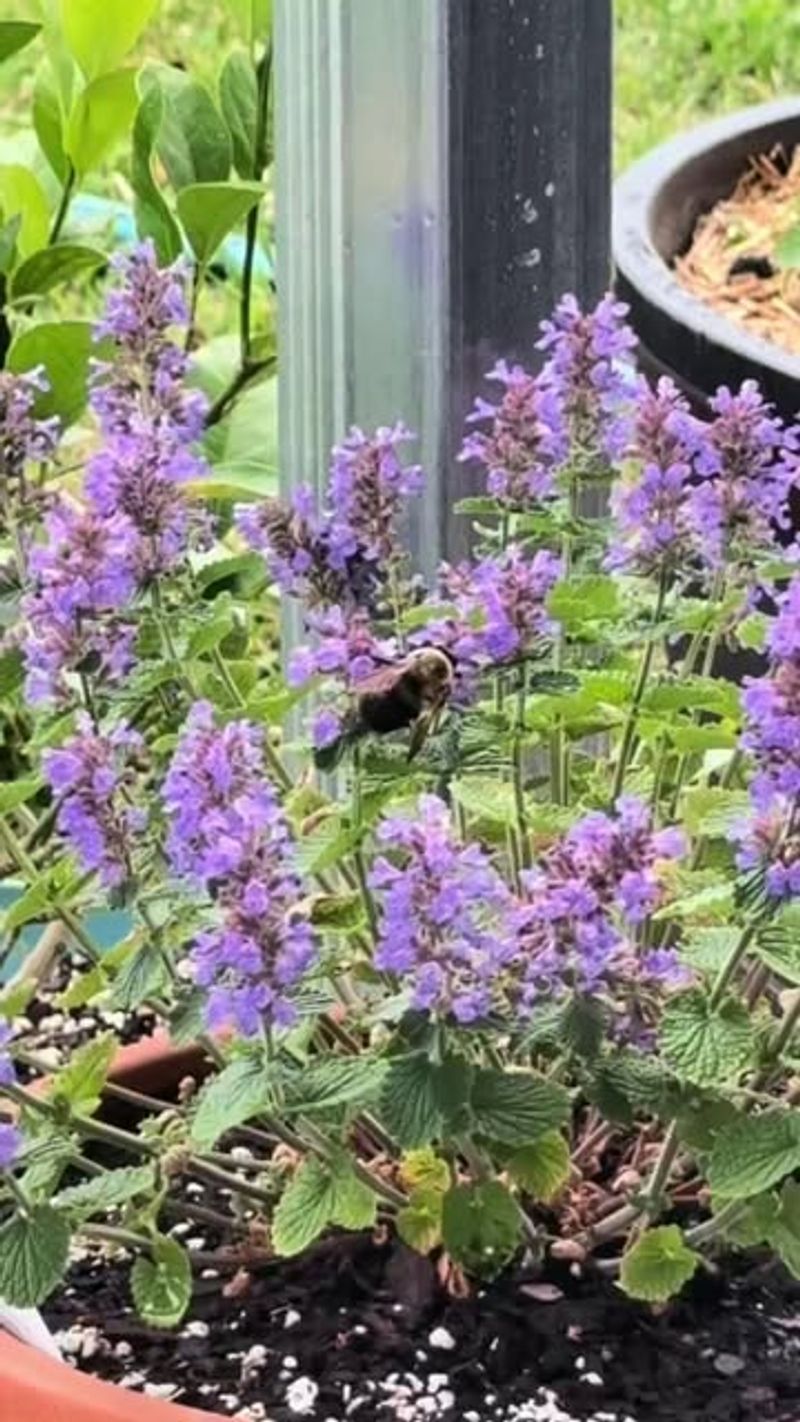
Catmint brings a soft, dreamy cloud of lavender-blue flowers to any sunny patio border, and its aromatic, gray-green foliage adds a gentle herbal fragrance that pollinators find completely irresistible.
Nepeta x faassenii is the botanical name for the most common garden variety, a compact, mounding perennial that comes back reliably each year in North Carolina’s Piedmont and coastal regions.
Watching bees and butterflies swarm around catmint in full bloom is one of summer’s most satisfying garden sights.
Full sun is where catmint truly shines. It tolerates drought reasonably well once established, making it a smart low-maintenance choice for sunny spots that tend to dry out quickly in summer heat.
Good drainage is non-negotiable, especially during North Carolina’s humid summers, when poorly drained soil can cause root rot.
Spacing plants at least 18 inches apart encourages healthy airflow and prevents the crowded, floppy growth that sometimes occurs in rich or overly moist soil.
After the first big flush of blooms fades in late spring or early summer, cutting the plant back by about one-third encourages a fresh second wave of flowers and keeps the mounding shape tidy through the rest of the season.
While catmint’s fragrance is genuinely pleasant when the foliage is handled, treating it as a mosquito-control plant would be giving it credit it has not earned.
Grow it for its beauty, pollinator value, and easy-care nature rather than expecting it to clear your patio of insects.
8. Sage
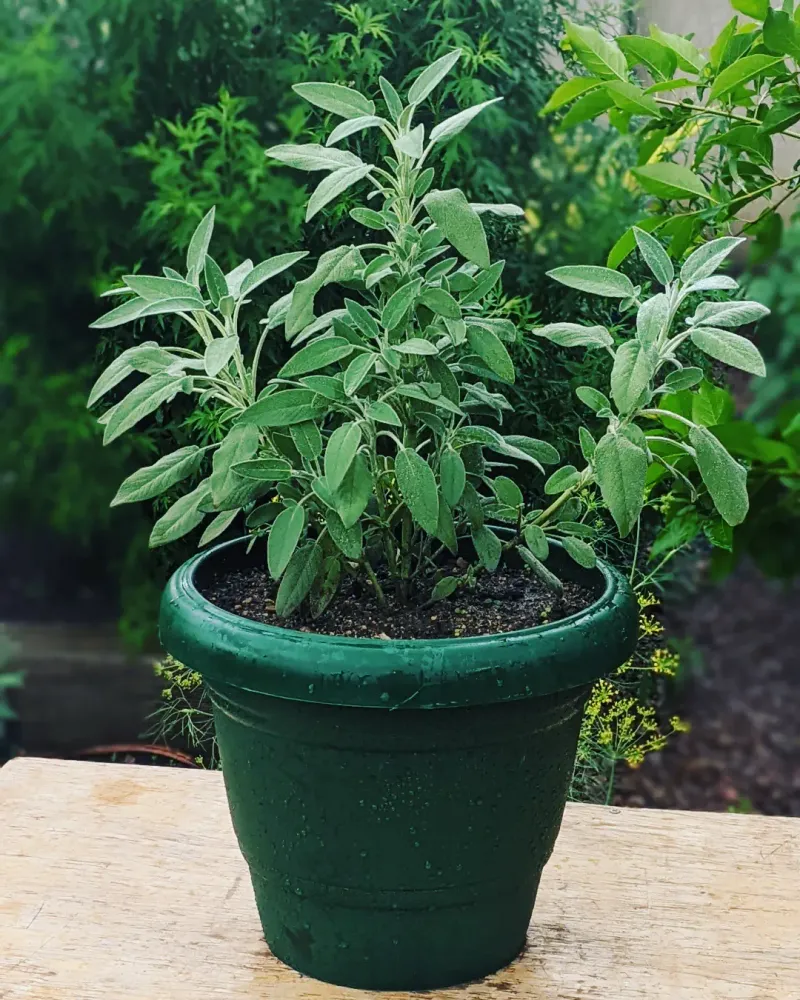
Sage has a way of making a garden feel ancient and purposeful at the same time.
Salvia officinalis, the classic culinary sage, is one of those plants that looks good, smells incredible, and actually earns its place in a container garden through multiple seasons of reliable performance.
The soft, silvery-green leaves have a velvety texture and a warm, earthy fragrance that becomes especially noticeable in the heat of a North Carolina afternoon.
Full sun and excellent drainage are the two non-negotiables for growing sage successfully. In containers, use a well-draining potting mix and make sure the pot has drainage holes to prevent waterlogging, which sage simply will not tolerate.
Water moderately and allow the soil to dry out slightly between waterings. In North Carolina’s humid summer air, good airflow around the plant is also important for preventing fungal issues on the soft foliage.
Pruning sage regularly keeps it from becoming woody and leggy too quickly. Light trimming after flowering encourages fresh, bushy growth and keeps the plant looking tidy all season.
The purple flowers that appear in late spring are beautiful and attract bees, adding real pollinator value to your patio garden. While sage’s aroma is strong and genuinely pleasant, it does not reliably repel mosquitoes from outdoor seating areas.
Count on it for fragrance, culinary use, and garden beauty rather than as a mosquito barrier, and it will never disappoint.
9. Lavender
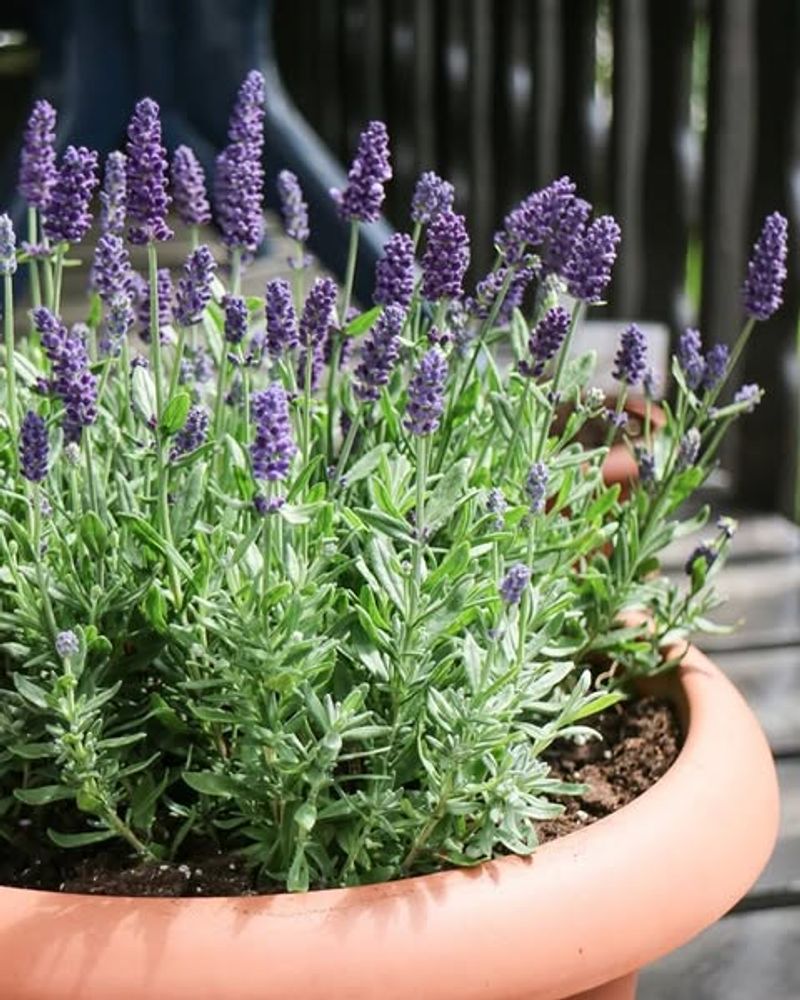
Lavender is one of the most beloved fragrant plants in the world, and for good reason. The sight of those slender purple flower spikes swaying in a warm summer breeze, combined with that calming, floral scent, makes any patio feel like a peaceful retreat.
Lavandula spp. covers a wide range of species and cultivars, and choosing the right one for our climate makes all the difference between a thriving plant and a frustrating one.
North Carolina’s humid summers are actually lavender’s biggest challenge. This plant loves full sun, excellent drainage, and dry, airy conditions, the opposite of what a sticky Carolina summer often delivers.
Raised beds and containers with gritty, fast-draining soil dramatically improve lavender’s chances of surviving and thriving.
Good airflow around the plant is equally important, helping to prevent the root rot and fungal problems that humid conditions can bring on quickly.
For the best results in North Carolina, look for heat-tolerant varieties like ‘Phenomenal,’ ‘Provence,’ or Spanish lavender types, which handle humidity better than classic English lavender.
Regular pruning after flowering keeps the plant compact and encourages fresh growth. Lavender’s fragrance is genuinely wonderful near a patio seating area, and pollinators adore the flowers. However, it should not be counted on as a reliable mosquito deterrent.
Grow it for its beauty, fragrance, and pollinator value, and manage your expectations about what any plant can realistically do against mosquitoes.
10. Marigolds
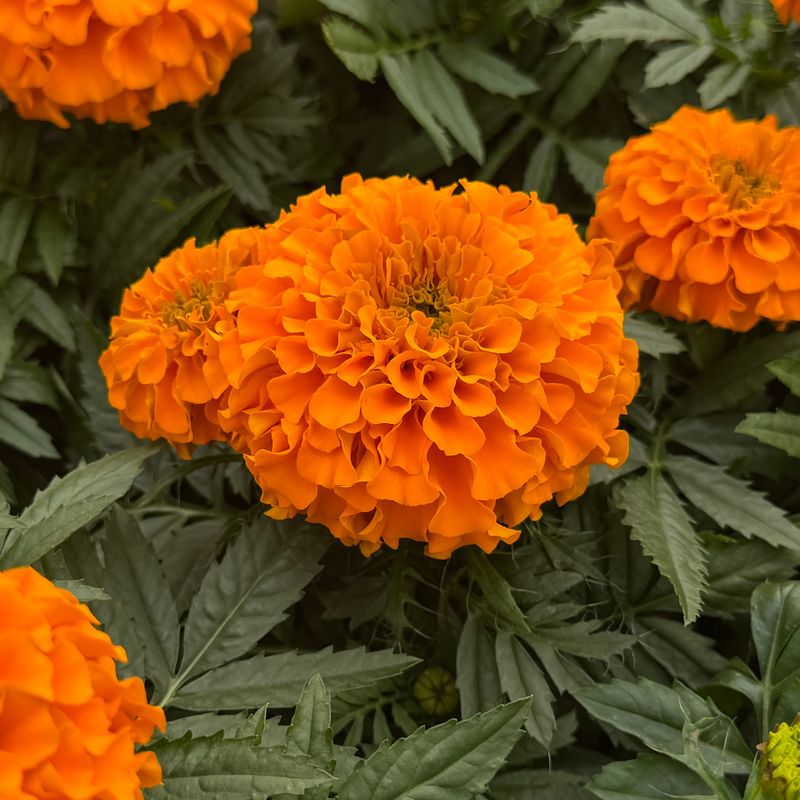
Few flowers bring the kind of cheerful, reliable color to a summer patio quite like marigolds.
Tagetes spp. includes both French and African marigold varieties, both of which thrive in North Carolina’s warm, sunny summers and bloom continuously from planting right through the first fall frost.
Their bold orange, yellow, and red tones make them one of the most visually satisfying annuals you can grow in containers or along patio edges.
Plant marigolds after the last frost date, typically mid-April across most of North Carolina, and give them a spot with full sun for at least six hours daily. They are not demanding plants, but consistent watering and good drainage keep them blooming strong all summer.
Regularly removing spent flowers before they fade completely, is the single best thing you can do to keep marigolds producing fresh blooms week after week throughout the season.
Marigolds do have a noticeable, somewhat pungent scent that some people find off-putting, and they are popular as companion plants in vegetable gardens for a variety of reasons.
However, their reputation as a mosquito-repelling plant around patios is largely overstated.
Simply placing marigolds near your seating area will not create a reliable barrier against mosquitoes. They earn their place in any patio garden through sheer visual impact, easy care, and long-season color rather than through any proven insect-chasing abilities.
Enjoy them for what they genuinely are: stunning, cheerful, and dependable summer bloomers.
11. What Actually Helps Reduce Mosquitoes Around North Carolina Patios
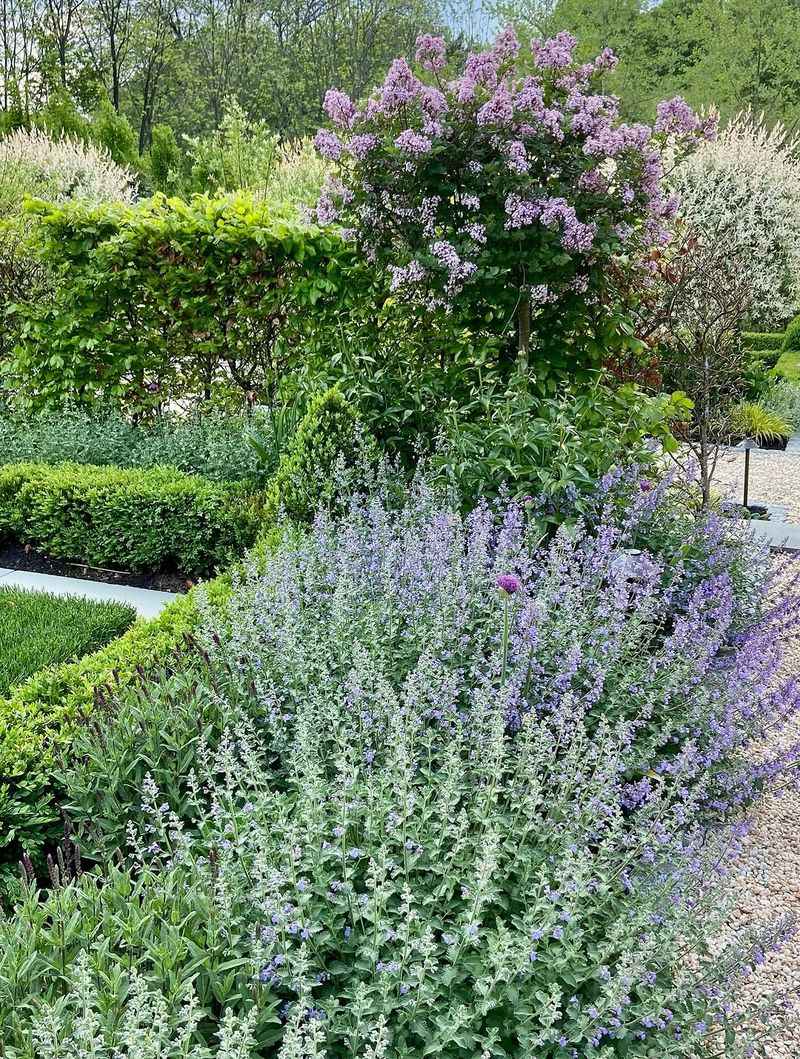
After all the talk about fragrant plants, here is the honest truth: no plant alone will clear your patio of mosquitoes.
Fragrant herbs and flowers make outdoor spaces smell wonderful and attract pollinators, but real mosquito control comes down to a few proven, practical habits that actually address where mosquitoes breed and thrive. Standing water is the number one issue.
Female mosquitoes need as little as a bottle cap of standing water to lay eggs, so dumping saucers under containers, emptying buckets, refreshing birdbaths every few days, and clearing clogged gutters makes a genuinely significant difference.
Check tarps, toys, and low spots in the yard after rain. Screening rain barrels keeps them useful without becoming a mosquito nursery.
These small, consistent actions reduce the mosquito population around your home far more effectively than any plant arrangement.
Fans are another surprisingly effective tool. A simple box fan or outdoor ceiling fan creates airflow that mosquitoes struggle to fly through, making your seating area noticeably more comfortable on calm summer evenings.
Trimming dense vegetation near the patio removes shaded, humid resting spots that mosquitoes love during the day.
When mosquito pressure is high, EPA-registered repellents applied to skin or clothing remain the most reliable personal protection available.
Fragrant patio plants genuinely improve the outdoor experience and make your garden more beautiful and inviting. Pair them with these practical steps, and your North Carolina patio becomes a place you actually want to spend time all summer long.