This One Change Helps Bring Fireflies Back To Ohio Gardens
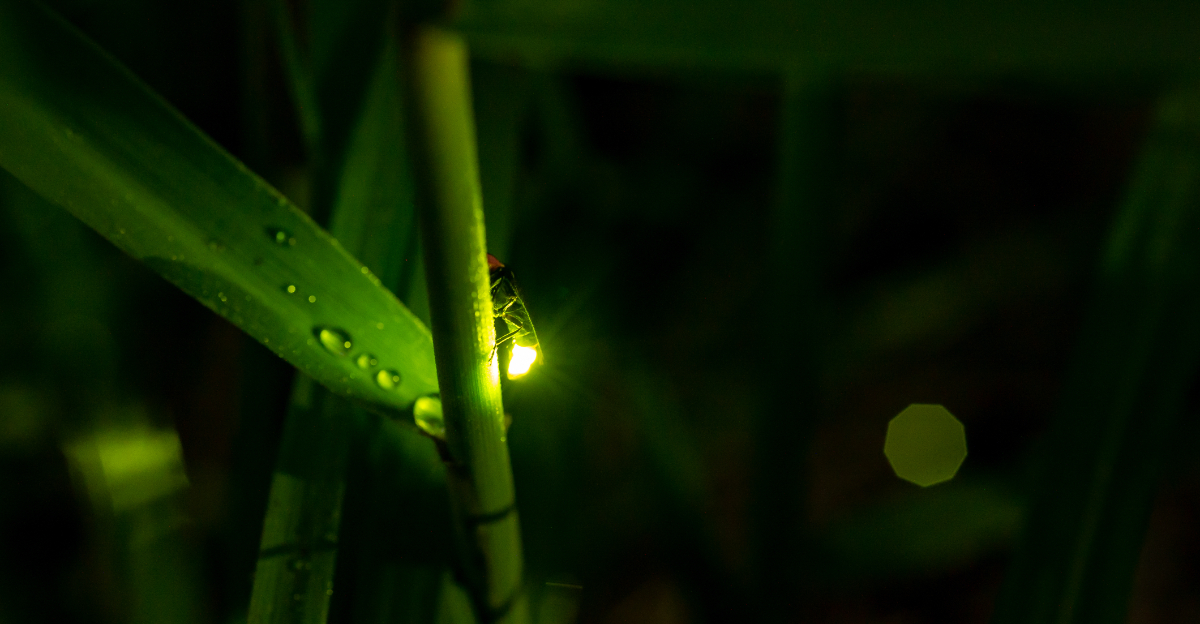
Warm Ohio evenings once came alive with tiny flickers drifting across backyards, a quiet kind of magic many people remember. Lately, those glowing signals feel harder to spot, and it is not your imagination.
Changes in how yards are managed have made life tougher for fireflies at every stage, from larvae in the soil to adults searching for mates. The surprising part is how quickly things can shift back in your favor.
One simple change in your garden routine can create the kind of habitat fireflies have been missing, without turning your yard upside down. It works with Ohio’s natural cycles and supports the damp, sheltered conditions these insects rely on.
Bring back the right environment, and those soft flashes have a real chance to return. A few small adjustments now can set the stage for brighter summer nights ahead.
1. Let Part Of Your Lawn Grow Wild To Support Firefly Habitat
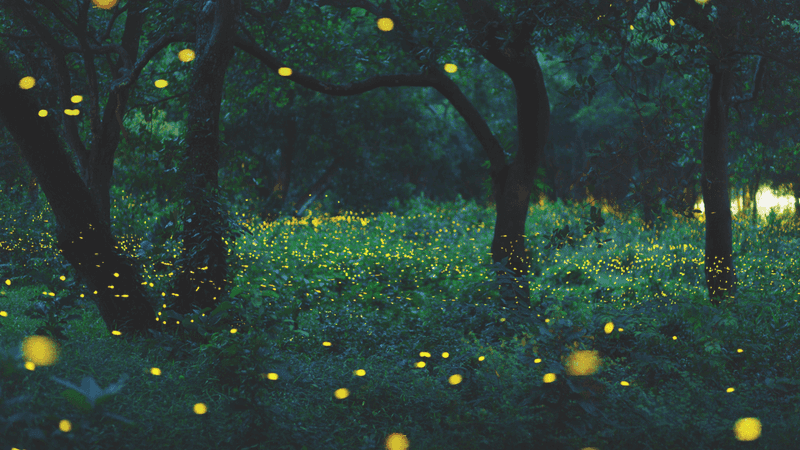
Most Ohio homeowners mow their lawns every week without thinking twice, but that routine habit may be one of the biggest reasons fireflies have disappeared from so many backyards. Firefly adults need tall grasses and low-growing vegetation to rest during the day, mate at night, and lay their eggs safely in the soil below.
The fix does not require letting your entire yard go wild. Pick one section, maybe a back corner, the stretch along a fence line, or the edge where your yard meets a tree line, and simply stop mowing it as often.
Shifting from a weekly mow to once every three or four weeks in that area is enough to make a noticeable difference.
Even a patch as small as ten by ten feet can serve as meaningful habitat. Grasses allowed to grow six to twelve inches tall give adult fireflies the shelter they need to survive between their nightly light shows.
That same undisturbed ground also becomes a safer place for females to deposit eggs in the soft, moist soil underneath.
Ohio’s suburban landscapes are full of underused edges, corners near sheds, strips beside garden beds, and fence borders that rarely get foot traffic. Any of these spots can be quietly transformed into a firefly-friendly zone with almost no effort.
The key is simply committing to leaving that section alone and resisting the urge to tidy it up every weekend. Small and consistent is far better than large and occasional when it comes to building real habitat.
2. Undisturbed Soil Gives Firefly Larvae A Place To Develop
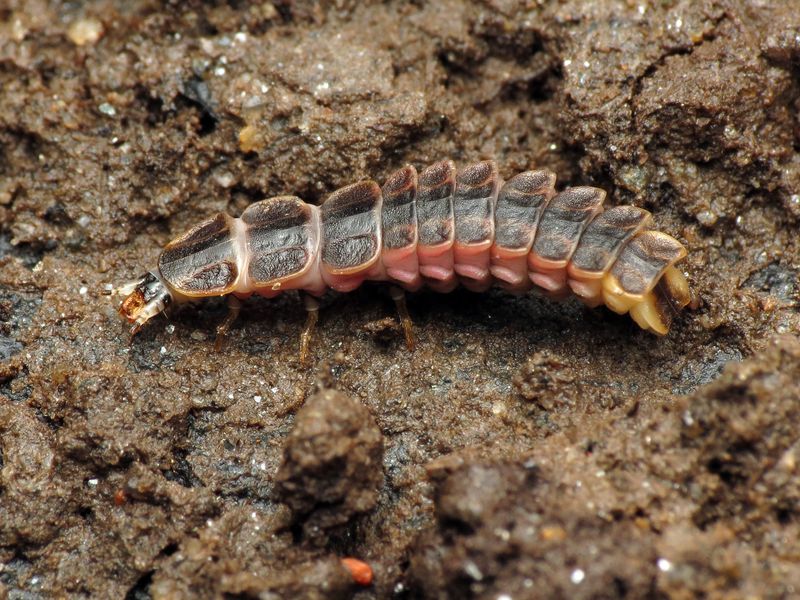
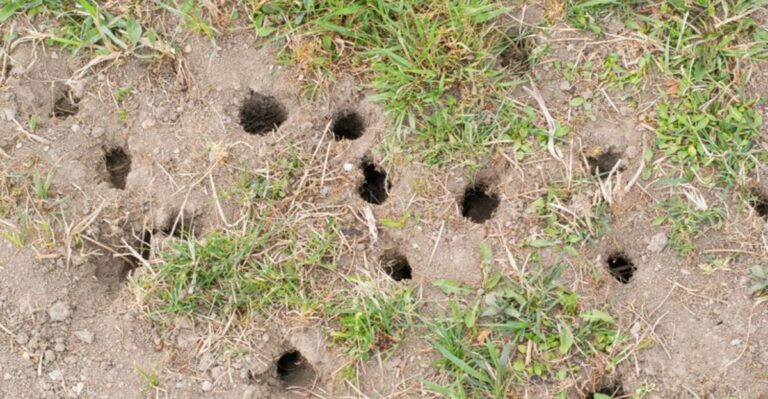
Firefly larvae spend one to two full years living underground before they ever flash a single light. During that long stretch, they burrow through moist topsoil, hunting tiny invertebrates like slugs, snails, and worms.
If the soil gets repeatedly turned, tilled, or heavily dug up, those larvae lose the stable environment they depend on to grow and eventually emerge as adults.
Avoiding unnecessary soil disturbance is one of the most practical things an Ohio homeowner can do. Once a garden bed is planted and established, resist the urge to till it again each spring.
Your Ohio Garden Changes Every Week. Your Plan Should Too.
Gardening in Ohio changes quickly throughout the season. Every Friday you’ll receive a simple weekly plan showing exactly what to plant, prune, fertilize, harvest, and protect so you never miss the right timing.
Many gardeners assume fresh tilling improves soil health, but in beds where firefly larvae may already be present, that disturbance can disrupt an entire developing population.
Leaving established garden edges alone, skipping the deep cultivation around perennial plants, and avoiding heavy machinery in yard areas near natural vegetation all help protect the underground phase of the firefly life cycle. Even something as simple as not raking aggressively in areas where you want fireflies can help preserve larvae living just beneath the surface.
For Ohio gardeners who love tinkering in their beds, consider creating a designated no-dig zone. Mark off a section of the yard or a garden edge and commit to hands-off management there.
You do not have to stop gardening entirely. You just need one quiet corner where the soil stays undisturbed long enough for firefly larvae to complete their underground journey and emerge as the glowing insects we all want to see on summer nights.
3. Leaf Litter Creates The Moist Conditions Fireflies Need
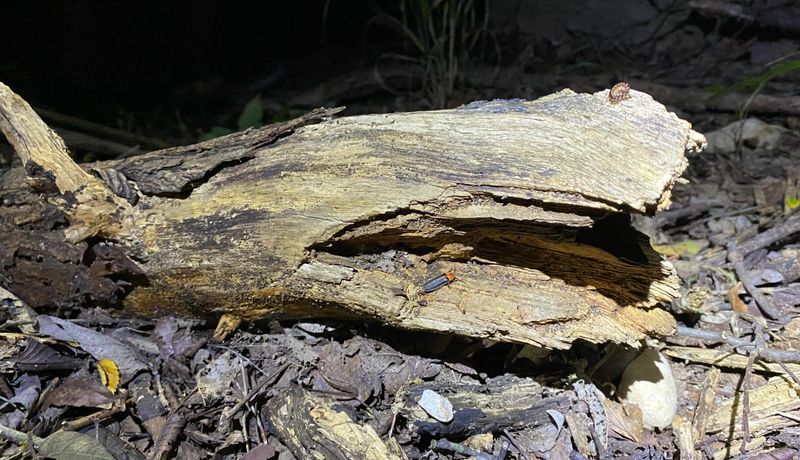
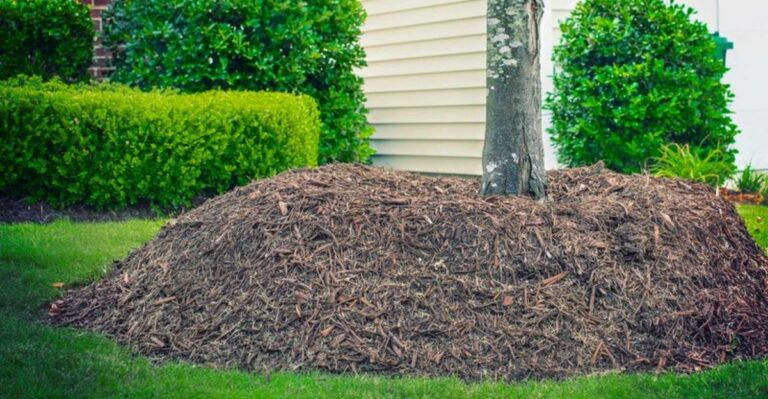
Every fall, Ohio homeowners rake up mountains of leaves and haul them to the curb without realizing they are removing one of the most valuable resources fireflies depend on. Leaf litter holds moisture, moderates soil temperature, and creates the kind of sheltered microhabitat that firefly larvae and many of their prey species need to survive through winter and into spring.
Leaving fallen leaves under trees and along garden borders mimics the natural woodland floor conditions that fireflies evolved alongside. Ohio’s native forests are full of this kind of layered, decomposing organic material, and firefly populations tend to be strongest in areas where those conditions still exist.
Bringing that same texture into a suburban backyard can produce real results over time.
If a full layer of leaves feels too messy, consider running a mower over them to shred them into smaller pieces and leave those shredded pieces in place as mulch. Shredded leaf mulch breaks down faster, feeds the soil, and still provides the moisture retention that fireflies and their prey depend on.
It is a practical middle ground between a manicured look and a woodland floor.
Focus your leaf-leaving efforts on the shadiest, dampest parts of your yard, spots under mature trees, along the north side of fences, or in low areas where moisture naturally collects. Those locations already tend to stay cooler and wetter, making them ideal for building up the soft, moist layer of organic material that supports firefly activity from late spring through the end of summer.
4. Reducing Lawn Chemicals Helps Protect Firefly Populations

Routine insecticide treatments are one of the quietest threats to firefly populations across Ohio. Broad-spectrum insecticides do not discriminate between pest species and beneficial ones.
When sprayed across a lawn or garden, they affect the soil-dwelling invertebrates that firefly larvae feed on, and in many cases, they directly impact the larvae themselves.
Skipping the scheduled bug spray in late spring and early summer makes a real difference. Many Ohio homeowners apply preventive insecticide treatments out of habit rather than in response to an actual pest problem.
Cutting back on that routine, even in just one section of the yard, reduces the chemical load in the soil and gives firefly larvae a better chance of surviving their two-year underground development.
Synthetic fertilizers are worth reconsidering too. Heavy nitrogen applications push rapid grass growth, which leads to more frequent mowing and less stable habitat.
Swapping even part of your fertilizer routine for compost or aged organic amendments feeds the soil more gently and supports the worm and slug populations that firefly larvae depend on for food.
Spot-treating specific problem areas instead of blanket-spraying the whole yard is a simple shift that protects far more than just fireflies. Ohio State University Extension recommends integrated pest management approaches that target only confirmed pest problems, leaving beneficial insect populations intact.
Starting with the least disruptive option and escalating only if needed is a smarter strategy for the whole yard ecosystem, not just for the fireflies you are hoping to bring back.
5. Native Plants Support The Insects Firefly Larvae Feed On
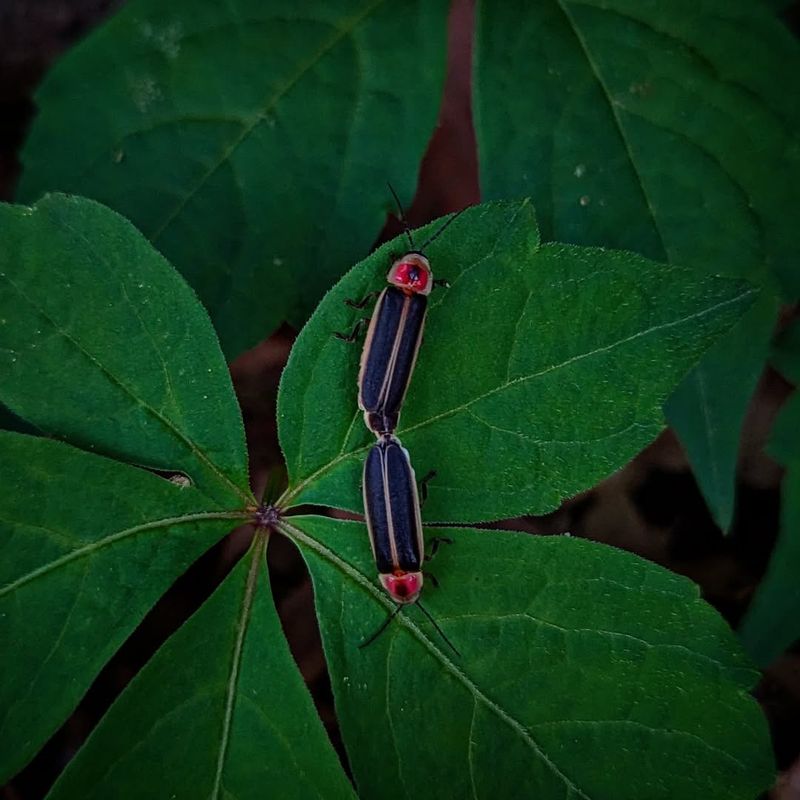
Firefly larvae are predators. They hunt slugs, snails, worms, and other small soft-bodied invertebrates that live in and around the soil.
That means the health of a firefly population is directly connected to the health of the broader food web in your yard. Planting Ohio native species is one of the most effective ways to build that food web from the ground up.
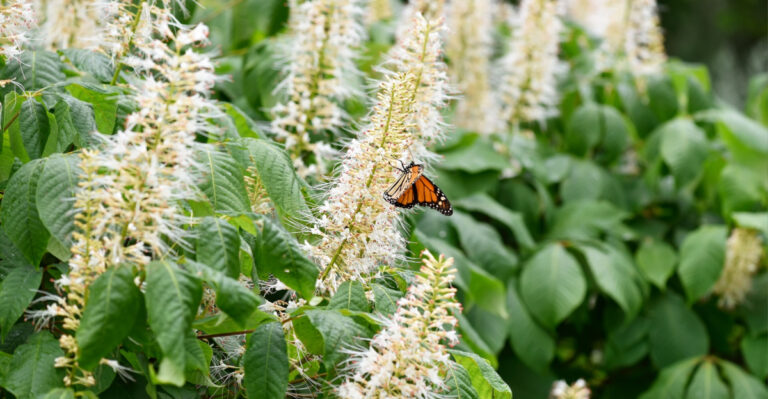
Purple Coneflower, known botanically as Echinacea purpurea, is a tough, drought-tolerant native that attracts a wide range of insects and supports soil biodiversity beneath its roots. Wild Bergamot, or Monarda fistulosa, blooms in mid-summer and draws in pollinators while contributing organic matter to the soil as its stems and leaves break down each fall.
Little Bluestem, a native grass species, provides dense root structure and above-ground cover that shelters moisture-loving invertebrates throughout the growing season.
Together, these plants create layered habitat. Their root systems loosen the soil, their leaf litter feeds decomposers, and their above-ground structure shelters the slugs and worms that firefly larvae actively hunt.
Non-native turf grass, by contrast, supports very little of this complexity and tends to produce a simplified, food-poor environment that struggling firefly populations cannot thrive in.
Replacing even a small section of traditional lawn with native plantings shifts the entire ecology of that area. You do not need a full native meadow to see results.
A ten-foot border of coneflower, bergamot, and little bluestem along a fence or garden edge can meaningfully increase the prey availability that firefly larvae need during their long underground development period in Ohio soil.
6. Moist Garden Areas Help Fireflies Thrive Longer
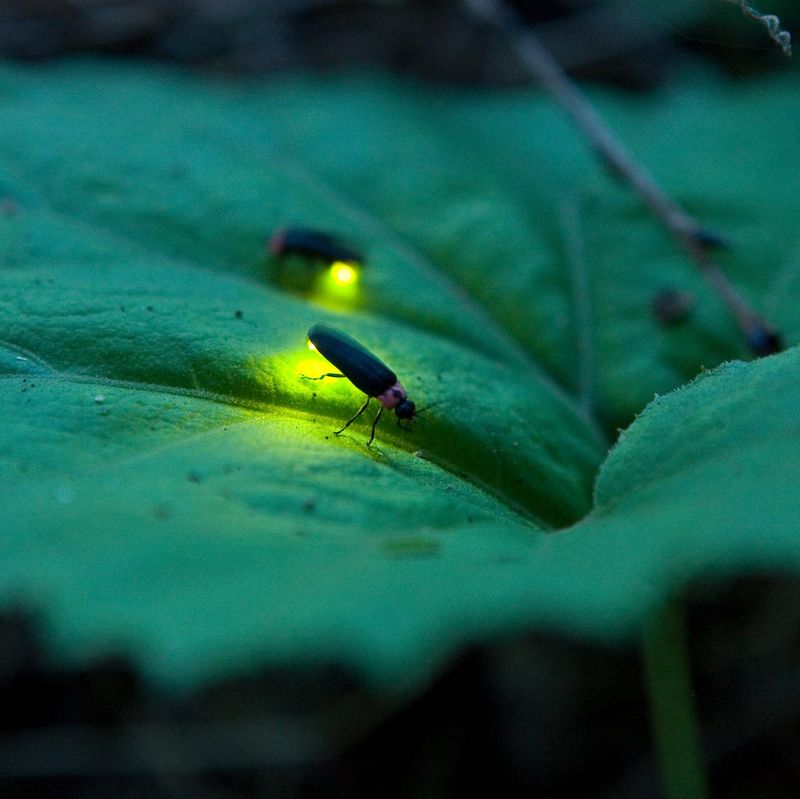
Moisture is not just a preference for fireflies, it is a necessity. Both larvae and adults depend on consistently damp conditions to survive.
Larvae hunt prey in moist soil, adults stay active longer in humid air, and females lay eggs in areas where the ground stays soft and wet enough to support the next generation.
Ohio summers bring natural humidity that gives fireflies a seasonal advantage compared to drier states, but suburban lawns with compacted soil and full sun exposure can dry out quickly between rain events. If your yard tends to dry out fast, targeting your firefly habitat efforts toward naturally low or shaded spots makes a lot of sense.
Rain gardens, low corners of the yard, and areas near downspout drainage all tend to hold moisture longer and make better firefly habitat than elevated, sun-baked sections of lawn.
During dry stretches in July and August, a light watering of your designated wild or native plant area can help keep conditions favorable without overdoing it. You are not trying to create standing water, just maintain the kind of consistently damp soil that supports the invertebrates firefly larvae feed on.
Overwatering can compact soil and reduce oxygen levels, so a gentle, infrequent deep soak is more useful than daily shallow watering.
Pairing moisture management with leaf litter and native plantings creates a self-reinforcing system. The organic material holds water, the plants slow evaporation, and the shaded ground stays cool and damp well into the summer, giving fireflies the stable, humid environment they need to remain active and visible in your Ohio backyard through late summer.
7. Lower Outdoor Lighting Makes It Easier For Fireflies To Signal
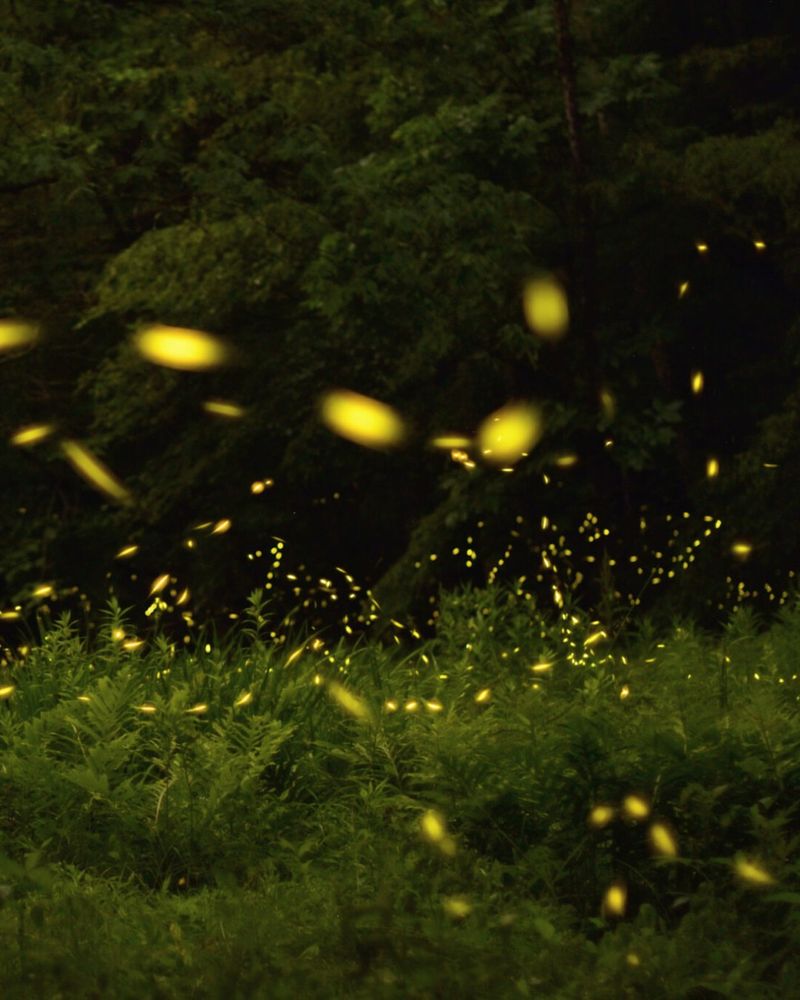
Fireflies do not just glow for fun. Their bioluminescent flashes are how males and females find each other to mate.
Each species has its own unique flash pattern, and females respond from the ground or low vegetation with their own answering light. When artificial lighting floods a yard at night, it drowns out those signals and makes it nearly impossible for fireflies to communicate, reducing successful mating and shrinking the local population over time.
In suburban Ohio neighborhoods, porch lights, landscape spotlights, and security floods are often left on all night without much thought. Turning off unnecessary outdoor lights between roughly 9 p.m. and midnight during peak firefly season, which runs from late May through July in most of Ohio, can make a noticeable difference.
That two to three hour window is when most firefly species are most actively signaling, and even reducing light exposure during part of that period helps.
Motion-activated lighting is a practical alternative that keeps security without maintaining constant illumination. Swapping standard white bulbs for warm amber or yellow tones also reduces the disruptive impact on firefly signaling.
Research has shown that shorter wavelength blue and white light is far more disruptive to firefly flash recognition than warmer tones, making bulb choice a simple but meaningful upgrade.
Talking with neighbors about reducing light during peak firefly weeks can multiply the effect across an entire block. Fireflies do not respect property lines, and a darker, quieter neighborhood at night creates a corridor of usable habitat that benefits the whole local population.
Small adjustments to your outdoor lighting routine cost nothing and can bring a visible glow back to Ohio summer nights faster than almost any other change.