These Are The 7 Lawn Mistakes Ohio Gardeners Make Every May
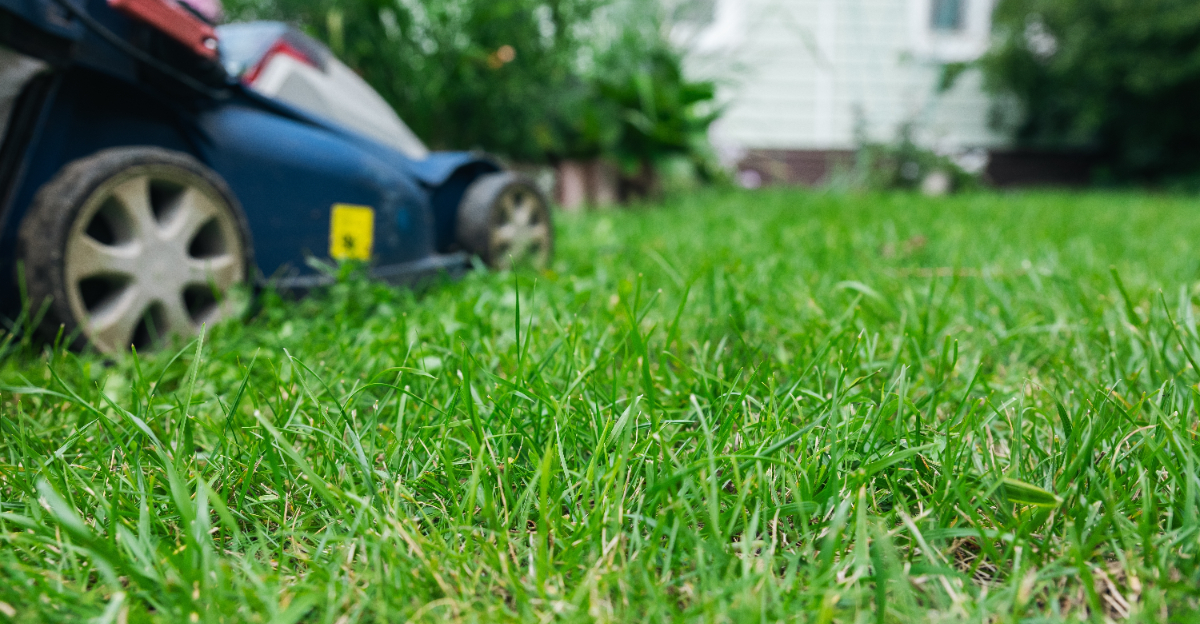
May feels like the start of something in Ohio. The grass is green, the weather is cooperating for once, and the lawn looks better than it has in months.
It is also the month when a lot of Ohio gardeners make decisions that do not show up as problems until July, when fixing them is twice as hard and the damage is already done.
Most of these mistakes are not dramatic.
Nobody is pouring chemicals in the wrong place or tearing up their yard on purpose. They are the quiet, easy to overlook things that happen when the season feels forgiving and there does not seem to be any urgency.
May has a way of hiding the consequences until it is too late to do much about them.
1. Mowing Too Low Just As Grass Starts Growing Fast
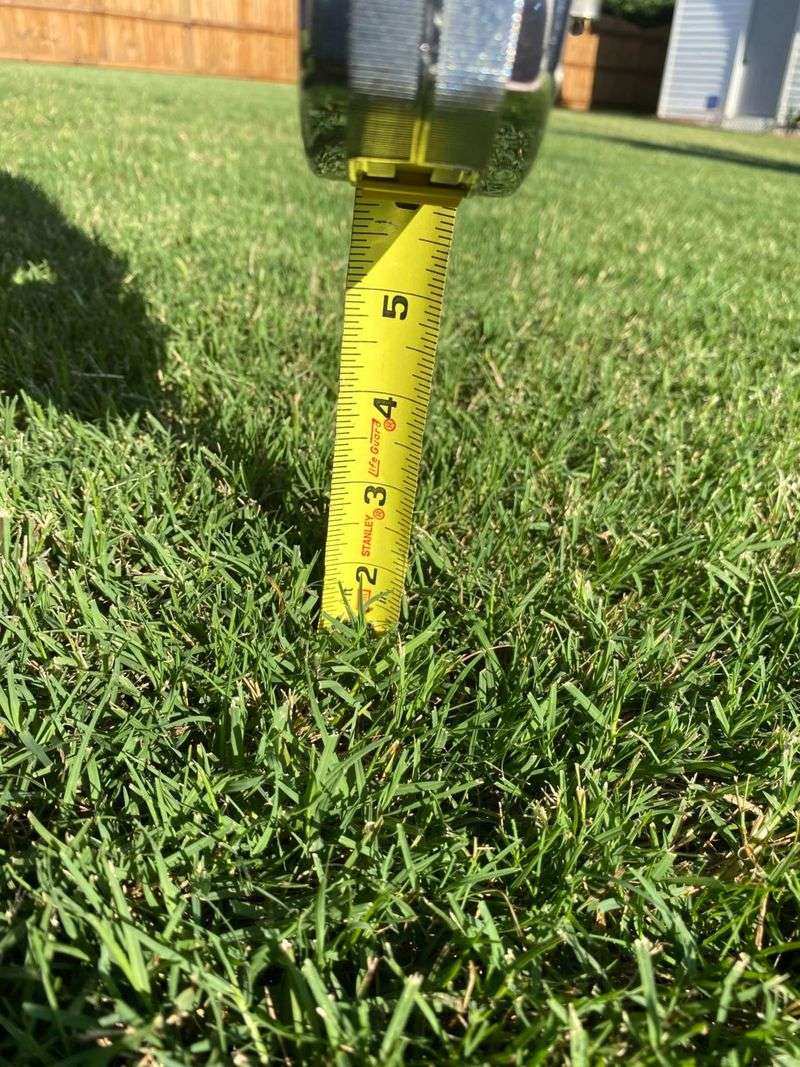
Grab a tape measure and hold it next to your mower blade sometime this May. Chances are, the cutting height is set lower than your Ohio cool-season lawn actually needs.
Kentucky bluegrass, tall fescue, and perennial ryegrass, the most common lawn grasses across Ohio, all perform best when kept between three and four inches tall during the growing season.
Cutting too short, sometimes called scalping, removes too much leaf surface at once. That leaf surface is where the grass captures sunlight and builds the energy it needs to stay healthy.
When you mow too low in May, the turf has to spend extra energy recovering instead of building strong roots before summer heat arrives.
Ohio State University Extension recommends following the one-third rule. Never remove more than one-third of the grass blade in a single mowing session.
So if your lawn is four and a half inches tall, you should not cut it shorter than three inches in that pass. Mowing more frequently at the right height is far better than waiting and then hacking it down all at once.
Taller grass shades the soil surface, which helps keep soil moisture in and reduces the conditions that favor crabgrass germination. A thick canopy of longer blades also crowds out weeds naturally over time.
Sharp mower blades matter just as much as height. Dull blades tear grass rather than cutting cleanly, leaving ragged tips that turn brown and invite disease.
Sharpen your blade at least once each season, and May is a great time to check it. A little height and a sharp blade go a long way.
2. Letting No Mow May Turn Into A Foot Tall Mess

No Mow May has a genuinely good idea behind it. Giving pollinators a break by reducing unnecessary mowing can help bees, butterflies, and other beneficial insects find food during a critical spring window.
The problem shows up when Ohio gardeners skip mowing entirely for four straight weeks and then try to cut knee-high cool-season grass in one pass.
Cool-season grasses like tall fescue and bluegrass grow aggressively in Ohio during May. Skipping all mowing can push grass well beyond manageable height.
Your Ohio Garden Changes Every Week. Your Plan Should Too.
Gardening in Ohio changes quickly throughout the season. Every Friday you’ll receive a simple weekly plan showing exactly what to plant, prune, fertilize, harvest, and protect so you never miss the right timing.
When you finally do mow, removing that much blade at once shocks the plant, exposes pale lower stems to direct sun, and can leave the lawn looking brown and beaten for weeks.
A smarter approach keeps the pollinator spirit alive without stressing the turf. Raise your mowing height instead of stopping altogether.
Mowing at four inches rather than two and a half inches still allows clover, dandelions, and low-growing wildflowers to bloom while keeping the grass from becoming unmanageable.
Reducing mowing frequency from weekly to every ten or twelve days is another reasonable middle ground.
Dedicated pollinator beds planted with Ohio native flowers like wild bergamot, lanceleaf coreopsis, or purple coneflower give bees and butterflies a reliable food source without requiring you to sacrifice the whole lawn.
Low-use side yards or back corners can be left a bit wilder without affecting the main turf areas.
The goal is balance. Pollinators benefit from intentional planting and thoughtful lawn care, not just a month of neglect that leaves everyone, grass included, struggling to recover.
3. Fertilizing Without Checking What The Lawn Needs
Every spring, bags of lawn fertilizer fly off the shelves at Ohio hardware stores and garden centers. Homeowners grab whatever is on sale, fill the spreader, and blanket the yard before the neighbors do.
But spreading fertilizer without knowing what your soil actually needs is a bit like taking medication without knowing what is wrong.
Ohio soils vary widely. Clay-heavy soils common in central and northwest Ohio hold nutrients differently than the sandier soils found in parts of northeast Ohio.
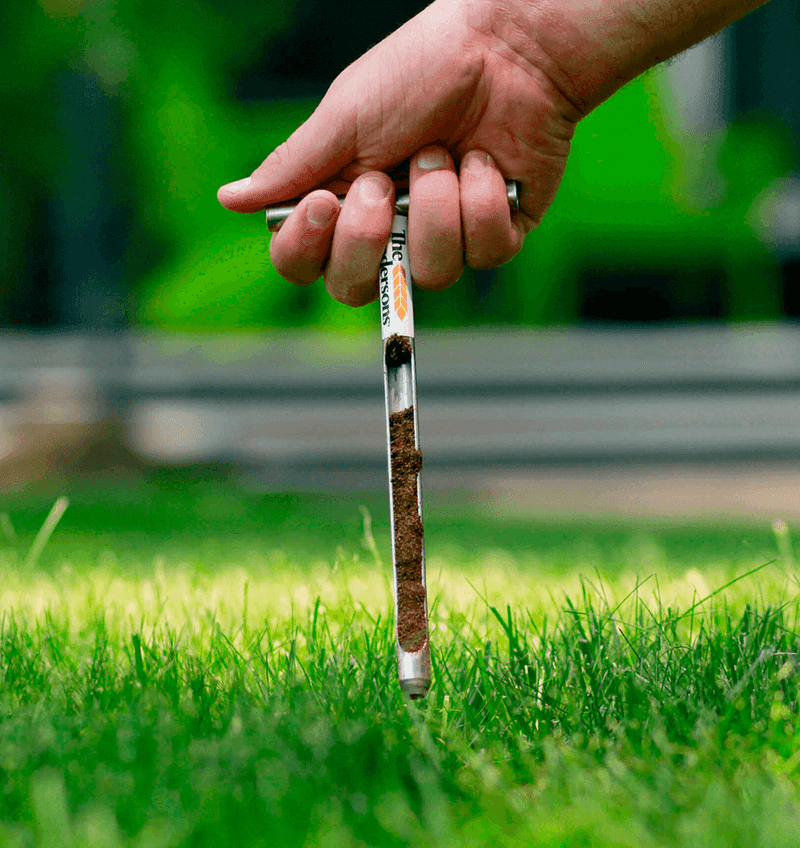
A soil test through Ohio State University Extension or a certified lab tells you exactly what nutrients are present, what is lacking, and what the pH looks like.
Phosphorus and potassium levels in particular should guide your fertilizer choice, not just the nitrogen number on the bag.
Overfertilizing in May can push rapid, lush top growth that looks impressive but actually weakens the plant.
Excessive nitrogen causes the grass to put energy into blades rather than roots, which leaves turf more vulnerable when hot, dry weather hits in July and August.
Fertilizer that is not absorbed by the grass can also leach through the soil or run off the lawn entirely, wasting money and potentially affecting nearby water.
Ohio State University Extension generally recommends that cool-season lawns receive most of their annual nitrogen in fall, with a light late-spring application only if the lawn genuinely needs it.
Soil tests from OSU Extension cost just a few dollars and take the guesswork out of the process completely.
Knowing what your lawn actually needs before you apply anything is the smartest fertilizer move you can make this May.
4. Spreading Fertilizer Onto Sidewalks And Driveways
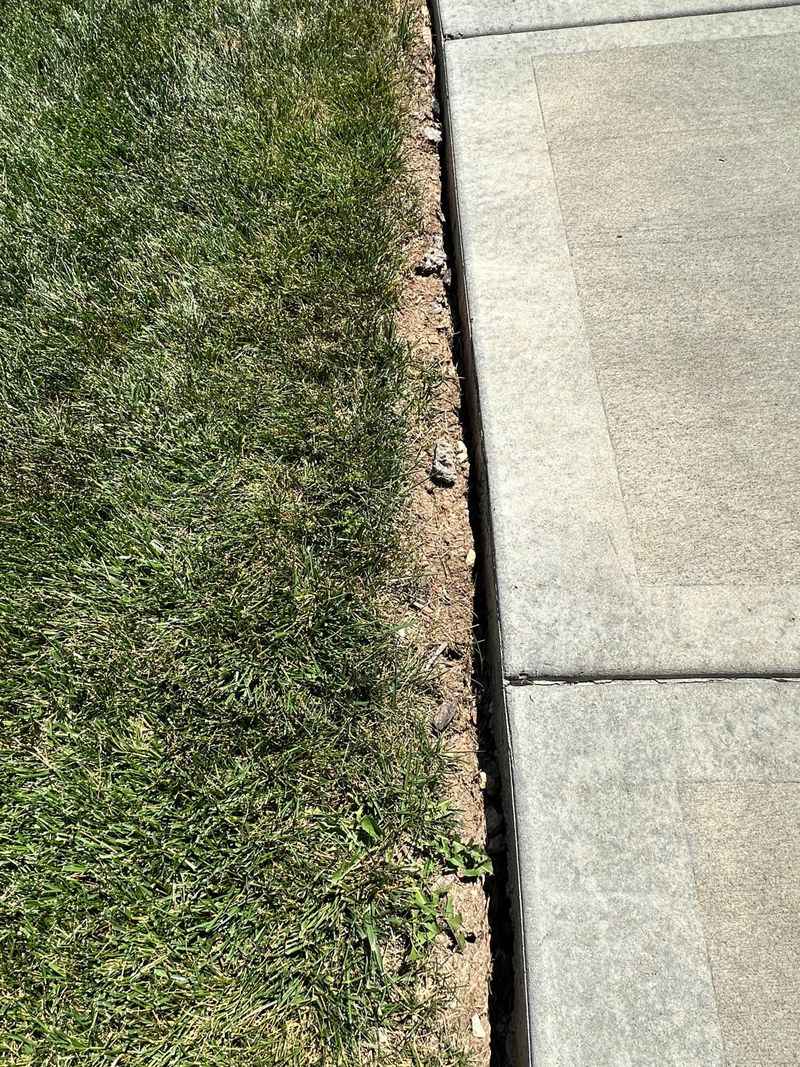
Picture this: a fresh bag of granular fertilizer, a broadcast spreader set to full, and a confident walk down the driveway edge. By the time the pass is done, there is a clear trail of fertilizer granules sitting on the concrete.
It happens to almost everyone at least once, and it is one of the most avoidable mistakes in the yard.
Fertilizer granules left on hard surfaces like driveways, sidewalks, and patios do not stay there. Ohio spring rain, sometimes arriving within hours of application, washes those granules straight into storm drains.
From there, nutrients like phosphorus and nitrogen can reach local streams, rivers, and Lake Erie tributaries.
Phosphorus in particular contributes to algae growth in Ohio waterways, which has been a documented water-quality concern across the state for years.
Preventing the problem is straightforward. Use an edge guard or deflector shield on your spreader when working near pavement.
Shut the hopper completely before turning around on a driveway or sidewalk. Walk at a steady pace so the spreader does not dump extra product in one spot.
If granules do land on pavement, sweep them back onto the lawn with a broom rather than hosing them off.
Timing matters too. Applying fertilizer right before a heavy rain event is a common mistake.
Ohio weather in May can shift quickly, so checking a two-day forecast before spreading is a good habit.
A light watering after application helps move nutrients into the soil, but a heavy downpour shortly after application can push fertilizer off the lawn before grass roots ever get the benefit.
5. Seeding Bare Spots Too Late For Spring Success
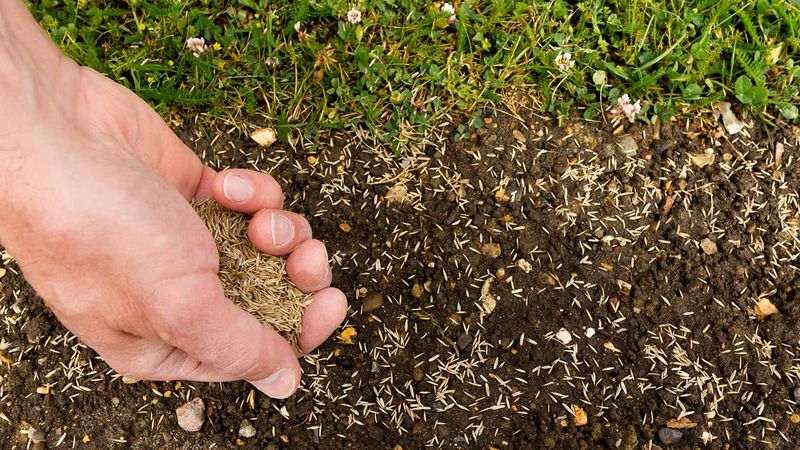
Bare patches are hard to ignore in May. After a long Ohio winter, thin or completely bare spots in the lawn stand out against fresh spring green, and the urge to seed them right away makes total sense.
Spring seeding can work, but it comes with real challenges that homeowners should understand before ripping open a bag of seed.
Ohio State University Extension consistently points to late summer and early fall, roughly mid-August through mid-October, as the best window for seeding cool-season grasses.
Soil temperatures are warm enough for quick germination, weed pressure drops compared to spring, and young seedlings have weeks of moderate weather to establish before winter.
Spring seeding puts young grass on a tighter timeline. Seedlings that sprout in May face increasing weed competition and heat stress before they have built a strong enough root system to handle summer.
That said, leaving bare soil exposed all spring is not a great option either. Bare ground invites weeds, erodes during heavy rain, and looks rough.
If you do seed bare spots in May, prepare the area properly.
Loosen the top inch of soil, make good seed-to-soil contact, and choose a grass seed mix appropriate for Ohio conditions, typically a tall fescue blend for sun or a shade-tolerant mix for tree-covered areas.
Keeping the seeded area consistently moist during germination is critical. Seed that dries out between waterings will not establish well.
Be realistic about spring results. A May patch may fill in partially and then need follow-up overseeding in late August or September to fully close the gap.
Plan for two rounds rather than expecting one spring application to finish the job.
6. Using Crabgrass Preventer Where New Seed Needs To Grow
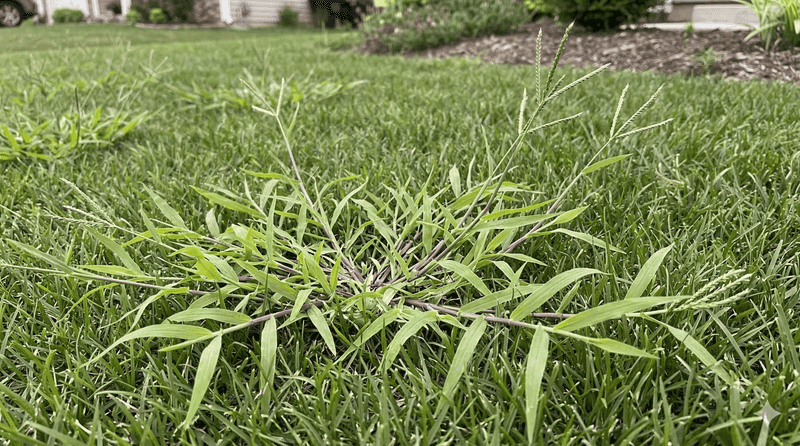
Few May lawn frustrations hit harder than seeding a bare patch, waiting patiently for two weeks, and then seeing absolutely nothing come up. Sometimes the culprit is not bad seed or dry weather.
Sometimes the homeowner applied a pre-emergent crabgrass preventer right over the top of the area they just seeded, and the product did exactly what it was designed to do.
Pre-emergent herbicides work by creating a chemical barrier in the soil that prevents seeds from germinating and establishing. The problem is that barrier does not know the difference between a crabgrass seed and a desirable turf seed.
Most standard pre-emergent products, including popular granular crabgrass preventers, will block lawn seed from germinating just as effectively as they block crabgrass.
Ohio State University Extension and product label guidance are clear on this point. Do not apply a typical pre-emergent herbicide to an area where you intend to establish new grass from seed.
A small number of specialized products are formulated to be compatible with seeding, but the label must explicitly state that use case. Never assume a product is safe for new seed without reading the full label first.
Homeowners often run into this conflict when they want to both repair bare spots and control crabgrass in the same May pass around the yard. The solution is to treat established turf areas with the pre-emergent and leave the bare patches untreated for seeding.
Accept that the seeded areas may need hand-weeding for crabgrass during the establishment period. Protecting new seed from chemical interference is worth the extra effort of managing a few weeds by hand.
7. Watering Lightly Instead Of Soaking The Root Zone
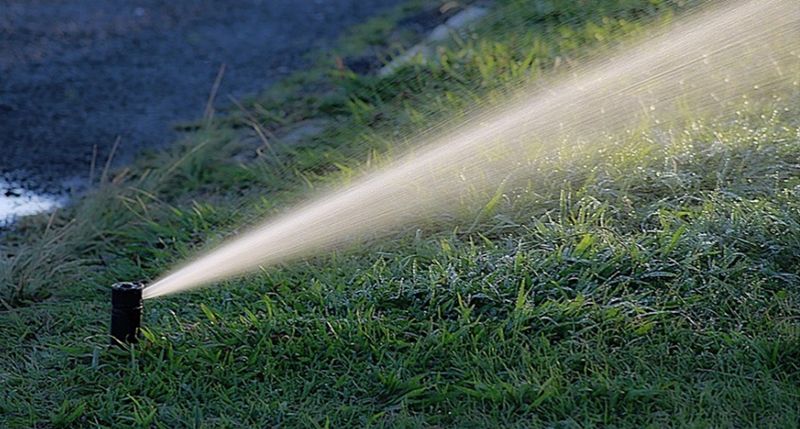
A quick five-minute sprinkler run every morning might feel like responsible lawn care, but it often does more harm than good. Light, frequent watering keeps moisture near the surface of the soil, and grass roots follow moisture.
Train roots to stay shallow and they will struggle the moment hot, dry Ohio summer weather arrives and that surface moisture evaporates fast.
Deeper, less frequent watering encourages roots to grow further down into the soil profile where moisture lingers longer. Ohio State University Extension recommends watering established cool-season lawns to a depth of about six inches when irrigation is needed.
A simple way to check whether water is penetrating that deep is to push a long screwdriver into the soil after watering. If it slides in easily to six inches, the moisture is reaching the right zone.
May in Ohio is often wet enough that supplemental watering is not needed at all for established turf. Check actual soil conditions before running the sprinkler.
Watering out of habit when the soil is already moist wastes water, can promote fungal issues, and does not help the lawn.
Newly seeded patches are a different story and need consistent light moisture during germination, but established grass benefits from patience and deeper drinks.
Watering early in the morning, ideally between five and nine in the morning, gives grass blades time to dry before evening, which reduces conditions favorable to lawn disease.
Avoid watering clay-heavy Ohio soils too quickly since water tends to run off compacted surfaces before it soaks in.
Short cycles with a pause in between allow water to penetrate rather than puddle and run off into the street.