Why You Should Grow Serviceberry Along Your Fence In Ohio
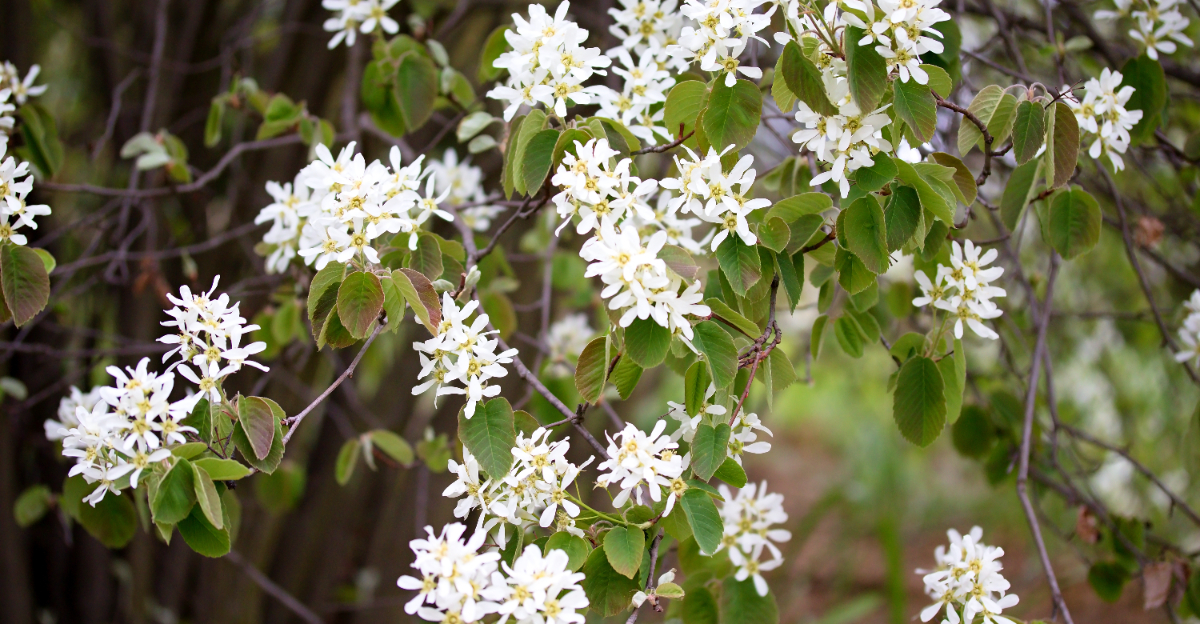
A fence line can feel like wasted space in an Ohio yard, often left bare or filled with plants that do little beyond taking up room. That same stretch can become one of the most rewarding parts of your landscape with the right choice.
Serviceberry turns an ordinary boundary into something that changes with every season. Early spring brings soft white blooms right as the garden wakes up, followed by edible berries that attract birds and curious gardeners alike.
As summer settles in, its leaves stay clean and lush, then shift into rich fall color that stands out even on gray Ohio days. It handles cold winters, adapts to a range of soils, and fits naturally into both formal and relaxed spaces.
One smart planting choice along your fence can deliver privacy, beauty, and wildlife value all in one.
1. Serviceberry Handles Ohio’s Climate Without Fuss
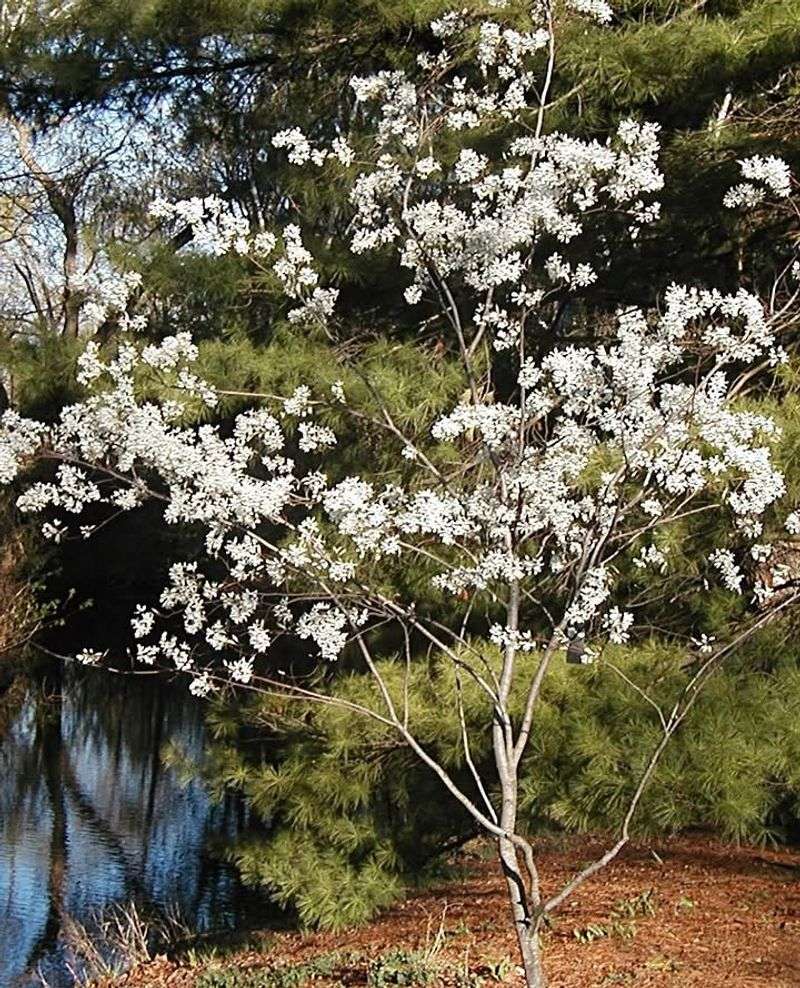
Cold snaps, wet springs, and summer heat swings are just part of life in Ohio, and not every plant can keep up. Fortunately, Amelanchier canadensis and Amelanchier arborea are both well-suited Ohio natives that handle the state’s unpredictable climate without skipping a beat.
These are not delicate ornamentals that need babying through a hard winter. They are tough, adaptable trees that have been growing naturally across Ohio’s woodlands for centuries.
One of the biggest concerns for Ohio gardeners is soil. Many suburban yards are loaded with clay, which drains slowly and can suffocate roots.
Serviceberry does best in moist, well-drained soil with a pH between 5.5 and 7.0, but it can adapt to heavier soils as long as you avoid planting in low spots where water pools after rain. Raised planting areas or slightly sloped fence lines give roots the drainage they need to stay healthy through wet Ohio springs.
Light flexibility is another reason this plant works so well along fences. It grows in full sun to partial shade, which means it can thrive whether your fence runs along a sunny south side or a shadier north-facing yard edge.
Most fence lines get at least a few hours of direct sun, which is plenty for serviceberry to flower and fruit well each year.
A practical tip for Ohio homeowners: if your fence runs near a low-lying area that tends to stay soggy after storms, amend the soil with compost before planting and consider building up the bed slightly. This small effort at planting time pays off for years.
Serviceberry is a long-lived plant, and giving it the right start means less work and more reward down the road.
2. Early Spring Flowers Bring One Of The First Garden Blooms
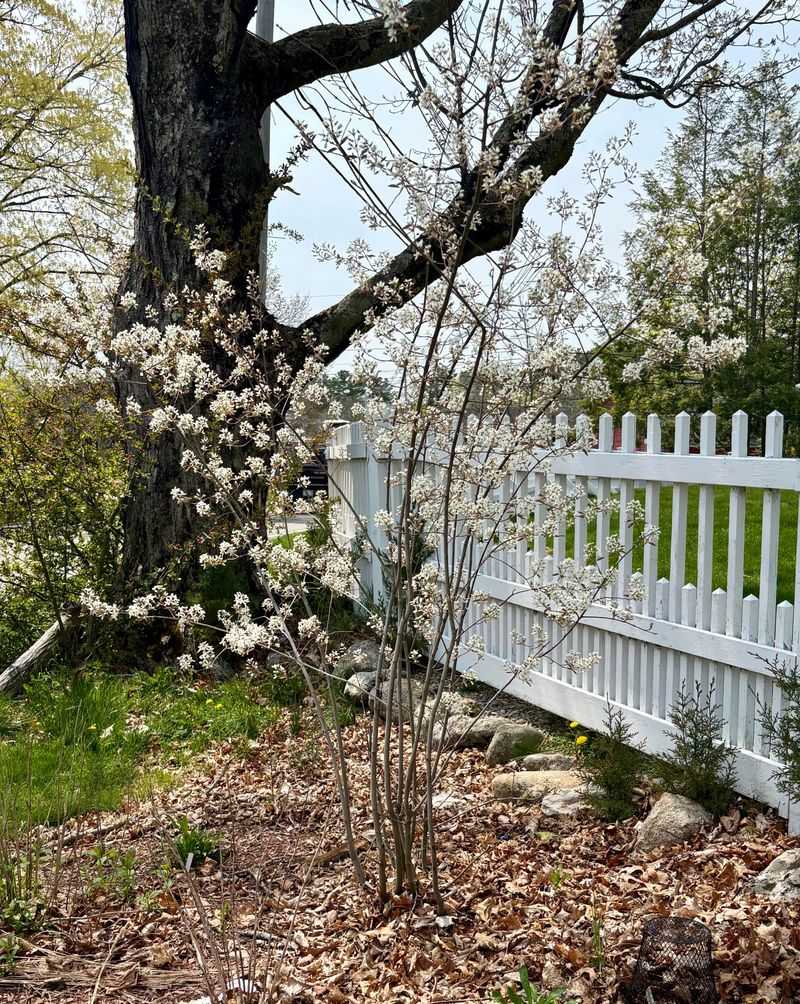
Before the forsythia fully opens and while most trees are still bare, serviceberry puts on one of the earliest floral shows in the Ohio garden. Clusters of small, white, star-shaped flowers appear in early spring, often as early as late March or early April depending on the year and your location in the state.
The timing is almost magical because the blooms arrive before the leaves emerge, making the white flowers pop against gray bark and a pale spring sky.
Your Ohio Garden Changes Every Week. Your Plan Should Too.
Gardening in Ohio changes quickly throughout the season. Every Friday you’ll receive a simple weekly plan showing exactly what to plant, prune, fertilize, harvest, and protect so you never miss the right timing.
For pollinators, this early bloom timing is more than just pretty. Mining bees and small sweat bees are among the first native pollinators to become active in Ohio each spring, and they are often out foraging before most flowering plants have opened.
Serviceberry gives these early insects a reliable nectar and pollen source right when they need it most. Supporting early pollinators is one of the most impactful things a homeowner can do for local ecology.
Along a fence line, the visual effect of serviceberry in bloom is genuinely striking. A row of plants in flower creates a soft, cloud-like display that looks intentional and elegant without requiring much effort from you.
The white flowers contrast beautifully against dark fence wood or metal, and they last for a week to two weeks before giving way to emerging leaves.
Placement matters when it comes to enjoying those blooms. Try to plant serviceberry along a fence that runs near a window you look out of regularly, or near a walkway or patio where you spend time in spring.
Watching those first blooms open after a long Ohio winter is genuinely uplifting, and having them visible from inside the house makes the whole experience even better. Position counts.
3. Edible Berries Add Flavor And Backyard Harvest Potential
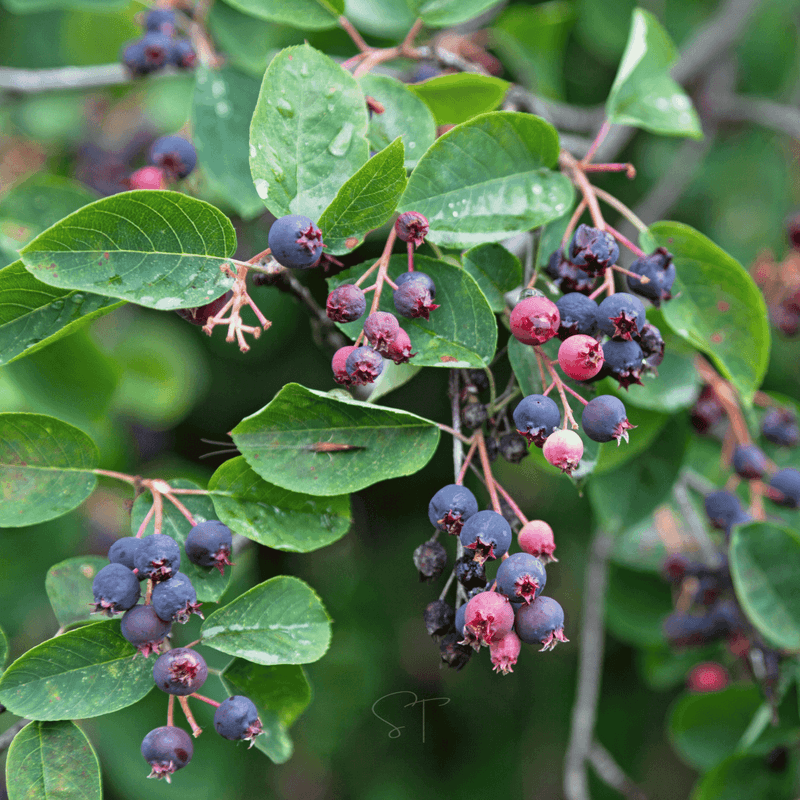
Most ornamental trees along fence lines are purely decorative, but serviceberry gives you something extra: fruit you can actually eat. The small, round berries, often called juneberries, ripen from late spring into early summer, typically in June across much of Ohio.
They look a bit like blueberries and have a mild, sweet flavor with a slightly nutty undertone that many people find surprisingly pleasant right off the branch.
The berries are genuinely versatile in the kitchen. Ohio gardeners use them in pies, jams, muffins, pancake toppings, and even wine.
They are high in antioxidants and contain more protein and fiber than many common fruits. If you have kids, picking juneberries from the fence line can become a fun early summer ritual that connects them with where food actually comes from.
That kind of hands-on experience is hard to put a price on.
Wildlife also loves these berries, which is great for the ecosystem but means you need to act fast if you want a harvest for yourself. Birds, especially cedar waxwings and robins, are skilled at stripping a serviceberry clean within days of the fruit ripening.
Watching the tree carefully as berries begin to change color from red to deep purple is key. Once most berries look fully dark and slightly soft, pick them promptly.
A helpful tip: if you plant multiple serviceberry plants along your fence, you will have more fruit than any flock of birds can take in a single visit. Spacing several plants every eight to fifteen feet gives you a more generous harvest window and spreads the wildlife feeding activity out over a longer stretch of fence.
More plants simply means more berries for everyone.
4. Birds Flock To Serviceberry For Seasonal Food
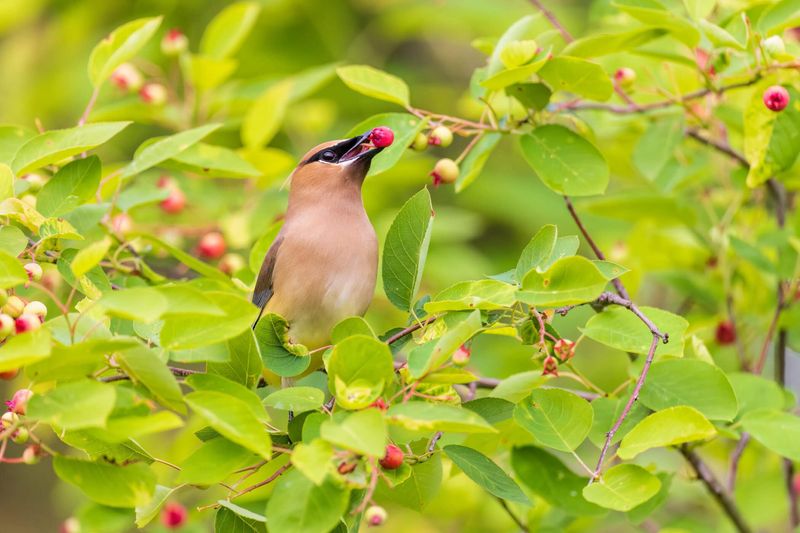
Few plants draw birds to a yard as reliably as serviceberry does during fruiting season. Over 40 bird species are known to feed on serviceberry fruit, and in Ohio that list includes some of the most beloved backyard visitors around.
Cedar waxwings are especially drawn to the berries, often arriving in small flocks that strip branches with impressive efficiency. Robins, cardinals, gray catbirds, and Baltimore orioles also stop by regularly once the fruit starts to ripen.
Planting serviceberry along your fence does something clever for wildlife habitat. Fence lines naturally create an edge between open yard space and planted areas, and birds prefer these edge zones for feeding and moving through a landscape.
A row of serviceberry along a fence essentially builds a mini habitat corridor right through your property. This kind of thoughtful planting has real ecological value beyond just looking nice.
The wildlife benefits extend beyond fruit season too. Serviceberry branches provide nesting sites and perching spots throughout the warmer months.
The dense, multi-stemmed growth that many serviceberry plants develop over time creates cover that smaller songbirds use for protection from larger predators. Your fence line becomes a living, breathing part of the local food web.
To make the habitat even richer, consider planting serviceberry alongside other Ohio native shrubs and plants along the fence. Native viburnums, elderberries, and wild bergamot all pair well with serviceberry and extend the window of food availability for birds across different seasons.
Ohio State University Extension recommends using groupings of native plants rather than single specimens for maximum ecological impact. A fence line planted with a mix of natives becomes far more than a boundary.
It becomes a neighborhood resource for wildlife.
5. Multi-Season Interest Keeps Fences Looking Lively Year Round
A lot of plants along fence lines look great for one season and then fade into the background for the other three. Serviceberry breaks that pattern in a way that very few other plants can match.
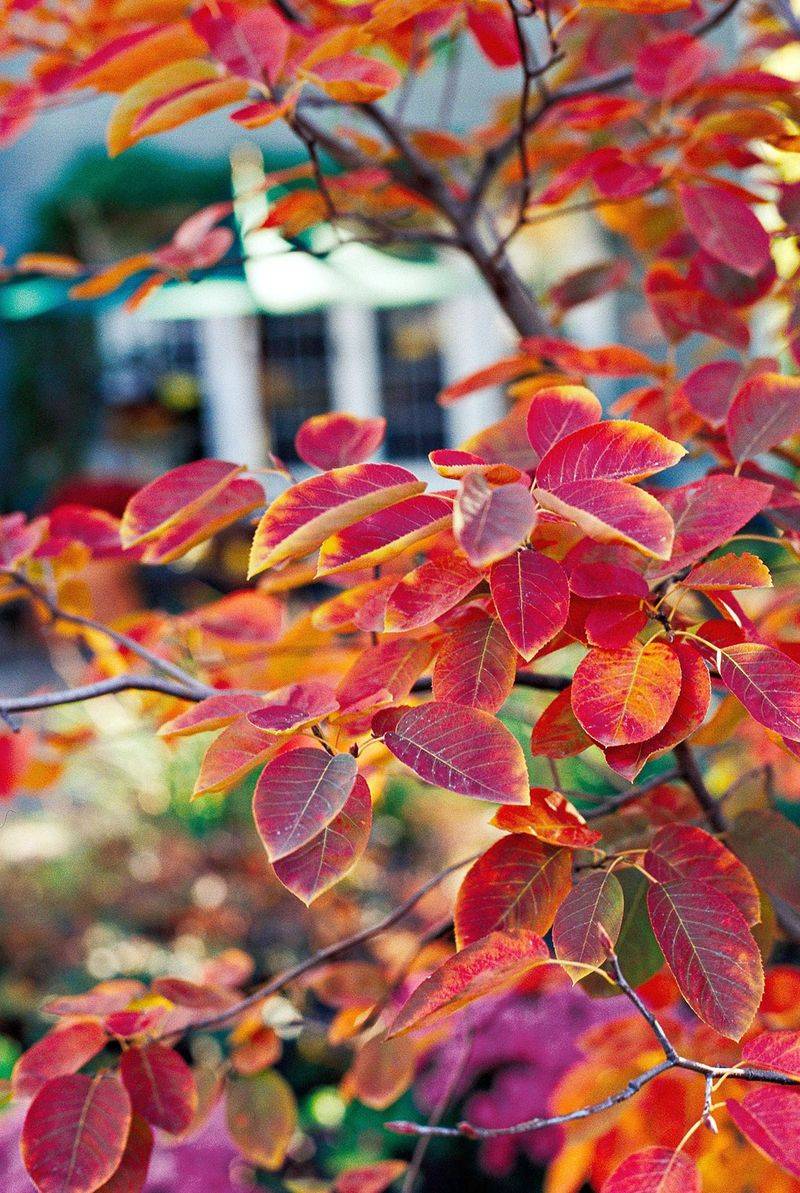
Starting in early spring with those white flower clusters, moving into summer with green foliage and ripening fruit, shifting to brilliant orange and red tones in fall, and then offering smooth, silvery-gray bark texture through winter, this plant earns its space all twelve months of the year.
The fall color is genuinely impressive and often underappreciated. Ohio serviceberry foliage turns shades of orange, red, and sometimes yellow in autumn, creating warm tones along the fence line right when the rest of the yard is winding down.
This color typically arrives in October and can last several weeks depending on the weather. Paired with the natural backdrop of an Ohio fall sky, a row of serviceberry in full autumn color is a real visual reward.
Winter brings its own quiet charm. After the leaves drop, the smooth gray bark and delicate branching structure of serviceberry become visible, giving the fence line a graceful, architectural look even in the coldest months.
This is especially nice in snow, when the dark branches create contrast against white ground cover.
A smart tip for homeowners who want more visual screening year-round: pair serviceberry with evergreen shrubs or low-growing conifers along the same fence line. Serviceberry provides seasonal drama while the evergreens maintain consistent greenery and privacy during winter when the serviceberry is bare.
Combining the two types of plants gives you the best of both worlds, with a fence line that looks full, layered, and interesting no matter what month it is.
6. Fits Small Spaces While Still Providing Privacy
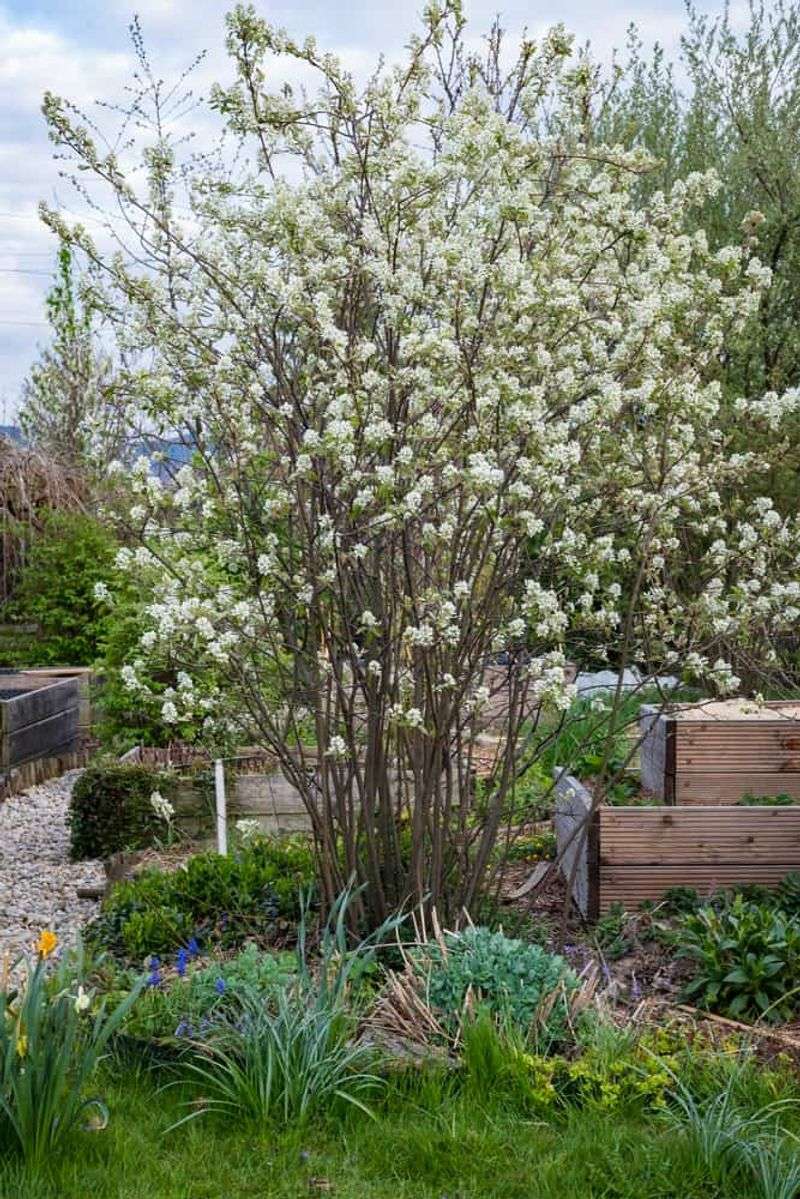
Suburban lots in Ohio are often not huge, and planting a large shade tree right along a fence line can feel like too much. Serviceberry hits a sweet spot in terms of size that many other trees miss.
At maturity, most Amelanchier arborea specimens reach about 15 to 25 feet tall, and they often grow in a multi-stemmed form that spreads gracefully rather than shooting straight up like a single-trunk tree. That growth habit makes them feel more like a large shrub than a traditional tree, which works beautifully along a fence.
The multi-stemmed form also means serviceberry creates a loose, natural screen rather than a solid wall. You get visual softening and a sense of privacy without completely blocking air movement or light.
For neighbors who want to maintain a friendly relationship while still carving out some personal space in the yard, this kind of screen is actually ideal. It signals a boundary without feeling aggressive or imposing.
Spacing plays a big role in how effective the privacy screen becomes. Planting serviceberry eight to twelve feet apart along the fence gives each plant room to develop its natural spread while still creating overlap between neighboring plants over time.
For faster coverage and denser screening, staggered double rows work especially well. Plant one row right along the fence and a second row two to three feet in front of it, offsetting the plants so they fill gaps between each other.
A useful tip for Ohio homeowners with narrow side yards: serviceberry tolerates light pruning to keep it within a certain width without losing its natural form. Light shaping in late winter before new growth begins helps manage spread without stressing the plant.
It stays healthy, stays attractive, and keeps your fence line from feeling overgrown.
7. Native Growth Supports Ohio’s Local Ecosystem
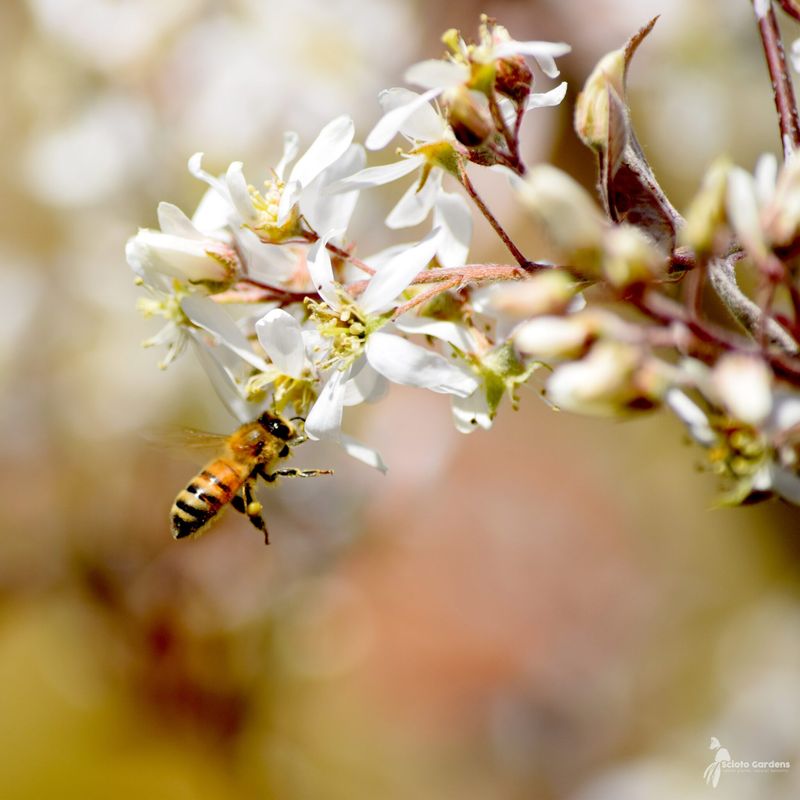
Growing a plant that actually belongs in Ohio is one of the most impactful choices a homeowner can make for the local environment. Serviceberry is genuinely native to Ohio, meaning it evolved alongside the insects, birds, and soil organisms that call this state home.
That long shared history matters more than most people realize. Native plants support far more wildlife than non-native ornamentals because local species have developed relationships with them over thousands of years.
Ohio State University Extension actively recommends native plantings for residential landscapes, noting that native trees and shrubs like serviceberry support pollinators, birds, and beneficial insects in ways that exotic alternatives simply cannot replicate. When you plant serviceberry along your fence instead of a non-native ornamental, you are actively contributing to the health of Ohio’s broader ecosystem.
That is a meaningful choice with real consequences beyond your own yard.
Pollinators benefit especially during the early spring bloom period when serviceberry is one of the few native food sources available. Native bees that have overwintered in the soil and leaf litter near your fence line wake up hungry in March and April.
Having serviceberry in flower right at that moment provides critical early-season fuel that helps those populations recover and thrive through the rest of the growing season.
Avoiding invasive alternatives is worth emphasizing here. Some popular fence-line plants like burning bush or Japanese barberry look attractive but spread aggressively into Ohio’s natural areas and crowd out native species.
Serviceberry gives you the same visual appeal, better wildlife value, and no ecological baggage. As a final tip, check with your local Ohio nursery or extension office for locally sourced serviceberry stock whenever possible.
Plants grown from regional seed are often better adapted to your specific county’s conditions and tend to establish more quickly after planting.