Why Michigan Gardeners Start Seeing More Small Holes In Beds After Snow Melt
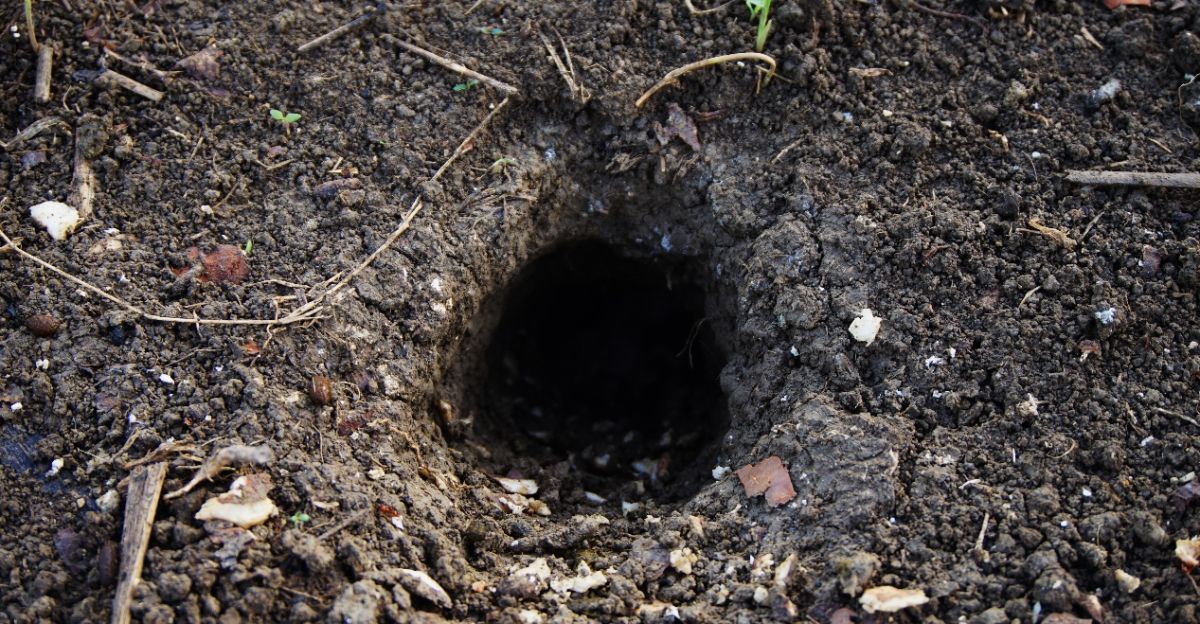
As the snow melts across Michigan, garden beds begin to reappear, and not always the way you remember them. Small holes seem to show up out of nowhere, scattered through soil that looked smooth just weeks before.
It can be surprising to see these changes so early in the season, especially when nothing appears to be moving around during the day. These tiny openings are often the first signs of underground activity that stayed hidden all winter.
As the ground warms and softens, small animals and insects become more active, digging, searching, and moving through the soil in ways that are suddenly easy to spot. What looks like a sudden problem is usually the result of weeks of quiet activity beneath the surface.
Once you understand what is causing these holes, you can figure out whether it is something to manage or simply a natural part of your garden waking up in spring.
1. Voles Create Exit Holes From Winter Tunnel Systems
Picture a tiny highway system running just beneath your garden all winter long. Voles, which are small mouse-like rodents, spend the cold Michigan months tunneling under snow and soil, building complex pathways through your garden beds without you ever knowing.
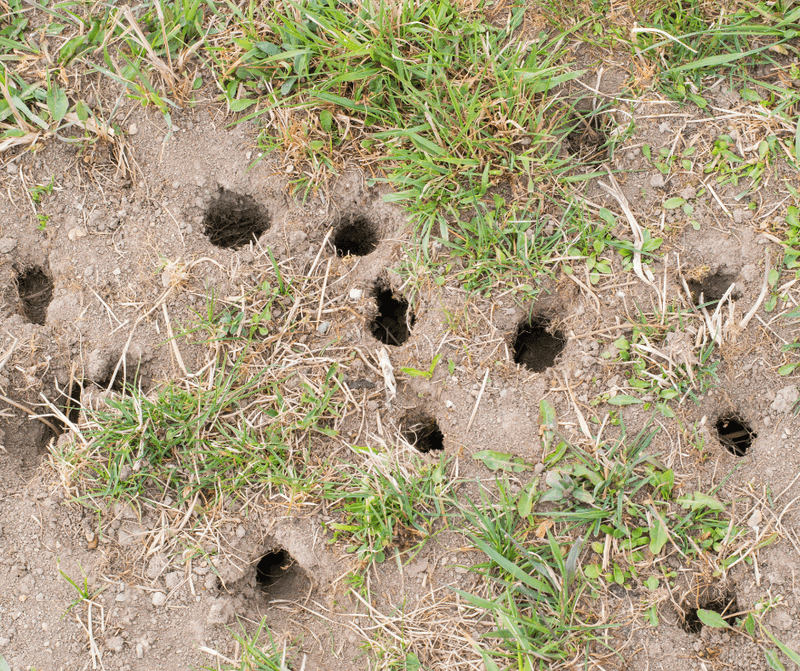
When the snow melts, those hidden tunnels suddenly become visible, leaving behind a network of small, shallow holes at the surface.
These holes are usually about an inch to two inches wide, and they often appear in clusters or along winding paths. You might also notice matted grass or disturbed mulch nearby, which is a strong sign that voles were active throughout the winter season.
Unlike mole damage, vole tunnels tend to stay close to the surface rather than pushing up large mounds of dirt.
Michigan gardeners are especially prone to vole activity because the state gets consistent snow cover, which gives voles perfect protection all winter.
The best way to reduce future vole damage is to pull mulch away from plant stems in fall and clear out dense ground cover near your beds.
Hardware cloth buried a few inches deep around garden borders also works well as a barrier. Catching the problem early in spring gives you a head start on protecting your plants before new growth begins.
2. Chipmunks Become Active And Begin Digging Again
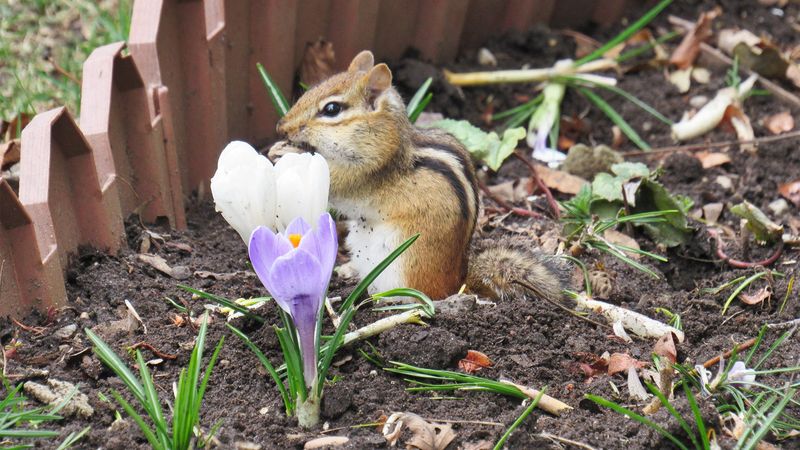
Few things signal spring in Michigan quite like the sight of a chipmunk darting across the garden. After spending months in a state of light winter dormancy, chipmunks wake up hungry and ready to get moving.
They quickly return to digging burrow entrances and searching for food they stored underground, leaving behind neat little holes that often surprise gardeners who step outside for the first time after a snowmelt.
Chipmunk holes are typically about two inches wide and go straight down into the soil, usually without a pile of dirt around the opening. That clean entry point is actually one of the easiest ways to tell chipmunk activity apart from other diggers.
You will often find their holes near garden borders, along stone edges, or close to bulb plantings where food is easy to access.
Your Michigan Garden Changes Every Week. Your Plan Should Too.
Gardening in Michigan changes quickly throughout the season. Every Friday you’ll receive a simple weekly plan showing exactly what to plant, prune, fertilize, harvest, and protect so you never miss the right timing.
While chipmunks are fun to watch, they can cause real trouble in garden beds by digging up bulbs and disturbing newly planted seeds. Michigan gardeners can protect bulbs by placing a layer of hardware cloth just below the soil surface before planting in fall.
Scattering used coffee grounds or planting strong-smelling herbs like mint near vulnerable areas can also discourage chipmunks from revisiting the same spots. A little prevention in the right season goes a long way toward keeping your spring garden looking its best.
3. Ground-Nesting Bees Start Excavating Soil
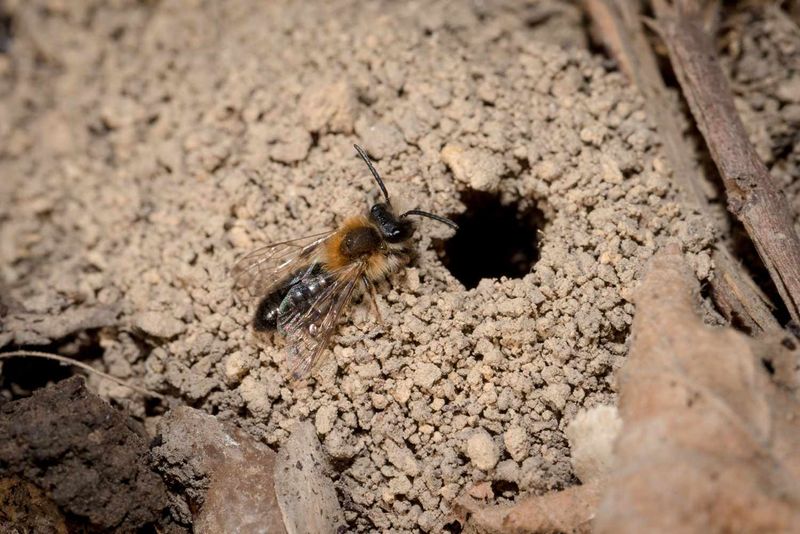
Not every hole in your Michigan garden bed comes from a pest. Some of the most welcome visitors in early spring are ground-nesting bees, which include species like mining bees and sweat bees.
These native pollinators spend winter as eggs or pupae underground, and as the soil warms after snow melt, they emerge and begin excavating small, tidy holes to use as nesting sites.
The holes they create are usually about a quarter inch to half an inch wide, with a small mound of fine, loose soil around the entrance. They tend to appear in sunny, well-drained spots with bare or lightly covered soil.
Unlike honeybees, these are solitary bees that rarely sting and pose almost no threat to people or pets moving through the garden.
Ground-nesting bees are genuinely important for Michigan gardens and surrounding ecosystems because they pollinate early spring flowers and fruit trees at a time when other pollinators are still inactive.
If you spot these holes, the best thing you can do is simply leave them alone. Avoid disturbing or covering the area with heavy mulch while the bees are active.
Watching them work is actually a sign that your garden soil is healthy and welcoming to beneficial wildlife, which is something worth celebrating rather than worrying about as the season gets going.
4. Soil Thawing Reveals Hidden Winter Damage
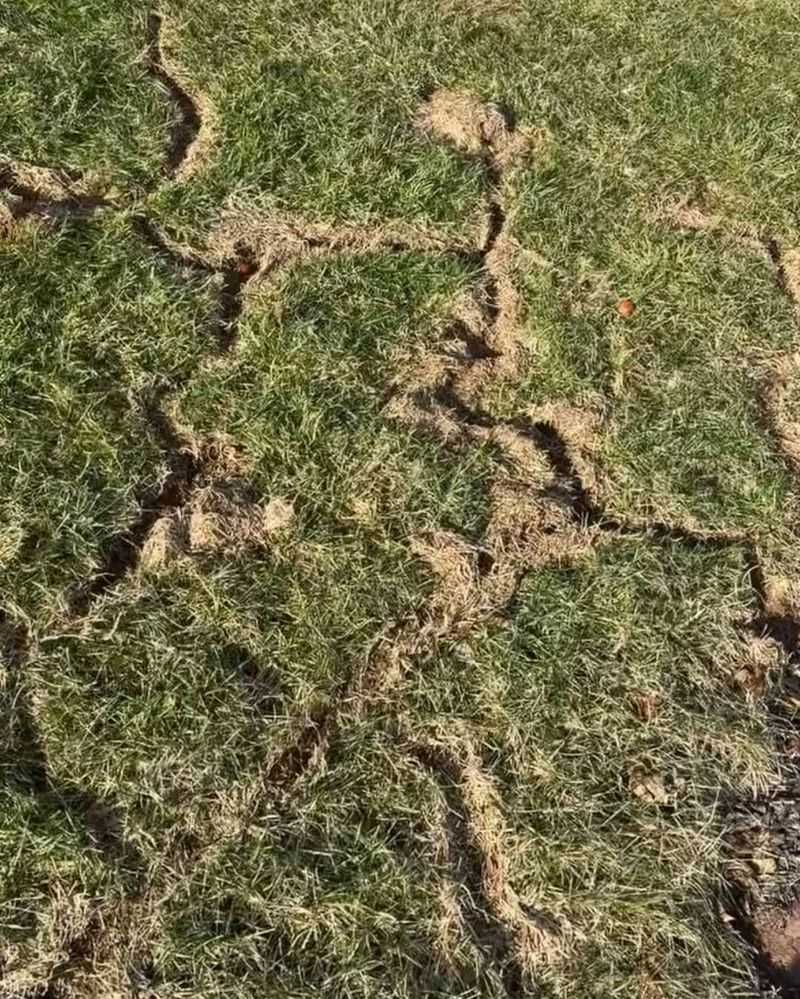
Snow acts like a thick blanket over your garden all winter, hiding everything happening underneath. When temperatures drop and rise repeatedly throughout a Michigan winter, the soil shifts, cracks, and settles in ways that are completely invisible while snow is still on the ground.
The moment that snow melts away, gardeners get their first real look at what went on beneath the surface for months.
Frost heave is one of the biggest culprits behind these revealed holes and depressions. Water in the soil freezes and expands, pushing soil particles upward and creating small gaps.
When it thaws, those particles do not always settle back into their original positions, leaving behind uneven ground and small sunken spots that look almost like something dug them out overnight.
Michigan gardeners often feel confused by these holes because they seem to appear out of nowhere, but the process actually started back in November or December. The good news is that most of these soil disturbances are easy to fix with a little early spring prep.
Gently raking the bed surface and adding a thin layer of compost helps fill in gaps and level out uneven spots.
Pressing any frost-heaved plants back into the soil firmly and watering them in gives them the best chance of recovering well before the main growing season gets underway across Michigan.
5. Birds Dig For Insects In Soft Spring Soil
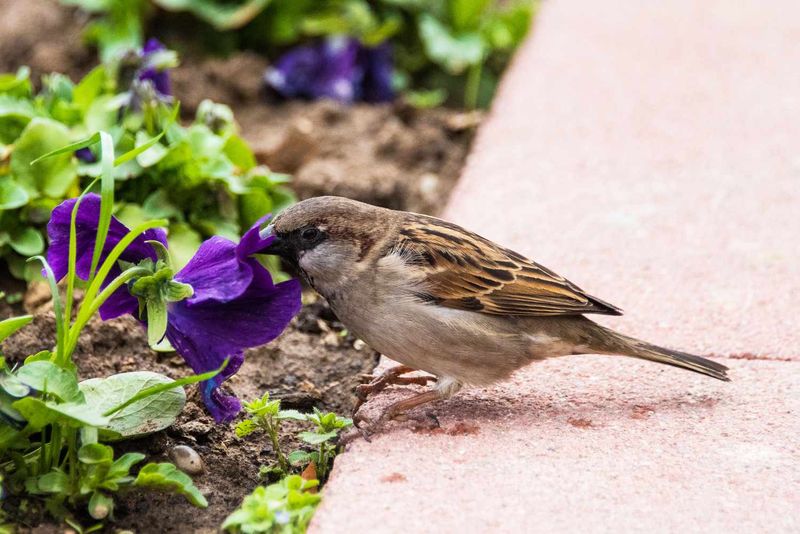
Robins are one of the most beloved signs of spring across Michigan, and they waste absolutely no time getting to work once the snow melts.
Soft, thawed soil is a treasure chest for hungry birds, and robins along with starlings, sparrows, and other species will probe garden beds repeatedly in search of earthworms, beetle larvae, and other insects hiding just below the surface.
Bird-made holes are usually shallow, irregular in shape, and scattered randomly across the bed rather than in a straight line or cluster. They tend to be smaller than half an inch wide and rarely go deeper than an inch or two.
You might also notice small beak marks or disturbed soil around each hole, which makes them easy to distinguish from rodent damage that tends to be rounder and cleaner at the edges.
The great thing about bird activity in your Michigan garden is that it is almost entirely helpful. Birds naturally reduce insect pest populations by feeding on grubs and larvae that would otherwise harm your plants later in the season.
Rather than trying to stop them, consider placing a birdbath nearby to encourage them to stay.
If the digging becomes too disruptive around delicate seedlings, a simple row cover or loose netting laid over the bed gives plants protection while still allowing birds to forage freely around the edges of your garden space.
6. Freeze And Thaw Cycles Cause Soil Collapse
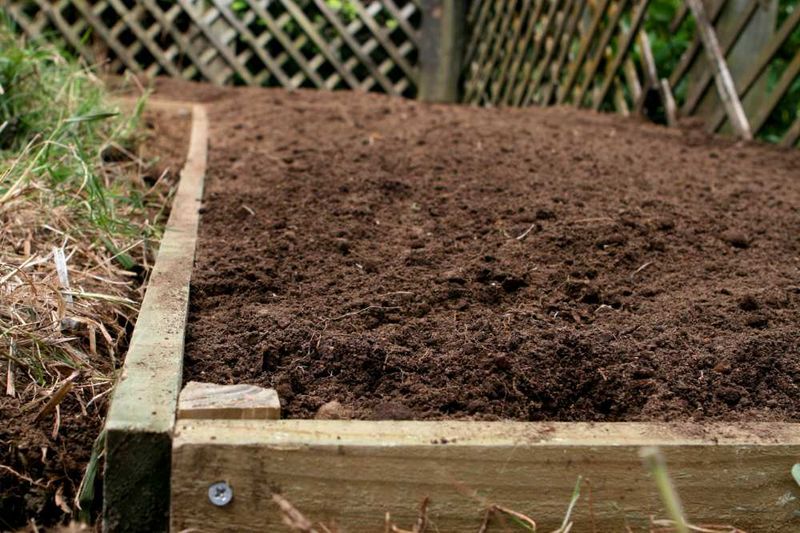
Michigan winters are famous for being unpredictable, with temperatures swinging above and below freezing multiple times throughout the season. Every time the soil freezes, water inside it expands and pushes soil particles apart.
Every time it thaws, that same soil contracts and settles back down, but not always in the same arrangement as before. Over the course of a full winter, this repeated movement creates small voids and collapsed pockets just under the surface.
When spring arrives and the snow finally melts for good, these voids become visible as small holes or sunken patches across garden beds.
They are especially common in raised beds and areas with heavier clay soil, which holds more moisture and is more affected by the freeze-thaw process.
Gardeners in northern Michigan tend to see more of this type of damage because their winters are longer and more intense.
Fixing freeze-thaw collapse holes is straightforward and satisfying. Start by loosening the top few inches of soil with a hand fork, then work in a generous amount of compost or aged organic matter to improve soil structure.
Adding compost regularly over several seasons actually builds a more resilient soil that handles Michigan’s temperature swings much better over time.
Raised bed gardeners can also consider adding a layer of straw mulch in late fall to insulate the soil and reduce the severity of freeze-thaw movement before the next winter arrives.
7. Mice And Small Rodents Resume Surface Activity
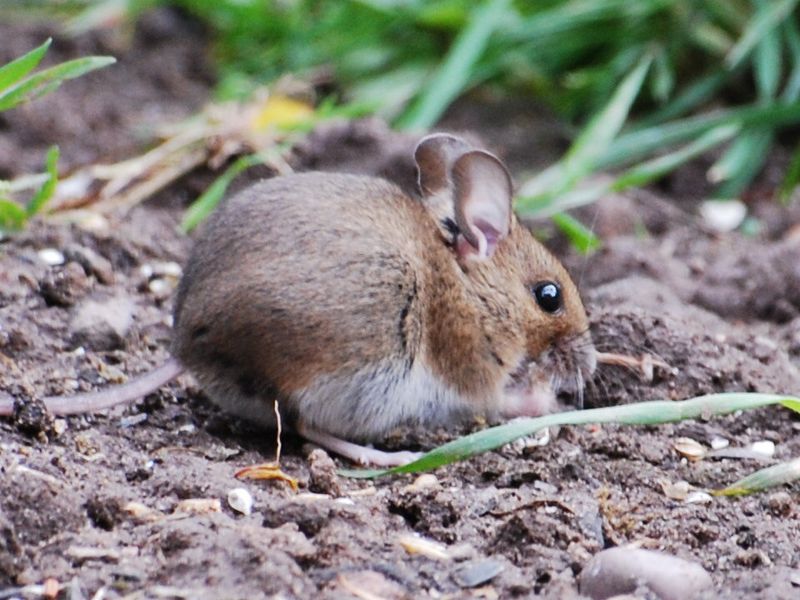
While voles stick mostly to tunnels, common house mice and field mice take a different approach to getting around the garden.
As soon as temperatures rise and snow begins melting across Michigan, these small rodents start moving above ground again to forage for seeds, plant material, and any food they can find.
They use small holes as entry and exit points between underground hideouts and the garden surface.
Mouse holes in garden beds are usually about an inch wide, fairly round, and often tucked near the base of plants, along edges of raised beds, or beside rocks and garden borders. You might notice tiny droppings nearby or small trails of disturbed mulch leading away from the opening.
Unlike voles, mice tend to be more scattered in their movement patterns, so their holes rarely follow a clear line or path.
Reducing mouse activity in your Michigan garden starts with removing the things that attract them in the first place. Clear away brush piles, fallen leaves, and dense mulch near the garden during early spring cleanup.
Storing birdseed and compost in sealed containers eliminates easy food sources that draw mice in from surrounding areas. Planting strong-smelling herbs like lavender or placing natural deterrents around the garden perimeter can also help.
Staying consistent with these habits through the season makes a noticeable difference in how often these small visitors show up in your beds.
8. Decomposing Organic Matter Leaves Small Voids
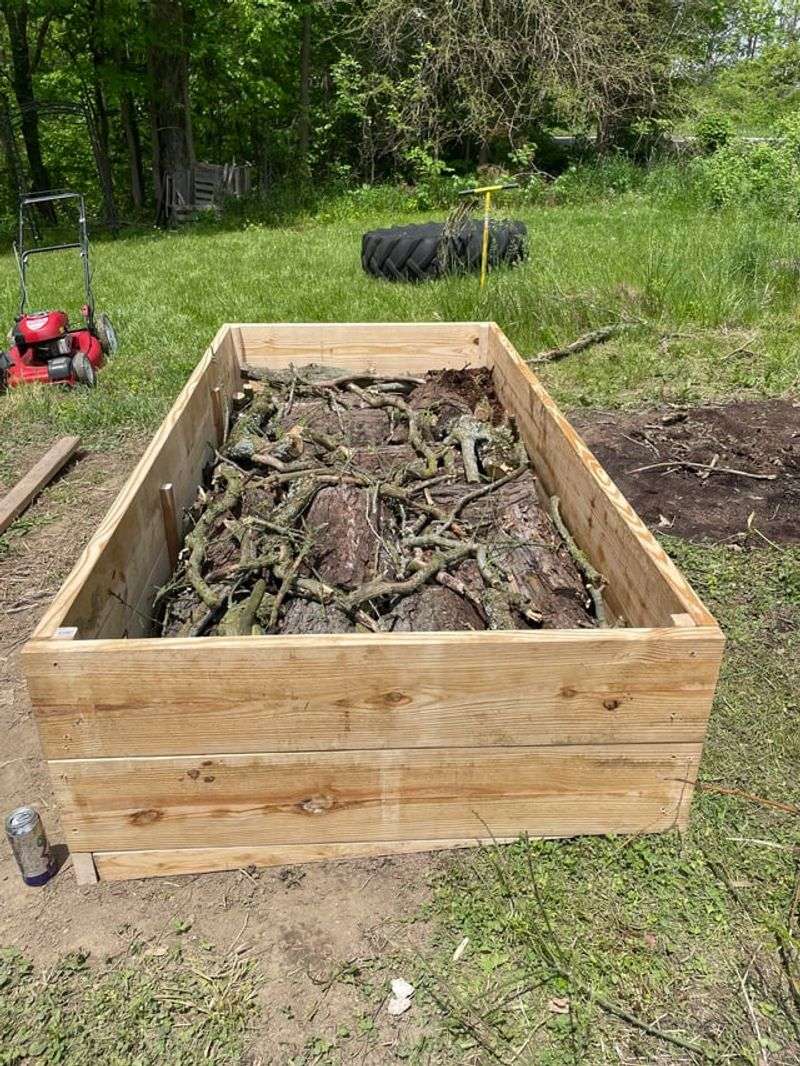
Beneath the surface of every Michigan garden bed, organic matter is constantly breaking down, and winter does not slow that process as much as people might expect.
Old plant roots, mulch layers, woody debris, and buried organic material continue to decompose through the cold months.
By the time spring arrives and snow melts away, some of that material has broken down enough to leave small gaps or sunken spots in the soil where it used to be.
These decomposition voids look like small round holes or soft depressions, often appearing in spots where old plants grew the previous season or where thick mulch was applied in fall. The surrounding soil may feel slightly spongy or loose compared to the rest of the bed.
There are no animal tracks, droppings, or tunnel signs nearby, which makes it easier to rule out wildlife as the cause.
The fix here is actually an opportunity to improve your soil at the same time. Fill the voids with a mix of compost and garden soil, pressing it in firmly to eliminate air pockets.
Topping the whole bed with a fresh layer of compost each spring adds nutrients while also compensating for natural settling that happens every year.
Michigan gardeners who make this a regular part of their spring routine end up with consistently healthier, more productive garden beds that bounce back quickly and stay strong all the way through the growing season.