8 Signs You Might Be Over-Pruning Your Plants In Michigan
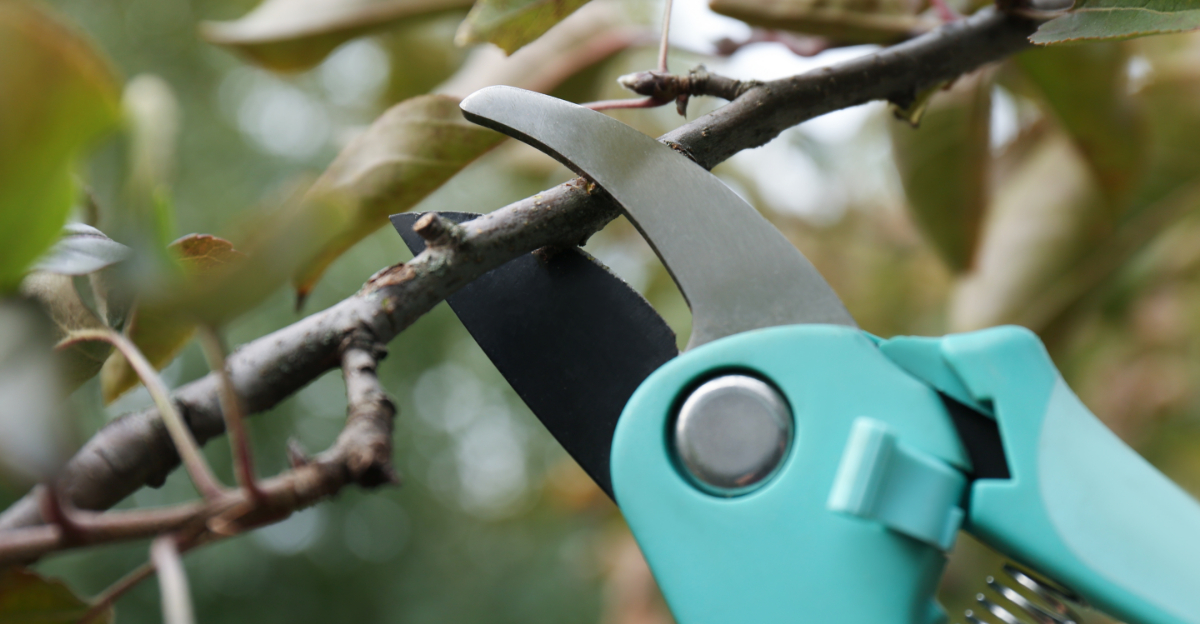
A lot of gardeners start pruning with good intentions and end up taking off more than they meant to. It happens fast.
One branch leads to another, the shape still looks a little off, and before long the shrub, perennial, or small tree looks thinner than expected. In Michigan, that can create bigger problems than people realize.
Plants here already deal with enough, from cold winters to late frosts and a growing season that does not always leave room for recovery after a rough cutback. Too much pruning can mean fewer flowers, weaker growth, sun damage, or stress that lingers longer than expected.
Sometimes the warning signs show up quickly. Other times they sneak in later.
That is why it helps to know what over-pruning actually looks like in the garden. A plant does not need to be chopped down to be struggling, and several clues are easy to miss until the damage is already showing.
1. Fewer Flowers On Spring-Blooming Shrubs

You waited all winter for your lilac or forsythia to burst into bloom, and now it has barely a flower to show for it. If your spring-blooming shrubs in Michigan are producing far fewer flowers than usual, over-pruning is often the reason behind the disappointment.
Many spring bloomers set their flower buds in late summer and fall, which means cutting them back too late in the season removes those buds before they ever get a chance to open.
When you prune a forsythia or a flowering quince after midsummer, you are essentially snipping away next year’s show before it even starts. Michigan gardeners sometimes make the mistake of giving shrubs a good trim in late August or September, thinking they are helping the plant prepare for winter.
Unfortunately, that well-meaning cut strips away months of bud development.
The fix is simpler than you might think. Prune spring-blooming shrubs right after they finish flowering, usually in late spring.
That gives the plant the entire growing season to develop healthy new buds for the following year. If your shrub has been over-pruned for a couple of seasons, be patient because it may take a full year or two to bounce back with a full, gorgeous bloom.
Giving it consistent water and mulch will support recovery, but fertilizer should be used only if the plant needs it rather than as an automatic fix.
2. Lots Of Water Sprouts
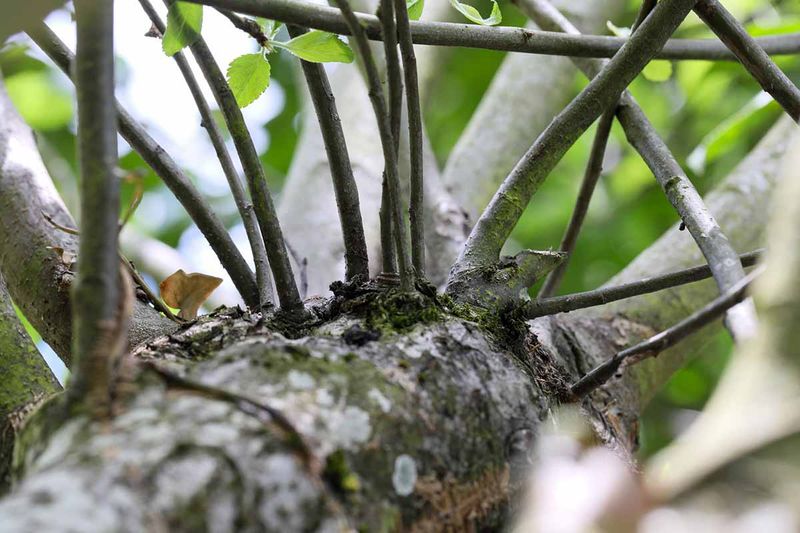
Walk out to your tree and look closely at the main branches. If you spot a bunch of thin, fast-growing shoots rocketing straight up toward the sky, those are called water sprouts, and they are a classic distress signal.
Plants produce these weak, vertical shoots when they have lost too much foliage too quickly and are scrambling to replace the energy they lost from over-pruning.
Water sprouts are not like regular healthy branches. They grow incredibly fast but stay weak and spindly, and they rarely develop into anything useful.
In Michigan, where trees already have to work hard to survive cold winters and late frosts, a tree covered in water sprouts is a tree that is spending its energy in all the wrong places. Instead of strengthening its root system or developing sturdy limbs, it is frantically trying to grow leaves wherever it can.
Your Michigan Garden Changes Every Week. Your Plan Should Too.
Gardening in Michigan changes quickly throughout the season. Every Friday you’ll receive a simple weekly plan showing exactly what to plant, prune, fertilize, harvest, and protect so you never miss the right timing.
Seeing a few water sprouts here and there is normal, but when they appear by the dozens after a pruning session, that is a clear sign you took off too much at once. Arborists generally recommend limiting how much live canopy you remove in one season, often to about one-quarter to one-third depending on the plant and the situation.
If water sprouts are already present, you can carefully remove them over time, but avoid stripping them all off at once or you risk triggering another round of the same stressed response. Slow, thoughtful pruning is always the better approach for Michigan landscapes.
3. Large Bare Gaps In The Plant
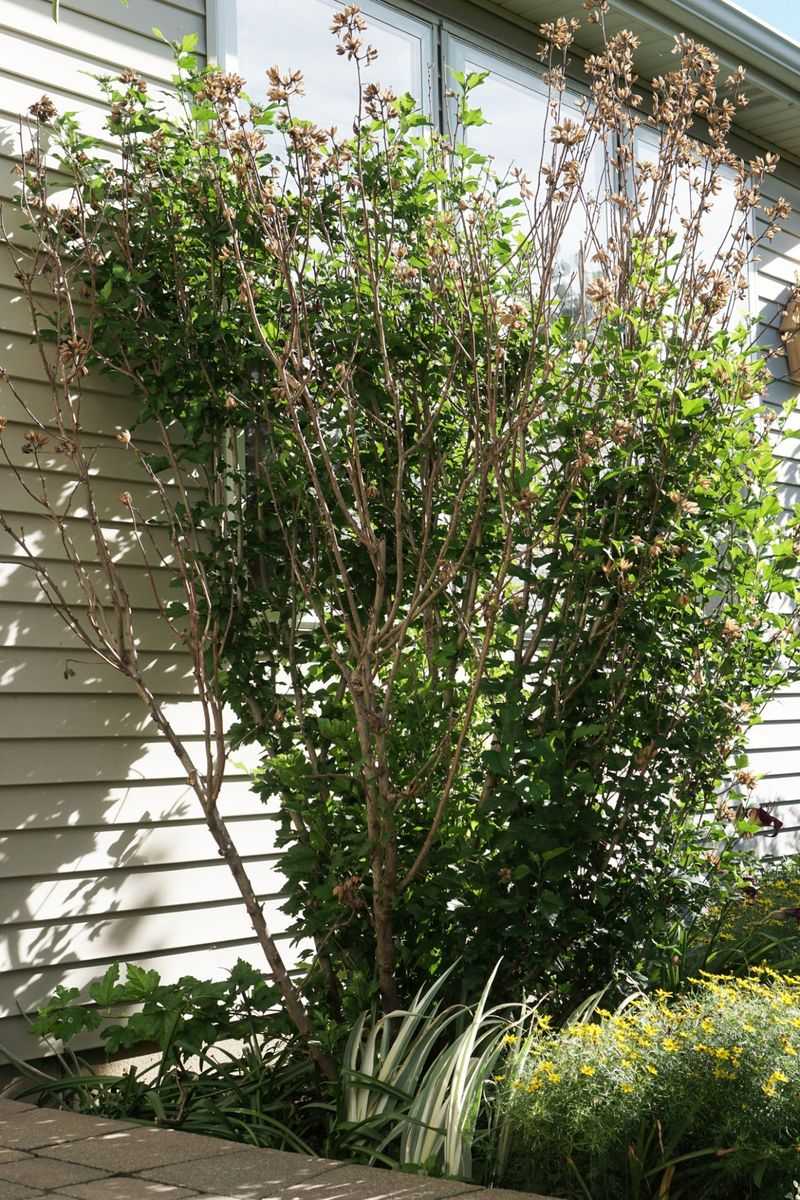
Healthy plants have a full, even shape with foliage distributed throughout the canopy. When you start noticing big empty holes or bare patches where there used to be lush growth, that is a strong indicator that pruning has gone too far.
Large bare gaps in a plant are not just an eyesore in your Michigan yard; they also signal that the plant’s structure has been compromised in a serious way.
Plants need leaves to capture sunlight and make food through photosynthesis. When large sections of a plant are stripped bare, the remaining leaves have to work overtime to keep the whole plant alive.
Over time, this extra strain can weaken the entire plant, making it more vulnerable to pests, disease, and the harsh Michigan winters that can already be tough on landscape plants.
Another problem with bare gaps is that the exposed woody stems and inner branches can suffer from sunscald, especially during Michigan’s bright summer days. Bark that was previously protected by a canopy of leaves can crack and peel when suddenly exposed to direct sun and heat.
To help a plant recover from bare gaps, resist the urge to prune it further for at least one full growing season. Let it put its energy into filling back in naturally.
You can support recovery by watering deeply during dry spells and applying a slow-release fertilizer in early spring to encourage new, healthy growth from the inside out.
4. Stubs Left Behind After Cuts
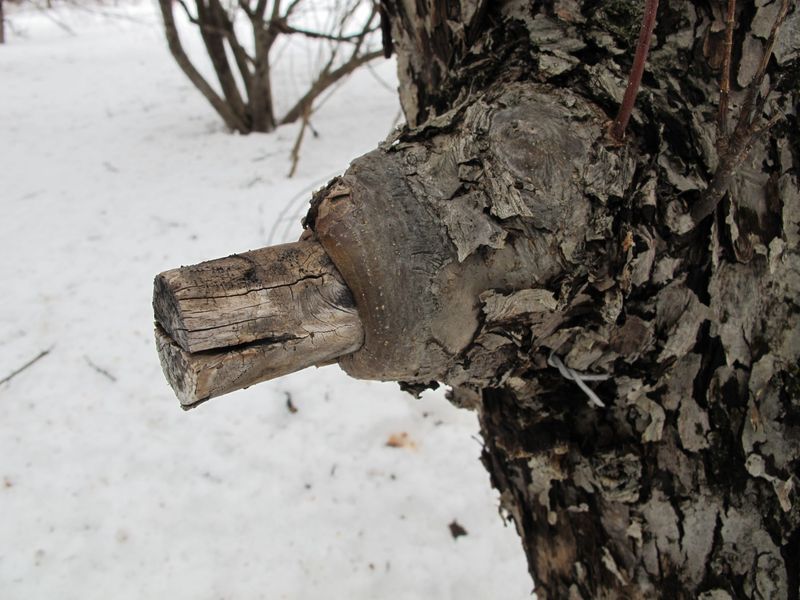
Picture this: you grab your pruning shears, cut off a branch, and leave behind a short, stubby piece sticking out from the main trunk or stem. It might not seem like a big deal, but those leftover stubs are one of the most common signs of improper pruning, and they can cause real, lasting harm to your Michigan plants.
A proper pruning cut removes the branch cleanly at the branch collar, leaving no stub behind.
Stubs cannot heal the way a clean cut can. The plant’s natural wound-sealing process, called compartmentalization, works best when a cut is made at the right spot.
When a stub is left, the plant struggles to seal over the wound, and that open stub becomes an easy entry point for insects, fungi, and bacteria. In Michigan’s humid summer climate, these kinds of infections can spread quickly if left unchecked.
Over time, stubs tend to rot from the outside in, and that decay can work its way back into the main trunk or stem of the plant. You might not notice the damage right away, but a few seasons later, you could find a branch or trunk that is hollow and weak on the inside.
The good news is that if you catch stubs early, you can make a corrective cut at the proper location to give the plant a better chance at healing. Always use sharp, clean tools and cut just outside the branch collar for the best results in your Michigan garden.
5. A Hedge That Is Narrower At The Bottom Than The Top
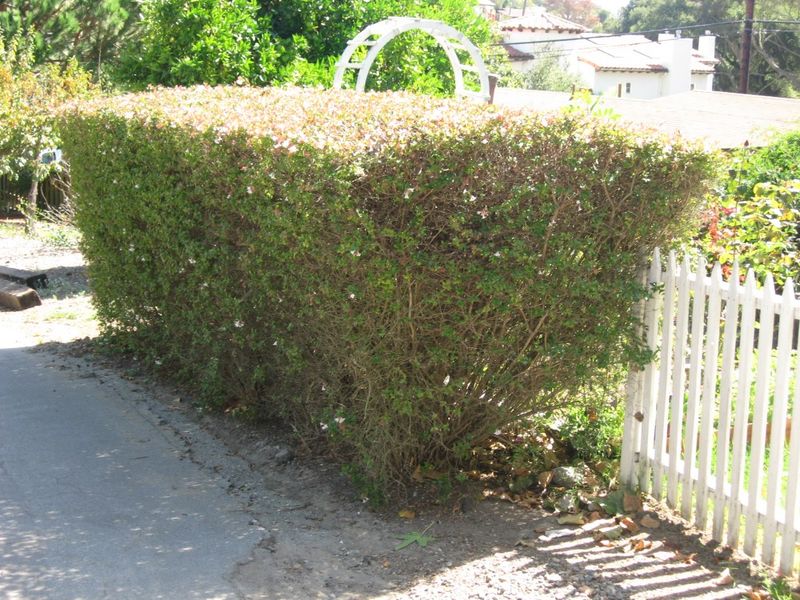
If your hedge looks like an upside-down trapezoid, wider at the top and pinched in at the bottom, you have got a pruning problem on your hands. A hedge that is narrower at the bottom than at the top is a telltale sign that it has been trimmed incorrectly, and this shape causes a surprising amount of damage over time.
The wide top shades out the lower branches, preventing them from getting the sunlight they need to stay full and green.
In Michigan, where growing seasons are already shorter than in warmer states, hedges need every bit of sunlight they can get to stay healthy and dense from top to bottom. When the lower portions of a hedge are consistently shaded by an overgrown top, the leaves down below gradually thin out and drop off.
Eventually, you are left with a hedge that has bare, woody legs at the bottom and a lush, leafy canopy at the top, which looks awkward and is hard to fix quickly.
The correct shape for a hedge is actually slightly wider at the base and narrower at the top, almost like a gentle A-frame. This shape allows sunlight to reach all parts of the plant evenly.
If your Michigan hedge has already developed the wrong shape, you can correct it gradually over two or three growing seasons by trimming the top more aggressively while allowing the bottom to fill back in. Rushing the correction by cutting too drastically all at once will only add more stress to an already struggling plant.
6. Large Wounds From Removing Big Branches Too Late
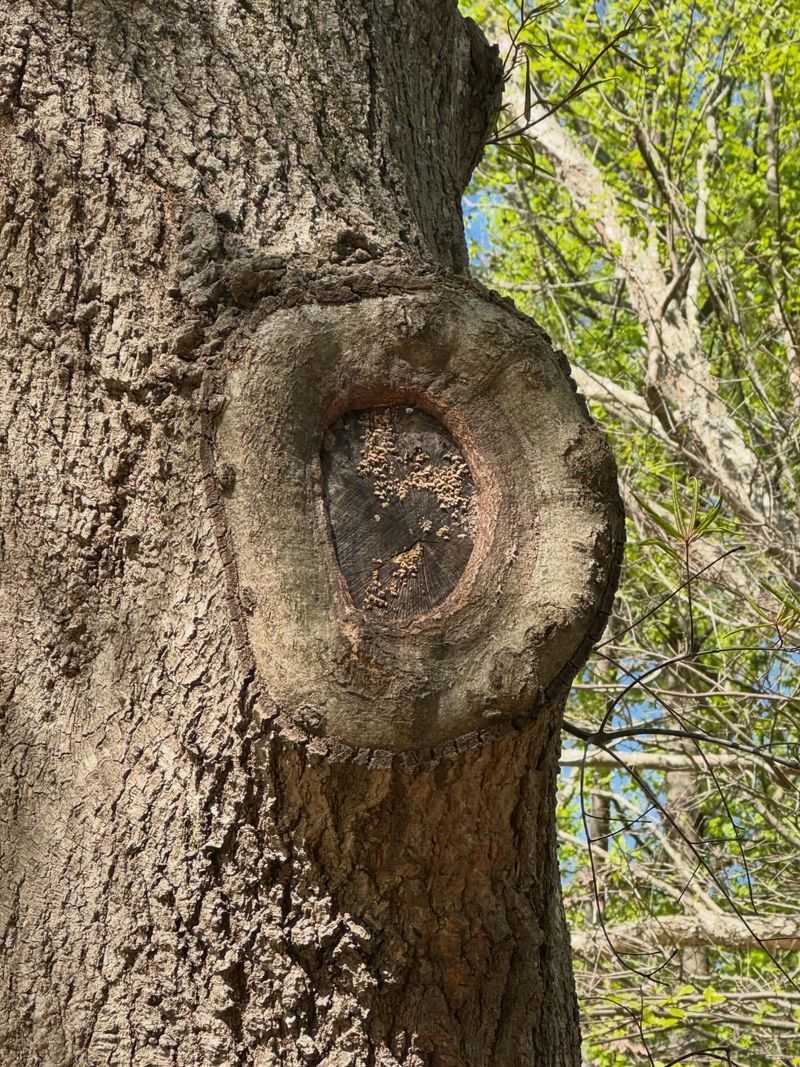
Timing matters enormously when it comes to removing large branches from trees in Michigan. When a big branch is cut off late in the growing season or at the wrong time of year, the wound left behind can be massive and slow to heal.
Unlike small pruning cuts that seal over relatively quickly, large wounds from removing thick branches take years to close, and late-season cuts make the process even harder for the plant.
Michigan winters are brutal, and a fresh, large wound heading into cold temperatures is bad news for any tree. Freezing and thawing cycles can cause the exposed wood to crack and check, opening the door for moisture to get inside and encourage rot.
Fungal pathogens that are common in Michigan’s humid conditions are also quick to take advantage of any open wound, especially a large one that has not had time to begin the compartmentalization process before winter sets in.
Large branch removal is often done in late winter or very early spring in Michigan, but the best timing can vary by species and disease risk. At that point, the tree is still dormant, which limits the risk of insect and disease problems, but it is also right on the edge of a period of vigorous growth that will help the wound begin to close faster.
If you have a large branch that needs to go, consider hiring a certified arborist who understands Michigan’s specific climate challenges and can make the cut at the ideal time and angle for the healthiest possible outcome.
7. Misshapen Growth After Heavy Cutting
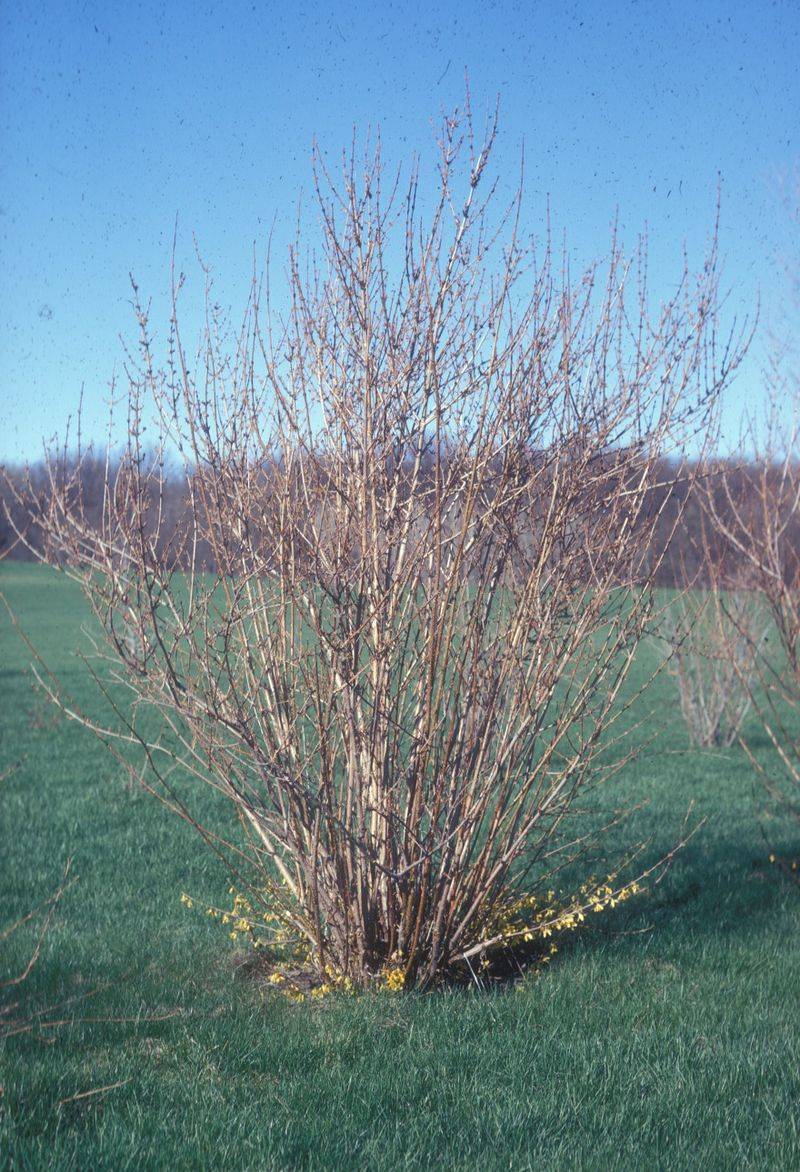
Heavy pruning can completely throw off a plant’s natural growth pattern, leaving you with something that looks more like a science experiment than a beautiful landscape shrub. When too many branches are removed at once, the plant responds by pushing out new growth in unpredictable, uneven ways.
The result is a misshapen plant with awkward angles, lopsided branching, and an overall form that looks nothing like what it should.
Michigan gardeners who love a tidy yard sometimes go a little overboard trying to shape their plants into perfect spheres, boxes, or other geometric forms. When cuts are made too deeply or too frequently, the plant loses its natural structure and starts producing compensatory growth that is disorganized and hard to manage.
Branches may shoot out at strange angles, cross over each other, or grow inward toward the center of the plant instead of outward toward the light.
Recovering a misshapen plant takes patience and a lighter touch. Rather than trying to fix everything in one season, commit to a multi-year plan where you make small, strategic cuts each year to guide the plant back toward a balanced, natural form.
Removing crossing branches, inward-growing shoots, and any damaged wood is a good starting point. In Michigan, it helps to do this corrective pruning in late winter before new growth begins, so you can clearly see the plant’s structure without leaves in the way.
With time and consistent care, most plants can regain a pleasing, healthy shape.
8. Plants That Keep Getting Cut Back Just To Fit The Space
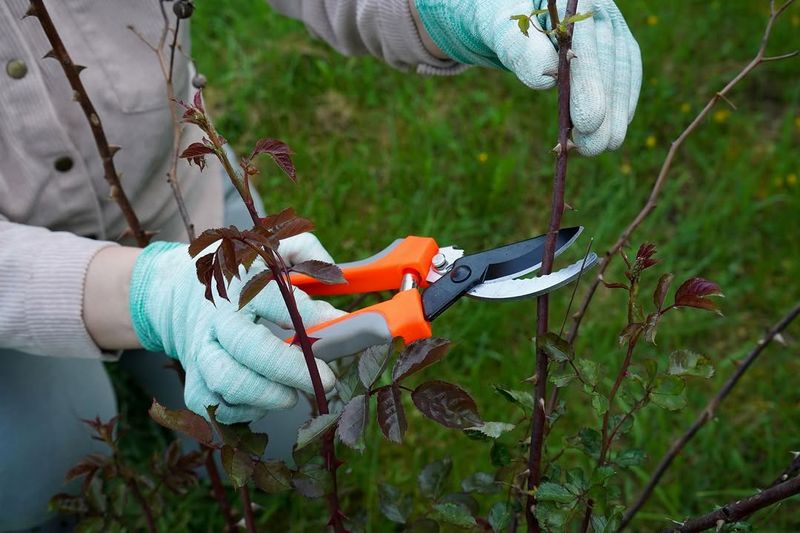
Every few weeks, you head outside with your clippers because that one shrub is crowding the walkway again, or the tree by the window is blocking the view. Sound familiar?
When a plant has to be cut back over and over just to fit into its space, that is a sign of a much bigger problem than pruning technique. The plant was simply placed in the wrong spot, and repeated heavy cutting is creating a cycle of stress that can be hard to break.
In Michigan, where plants have a limited growing season to recover and rebuild, constant cutting back keeps the plant in a perpetual state of playing catch-up. Each time you cut it hard, the plant responds by pushing out fast, vigorous regrowth in an attempt to replace what was lost.
That regrowth grows quickly, fills the space again, and then gets cut back once more. Over time, the plant develops a dense, twiggy outer shell with a weak interior structure that is prone to problems.
The most honest and effective solution is to consider replacing the plant with a variety that naturally stays smaller and fits the space without constant intervention. Many Michigan-friendly compact cultivars of popular shrubs and trees are available at local nurseries.
Choosing the right plant for the right place from the beginning is one of the most important principles in successful gardening. If removal is not an option right now, commit to pruning lightly and consistently rather than cutting back hard every few weeks, which only makes the problem worse over time.