These Are The Best Plants That Thrive Under Live Oaks In Pennsylvania
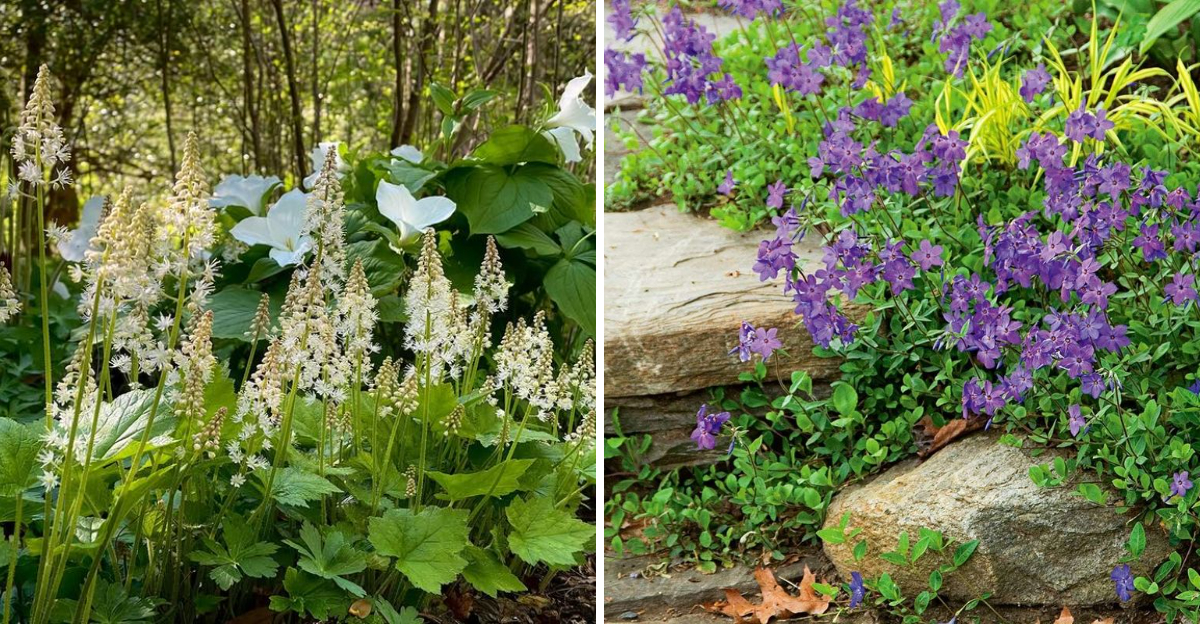
Trying to grow anything under a big tree can feel like an unfair test, and live oaks make it even trickier. The ground underneath them often comes with heavy shade, thirsty roots, and dry soil that seems determined to reject anything new.
It is the kind of spot where plenty of plants look promising at first, then slowly give up once they are actually in the ground. That is why choosing the right plants matters so much.
The good news is that some plants are much better suited to these conditions than others. They can handle lower light, compete a little better for moisture, and still bring color, texture, or lush greenery to a part of the yard that might otherwise feel bare and frustrating.
Once you find the right match, that tough area under the canopy can start looking like one of the most attractive parts of the garden.
If you have been staring at that shaded space and wondering what will actually grow there, the answer is not more guesswork. It starts with plants that know how to thrive where others struggle.
1. Christmas Fern (Polystichum Acrostichoides)
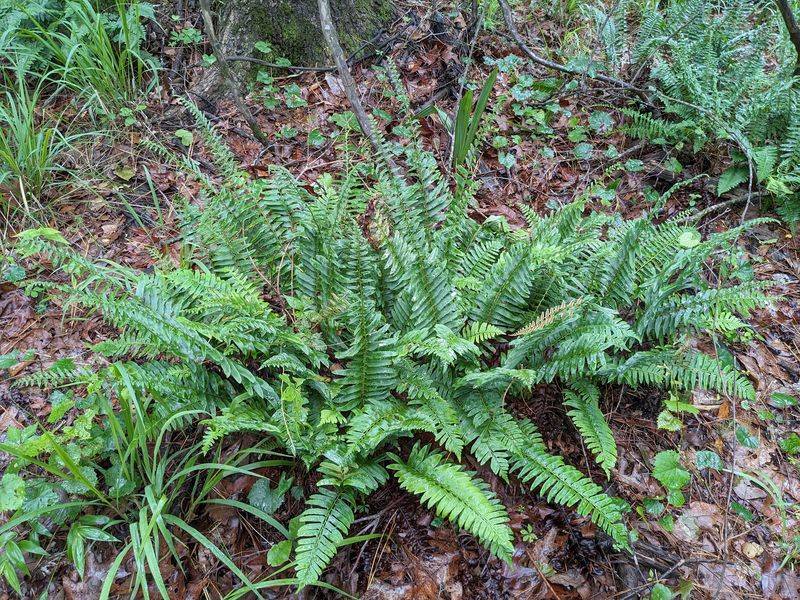
If you have ever walked through a Pennsylvania forest in the middle of winter and spotted something still bright green against the snow, there is a good chance it was a Christmas fern.
This tough native plant keeps its deep green, glossy fronds all year long, which is exactly how it got its festive name.
It is one of the most reliable ferns you can plant under a live oak in Pennsylvania, and gardeners across the state have been counting on it for decades.
Christmas fern handles dry shade better than almost any other fern you will find at a native plant nursery. Under a live oak, where the roots compete for water and the canopy keeps rain from reaching the ground, that kind of toughness really matters.
Once established, it needs almost no watering or extra care. Penn State’s shade-plant guidance specifically recommends Christmas fern for shady sites, so you know it has solid research behind it.
Planting it is straightforward. Give it well-drained soil, some shade, and a little space to spread, and it will reward you season after season.
Each plant forms a graceful rosette of arching fronds that can reach about two feet tall. It looks great planted in groups along a shaded path or tucked around the base of a large oak.
Birds and small woodland creatures use the dense fronds for cover too, so you are adding habitat value at the same time. It is a true Pennsylvania garden workhorse.
2. Foamflower (Tiarella Cordifolia)
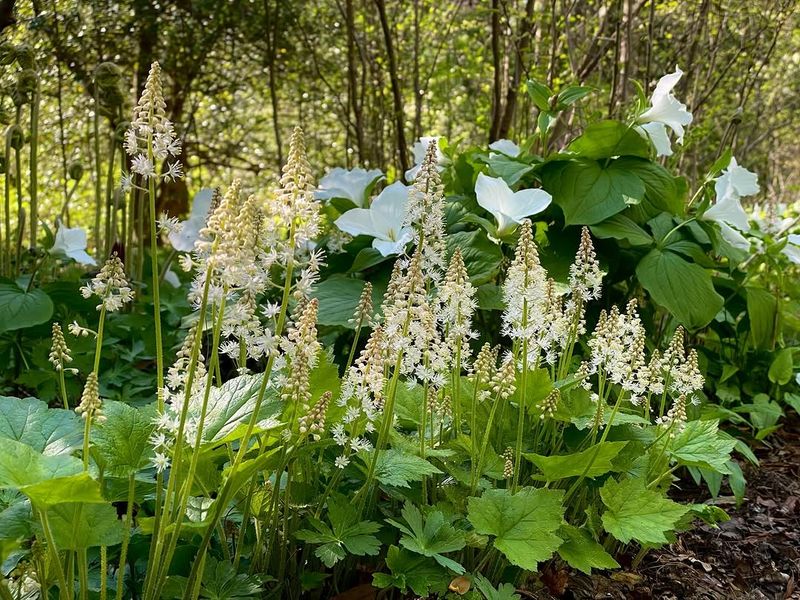
Spring under a live oak in Pennsylvania can feel pretty quiet, but foamflower changes that in the most charming way. When it blooms in April and May, it sends up delicate, foamy white flower spikes that almost seem to float above the ground.
The effect is soft, airy, and genuinely beautiful, especially when planted in sweeping drifts beneath a large canopy. It is one of those plants that makes visitors stop and ask what it is.
Your Pennsylvania Garden Changes Every Week. Your Plan Should Too.
Gardening in Pennsylvania changes quickly throughout the season. Every Friday you’ll receive a simple weekly plan showing exactly what to plant, prune, fertilize, harvest, and protect so you never miss the right timing.
Foamflower is a native woodland perennial that grows naturally across much of the eastern United States, including Pennsylvania. It thrives in part shade to full shade, which makes it a natural fit beneath established oaks.
Penn State’s Bucks County native garden plantings include foamflower specifically for shady sites, and that recommendation reflects just how well it performs in real Pennsylvania garden conditions.
Beyond the flowers, the lobed, maple-like leaves stay attractive throughout the growing season. Some varieties even develop reddish or bronze markings as temperatures drop in fall, giving you a second wave of visual interest.
Foamflower spreads slowly by runners, so over time it can fill in a shaded bed with a lush, weed-suppressing carpet of foliage. It prefers slightly moist, humus-rich soil but tolerates the drier conditions that often develop under oak trees once it gets established.
Pairing it with wild ginger or Christmas fern creates a layered native planting that looks intentional and naturalistic at the same time. For Pennsylvania gardeners, it is a spring must-have.
3. Wild Ginger (Asarum Canadense)
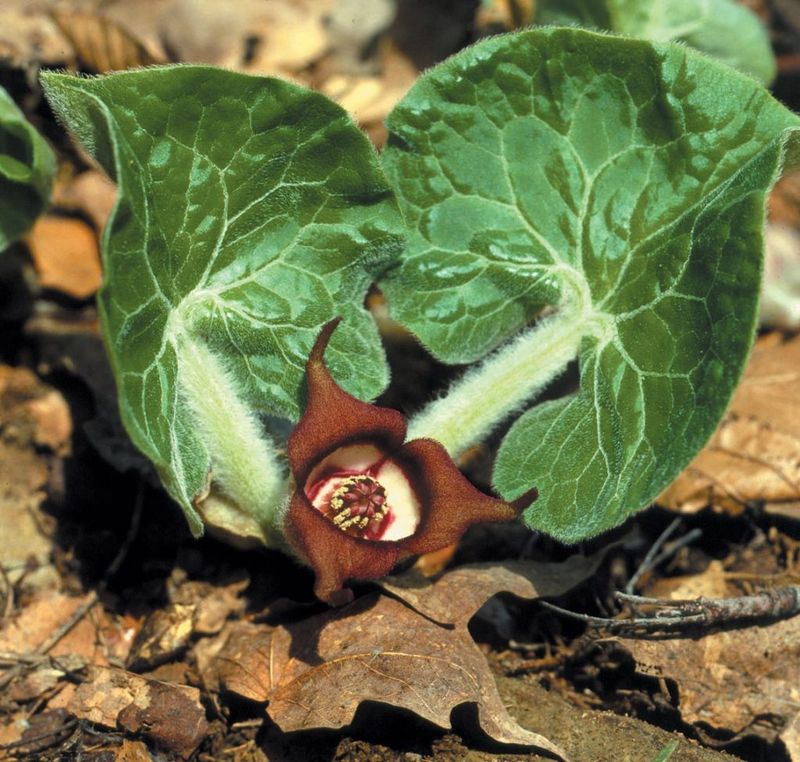
There is something wonderfully old-fashioned about wild ginger. Long before anyone was talking about native plant gardening, Pennsylvania woodland gardens were already full of this quietly reliable groundcover.
It spreads slowly beneath trees, filling in the rooty, shaded ground with wide, heart-shaped leaves that create a lush, forest-floor look. It does not shout for attention, but once you have it in your garden, you wonder how you ever did without it.
Asarum canadense is a classic choice for the dry, shaded conditions that develop beneath established live oaks in Pennsylvania. The roots of a large oak compete aggressively for moisture, and many plants simply cannot handle that.
Wild ginger is different. It evolved in exactly these kinds of woodland conditions, which means it is naturally adapted to the challenges you face in that tricky spot under your tree.
One fun detail: wild ginger does produce flowers, but they are hidden beneath the leaves at ground level. They are small, brownish-red, and shaped almost like tiny jugs.
Most people never notice them, but they are pollinated by ground-level insects and add to the ecological value of the plant. The leaves have a faint gingery scent when crushed, though this plant is not related to the culinary ginger you use in cooking.
It spreads by rhizomes, slowly expanding its territory each year. Plant it in groups for the best effect, and give it a season or two to settle in before it really takes off. It is a Pennsylvania woodland classic worth every bit of patience.
4. Pennsylvania Sedge (Carex Pensylvanica)
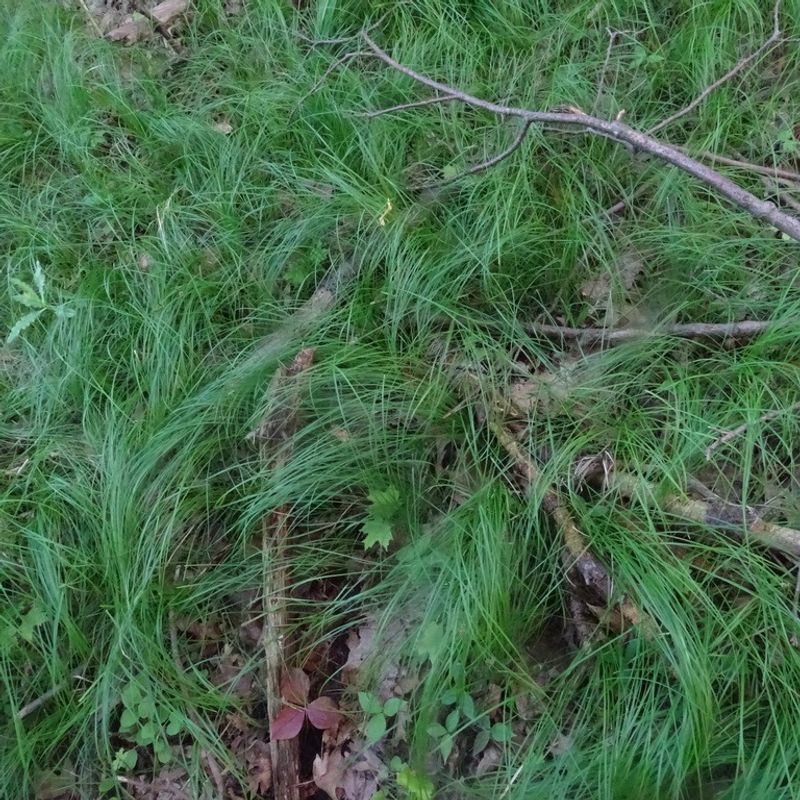
Pennsylvania sedge practically has the state’s name written on it, and that is no coincidence.
Carex pensylvanica is native to the mid-Atlantic and northeastern United States, and it grows naturally in the dry, shaded understory of oak woodlands across Pennsylvania.
It is one of the most talked-about native plants for homeowners who want a grass-like look in spots where traditional turf simply refuses to grow. Under a live oak, where shade is deep and soil moisture is low, this sedge does exactly what lawn grass cannot.
What makes Pennsylvania sedge so useful is how it handles dry shade. Most ornamental grasses and lawn alternatives struggle without regular watering once they are planted under a large tree.
Pennsylvania sedge, once established, is remarkably drought-tolerant. It forms a fine-textured, semi-evergreen mat that stays low, usually around six to twelve inches tall, without much mowing or intervention. It is the kind of plant that looks after itself.
Planting it in masses creates a soft, meadow-like carpet beneath your oak tree that looks intentional and polished. It also works beautifully as a transition plant between a lawn area and a woodland garden bed.
Pennsylvania sedge tolerates light foot traffic, so it can even serve as a functional groundcover along shaded paths. Early spring brings tiny, inconspicuous flowers that are not showy but do attract small native insects.
For Pennsylvania homeowners tired of fighting bare, root-filled ground under large oaks, this sedge is one of the most practical and rewarding solutions available anywhere.
5. Wild Blue Phlox (Phlox Divaricata)
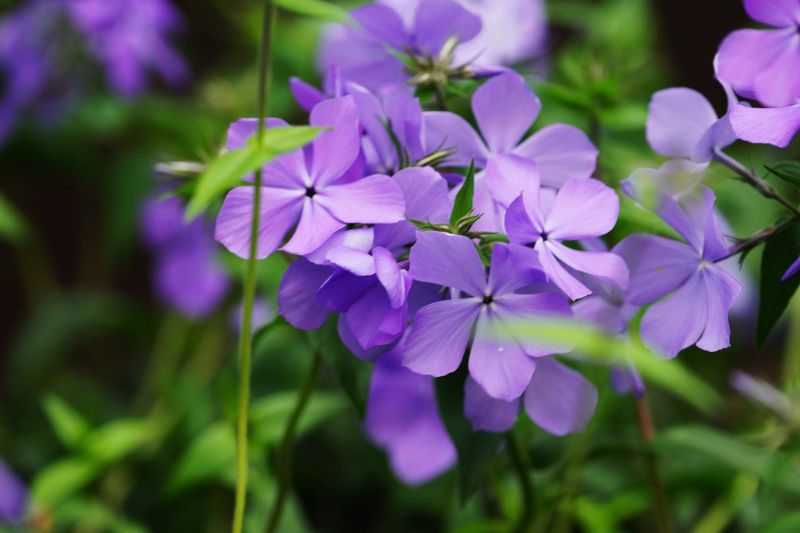
Few sights in a Pennsylvania spring garden are as uplifting as a sweep of wild blue phlox in full bloom. The flowers open in shades of soft lavender, sky blue, and pale violet, and they carry a light, sweet fragrance that drifts through the garden on warm afternoons.
Planted beneath a live oak where spring sunlight still filters through before the leaves fully open, Phlox divaricata puts on a show that feels almost magical. It is the kind of plant that makes you excited to get outside in April.
Wild blue phlox is a Pennsylvania-friendly native that thrives in part shade, which makes it well-suited to the shifting light conditions under an oak canopy.
Penn State’s native plant lists for shady sites include wild blue phlox specifically, confirming what experienced Pennsylvania gardeners already know: this plant belongs in a shade garden.
It grows to about ten to fifteen inches tall and spreads gently without becoming invasive or aggressive.
After flowering, the semi-evergreen foliage stays tidy and holds its place in the garden through much of the year. Wild blue phlox pairs especially well with foamflower and wild ginger, creating a layered native planting that covers the ground beautifully through multiple seasons.
It prefers slightly moist, humus-rich soil but adapts to the drier conditions under an established oak once it gets settled. Pollinators, including native bees and butterflies, are drawn to the flowers in spring.
Planting it in drifts of five or more creates the most natural and visually satisfying effect in a Pennsylvania shade garden.
6. Solomon’s Seal (Polygonatum Biflorum)
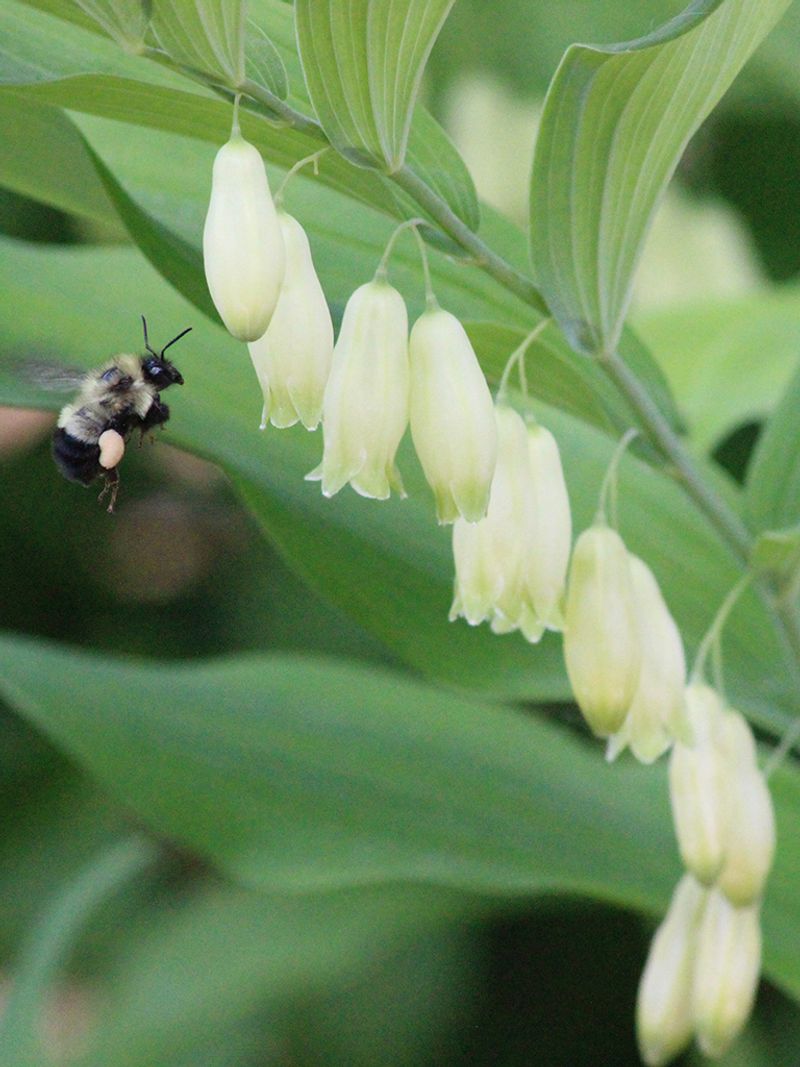
Solomon’s seal has a kind of quiet elegance that is hard to find in any other shade plant. The arching stems rise up in spring and then curve gracefully outward, with pairs of oval leaves arranged neatly along each stem.
Hanging beneath those leaves in late spring are small, white, bell-shaped flowers that dangle like tiny lanterns. The whole effect is refined and architectural, adding real structure to a shaded bed under a live oak in Pennsylvania.
Polygonatum biflorum is a native perennial that naturally grows in the woodland understory across much of the eastern United States, including throughout Pennsylvania.
It handles the dry, rooty soil that develops under large trees far better than many other ornamentals.
One of the most appealing things about Solomon’s seal is how it changes through the seasons. The flowers give way to small, dark blue-black berries in late summer that birds find irresistible.
Then in fall, the foliage turns a warm, buttery yellow before the stems fade back to the ground for winter. It spreads slowly by underground rhizomes, gradually expanding into a graceful colony over several years.
Plant it alongside Christmas fern or foamflower for a layered native combination that looks stunning in a Pennsylvania shade garden. It is low-maintenance, wildlife-friendly, and genuinely beautiful in every season it shows itself above ground.
7. Creeping Phlox (Phlox Stolonifera)
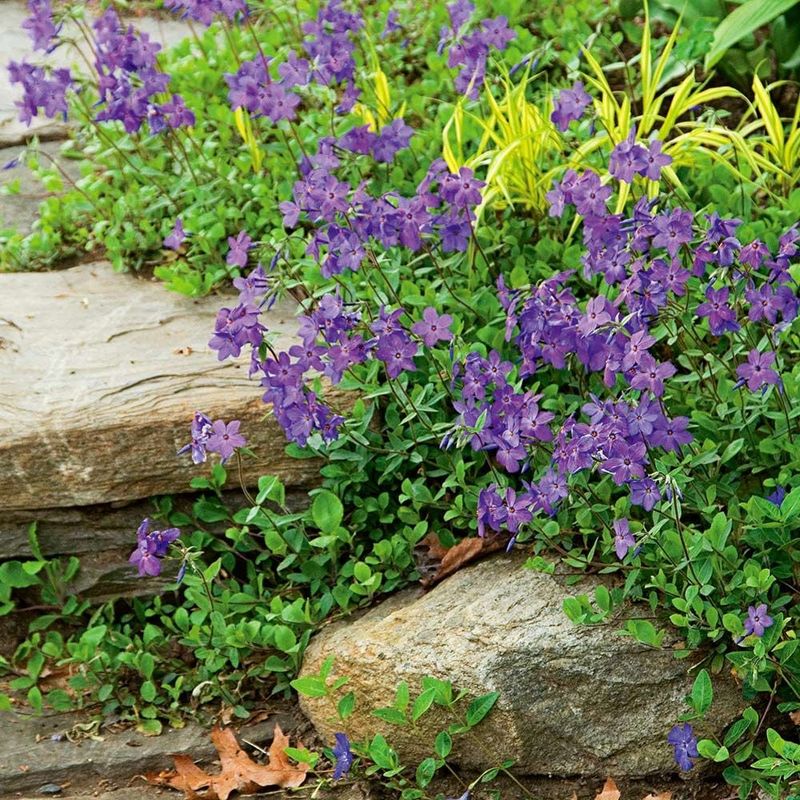
Creeping woodland phlox is one of those plants that earns its keep twice: once in spring when it bursts into color, and again throughout the rest of the year as a tidy, spreading groundcover. Unlike its cousin creeping phlox, which prefers sunny rock gardens, Phlox stolonifera is a true woodland plant.
It was made for the kind of dappled, shaded conditions you find beneath live oaks in Pennsylvania, and it thrives where other flowering groundcovers give up.
The flowers come in shades of pink, purple, and lavender, and they open in mid to late spring, often overlapping with the bloom time of wild blue phlox for a layered color effect.
Each plant spreads by surface runners, gradually creating a low, weed-suppressing mat that looks lush and intentional.
The foliage stays semi-evergreen through much of the Pennsylvania winter, which means you get ground coverage even in the colder months when most perennials have completely disappeared.
Creeping woodland phlox grows only about six to nine inches tall, so it never competes visually with taller plants behind it.
It pairs beautifully with Solomon’s seal and foamflower in a mixed native shade planting. Native bees and early butterflies visit the flowers eagerly in spring, adding ecological value to an already attractive plant.
For Pennsylvania gardeners wanting a spreading, flowering groundcover under oaks, this one truly delivers.