9 Perennials That Thrive For Decades And Bloom Every Year In Pennsylvania
Some plants look great for a season or two, then slowly lose their spark. They bloom less, struggle through rough weather, or end up needing more work than they seem worth.
That is why dependable perennials are such a win for Pennsylvania gardens. When you choose the right ones, you are not just planting for this year.
You are building a landscape that can return stronger, fuller, and more beautiful with every passing season.
The best long-lived perennials do not just hang on. They settle in, develop sturdy root systems, and reward you with reliable color year after year.
In a place like Pennsylvania, where gardens move through cold winters, wet springs, humid summers, and everything in between, that kind of staying power matters. A plant that can handle those shifts and still bloom faithfully earns its spot fast.
For gardeners, there is something especially satisfying about flowers that come back like old friends. You do the work once, give them a good start, and then get to enjoy the payoff again and again.
A garden filled with perennials like that does not just look pretty. It feels grounded, established, and easy to love.
1. Peony
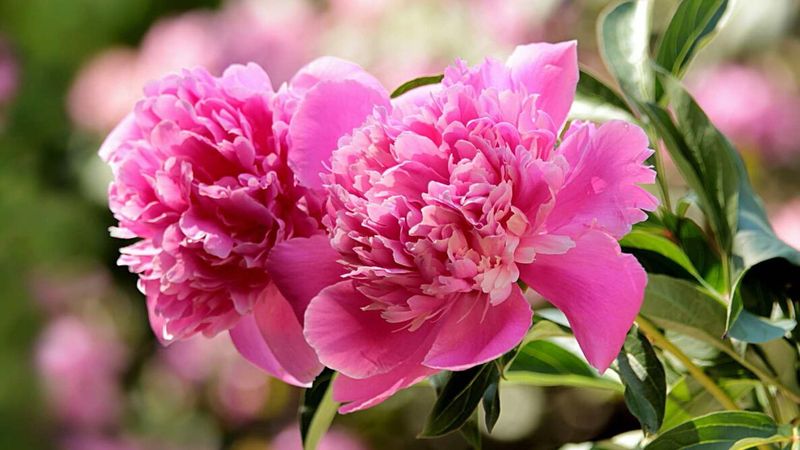
Few plants carry the kind of old-world charm that a peony brings to a garden. These lush, full blooms have been growing in American yards for generations, and Pennsylvania gardeners absolutely love them.
Plant one near your front porch, and neighbors will be stopping to admire it every May. Peonies can live for 50 years or longer when planted in the right spot. They love full sun and well-drained soil, which is easy to find across most of Pennsylvania.
Once established, they ask for very little in return for those spectacular spring blooms. One important tip: do not plant peonies too deep. The eyes, which are the pink buds at the base of the plant, should sit no more than two inches below the soil surface.
Plant them too deep and they may not bloom for years. Get the depth right, and you will have flowers every spring without fail.
They also get more beautiful and full as the years go by, making them a true long-lived classic in any Pennsylvania garden.
2. Daylily
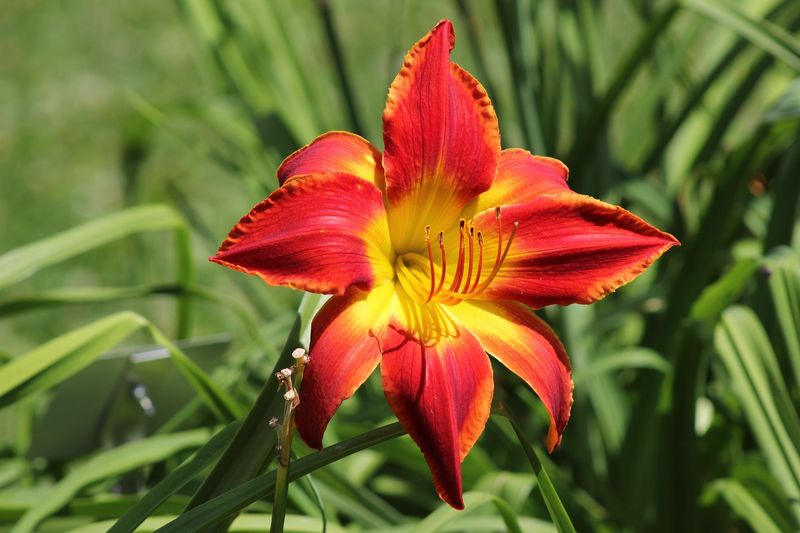
Ask any experienced Pennsylvania gardener which perennial is hardest to mess up, and daylilies will come up almost every time. These plants are incredibly forgiving.
They grow in poor soil, handle summer heat, and bounce back even after a tough Pennsylvania winter without any special help from you.
Each individual flower lasts only one day, which is actually where the name comes from. But do not let that fool you.
Each plant produces dozens of buds, so the blooms keep coming throughout the entire summer season. Over time, a single clump will spread and fill in bare spots naturally.
Daylilies come in hundreds of colors, from soft peach to deep burgundy. You can mix varieties to keep color going from early summer all the way through late August.
Your Pennsylvania Garden Changes Every Week. Your Plan Should Too.
Gardening in Pennsylvania changes quickly throughout the season. Every Friday you’ll receive a simple weekly plan showing exactly what to plant, prune, fertilize, harvest, and protect so you never miss the right timing.
They work well along fences, borders, and slopes where other plants struggle to hold on. Dividing them every few years keeps them blooming at their best.
They are one of the most adaptable perennials you can choose for a Pennsylvania yard, and once you plant them, you will wonder why you waited so long.
3. Coneflower
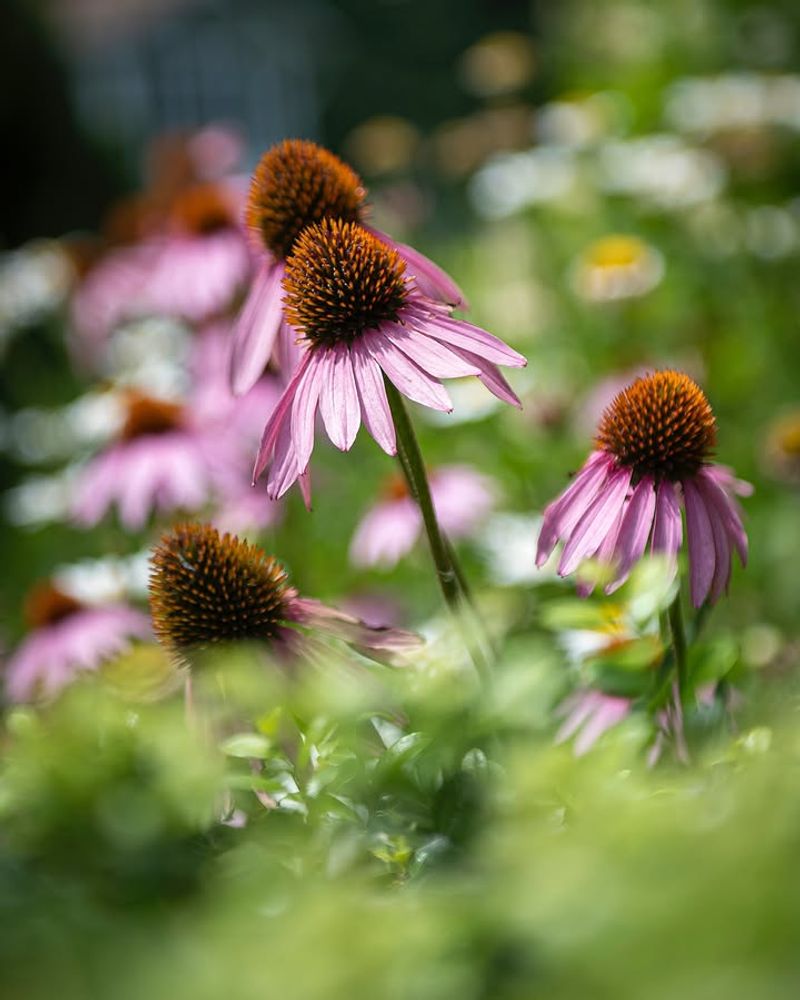
Coneflowers are native to North America, which means they already know how to handle Pennsylvania weather. Hot summers, cold winters, dry spells, none of these slow them down once they are established in your garden.
That built-in toughness is a big reason why so many gardeners across the state rely on them year after year.
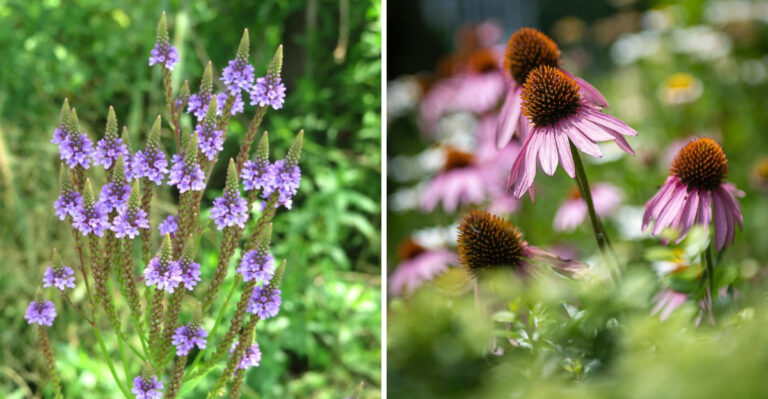
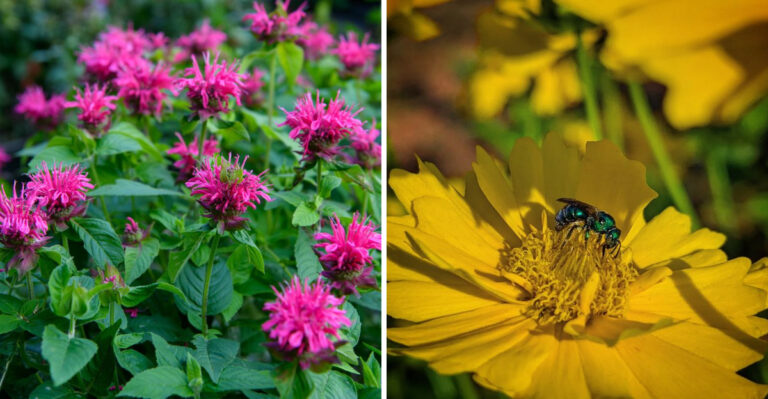
The blooms are stunning. Bright purple petals surround a spiky orange-brown center that pollinators absolutely love.
Bees, butterflies, and even goldfinches visit coneflowers regularly, making your garden feel alive all summer long. They bloom from mid-summer well into fall, giving you color long after many other perennials have finished.
Did you know that echinacea has also been used in herbal medicine for centuries? Many people grow it both for its beauty and its history.
In the garden, coneflowers spread lightly by self-seeding, so your patch may slowly grow over the years. You can also divide them in spring to share with neighbors or fill new garden beds.
Planted in full sun with decent drainage, coneflowers will reward Pennsylvania gardeners with reliable, cheerful blooms for a very long time.
4. Black-Eyed Susan
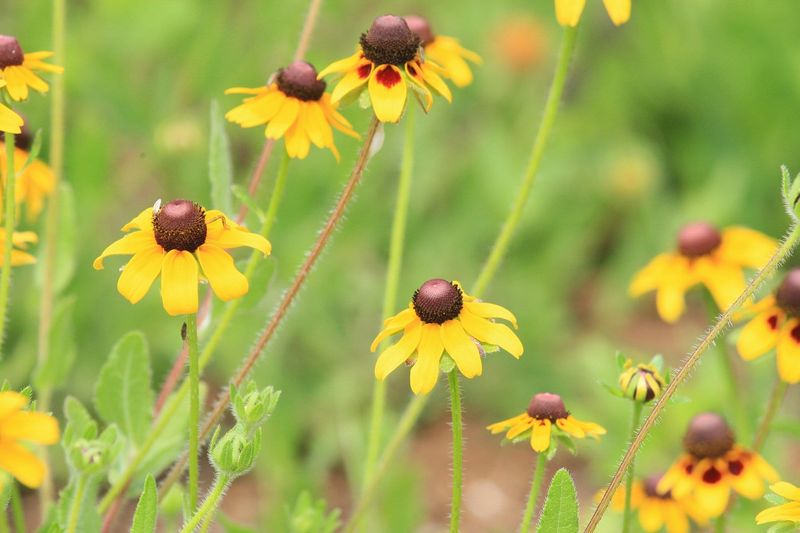
There is something instantly cheerful about a patch of black-eyed Susans. Those golden-yellow petals surrounding a deep brown center look like tiny suns scattered across your garden.
They are a native wildflower, which means Pennsylvania’s climate suits them perfectly, from the humid summers in the southeast to the cooler, hillier regions in the north.
Black-eyed Susans are tough in a way that few other perennials can match. They handle heat, drought, cold snaps, and even poor soil without complaint.
They bloom reliably from mid-summer into fall, and they reseed themselves each year, so your planting naturally maintains itself and even expands over time.
These plants work beautifully in mixed borders, meadow-style gardens, and along driveways or fences. They pair especially well with purple coneflowers and ornamental grasses for a natural, low-maintenance look.
Pollinators love them too, so you will see bees and butterflies making regular visits all season long.
If you want a plant that practically takes care of itself while delivering big color every year, black-eyed Susans belong in your Pennsylvania garden. They are one of those plants that always delivers, no matter the season’s conditions.
5. Bee Balm
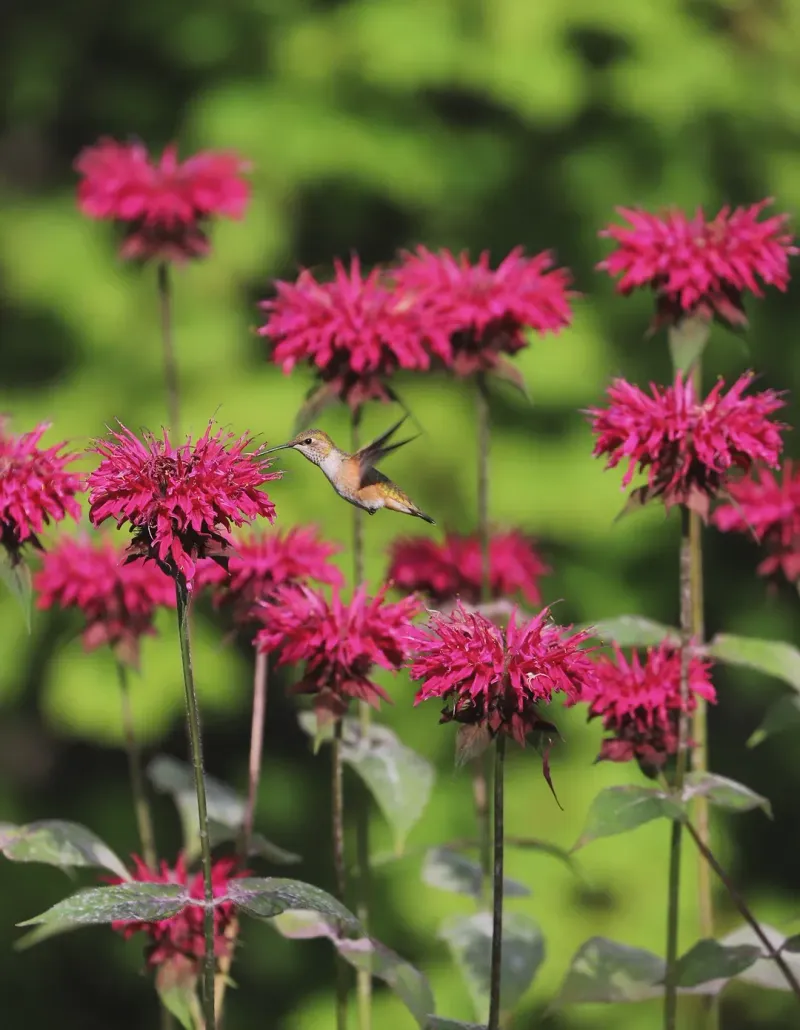
Bee balm is one of those plants that makes your garden feel electric. The wild, spiky blooms in shades of red, pink, and purple look like something out of a fantasy garden, and they attract hummingbirds, bees, and butterflies in impressive numbers.
It is one of the most wildlife-friendly perennials you can grow in Pennsylvania. This plant is a vigorous grower and spreads naturally through underground runners. Pennsylvania’s warm, humid summers are exactly what bee balm loves.
It thrives in full sun to part shade and comes back stronger each season. If your patch gets too large, simply dig up the edges and share with friends or start a new bed.
One thing to watch for is powdery mildew, a common issue with bee balm in humid climates. Choosing mildew-resistant varieties and giving plants good air circulation by not crowding them helps a lot.
Water at the base rather than overhead to keep the foliage dry. With a little attention to spacing, bee balm will reward you with stunning blooms from early to midsummer every year.
It is a vigorous grower that returns strong each season, making it a standout perennial across Pennsylvania gardens.
6. Garden Phlox
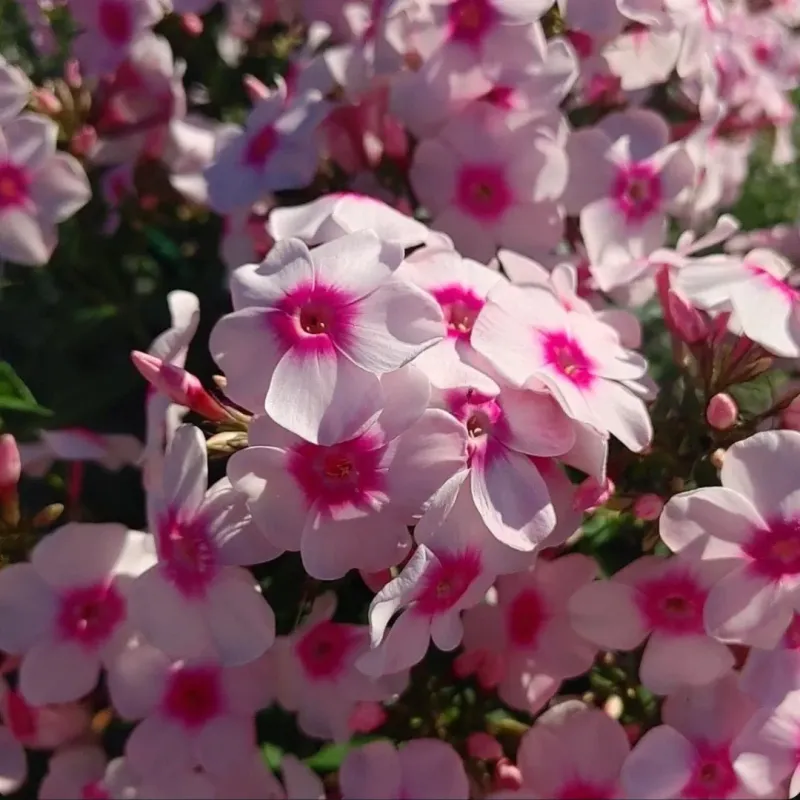
Walk past a garden phlox in full bloom and you will likely stop just to take in the fragrance. These tall, colorful plants produce big clusters of flowers in shades of pink, purple, white, and red, filling the garden with both color and sweet scent from midsummer into early fall.
Pennsylvania gardeners have been growing them for generations, and it is easy to see why. Garden phlox grows best in full sun with good air circulation.
Spacing plants properly, about 18 to 24 inches apart, helps prevent powdery mildew, which can be an issue in Pennsylvania’s humid summer climate.
Choosing disease-resistant varieties makes this even less of a concern. Deadheading spent blooms encourages the plant to keep flowering longer into the season.
Over time, established clumps grow larger and produce more blooms each year. Dividing them every three to four years in early spring keeps them vigorous and healthy.
They add impressive height to garden borders, often reaching three to four feet tall, which makes them excellent background plants. Butterflies are drawn to the flower clusters all summer long.
If you want consistent color, height, and fragrance in your Pennsylvania garden every year, garden phlox is a summer staple worth planting.
7. Hosta
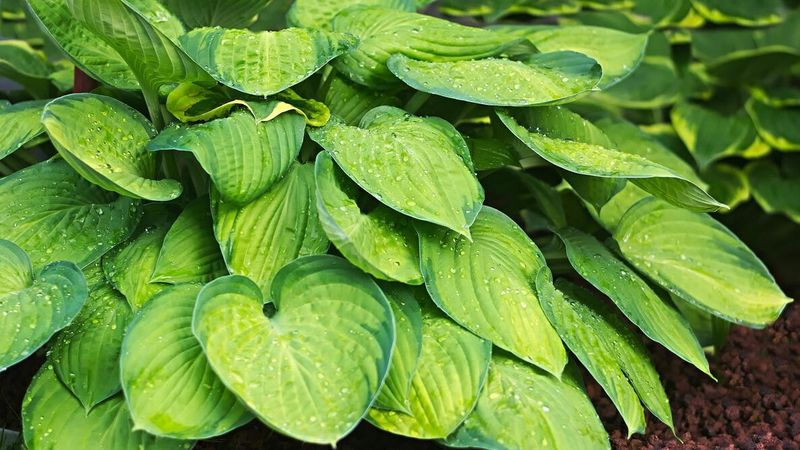
Not every corner of a Pennsylvania garden gets full sun. Shaded spots under trees or along north-facing walls can feel tricky to plant, but hostas were practically made for those spaces.
These leafy perennials thrive in shade and bring bold texture and color to areas where most flowering plants simply would not survive.
Hostas are incredibly long-lived. A well-placed hosta clump can grow and improve for 30 years or more without needing much attention.
They come back reliably every spring, emerging from the ground with tightly rolled leaves that unfurl into impressive mounds of foliage. Varieties range from tiny miniatures to giant plants with leaves the size of dinner plates.
While hostas are mainly grown for their foliage, they do produce tall flower spikes in summer, often in lavender or white, which add a subtle bonus of color. One challenge in Pennsylvania is deer, which love to munch on hosta leaves.
Planting them near the house or using deer repellent sprays can help protect them. Hostas need very little fertilizing or watering once established.
They are a dependable, low-maintenance choice that makes shaded Pennsylvania gardens look lush and well-designed all season long.
8. Yarrow
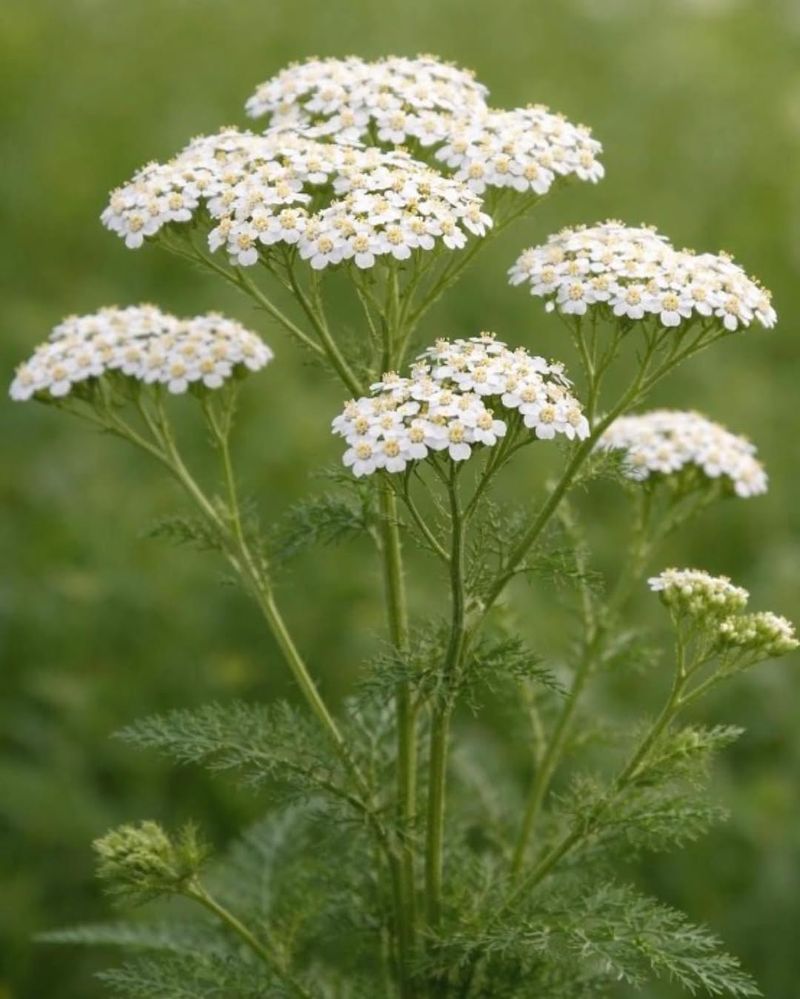
Yarrow has a reputation for being nearly unstoppable, and honestly, that reputation is well earned. This tough perennial grows in rocky, dry, or poor soil where other plants struggle to get a foothold.
Pennsylvania gardeners dealing with challenging spots in full sun, think gravel driveways, hillside slopes, or sandy patches, will find yarrow to be a reliable solution.
The flowers are flat-topped clusters that come in yellow, white, pink, and red. They bloom from early summer well into fall, giving you one of the longest blooming windows of any perennial on this list.
Pollinators are huge fans of yarrow, and the dried flower heads look beautiful in arrangements even after the growing season ends.
Yarrow spreads gradually over time, filling in bare spots and creating a natural, meadow-style look. If it spreads too much, simply pull out sections in early spring to keep it in bounds.
It handles Pennsylvania’s summer heat with ease and does not need regular watering once established. Cutting it back by about one-third in midsummer can encourage a fresh flush of blooms.
For a tough, adaptable perennial that asks for almost nothing while giving back season after season, yarrow is a smart choice for Pennsylvania gardens.
9. Astilbe
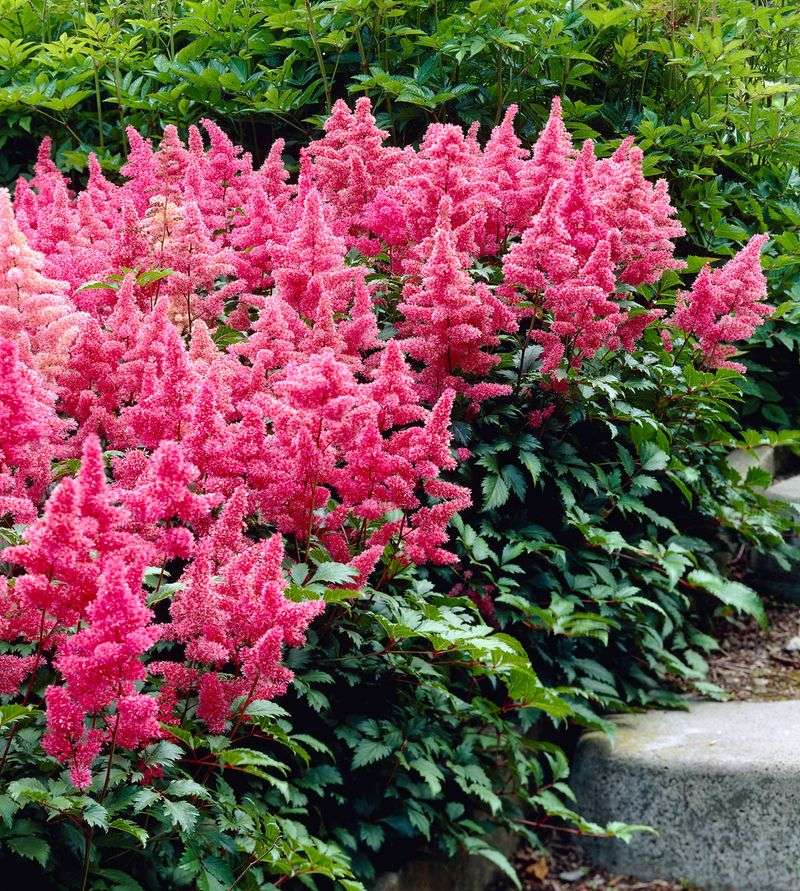
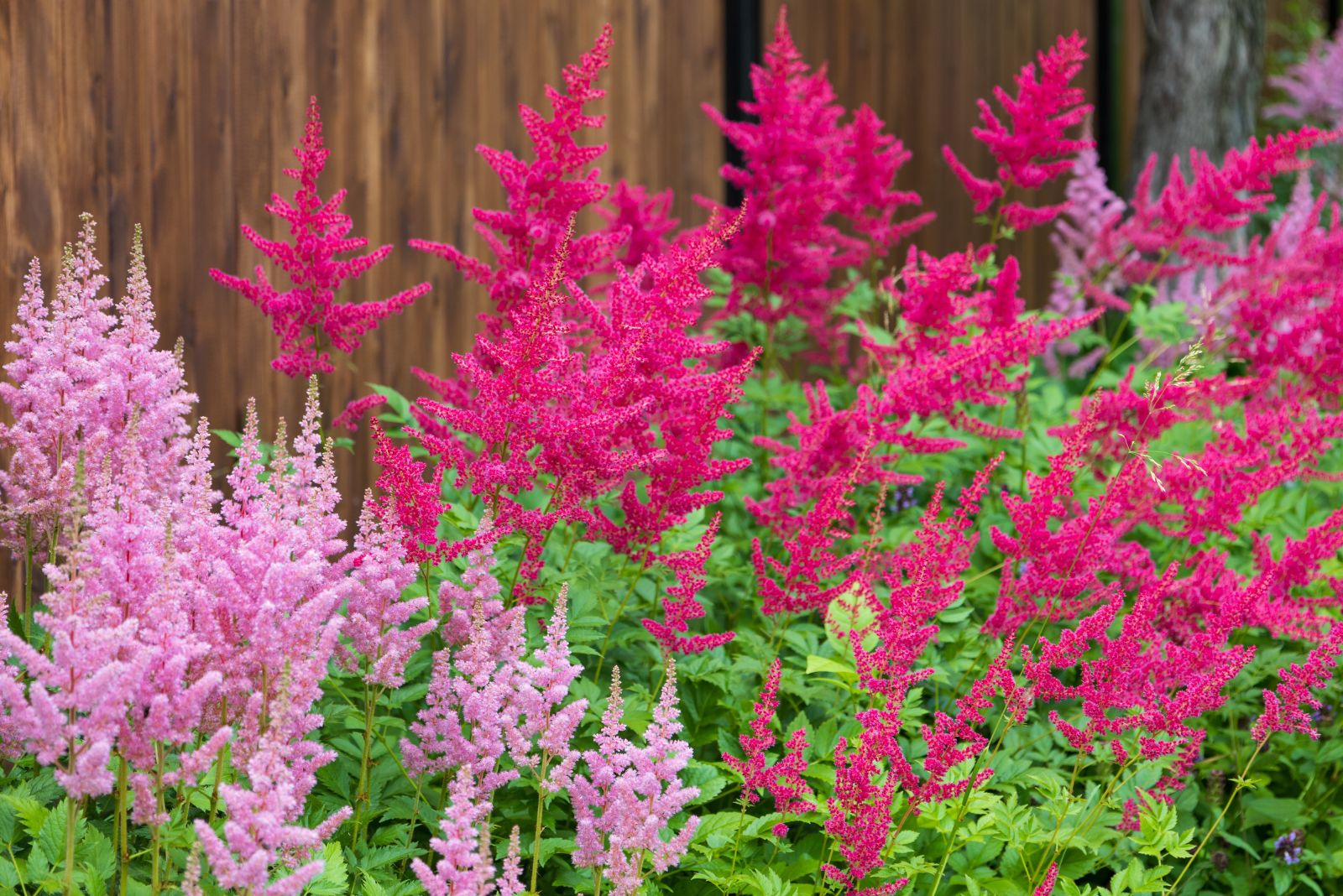
Astilbe is the kind of plant that makes a shaded garden look like something from a magazine. Its feathery, plume-like flower spikes rise above deeply cut, glossy foliage in shades of pink, red, white, and lavender.
In the dappled shade of a Pennsylvania backyard, especially in early summer, astilbe puts on a show that is hard to beat.
Unlike many perennials, astilbe actually prefers moist soil, which makes it perfect for low-lying spots or areas near downspouts where water collects. Pennsylvania’s spring rains and naturally humid summers create ideal growing conditions for this plant.
It thrives in part to full shade, making it one of the best companions for hostas in shaded garden beds.
Astilbe returns reliably year after year, and established clumps slowly grow larger over time. Dividing them every three to four years in early spring keeps them blooming well and prevents overcrowding.
The dried flower plumes also add winter interest to the garden, standing upright even after the season ends.
For Pennsylvania gardeners who want texture, color, and dependable performance in shaded or moist areas, astilbe is a shade-loving perennial that delivers season after season with minimal fuss and maximum beauty.