These Are The 7 Pennsylvania Plants That Help Fireflies Complete Their Life Cycle
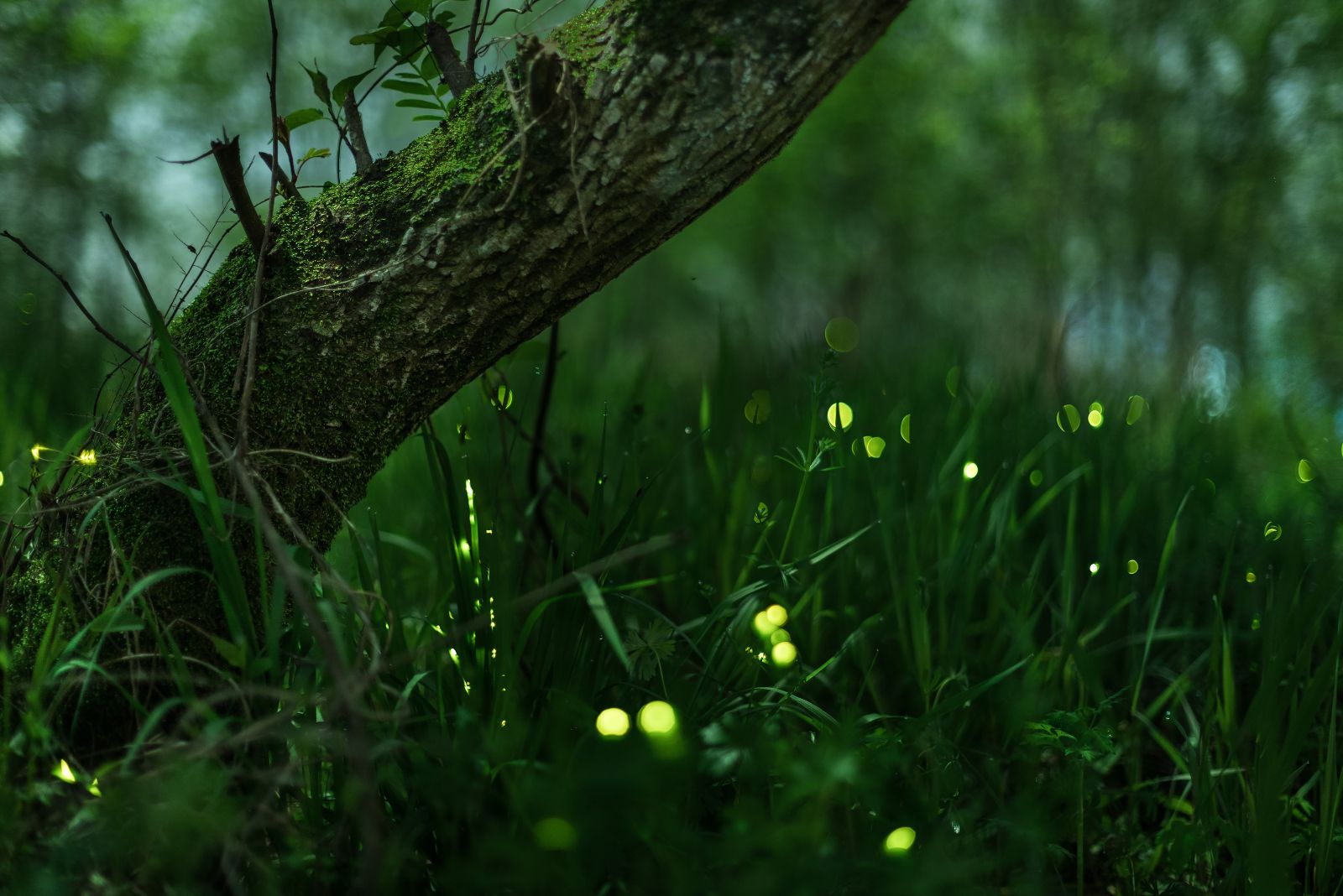
There is something almost magical about spotting fireflies on a warm Pennsylvania evening. One minute the yard looks quiet, and the next it starts flickering with tiny lights that make the whole space feel alive.
But those glowing summer moments do not happen by accident. Fireflies need the right kind of habitat to survive, and that starts long before they ever light up the night.
A lot of people think about fireflies as adults drifting through the air, but most of their lives happen much lower to the ground. They depend on moist soil, leaf litter, shelter, and plants that help create the kind of environment their larvae need to grow.
If a yard is too tidy, too dry, or too stripped back, it can become much harder for them to complete their life cycle.
That is why the right Pennsylvania plants matter so much. Some do more than add beauty to a garden.
They help build the conditions fireflies rely on, turning an ordinary yard into a place where those familiar summer flashes have a better chance to return year after year.
1. Pennsylvania Sedge (Carex Pensylvanica)
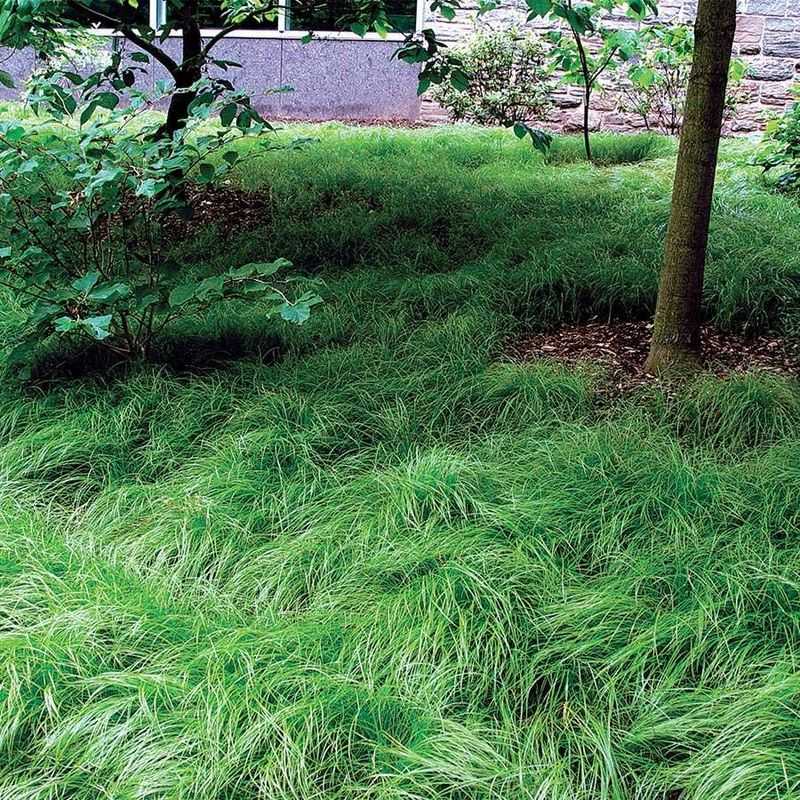
Walk through almost any shaded Pennsylvania woodland and you will likely spot Pennsylvania Sedge without even realizing it. This low-growing, grass-like plant forms a soft, dense mat that hugs the ground and holds moisture in the soil beneath it.
That moisture is exactly what firefly eggs and larvae need to survive their earliest life stages.
Pennsylvania Sedge grows best in partial to full shade, which makes it a perfect fit for planting under trees where traditional lawn grass refuses to grow. It stays relatively short, usually only about six to twelve inches tall, so it never overwhelms a garden space.
Its dense growth habit creates a protected microhabitat where firefly larvae can move through the soil and hunt for small soft-bodied prey like slugs and snails.
One of the best things about this plant is how little maintenance it needs once it gets established. It spreads slowly on its own, gradually filling in bare patches under trees without becoming invasive.
Gardeners across Pennsylvania have been using it as a lawn alternative in shaded areas, and fireflies seem to love those spots.
If you want to support fireflies in Pennsylvania, starting with Pennsylvania Sedge is a smart move. Plant it in clusters under oaks, maples, or any large shade tree in your yard.
Keep the area free of synthetic pesticides and let the leaf litter accumulate naturally on top of the sedge. That combination of moisture, shade, and organic material creates the ideal nursery for the next generation of fireflies.
2. Wild Strawberry (Fragaria Virginiana)
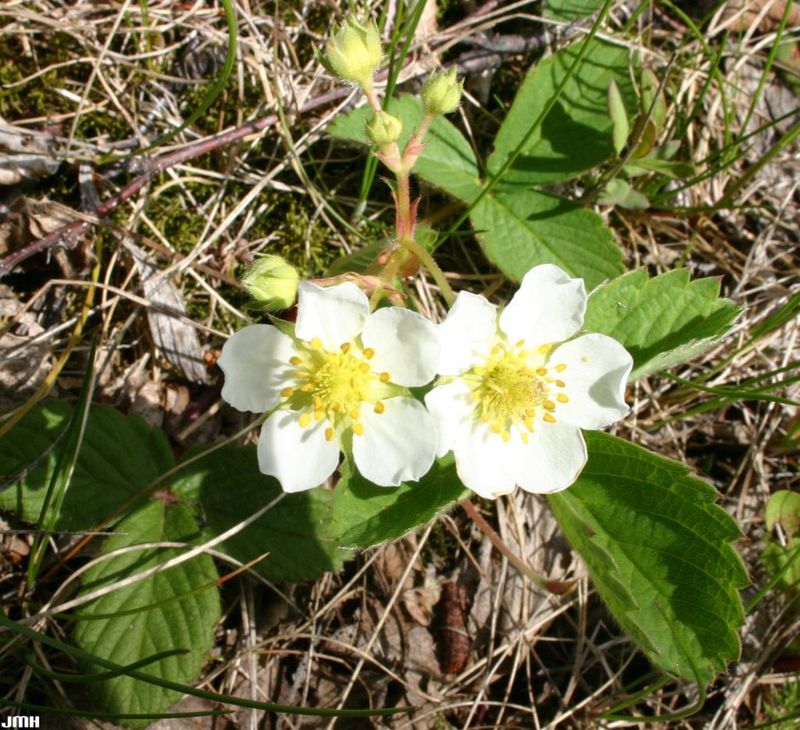
Few plants are as cheerful and hardworking as Wild Strawberry. Those small, spreading plants with their white flowers and tiny red fruits might look delicate, but they are surprisingly tough and incredibly useful for fireflies living in Pennsylvania gardens.
Wild Strawberry spreads by sending out runners that root into the soil, creating a thick, low carpet that shades the ground and keeps moisture locked in.
Your Pennsylvania Garden Changes Every Week. Your Plan Should Too.
Gardening in Pennsylvania changes quickly throughout the season. Every Friday you’ll receive a simple weekly plan showing exactly what to plant, prune, fertilize, harvest, and protect so you never miss the right timing.
Firefly larvae spend most of their lives underground or tucked under vegetation, hunting for prey in damp soil. Wild Strawberry creates exactly that kind of environment.
Its dense leaf cover shades the soil surface, slowing evaporation and keeping conditions moist even during dry summer stretches. That consistent moisture is critical for larvae to stay active and healthy.
Wild Strawberry works especially well along garden edges, natural borders, and in patches where you want something low-maintenance that still looks great. It thrives in partial sun to full sun and handles Pennsylvania winters with ease.
The small fruits also attract birds and other wildlife, adding even more life to your outdoor space.
Planting Wild Strawberry alongside other native groundcovers creates a layered, naturalistic look that benefits the whole ecosystem. You can mix it with Pennsylvania Sedge or Foamflower for a diverse groundcover tapestry.
Skip the herbicides and let the plants spread naturally. Over time, you will notice more fireflies blinking around those areas on warm summer evenings, a clear sign that your garden is doing something right.
3. Goldenrod (Solidago Spp.)
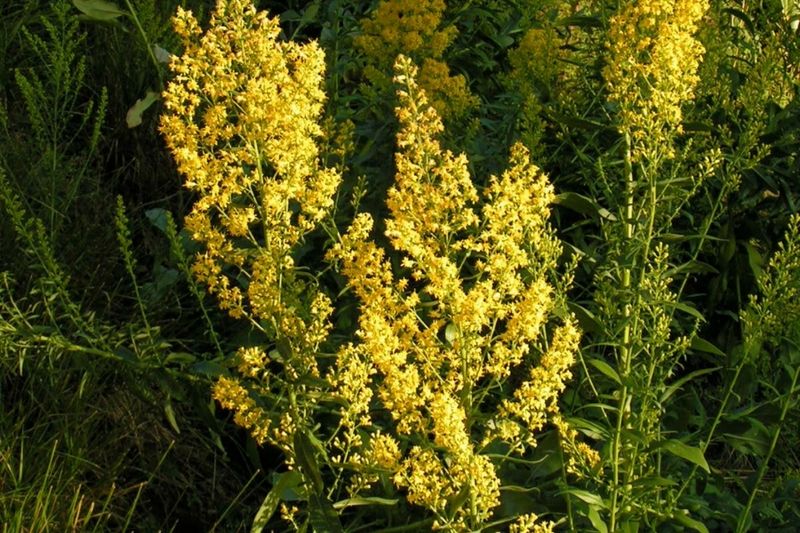
Goldenrod gets a bad reputation that it does not deserve. Many people blame it for fall allergies, but that is actually ragweed doing the damage.
Goldenrod is one of the most beneficial native plants you can grow in Pennsylvania, and fireflies absolutely depend on the rich insect community it supports. Here is why that matters so much. Firefly larvae are predators.
They hunt slugs, snails, worms, and other soft-bodied invertebrates in the soil and leaf litter. Goldenrod attracts an enormous variety of insects, including many that live at ground level and become food for firefly larvae.
By planting Goldenrod, you are essentially stocking the pantry for young fireflies growing up in your Pennsylvania yard.
Adult fireflies also benefit from Goldenrod. The tall, sturdy stems give adults a place to rest and perch between their nighttime flashing displays.
The dense plant structure offers shelter and a staging ground for mating activity. Some firefly species even spend time near flowering plants to feed on nectar and pollen as adults.
Goldenrod is incredibly easy to grow in Pennsylvania. It thrives in full sun and tolerates poor, dry soils once established.
Plant it in pollinator gardens, meadow-style plantings, or along sunny fence lines. It blooms in late summer and fall, providing resources when many other plants have finished flowering.
Pair it with New England Aster for a stunning native combination that supports fireflies and dozens of other beneficial species at the same time.
4. New England Aster (Symphyotrichum Novae-Angliae)
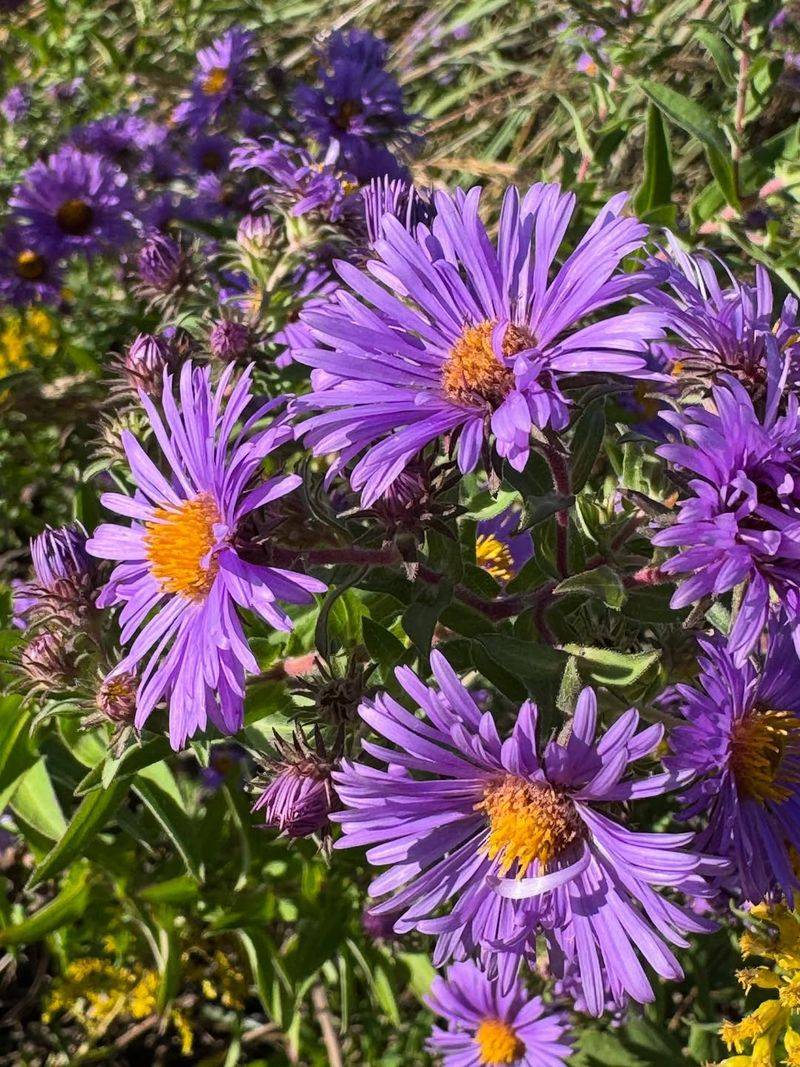
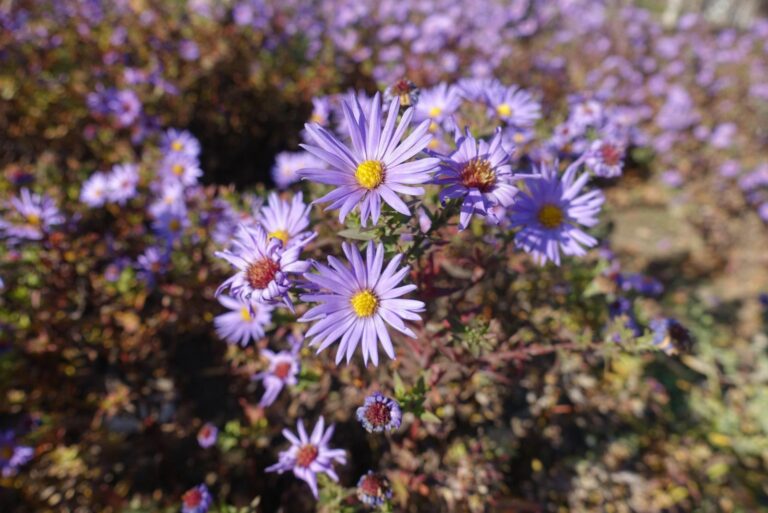
Purple, bold, and absolutely buzzing with life in the fall, New England Aster is one of the most striking native plants you can grow in Pennsylvania. But its beauty is only part of the story.
This plant plays a key role in supporting the food web that fireflies depend on throughout their life cycle.
Firefly larvae need a steady supply of prey, and that prey depends on a healthy, diverse insect community. New England Aster is a powerhouse for attracting insects.
Bees, beetles, flies, and butterflies flock to its daisy-like purple flowers from late summer through October. Many of those insects eventually end up in the soil or leaf litter, where firefly larvae are actively hunting.
Beyond feeding the food chain, New England Aster also helps maintain the kind of dense, layered habitat that fireflies prefer. Its tall stems and bushy growth create shelter at multiple levels, from the soil surface up through the mid-layer of the garden.
That structural diversity gives fireflies more places to hide, rest, and eventually mate on warm Pennsylvania evenings.
Growing New England Aster is straightforward. It loves sunny spots with average to moist soil and reaches three to six feet tall, making it a dramatic backdrop for smaller native plants.
Cut it back by half in early summer to encourage bushier growth and more flowers. Plant it near Goldenrod for a late-season native pairing that will have your yard glowing with both flowers and fireflies before summer ends.
5. Joe-Pye Weed (Eutrochium Purpureum)
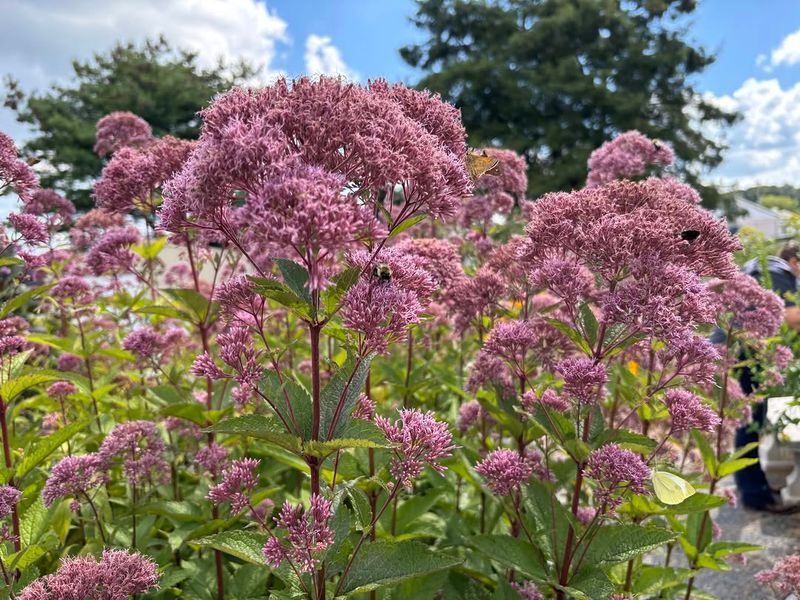
There is something almost prehistoric about Joe-Pye Weed. It towers above most garden plants, sometimes reaching seven feet tall, with massive clusters of dusty pink flowers that sway gently in a summer breeze.
But beyond its dramatic appearance, this native Pennsylvania plant is one of the best choices you can make for supporting fireflies in moist or low-lying parts of your yard.
Fireflies strongly prefer to lay their eggs in damp soil. Wet meadows, stream banks, and boggy garden edges are prime real estate for a female firefly looking for a place to deposit her eggs.
Joe-Pye Weed thrives in exactly those conditions. It loves consistently moist to wet soils and grows naturally along streams and in low areas throughout Pennsylvania. Planting it in the damper corners of your yard essentially creates a firefly nursery.
The plant also supports a rich community of insects that firefly larvae feed on. Its large flower heads attract dozens of pollinator species, and the surrounding moist soil stays full of the worms, slugs, and invertebrates that young fireflies hunt.
The tall stems provide structure for adult fireflies to perch on during warm nights.
Joe-Pye Weed is native throughout Pennsylvania and grows with minimal care once established in the right spot. Give it full to partial sun and make sure the soil stays consistently moist.
It pairs beautifully with native ferns, sedges, and other moisture-loving plants. Together, those combinations turn a soggy corner of your yard into a thriving firefly habitat that lights up every summer.
6. Foamflower (Tiarella Cordifolia)
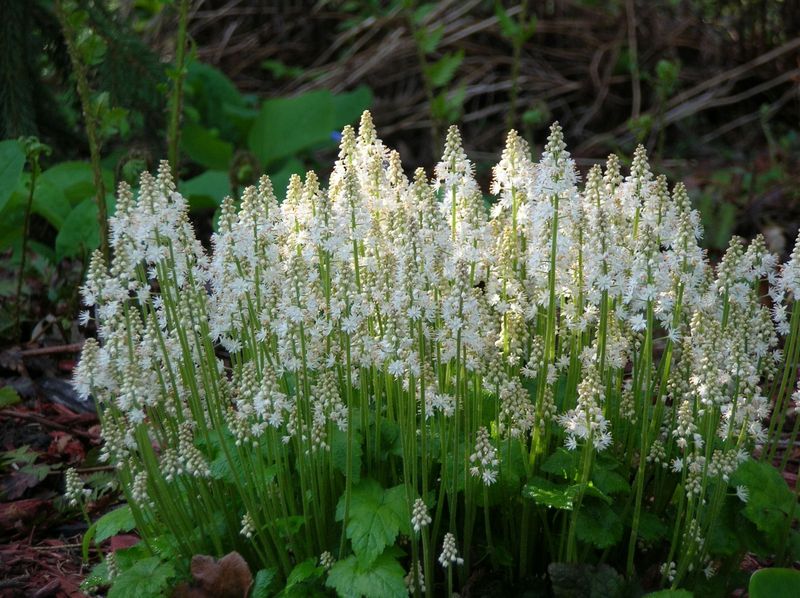
Tucked under the canopy of a Pennsylvania forest, Foamflower is one of those plants that looks like it was made for fairy tales. Its frothy white flower spikes rise above a low rosette of maple-shaped leaves in spring, creating a soft, magical carpet on the forest floor.
But Foamflower is more than just pretty. It is a critical player in creating the shaded, moist woodland conditions that firefly larvae need to develop.
Firefly larvae spend up to two years underground before they ever produce a single flash of light. During that long developmental period, they need stable, moist, shaded soil with plenty of leaf litter to shelter in.
Foamflower grows naturally in exactly those conditions. It thrives under trees in partial to full shade, spreads gradually by runners, and keeps the soil surface cool and moist throughout the growing season.
Foamflower is native to Pennsylvania and fits naturally into any woodland garden design. Its low growth habit makes it a perfect companion for taller shade plants like ferns, Wild Ginger, and Solomon’s Seal.
Together, these plants create a layered understory that mimics the natural forest floor environment where fireflies evolved.
Planting Foamflower is an investment in your local firefly population. Choose a shaded spot with rich, moist, well-drained soil and let it spread naturally over time.
Avoid disturbing the leaf litter around it, since that layer of decomposing leaves is where firefly larvae spend much of their lives. Pennsylvania gardeners who embrace this plant often notice more firefly activity in those shaded corners by midsummer.
7. Mosses (Various Native Species)
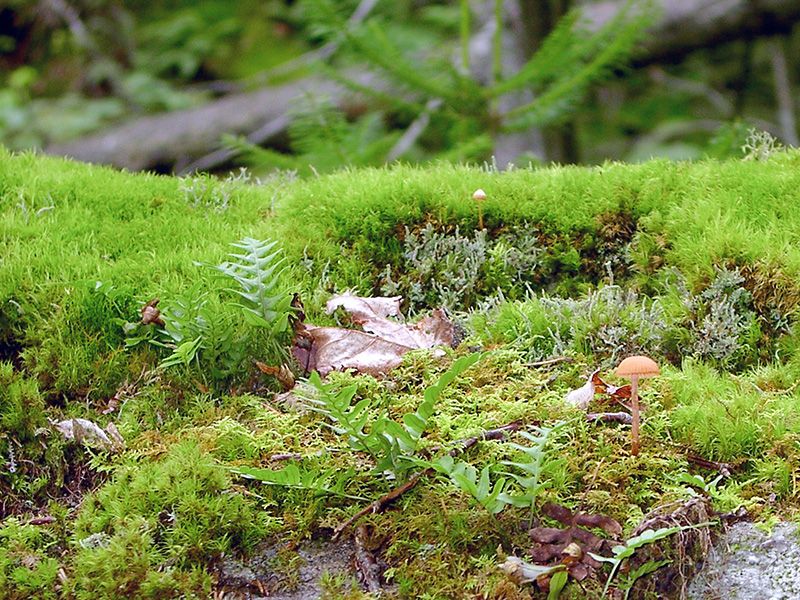
Moss does not get nearly enough credit. Most people either ignore it or try to get rid of it, but native mosses are some of the most valuable plants you can have in a Pennsylvania yard if you care about fireflies.
Mosses create a consistently moist, cool microhabitat right at soil level, and that is exactly where firefly eggs and newly hatched larvae spend their most vulnerable early days.
Firefly eggs are tiny and extremely sensitive to drying out. They need constant moisture to develop properly.
Mosses act like a natural sponge, absorbing rainwater and releasing it slowly, keeping the ground surface damp even between rain events.
Areas with healthy moss coverage stay noticeably cooler and wetter than bare soil, making them ideal spots for fireflies to lay eggs and for larvae to begin their underground journey.
Native mosses also provide shelter from the elements and from predators. The dense, low growth creates a protected layer just above the soil where small invertebrates live and move.
Those invertebrates become food for firefly larvae, so mossy areas in your Pennsylvania yard are essentially self-sustaining feeding zones for young fireflies.
Encouraging moss growth is simple. Choose shaded, undisturbed areas with minimal foot traffic and avoid raking or disturbing the ground too aggressively.
Stop using synthetic fertilizers and herbicides near those spots, since chemicals are hard on moss and on the invertebrates living beneath it.
Once established, a mossy patch in your Pennsylvania garden will quietly support fireflies season after season without asking for much in return.