These Are The Pennsylvania Trees And Shrubs To Plant In May For Strongest Root Growth
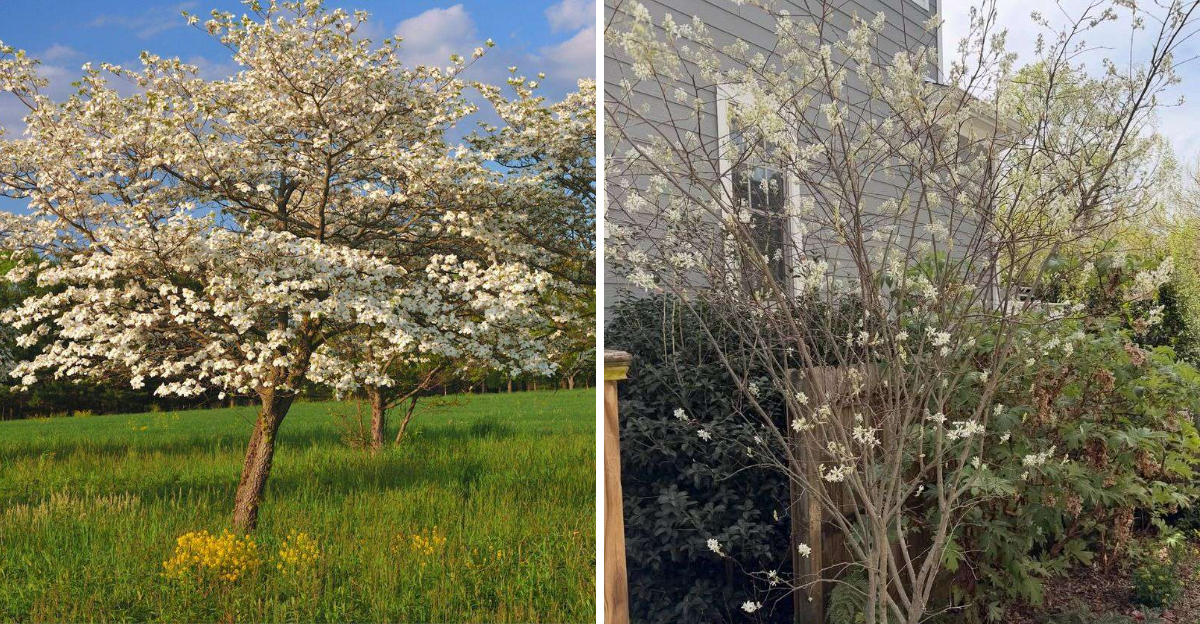
May can be a sweet spot for planting in Pennsylvania, especially if you want trees and shrubs to do more than just survive.
This is the time when the soil has warmed up, the worst of the cold is usually out of the way, and plants have a solid chance to start settling in before summer stress kicks up.
That early start matters more than many people think. Strong root growth is what helps a plant handle heat, dry spells, wind, and the general ups and downs of the season.
The trick is choosing varieties that actually make the most of this planting window. Some trees and shrubs adjust quickly, put their energy underground, and establish with less drama than others.
That means better long-term growth and fewer problems later. For homeowners who want healthier plants and a landscape that fills in well over time, May is not just another month on the calendar. It is a real opportunity.
The right choices now can lead to sturdier growth, better performance, and a much stronger foundation for the seasons ahead.
1. Serviceberry
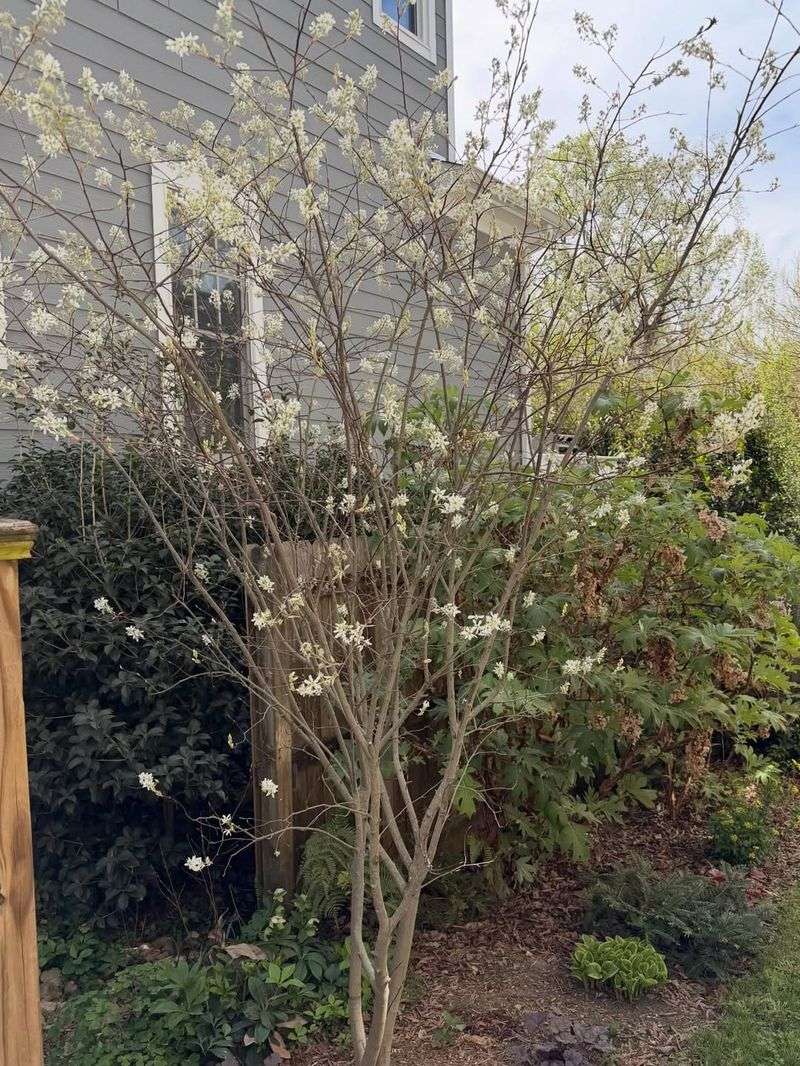
Few trees put on a show quite like the Serviceberry in early spring. Before most other trees even think about leafing out, this beauty bursts into clusters of delicate white flowers that light up the whole yard.
It is one of the first signs that winter is truly over in Pennsylvania, and it never gets old. Planting in May gives the Serviceberry a major advantage. The soil is warm enough to encourage fast root spread, but the air is not yet scorching hot.
Roots can settle in comfortably and reach deep into the ground before summer stress kicks in. This makes the tree much stronger and more able to handle dry spells later on.
Serviceberry adapts well to many soil types found across Pennsylvania, from clay-heavy yards to loamy garden beds. It handles transplanting better than many other trees, which is a big bonus for homeowners who are not expert gardeners.
You can plant it in full sun or partial shade and still get excellent results. Beyond the spring flowers, you also get tasty berries in early summer that birds absolutely love. In the fall, the leaves turn shades of orange and red.
For multi-season color and strong root establishment, Serviceberry is a top pick for May planting across the state.
2. Eastern Redbud
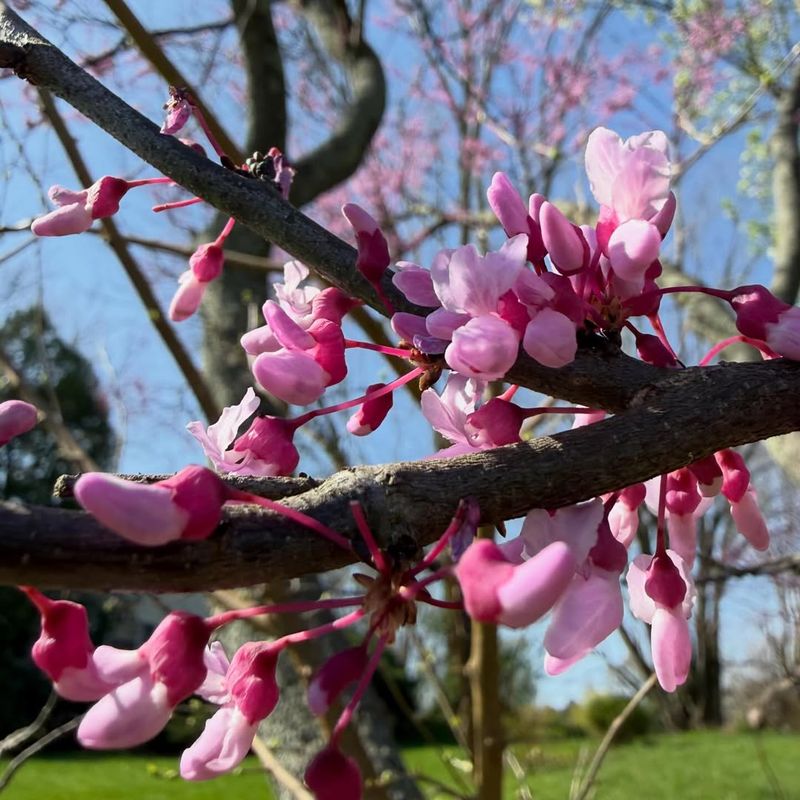
Walk past an Eastern Redbud in bloom and it is almost impossible not to stop and stare. The branches are completely covered in vivid pink-purple flowers before a single leaf appears, creating one of the most dramatic spring displays of any tree in Pennsylvania.
It is a small tree with a seriously big personality. Planting in May works especially well for Eastern Redbud because the roots get a chance to establish themselves while the weather is still mild.
By the time summer heat rolls in, the root system is already spreading out and anchoring the tree firmly in the ground.
Starting strong in spring means the tree has the energy reserves to handle dry stretches in July and August.
Your Pennsylvania Garden Changes Every Week. Your Plan Should Too.
Gardening in Pennsylvania changes quickly throughout the season. Every Friday you’ll receive a simple weekly plan showing exactly what to plant, prune, fertilize, harvest, and protect so you never miss the right timing.
Eastern Redbud stays compact, usually topping out between 20 and 30 feet. That makes it a smart choice for smaller front yards in neighborhoods across Pennsylvania where space is limited.
It grows well under taller shade trees too, since it naturally thrives at the edge of woodlands where it gets filtered sunlight throughout the day.
One fun fact worth knowing: the flowers of Eastern Redbud are actually edible and have a mild, slightly sweet flavor. Gardeners sometimes toss them into salads for a pop of color. Plant one this May and enjoy decades of stunning spring color right outside your window.
3. Flowering Dogwood
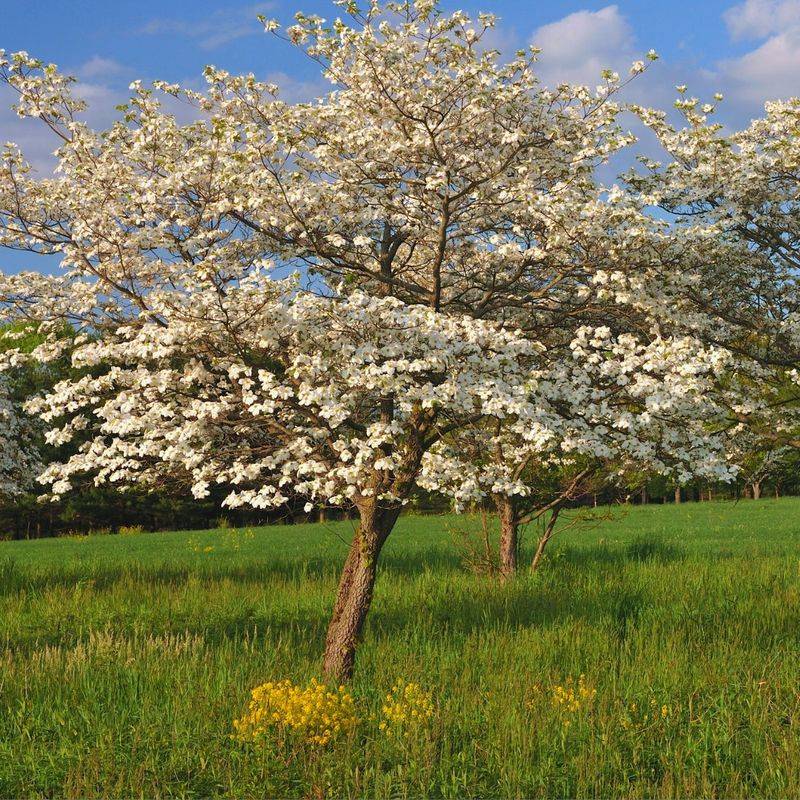
Pennsylvania gardeners have a long love affair with the Flowering Dogwood, and it is easy to understand why. The broad white or pink flower bracts spread out like stars across the branches each spring, and the tree practically glows in the light.
It is one of the most photographed native trees in the entire region, and rightly so. Timing matters a lot with Flowering Dogwood. Planting too late in the season, when summer heat is already building, puts serious stress on this tree.
May is the sweet spot. The cooler air and moist spring soil allow roots to spread steadily without the tree having to fight heat and drought at the same time. Getting that head start on root development makes a real difference in long-term health.
Flowering Dogwood naturally grows at the edges of forests, so it actually prefers partial shade conditions. If you have a spot in your Pennsylvania yard that gets morning sun and afternoon shade, you have found the perfect location.
Avoid planting it in spots that get baked by direct afternoon sun all day, since that can cause leaf scorch.
By fall, bright red berries appear on the branches, attracting birds and adding another season of visual interest. The leaves also turn a deep burgundy-red before dropping.
Few trees offer this much beauty across so many seasons for relatively little effort from the gardener.
4. River Birch
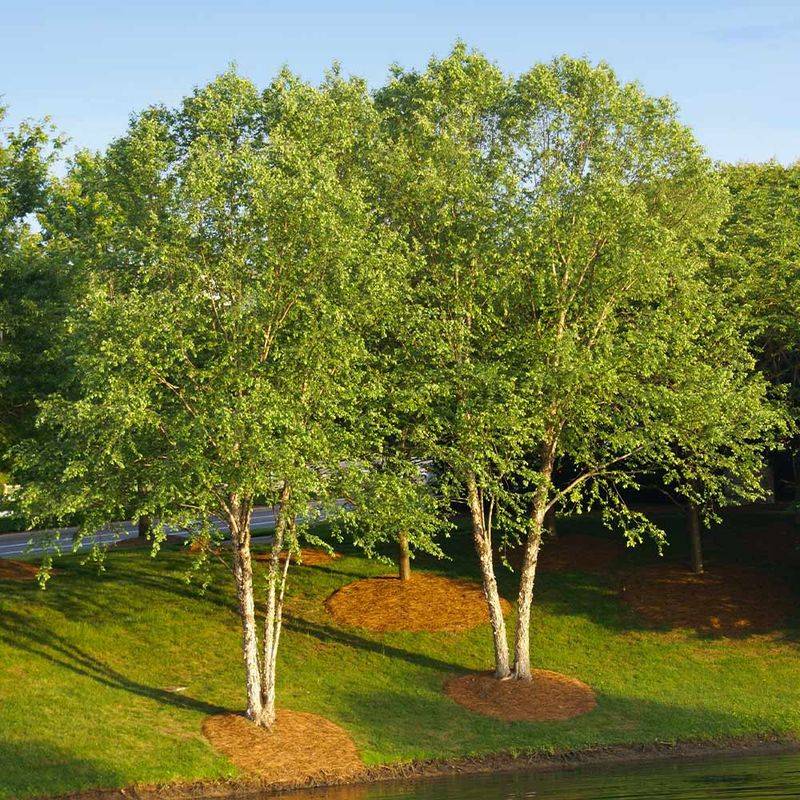
River Birch has one of the most eye-catching trunks of any tree you can grow in Pennsylvania.
The bark peels back in curling layers of cinnamon, cream, and salmon tones that look stunning in every season, even in the middle of winter when there are no leaves to distract from it. It is a tree that earns its place in the yard all year long.
Spring planting is ideal for River Birch because this tree absolutely loves moisture, and May in Pennsylvania typically brings plenty of it. The wet spring soil mirrors the moist, streamside conditions where River Birch naturally thrives.
Roots spread quickly in these conditions, establishing a deep and wide foundation before the drier summer months arrive.
River Birch grows fast, sometimes putting on two to three feet of height per year under good conditions. If you have a larger yard or an area that tends to stay wet after rain, this is the tree for that spot.
It handles clay soils and occasional flooding far better than most other trees, making it very practical for many Pennsylvania properties.
The catkins that appear in spring add a delicate, feathery texture to the canopy, and the fresh green leaves flutter pleasantly in the breeze all summer long.
Plant River Birch this May and watch it take off with impressive speed and vigor, turning an ordinary yard into something genuinely special.
5. Inkberry Holly
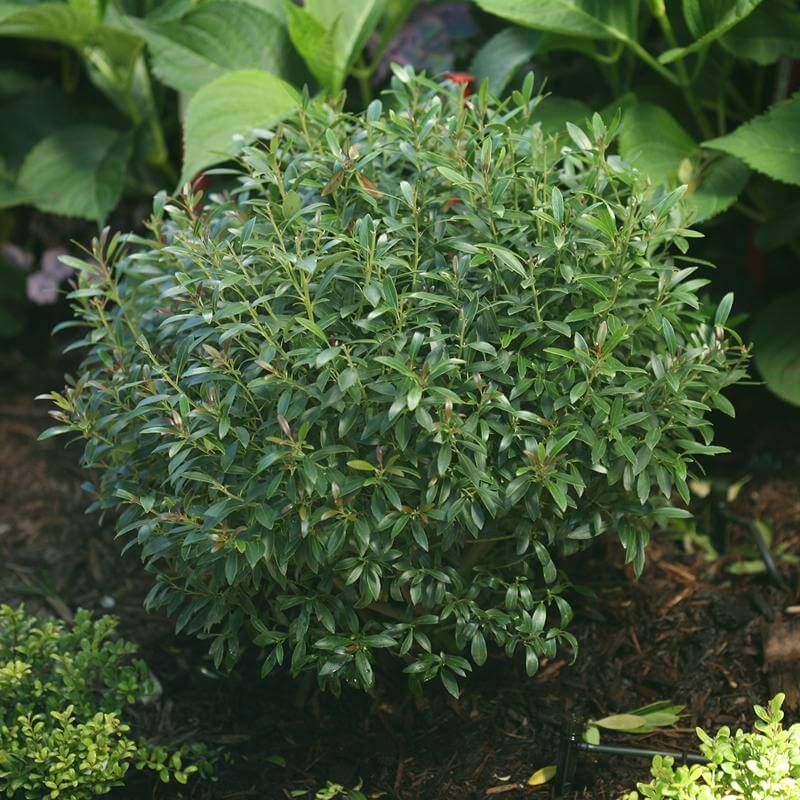
Not every great landscape plant puts on a flashy show. Inkberry Holly is the dependable, hardworking shrub that quietly keeps your yard looking polished and green all year long.
It is an evergreen native to the eastern United States, meaning it holds its dark, glossy leaves through even the coldest Pennsylvania winters without complaint.
Planting in May gives Inkberry Holly the time it needs to settle in before summer heat and potential drought arrive. The mild spring temperatures reduce transplant shock, and the moist soil helps roots reach outward quickly.
By the time August rolls around and rainfall becomes less reliable, the shrub is already well-anchored and able to handle drier conditions with confidence.
Inkberry Holly is especially useful for wet or low-lying spots in Pennsylvania yards where other shrubs struggle to survive. It tolerates acidic soils extremely well, which is great news for many parts of the state where soil pH runs on the lower side.
It also works beautifully as a hedge or foundation planting along the front of a house. The small black berries that appear in late summer and fall are a favorite food source for birds like bluebirds and robins.
For a shrub that asks so little and gives so much back to both the garden and local wildlife, Inkberry Holly deserves a permanent spot in more Pennsylvania yards than it currently occupies.
6. Ninebark
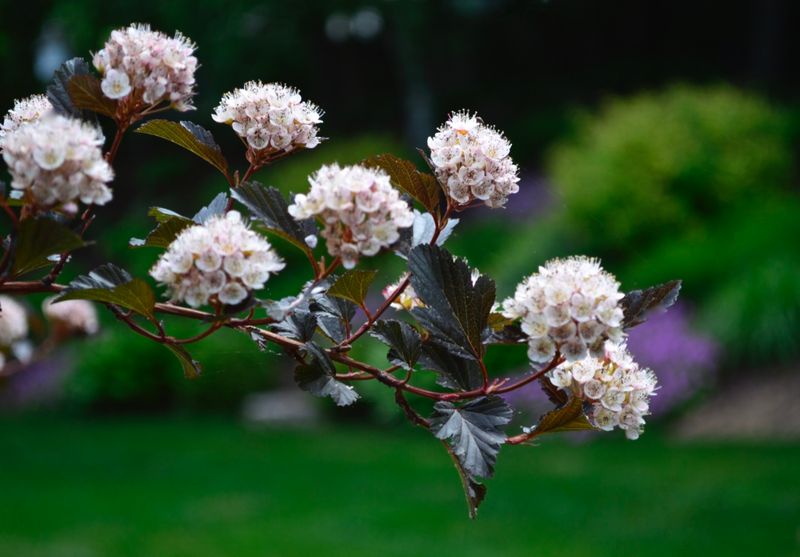
Ninebark is the kind of shrub that makes gardeners look like they really know what they are doing, even if they are just getting started. It grows vigorously, handles tough conditions without fuss, and comes in a range of leaf colors from bright green to deep burgundy-purple.
For Pennsylvania yards that need structure and color without a lot of babysitting, Ninebark is an outstanding choice.
May planting works in Ninebark’s favor because the shrub roots quickly in warming spring soil. Unlike some plants that take a full season to really get going, Ninebark often puts on visible new growth within just a few weeks of being planted.
The root system spreads wide and fast, giving the shrub a stable base that will support years of strong, healthy growth.
One of Ninebark’s biggest selling points is its flexibility. It tolerates clay soil, sandy soil, wet conditions, and dry conditions far better than most other native shrubs.
Across Pennsylvania, where soil types vary dramatically from county to county, that kind of adaptability is genuinely valuable. It grows in full sun and partial shade, and it rarely needs fertilizer once established.
Did you know the name Ninebark comes from the way its bark peels in multiple layers? It is a quirky little detail that gives the shrub extra visual interest in winter when the leaves are gone.
Low maintenance and high reward make Ninebark a must-have for May planting across Pennsylvania.
7. Arrowwood Viburnum
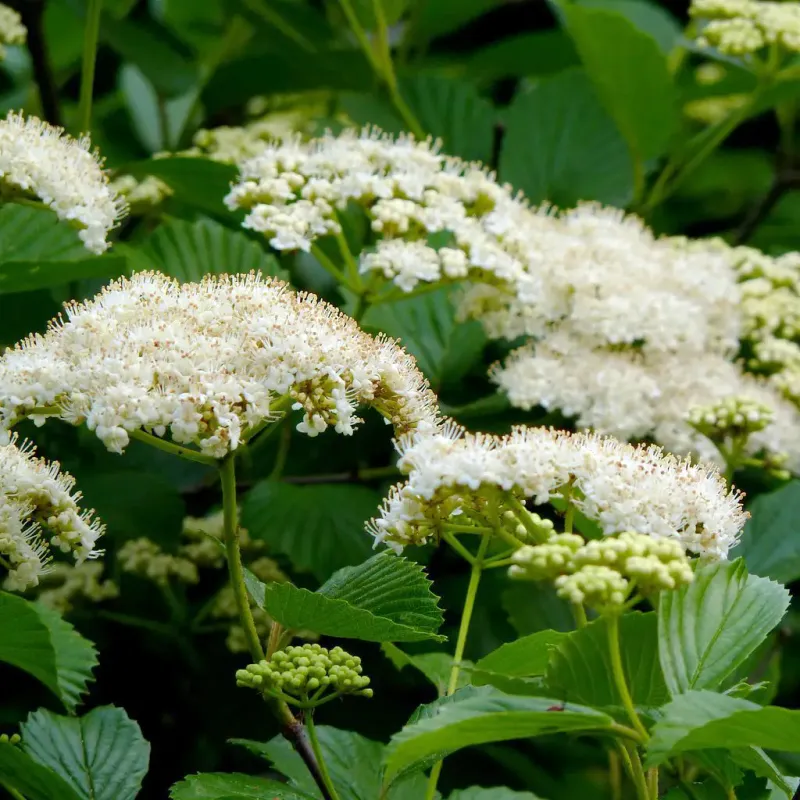
Arrowwood Viburnum earned its unusual name from Native Americans who used its long, straight stems to make arrow shafts.
That historical connection makes it one of the more fascinating native shrubs you can plant in a Pennsylvania yard. Beyond its interesting backstory, it is also a seriously reliable performer in the landscape.
Planting in May lets Arrowwood Viburnum take full advantage of spring moisture and mild temperatures. The roots spread steadily through the warm soil, building a strong foundation before the heat of summer arrives.
Once established, this shrub is remarkably tough and bounces back well from dry spells, cold winters, and even occasional flooding.
Arrowwood Viburnum is a top pick for creating natural privacy screens and wildlife-friendly hedges across Pennsylvania properties. It grows in dense, rounded mounds and produces flat-topped clusters of white flowers in late spring that attract pollinators by the dozens.
By fall, clusters of blue-black berries ripen and become a feast for migrating birds passing through the region.
The fall foliage is another bonus, turning shades of red, orange, and purple before the leaves drop. Arrowwood Viburnum tolerates a wide range of soil types and light conditions, from full sun to fairly heavy shade.
If you are looking for a shrub that earns its keep season after season with very little extra effort, this is an excellent choice for May planting.
8. Spicebush
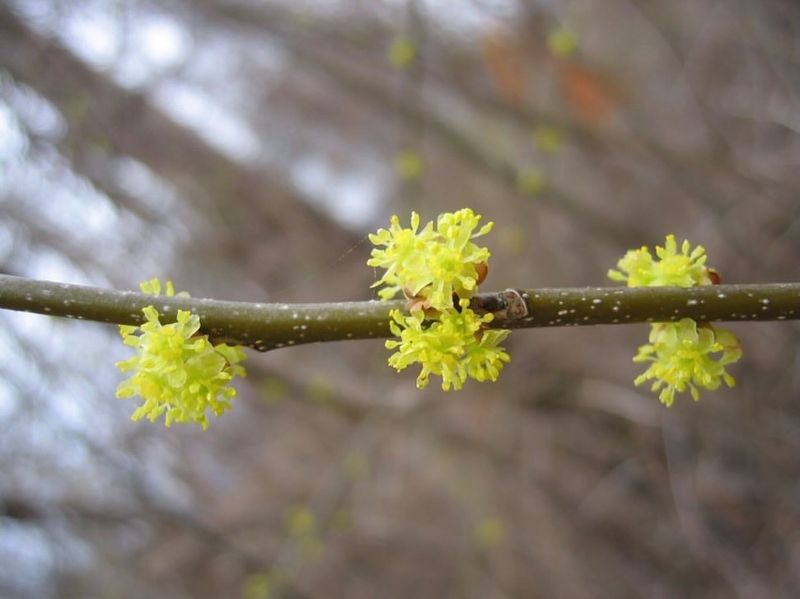
Crush a leaf from a Spicebush between your fingers and you will immediately understand how it got its name.
The spicy, aromatic scent that bursts out is something between allspice and cinnamon, and it is completely unforgettable. Spicebush is one of those plants that engages all the senses, not just your eyes.
For Pennsylvania gardeners with shaded, woodland-style yards, Spicebush is practically a perfect fit. It naturally grows as an understory shrub in forests across the eastern United States, thriving in the dappled light beneath taller trees.
May planting works beautifully because the cooler, moist conditions of spring closely mirror the habitat where Spicebush naturally feels most at home.
The roots establish quickly in part shade conditions when the soil is still holding plenty of spring moisture. Once settled, Spicebush becomes a very self-sufficient shrub that rarely needs watering or extra fertilizer.
Its deep, spreading roots help it tap into soil moisture even during dry summer stretches, making it a smart low-maintenance pick for Pennsylvania homeowners.
Spicebush supports an impressive range of wildlife. It is the primary host plant for the Spicebush Swallowtail butterfly, one of the most beautiful butterflies in the region.
In fall, bright red berries appear and are eagerly eaten by thrushes and other birds migrating through Pennsylvania. Planting Spicebush this May means you are not just growing a shrub, you are creating a habitat.