7 Tomato Growing Missteps Georgia Gardeners Should Avoid In April
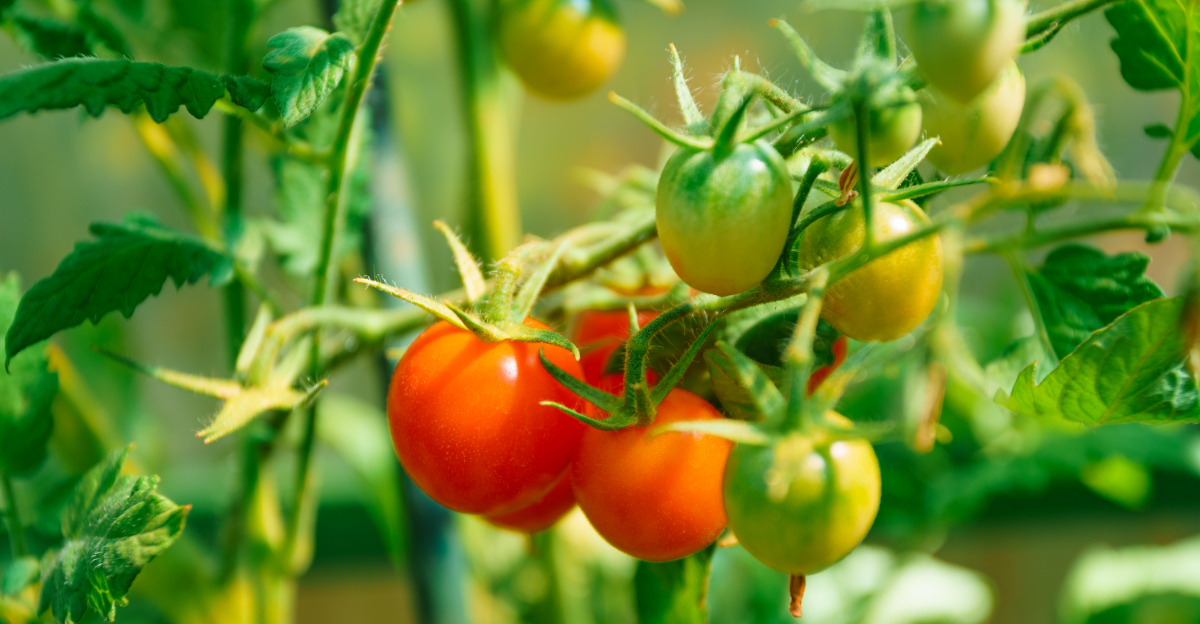
Tomatoes can look perfectly fine in early April, which makes it easy to think everything is on track. In Georgia, that early growth can be a bit misleading.
What seems like a strong start does not always carry through once the weather shifts and plants begin to take off.
A lot of the problems show up later, when vines struggle to keep up, leaves lose their color, or fruit just does not develop the way it should. By that point, it can feel frustrating trying to figure out what went wrong.
The truth is, many of those issues trace back to a few simple missteps made early on. They are easy to overlook, especially when conditions seem just right at the start.
Catching them now can make a noticeable difference in how tomatoes handle the rest of the season and how much they actually produce.
1. Planting Tomatoes Too Early Before Soil Fully Warms
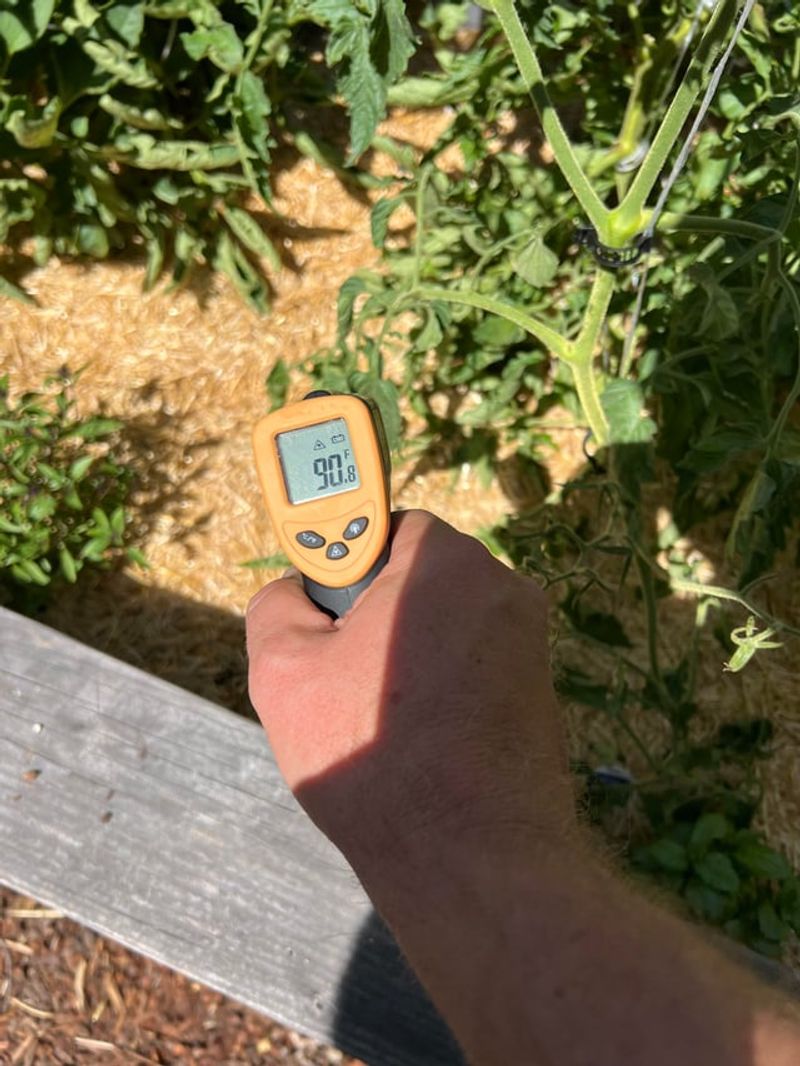
Cold soil is a silent trap that catches Georgia gardeners every single April. Tomato roots need warmth to absorb nutrients and water properly — when the ground is still cold, even healthy transplants just sit there and struggle.
Planting before the soil hits a steady 60°F means your tomatoes get a rough start they may never fully recover from.
North Georgia especially holds onto cold soil well into April, even when afternoons feel warm and pleasant. A quick check with a cheap soil thermometer will tell you more than the weather app ever could.
Push it about four inches down and check the reading in the morning, when soil temps are at their lowest.
Nighttime temperatures matter just as much as the soil. If nights in your part of Georgia are still dipping below 50°F regularly, hold off on transplanting.
Tomato plants stressed by cold nights become more vulnerable to disease and produce fewer flowers early on.
Starting your seeds indoors six to eight weeks before your expected transplant date gives you strong, ready plants without the rush. Around metro Atlanta and further south, mid-April is often safe for planting — but always check, do not assume.
A few extra days of patience now will pay off with stronger, more productive plants all summer long.
2. Skipping Support And Letting Plants Sprawl On The Ground
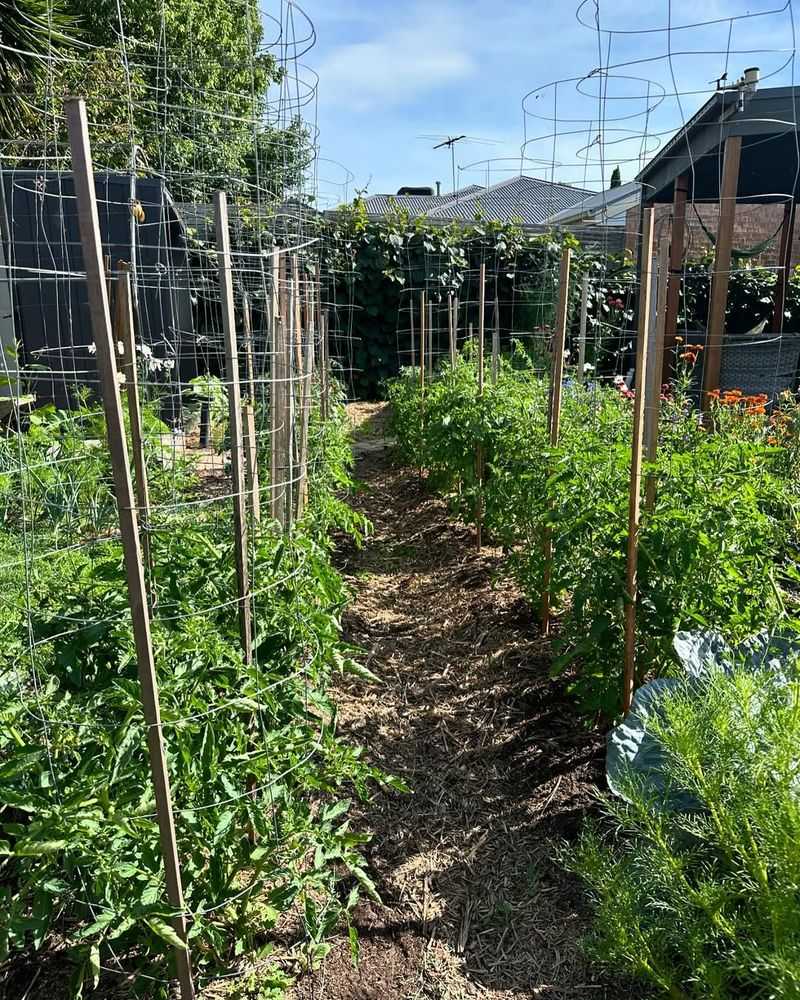
Letting tomato plants flop onto the ground is one of those mistakes that looks harmless at first but causes real problems fast. Once stems and fruit make contact with Georgia’s warm, moist April soil, pests and fungal issues move in quickly.
A plant lying flat is basically an open invitation for trouble.
Cages, stakes, and simple wooden trellises all work well depending on your variety. Indeterminate types — the tall, vining kinds — absolutely need strong support before they get big.
Trying to cage or stake a plant that has already sprawled out is a frustrating, messy job that often damages roots and stems in the process.
Set your support structures in place at transplant time, not a few weeks later when the plant has already grown wild. Drive stakes at least a foot into the ground so they hold firm against Georgia’s spring wind and afternoon thunderstorms.
Your Georgia Garden Changes Every Week. Your Plan Should Too.
Gardening in Georgia changes quickly throughout the season. Every Friday you’ll receive a simple weekly plan showing exactly what to plant, prune, fertilize, harvest, and protect so you never miss the right timing.
Loose support is almost as bad as no support at all.
Good support also keeps foliage up off the soil, which dramatically improves airflow around the plant. Georgia summers build humidity fast, and airflow is one of your best tools against fungal disease.
Keeping your plants upright from day one costs almost nothing extra in time or money, but the payoff in fruit quality and plant health is significant all season long.
3. Overwatering Before Roots Have Time To Establish
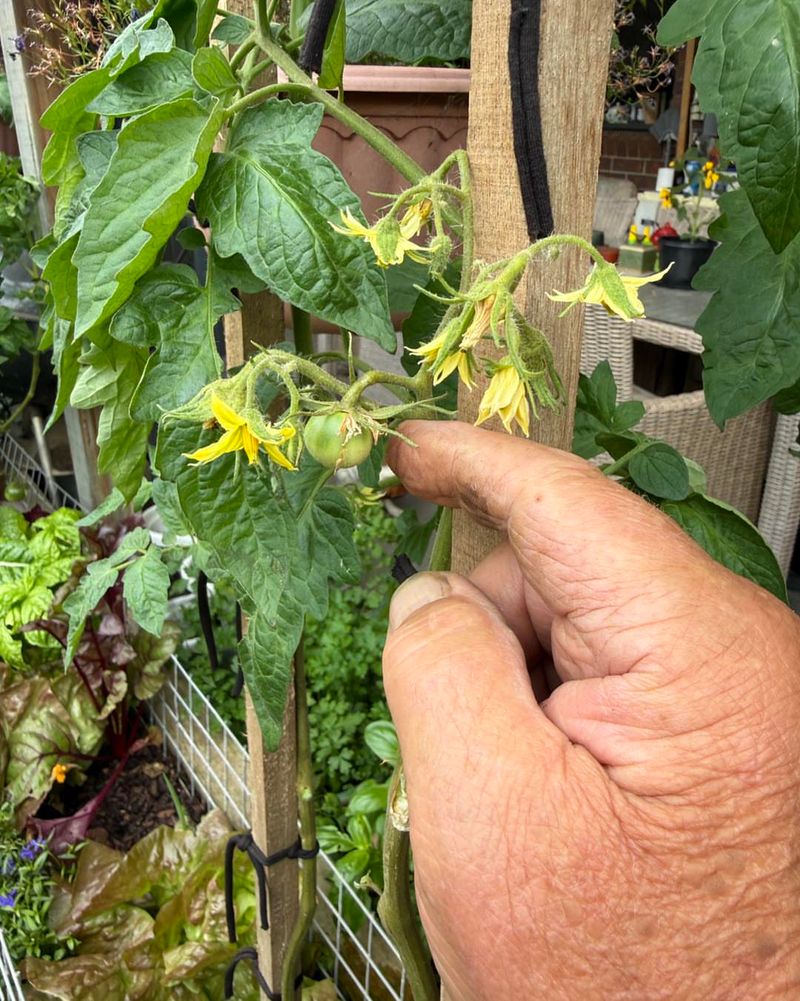
Right after transplanting, most gardeners feel the urge to water constantly — it seems caring, but it can actually hurt your plants badly. Young tomato roots need oxygen just as much as moisture, and soil that stays soggy cuts off that oxygen supply.
Roots sitting in waterlogged ground start to suffer within days.
Georgia’s April weather already brings decent rainfall in most regions, so check the soil before reaching for the hose. Stick your finger about two inches into the ground near the base of the plant.
If it still feels damp, skip watering that day and check again tomorrow.
New transplants need time to spread their roots outward and downward before they can handle heavy watering schedules. Watering deeply but infrequently encourages roots to chase moisture deeper into the soil, which builds a stronger, more drought-resistant plant.
Shallow, frequent watering creates shallow roots that struggle when Georgia’s summer heat really arrives.
Clay-heavy soils, common in many parts of central and north Georgia, hold water much longer than sandy coastal soils do. Knowing your soil type helps you calibrate how often to water in those first few critical weeks.
If drainage is a real problem in your yard, raised beds filled with a loose, compost-rich mix give young tomato roots the well-draining environment they need to establish quickly and confidently.
4. Crowding Plants Too Close Together In Warm Spring Beds
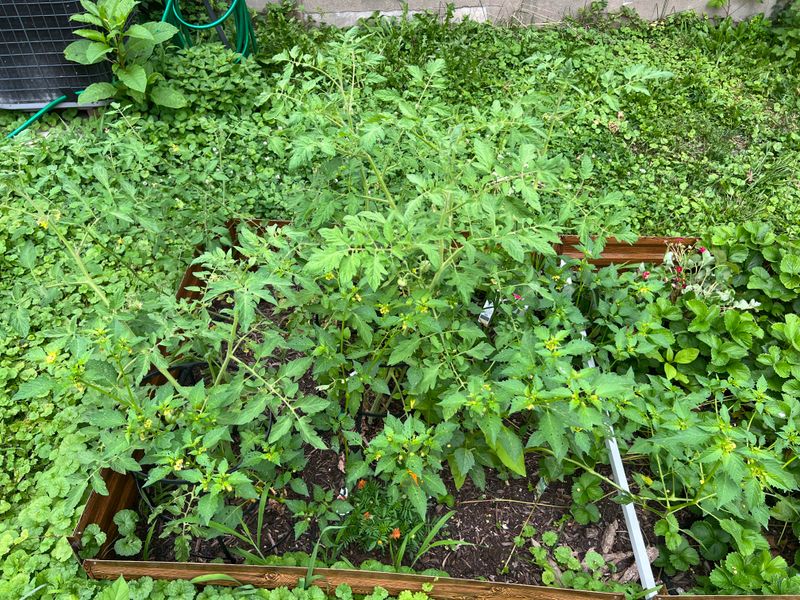
Squeezing extra tomato plants into a bed feels efficient, but crowded plants fight each other from the very beginning. Roots compete for water and nutrients, canopies block sunlight from lower leaves, and airflow drops to almost nothing.
In Georgia’s humid climate, poor airflow is practically a written invitation for early blight and other fungal problems.
Spacing recommendations exist for good reasons — most tomato varieties need at least 18 to 24 inches between plants, and some larger indeterminate types want even more room.
Measured spacing feels like wasted space in April when plants are still small, but those gaps fill in fast once warm Georgia temperatures kick growth into high gear during May and June.
Crowded beds also make pest management harder. When plants are packed tightly, spotting hornworms, aphids, or early signs of disease becomes a real challenge.
Catching problems early is much easier when you can actually see and reach each plant without pushing through a jungle of foliage.
Raised beds with defined spacing grids can help gardeners resist the temptation to overplant. Mark your spots before transplanting so you commit to proper distances from the start.
If you have more seedlings than space, consider giving extras to a neighbor or starting a second bed rather than cramming everything together. Giving each plant enough room to breathe is one of the simplest and most effective things you can do for a strong Georgia tomato harvest.
5. Ignoring Sudden Cold Snaps That Still Happen In April
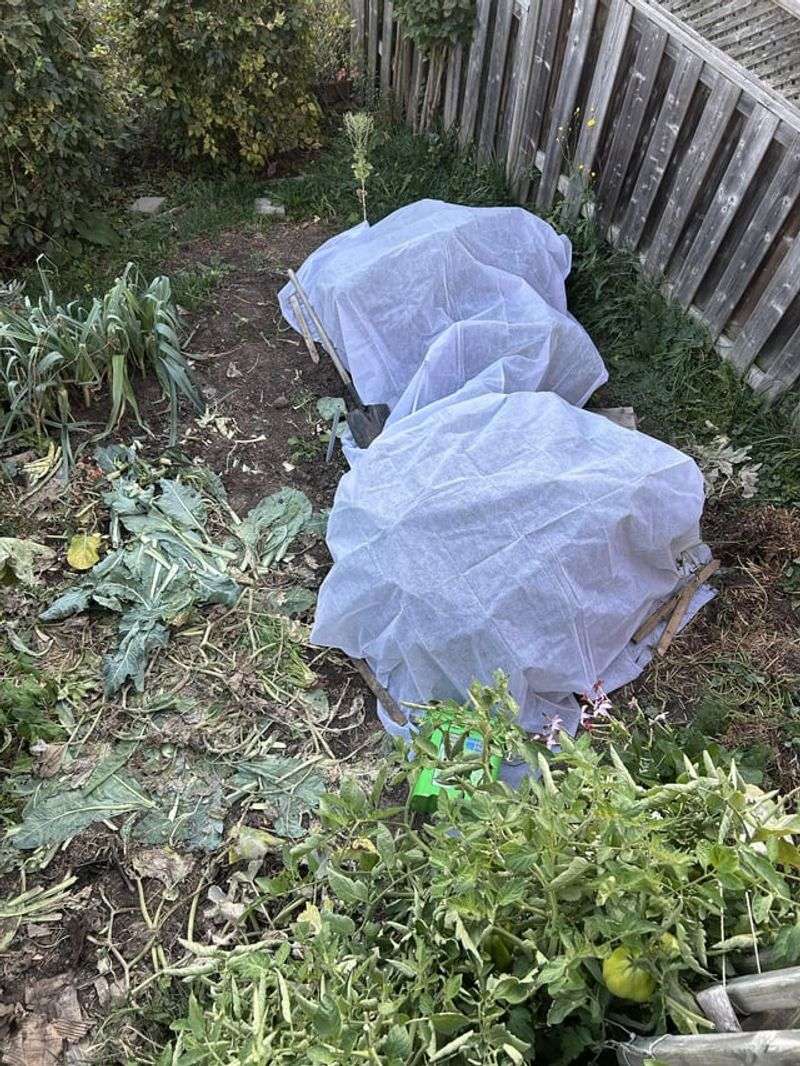
April in Georgia can feel like full-on spring one week and then drop back to near-freezing the next. Cold snaps in April are not rare events — they happen regularly across the state, especially in north Georgia and higher elevations around the Blue Ridge foothills.
Ignoring the forecast even for a single night can set your tomato plants back by weeks.
Young transplants are especially vulnerable because they have not yet hardened off fully to outdoor conditions.
A night that dips to 35°F can cause cell damage in tender leaves and growing tips, and that stress shows up as stunted growth and poor fruit set for weeks afterward.
Watching the extended forecast is just smart gardening practice in April.
Keeping a roll of lightweight frost cloth or even old bedsheets nearby during April is a simple habit that saves a lot of grief. Cover plants in the late afternoon before temperatures drop, and remove the covers the next morning once temps climb back above 50°F.
Leaving covers on during warm, sunny days can trap heat and create a different kind of stress.
Hardening off seedlings before transplanting also helps buffer against cold surprises. Spend about a week setting your plants outside in a sheltered spot during the day and bringing them in at night.
That gradual exposure toughens up the plant tissues and makes them far more resilient when an unexpected April cold snap rolls through Georgia without much warning.
6. Adding Too Much Nitrogen Instead Of Balanced Fertilizer
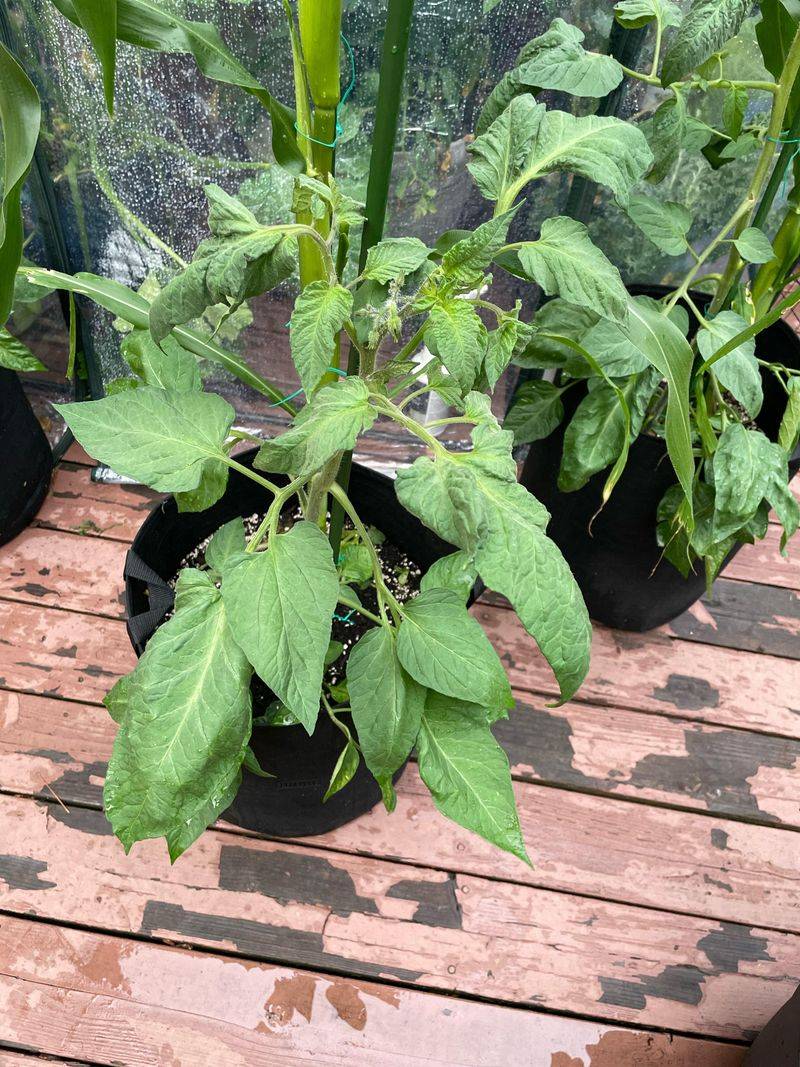
Nitrogen is the nutrient that makes plants grow big and green fast — which sounds great, until your tomato plant turns into an impressive bush with zero fruit.
Heavy nitrogen feeding in April pushes all of a plant’s energy into leaf and stem production, leaving little drive to flower and set fruit.
Lush, dark green tomato plants with no blooms by late spring are a classic sign of nitrogen overload.
Georgia’s red clay soils are already sometimes high in certain nutrients depending on your specific yard and gardening history. Before reaching for any fertilizer, a basic soil test from your county’s UGA Extension office is worth every penny.
Results tell you exactly what your soil needs instead of guessing and potentially making things worse.
At transplant time, a balanced starter fertilizer with roughly equal parts nitrogen, phosphorus, and potassium gives young plants a steady, well-rounded foundation.
Phosphorus matters especially at this stage because it supports strong root development, which is exactly what a newly transplanted tomato needs most in April.
Once plants start flowering, shift to a fertilizer lower in nitrogen and higher in phosphorus and potassium to support fruit development. Tomato-specific fertilizers sold at most Georgia garden centers are formulated with this progression in mind.
Follow label directions carefully — more fertilizer does not mean more tomatoes, and overfeeding is a mistake that can take weeks of normal watering to flush out of your garden soil.
7. Waiting Too Long To Mulch As Temperatures Start Rising
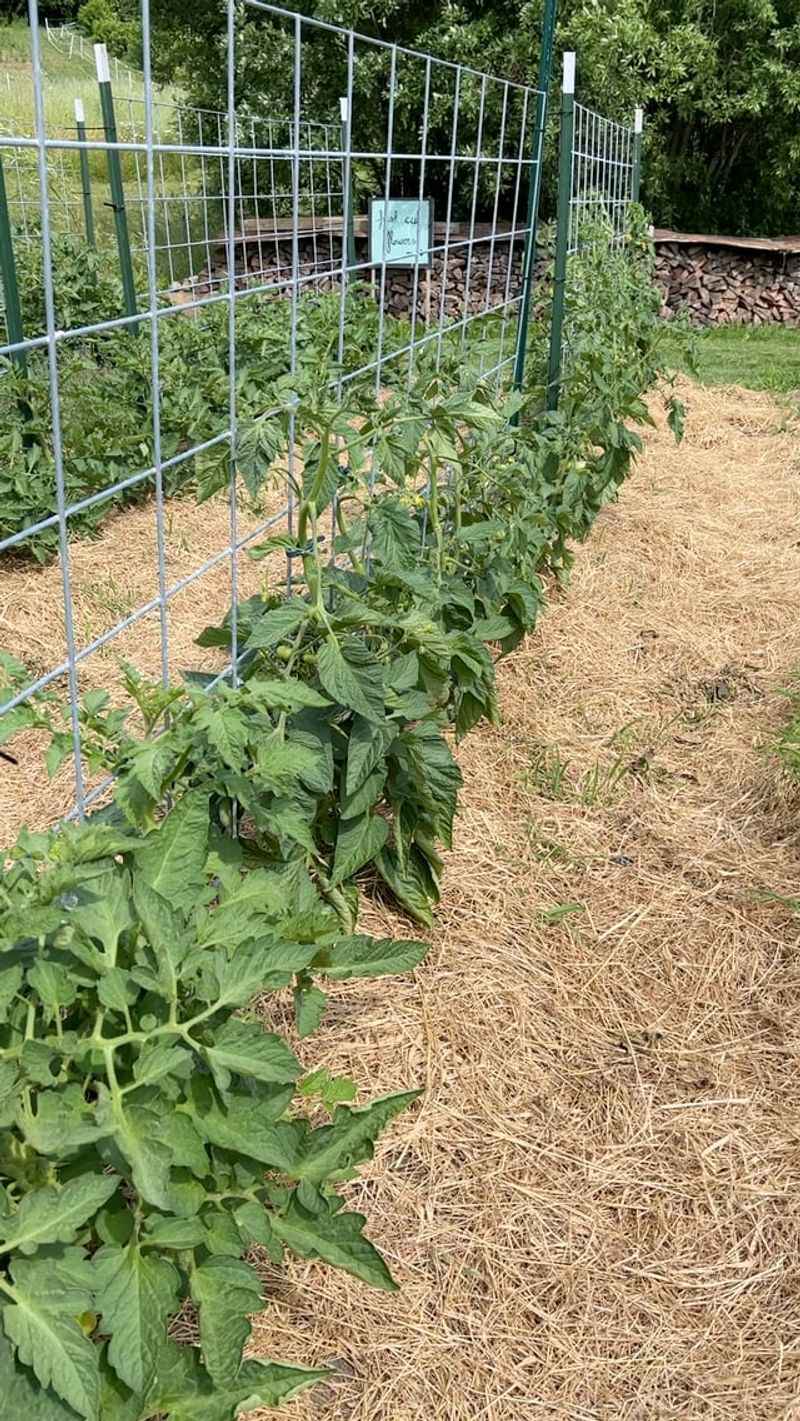
Mulch is one of the most underused tools in a Georgia vegetable garden, and waiting until summer to apply it is a mistake that costs you moisture, temperature stability, and weed control all at once.
April is actually the ideal time to mulch tomatoes — soil is warming up but has not yet hit the punishing heat of a Georgia July.
Getting mulch down early locks in that comfortable temperature range roots love.
A two-to-three inch layer of straw, shredded leaves, or wood chips around each plant does several jobs at the same time. It slows moisture evaporation from the soil surface, which reduces how often you need to water.
It also blocks weed seeds from germinating, and weeds compete directly with your tomatoes for the water and nutrients you are trying to deliver.
Soil-borne diseases are a real concern across Georgia, and bare soil splashing up onto lower tomato leaves during rain or watering is a common way those diseases spread.
Mulch acts as a physical barrier between the soil and the plant, reducing that splash-back significantly.
Removing lower leaves that touch the mulch layer adds another layer of protection.
Pull mulch back slightly from the main stem so it is not sitting directly against the plant base — that contact can hold moisture against the stem and create soft spots. Keep a few inches of clearance around each stem, then spread the mulch outward generously.
Applied correctly and early, mulch quietly does more work for your Georgia tomato garden than almost any other single step you can take in April.