The Easy-Care Georgia Plant That Keeps Blooming Through The Hottest Months
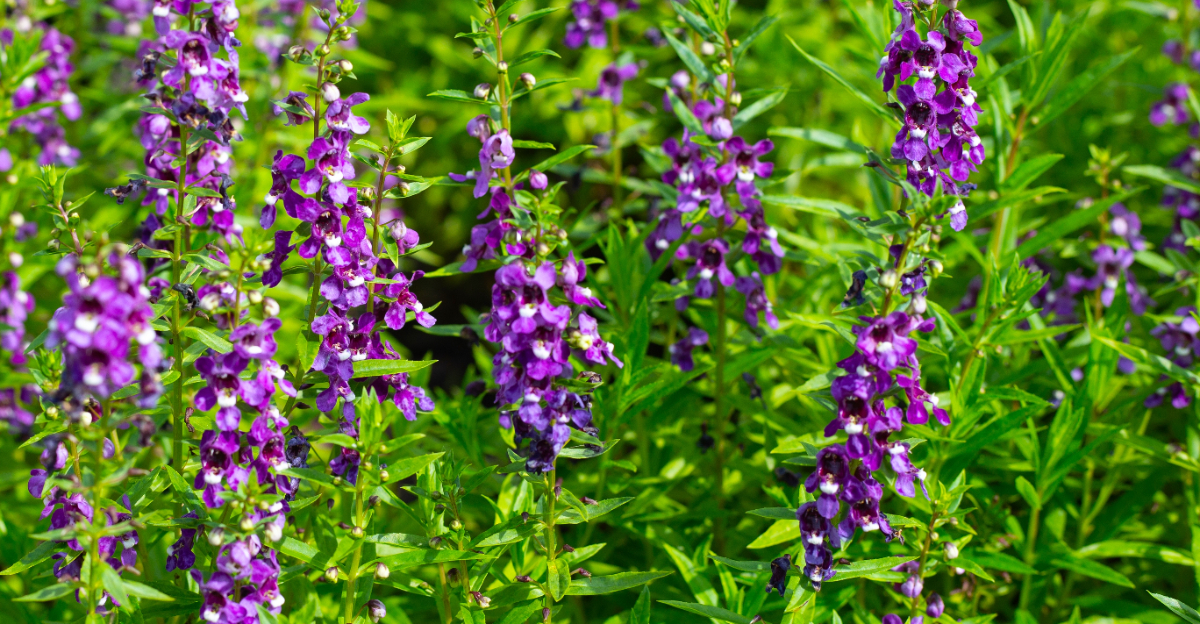
A lot of flowers start giving up once summer heat settles in. Blooms fade faster, plants look tired by afternoon, and gardens that looked beautiful in spring suddenly start feeling dull and stressed.
That is why easy-care bloomers stand out so much during the hottest months. A plant that keeps pushing out color through heat and humidity without constant attention quickly becomes hard to ignore.
Some plants look impressive for only a few weeks. Others keep blooming while everything around them starts slowing down.
Those are usually the plants homeowners end up appreciating most by midsummer.
Georgia gardeners often spend too much time fighting with plants that need nonstop care just to look decent.
The right flowering plant can keep beds colorful for months while asking for far less work during the toughest part of summer.
1. Angelonia Keeps Flowering Through Peak Summer Heat
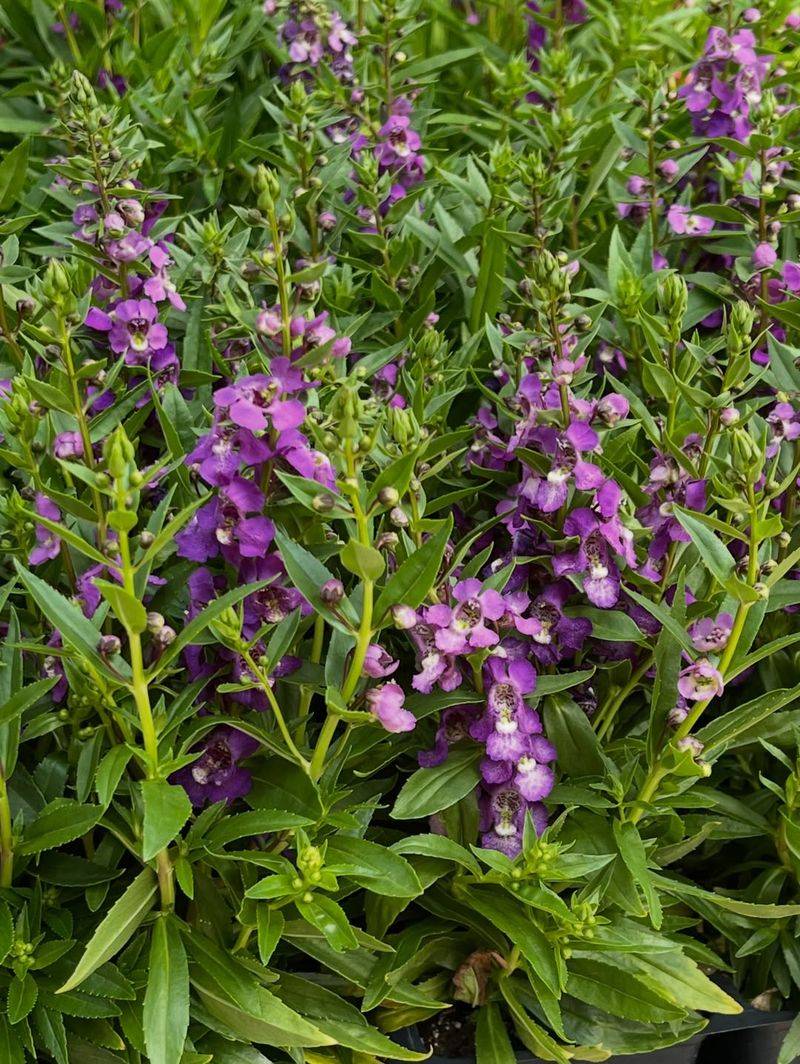
Most flowering annuals wave a white flag somewhere around mid-July. Angelonia does not.
It keeps pushing out fresh flower spikes even when afternoon temps are sitting well above 90 degrees Fahrenheit.
Hot, dry air actually suits this plant. Originally from Mexico and the Caribbean, angelonia evolved in warm climates.
It is built for the kind of punishing heat that rolls through the Southeast every summer without fail.
Blooms appear in shades of purple, pink, white, and bicolor. Spikes stay loaded with flowers for weeks at a time.
Even when older blooms fade, new ones replace them quickly without much help from you.
Full sun is where it performs best. Six to eight hours of direct sunlight per day keeps it flowering steadily.
Shaded spots tend to slow bloom production and stretch stems out thin.
Planting in well-draining soil gives it the best start. Waterlogged roots cause more trouble than heat ever will.
Raised beds or amended garden soil with good drainage keeps roots healthy through long hot stretches.
2. Upright Spikes Stay Neat During Humid Weather
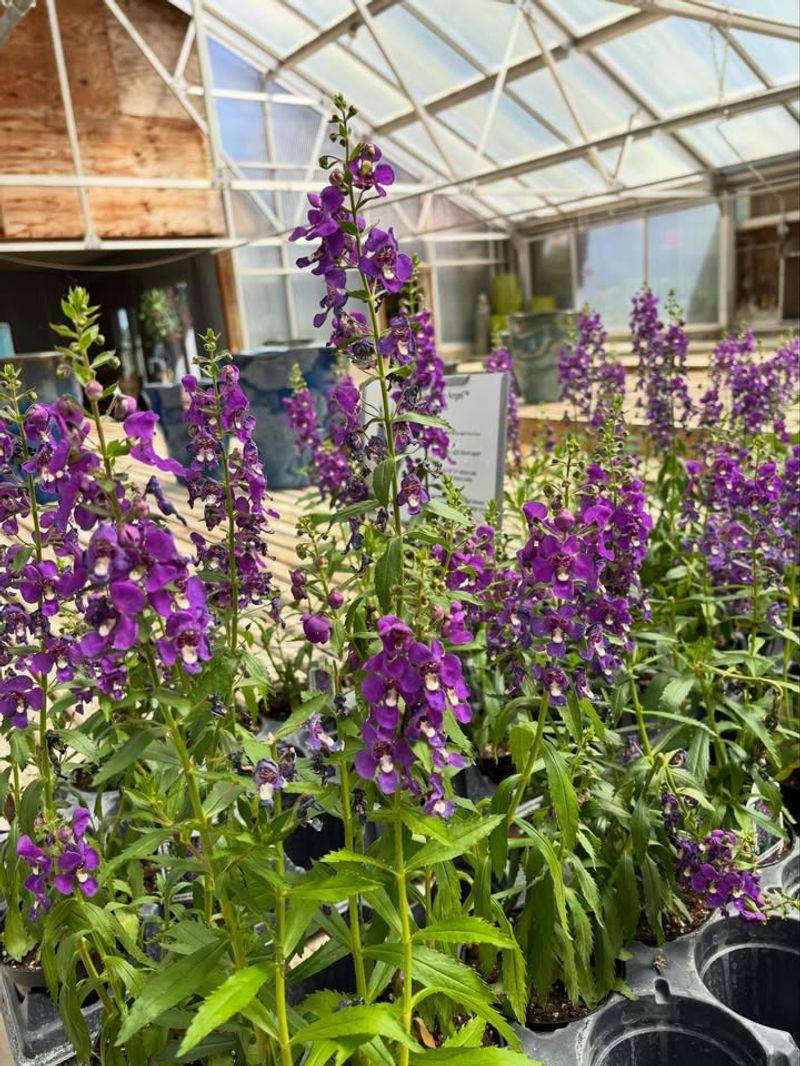
Humidity wrecks a lot of plants. Stems flop, foliage turns soggy, and fungal problems spread fast.
Angelonia handles Southern humidity better than most annuals you will find at a garden center.
Its upright growth habit stays fairly tidy even after weeks of sticky, muggy weather. Stems do not sprawl or collapse under moisture weight the way some softer plants do.
Most varieties grow between 12 and 24 inches tall. They hold their shape through rain events, high humidity, and nights that never cool down.
That structural reliability is a real advantage in a Southern summer garden.
Good air circulation around plants helps prevent any fungal buildup on leaves. Spacing plants about 12 inches apart gives each one room to breathe.
Crowded plantings in humid regions can develop leaf spot over time.
Unlike snapdragons, which prefer cooler weather and tend to go downhill fast once summer arrives, angelonia leans into the humidity and keeps going. It fills that mid-summer gap when a lot of other plants are struggling.
Powdery mildew is rarely a serious issue with angelonia when plants have decent spacing and airflow. Keeping mulch a few inches away from stems also reduces moisture buildup at the base.
Your Georgia Garden Changes Every Week. Your Plan Should Too.
Gardening in Georgia changes quickly throughout the season. Every Friday you’ll receive a simple weekly plan showing exactly what to plant, prune, fertilize, harvest, and protect so you never miss the right timing.
3. Heavy Rain Causes Fewer Problems Than Many Annuals
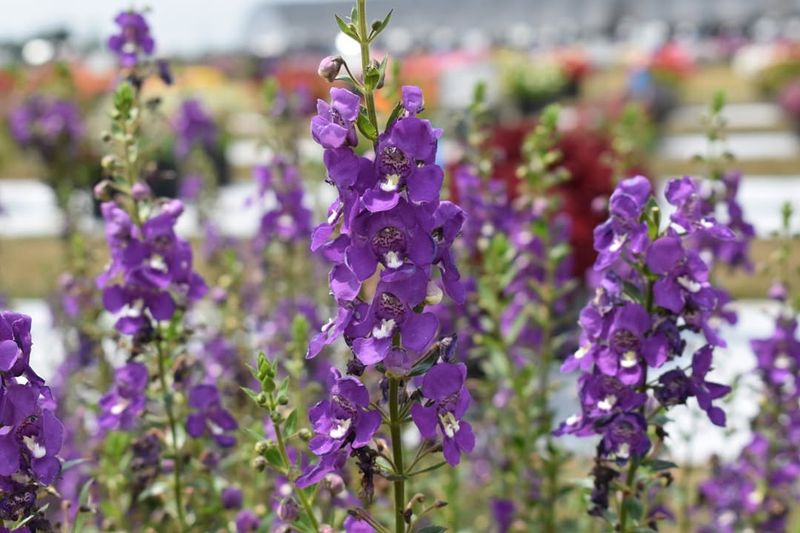
Summer storms in the South hit hard and fast. Downpours can dump two inches of rain in under an hour.
Plenty of annuals look beat up and battered once those storms pass.
Angelonia bounces back quickly. Flower spikes may bend slightly during a heavy downpour, but they usually straighten up within a few hours once skies clear and the weight of water lifts.
Root rot is the bigger concern after prolonged wet spells. Soil that stays saturated for days puts stress on roots.
Planting in raised beds or sloped ground where water drains away fast cuts that risk significantly.
Sandy loam or amended clay soil with compost works well. Native Georgia clay can hold too much water if left unimproved.
Mixing in pine bark fines or coarse compost opens up the soil structure and helps excess moisture drain.
Unlike impatiens, which can develop downy mildew and collapse quickly after wet weather, angelonia rarely shows serious disease symptoms following rain. Its thicker stems and waxy leaf surface shed water more efficiently.
Mulching around plants helps regulate soil moisture between storms. A two to three inch layer of pine straw or shredded bark keeps roots from swinging between soaking wet and bone dry too rapidly.
4. Bees Stay Active Around Fresh Color All Season
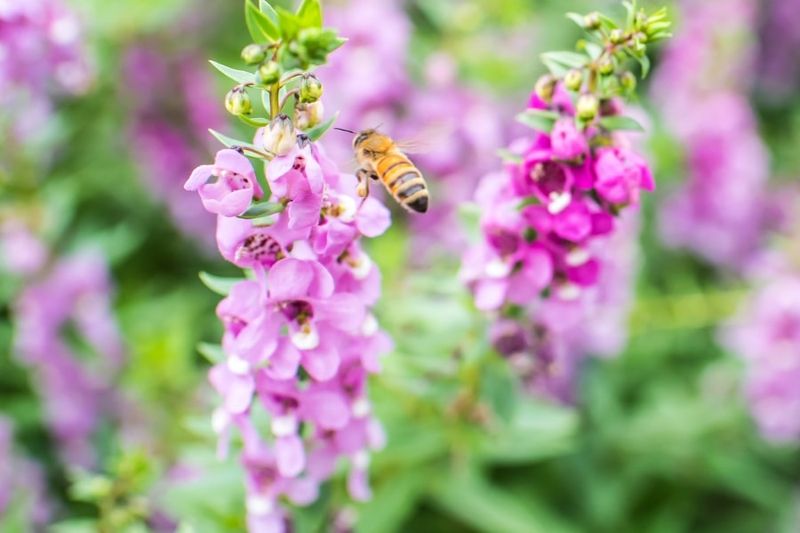
Pollinators notice angelonia fast. Bees, especially bumblebees and smaller native species, visit the flowers regularly throughout the season.
The blooms stay fresh long enough to keep them coming back.
Angelonia produces nectar consistently. Unlike some plants that bloom heavily for two weeks then fizzle out, angelonia keeps flowering for months.
That long bloom window gives pollinators a reliable food source during the hottest part of the year.
Butterflies also visit, though less frequently than bees. Skippers and small sulphur butterflies show up regularly in plantings that have been established for a few weeks.
The color range, especially purple and pink shades, tends to attract them well.
Planting in clusters rather than single rows gives pollinators an easier target. A grouping of five or more plants creates a patch of color that bees can work efficiently.
Scattered individual plants get fewer visits than a concentrated block.
Avoiding pesticide use near blooming angelonia keeps visiting insects safe. If pest control is needed elsewhere in the garden, applying it in the early morning or evening reduces exposure during peak bee activity hours.
Pairing angelonia with other long-blooming summer plants like lantana or pentas creates a layered pollinator garden.
5. Containers Keep Looking Bright In Direct Sun
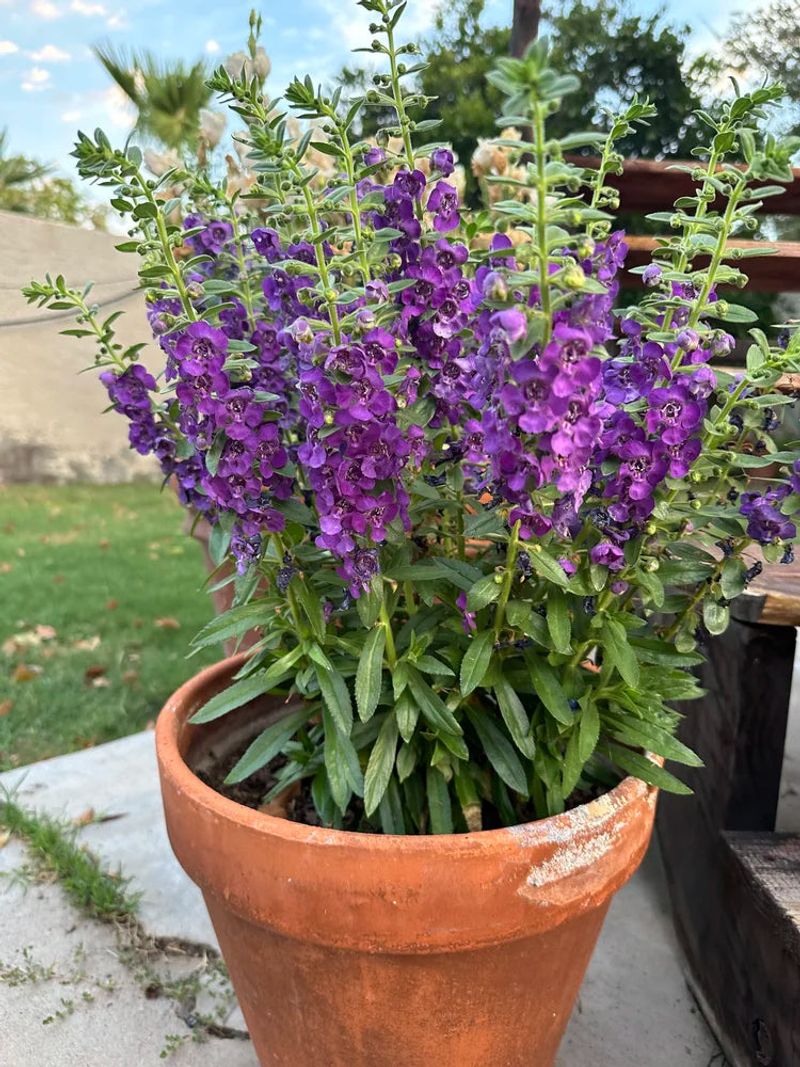
Container gardening with angelonia is a strong move for anyone working with a porch, patio, or small outdoor space. It performs exceptionally well in pots, especially when placed in full direct sun.
Pots heat up fast in summer. Many annuals struggle in containers because root temperatures climb too high.
Angelonia tolerates warm root zones better than most, which makes it a practical choice for sun-baked patios.
Choosing a container with drainage holes is non-negotiable. Pots without drainage keep roots sitting in water after every rain or watering.
That causes root stress far faster than heat or sun exposure ever would.
A quality potting mix with good drainage works best. Adding a small amount of perlite to standard potting soil improves drainage and aeration.
Avoid using heavy garden soil in containers since it compacts quickly and drains poorly.
Watering frequency increases with container plants. Pots dry out faster than ground beds, especially in direct sun.
Checking soil moisture every one to two days during peak summer keeps plants from stressing between waterings.
Fertilizing container angelonia every two to three weeks with a water-soluble fertilizer keeps blooms coming. Nutrients flush out of pots faster than they do from garden beds, so more frequent feeding makes a noticeable difference.
6. Short Dry Spells Rarely Lead To Major Stress
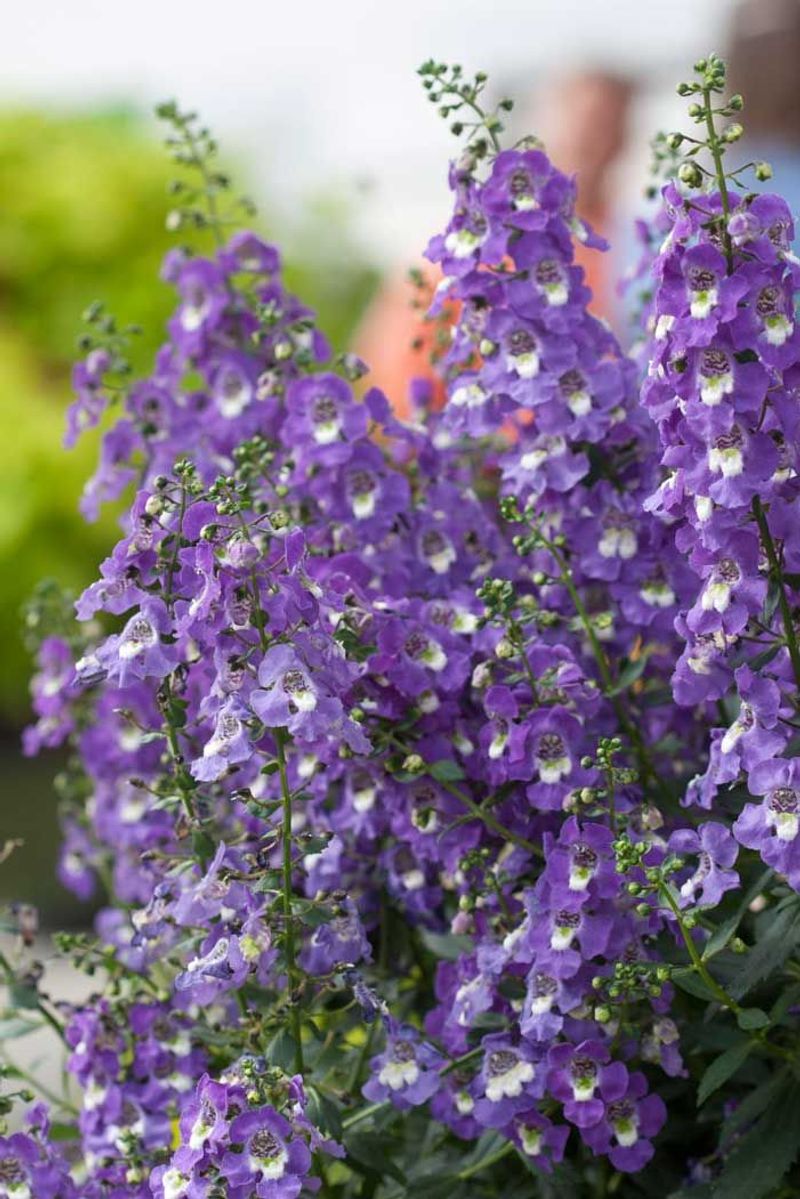
Forgot to water for a few days? Angelonia handles short dry spells better than most summer annuals.
It has decent drought tolerance once it gets established in the ground.
Establishment takes about two to three weeks after transplanting. During that window, regular watering helps roots spread into surrounding soil.
After that, the plant can handle periods of dryness without falling apart.
Wilting can happen during an extended dry stretch, especially in containers or sandy soil. But unlike more delicate plants, angelonia usually recovers quickly once water is applied.
Leaves perk back up within hours of a good soak.
Deep watering once or twice a week is better than shallow daily watering. Deep irrigation encourages roots to grow downward, making the plant more resilient during dry periods.
Shallow watering keeps roots near the surface where they dry out fast.
Mulching over the root zone helps retain soil moisture between watering sessions. Pine straw is a popular choice across the Southeast.
A two to three inch layer reduces surface evaporation noticeably during hot, dry stretches.
Drought stress does eventually slow bloom production. Extended periods without any rain or supplemental water will reduce flowering.
Keeping soil from going completely bone dry for weeks at a time maintains steady bloom output.
7. Light Pruning Encourages Another Flush Quickly
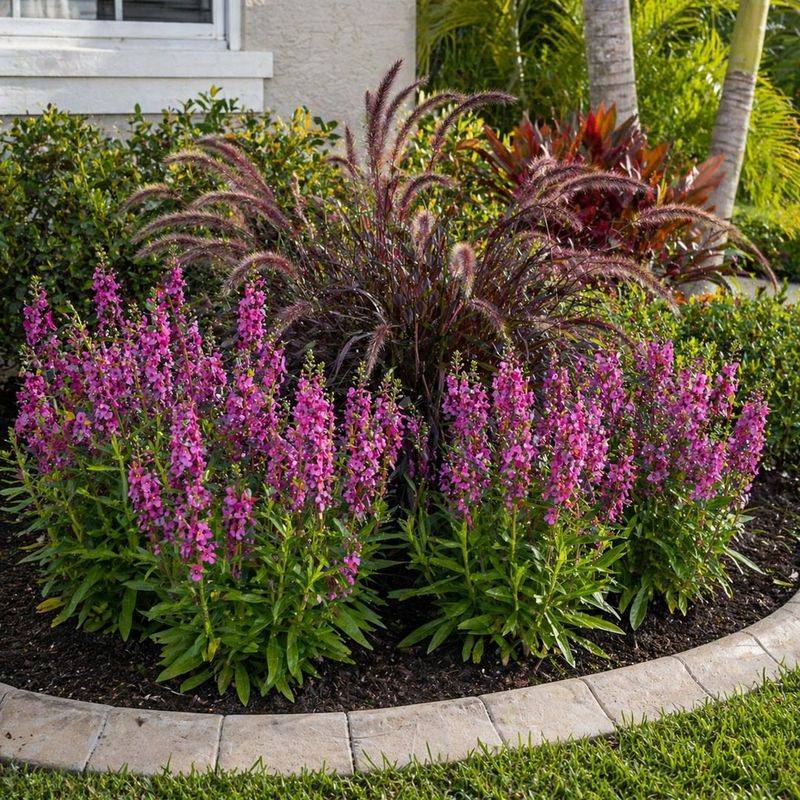
Deadheading is optional with angelonia, but light pruning does speed up the next round of blooms. Cutting back spent flower spikes by about one third encourages the plant to redirect energy into new growth fast.
You do not need special tools. A pair of clean, sharp hand pruners or even scissors work fine for trimming angelonia.
Just cut above a leaf node and the plant responds within a week or two with fresh spikes.
Midsummer is a good time for a light shaping if plants start to look leggy or stretched. A quick trim of about one third of the overall height tidies things up and triggers a strong rebound flush of flowers.
Avoid cutting back more than half the plant at once. Aggressive pruning during peak summer heat can stress roots and slow recovery.
Light, strategic cuts work better than heavy chop-downs during the hottest months.
Some gardeners skip pruning entirely and still get solid bloom production all season.