The Simple April Task That Helps Control Weeds And Improve Soil In Georgia
There is a point in April when Georgia gardens can either stay easy to manage or start getting out of hand fast. It usually begins with small things that seem harmless at first, especially in beds that looked clean just days ago.
Weeds do not take long to settle in, and once they do, they tend to spread faster than expected. At the same time, the soil underneath is changing with every bit of new growth and spring rain, whether it looks like it or not.
What makes the biggest difference is not something complicated or time consuming. It is a simple task that fits right into this moment in the season and quietly changes how everything behaves after.
Once it is done, both the soil and the surface start working in your favor instead of against you as the weeks move forward.
1. Cultivating Soil In April Breaks Crust And Stops Early Weeds
Crusty soil is one of those quiet problems that sneaks up on you before you even realize it. After a few spring rains in Georgia, the top layer of soil can seal up tight, making it nearly impossible for young roots to push through.
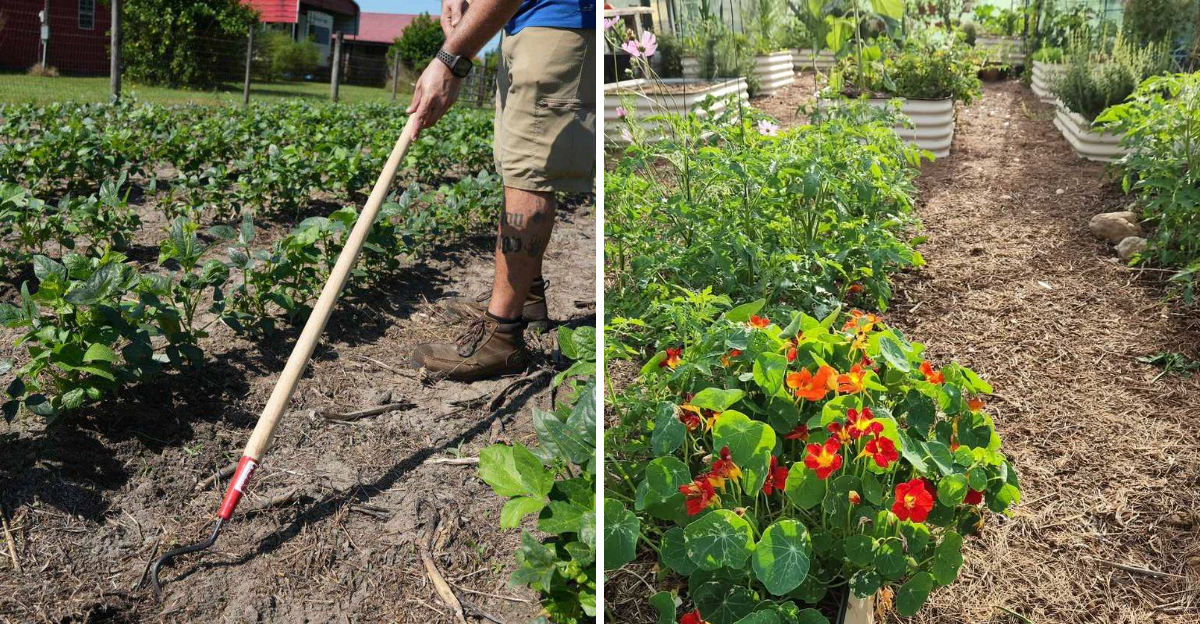
Grabbing a hand cultivator or a small hoe in April and working the top inch or two can break that crust wide open before it becomes a real headache.
When soil hardens on the surface, water can not soak in properly. Instead of reaching the roots, it runs off to the sides and takes good topsoil with it.
Loosening things up early keeps water where it belongs and gives your plants a fighting chance from the very start of the season.
Weed seeds need light and loose soil to get going. When you break up the surface, you also disturb seeds that have been sitting just below the top, waiting for their moment.
A lot of those seeds get exposed to conditions they can not survive, which cuts down on the weeds you will have to deal with later.
Shallow cultivation is the key word here. Going too deep in April can actually cause more problems than it solves by bringing up buried weed seeds and damaging tender feeder roots.
Stay light with your tool and work consistently across your rows. In Georgia’s spring climate, doing this once or twice early in the month can set your whole garden up for a much smoother growing season.
2. Looser Topsoil Allows Air And Water To Reach Roots More Easily
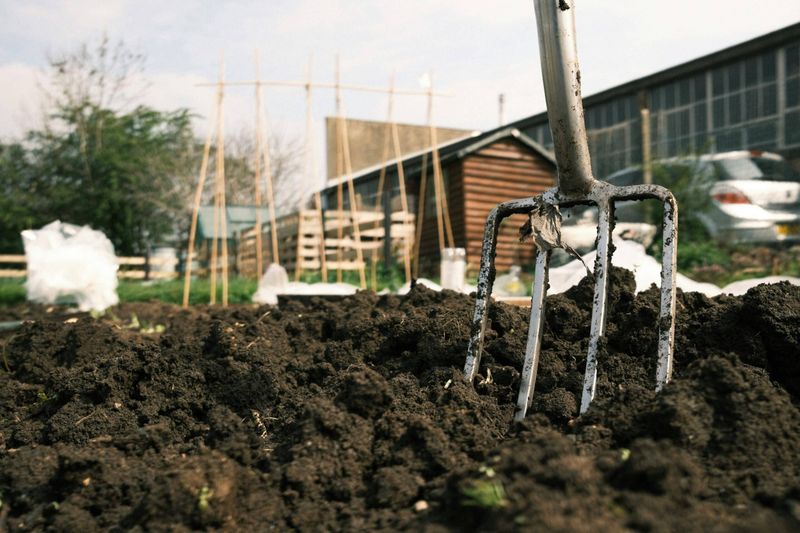
Packed-down soil is basically a wall between your plants and what they need most. Roots cannot stretch out easily when the ground is dense, and water just sits on top instead of soaking through.
Loosening your topsoil in April is one of the most straightforward things you can do to help your garden actually work the way it should.
Air pockets in soil matter more than most people think. Roots need oxygen to function, and so do the billions of tiny microbes living underground that help break down nutrients into forms plants can use.
Your Georgia Garden Changes Every Week. Your Plan Should Too.
Gardening in Georgia changes quickly throughout the season. Every Friday you’ll receive a simple weekly plan showing exactly what to plant, prune, fertilize, harvest, and protect so you never miss the right timing.
When you cultivate the top layer of soil in your Georgia garden, you are essentially giving everything underground room to breathe again after winter.
Water infiltration improves dramatically when the soil is not compacted. Rain and irrigation water move down through loose soil quickly, reaching roots at the depth where they actually live.
Compacted soil causes water to pool near the surface, which can lead to shallow root systems and plants that struggle during Georgia’s summer dry spells.
You do not need fancy equipment to get this done. A standard garden fork, a stirrup hoe, or even a basic hand rake can break up the top two to three inches of soil effectively.
Work in the morning when Georgia’s April soil is slightly damp but not soaking wet. Wet soil compacts easily if you step on it, so try to stay off freshly loosened areas and let the improved structure do its job all season long.
3. Early Weed Growth Gets Disrupted Before It Spreads
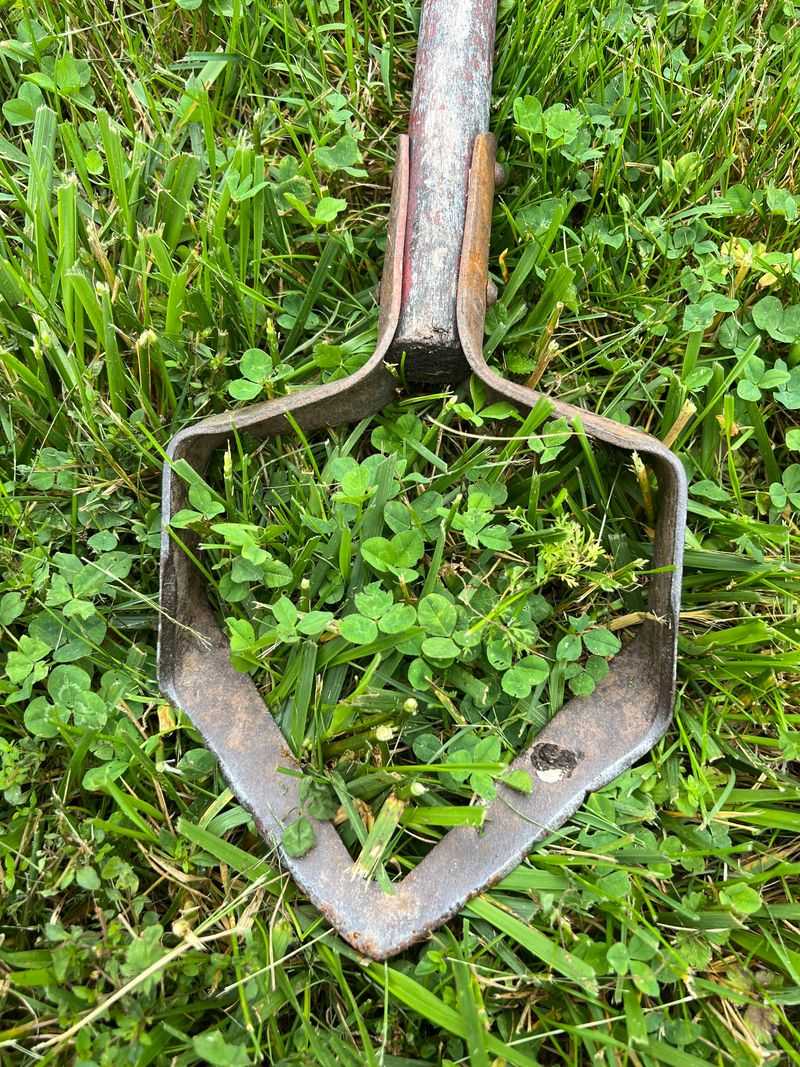
Weeds in April look harmless because they are still tiny. That is exactly when you want to hit them.
Waiting even two more weeks in Georgia’s warm spring climate means those small sprouts turn into established plants with root systems that are much harder to remove without disturbing your vegetables.
Shallow cultivation at this time of year works differently than pulling weeds by hand. Running a hoe just below the soil surface slices weed stems from their roots without you having to bend down and grab each one individually.
Most of those severed seedlings dry out quickly in April’s warming sun, especially on a day with a bit of a breeze. You are not removing them so much as cutting off their future.
Some gardeners in Georgia make the mistake of waiting until weeds are clearly visible above the soil before acting. By that point, the plants have already used up soil nutrients and moisture that your vegetables could have had.
Starting your cultivation routine early in the month, even before you see obvious weed growth, disrupts seeds that are just beginning to germinate underground.
Repeat this process every ten days or so through April and into early May. Each pass you make with a hoe or cultivator reduces the number of viable weed seeds in the top layer of soil.
Over time, the weed pressure in your garden drops noticeably. It takes some consistency, but the payoff is a garden that stays much cleaner and easier to manage through the rest of the growing season in Georgia.
4. Soil Stays Softer Instead Of Turning Hard After Rain
Rain in Georgia during April can be both a blessing and a problem. It waters your plants for free, but it also packs the soil surface down hard.
If you have ever walked out to your garden after a few good rainstorms and noticed the ground looks almost like dried concrete, you already know what compaction can do to a growing space.
Regular cultivation before and after rain events keeps that cycle from getting out of hand. When the top layer of soil has been recently broken up, rainwater soaks in faster rather than sitting on top and sealing the surface as it dries.
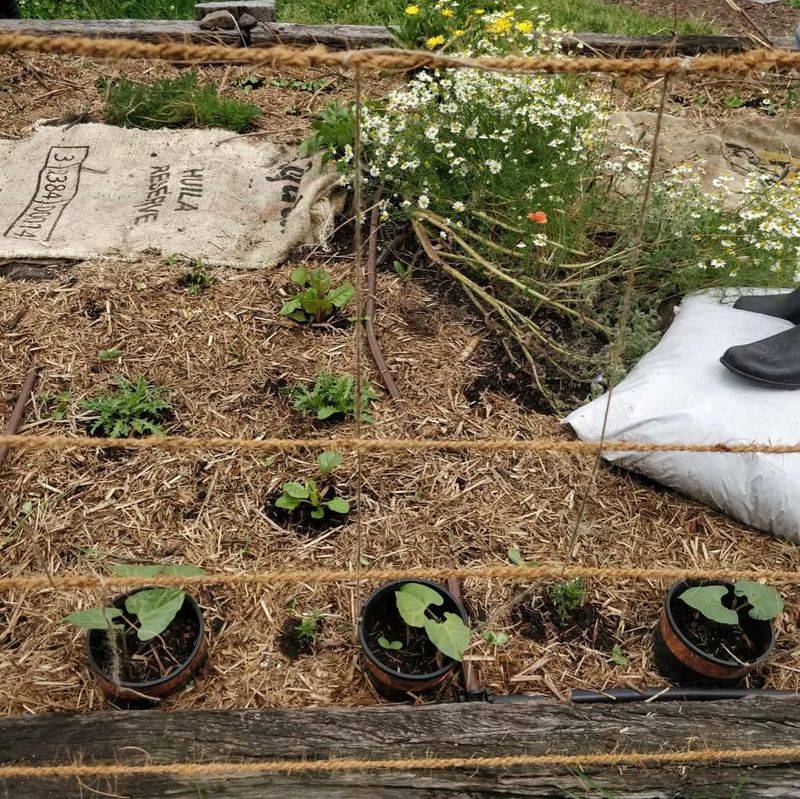
Adding a thin layer of mulch between rows after cultivating gives the soil extra protection and keeps it from hardening as quickly between rain events.
Organic mulch materials like straw, shredded leaves, or wood chips work well in Georgia gardens. They absorb some of the impact from heavy rain, which reduces the pounding effect that causes soil crusting in the first place.
As mulch slowly breaks down, it also adds organic matter to the soil, improving its texture over time so it becomes naturally more resistant to compaction.
Keeping a routine of light cultivation after rain, once the soil has dried enough to work without sticking to your tools, makes a significant difference across the whole season.
Your shovel or hoe will go in more easily, your plants will look healthier, and you will spend less time fighting hard ground when summer arrives and the real growing pressure begins in Georgia.
5. Better Conditions Support Strong And Healthy Root Development
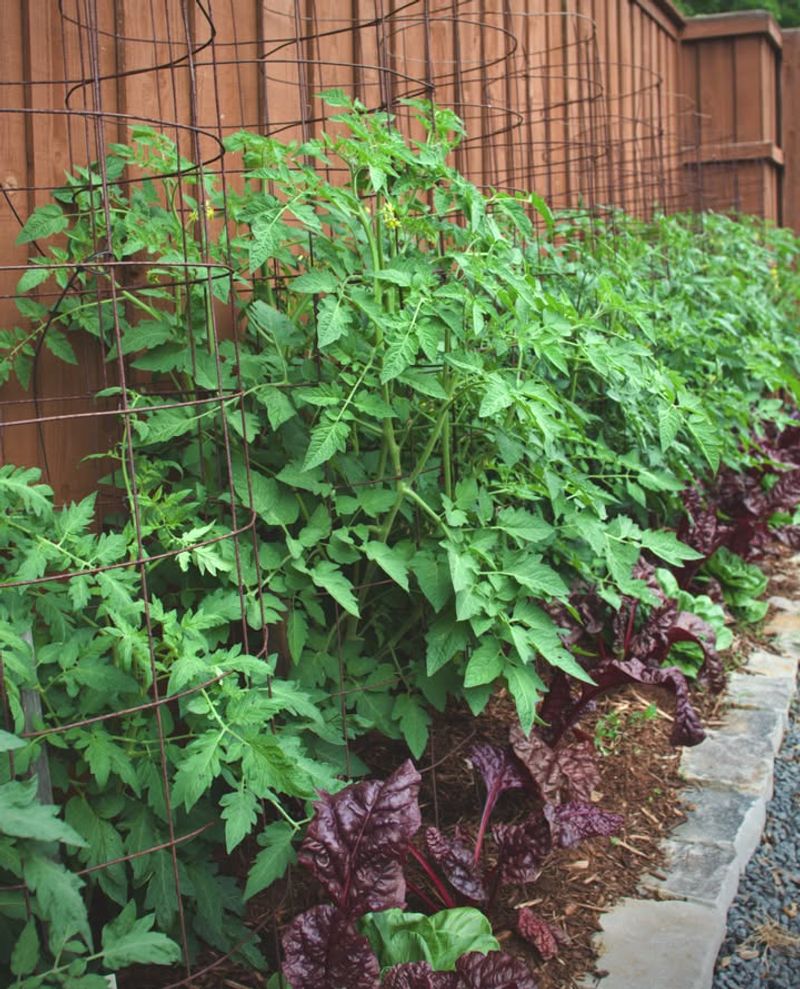
Roots follow the path of least resistance. Give them loose, aerated soil in April, and they will spread wide and deep, building the kind of foundation that supports strong plant growth all season long.
Squeeze them into hard, compacted ground, and they stay shallow, leaving plants vulnerable when hot Georgia summers arrive and soil moisture drops.
Strong root systems are what separate plants that thrive from plants that just survive. A tomato with deep roots can pull moisture from lower soil layers during a dry spell.
A pepper plant with wide-spreading roots accesses more nutrients across a broader area. Neither of those things happen when the soil above is too dense for roots to move through freely.
Cultivating in April does not just benefit this season’s crop. Every time you loosen soil and add organic material through decomposing mulch or compost, you are building a better growing environment for future plantings too.
Georgia’s clay-heavy soils especially benefit from consistent organic matter additions, which improve drainage, reduce compaction, and create the kind of crumbly texture roots genuinely love to grow through.
Pay attention to the areas around your existing transplants and seedlings when you cultivate. Stay a few inches away from stems to avoid nicking roots near the surface.
Work outward from the plant base in a gentle, circular motion. Consistent, careful cultivation in April sets a growth trajectory that carries your plants forward with momentum.
By June, the difference between a cultivated garden and a neglected one in Georgia is obvious just from looking at plant size and health.
6. Fewer Weeds Show Up Later In The Season
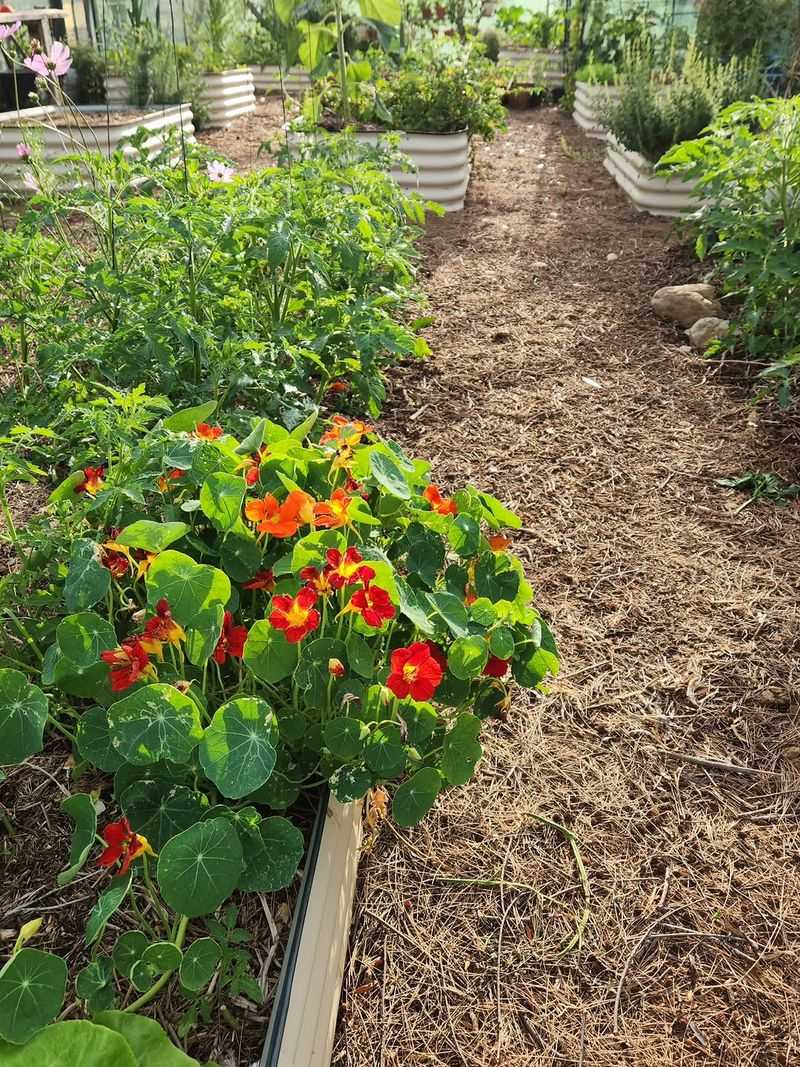
Here is something most new gardeners do not expect: the work you put in during April directly controls how many weeds you deal with in July and August. Weeds operate on a seed bank system, meaning there are thousands of dormant seeds sitting in your soil at any given time.
Cultivation in early spring depletes that bank before those seeds ever get a chance to grow.
Every time you run a hoe through the top layer of soil in April, you are exposing buried weed seeds to conditions that stop them from germinating. Some dry out, some get eaten by birds, and some simply fail to establish.
Each pass you make reduces the number of seeds waiting in line. By midsummer in Georgia, you will notice far fewer weeds pushing up between your rows compared to a garden that got no early attention.
Mulching after cultivation adds another layer of protection. A two to three inch layer of straw or shredded leaves between rows blocks light from reaching the soil surface, which is exactly what most weed seeds need to sprout.
Between regular cultivation and good mulch coverage, weed pressure drops dramatically as the season moves forward.
Gardeners who skip April cultivation often spend their whole summer pulling weeds by hand in Georgia’s brutal heat. Starting the season with a proactive approach means less reactive work later.
Fewer weeds also means your vegetables are not competing for water, nutrients, or space. That competition reduction alone can noticeably boost your harvest totals by the end of the growing season.
7. Light Work Prevents Damage To Deeper Roots
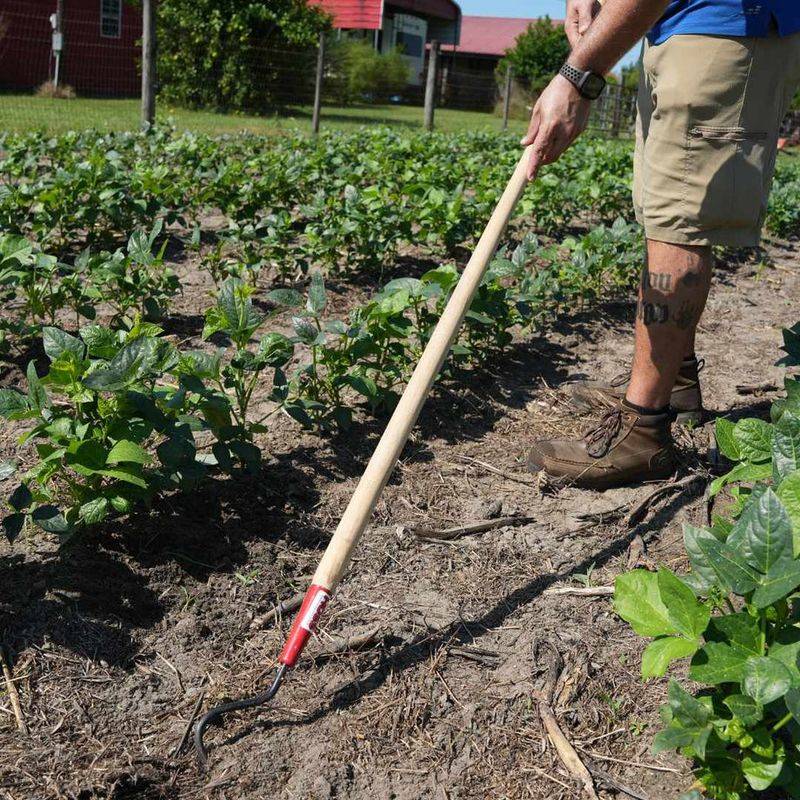
Shallow is the word that matters most when you are cultivating in April.
Going too deep with a hoe or tiller can sever feeder roots that plants depend on for nutrient uptake, and in early spring when plants are actively establishing, that kind of damage slows growth right when you want things moving forward.
Staying in the top inch or two of soil is all you really need.
A lot of gardeners assume that deeper cultivation means better results. In reality, working just below the surface is enough to cut off weed seedlings, break up crusting, and improve air and water movement.
Roots that matter most are not sitting right at the surface anyway. The light, consistent passes you make with a stirrup hoe or hand cultivator do the job without reaching down where roots live.
Georgia’s spring soil can feel deceptively easy to work in April, which sometimes leads people to push their tools deeper than necessary. Resist that urge.
If the soil feels resistant, it usually means there are established roots in that zone that should be left alone. Let your tool glide through the top layer and leave the rest undisturbed.
Working lightly also means you finish faster and cover more ground in a single session. Short, consistent sessions every week or ten days are far more effective than one aggressive deep cultivation that stresses your plants and brings up buried weed seeds from lower soil layers.
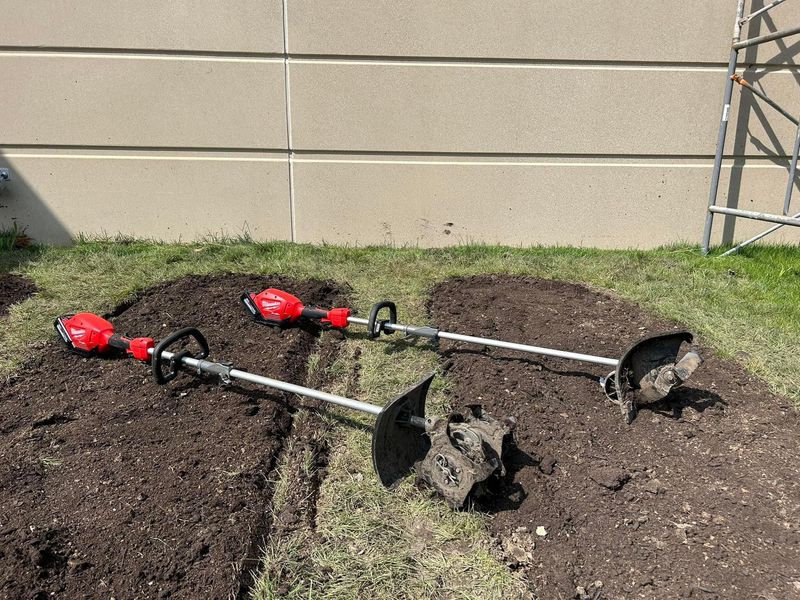
In a Georgia spring garden, patience and a light touch go further than any power tool ever could.