Heat-Loving Fruits Worth Growing In Georgia Gardens This Summer
Georgia summers can be tough on a garden, but they are not tough on every fruit. While some crops struggle once temperatures start climbing, others seem to hit their stride and keep producing through the hottest weeks of the season.
Those are often the plants gardeners remember most when harvest time arrives.
Growing fruits that enjoy hot weather can make summer gardening much easier. Instead of slowing down when temperatures rise, these plants keep growing and producing through the hottest part of the season.
That means more time harvesting and less time worrying about plants that are struggling to keep up.
Some of the best performers are surprisingly underused, while others have been reliable favorites for generations.
If a garden needs crops that can handle serious summer conditions, these heat-loving fruits deserve a place on the planting list this year.
1. Harvest Fresh Figs During The Hottest Weeks Of Summer
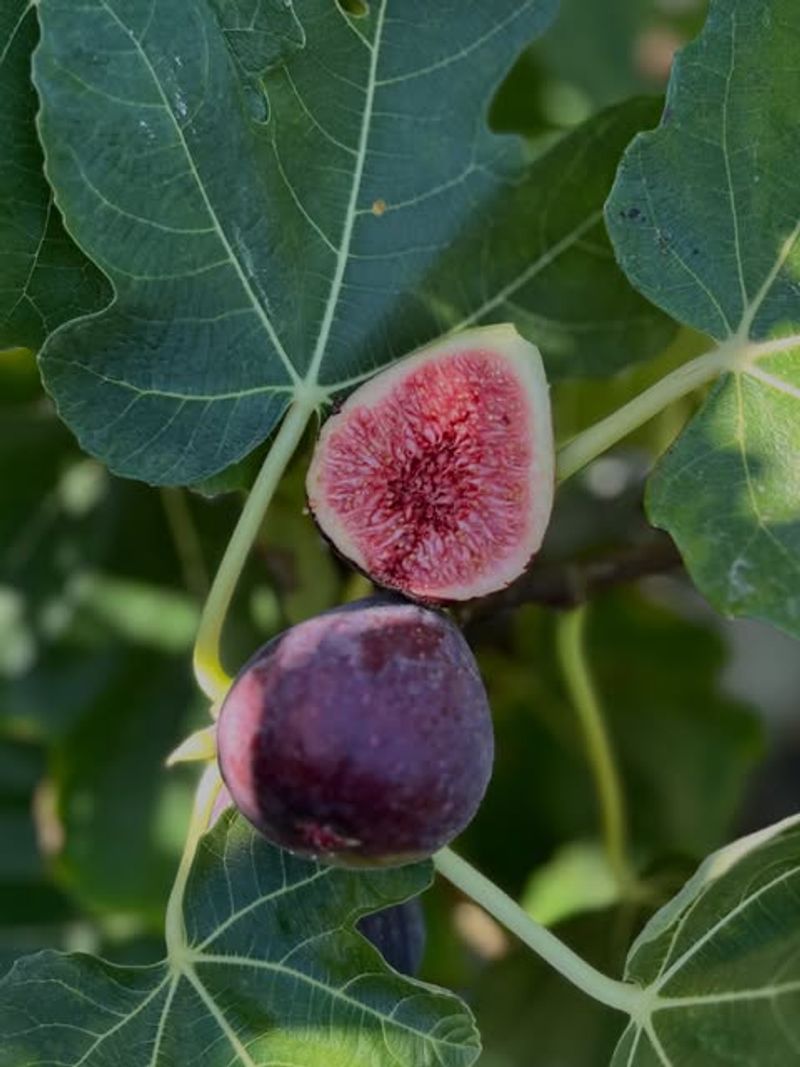
Figs love heat more than almost any other fruit you can grow. They produce their best crops when temperatures stay high for weeks at a time.
Brown Turkey and Celeste varieties handle Southern summers without breaking a sweat.
Plant fig trees in spots that get full sun all day long. They need at least six hours of direct light to fruit well.
Space them about fifteen feet apart so branches have room to spread.
Water deeply once a week during dry spells. Figs have shallow roots that dry out quickly in sandy soil.
Mulch around the base keeps moisture in and weeds down.
Expect two crops each year in warmer zones. The first harvest comes in early summer on old wood.
The second and heavier crop ripens in late summer on new growth.
Pick figs when they feel soft and bend at the neck. They should come off easily with a gentle twist.
Ripe fruit doesn’t last long, so check your tree every couple of days.
Fresh figs taste incredible straight off the branch. They also work great in salads, desserts, and preserves.
One mature tree produces enough fruit to share with neighbors and still have plenty left over for your kitchen.
Figs are relatively low-maintenance once established and rarely require the frequent spraying that some other fruit trees need.
They can remain productive for decades, rewarding gardeners with reliable harvests year after year.
2. Pick Muscadines Straight From The Vine
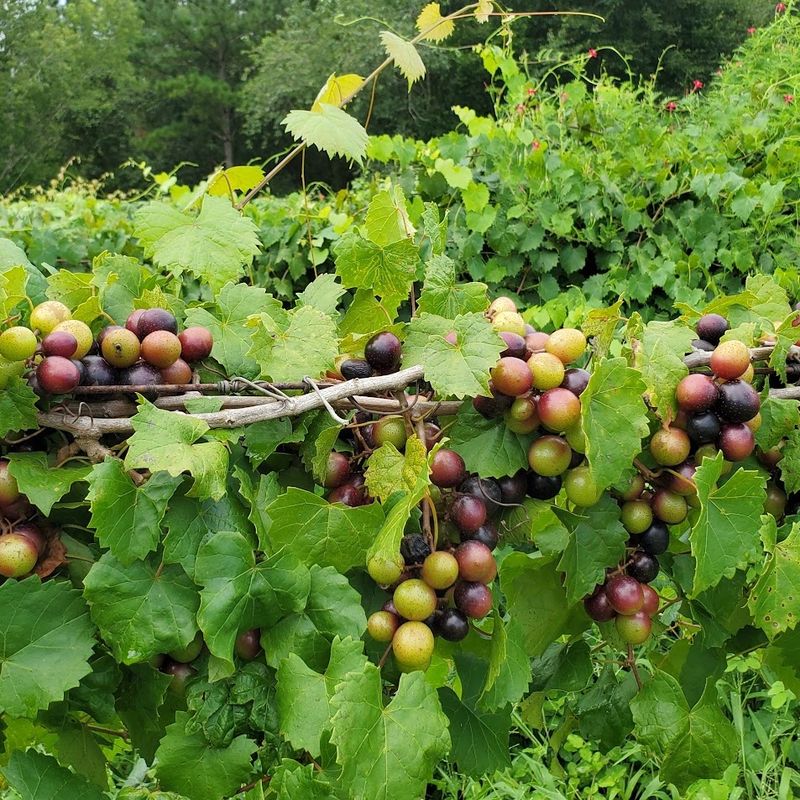
Muscadines grow wild across the South and handle summer heat with ease. These thick-skinned grapes produce heavy clusters when other fruits struggle.
Bronze and purple varieties both handle humidity without problems.
Set up a sturdy trellis or arbor before planting. Muscadine vines grow fast and need strong support.
Space plants about twenty feet apart along fence lines or garden edges.
Self-fertile varieties make life easier if you only have room for one vine. Carlos and Cowart produce well on their own.
Other types need a pollinator nearby to set fruit.
Prune hard in late winter to encourage new growth. Muscadines fruit on current-season wood, so cutting back old canes actually boosts production.
Your Georgia Garden Changes Every Week. Your Plan Should Too.
Gardening in Georgia changes quickly throughout the season. Every Friday you’ll receive a simple weekly plan showing exactly what to plant, prune, fertilize, harvest, and protect so you never miss the right timing.
Remove about ninety percent of last year’s growth.
Grapes ripen from late summer into fall depending on the variety. Pick individual fruits as they turn color and soften slightly.
They don’t all ripen at once, so harvest continues for several weeks.
Eat muscadines fresh or turn them into juice, jelly, or wine. The thick skins slip off easily if you prefer.
Seeds are edible but crunchy, so some folks spit them out while snacking in the garden.
Muscadines are generally less prone to disease than bunch grapes, making them a reliable choice for hot and humid climates.
Once established, a healthy vine can remain productive for many years with regular pruning and basic care.
3. Let Pomegranates Thrive In Full Sun
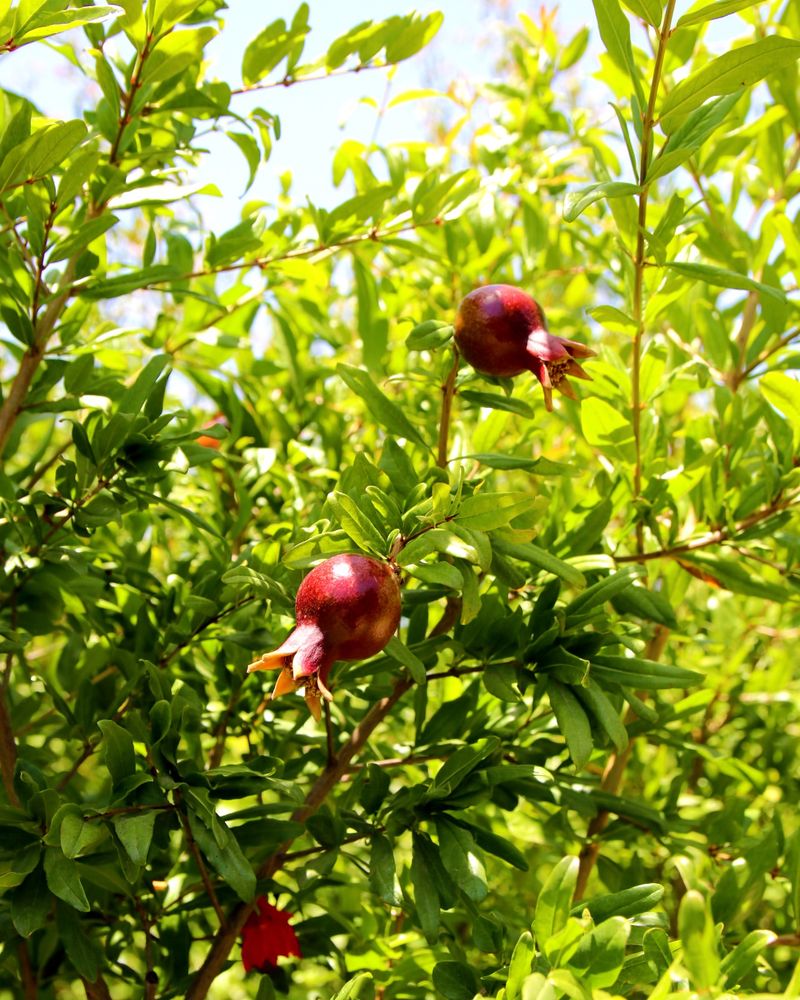
Pomegranates actually prefer scorching heat to mild weather. Temperatures above ninety degrees help fruit develop deep color and intense sweetness.
Wonderful and Eversweet varieties perform reliably in hot climates.
Choose a planting spot that bakes in afternoon sun. Pomegranates need heat reflecting off walls or pavement to fruit heavily.
South-facing locations work best for consistent production.
These shrubby trees grow slowly but live for decades once established. They reach about twelve feet tall and wide at maturity.
Dwarf varieties stay smaller and work well in containers.
Watering needs drop after the first year. Established plants handle drought better than constant moisture.
Too much water actually reduces fruit quality and flavor intensity.
Fruit ripens in late fall after months of heat accumulation. Watch for skin color to deepen and listen for a metallic sound when you tap the outside.
Ripe pomegranates feel heavy and firm.
Harvest before the first frost threatens. Cut fruit from branches with pruning shears rather than pulling.
Store whole pomegranates in the refrigerator for up to two months without losing quality. Seeds freeze well if you have more than you can use fresh.
Pomegranates also produce bright orange-red flowers in spring, adding ornamental value long before the fruit is ready to harvest.
Their tough nature and low maintenance needs make them a practical option for gardeners looking to grow fruit in hot, sunny locations.
4. Count On Blackberries For Summer Harvests
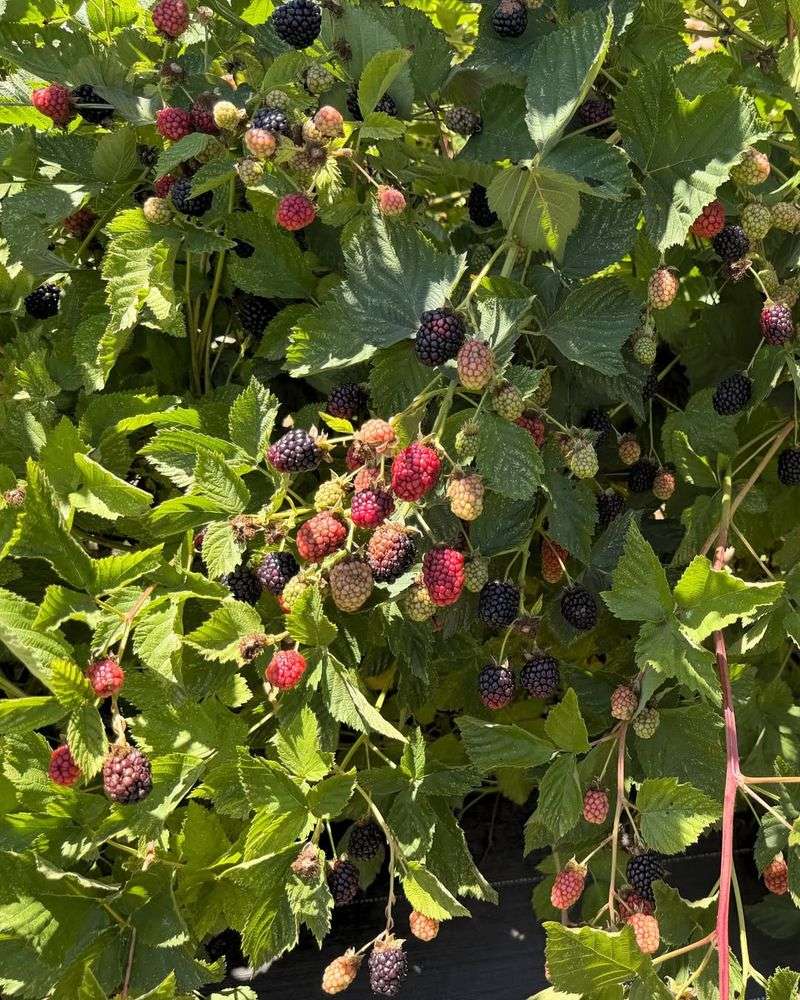
Blackberry canes handle heat waves without slowing down production. Thornless varieties like Ouachita and Natchez make picking easier and fruit just as heavily.
They produce buckets of berries when temperatures stay high.
Plant canes in raised rows with good drainage. Blackberries hate wet feet but need consistent moisture during fruiting.
Space plants about four feet apart in full sun.
Install a simple trellis system to keep canes organized. Tie new growth to wires as it emerges.
This keeps fruit off the ground and makes harvesting much faster.
Berries ripen over several weeks in early to midsummer. Pick every two or three days when fruit turns completely black and pulls off easily.
Underripe berries taste sour and won’t sweeten after picking.
Prune out old canes right after harvest finishes. These fruiting canes won’t produce again, so cutting them back makes room for new growth.
Next year’s crop comes from canes that grew this season.
Fresh blackberries last only a few days in the refrigerator. Freeze extras on cookie sheets before bagging them for storage.
Frozen berries work perfectly in smoothies, cobblers, and jam recipes throughout the year.
Blackberries also attract pollinators when they bloom, helping support a healthy garden ecosystem during the growing season.
A well-maintained planting can provide dependable harvests for many years with regular pruning and seasonal care.
5. Expect Late-Season Fruit From Fuyu Persimmons
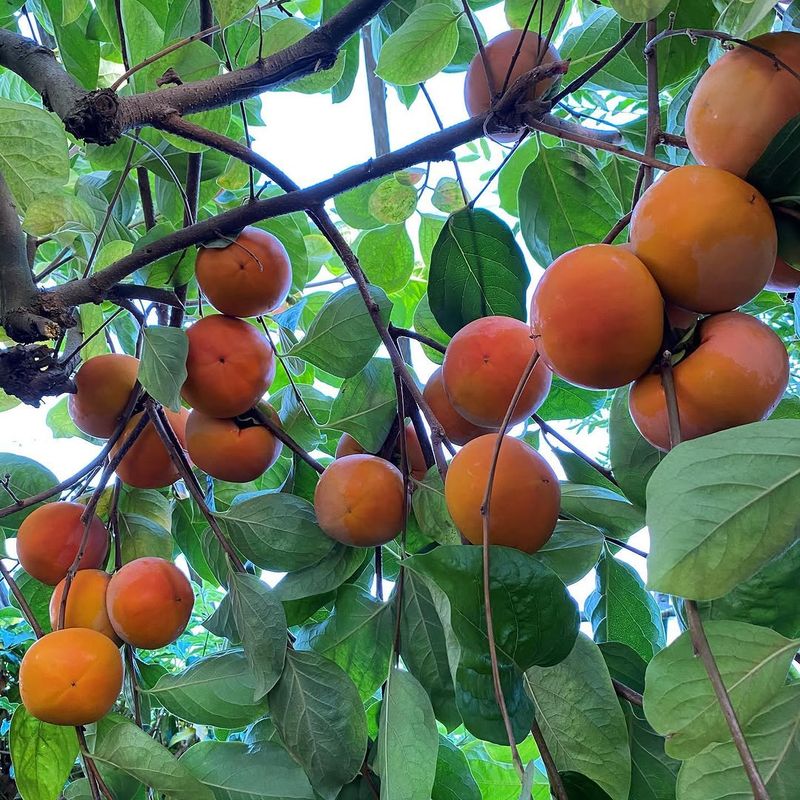
Fuyu persimmons soak up summer heat and convert it into sweet fall fruit. Unlike astringent types, these flat-bottomed persimmons taste good even when firm.
They handle hot summers better than most tree fruits.
Young trees need regular water to establish strong roots. After two years, they become quite drought-tolerant.
Plant in well-drained soil with plenty of organic matter mixed in.
Persimmon trees grow slowly but eventually reach about fifteen feet tall. They spread almost as wide, so give them space away from buildings.
Fall foliage turns brilliant orange before leaves drop.
Fruit begins forming in summer but doesn’t ripen until October or November. Persimmons need warm days and cool nights to develop full sweetness.
They often hang on bare branches after leaves fall.
Harvest when fruit turns deep orange and feels slightly soft. Cut stems with pruning shears to avoid damaging branches.
Persimmons continue ripening after picking if you bring them in early.
Eat Fuyu persimmons like apples, skin and all. They work great in salads, baked goods, and fresh snacks.
Fruit stores well in the refrigerator for several weeks and freezes beautifully for later use in recipes.
Fuyu persimmons are relatively low-maintenance and rarely face serious pest or disease problems once established.
Their attractive form, colorful fall foliage, and dependable fruit production make them a valuable addition to edible landscapes.
6. Fill Open Spaces With Productive Mayhaws
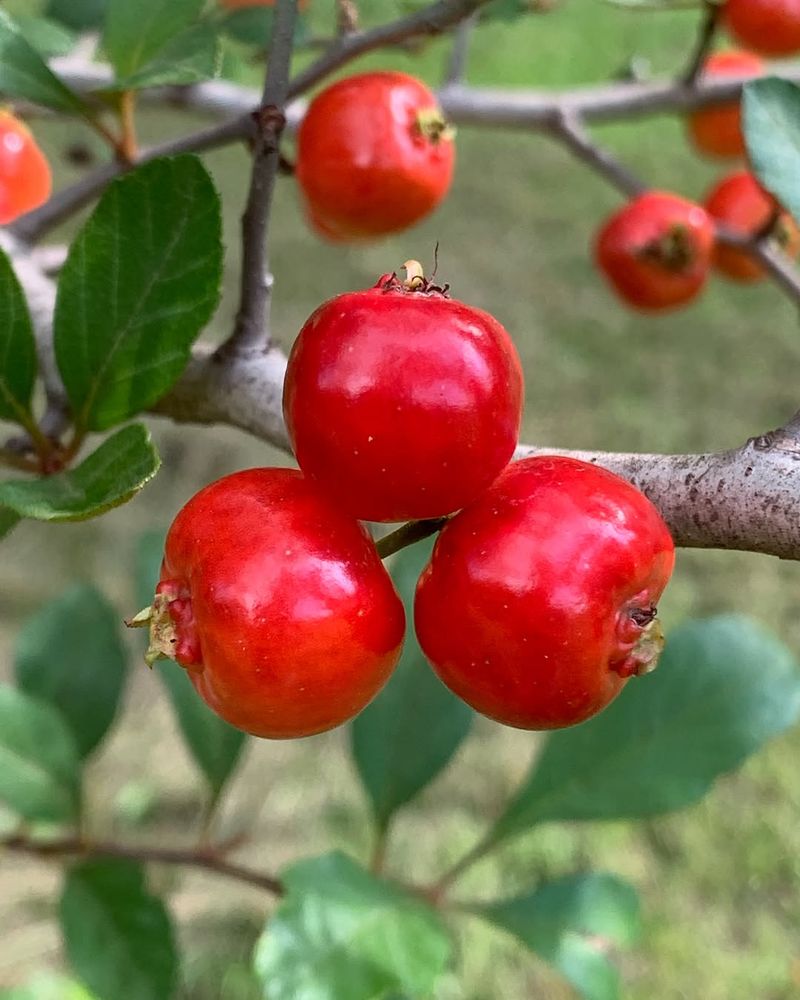
Mayhaws thrive in damp areas where other fruit trees struggle. These small native trees produce tart red berries perfect for jelly.
They handle heat and humidity without developing disease problems.
Plant mayhaws in low spots that stay moist most of the year. They tolerate standing water better than almost any fruit tree.
Full sun produces the heaviest crops.
White spring flowers cover branches before leaves emerge fully. Bees love the blooms, making mayhaws excellent pollinators for other fruit trees.
Plant at least two different varieties for best fruit set.
Berries ripen in late April or May depending on weather patterns. Fruit drops when ripe, so many folks spread tarps under trees for easy collection.
Berries float, so some people harvest them from flooded areas with nets.
Fresh mayhaws taste quite tart and seedy. Most people cook them into jelly rather than eating them raw.
The unique flavor has a devoted following across the South.
Process berries soon after harvest since they spoil quickly. Juice freezes well if you can’t make jelly right away.
One mature tree produces enough fruit for dozens of jars each spring, with plenty left over for sharing with friends.
Mayhaws have been grown across the South for generations, and many older trees still produce dependable crops each spring.
Their early bloom period also provides an important nectar source for pollinators before many other fruit trees begin flowering.
7. Grow Asian Pears For Hot Weather Performance
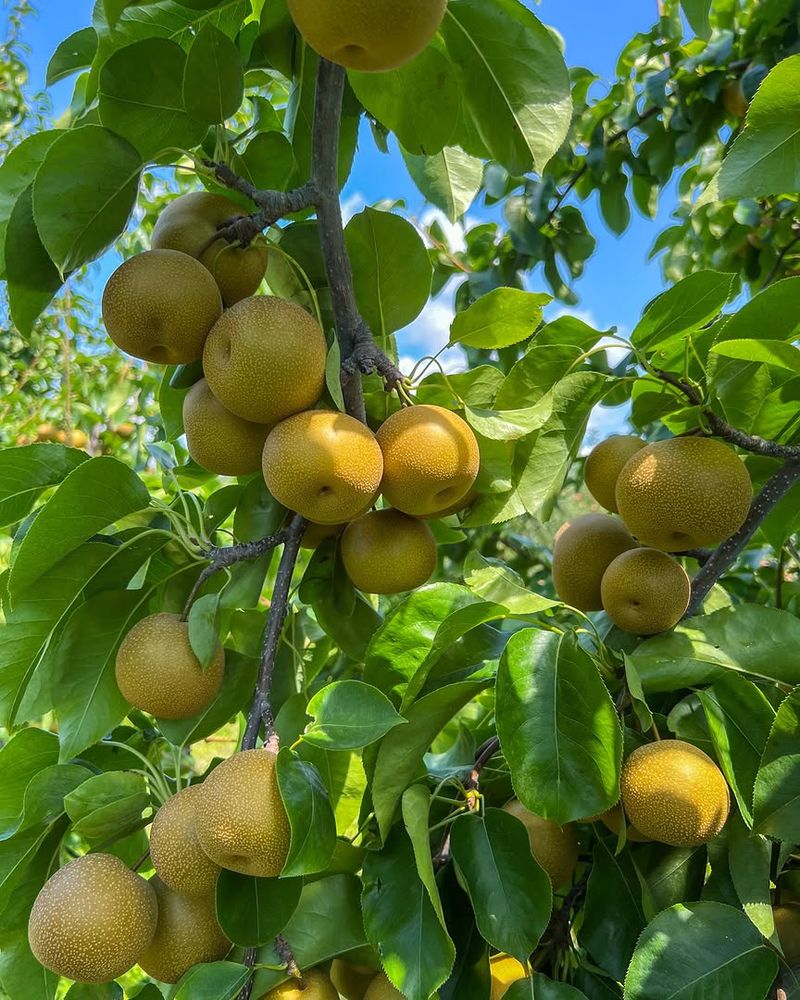
Asian pears tolerate summer heat well while producing crisp, juicy fruit. Shinseiki and Twentieth Century varieties handle humidity without developing the fungal problems that plague European pears.
They fruit reliably year after year.
Standard trees reach about fifteen feet tall and need full sun. Dwarf rootstocks keep plants smaller for easier harvesting.
Space trees at least twelve feet apart for good air circulation.
Asian pears need a pollination partner to set fruit heavily. Plant two different varieties within fifty feet of each other.
Spring blooms appear early, so late frosts can damage flowers in some years.
Fruit develops all summer and ripens on the tree in late summer or early fall. Unlike European pears, Asian varieties stay crisp when ripe.
Pick when fruit reaches full size and color changes slightly.
Ripe pears store well in the refrigerator for several months. They don’t soften like regular pears, so the crunchy texture lasts.
Eat them fresh like apples or slice into salads.
Thin fruit clusters in early summer for larger individual pears. Leave about six inches between fruits on each branch.
This extra step makes a noticeable difference in final fruit size and quality at harvest time.
Branches can become heavily loaded with fruit during productive years, so thinning also helps prevent limb breakage.
The trees produce attractive spring blossoms and glossy foliage, making them useful as ornamental trees as well as fruit producers.
8. Add Rabbiteye Blueberries For Reliable Harvests
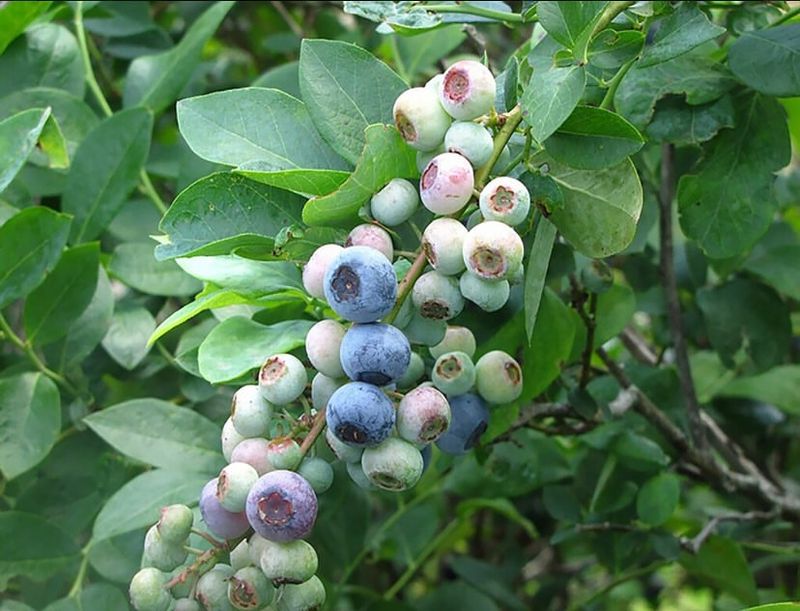
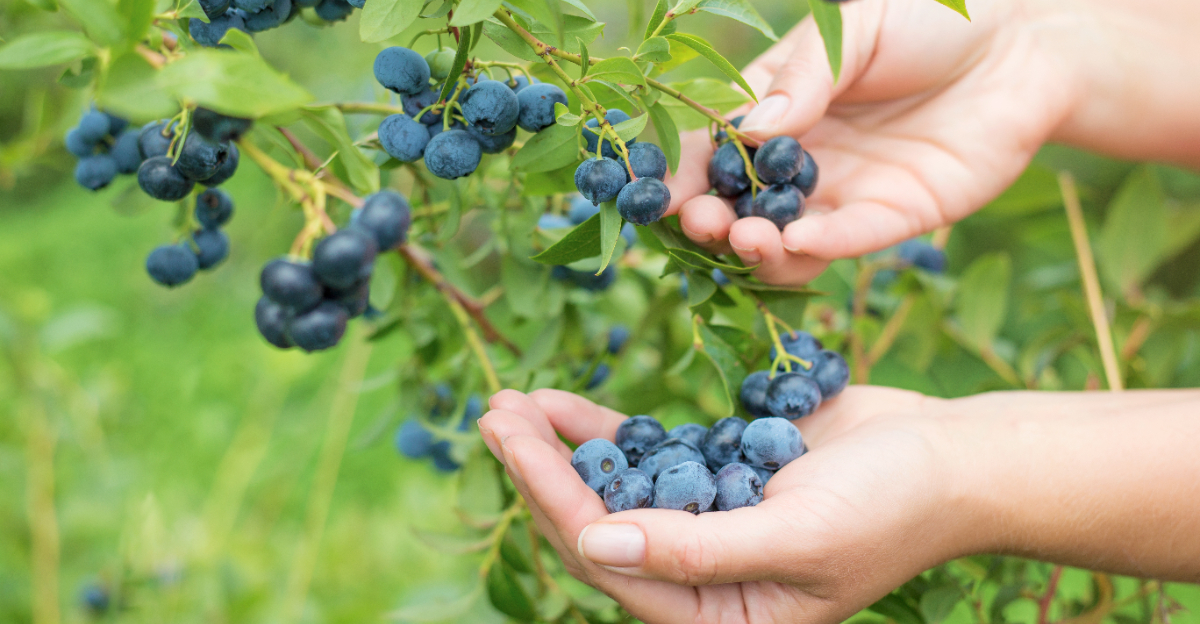
Rabbiteye blueberries were practically made for Southern heat. Varieties like Tifblue and Climax produce heavy crops even during scorching summers.
They need less winter chill than other types, making them perfect for warmer zones.
Soil preparation makes or breaks blueberry success. These plants demand acidic conditions between 4.5 and 5.5 pH.
Mix sulfur and peat moss into planting holes if your soil tests higher.
Plant at least two different varieties for cross-pollination. Bushes produce much heavier when bees can move pollen between plants.
Space them about five feet apart in full sun.
Berries ripen over several weeks from late spring into summer. Pick every few days when fruit turns completely blue and pulls off easily.
Taste testing works better than color for judging ripeness.
Mulch heavily with pine bark or pine straw to maintain soil acidity. Blueberries have shallow roots that dry out quickly in summer heat.
Water deeply twice a week during dry periods.
Mature bushes produce several gallons of berries each season. Fresh blueberries keep refrigerated for about a week.
Freeze extras unwashed on cookie sheets, then transfer to bags for long-term storage and year-round enjoyment in recipes.
Rabbiteye blueberries also respond well to light pruning after harvest, which encourages stronger growth and better fruit production the following season.
This simple step helps keep bushes productive and easier to manage over time.