The One Tree That Truly Thrives In Arizona Heat
That moment when the Arizona heat really kicks in is where most trees start to show their limits. What looked full and healthy before can quickly turn thin, stressed, or uneven without much warning.
It catches a lot of people off guard.
The shift does not happen slowly either. One stretch of intense sun is often enough to change how a tree looks and how much care it suddenly needs.
Some never fully bounce back once that stress sets in.
But there is one tree that handles those conditions in a way that stands out almost immediately. It keeps its form, holds onto its color, and does not react the same way others do.
Seeing that difference side by side makes it clear which one truly belongs in an Arizona landscape when heat becomes the main challenge.
1. Desert Ironwood Thrives In Extreme Heat Better Than Most Trees
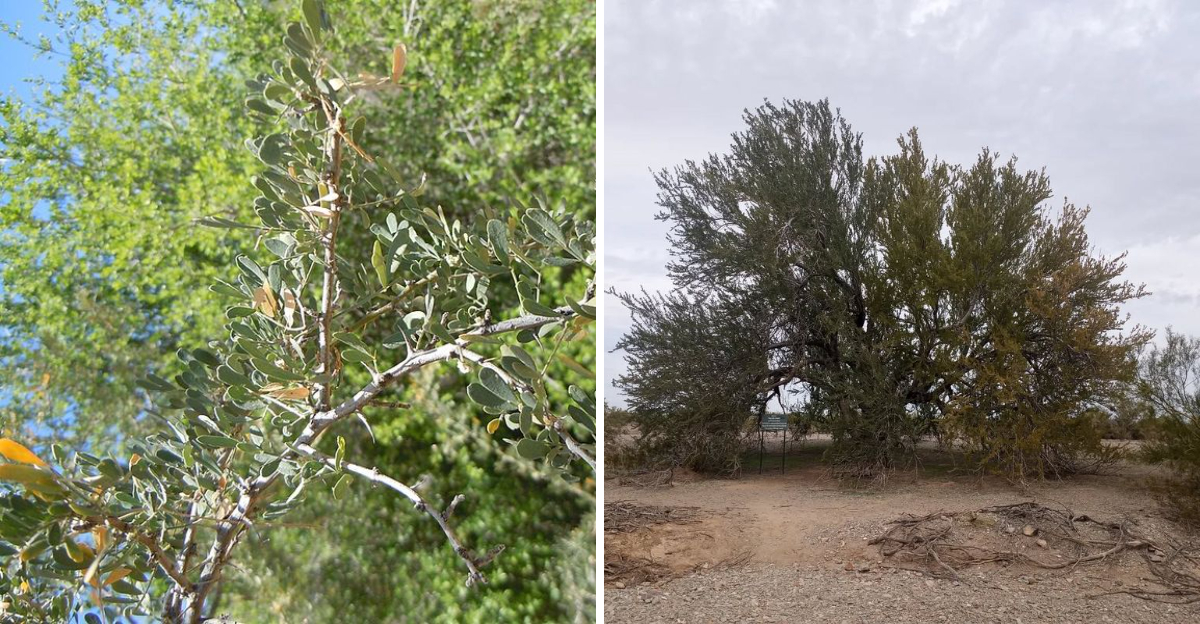
Walk through the Sonoran Desert on a 112-degree afternoon and you will notice most plants look stressed — but Desert Ironwood just stands there, unfazed. Known scientifically as Olneya tesota, it is one of the toughest trees growing anywhere in Arizona.
While other trees drop leaves, wilt, or show scorched edges by midsummer, Ironwood keeps its canopy full and its structure solid.
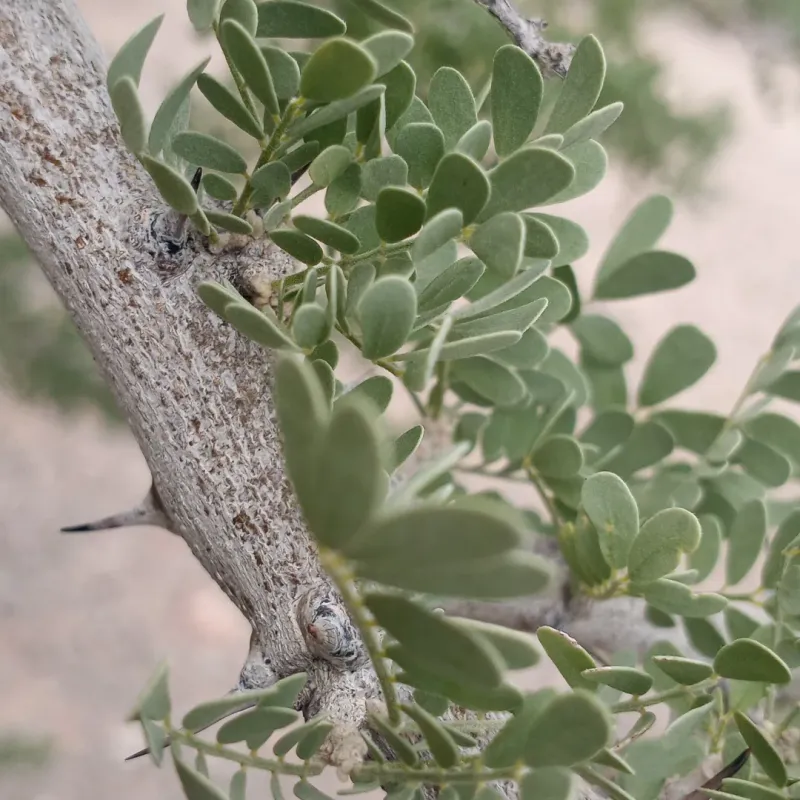
Part of what makes it so heat-resistant is its small, thick leaves. They are designed to reflect sunlight and hold moisture, which cuts down on water loss during the hottest stretches of the year.
Most non-native trees planted across Phoenix or Tucson yards are constantly fighting the climate. Ironwood is not fighting anything — it is right at home.
Temperatures that would damage a young oak or stress a citrus tree barely register for Ironwood.
It evolved over thousands of years in conditions that regularly exceed 100 degrees, which means it does not need extra protection, shade cloth, or emergency watering during heat waves.
Gardeners across Arizona have watched other trees struggle through brutal summers while the Ironwood next to them looked completely unbothered.
It also handles reflected heat well, which matters in Arizona yards where block walls, concrete driveways, and gravel surfaces push ambient temperatures even higher.
If you are planting near a south-facing wall or a sun-baked patio in Tucson or the Phoenix metro area, Ironwood is one of the very few trees that will not suffer for it.
2. Full Sun Helps It Grow Strong Without Stress
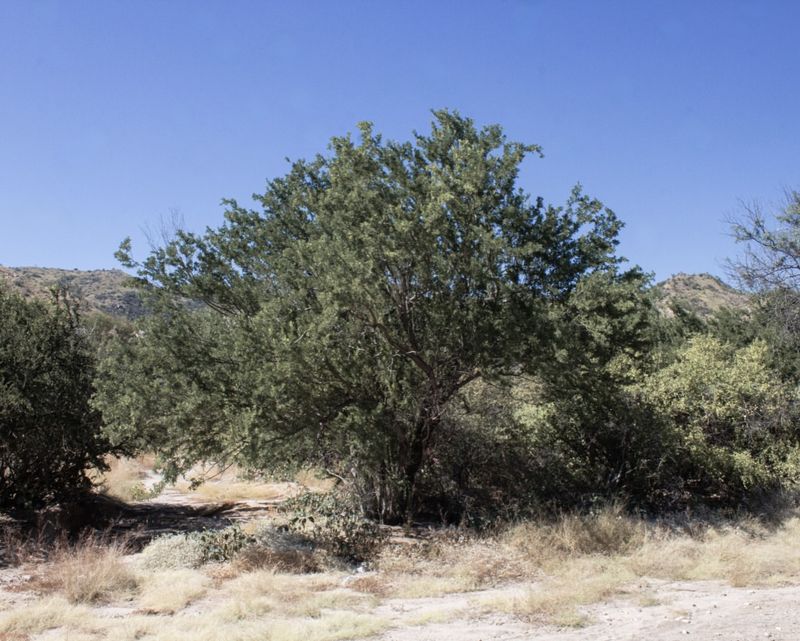
Shade-loving trees have no business being planted in central Arizona. Full sun is not a problem for Desert Ironwood — it is actually what the tree prefers.
Give it a spot with six or more hours of direct sunlight daily and it responds by growing denser, holding its shape better, and staying healthier overall.
A lot of people moving to Arizona make the mistake of planting trees they are familiar with from cooler states, then spending years trying to protect those trees from the sun. Ironwood flips that completely.
Blocking its sun or planting it in partial shade can actually slow its progress and make it more vulnerable to pests and disease.
Your Arizona Garden Changes Every Week. Your Plan Should Too.
Gardening in Arizona changes quickly throughout the season. Every Friday you’ll receive a simple weekly plan showing exactly what to plant, prune, fertilize, harvest, and protect so you never miss the right timing.
Out in the open desert near Tucson or along the edges of the Phoenix metro, you will see Ironwood trees soaking up full sun all day long without showing any signs of stress.
Their leaves are small enough that they do not lose excess water through transpiration, even in peak summer heat.
That is a built-in advantage most ornamental trees simply do not have.
Planting an Ironwood in a wide-open sunny spot in your Arizona yard is actually doing it a favor. No need to plan for afternoon shade or worry about western exposure.
Position it where it gets the most light, and it will reward you with a solid, full canopy that also provides filtered shade for anything growing beneath it. Sunlight is fuel for this tree, not a threat.
3. Deep Roots Allow It To Handle Long Dry Periods
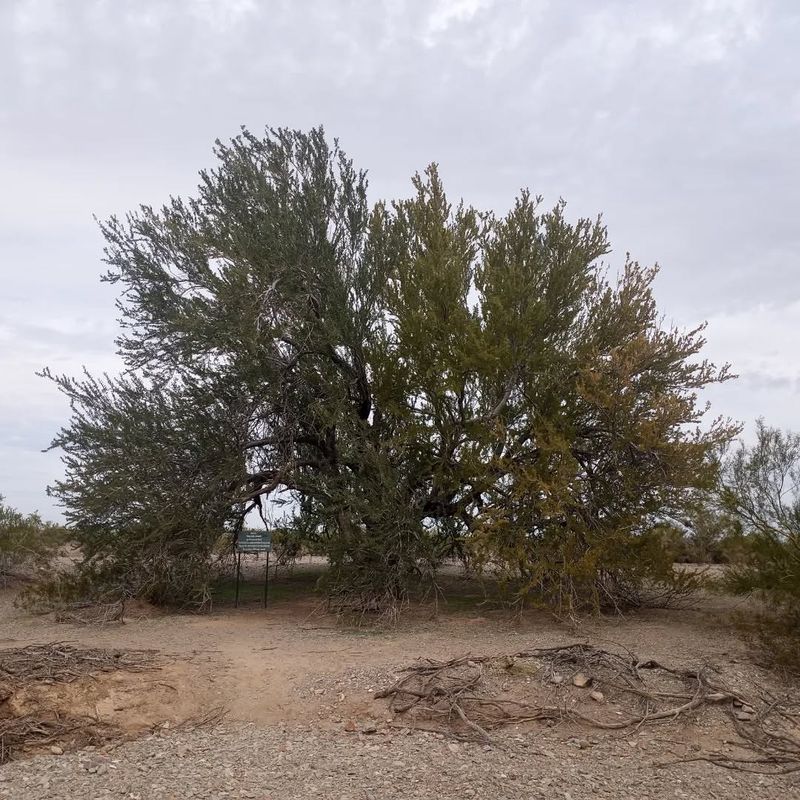
Ironwood does not wait around for rain. Its root system pushes deep into the ground early on, searching for moisture that stays locked in the soil long after the surface has dried out completely.
That is a huge advantage in a place like Arizona, where stretches of zero rainfall can last for months.
Shallow-rooted trees planted across Arizona yards often show signs of drought stress by late spring — yellowing leaves, dropping branches, bark cracking at the base. Ironwood avoids most of that because its roots are already reaching water sources that surface roots cannot access.
By the time the dry season sets in hard, the tree has already tapped into deeper reserves.
Older Ironwood trees growing wild across the Sonoran Desert near Tucson have been documented surviving multi-year droughts with no outside help at all. That level of resilience comes directly from root depth and spread.
Roots can extend outward well beyond the canopy edge, which also helps the tree anchor itself firmly in rocky or sandy desert soils that shift during monsoon rains.
For Arizona homeowners who want a tree that will not need constant monitoring during dry months, root depth is one of the most practical advantages Ironwood offers. You do not need to run a drip line every week during summer.
Set up a deep watering schedule during the first couple of growing seasons, then step back and let the roots do what they were built to do.
4. Well-Drained Soil Keeps It Healthy In Harsh Conditions
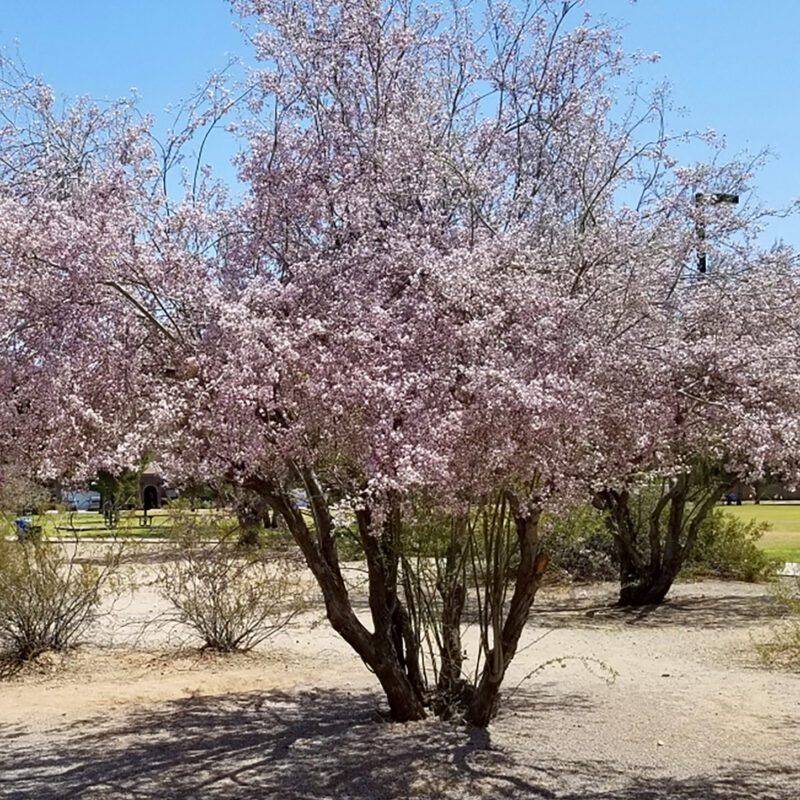
Soggy roots are the fastest way to ruin an otherwise tough tree. Ironwood grew up in desert soils that drain fast — gravelly, rocky, sometimes almost sandy — and that is exactly what it wants in a yard setting too.
Arizona’s native soils are often full of caliche and coarse material, which actually works in Ironwood’s favor.
Caliche layers can be a nightmare for some trees, blocking drainage and trapping water near the root zone. Ironwood handles caliche better than most because it does not need rich, moist soil to perform well.
Its roots are adapted to working around hard layers and finding paths through rocky ground. That same toughness that makes it challenging to plant other species in Arizona soil becomes a non-issue with Ironwood.
Avoid planting it in low spots where water collects after monsoon storms. Standing water around the base for more than a day or two can stress the root system over time, even on a tree as tough as this one.
A slight slope or raised planting area works great in heavy clay zones across parts of the Phoenix metro.
If you are working with amended or heavily compacted soil in a newer Arizona subdivision, loosen the planting area well and mix in some coarse gravel or decomposed granite before planting. That small effort upfront helps establish the drainage conditions the tree naturally expects.
Good drainage is not just a preference for Ironwood — it is the foundation of its long-term health in any Arizona yard.
5. Needs Very Little Water After Getting Established
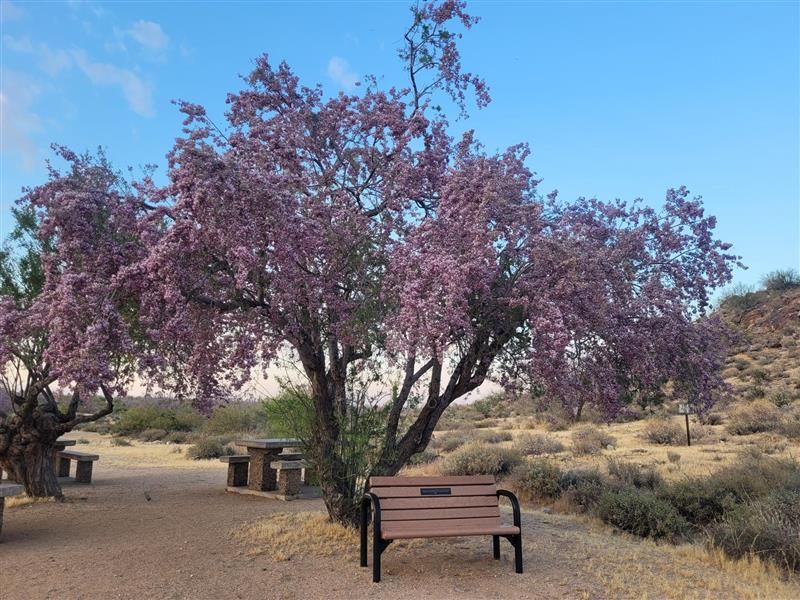
Watering bills in Arizona are no small thing. Summers are long, temperatures are brutal, and keeping a thirsty tree alive can cost a surprising amount of water every season.
Ironwood sidesteps most of that once it gets its root system going. After the first year or two of regular deep watering, most established Ironwood trees in Arizona need very little supplemental irrigation to stay healthy.
During the establishment period — roughly the first two summers — deep watering every week or two helps the roots push down into the soil rather than staying shallow. That investment of water early on is what makes the tree self-sufficient later.
Cut watering too soon and you will slow its progress, but stick with the schedule and the payoff is a tree that basically handles itself.
Mature Ironwood trees growing across the Tucson basin and throughout the Phoenix area survive almost entirely on seasonal rainfall once they are rooted in.
Arizona’s monsoon season provides a good chunk of moisture in July and August, and that is often enough to carry a well-rooted Ironwood through the rest of the year.
A deep watering every four to six weeks during the driest months can help, but it is not always critical.
Compare that to a non-native shade tree in the same yard — something like a mulberry or a cottonwood — and the difference in water use is dramatic. Ironwood gives you real shade and solid structure while using a fraction of the water other trees demand in Arizona’s climate.
6. Slow Growth Helps It Stay Naturally Compact
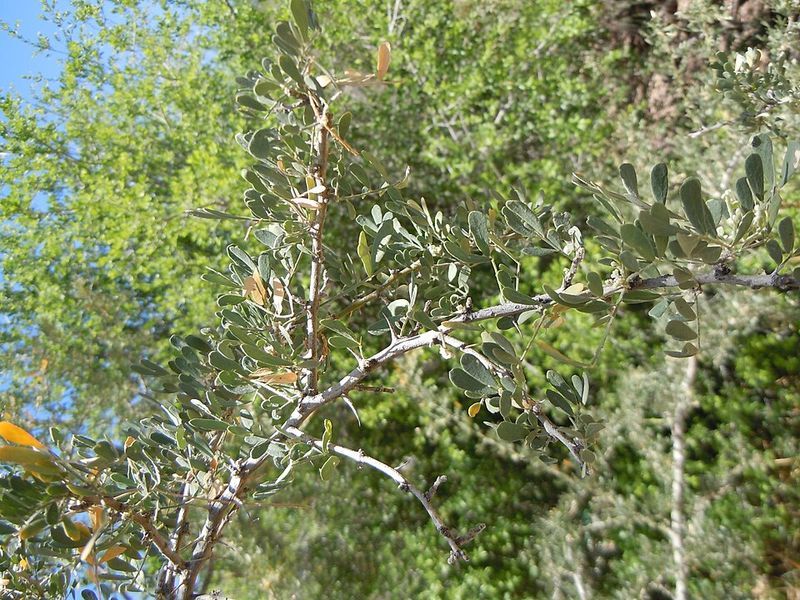
Fast-growing trees sound appealing until you are dealing with aggressive roots cracking your driveway or branches dropping onto your roof after a monsoon.
Ironwood grows slowly — typically six to twelve inches per year under normal Arizona conditions — and that pace is actually one of its most underrated qualities.
Slow growth means denser wood. Ironwood’s wood is famously hard, which is how it got its name.
Branches do not snap easily in wind, and the tree’s structure stays tight and well-formed without a lot of corrective pruning.
That matters in Arizona, where summer monsoons bring strong winds and sudden storms that can do real damage to trees with weak or fast-grown branch structure.
Because it stays relatively compact compared to fast-growing desert trees, Ironwood fits well in smaller Arizona yards without overwhelming the space.
A mature tree usually tops out somewhere between 15 and 30 feet, depending on water availability and soil conditions.
You get meaningful shade without a tree that outgrows its spot in five years and starts causing problems.
Pruning is still worth doing occasionally — mainly to remove any crossing branches or to lift the canopy for clearance — but you will not be out there every season hacking back aggressive new growth. Ironwood holds its shape well naturally.
For Arizona homeowners who want a tree that looks good without constant intervention, that slow, steady growth pattern makes it genuinely easier to manage than most alternatives available at local nurseries.
7. Native Adaptation Keeps It Reliable In Tough Conditions
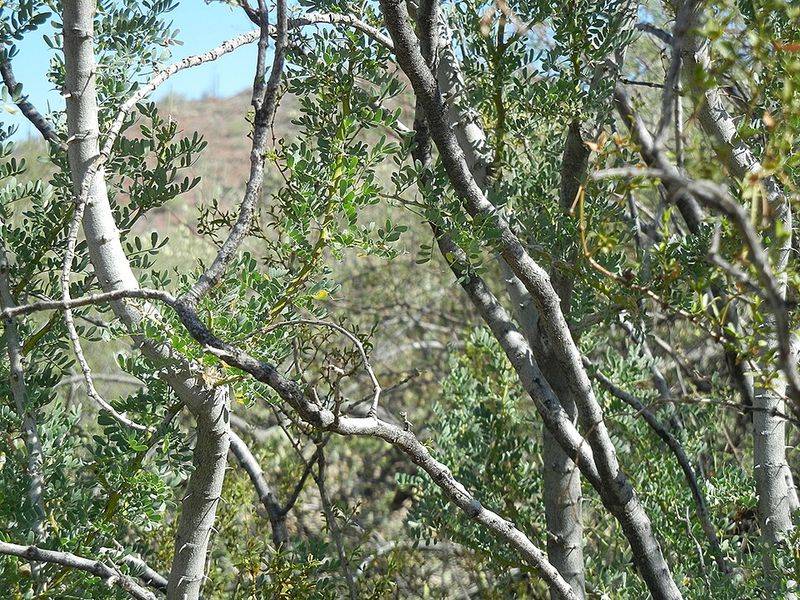
There is a big difference between a tree that can survive in Arizona and a tree that actually belongs here. Ironwood belongs here.
It has been part of the Sonoran Desert ecosystem for tens of thousands of years, which means every aspect of its biology is tuned to exactly the conditions Arizona delivers — brutal heat, alkaline soil, low rainfall, and intense UV exposure.
Non-native trees planted across Arizona yards often need regular amendments, adjusted watering schedules, and extra care during temperature extremes.
Ironwood skips most of that because it never needed to adapt — it was already adapted before anyone started planting it in residential landscapes.
That native foundation makes it predictable in a way that imported species simply are not.
Wildlife also responds to Ironwood in a way it does not respond to ornamental non-natives. Birds nest in its canopy, pollinators swarm its purple spring flowers, and small desert animals use its dense shade as shelter during the hottest parts of the day.
Planting one in your Arizona yard quietly supports the local ecosystem without any extra effort on your part.
Long-time Arizona gardeners and landscape professionals consistently recommend Ironwood not because it is trendy, but because it works. Season after season, year after year, it performs without drama.
Harsh winters, record-breaking heat waves, extended dry stretches — Ironwood handles all of it without much complaint. In a state where the climate tests every plant you put in the ground, that kind of reliability is genuinely hard to find.