Arizona Patio Plants That Can Take Full Sun And Concrete Heat
An Arizona patio in July is not a forgiving place. The concrete absorbs heat all morning and radiates it back all afternoon.
The plants that looked perfectly healthy in spring start showing signs of struggle right around the time you most want to be sitting outside enjoying them.
Most gardening advice was not written with this kind of heat in mind. Recommendations that work beautifully in other climates quietly fall apart when concrete temperatures climb past 150 degrees.
But some plants were genuinely built for this. Not just tolerant of it. Built for it. The right choices thrive in conditions that would finish most other plants within a week.
Reflected heat, fast-drying soil, intense sun exposure… None of it registers as a problem for these plants. The secret is knowing which plants those are before anything goes into a pot.
1. Choose Agave For Sculptural Patio Heat Power
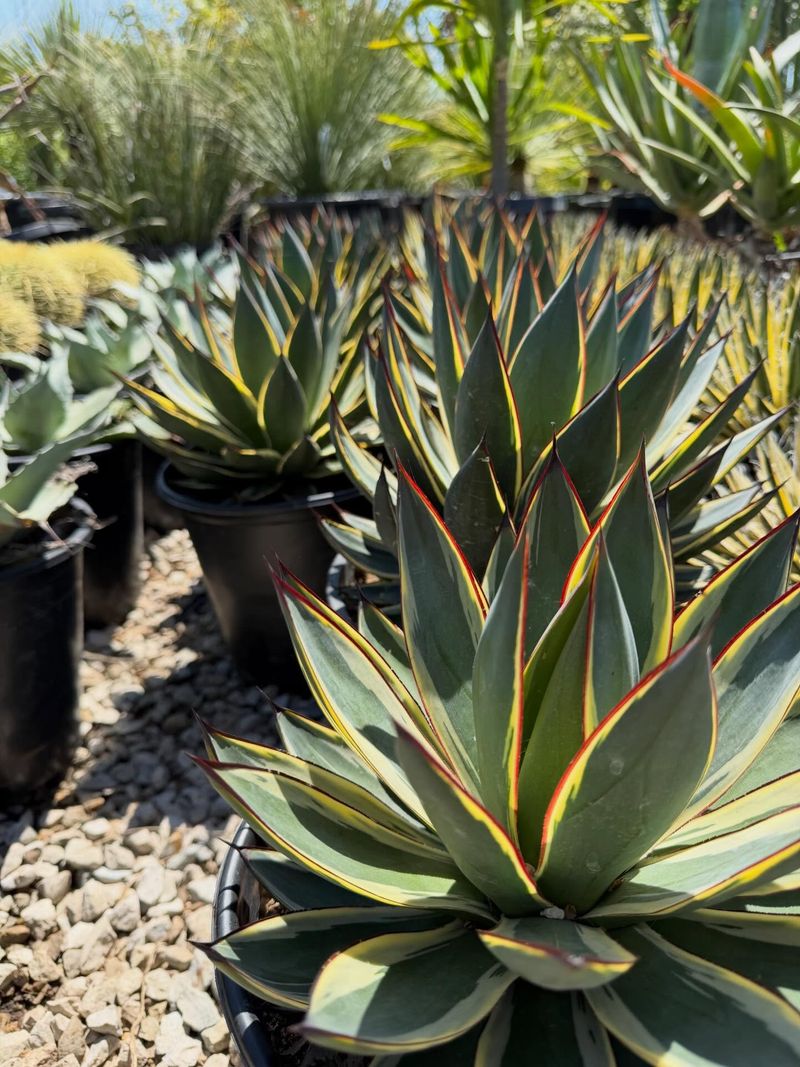
Agave does not just survive an Arizona patio. It thrives on one like it was designed specifically for the job. Agave stores water in its thick, fleshy leaves and handles dry spells with impressive ease.
A well-chosen specimen in the right pot looks like living sculpture. The kind of dramatic focal point that other plants spend their entire lives failing to become.
Drainage is the one thing agave will not compromise on. Wet soil causes root rot far faster than any heat ever will.
Use a gritty, fast-draining cactus mix and a pot with at least one large drainage hole. Terracotta and unglazed clay are solid choices because they breathe and wick away excess moisture.
Pot size also deserves more attention than most gardeners give it. A container that is too small heats up rapidly, stressing roots even in a plant this heat-tolerant.
Choose something roughly two to three inches wider than the plant’s base and give those roots room to work.
Remember, those leaf tips are not decorative. Agave spines cause real injury, so position pots well away from walkways, children, and pets.
Smaller varieties like Agave parryi or Agave victoriae-reginae work beautifully in containers without taking over the space. They stay manageable, look genuinely striking, and ask very little in return. That is a strong deal by any patio standard.
2. Plant Aloe For Tough Texture In Hot Pots
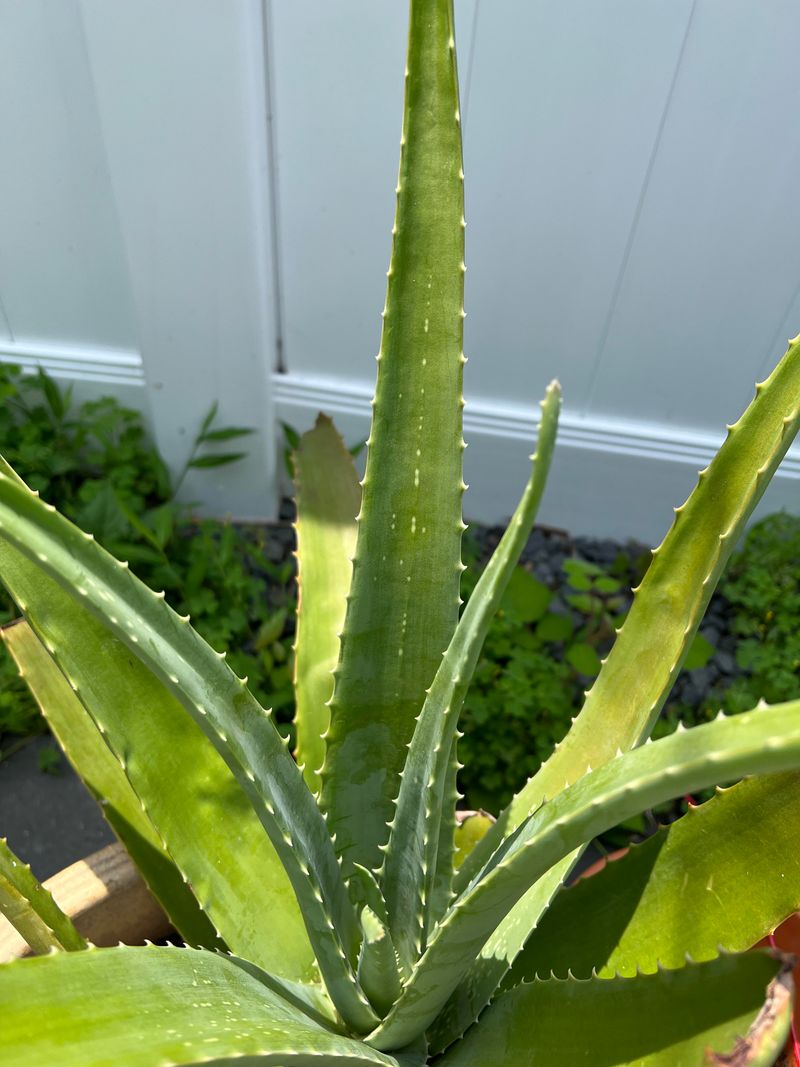
Aloe looks like it belongs on a hot Arizona patio because it genuinely does.
Those thick, textured leaves are built for bright, dry conditions. The plant forgives a missed watering far more graciously than many flowering options would.
This makes it one of the more forgiving choices available for a high-heat setup.
Aloe vera is the most familiar variety, but dozens of species are worth exploring. Many produce orange or red flower spikes that hummingbirds visit regularly.
However, drought tolerance does not cancel out the need for proper drainage. A pot without drainage holes invites root rot, especially during monsoon season when unexpected rain can saturate soil quickly.
Use a well-draining cactus or succulent mix and let the soil dry out completely between waterings. During peak summer heat, every one to two weeks tends to be the right rhythm depending on pot size and exposure.
Your Arizona Garden Changes Every Week. Your Plan Should Too.
Gardening in Arizona changes quickly throughout the season. Every Friday you’ll receive a simple weekly plan showing exactly what to plant, prune, fertilize, harvest, and protect so you never miss the right timing.
Reflected heat from concrete walls and floors can intensify sun exposure significantly. Aloe handles this well in most cases.
But recently repotted or young plants may show stress through reddish or brownish leaf tips. A spot with afternoon shade during July and August can help newer plants settle in without that pressure.
Once established, aloe is a genuinely low-effort, high-reward container plant. Texture, color, desert character, and minimal maintenance all in one pot.
3. Use Red Yucca For Full Sun Flower Spikes
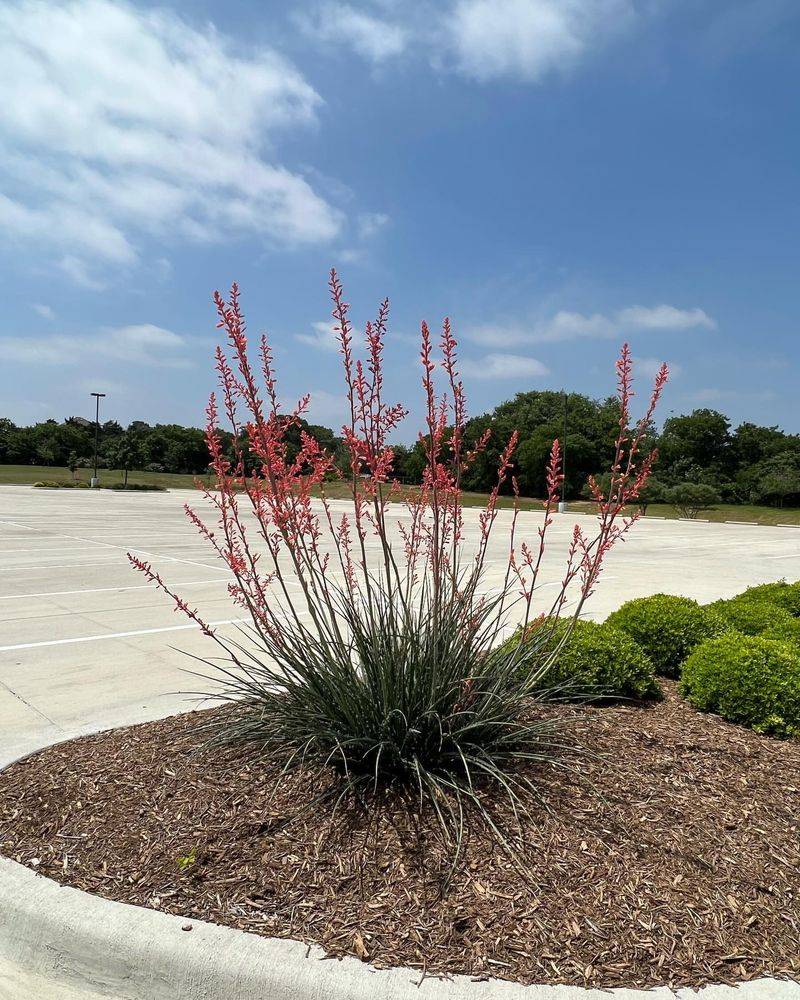
Red yucca does not whisper. It sends up coral-pink flower spikes four to five feet tall and lets the hummingbirds do the announcing.
Hesperaloe parviflora is technically not a true yucca despite the name. It belongs to the agave family, which explains everything about its heat tolerance, drought resilience, and complete indifference to poor soil.
Pollinators respond to red yucca with genuine enthusiasm. Hummingbirds are particularly drawn to the tubular blooms, and bloom season runs from spring into summer.
Container growing works well with the right setup. The foliage arches outward in a relaxed, fountain-like shape, so placement near walls or walkways can feel crowded quickly.
A container at least 18 inches wide gives roots the room they need. Drainage is non-negotiable, and a gritty soil mix outperforms standard potting soil in these conditions.
Water deeply and then wait. Soggy soil is the main threat, and red yucca has no patience for it.
Full sun is where this plant operates at its best. The hottest, brightest corner of the patio is not a problem. For red yucca, that corner is home.
4. Grow Lantana For Color In Patio Heat
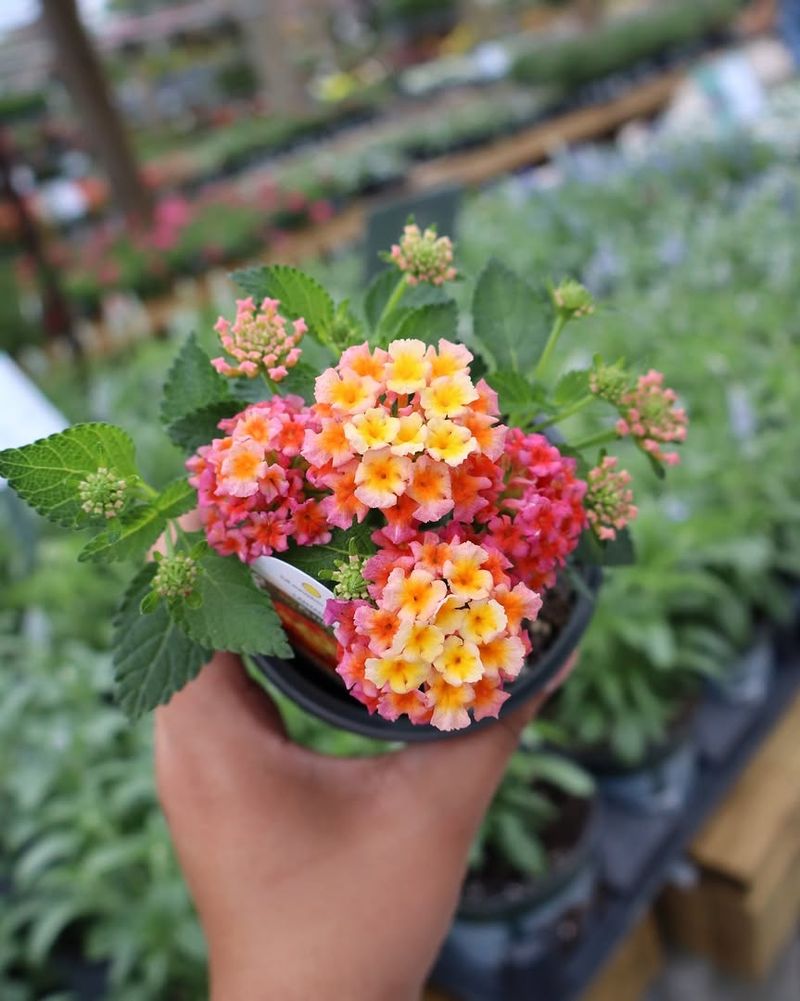
Lantana treats Arizona heat like a performance cue. The hotter it gets, the better the show.
Clusters of tiny flowers bloom in bold combinations of yellow, orange, red, pink, and white, often mixing multiple shades on a single flower head.
The visual effect is cheerful and almost tropical, which creates an interesting contrast against the hard surfaces of a concrete patio. Butterflies and bees arrive in numbers that make the pot feel genuinely alive.
Container-grown lantana needs more consistent watering than in-ground plants. Pots on reflective concrete dry out fast, so checking soil moisture regularly during peak summer is worth the habit.
Water thoroughly when the top inch of soil feels dry. Keep drainage holes clear and avoid letting the pot sit in standing water.
A slow-release fertilizer applied in spring tends to support strong, continuous flowering through the season without requiring repeated applications.
Trimming is optional but useful. A light shaping session keeps the plant from getting leggy, and cutting back by about a third in midsummer encourages a fresh flush of blooms.
Full sun with at least six hours of direct light daily is the ideal setup. A south-facing patio with concrete heat bounce is not a problem for lantana.
That is actually the environment where it tends to perform best.
Other flowering plants struggle and fade in that kind of heat. Lantana takes it as a challenge and blooms harder.
5. Try Trailing Rosemary For Scented Patio Edges
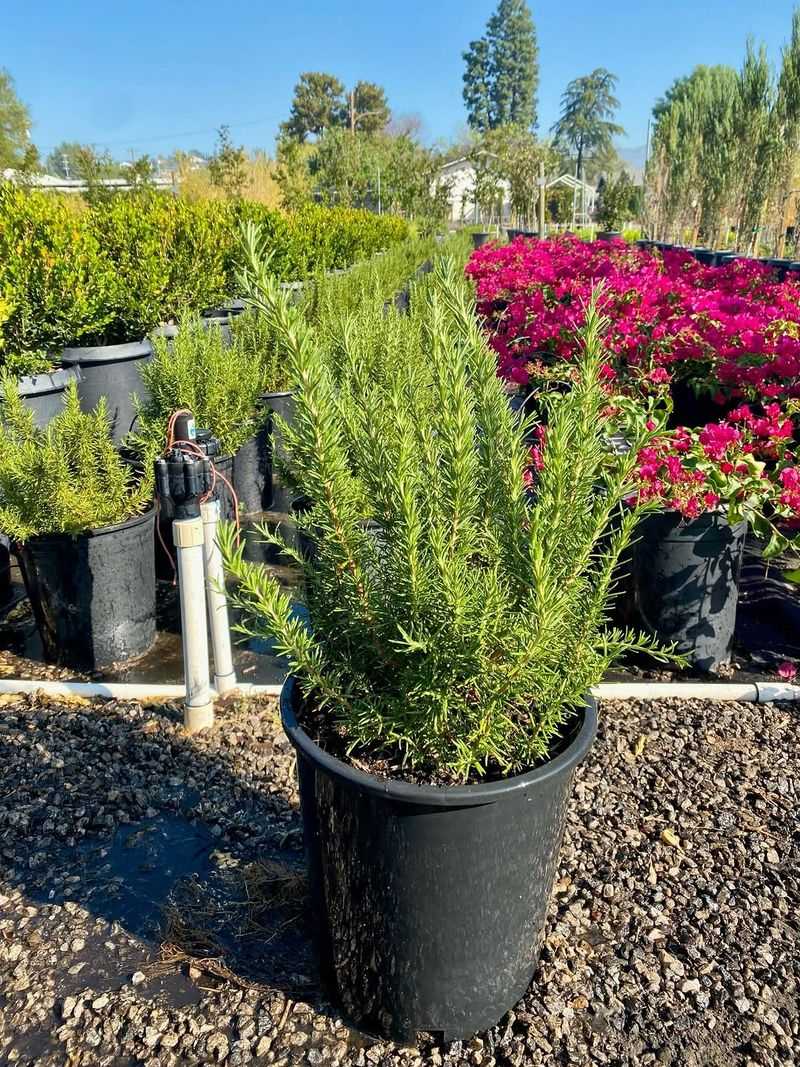
Trailing rosemary earns its patio spot several times over, and it does not even have the decency to look like it is trying.
Run a hand across the foliage and the whole patio fills with that warm, herbal Mediterranean scent. That is a small luxury that costs almost nothing once the plant is settled in.
Full sun is where rosemary operates best. Arizona’s intense summer heat is not a problem as long as drainage is excellent.
Rosemary roots are sensitive to wet conditions, and a fast-draining soil mix is non-negotiable. Terracotta pots work particularly well because they breathe and dry out between waterings.
Water deeply, then wait until the soil is dry before watering again. That rhythm suits rosemary well and prevents the root issues that come from inconsistent drainage.
Light pruning after flowering keeps trailing rosemary from going woody and bare in the center. No heavy shearing required.
Snipping back the tips is enough to encourage fresh, bushy growth. Harvesting sprigs for cooking counts as pruning, so the plant practically maintains itself for anyone who cooks with herbs regularly.
Position it near a seating area where the fragrance reaches people. Concrete heat, reflected sun, and Arizona summers in general do not slow this plant down.
6. Pot Desert Spoon For Bold Concrete Patio Drama
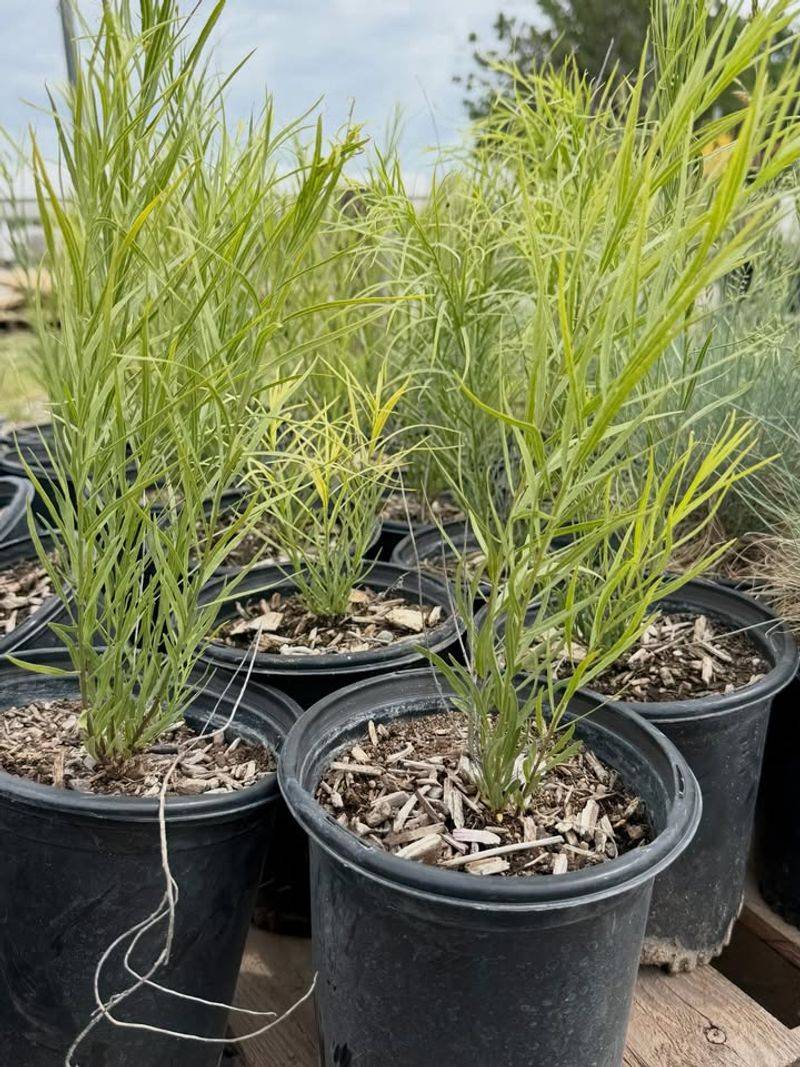
Desert spoon does not blend into a patio. It takes it over, and the patio is better for it.
Dasylirion wheeleri sends long, narrow, silver-green leaves radiating outward in a perfect sphere. Native to the Chihuahuan and Sonoran deserts, this plant is adapted to harsh, sun-baked conditions.
Reflected heat bouncing off concrete all afternoon is not a challenge for desert spoon. It is basically the home environment.
Space planning matters before potting this one. Mature plants can spread three to four feet wide, and the leaf tips are serrated and sharp enough to snag clothing or skin.
Position the pot somewhere it has room to develop without becoming a hazard near foot traffic.
A wide, heavy container is ideal for two reasons. It accommodates the root system properly and resists tipping during monsoon winds. Use a gritty, well-draining cactus mix and confirm the drainage is solid before planting.
Watering needs are genuinely minimal once the plant settles in. Every two to three weeks in summer, less in cooler months, tends to be the right rhythm.
Desert spoon is slow-growing, so visible changes take time. That patience pays off as the plant develops into a bold architectural focal point that needs almost nothing from you.
Neglect-tolerant, heat-proof, structurally dramatic, and low maintenance. The patio plant résumé does not get much stronger than this.
7. Add Parry’s Penstemon For Desert Color Bursts
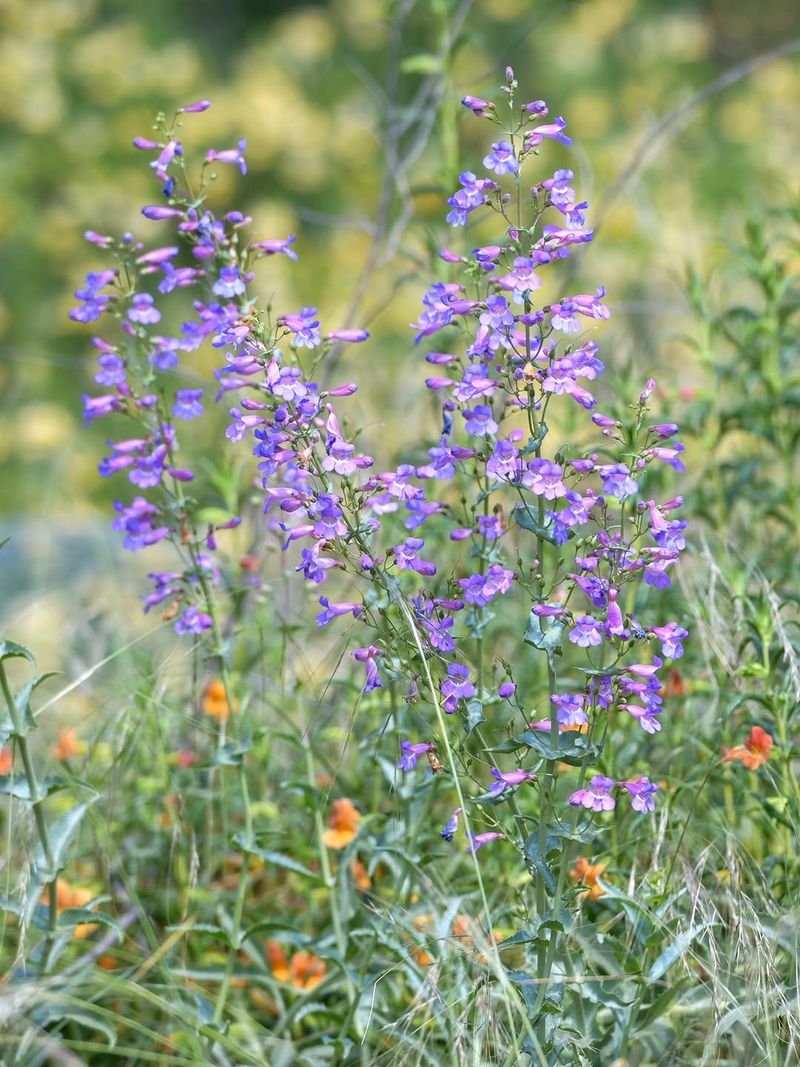
Parry’s penstemon announces itself in late winter with tall spikes of hot-pink tubular flowers. For a few spectacular weeks, it is one of the most eye-catching things on any Arizona patio.
Penstemon parryi is one of the Sonoran Desert’s most beloved wildflowers, and it translates well into container gardening when the conditions are right.
Hummingbirds and native bees visit the blooms regularly, bringing wild-desert energy right onto the patio during the bloom window.
Sun and drainage are the two factors that determine success or failure with this plant in pots. Full sun is ideal. The soil must drain quickly and thoroughly.
Penstemons are native to rocky desert slopes, so rich, moisture-retaining potting mixes are the wrong match entirely. A lean, gritty blend with coarse sand or perlite added suits them considerably better.
Overwatering is the most common mistake. Soggy roots are the biggest vulnerability especially outside of bloom season when the plant is not actively growing.
Bloom time runs roughly from late February through April in the Phoenix and Tucson areas. After that, the upright, grass-like foliage stays attractive through the rest of the year.
Reduce watering significantly after bloom and let the plant rest through summer. It is naturally adapted to dry summers and does not need or want extra attention during that period.
Container growing adds the bonus of mobility. The pot can move to a slightly more protected spot during the harshest summer weeks if needed.
Parry’s penstemon brings genuine Arizona wildflower character to even the smallest concrete patio.
8. Grow Desert Marigold For Cheerful Heat-Proof Color
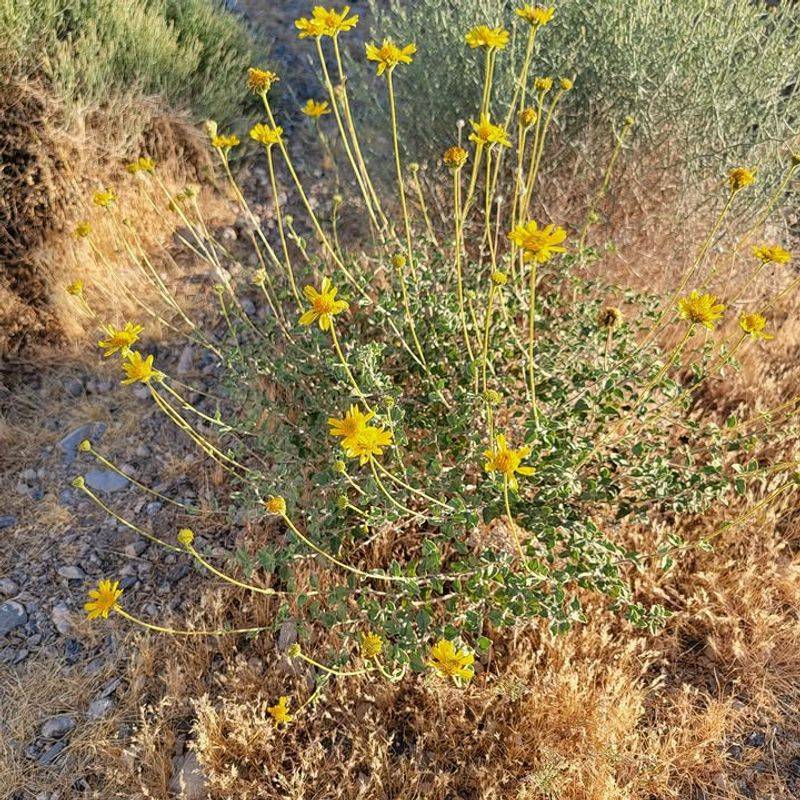
Desert marigold does not wait for ideal conditions. It blooms through some of the harshest stretches of an Arizona summer and looks genuinely cheerful doing it.
Baileya multiradiata produces bright golden-yellow daisy-like flowers on tall, slender stems that rise above silver-gray foliage.
Bloom season can run from spring through fall with the right conditions, making this one of the longer-performing color plants available for a hot patio.
Full sun is a firm requirement. Desert marigold is native to the arid Southwest and genuinely needs intense sun exposure to perform at its best. A shaded or partially shaded spot tends to produce leggy growth and reduced flowering.
Drainage is the other non-negotiable. A gritty, fast-draining mix in a container with solid drainage holes suits this plant well.
Overwatering is a more reliable way to damage desert marigold than any amount of heat exposure. Water deeply and infrequently. Let the soil dry out fully between sessions.
Once established, the plant handles dry stretches with composure that most container plants cannot match.
Note that desert marigold contains compounds that can cause skin irritation in some people, so handling with gloves is a reasonable precaution.
Removing spent flowers periodically encourages continued blooming and keeps the plant looking tidy through the long Arizona season.