Bird Feeders Can Bring Rats To Ohio Yards And Here’s What Really Causes The Problem
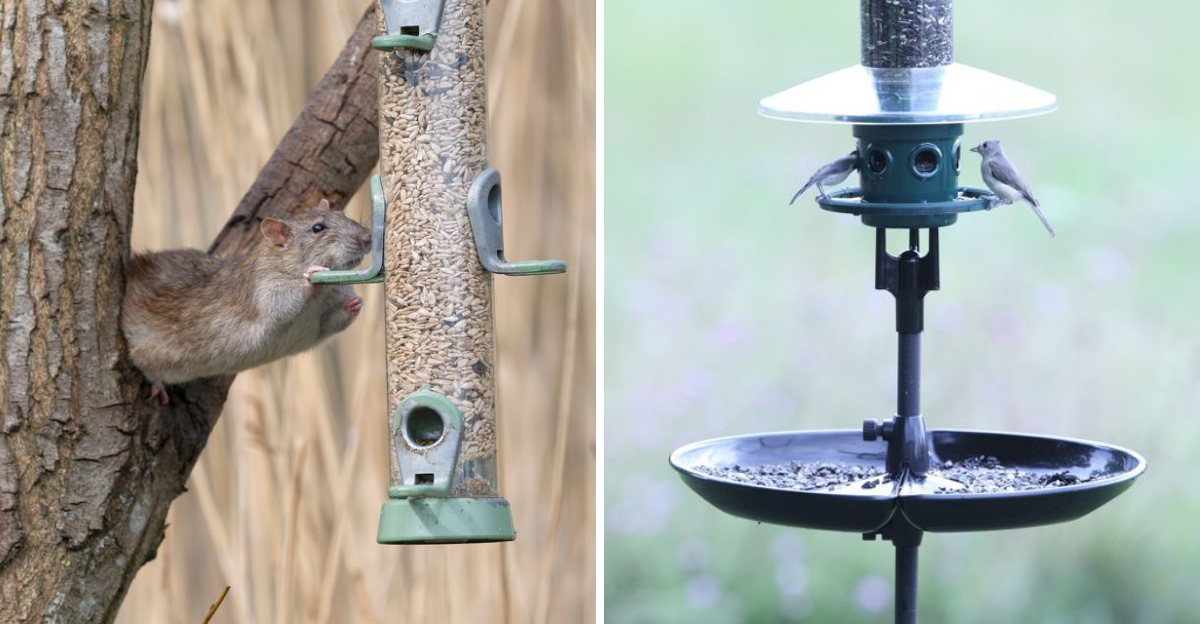
It starts with a good intention. A feeder goes up, birds show up, and your Ohio yard feels more alive almost overnight.
Then something shifts. Seed disappears faster than expected.
Movement near the ground catches your eye after dark. What looked like a simple way to enjoy wildlife can quietly invite something else in.
The surprise is not the feeder itself, but what happens around it. Small habits, overlooked details, and a few easy-to-miss conditions can turn a bird-friendly space into something far more appealing to unwanted visitors.
Many Ohio homeowners deal with this without realizing what actually draws the problem in. Once you see the real cause, the situation makes a lot more sense.
And with the right adjustments, you can keep the birds while shutting the door on everything you did not plan to invite.
1. Spilled Seed On The Ground Is What Attracts Rats First
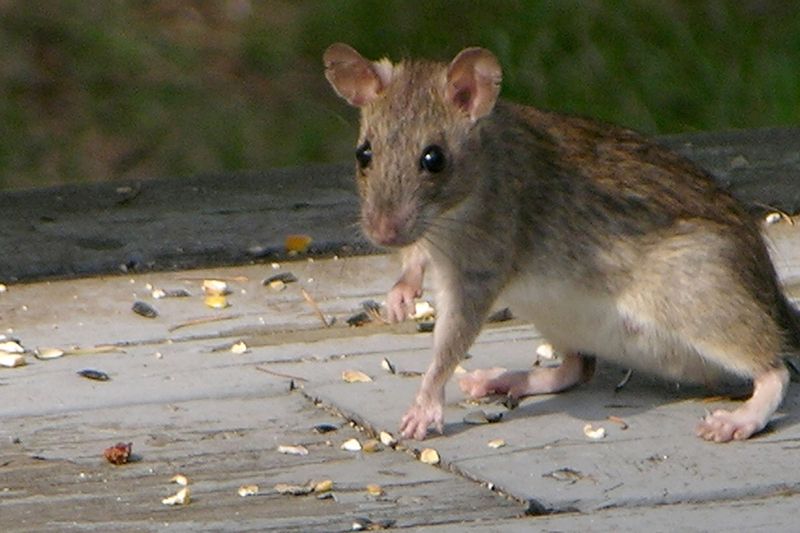
Most people never think about what happens to the seeds that fall below the feeder, but that scattered pile on the ground is exactly what draws rats in. Birds are messy eaters.
As they pick through seed mixes searching for their favorites, they toss the rest aside without a second thought. Over time, that rejected seed builds up into a noticeable pile right beneath the feeder.
Wind plays a role too. Even on calm days, a light breeze can scatter seed several feet away from the feeder, spreading the food source across a wider area.
Larger seed mixes are especially prone to this because the different sizes and shapes do not sit neatly in the feeder tray. Before long, a ring of spilled seed surrounds the base of the feeder post.
Rats are opportunistic feeders, meaning they will eat almost anything that is easy to reach. A pile of seed sitting on the ground overnight is basically an open invitation.
According to Ohio State University Extension, removing food sources is the single most effective way to discourage rodent activity around your property.
Raking up spilled seed every evening takes less than five minutes and makes a noticeable difference. Another helpful option is placing a seed-catching tray directly under the feeder to collect fallen pieces before they hit the ground.
Keeping the area beneath your feeder clean and clear removes the main reason rats come sniffing around in the first place.
2. Low Hanging Feeders Make It Easy For Rodents To Reach Food
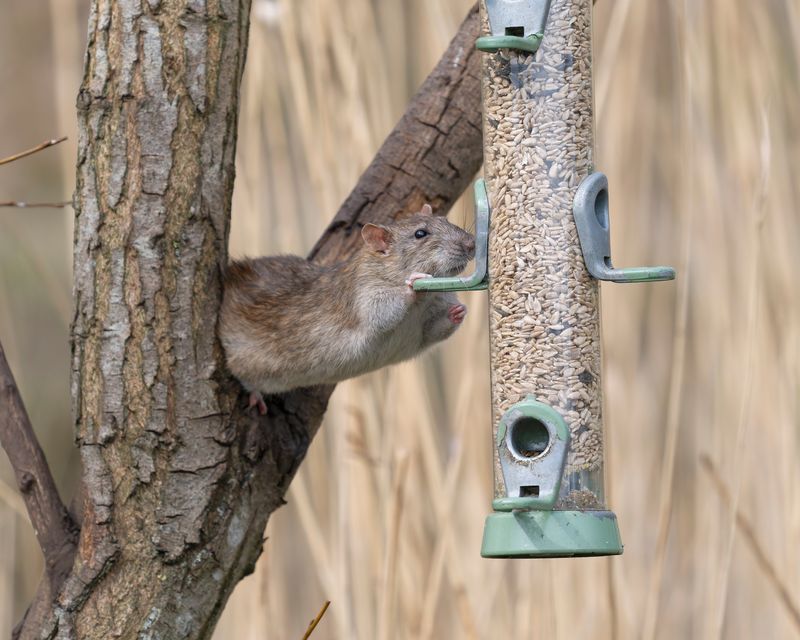
Feeder height matters more than most people realize. When a feeder hangs just a few feet off the ground, or sits close to a fence, deck railing, or tree trunk, it becomes surprisingly easy for rodents to access.
Rats are excellent climbers and can scale wooden posts, rough brick walls, and even smooth metal poles with the right technique. They are also capable of jumping nearly two feet straight up from a flat surface.
Feeders placed near structures give rats even more options. A feeder hanging within a foot or two of a fence post, for example, gives a rat a convenient launching point.
Your Ohio Garden Changes Every Week. Your Plan Should Too.
Gardening in Ohio changes quickly throughout the season. Every Friday you’ll receive a simple weekly plan showing exactly what to plant, prune, fertilize, harvest, and protect so you never miss the right timing.
Dense shrubs or low tree branches positioned nearby work the same way, acting as natural stepping stones toward the food supply. Many homeowners set up feeders in these spots because the location looks attractive, without realizing the access it creates.
Mounting feeders at least five to six feet off the ground significantly reduces rodent access. Placing them away from structures, fences, and overhanging branches removes the easy climbing routes rats rely on.
Smooth metal poles with baffles, which are cone or cylinder shaped guards that block climbing, are one of the most reliable physical barriers available.
Choosing the right mounting spot does not take long, but it pays off quickly. A feeder that is genuinely difficult to reach keeps the seed available for birds and discourages rodents from even trying.
Small placement adjustments can change the entire dynamic of your backyard feeding setup.
3. Feeding Too Much Seed Creates A Constant Food Supply
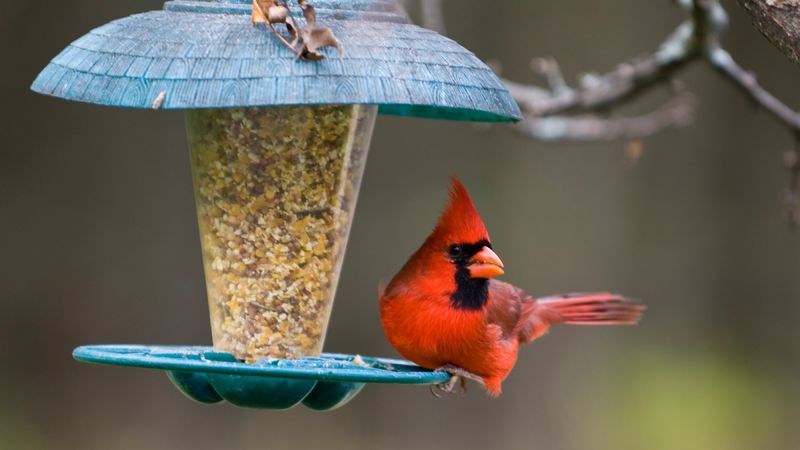
Overfilling a bird feeder feels generous, but it actually works against you. When feeders are packed to the brim and refilled before they are even close to empty, seed accumulates faster than birds can consume it.
The excess spills over the edges, sits in the tray, and eventually falls to the ground in large amounts. That steady buildup creates exactly the kind of constant, reliable food source that rats look for when establishing a feeding routine.
Rats are creatures of habit. Once they discover a location that reliably offers food, they return to it night after night.
An always-full feeder signals to nearby rodents that the food supply is stable and worth visiting regularly. Over time, a single rat sighting can turn into a much larger problem as word spreads through a local population.
Offering smaller amounts of seed more frequently is a smarter approach. Fill the feeder only with what birds are likely to finish within a day or two.
This keeps the seed fresh, reduces waste, and prevents the buildup that attracts unwanted visitors. Watching how quickly your birds go through seed gives you a reliable guide for how much to offer each time.
Feeders that go empty by late afternoon are actually a good sign. It means the birds are active and the seed is not sitting around long enough to attract nocturnal feeders.
Matching the amount you offer to the actual demand in your yard is one of the simplest and most effective adjustments you can make.
4. Nighttime Access Lets Rats Feed Without Disturbance
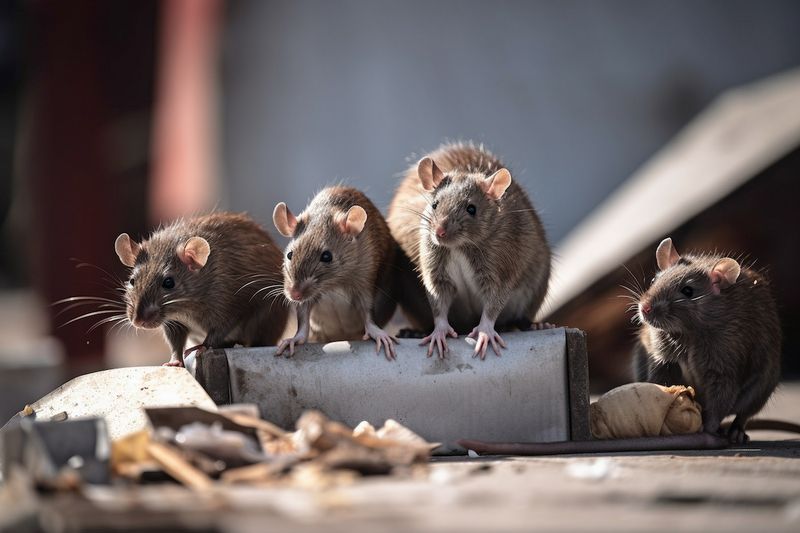
Rats are primarily nocturnal animals, which means they do most of their foraging after the sun goes down. While your yard is quiet and still, rats are out exploring, sniffing, and eating.
A bird feeder left full overnight becomes one of the easiest meals available to them, with no people, pets, or daytime activity to interrupt their feeding.
This is one of the reasons a rat problem can go unnoticed for so long. Homeowners see birds visiting the feeder during the day and assume everything is fine.
But the same feeder, sitting full through the night, may be hosting a very different set of visitors after dark. By morning, the seed level looks normal because birds have already started feeding again, masking any evidence of nighttime activity.
Bringing feeders indoors at night is one of the most direct ways to break this cycle. If the feeder is a permanent mounted type that cannot be removed, reducing the amount of seed left in it by evening significantly lowers the overnight food availability.
Even limiting the amount available after dusk makes a noticeable difference over time.
Some feeders come with weight-activated closures that shut off seed access when heavier animals land on the perch. While these are designed primarily for squirrels, they can also deter rats trying to feed directly from the feeder itself.
Combining reduced overnight seed with good cleanup habits addresses both the direct feeder access and the ground-level food that accumulates below it.
5. Shelter Nearby Gives Rodents A Safe Place To Stay
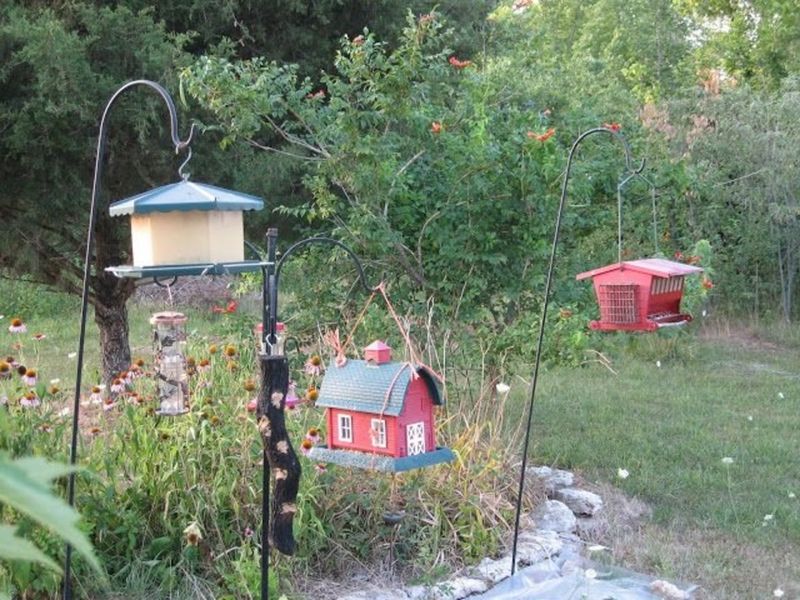
Food is only half of what rats need to settle into a yard. Shelter is just as important, and most suburban Ohio yards offer plenty of it without homeowners ever realizing.
Woodpiles stacked against fences or sheds, dense low-growing shrubs, and piles of yard debris all create the kind of dark, protected hiding spots that rats prefer. When shelter sits close to a food source like a bird feeder, the combination becomes very attractive.
Rats do not need much space to feel secure. A gap beneath a deck, a loosely stacked woodpile, or a thick cluster of ornamental grass can all serve as comfortable nesting spots.
Once a rat establishes a nest near a reliable food source, it rarely moves on unless the food or shelter is removed. The closer the shelter is to the feeder, the more convenient the arrangement becomes for the rodent.
Keeping the area around your feeder as open as possible removes the sense of security that encourages rats to stick around. Moving woodpiles away from the feeder area, trimming back dense ground-level shrubs, and clearing debris piles all reduce the available cover.
A rat that has to cross open ground to reach food feels exposed and vulnerable, which makes the trip less appealing.
Maintaining a clean, open buffer zone around your feeding station does not require major landscaping work. Simply being thoughtful about what sits close to the feeder, and keeping that immediate area tidy, significantly reduces the chance that rodents will treat your yard as a long-term residence.
6. Seed Type Can Make The Problem Worse Without You Realizing It
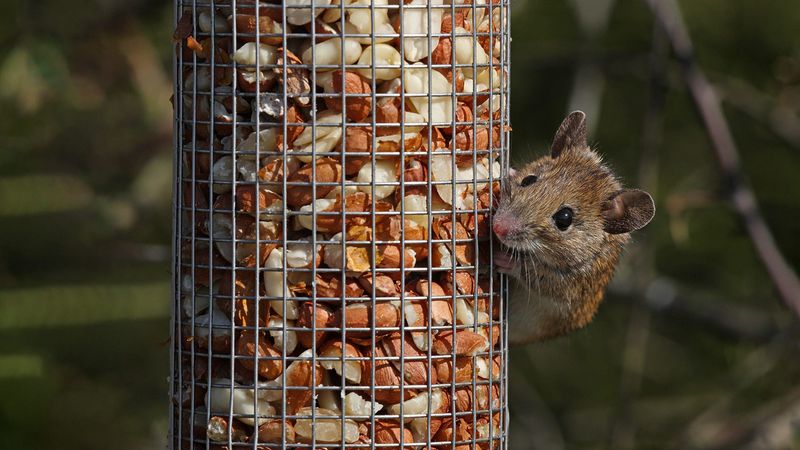
Not all birdseed is created equal, and the type you buy can quietly make your rat problem worse. Budget-friendly seed mixes often contain filler seeds like millet, red milo, and cracked corn.
Birds in Ohio, particularly the popular backyard species like cardinals and chickadees, tend to toss these fillers aside in favor of the seeds they actually want. All that rejected seed lands on the ground and sits there, waiting to be found by something less picky.
The more filler a mix contains, the more waste it generates. A feeder filled with a low-quality blend can end up with more seed on the ground than in the birds, which defeats the purpose of feeding and creates a ground-level buffet for rodents.
Rats are not selective eaters, so everything the birds reject becomes fair game overnight.
Switching to cleaner seed options reduces this problem significantly. Black oil sunflower seeds are one of the most widely recommended choices because nearly every common Ohio backyard bird eats them, and very little goes to waste.
Hulled sunflower seeds, sometimes called sunflower hearts or chips, are another strong option because they have no shells to drop, which keeps the area beneath the feeder much cleaner.
Shelled peanuts and safflower seeds are also worth considering depending on which birds visit your yard. Spending a little more on quality seed actually saves money over time because less of it ends up wasted on the ground.
Choosing the right seed is one of the quietest and most effective changes you can make to your feeding routine.
7. Simple Feeder Changes Can Reduce The Risk Significantly
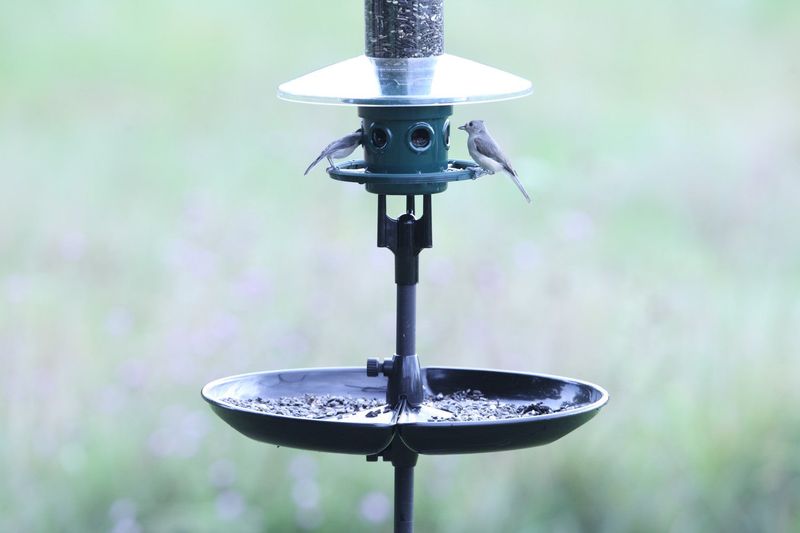
Keeping birds in your yard and rats out of it is absolutely possible, and it does not require getting rid of your feeders. The solution comes down to a handful of practical adjustments that address the real causes rather than the feeder itself.
Small, consistent changes to how you feed, what you feed, and where you feed add up to a much less rodent-friendly environment.
Seed-catching trays attach directly beneath most feeders and collect falling seed before it hits the ground. These trays are inexpensive, easy to find, and make cleanup much simpler.
Squirrel-resistant feeders, which use weight-activated mechanisms to close off seed access, also help reduce the amount of food that becomes available to heavier ground feeders including rats. Mounting the feeder on a smooth metal pole with a baffle adds another layer of physical deterrence.
Regular cleanup is the backbone of any effective prevention routine. Sweeping or raking beneath the feeder every evening removes the seed accumulation that rodents rely on.
Storing birdseed in airtight, chew-proof containers, like metal trash cans with secure lids, prevents rats from accessing the stored supply and removes another reason for them to hang around your yard.
Combining these steps creates a feeding setup that works well for birds and poorly for rats. No single change is a complete fix on its own, but together they address the food, access, and shelter factors that make yards attractive to rodents.
Enjoying backyard birds in Ohio is a wonderful hobby, and a few thoughtful habits are all it takes to keep it that way.