This Native Ohio Groundcover Is Replacing Grass In Front Yards
Front yards in Ohio are starting to look a little different, and for good reason. More homeowners are getting tired of patchy grass, endless mowing, and thirsty spots that never seem to stay green for long.
A big stretch of lawn can sound nice on paper, but in real life it often turns into one more chore that keeps calling your name every weekend. That is why low, natural-looking groundcovers are catching so much attention.
They soften the landscape, bring texture to the front yard, and can make the whole space feel calmer and more inviting. The best ones do not just fill space.
They handle Ohio conditions, fit beautifully around trees and along borders, and give yards a more relaxed, finished look without all the fuss. One native plant keeps popping up in that conversation, and it is easy to see why.
That quiet front yard swap is Pennsylvania sedge.
1. Pennsylvania Sedge Is The Grass Swap More Ohio Yards Need
Walk through almost any Ohio woodland in spring and you will likely step over a plant that most people never notice underfoot.
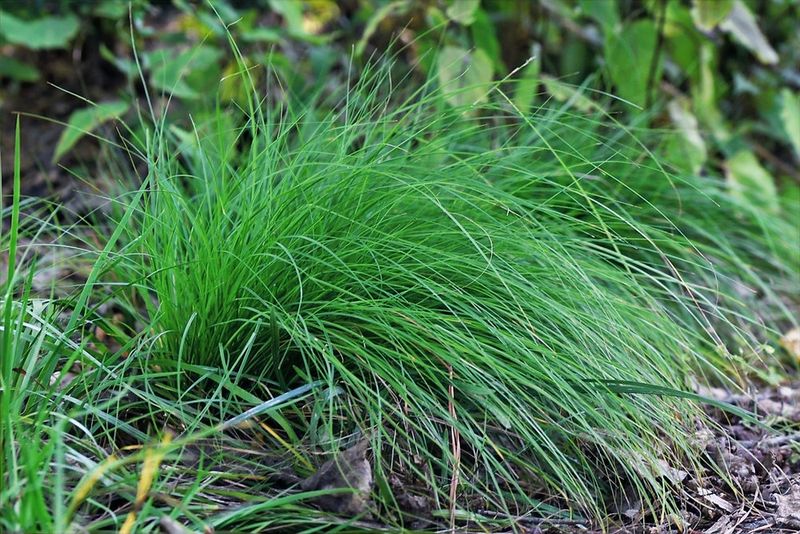
That fine, arching, grass-like growth spreading quietly beneath the oaks and maples is Pennsylvania sedge, known botanically as Carex pensylvanica, and it is now moving from the forest floor straight into the front yard.
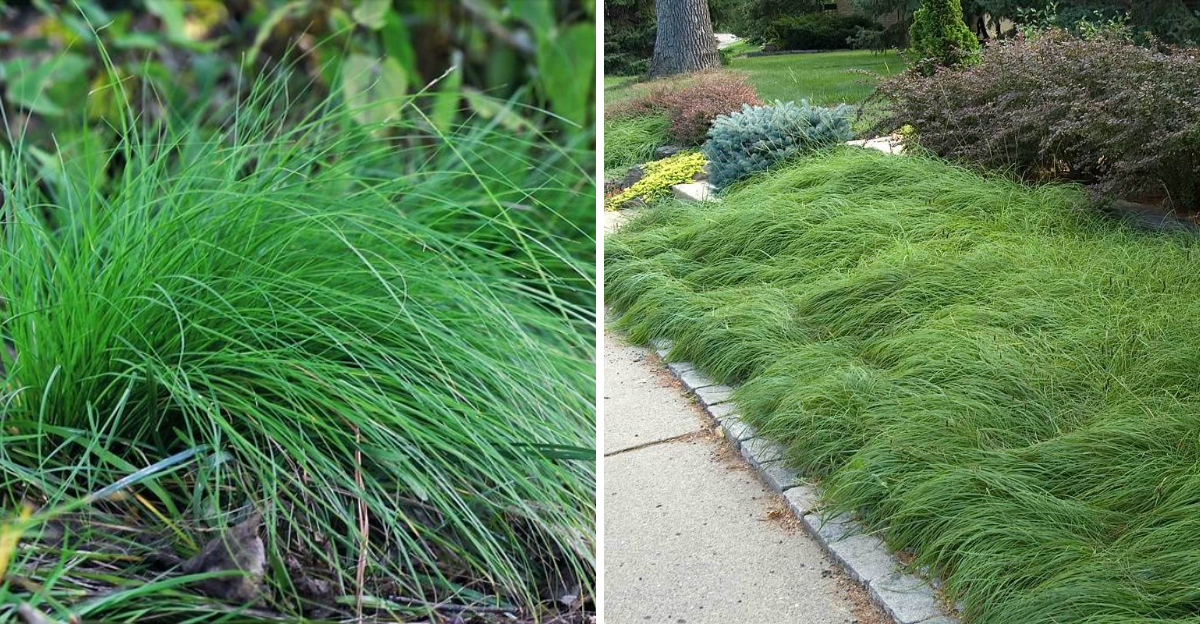
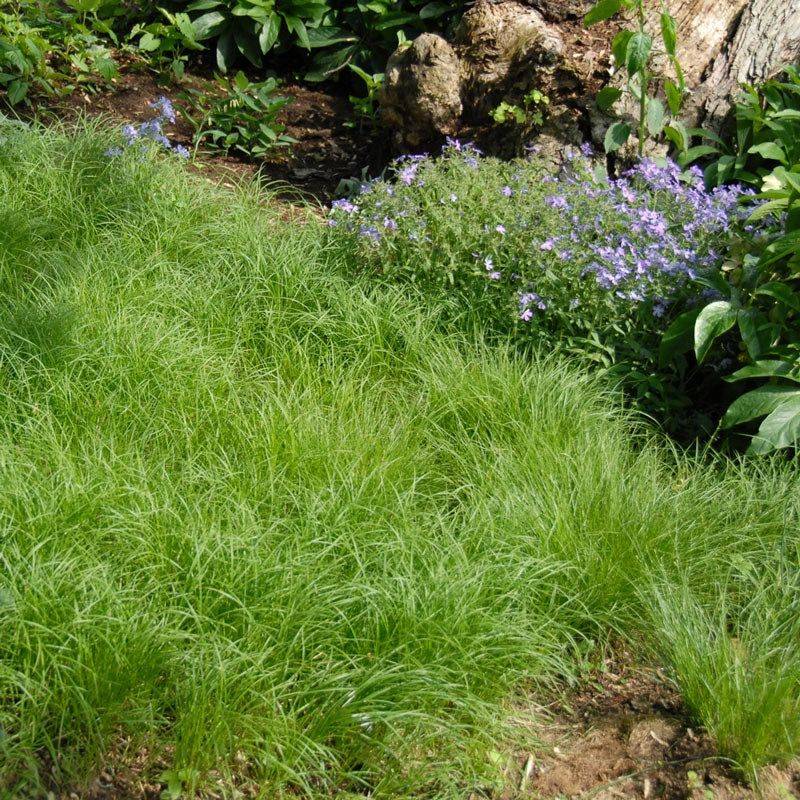
Pennsylvania sedge is a native perennial sedge that grows naturally across Ohio and much of the eastern United States. It forms a low, dense mat of slender, medium-green blades that arch gently outward, giving it a soft, almost meadow-like appearance.
Unlike turfgrass, it spreads slowly through underground rhizomes, gradually filling in an area without aggressive takeover behavior.
Ohio homeowners are paying closer attention to it because it solves a problem that has frustrated lawn-keepers for years. Traditional turfgrasses like Kentucky bluegrass and tall fescue were never perfectly suited to every Ohio front yard.
They struggle in dry shade, demand consistent watering during summer, and thin out under tree canopies where most front yards actually need coverage the most.
Pennsylvania sedge thrives in exactly those conditions. According to Ohio State University Extension resources on native plants, it performs well in partial to full shade and tolerates the dry, root-competitive soil found beneath large trees.
It grows to roughly six to twelve inches tall without mowing, though it can be mowed occasionally if a tidier look is preferred.
For Ohio yards that have been fighting a losing battle with turf, this plant offers a genuinely practical and ecologically grounded alternative worth serious consideration.
2. It Gives Front Yards A Softer More Natural Look
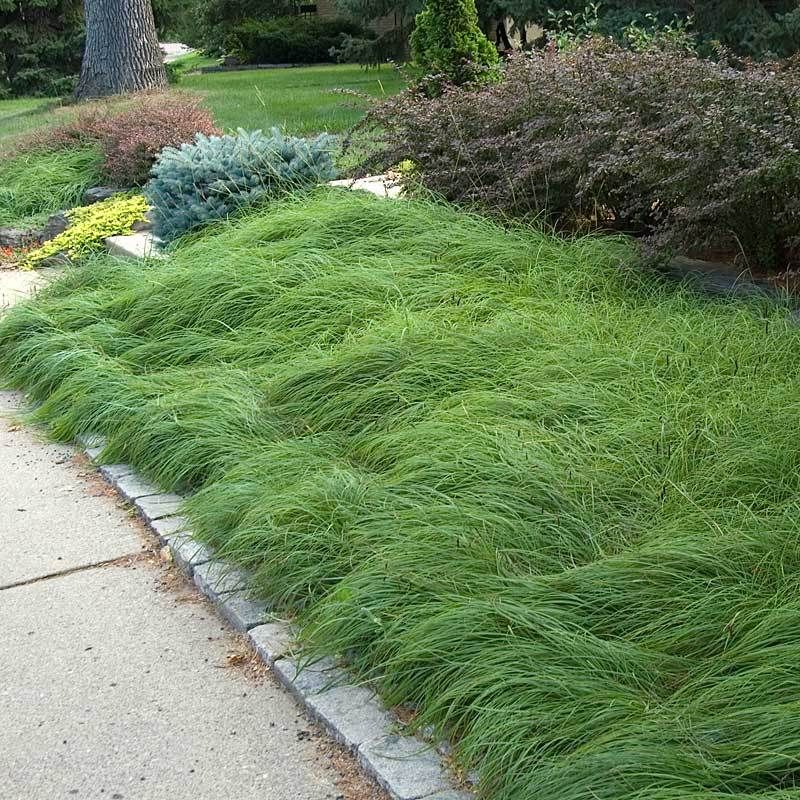
There is something noticeably different about a yard planted with Pennsylvania sedge, and most people feel it before they can explain it. The blades are fine and slender, arching slightly at the tips rather than standing stiff and upright.
The overall effect is softer, more layered, and more relaxed than the flat, uniform surface of a mowed turf lawn.
Standard turfgrass is bred for density and uniformity, which gives it a clean but sometimes rigid look. Pennsylvania sedge moves a little differently.
Your Ohio Garden Changes Every Week. Your Plan Should Too.
Gardening in Ohio changes quickly throughout the season. Every Friday you’ll receive a simple weekly plan showing exactly what to plant, prune, fertilize, harvest, and protect so you never miss the right timing.
On a breezy day, the blades shift gently in the wind, giving the yard a quiet, living quality that turf rarely achieves. The texture reads as natural rather than manicured, which fits well with the wooded, leafy character of many Ohio neighborhoods.
From a design standpoint, that softer texture also makes surrounding landscape elements stand out more clearly.
Garden beds, stone paths, ornamental trees, and native shrubs all look more intentional when the groundcover beneath them has an organic, flowing quality rather than a clipped, artificial surface.
The yard feels curated rather than just maintained.
The color is a medium to deep green that holds reasonably well through the season in shaded conditions, giving the front yard a cool, restful tone. It does not have the bright, almost electric green of heavily fertilized turf, but that is part of the appeal.
The look is grounded and natural, the kind of yard that feels genuinely connected to the Ohio landscape rather than imposed on top of it. That distinction matters more to homeowners now than it used to.
3. This Native Groundcover Handles Shade Better Than Turf
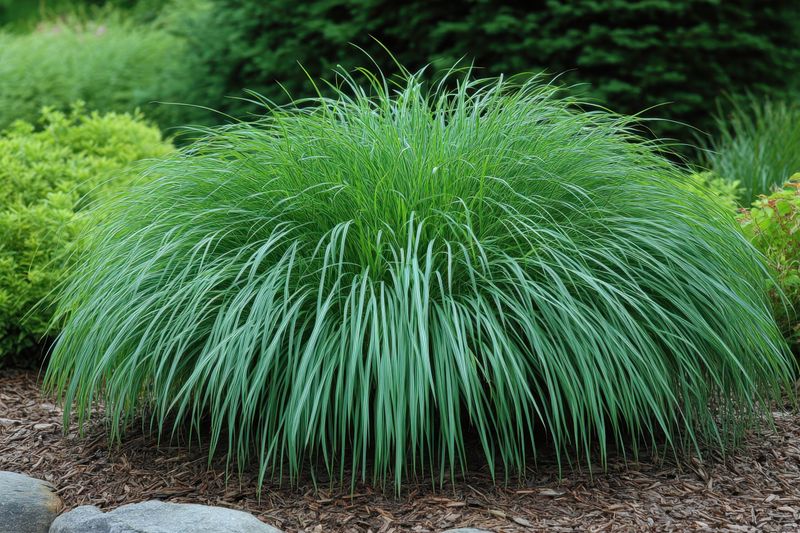
Shade is one of the most common and stubborn problems in Ohio front yards. Big oaks, silver maples, and Norway spruces cast wide canopies that leave large patches of lawn struggling to stay full.
Turfgrasses need a meaningful amount of direct sunlight to photosynthesize, compete with tree roots, and stay thick enough to look good. Most front yards in Ohio simply do not offer those conditions consistently.
Pennsylvania sedge was built for exactly this kind of environment. It evolved on the shaded forest floors of eastern North America, which means low light is not a challenge for it but rather its natural home.
Ohio State University Extension notes that Carex pensylvanica performs well in partial to full shade, making it one of the more reliable options for the difficult dry-shade conditions found beneath established trees.
The combination of shade tolerance and root competition tolerance is what makes it genuinely useful. Tree roots pull moisture and nutrients from the surrounding soil, leaving little for turfgrass to work with.
Pennsylvania sedge handles that competition far better, establishing itself even in the compacted, root-filled soil that causes turf to thin out and eventually disappear.
For Ohio homeowners who have spent years reseeding the same bare patches under their front-yard trees with limited success, this is a meaningful shift. Rather than fighting the shade year after year, the yard can simply work with it.
Pennsylvania sedge does not just survive in those spots. It actually fills them in over time and holds on through summer dry spells in a way that struggling turf never quite manages to do.
4. It Cuts Down On The Constant Lawn Fuss
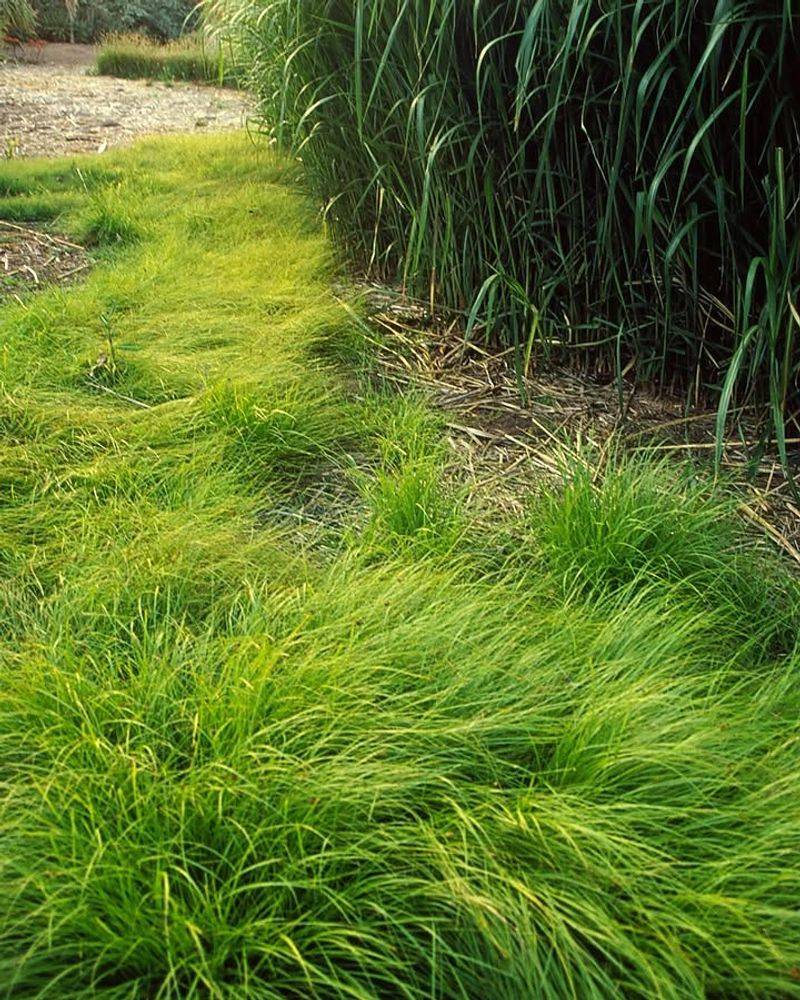
Keeping a traditional Ohio lawn looking decent takes more effort than most people realize until they are already committed to it.
Mowing every week through the growing season, watering during July dry spells, overseeding bare patches in fall, applying fertilizer on schedule, and dealing with weeds that creep in from the edges adds up to a significant ongoing time investment.
Pennsylvania sedge shifts that equation noticeably.
Once established, this sedge requires far less routine attention than a turf lawn in the right setting. It does not need weekly mowing because it has a naturally low, arching growth habit.
Left alone, it stays at a manageable height without growing into a shaggy mess. Some homeowners choose to mow it once in late winter or very early spring to tidy it up before new growth emerges, but that single pass is typically sufficient for the whole year in many situations.
Watering needs drop significantly once the plant has settled in. Pennsylvania sedge is considered drought-tolerant after establishment, according to native plant guidance supported by OSU Extension resources on Carex species.
That tolerance is especially valuable during Ohio’s hot, dry summer stretches when keeping turf green requires consistent irrigation.
Fertilizer is generally not needed for established plantings, and the plant does not demand the chemical inputs that turf lawns often rely on to stay thick and green.
That simplicity is a genuine quality-of-life improvement for homeowners who want an attractive front yard without dedicating their weekends to it.
The tradeoff is patience during establishment, but the long-term reduction in upkeep is real and well worth planning for carefully.
5. Those Fine Blades Keep The Whole Space Looking Calm
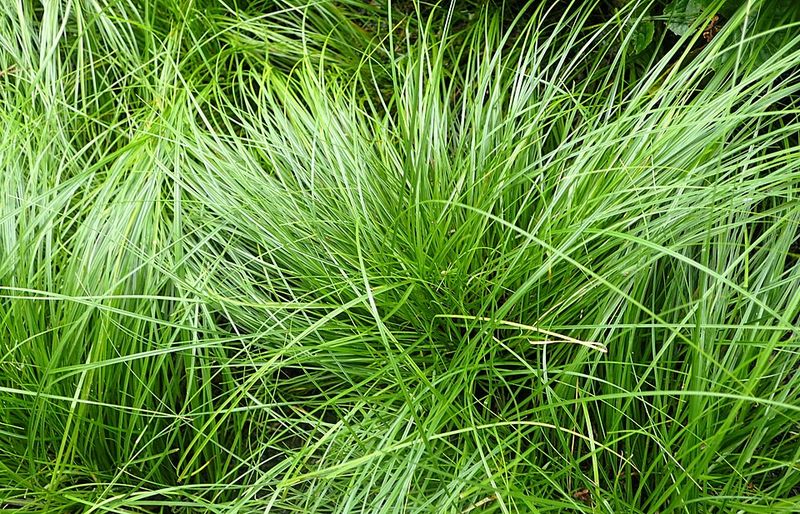
Some yards feel busy the moment you look at them. Chunky mulch, aggressive edging, stiff ornamental grasses, and bright annuals all competing for attention can make even a well-kept front yard feel visually noisy.
Pennsylvania sedge does the opposite. Its fine, arching blades bring a kind of visual quiet to a space that is genuinely hard to achieve with other groundcovers.
The texture is the key detail here. Each blade is narrow and flexible, tapering to a soft point rather than ending bluntly.
When planted across a broad area, those individual blades create a surface that reads as unified and smooth from a distance but reveals gentle movement and depth up close. The result is a yard that feels settled and intentional, not restless or overworked.
That calm quality makes Pennsylvania sedge an especially good partner for minimalist or naturalistic front yard designs. Paired with a simple stone path, a few native shrubs, or a single well-placed ornamental tree, it anchors the space without competing for attention.
The groundcover recedes visually and lets the other design elements carry the composition forward.
Landscape designers working with native plants in Ohio have noted that fine-textured groundcovers like Pennsylvania sedge help front yards feel proportionate and grounded, especially in neighborhoods where the houses are close together and the yards are relatively small.
A soft, low surface visually opens the space rather than closing it down.
For homeowners who want a yard that feels restful and polished without looking overdone, that subtle textural contribution is more valuable than it might first appear on paper.
6. It Works Especially Well In The Spots Grass Hates
Every yard has at least one spot that refuses to cooperate. Maybe it is the narrow strip between the sidewalk and the foundation, constantly shaded and bone dry by August.
Maybe it is the sloped area near the front walk where rain washes the soil downhill and grass seed never stays put long enough to germinate. Maybe it is the wide ring around the old silver maple where the roots have completely taken over the top few inches of soil.
Pennsylvania sedge is particularly well-suited to these stubborn problem areas. Its tolerance for dry shade and root competition means it can establish in spots where turf has repeatedly failed without explanation.
It does not need rich, amended soil to get started, and it handles the irregular moisture that comes with shaded, root-dense ground better than most lawn alternatives.
The plant also works well on gentle slopes where erosion is a concern. Its rhizomatous root system helps bind the soil over time, reducing the kind of surface wash that leaves bare patches after heavy Ohio rain events.
It will not solve severe erosion on its own, but in moderate situations it provides meaningful soil stabilization while also looking attractive.
Awkward front-yard edges, narrow side strips, and the shaded zones around foundation plantings are all spaces where Pennsylvania sedge can replace the scraggly, thin turf that never quite filled in.
Rather than fighting those spots with repeated reseeding or thick mulch applications, homeowners can plant sedge plugs and let the plant gradually do what it does naturally.
The results are slow but genuinely satisfying in a way that repeated turf repairs never quite deliver.
7. A Full Lawn Is Not The Only Way To Look Polished
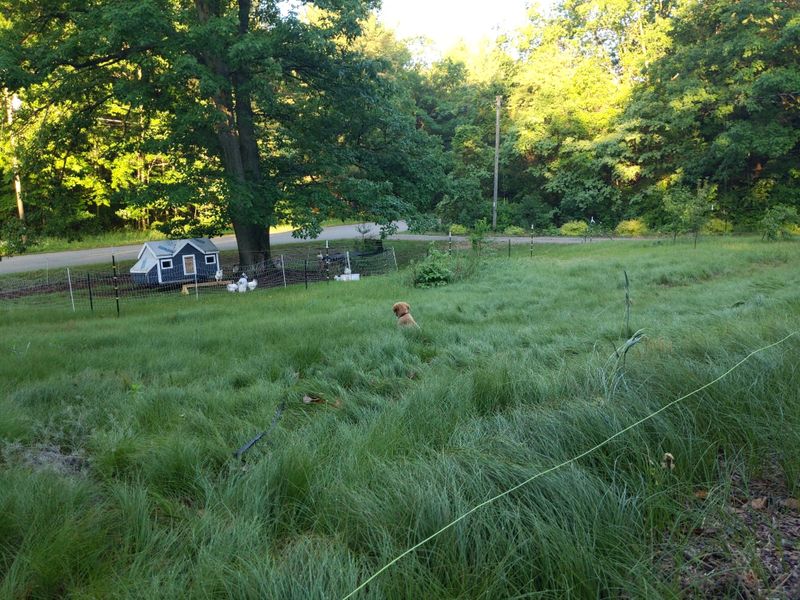
The idea that a front yard has to be wall-to-wall turf to look good is something a lot of Ohio homeowners grew up believing, but that assumption is shifting. Curb appeal has always been about intention and coherence, not about any single material.
A yard planted thoughtfully with Pennsylvania sedge and a few well-chosen native companions can look just as polished as a freshly mowed lawn, sometimes more so.
The key is treating the sedge as a design element rather than just a grass substitute. A clean edge where the sedge meets a garden bed or a stone path immediately signals that the yard is intentional.
A simple, well-maintained walkway running through a sedge planting gives the front yard structure and direction. Native shrubs like spicebush or serviceberry planted at the foundation carry the naturalistic theme upward and give the composition vertical interest.
Neighbors and passersby often respond positively to front yards that feel different but still coherent. The sedge has a recognizable, grass-like appearance that does not read as neglected or unfinished the way a patchy or weedy lawn does.
Because it stays relatively low and even, it communicates care even without weekly mowing. The yard looks like a choice was made, and that intentionality is exactly what curb appeal is about at its core.
Ohio communities are gradually becoming more open to front yards that step away from traditional turf, especially as native plantings gain visibility through local garden tours, extension programs, and neighborhood demonstration projects.
Pennsylvania sedge fits naturally into that shift without requiring a dramatic or expensive landscape overhaul to make the front yard look genuinely good.
8. Once It Settles In The Yard Starts Making More Sense
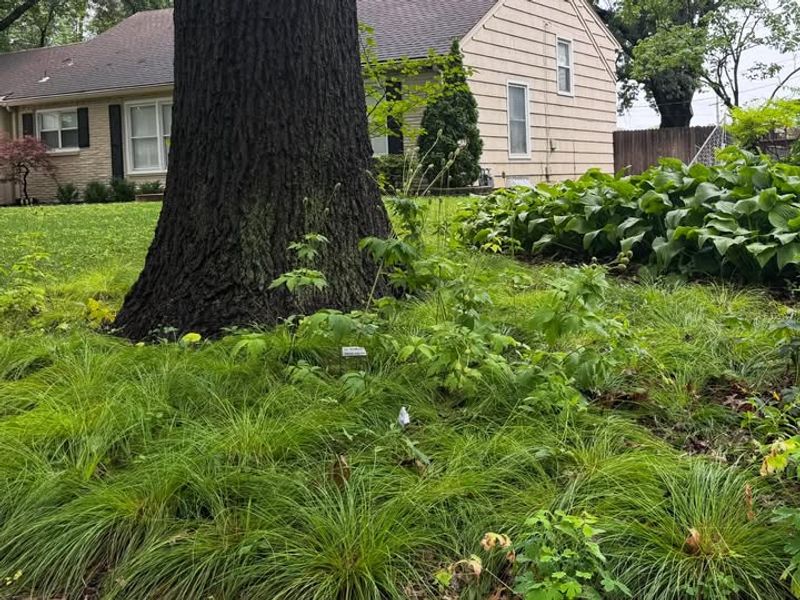
The first season with Pennsylvania sedge asks for a little patience, and that is probably the most honest thing to say about it upfront. The plant establishes slowly, spending its early energy developing roots rather than spreading aggressively across the surface.
Bare spots are normal in year one, and the temptation to fill them with something faster-growing is real. Staying with the sedge through that adjustment period is where most of the long-term reward comes from.
By the second and third year, the planting typically starts looking the way it is supposed to look. The rhizomes have spread, the gaps have filled, and the surface has taken on that soft, unified quality that makes Pennsylvania sedge so appealing as a lawn substitute.
The yard starts feeling less like a work in progress and more like a finished, functioning landscape that simply takes care of itself.
Weeding during establishment is the main task that requires consistent attention. Annual weeds and invasive grasses can move into the open spaces before the sedge has a chance to close them off.
Pulling those weeds early and regularly during the first two seasons gives the sedge the room it needs to spread and fill without competition slowing it down significantly.
Over time, the practical logic of the planting becomes clearer. Less mowing, less watering, less reseeding, and fewer bare patches to explain to yourself every spring.
The yard does not ask for as much, and in return it looks genuinely natural and grounded in a way that a struggling turf lawn rarely achieves. For Ohio homeowners ready to stop fighting their front yards, Pennsylvania sedge offers a genuinely sensible path forward.