Michigan Gardeners Should Hold Off On Planting These Until May
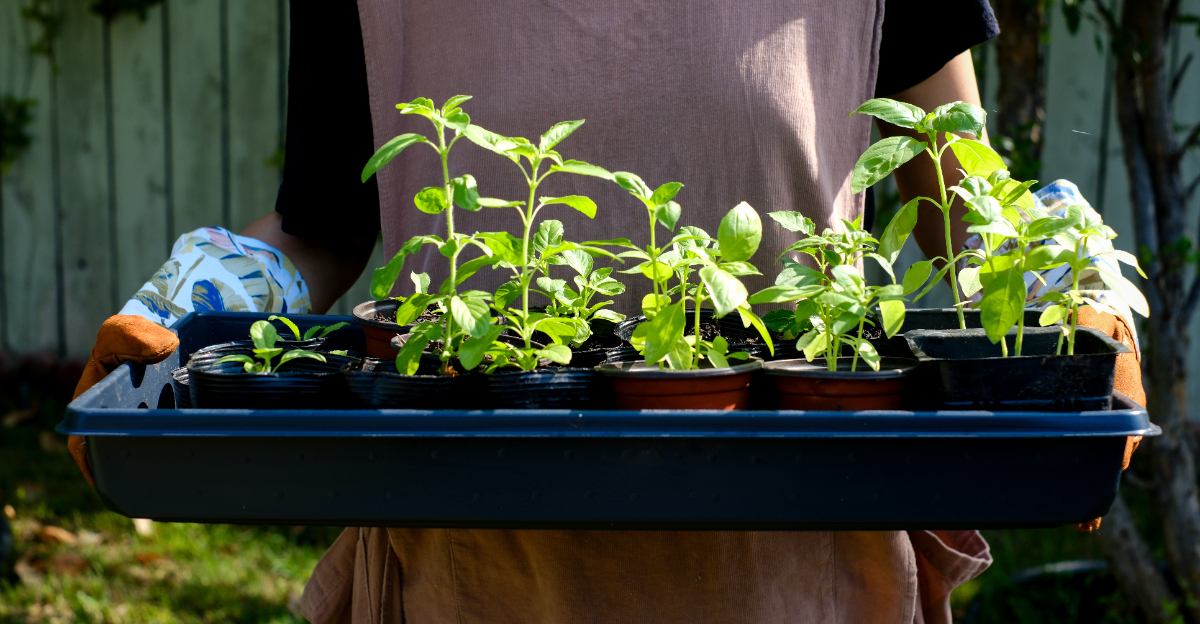
April may feel like the perfect time to start planting in Michigan, especially after a long winter, but not everything is ready for the ground just yet. Warmer days can be misleading, and it is easy to get excited and move too quickly.
Many gardeners have learned the hard way that early planting can lead to setbacks when temperatures suddenly drop. Some plants need consistently warm soil and steady overnight temperatures to grow well.
Planting them too soon can slow their progress or cause unnecessary stress before they even get started. In Michigan, where late cold snaps are still common, timing plays a bigger role than you might expect.
Waiting just a little longer can make a big difference in how these plants perform. Once you know which ones to hold off on until May, you can avoid frustration and set your garden up for a much smoother season.
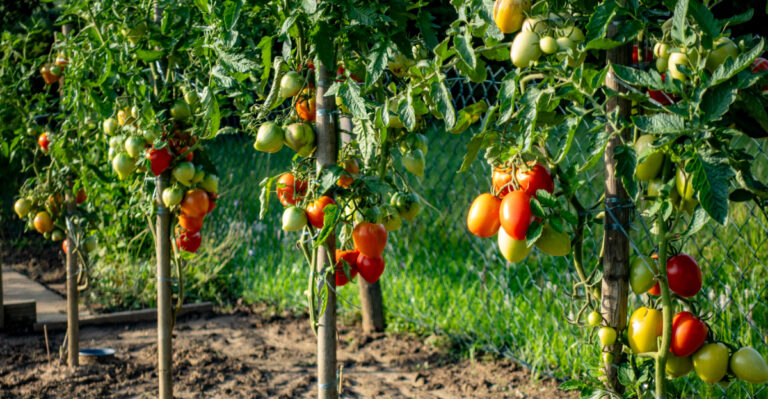
1. Tomatoes
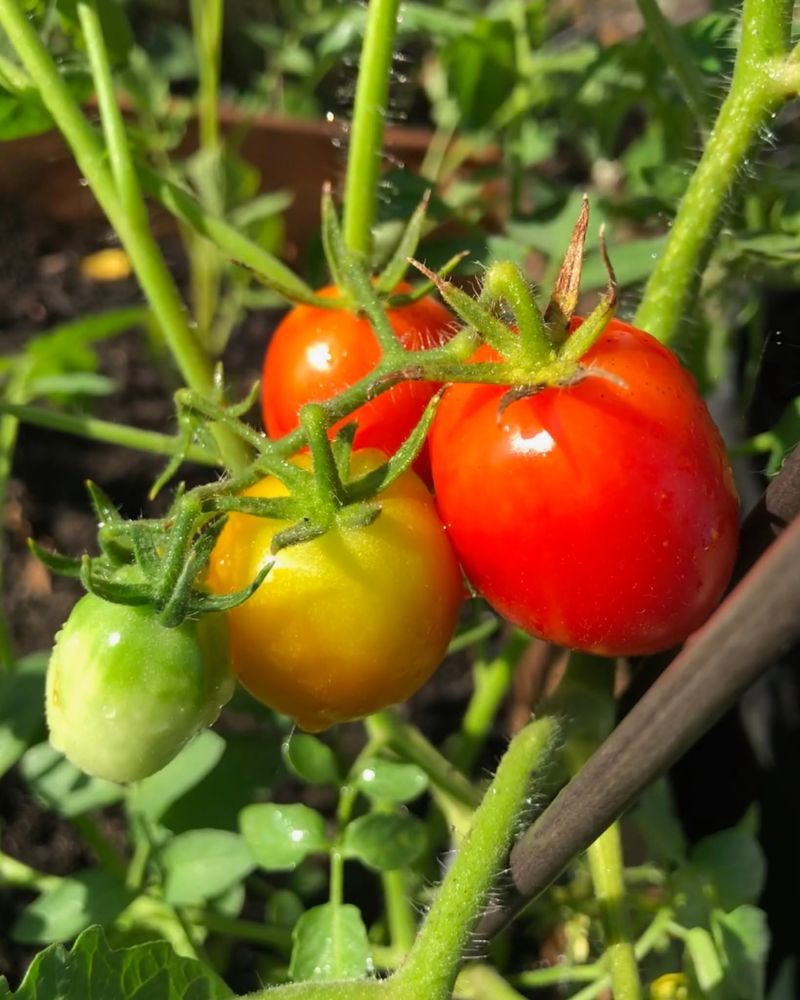
Few things are more exciting than planting your first tomato of the season, but Michigan has a way of humbling even the most eager gardeners.
Tomatoes are incredibly sensitive to cold soil and chilly nights, and in both the Lower and Upper Peninsulas, nighttime temperatures can dip dangerously low well into late April.
Soil that stays below 60 degrees Fahrenheit slows root function and causes long-term stress on the plant.
When tomatoes sit in cold ground, they do not simply pause and wait for warmth. Their roots struggle to absorb nutrients, leaves can turn yellow, and the plant may never fully bounce back even after temperatures improve.
This kind of early setback can shave weeks off your harvest window. Michigan gardeners get the best results by waiting until mid-to-late May before transplanting tomatoes outdoors.
By that point, soil temperatures are more stable, frost risk has dropped significantly, and nights are consistently mild enough for healthy root development.
Use a soil thermometer to confirm the ground has reached at least 60 degrees before you plant. Patience here truly pays off with stronger plants, earlier flowering, and a much more satisfying harvest come summer.
2. Peppers
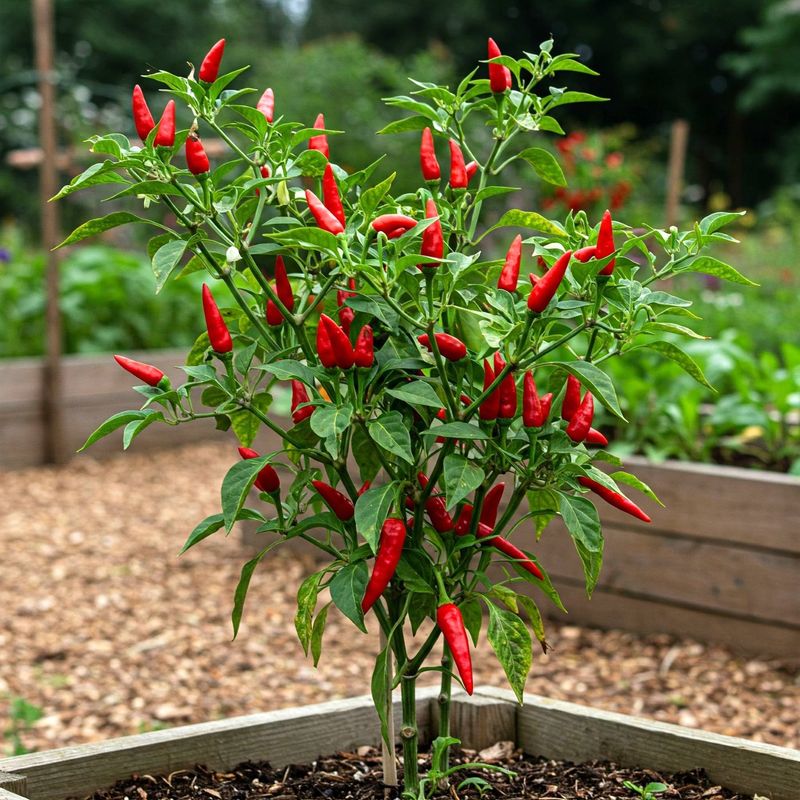
Peppers might look sturdy sitting in those little nursery pots, but they are actually more cold-sensitive than tomatoes.
Capsicum annuum, the species behind most sweet and hot peppers, essentially shuts down when soil temperatures fall below around 60 degrees Fahrenheit.
In Michigan, where spring warms slowly thanks to the influence of the Great Lakes, that threshold is rarely met before mid-May.
Planting peppers too early is one of the most common reasons Michigan gardeners end up with stunted, underperforming plants all season long.
Cold stress during those first weeks causes cellular damage that the plant never fully recovers from, even when summer heat finally arrives. You might see the plant survive, but yields stay low and fruiting comes late.
The smart move is to wait until late May when both soil and air temperatures are reliably warm. If you are growing peppers in northern Michigan or the Upper Peninsula, leaning toward early June is even safer.
Your Michigan Garden Changes Every Week. Your Plan Should Too.
Gardening in Michigan changes quickly throughout the season. Every Friday you’ll receive a simple weekly plan showing exactly what to plant, prune, fertilize, harvest, and protect so you never miss the right timing.
Start seeds indoors eight to ten weeks before your planned outdoor transplant date so seedlings are strong and ready when conditions are right.
Warming the soil with black plastic mulch before planting is a great trick that many Michigan gardeners swear by for getting peppers off to a strong, productive start.
3. Cucumbers
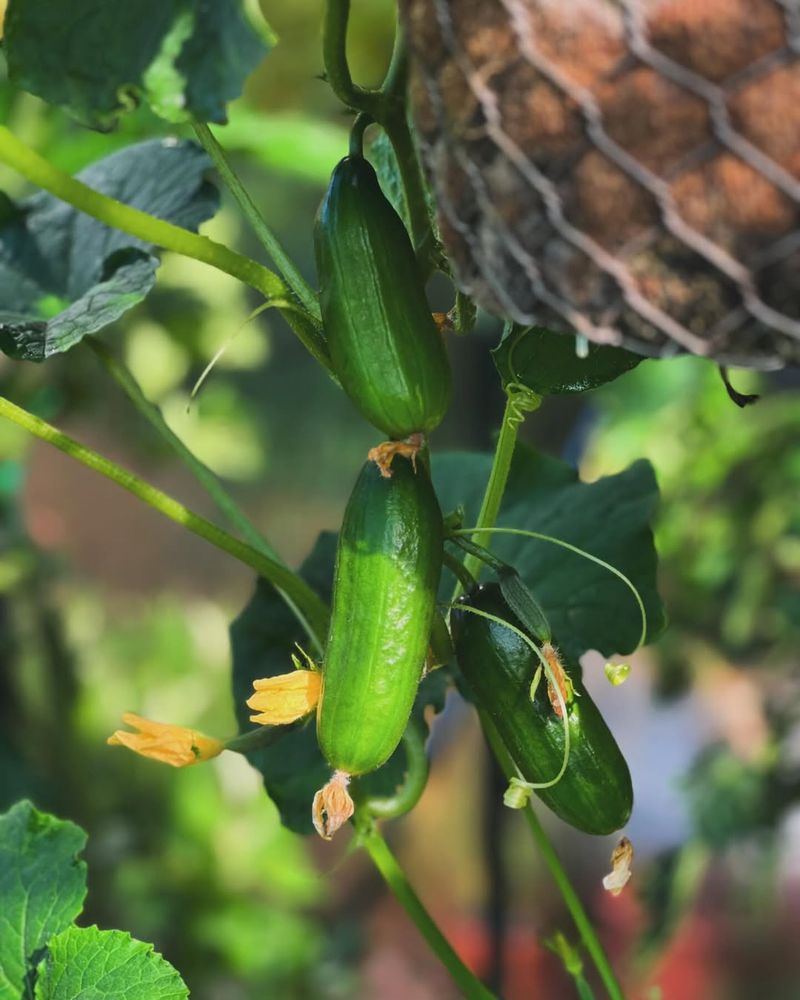
Cucumbers are one of those crops that look simple to grow but reward gardeners who pay close attention to timing.
Cold soil is a real problem for Cucumis sativus, and Michigan April conditions are almost always too wet and too cool for reliable germination or healthy transplanting.
Even a few cold nights can set back cucumber seedlings in ways that take weeks to recover from.
What makes cucumbers especially tricky in Michigan is that they show their cold stress slowly.
You might plant them in early April thinking everything looks fine, only to notice two weeks later that nothing has sprouted or that seedlings look pale and limp. By then, precious growing time has already slipped away.
Waiting until mid-to-late May gives cucumbers the warm, welcoming conditions they need to take off quickly. Soil temperatures should ideally sit at 65 to 70 degrees Fahrenheit for strong germination.
Whether you direct sow seeds or transplant nursery starts, the timing makes a huge difference in how vigorously the plants establish themselves.
Michigan summers can be shorter than gardeners would like, so starting cucumbers at the right time, rather than the earliest possible time, actually leads to a more productive and longer-lasting harvest season overall.
4. Zucchini And Summer Squash
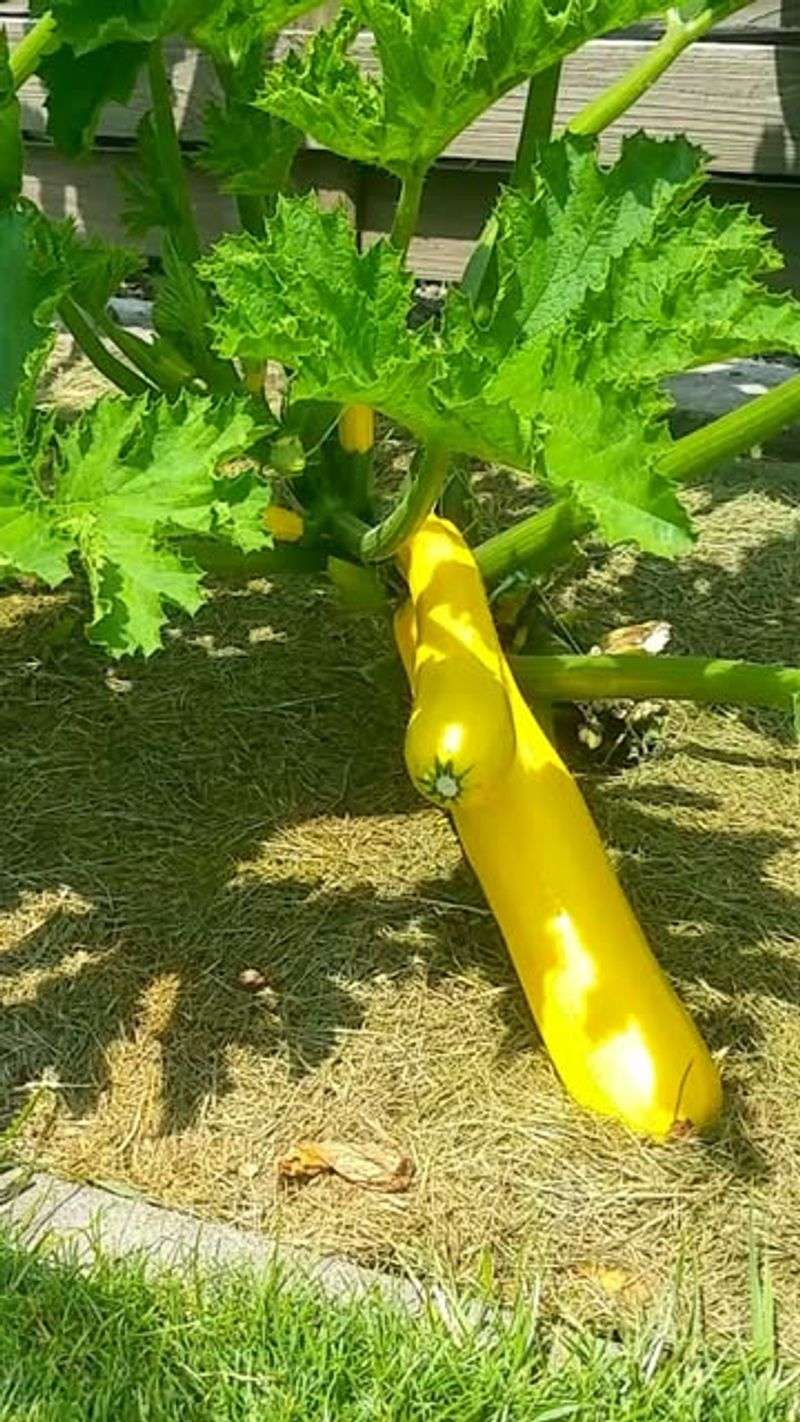
Zucchini has a reputation for growing so fast and so abundantly that gardeners joke about leaving bags of it on neighbors doorsteps. But that legendary productivity only happens when the plant gets the warm start it needs.
Cucurbita pepo, which covers zucchini and most summer squash varieties, needs soil temperatures of at least 60 degrees Fahrenheit to germinate and establish properly.
April in Michigan is simply not that warm yet, especially in northern regions and the Upper Peninsula where cold, wet soil lingers well into spring.
Seeds planted too early tend to sit in the ground without sprouting, and if they do sprout, the seedlings often grow slowly and look weak compared to those planted at the right time.
Wet, cold April soil also raises the risk of seed rot before germination even begins.
Sowing zucchini and summer squash seeds directly into the garden in May, once the soil has warmed and settled, gives plants the fast, strong start they thrive on.
These crops grow so quickly in warm conditions that a mid-May planting in Michigan will easily catch up to and outperform an impatient early April planting.
Two or three plants per household is usually more than enough, and by midsummer, you will have more squash than you know what to do with.
5. Beans
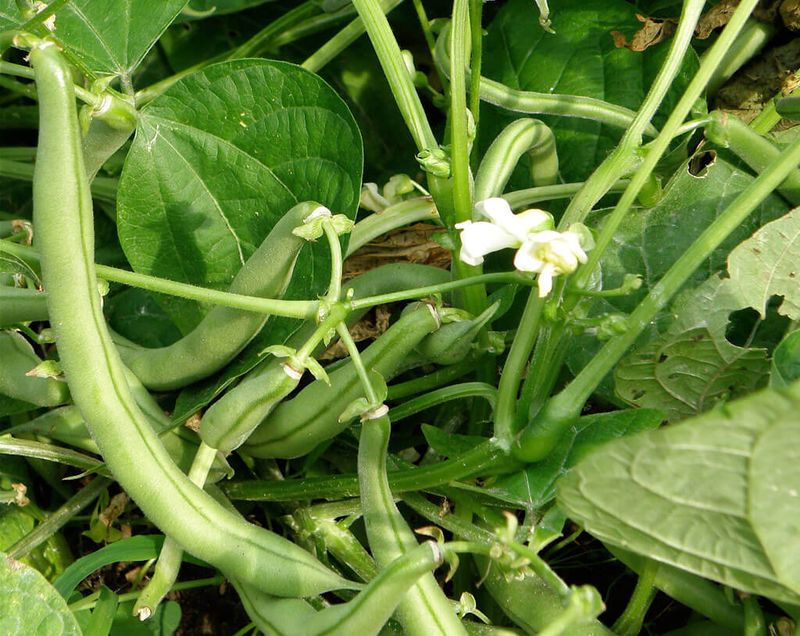
Beans seem like one of the easiest vegetables to grow, and in the right conditions, they absolutely are. But planting them too early in Michigan is a recipe for disappointment.
Bean seeds are highly vulnerable to rotting in cold, wet soil, and April in Michigan delivers exactly those conditions across most of the state. Once a seed rots underground, there is no saving it, and you end up replanting anyway.
Phaseolus vulgaris, which includes most common snap, string, and bush bean varieties, germinates best when soil temperatures are consistently above 60 degrees Fahrenheit.
Below that threshold, seeds absorb moisture without activating properly, sitting in the ground long enough to fall prey to soil fungi and bacteria.
Michigan gardeners who have tried early April bean planting often report thin, patchy germination that leads to a frustrating and uneven harvest.
Mid-to-late May is the sweet spot for bean planting across most of Michigan. At that point, soil has warmed, drainage has improved after spring rains, and seeds sprout reliably within seven to ten days.
Beans also grow quickly enough that a late May start still gives you plenty of harvest time before the season winds down in fall. Succession planting every two to three weeks through June keeps fresh beans coming all summer long without gaps.
6. Basil
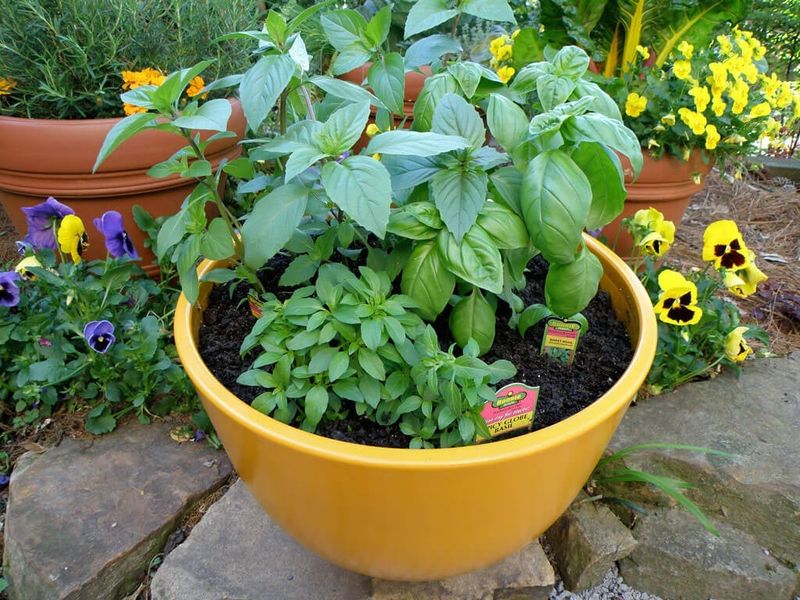
Basil is one of the most beloved herbs in any kitchen garden, but it is also one of the most cold-intolerant plants you can grow in Michigan.
Even a brief exposure to temperatures near 50 degrees Fahrenheit can cause chilling injury, turning leaves dark and causing them to wilt in ways that look alarming.
A hard frost will wipe out a basil plant almost instantly, making early planting in Michigan an especially risky move.
Ocimum basilicum thrives in heat and full sun, which is why it pairs so naturally with tomatoes both in the kitchen and in the garden.
Cool Michigan nights that persist well into spring, particularly in northern regions and the Upper Peninsula, create conditions that basil simply cannot handle.
Even if the plant survives a cold snap, the resulting stress slows growth and reduces the aromatic oil production that gives basil its incredible flavor.
Waiting until mid-to-late May to plant basil outdoors in Michigan gives the herb the warm, stable environment it needs to truly flourish.
Soil temperatures above 60 degrees and consistent nighttime warmth allow basil to grow vigorously and produce those big, fragrant leaves all summer long.
If you start seeds indoors four to six weeks early, you will have robust transplants ready to go the moment outdoor conditions are just right for this sunshine-loving herb.
7. Eggplant
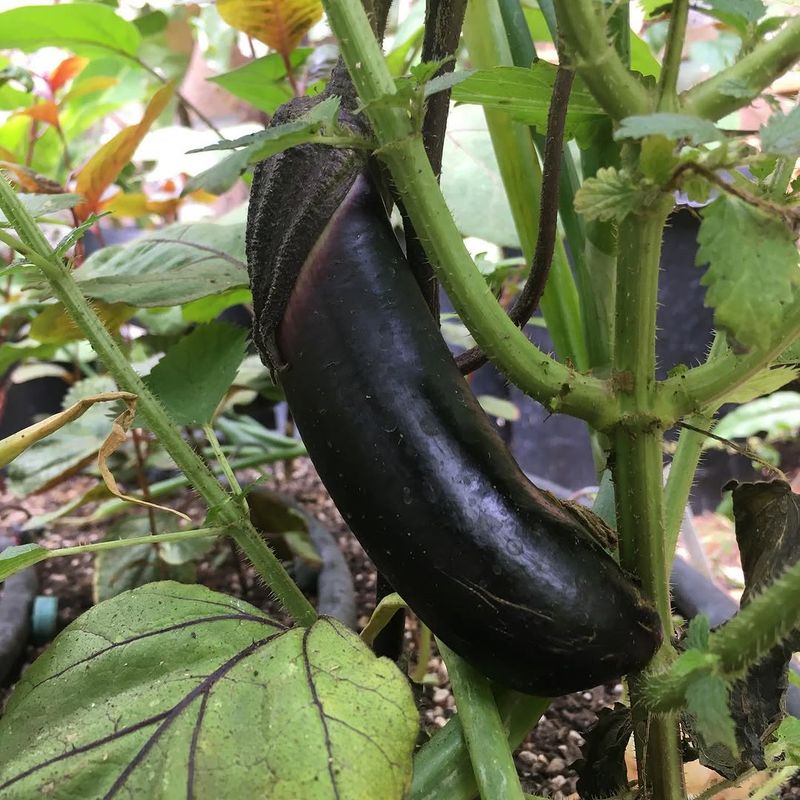
Eggplant is the quiet overachiever of the summer vegetable garden, producing glossy, beautiful fruit that is endlessly versatile in the kitchen. But getting there requires patience, especially in Michigan where spring soil warms up slowly.
Solanum melongena is even more demanding about temperature than tomatoes or peppers, and cold stress early in the season can delay flowering and dramatically reduce the number of fruits the plant produces.
In Michigan, eggplant planted in April almost never performs well. The plants may survive, but they tend to sit in a kind of cold-induced holding pattern, barely growing and looking sad while waiting for warmth that takes weeks to arrive.
By the time the soil finally warms up, these early-planted eggplants are already behind their mid-May counterparts in terms of root strength and overall vigor.
For most of Michigan, late May is the ideal time to get eggplant into the ground. Gardeners in the Upper Peninsula or cooler northern areas should consider waiting until early June to be safe.
Eggplant loves warm soil, consistent heat, and full sun, and it rewards patient gardeners with a generous harvest.
Start seeds indoors eight to ten weeks before your planned outdoor planting date, and consider using black plastic mulch to pre-warm your garden beds and give these heat-loving plants the strong, productive start they truly deserve.