How To Keep Chipmunks Out Of Your Michigan Garden In April
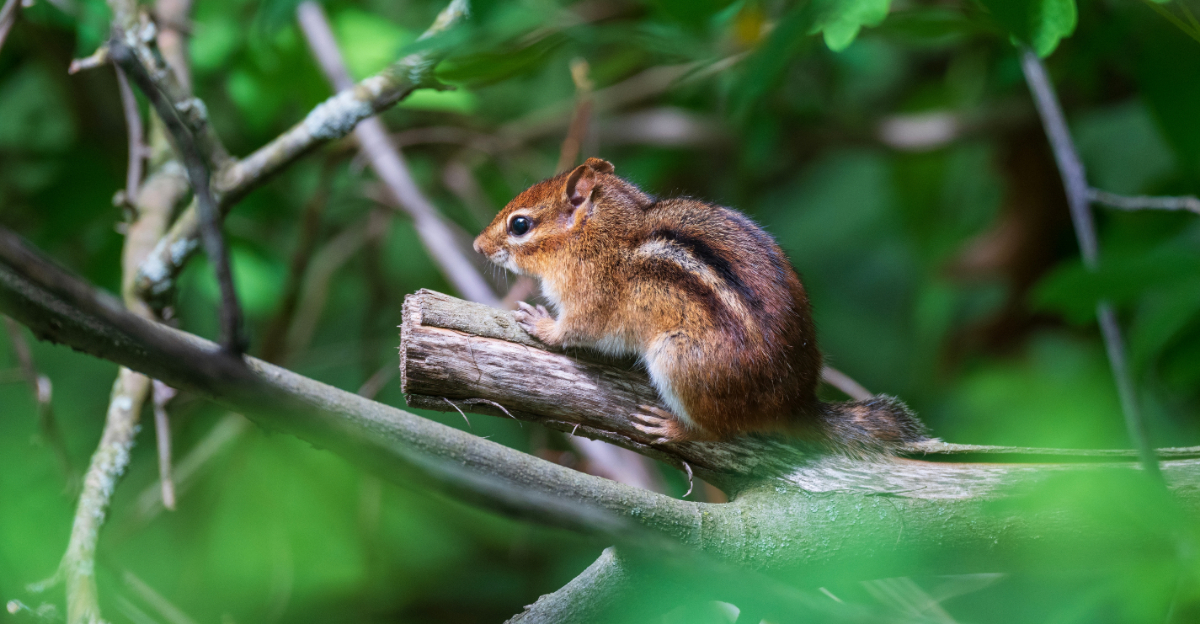
April in Michigan always feels like the garden is finally opening for business again. Beds get cleaned up, seedlings start going in, and every little sign of growth feels exciting after a long winter.
Then chipmunks show up, darting along stone edges, slipping under sheds, and making themselves far too comfortable around all that fresh spring activity.
A lot of gardeners do not mind seeing them at first. They look harmless enough, and for a day or two they can even seem a little funny.
That changes fast when holes start appearing, bulbs get disturbed, or newly planted areas look like something tiny has been digging for treasure before breakfast.
This is the month when their habits become much easier to notice, and that is exactly why timing matters. Michigan gardeners who act early usually have a better shot at protecting tender spots before chipmunks settle into their spring routine.
1. Remove Logs Stones And Debris Near Beds
One of the simplest and most overlooked ways to protect your Michigan garden is to take away the places where chipmunks love to hide. Chipmunks are naturally cautious animals.
They prefer to move through areas where they feel covered and protected, which makes cluttered garden spaces absolutely perfect for them.
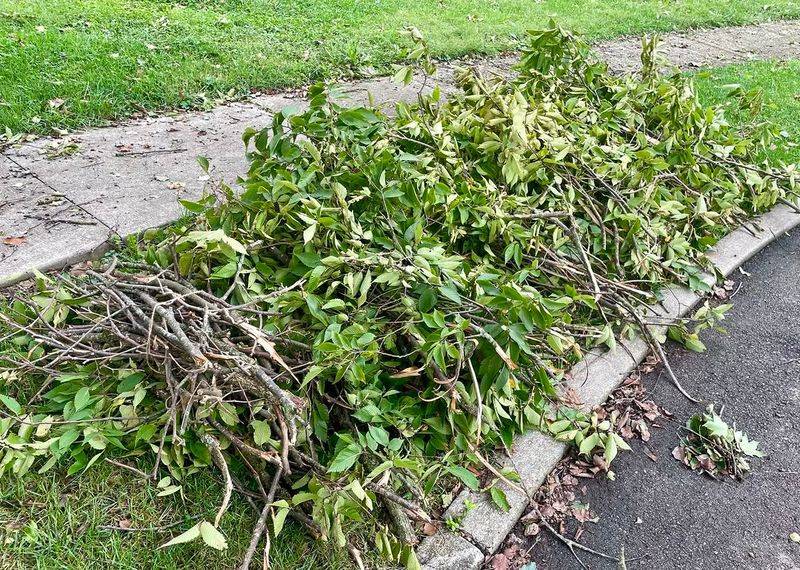
Old logs, piles of stones, and leftover leaf debris from fall create cozy little tunnels and hiding spots right next to your garden beds. When chipmunks feel safe near your plants, they are much more likely to stick around and cause problems.
Removing that shelter makes your garden feel risky to them, and they will often move on to find a safer spot elsewhere.
Start by walking around your garden beds in early April and looking for anything that could serve as cover. Pull away stacked wood, large stones sitting close to beds, and any thick layers of leaves or garden waste.
You do not have to strip your yard completely bare. Just focus on the areas within a few feet of where you are planting.
Keeping a tidy border around your beds is one of the best long-term habits a Michigan gardener can build. It also makes it easier to spot chipmunk activity early, like fresh digging or disturbed soil, before real damage sets in.
A clean garden perimeter is your first and most natural line of defense against chipmunks every spring.
2. Close Openings Around Structures
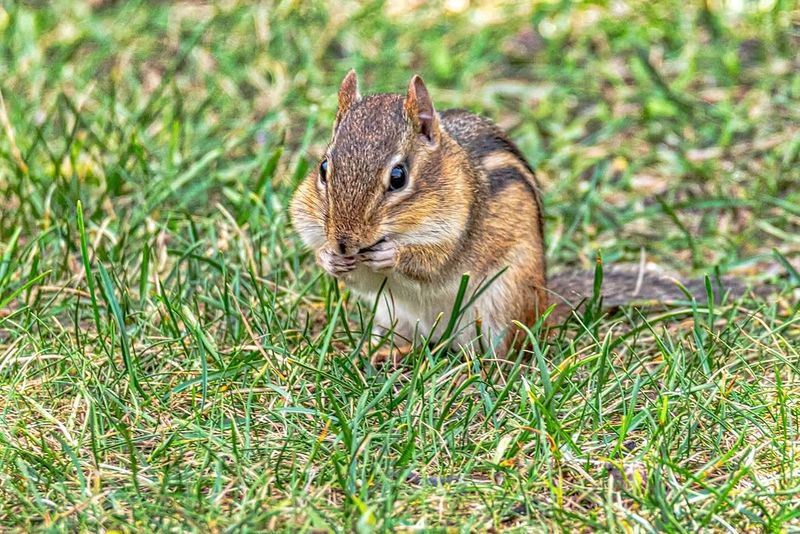
Chipmunks are surprisingly good at squeezing through tiny gaps. If there are openings around your shed, deck, porch, fence posts, or garden structures, chipmunks will find them and move right in.
Once they nest under or inside a structure near your garden, they become a much harder problem to manage.
Walk around every structure close to your garden beds and look for gaps larger than a quarter inch. Pay special attention to the base of sheds, the edges of wooden decks, spaces under raised garden beds, and anywhere pipes or cables enter a building.
Even a small crack can be enough for a chipmunk to squeeze through and set up home.
Your Michigan Garden Changes Every Week. Your Plan Should Too.
Gardening in Michigan changes quickly throughout the season. Every Friday you’ll receive a simple weekly plan showing exactly what to plant, prune, fertilize, harvest, and protect so you never miss the right timing.
Hardware cloth with quarter-inch openings is one of the best materials for sealing these gaps. It is strong, affordable, and resistant to chewing.
Cut pieces to fit over openings and secure them tightly with staples or screws. For gaps at ground level, bury the bottom edge a few inches into the soil so chipmunks cannot simply dig under it.
Michigan gardeners often focus on what is growing in their beds while forgetting about what is happening underneath nearby structures. Closing these entry points in early April, before chipmunks get settled for the season, makes a big difference.
A quick inspection and a roll of hardware cloth can save you a lot of frustration later in the growing season when your plants are at their most vulnerable.
3. Use Hardware Cloth To Exclude Chipmunks From Flower Beds
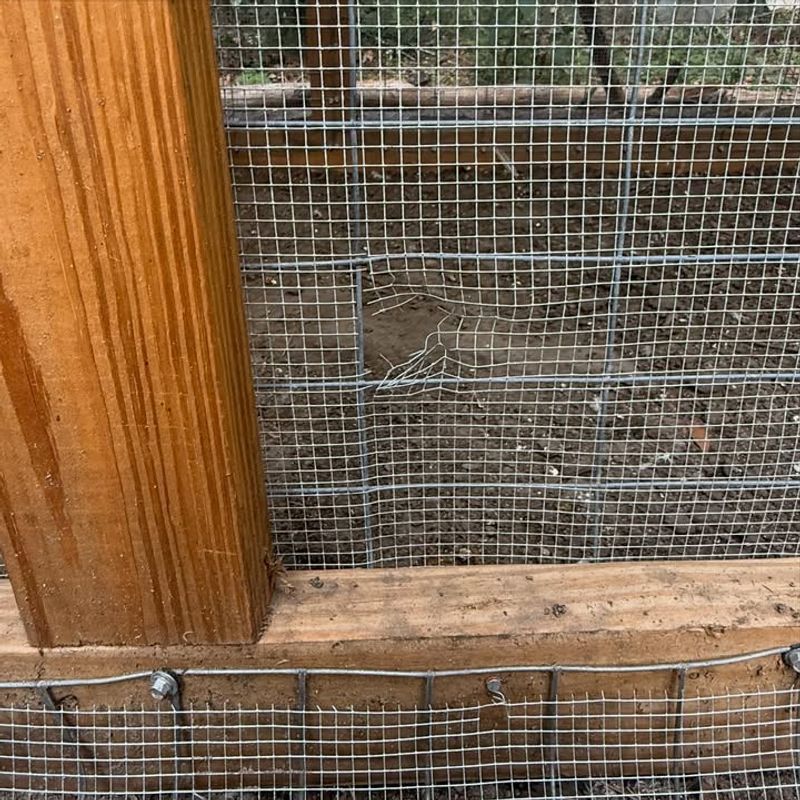
Hardware cloth is one of the most reliable tools a Michigan gardener can use against chipmunks, and using it directly over flower beds gives your plants real physical protection. Unlike fencing that stands upright, this method involves laying the cloth flat over or just under the soil surface so chipmunks cannot dig through to reach your plants.
Choose hardware cloth with openings no larger than a quarter inch. Larger openings give chipmunks just enough room to push through or dig around.
Cut the cloth to fit the shape of your bed, and either lay it on top of the soil or bury it just below the surface, depending on what you are planting. For established perennials, placing it on top and cutting small holes around plant stems works well.
Secure the edges with garden staples or landscape pins so the cloth stays flat and does not shift. Chipmunks are persistent, and a loose edge is an invitation to poke around and find a way in.
Weigh down any unsecured sections with stones or soil until you can fasten them properly.
Many Michigan gardeners are surprised by how effective this simple barrier can be. It does not harm the plants, allows water and sunlight through, and creates a physical obstacle that chipmunks simply cannot work around.
Pair it with other cleanup strategies and you have a flower bed that is genuinely difficult for chipmunks to access, giving your spring blooms the best possible start to the season.
4. Cover Seeds With Quarter Inch Hardware Cloth
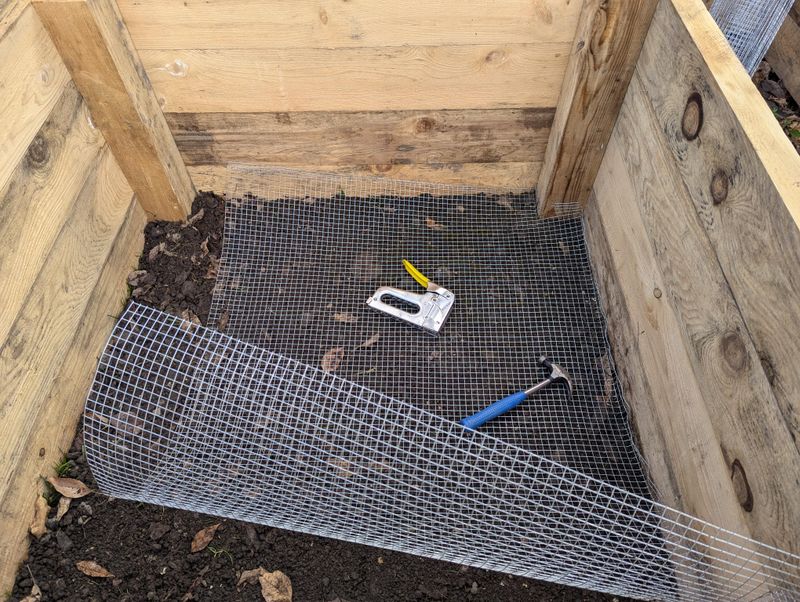
Freshly planted seeds are basically a free buffet for chipmunks. In April, when Michigan gardeners are sowing vegetable seeds and flower seeds directly into the ground, chipmunks are actively searching for exactly this kind of easy food source.
They can sniff out seeds just below the soil surface and dig them up with almost no effort at all.
Covering your seed rows with quarter-inch hardware cloth is one of the most straightforward ways to protect your planting investment. After you sow your seeds and water the bed, cut a piece of hardware cloth to cover the row or section completely.
Lay it flat on the soil and secure the edges with landscape staples or small stakes pushed firmly into the ground.
The key is to keep the cloth in place until your seedlings are tall enough that chipmunks are no longer interested in digging for seeds. Once plants have sprouted and started growing, the appeal of that spot drops significantly.
At that point, you can remove the cloth or reposition it to cover a freshly seeded area nearby.
Quarter-inch openings are the right size because they let rain and sunlight reach the seeds while blocking chipmunks from accessing the soil underneath. Larger mesh sizes are not as effective because chipmunks can still reach through or widen the openings with their paws.
Michigan gardeners who use this method consistently report much better seed survival rates in spring, especially in garden beds close to wooded areas or yards with active chipmunk populations.
5. Cover Bulbs With Quarter Inch Hardware Cloth

Tulips, crocuses, and other spring bulbs are some of the most popular plants in Michigan gardens, and they also happen to be among chipmunks’ favorite snacks. These little animals have a sharp sense of smell and can locate bulbs buried several inches underground.
Without protection, a bed full of carefully planted bulbs can be completely dug up in just a night or two.
Covering bulbs with quarter-inch hardware cloth is one of the most proven methods for keeping them safe. You can do this in two ways.
The first is to plant your bulbs normally and then lay a flat sheet of hardware cloth directly over the planting area, securing the edges so chipmunks cannot lift or slide under it. The second is to create small wire cages around individual clusters of bulbs before backfilling the soil.
Both approaches work well, but the flat sheet method is faster and easier for large beds. Make sure the cloth extends well beyond the outer edge of your planting area, since chipmunks will sometimes try to dig in from the side rather than straight down from above.
Come spring, when your bulbs push upward, the shoots will grow right through the small openings in the mesh without any problem. You can leave the cloth in place or remove it once the plants are a few inches tall.
Michigan gardeners who plant tulips near wooded neighborhoods especially benefit from this step, as chipmunk activity tends to be heaviest in those areas during April and early May.
6. Extend Hardware Cloth At Least 1 Foot Past The Planting Edge
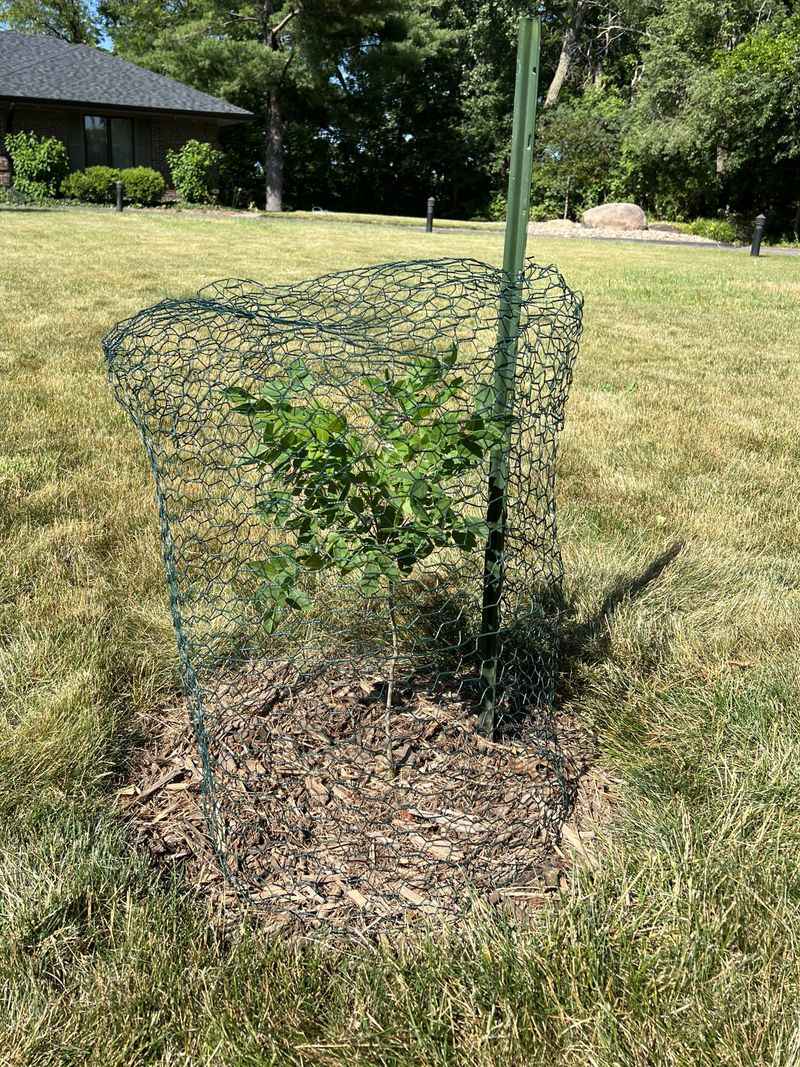
Here is something a lot of gardeners learn the hard way: covering just the center of your planting area is not enough. Chipmunks are clever and persistent, and they will simply dig in from the side if the barrier does not extend far enough.
To truly protect your beds, hardware cloth needs to go at least one full foot past the outer edge of your planting area on every side.
Think of it like a moat around a castle. The goal is to make it difficult for chipmunks to find a starting point for digging anywhere near your plants.
When the cloth extends outward by a foot or more, chipmunks would have to dig well away from your bed and then tunnel underground at an angle to reach the roots or bulbs. That level of effort is usually enough to discourage them.
When installing the cloth, press the outer edges firmly into the soil and use landscape staples every six to eight inches around the perimeter. If your soil is loose or sandy, which is common in parts of Michigan, press the staples in deeper or weigh down the edges with a thin layer of mulch or soil.
This extended coverage approach works especially well when combined with the other exclusion methods on this list. It turns a simple barrier into a comprehensive shield.
Michigan gardeners dealing with heavy chipmunk pressure in wooded or suburban neighborhoods will find this extra foot of coverage makes a noticeable difference in how well their spring plantings survive through April and into May.
7. Use Trapping Where Needed
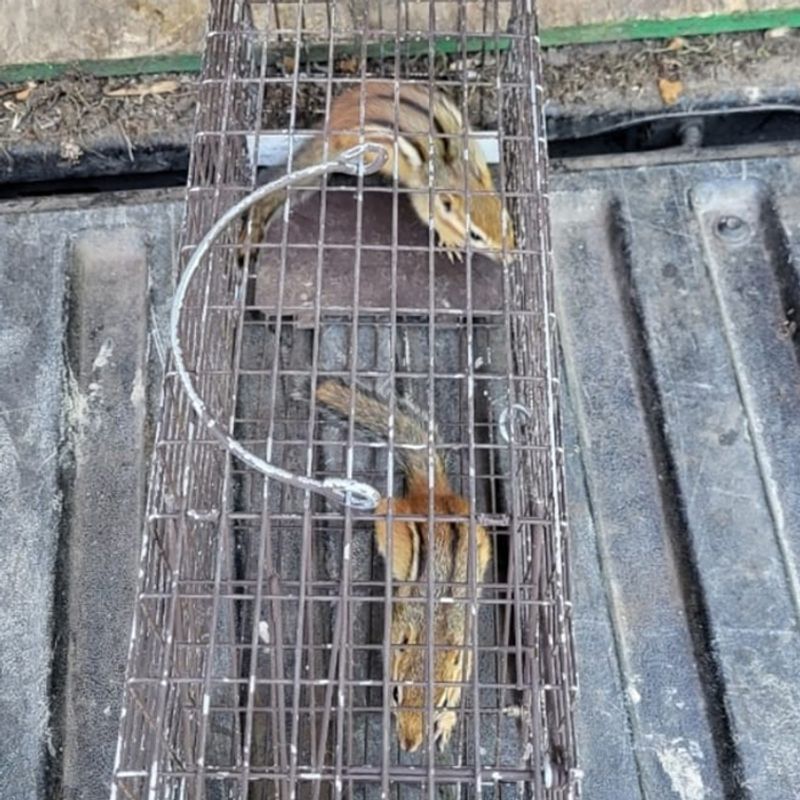
Sometimes, even after you have cleaned up debris and installed barriers, a persistent chipmunk keeps finding ways to cause trouble. When that happens, live trapping can be a practical and humane way to remove the problem animal and relocate it far from your garden.
Trapping works best as a targeted response rather than a first step.
Live traps designed for small rodents are widely available at hardware stores and garden centers across Michigan. Look for a trap that is roughly ten inches long with a wire mesh body and a trigger plate inside.
Bait the trap with something chipmunks love, like sunflower seeds, peanut butter, or a small piece of cracker. Place it near active burrow entrances or along paths where you have noticed chipmunk movement.
Check the trap at least twice a day, morning and evening. Leaving a chipmunk inside for too long causes unnecessary stress to the animal.
Once you have caught one, transport it at least five miles away before releasing it in a wooded area away from homes and gardens. Releasing it too close by means it may simply find its way back.
Before trapping, check Michigan’s local wildlife guidelines, since regulations on relocating wild animals can vary by county. Wildlife rules can vary, so it is important to confirm current Michigan and local requirements before trapping or relocating chipmunks.
Trapping is most effective when used alongside exclusion and cleanup strategies, not as a standalone fix for a larger chipmunk problem in your Michigan yard.
8. Focus On Exclusion And Site Cleanup First
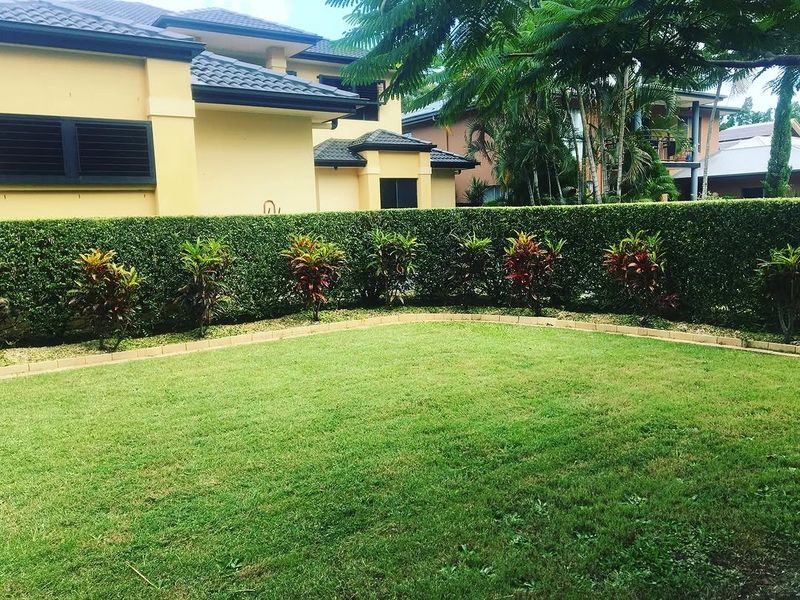
If there is one takeaway from everything on this list, it is that prevention always beats reaction. Exclusion and site cleanup are the foundation of any successful chipmunk management plan, and they should always come before reaching for traps or repellents.
When your garden is clean, well-sealed, and properly protected with physical barriers, chipmunks simply have fewer reasons to settle in.
Start each April in Michigan with a full walkthrough of your garden space. Look for debris piles, open gaps, uncovered beds, and any spots where chipmunks might find food or shelter.
Address those issues first, before you plant anything. A little time spent on prevention at the start of the season saves a lot of frustration later when your tulips are blooming and your vegetable seedlings are just getting started.
Exclusion methods like hardware cloth are especially valuable because they work around the clock without any ongoing effort from you. Once installed correctly, they keep protecting your plants whether you are home or not.
Cleanup removes the conditions that attract chipmunks in the first place, making your yard less appealing compared to neighboring properties.
Michigan gardens face real chipmunk pressure every spring, especially in neighborhoods near forests, parks, or open fields. Combining thorough site cleanup with solid physical exclusion gives you a two-layer defense that is both affordable and effective.
Gardeners who make these habits part of their annual spring routine consistently enjoy healthier, fuller gardens with far less wildlife interference throughout the entire growing season.