8 Signs Rats May Be Hiding In Your Florida Garden
Most Florida gardeners know the feeling of stepping outside early in the morning, coffee in hand, ready to check on plants that took real time and care to grow.
Everything can look fine at first glance, but something feels just a little off, like the space has changed overnight.
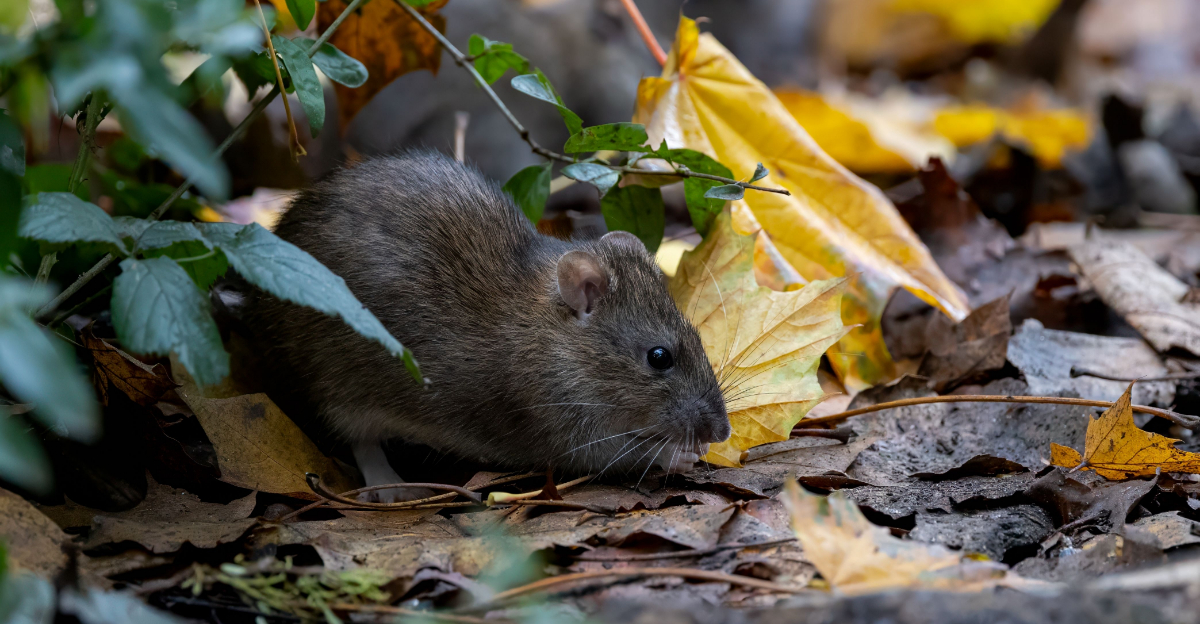
In Florida’s warm climate, rats stay active year-round, often slipping into gardens that offer food, water, and shelter. They do not make a grand entrance.
Instead, they leave behind small, easy-to-miss clues that many homeowners overlook until the damage starts adding up and patterns begin to form.
Once you know what to watch for, those quiet changes start to stand out in ways that are hard to ignore, and a few of them might already be happening right under your nose without you realizing it.
1. Fresh Droppings Near Beds, Walls, Or Sheds
One of the most reliable clues that rats have moved into your Florida garden is finding fresh droppings scattered near plant beds, along walls, or close to sheds. Rat droppings are dark brown or black, shaped like tiny pellets, and roughly half an inch to three-quarters of an inch long with pointed ends.
Fresh ones look shiny and moist, while older droppings turn dry and crumble easily.
Florida homeowners often discover these near compost bins, vegetable gardens, or anywhere food scraps might be present. Rats tend to leave droppings along their regular travel paths, so finding a cluster in one spot usually means they pass through that area repeatedly.
Checking around the base of sheds, along fence lines, and beside raised garden beds is a smart starting point.
If you find droppings, avoid touching them with bare hands since they can carry bacteria. Wear gloves and a mask when cleaning them up, and use a disinfectant spray before wiping the area down.
Discovering droppings in multiple locations around your yard suggests a larger population may already be established. Acting quickly by removing food sources, securing garbage bins, and contacting a pest control professional in your area can help you get ahead of the situation before it worsens.
2. Burrows In Soil, Mulch, Or Along Foundations
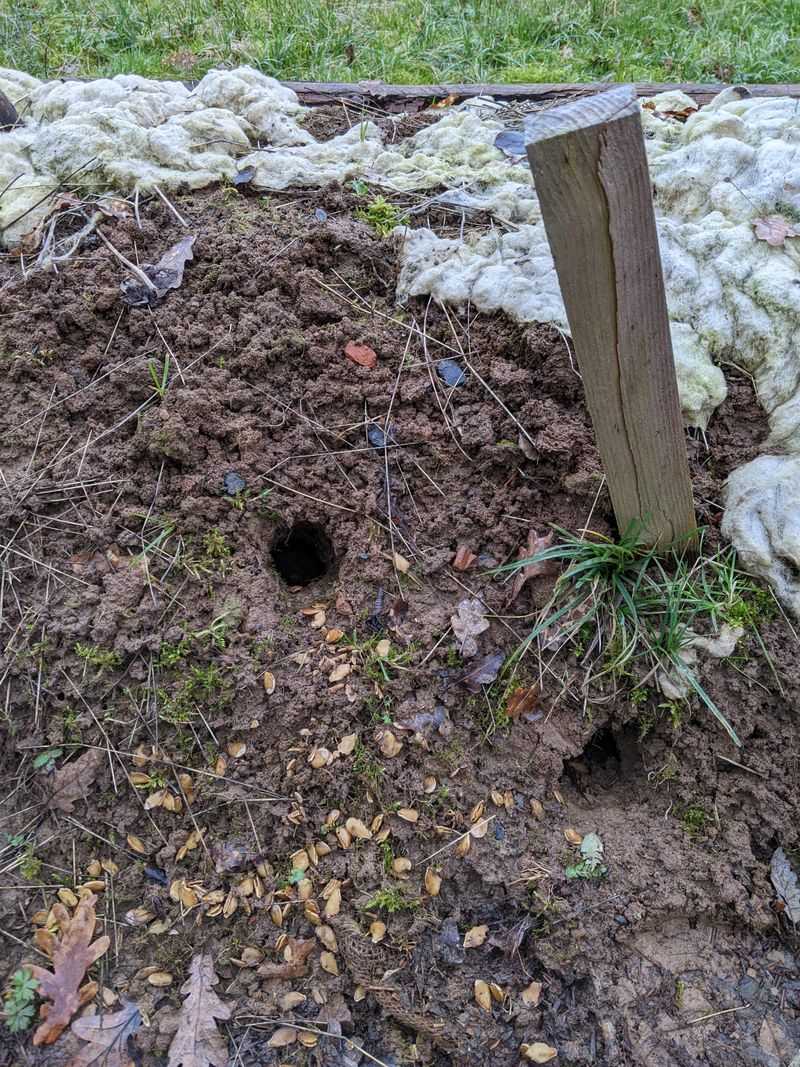
Stumbling across a hole in your garden that was not there yesterday is never a good sign. Rats are natural diggers, and in Florida’s warm, soft soil, they can create burrows quickly and efficiently.
These tunnel entrances are typically two to four inches wide and often appear near foundations, under thick shrubs, alongside fences, or beneath outdoor structures like decks and sheds.
The soil around a fresh burrow usually looks loose and disturbed, and you might notice a small mound of dirt piled near the entrance. Mulched garden beds are especially popular spots because the material is easy to push through and provides excellent cover.
Rats use these burrows as nesting sites, escape routes, and storage areas for food they have gathered from nearby plants or trash.
Florida’s mild winters mean rats can stay active and keep expanding their burrow systems all year long, unlike in colder states where activity slows down. A single burrow might house an entire family, so one hole can quickly become many.
Your Florida Garden Changes Every Week. Your Plan Should Too.
Gardening in Florida changes quickly throughout the season. Every Friday you’ll receive a simple weekly plan showing exactly what to plant, prune, fertilize, harvest, and protect so you never miss the right timing.
Try pressing a small amount of soil loosely into the opening and checking back the next day. If the soil has been pushed aside, the burrow is actively in use.
Filling burrows with gravel or contacting a licensed pest control service in your area is the safest and most effective response to confirmed rat tunneling in your yard.
3. Gnaw Marks On Plants, Wood, Or Irrigation Lines
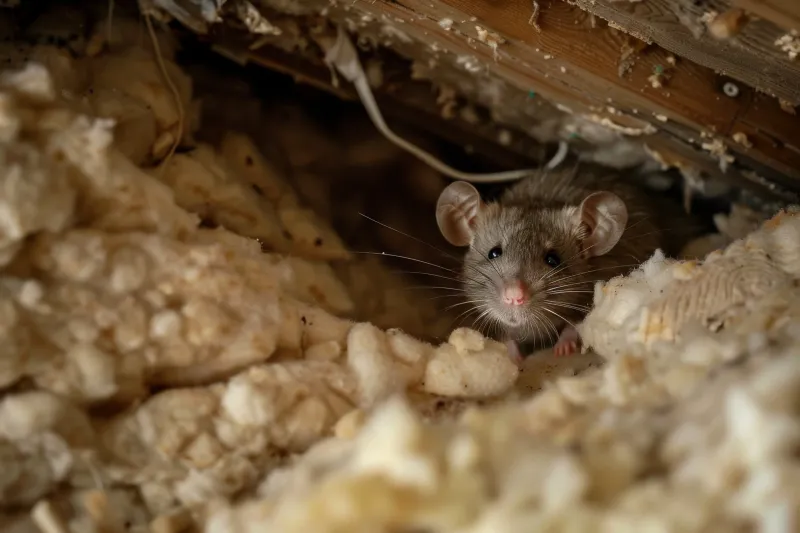
Rats never stop gnawing. Their front teeth grow continuously throughout their lives, so chewing on hard surfaces is something they do out of necessity, not just habit.
In a Florida garden, this means your wooden shed doors, irrigation hoses, landscape wiring, plastic containers, and even the stems of your favorite plants are all fair game.
Fresh gnaw marks are easy to identify because they look light in color and have a rough, splintered texture. Older marks darken over time as the wood or plastic weathers.
On plants, look for stems that appear neatly chewed through near the base or fruits with bite-sized chunks missing. Tomatoes, squash, melons, and citrus fruits can be targeted by rats in Florida gardens, especially when other food sources are limited or easily accessible.
Chewed irrigation lines are a particularly frustrating sign because they can lead to water waste and damage to your landscaping before you even realize what caused the leak. Running your hands along drip lines and soaker hoses during your regular garden checks can help you catch damage early.
Wrapping irrigation lines in protective coverings or replacing plastic components with metal alternatives can reduce the appeal for gnawing rats. Checking wooden structures like raised beds and compost bin frames for chew marks is also a good habit to develop, especially if you live in a wooded area of Florida where rat populations tend to be higher.
4. Narrow Runways Through Grass Or Groundcover
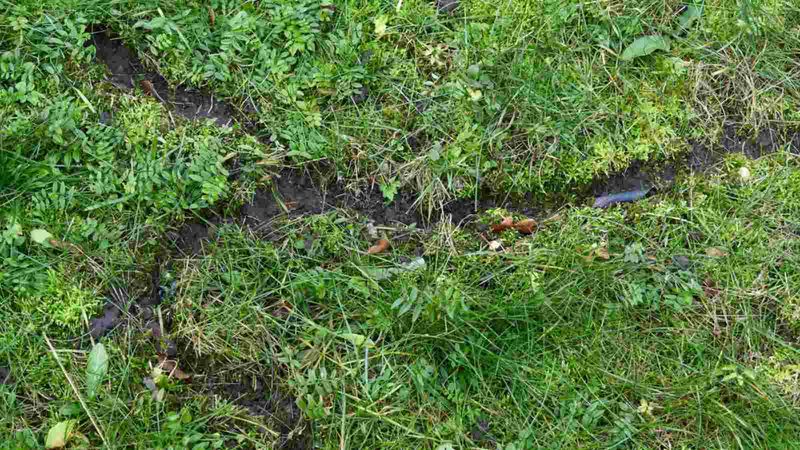
Look closely at your lawn or groundcover the next time you walk through your Florida garden. If you notice a narrow, flattened path cutting through the grass, weeds, or low-growing plants, that trail did not form by accident.
Rats travel the same routes so consistently that they wear down the vegetation beneath their feet, creating what pest experts call rat runs or runways.
These pathways are usually two to three inches wide and run in fairly straight lines between sheltered spots like woodpiles, compost bins, shrubs, or the base of fences. They are easiest to see in the early morning when dew clings to the undisturbed grass around the path, making the flattened trail stand out by contrast.
In Florida’s lush, fast-growing gardens, runways can be harder to spot during the rainy season when plants bounce back quickly, so checking during drier stretches is more effective.
Discovering a runway is actually a useful clue because it points you directly toward the areas rats consider safe and familiar. Following the trail in both directions can reveal where they are nesting and where they are feeding.
Trimming groundcover and keeping grass short reduces the cover rats need to feel safe using these routes. Eliminating hiding spots along known runways, like overgrown shrubs or stacked debris, makes your Florida garden far less inviting to rodents looking for a comfortable and protected path to travel.
5. Greasy Rub Marks Along Walls Or Fences
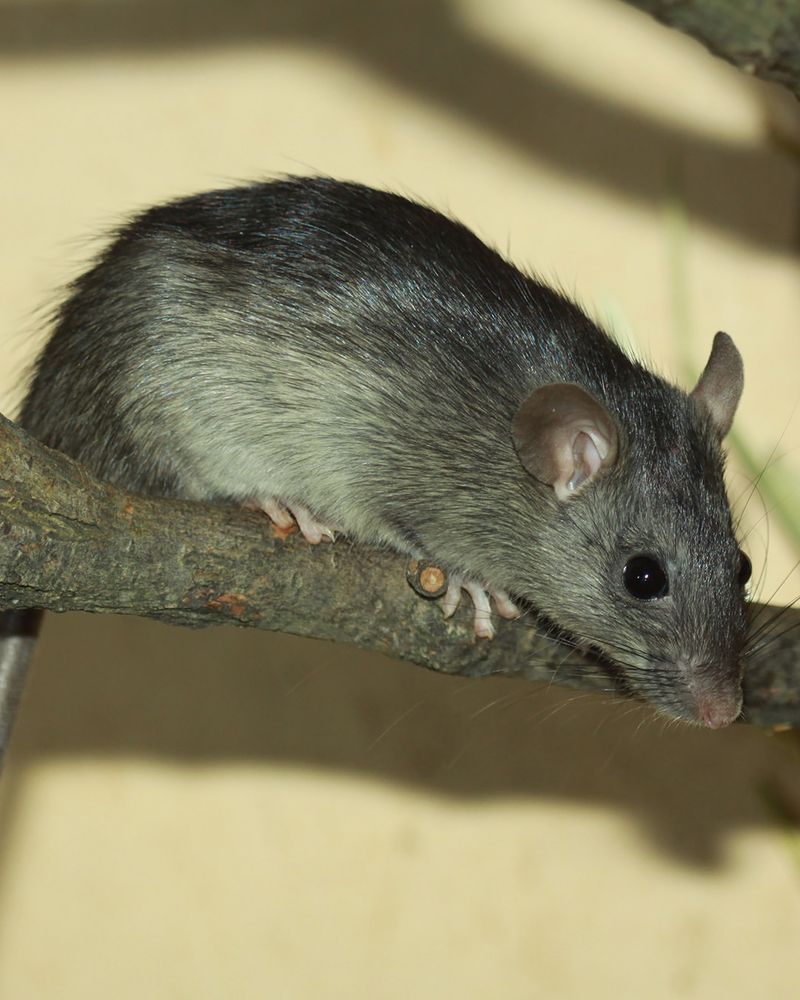
Rats are creatures of habit, and once they find a safe route through your yard, they use it over and over again. As they travel the same path repeatedly, the natural oils and dirt in their fur rub off onto surfaces they brush against.
Over time, this creates dark, greasy streaks called rub marks or smudge marks along walls, fence posts, the base of garden structures, and even the stems of larger plants.
Spotting these marks can be tricky because they blend in easily with dirt or weathered wood, but they tend to appear at rat height, which is low to the ground. Running your finger along a suspicious dark streak and feeling a slightly greasy or waxy texture is a pretty reliable confirmation.
In Florida’s humid climate, these marks can develop faster because rats stay active all year and moisture helps the oils cling to surfaces longer.
Finding rub marks in your garden tells you more than just that rats are present. It also shows you exactly where they travel, which is valuable information if you plan to set traps or contact a pest control professional.
Placing traps along confirmed travel routes significantly increases your chances of catching the culprits. Cleaning the marks away and watching to see if new ones appear can also help you track whether the problem is getting better or worse over time in your Florida yard.
6. Tracks Or Tail Marks In Soil Or Dust
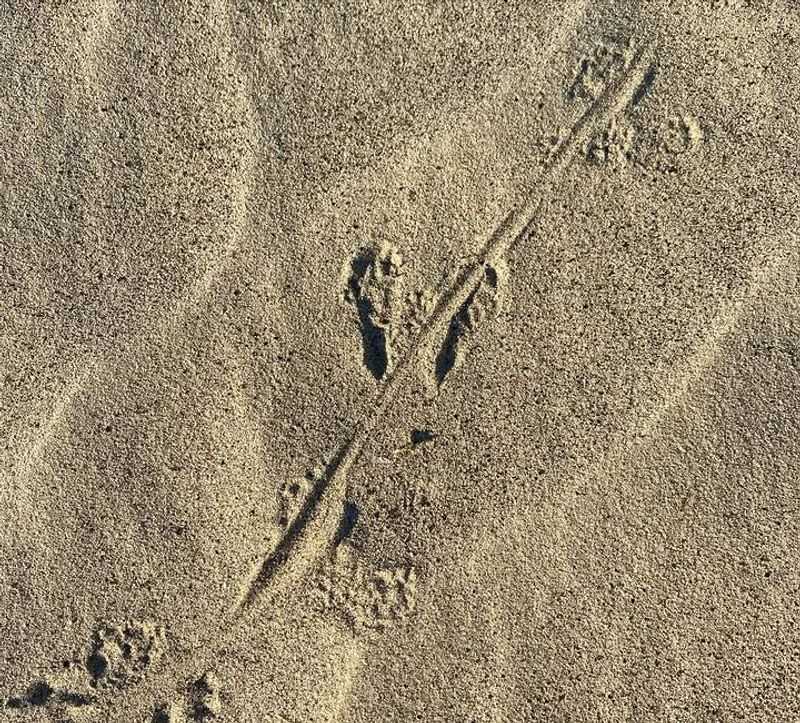
Soft soil and dusty surfaces in a Florida garden can act like a natural tracking pad, capturing the footprints of any creature that passes through. Rat tracks are small but distinctive.
Their front paws leave four-toed prints while their back paws leave five-toed prints, and a thin line running between the footprints reveals where the tail dragged along the ground. Spotting this pattern is a strong confirmation that rats have been moving through your yard.
The best time to look for tracks is in the early morning after a calm night, when the soil has had time to settle and nothing has disturbed the prints yet. Dry, dusty pathways beside garden beds, under raised structures, and near compost areas are the most likely places to find evidence.
In Florida, loose sandy soil near coastal or inland gardens makes tracking especially easy since even light pressure leaves a clear impression.
You can actually encourage track visibility by spreading a thin layer of flour or fine sand in a suspected area before nightfall and checking it the next morning. This simple trick is used by pest control professionals to confirm activity before setting traps.
Photographing the tracks and sharing them with a local pest control expert in Florida can also help confirm the species, since roof rats and Norway rats, both common in Florida, leave slightly different print patterns. Knowing which species you are dealing with helps guide the most effective response.
7. Shredded Nesting Material Under Cover
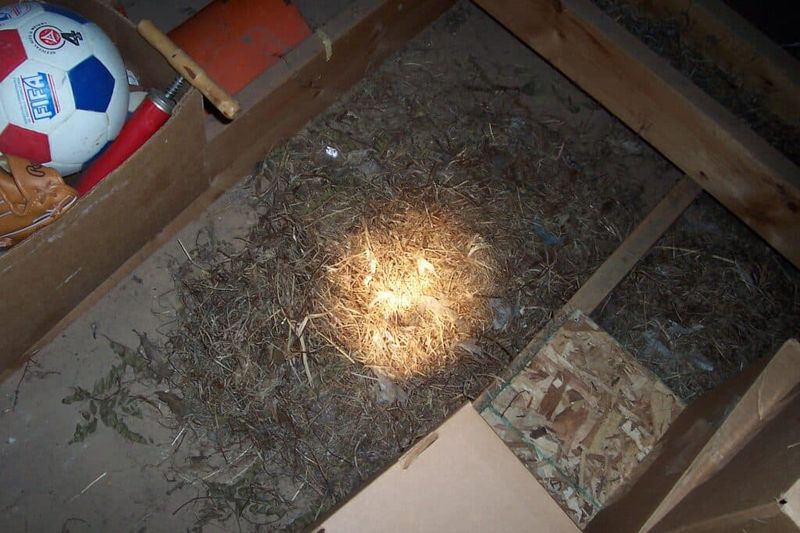
Finding a pile of shredded material tucked away in a hidden corner of your yard is one of the most telling signs that rats have set up a permanent home in your Florida garden. Rats build cozy nests using whatever soft material they can gather, including dried leaves, strips of bark, torn paper, grass clippings, fabric scraps, and even insulation pulled from outdoor equipment or sheds.
Common nesting spots include the space under decks, inside woodpiles, beneath dense shrubs, in the back corners of garden sheds, and under tarps or storage containers left on the ground. Florida’s warm climate means rats do not need insulation as urgently as rodents in colder regions, but they still build nests for shelter and to raise their young.
A nest that looks well-formed and compacted is a sign of long-term occupation, while a looser pile might indicate a newer arrival.
Rats reproduce rapidly, so a nest almost always signals that breeding is happening or will happen soon. A single female rat can produce multiple litters per year, meaning a small problem can grow into a large one within just a few months if left unaddressed.
Wearing protective gloves and a mask when inspecting suspected nesting areas is strongly recommended. Removing the nest alone will not solve the problem, but documenting its location and calling a licensed pest control service in your Florida area gives you the best chance of addressing the infestation at its source.
8. Activity At Dusk, Dawn, Or Night
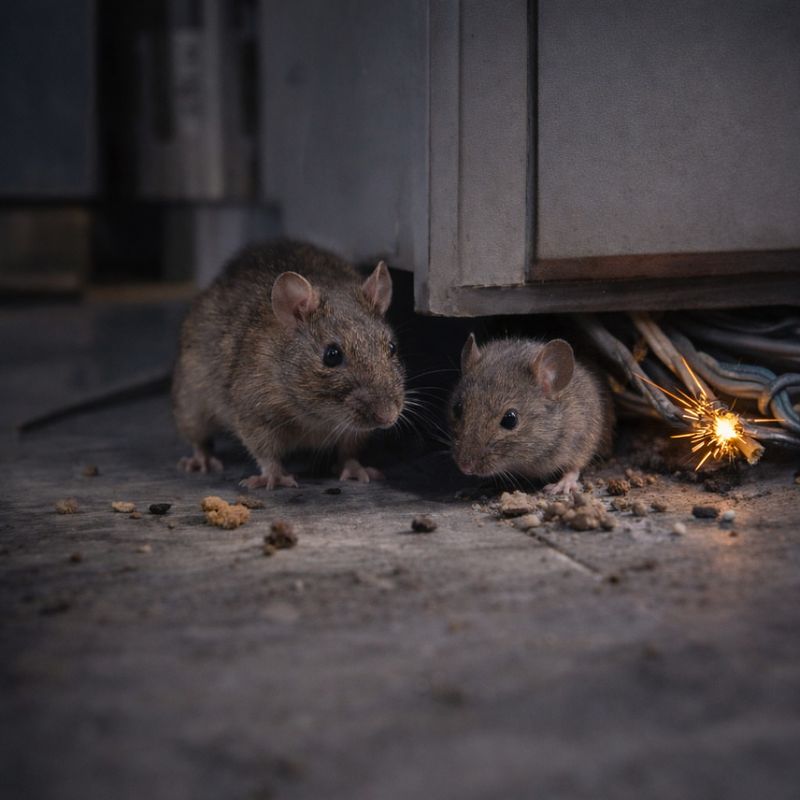
Rats are not exactly morning people. They are primarily nocturnal, which means most of their eating, exploring, and socializing happens after the sun goes down.
In Florida, where warm evenings are the norm for most of the year, rats stay especially active after dusk and again just before sunrise when light is low and foot traffic is minimal.
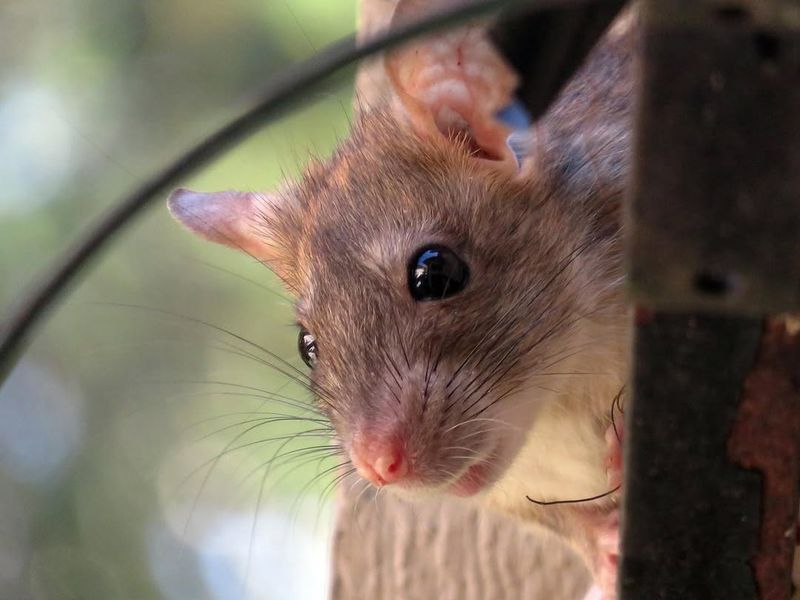
If you sit quietly near your garden at twilight and hear rustling in the bushes, scratching near the compost bin, or squeaking sounds coming from a woodpile, there is a good chance rats are on the move. You might even catch a glimpse of one darting along a fence line or disappearing under a shed.
Roof rats, which are extremely common throughout Florida, are agile climbers and are often spotted moving along tree branches or fence tops after dark.
Setting up a motion-activated outdoor camera is one of the best ways to confirm nighttime rat activity without having to stand outside in the dark. Many affordable options are available that record clear footage in low light, giving you solid evidence of what is happening in your garden after hours.
Once you confirm active nighttime movement, you can work with a pest control professional to set traps in the exact locations the camera reveals as high-traffic areas. Addressing the problem early, before a small nighttime visitor becomes a full colony, is always the smartest approach for Florida garden owners.