Plants To Add To Your Ohio Garden This April
April in Ohio has a way of pulling gardeners back outside, even after a long stretch of gray skies and cold mornings. The soil starts to loosen, garden beds come back into view, and that familiar urge to plant something returns almost overnight, even on cooler days.
This time of year brings a narrow but important window. Ohio’s temperatures are still shifting, and the soil is only just warming up, which means not every plant is ready for the ground yet.
Choosing the right ones now can make a noticeable difference in how the rest of the season unfolds, especially as spring settles in.
Some plants settle in quickly and handle those early swings better than others, and once you see which ones take off first, it changes how you approach every April from here on out in a very practical way.
1. Sugar Snap Peas For Early Spring Harvest
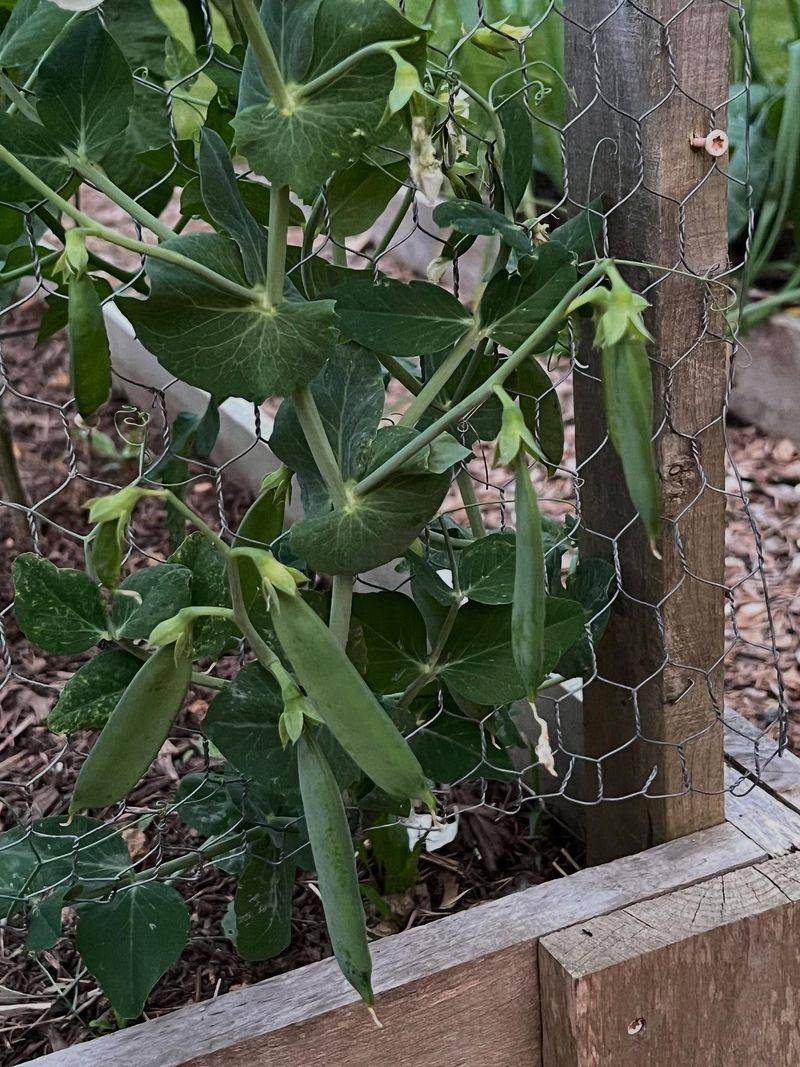
Few things beat the satisfying crunch of a freshly picked sugar snap pea right off the vine. These cheerful little climbers are one of the best vegetables to start in Ohio during April, and for good reason.
They love cool weather, tolerate a light frost, and grow quickly once the soil temperature hits around 45 degrees Fahrenheit.
Sugar snap peas grow on vines that can reach up to six feet tall, so giving them a trellis or fence to climb is a smart move. You can push the seeds directly into the ground about one inch deep and two inches apart.
Within just a week or two, you will start seeing tiny green shoots poking up through the soil, which is always an exciting moment for any Ohio gardener.
One of the best things about sugar snap peas is that you eat the whole pod, not just the peas inside. That makes them incredibly easy to harvest and enjoy raw, stir-fried, or tossed into a salad.
They are loaded with vitamin C and fiber, making them a nutritious addition to your plate.
If you plant a row in early April and another row two weeks later, you can stretch your harvest over several weeks before the Ohio summer heat sets in. Keep the soil evenly moist and watch out for aphids, which tend to target pea plants.
With just a little attention, sugar snap peas will reward you with an impressive and delicious crop.
2. Leaf Lettuce Varieties For Cool Weather Growth
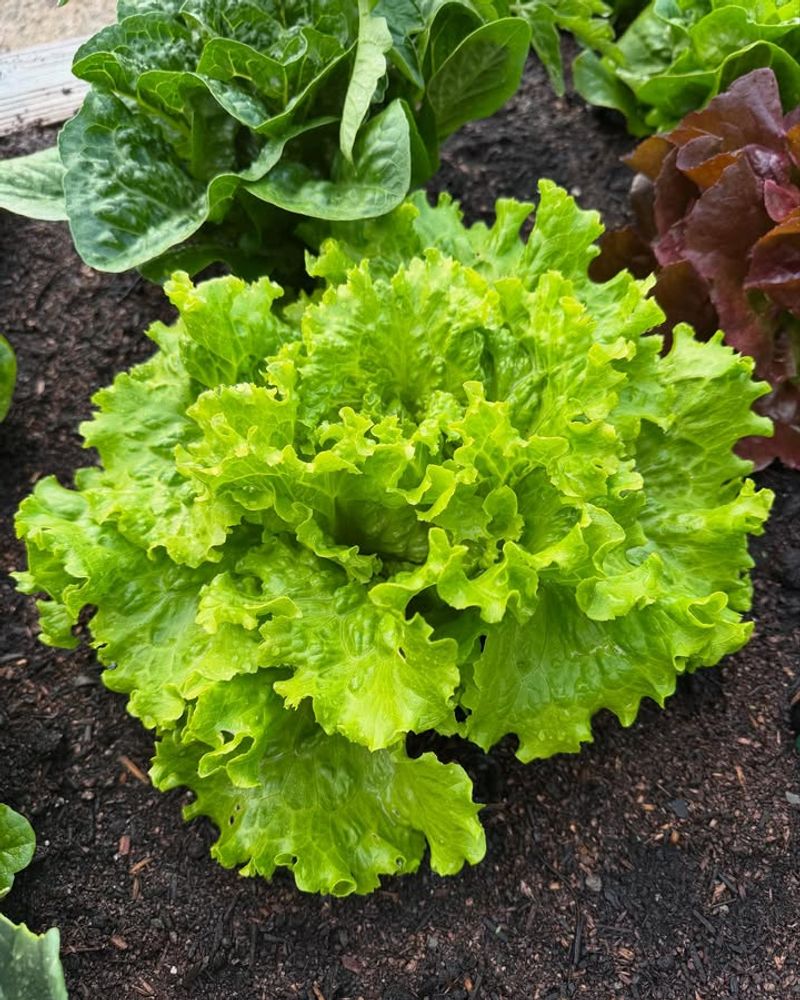
Leaf lettuce is basically the superstar of the spring garden. It grows fast, takes up very little space, and can be harvested in as little as 30 days after planting.
In Ohio, April is prime time to sow lettuce seeds directly into the garden or into raised beds, where the cool air and mild soil temperatures help the plants thrive without bolting too quickly.
Unlike head lettuce, leaf lettuce varieties do not form a tight ball. Instead, they produce loose, ruffled leaves that you can snip off as needed, and the plant will keep growing back.
Popular varieties for Ohio gardens include Black Seeded Simpson, Red Sails, and Oak Leaf. Each one has its own unique flavor and texture, so planting a mix makes your salad bowl way more interesting.
Your Ohio Garden Changes Every Week. Your Plan Should Too.
Gardening in Ohio changes quickly throughout the season. Every Friday you’ll receive a simple weekly plan showing exactly what to plant, prune, fertilize, harvest, and protect so you never miss the right timing.
Scatter the tiny seeds lightly over prepared soil and cover with just a thin layer of dirt. Lettuce seeds need light to germinate, so do not bury them too deep.
Water gently and consistently, and you will see sprouts within a week. Thin the seedlings so they have about six inches of space each to grow properly.
One fun tip for Ohio gardeners is to plant lettuce in a spot that gets morning sun but some afternoon shade. This helps keep the soil cooler longer and extends your harvest window.
You can also grow leaf lettuce in containers on a porch or patio if garden space is limited. Fresh salads from your own backyard taste better than anything from a store.
3. Spinach That Thrives In Chilly Soil
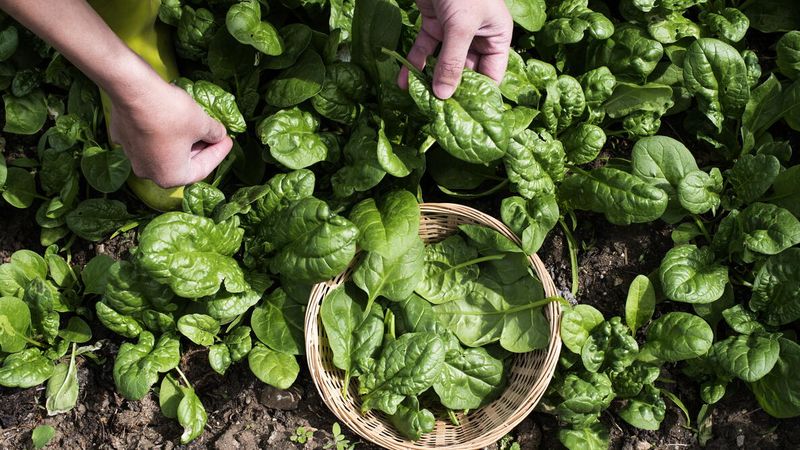
Popeye had it right all along. Spinach is one of the most nutrient-packed vegetables you can grow, and April in Ohio is the perfect time to get it in the ground.
Spinach thrives in cool weather and can actually handle temperatures as low as 20 degrees Fahrenheit once it is established, making it one of the most cold-hardy crops for early spring planting.
Sow spinach seeds about half an inch deep and three inches apart in rows that are spaced about a foot apart. The seeds germinate best when soil temperatures are between 35 and 65 degrees, which is right in the sweet spot for Ohio in April.
You should see sprouts within 7 to 14 days, and the plants grow steadily from there.
Baby spinach leaves can be harvested in as few as 25 days, while full-sized leaves take around 40 to 50 days. Harvest by cutting the outer leaves first and leaving the center of the plant intact so it continues producing.
A single row of spinach can give you weeks of fresh greens for smoothies, salads, pasta dishes, and more.
Spinach does best in soil that is rich in nitrogen, so mixing in some compost before planting goes a long way. Water regularly but avoid soaking the soil, as spinach roots do not like sitting in standing water.
One thing Ohio gardeners appreciate about spinach is how low-maintenance it is once it gets going. It is a reliable, productive, and genuinely rewarding crop for April gardens.
4. Radishes For Fast And Reliable Results
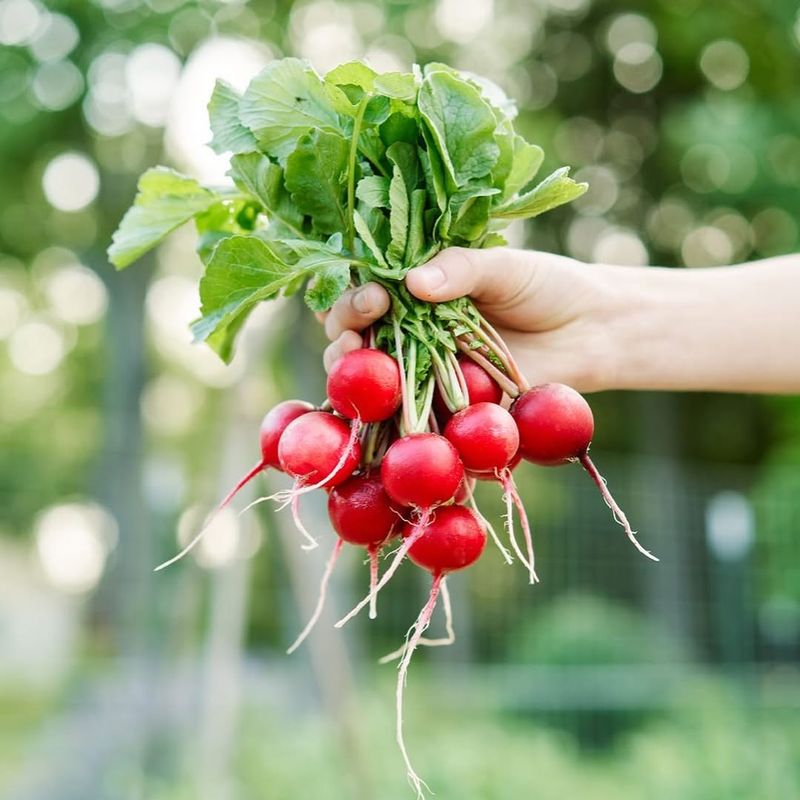
If you have never grown radishes before, prepare to be amazed by how fast they grow. Some varieties are ready to harvest in as little as 22 days from planting, which makes them one of the quickest crops you can add to your Ohio garden this April.
They are a fantastic choice for impatient gardeners or kids who want to see results right away.
Radishes prefer cool, loose soil and do best when temperatures stay between 50 and 65 degrees Fahrenheit. April in Ohio checks all those boxes perfectly.
Sow the seeds about half an inch deep and one inch apart, then thin them to about two inches apart once they sprout. Crowded radishes tend to produce more leaf than root, so giving them room is important.
Cherry Belle and French Breakfast are two popular radish varieties that do especially well in Ohio’s spring conditions. Cherry Belle produces small, round, bright red radishes with a mild flavor, while French Breakfast grows into a longer, slightly peppery variety that many people enjoy with butter and a pinch of salt.
Both are crisp, refreshing, and great for snacking.
Radishes are sometimes used in companion planting, but their ability to deter pests like beetles is inconsistent and should not be relied on as a primary control method. Keep the soil consistently moist and harvest radishes promptly once they reach full size, as they can become woody and overly spicy if left in the ground too long.
For Ohio gardeners looking for a quick win this spring, radishes deliver every time.
5. Carrots That Develop Well In Spring Soil
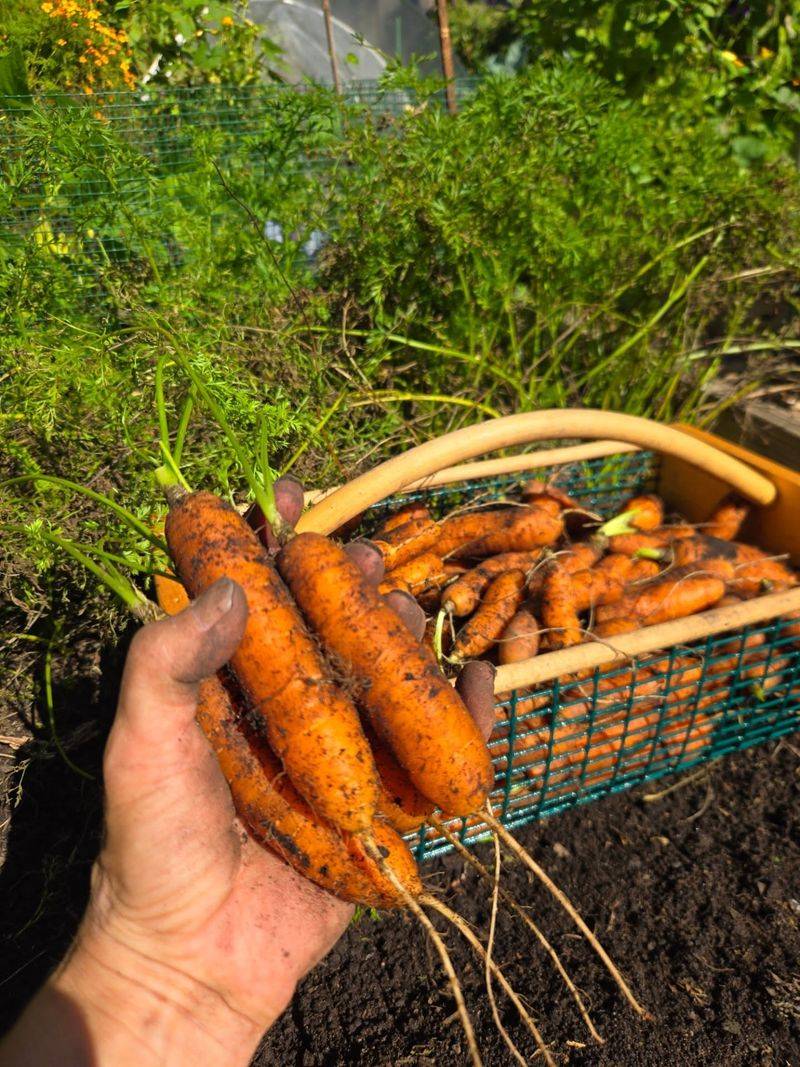
In Ohio, April is a great time to direct sow carrot seeds because the soil is soft, workable, and beginning to warm up just enough to support good germination. Carrots need loose, deep soil free of rocks and clumps, so preparing your garden bed well before planting makes a big difference.
Sow carrot seeds very shallowly, about a quarter inch deep, and sprinkle them thinly along a row. Since the seeds are tiny, it can be tricky to space them perfectly.
Once they sprout and reach about two inches tall, thin the seedlings to about three inches apart so each carrot has enough room to develop a full, round root underground.
Did you know that carrots are actually members of the same plant family as parsley and dill? That fun fact surprises a lot of first-time gardeners.
Varieties like Danvers 126 and Nantes are especially well-suited for Ohio gardens because they grow well in a range of soil types and produce sweet, flavorful roots that are great for snacking, roasting, or adding to soups and stews.
Carrots need consistent moisture, especially while they are germinating. Covering the seed row with a thin layer of burlap or a floating row cover can help keep the soil from drying out too fast in the spring breeze.
Once established, they are fairly low-maintenance. Expect to harvest your Ohio-grown carrots around 70 to 80 days after planting, just in time for early summer meals.
6. Beets For Both Roots And Greens
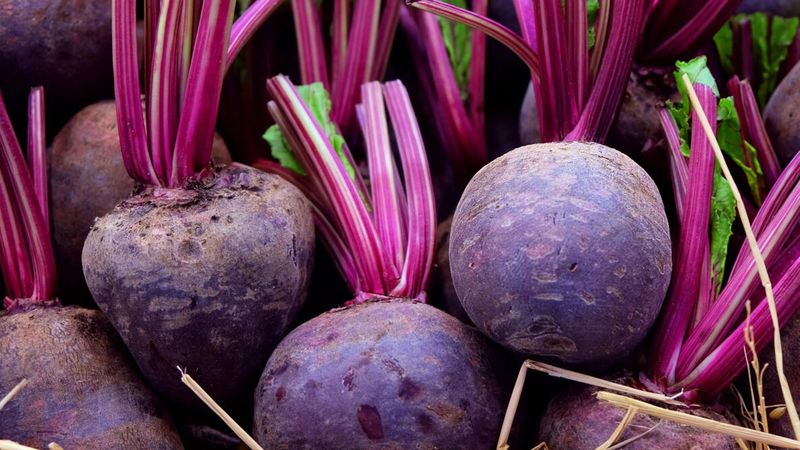
One of those vegetables that offers double the reward is beets. You get the sweet, earthy root that can be roasted, pickled, or blended into smoothies, and you also get the leafy greens on top, which can be cooked just like spinach or chard.
That two-for-one deal makes beets an especially smart addition to any Ohio garden in April.
Beet seeds can be planted as soon as the soil temperature reaches about 40 degrees Fahrenheit, which usually happens in Ohio by early to mid-April. Sow the seeds about half an inch deep and two inches apart in rows spaced about a foot apart.
One thing to know is that each beet seed is actually a cluster of seeds, so you will likely need to thin the seedlings once they sprout to give each plant enough room to form a proper root.
Varieties like Detroit Dark Red and Chioggia are popular among Ohio gardeners. Detroit Dark Red produces classic deep purple-red beets with a rich, sweet flavor, while Chioggia is an Italian heirloom variety with a beautiful candy-stripe interior that looks stunning on a plate.
Both handle Ohio’s spring weather with ease and grow reliably in well-amended garden soil.
Beets prefer a slightly alkaline soil, so if your Ohio garden soil tends to run acidic, adding a small amount of garden lime before planting can improve your results noticeably. Water regularly and keep the area weed-free, as beets do not compete well with weeds early on.
Most varieties are ready to harvest in 55 to 70 days, making them a satisfying and productive spring crop.
7. Kale That Handles Late Frost With Ease
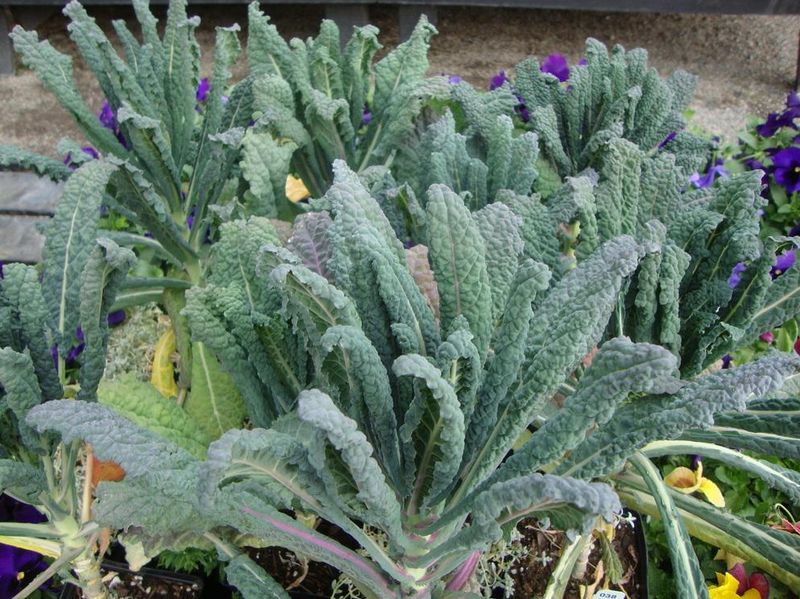
Tough, nutritious, and surprisingly beautiful in the garden, kale is one of the most dependable vegetables you can grow in Ohio this April. It handles cold temperatures like a champ, tolerates wind, and keeps producing leaves for weeks on end.
Once established, kale plants can even survive a late frost, which is something Ohio gardeners always appreciate given the state’s sometimes unpredictable spring weather.
You can start kale from seed directly in the garden in April, planting seeds about a quarter to half an inch deep and spacing them about 12 to 18 inches apart once thinned. Kale seeds germinate fairly quickly in cool soil, usually within five to eight days.
The plants grow into large, leafy rosettes that can reach two feet or more in height by the time they are fully mature.
Lacinato kale, also called dinosaur kale or Tuscan kale, is a favorite among Ohio gardeners for its dark, bumpy leaves and slightly sweeter flavor compared to curly varieties. Dwarf Blue Curled is another excellent option that stays more compact, making it ideal for smaller garden spaces or raised beds.
Both varieties are packed with vitamins A, C, and K.
Harvest kale by removing the lower, outer leaves first and leaving the center growing point untouched so the plant keeps producing new foliage. The flavor of kale actually improves after a light frost, becoming noticeably sweeter and more tender.
That means Ohio’s cool April nights can work in your favor. Add kale to soups, smoothies, salads, or bake it into crispy chips for a healthy and delicious snack.
8. Broccoli For Strong Early Season Heads
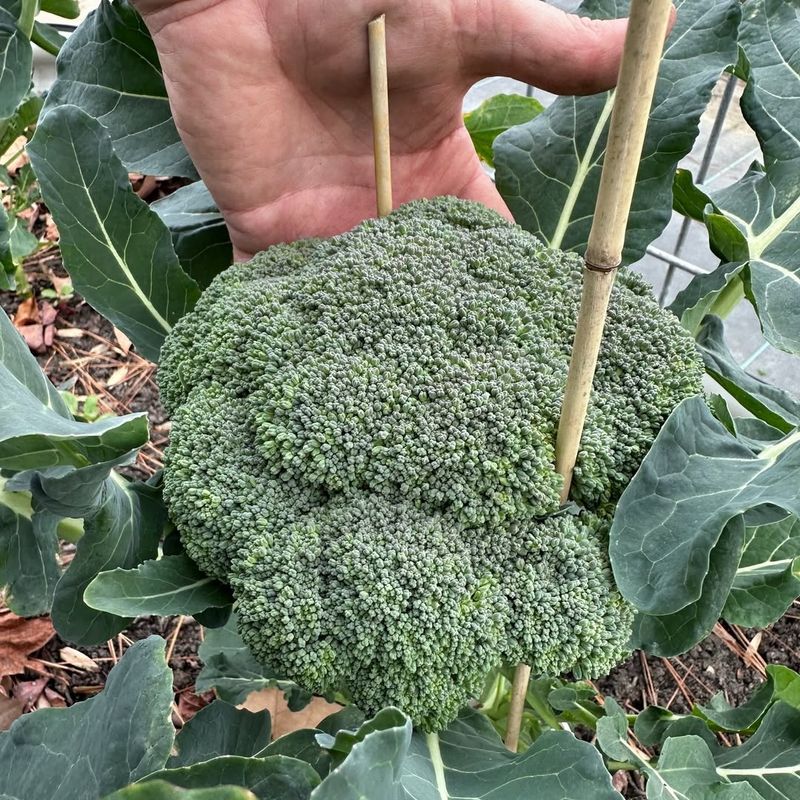
Watching a tight, dark green head form in the center of those large blue-green leaves is one of the most satisfying sights in an Ohio spring garden. April is an ideal time to get broccoli transplants into the ground, as the cool temperatures allow the heads to develop slowly and form tightly, which is exactly what you want for the best flavor and texture.
Start broccoli from transplants rather than seeds in April if you want to get ahead of the summer heat. Set transplants about 18 inches apart in rows spaced two feet apart to give each plant plenty of room to spread out.
Broccoli is a heavy feeder, meaning it benefits from rich, well-amended soil. Working compost into the planting area before setting transplants in the ground gives them a strong head start.
Varieties like Waltham 29 and Green Magic are well-suited for Ohio’s spring growing conditions. These types produce large central heads followed by smaller side shoots that continue to produce after the main harvest, extending your overall yield significantly.
Keeping the soil consistently moist is important, as broccoli that dries out tends to bolt, or send up flower stalks, before the heads reach full size.
Watch for cabbage worms and aphids, two common pests that target broccoli in Ohio gardens. A lightweight row cover draped over the plants can keep these insects at bay without using any chemicals.
Broccoli is typically ready to harvest in 60 to 80 days from transplanting. Cut the central head before the tiny buds start to open for the best taste and quality.