What To Plant In April In Ohio If You Want To See More Butterflies By June
April can feel a little too early to dream about a yard full of butterflies, but that is exactly when the magic starts in Ohio. By the time June rolls in, the gardens that look alive with flutter and color usually got a head start while spring still had a chill in the air.
That is the sweet spot. A few well-timed plants can do more than fill beds and borders.
They can turn a quiet yard into a landing place, a feeding stop, and a little pocket of movement that makes the whole garden feel happier. Ohio gardeners do not need a sprawling meadow to make that happen either.
Even a small patch, a sunny border, or a few tucked-in clusters can roll out the welcome mat. Plant the right flowers in April, and by June your yard can start looking like the butterfly crowd got the memo.
1. Butterfly Weed Gets The Welcome Started
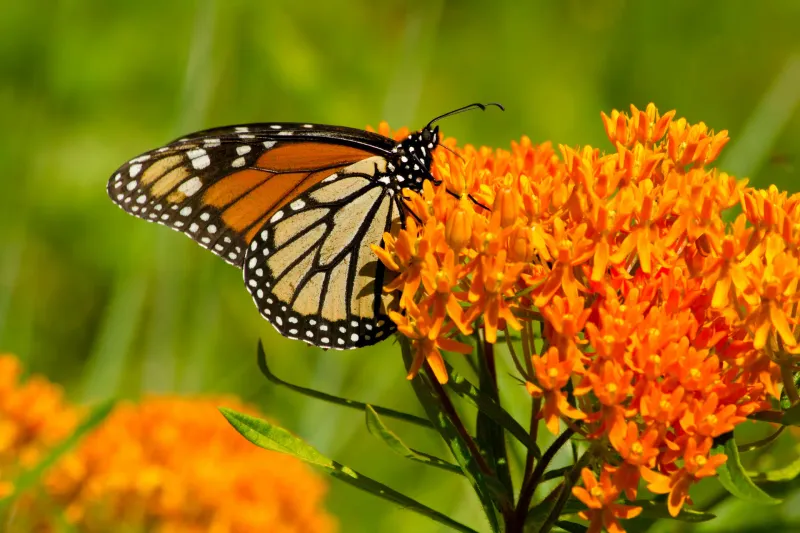
Few plants earn their name quite as honestly as butterfly weed. This native Ohio wildflower, known botanically as Asclepias tuberosa, produces dense clusters of vivid orange blooms that are nearly impossible for passing butterflies to ignore.
It is a member of the milkweed family, which means it does double duty in the garden by serving as both a nectar source for adult butterflies and a host plant for monarch caterpillars.
Planting it in April gives the roots a solid head start in Ohio’s warming soil. Butterfly weed prefers full sun and well-drained ground, and it actually handles dry, sandy, or rocky conditions better than many garden plants.
According to Ohio State University Extension, it is one of the most recommended native perennials for pollinator gardens in the state.
One thing worth knowing is that butterfly weed is slow to emerge in spring, so mark where you planted it so you do not accidentally dig it up. Once established, it comes back reliably every year and spreads gradually.
By late June, those orange flower heads will be drawing in monarchs, fritillaries, and swallowtails. Starting with nursery transplants in April rather than seeds will get you to that payoff much faster.
2. Swamp Milkweed Brings In More Than One Kind Of Visitor
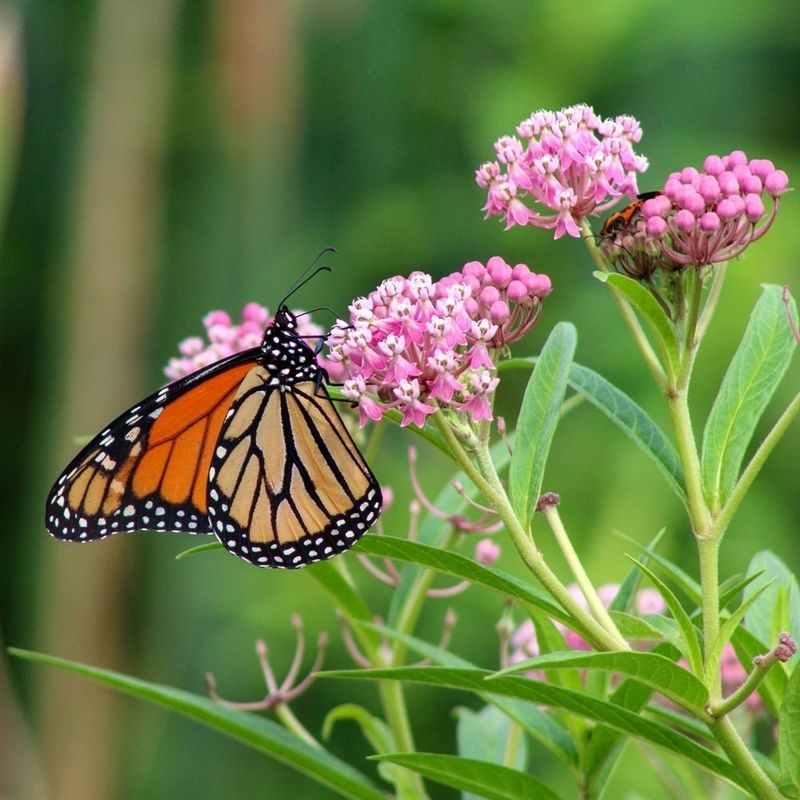
If your yard has a spot that stays a little wetter than the rest, or if you are willing to water consistently through the season, swamp milkweed is a plant worth getting into the ground this April.
Asclepias incarnata is a native Ohio species that thrives in moist conditions and produces clusters of rosy pink flowers that butterflies visit eagerly from early summer onward.
Like butterfly weed, swamp milkweed is a true milkweed, which makes it a critical host plant for monarch butterflies. Female monarchs seek out milkweed specifically to lay their eggs, and the caterpillars feed on the leaves as they grow.
Without milkweed in the landscape, monarchs cannot complete their life cycle. Planting even a few swamp milkweed plants in April can make your yard part of something much larger than a single garden.
Your Ohio Garden Changes Every Week. Your Plan Should Too.
Gardening in Ohio changes quickly throughout the season. Every Friday you’ll receive a simple weekly plan showing exactly what to plant, prune, fertilize, harvest, and protect so you never miss the right timing.
Beyond monarchs, the flowers attract a wide range of other butterflies and native bees. OSU Extension notes that native milkweeds like this one are far more beneficial for monarch populations than tropical milkweed varieties sold at some garden centers.
Swamp milkweed grows taller than butterfly weed, often reaching four to five feet, so give it some room and enjoy the height it adds to a border planting.
3. Bee Balm Turns Up The Backyard Action Fast
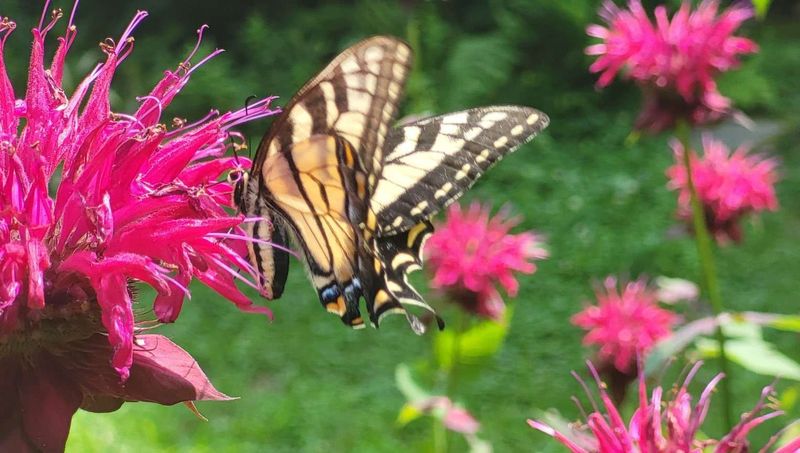
Walk past a patch of bee balm in full bloom and you will understand immediately why it has such a loyal following among gardeners who want wildlife activity in their yard.
Monarda didyma, the scarlet-flowered species, and its close relative Monarda fistulosa both produce shaggy, vibrant flower heads that butterflies, hummingbirds, and native bees find genuinely hard to pass up.
Planting bee balm transplants in April gives the roots several weeks to establish before the heat of summer arrives. It grows best in full sun to light shade and prefers consistent moisture, especially during dry stretches.
In Ohio, bee balm typically starts blooming in late June and continues through July, which means plants you put in the ground this month can be actively feeding butterflies right when you want them most.
Bee balm spreads by underground runners, so give it a spot where it has room to expand or plan to divide it every few years. The payoff for that small amount of management is real.
Swallowtails, fritillaries, and skippers all visit the blooms regularly. The scent of the foliage is also a pleasant bonus, somewhere between mint and oregano, making it a sensory addition to the garden that goes well beyond what it does for pollinators.
4. Wild Bergamot Gives Butterflies A Busy Landing Spot
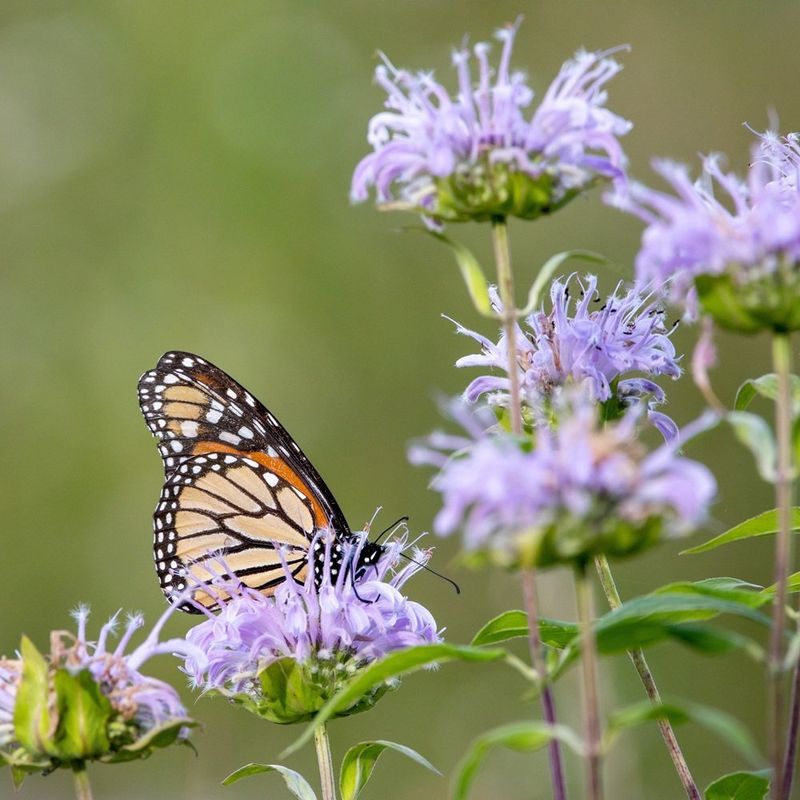
Monarda fistulosa, known as wild bergamot, is the native prairie cousin of the showier bee balm varieties.
Its soft lavender to pale purple flower heads have a looser, more relaxed look that fits beautifully in naturalistic Ohio plantings, cottage-style borders, and pollinator meadows alike.
It is one of those plants that seems almost custom-made for the kind of garden that hums with insect activity all summer long.
Unlike some garden plants that attract only a narrow range of visitors, wild bergamot draws in a broad mix of butterflies including tiger swallowtails, great spangled fritillaries, and various skipper species.
The nectar is accessible to many different body types, which is part of why it tends to stay busy from the moment it opens.
OSU Extension lists it among the top native perennials for supporting pollinators across Ohio landscapes.
April is a solid time to get transplants into the ground. Wild bergamot handles drier soils better than its relative bee balm, making it a smart pick for spots that do not get regular irrigation.
It reaches about two to four feet tall and blooms from roughly late June into August. Once established, it spreads moderately and comes back strong each year, gradually building into a fuller, more productive clump that butterflies return to season after season.
5. Black Eyed Susan Keeps The Border Looking Lively
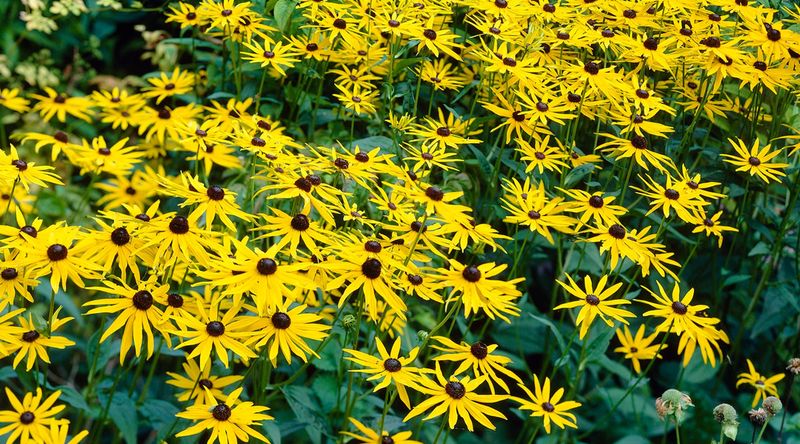
There is something genuinely cheerful about a sweep of black-eyed Susans in bloom. Rudbeckia hirta brings that classic yellow and dark-centered flower look that reads as summer in Ohio, and it does it reliably, blooming from July through October in most parts of the state.
Planting transplants or established starts in April gives this tough perennial time to root in before the heat arrives.
Black-eyed Susans are not just pretty faces. They provide accessible nectar for a wide range of butterfly species, including painted ladies, skippers, and fritillaries.
The open, flat flower form makes landing easy for butterflies of all sizes, which is one reason this plant tends to stay active with visitors throughout its long bloom season.
According to Ohio State University Extension, Rudbeckia species are among the most reliable native flowering plants for Ohio pollinator gardens.
This plant is also remarkably adaptable. It tolerates poor soil, dry spells, and full sun without much complaint.
It self-seeds freely, which means a planting from this April can gradually expand into a fuller drift over the next few seasons.
If you are trying to create a border that looks colorful and alive even after the early summer bloomers start to fade, black-eyed Susan is exactly the kind of plant that keeps things interesting well into fall.
6. Dill Is The Quiet Hero For Swallowtail Season
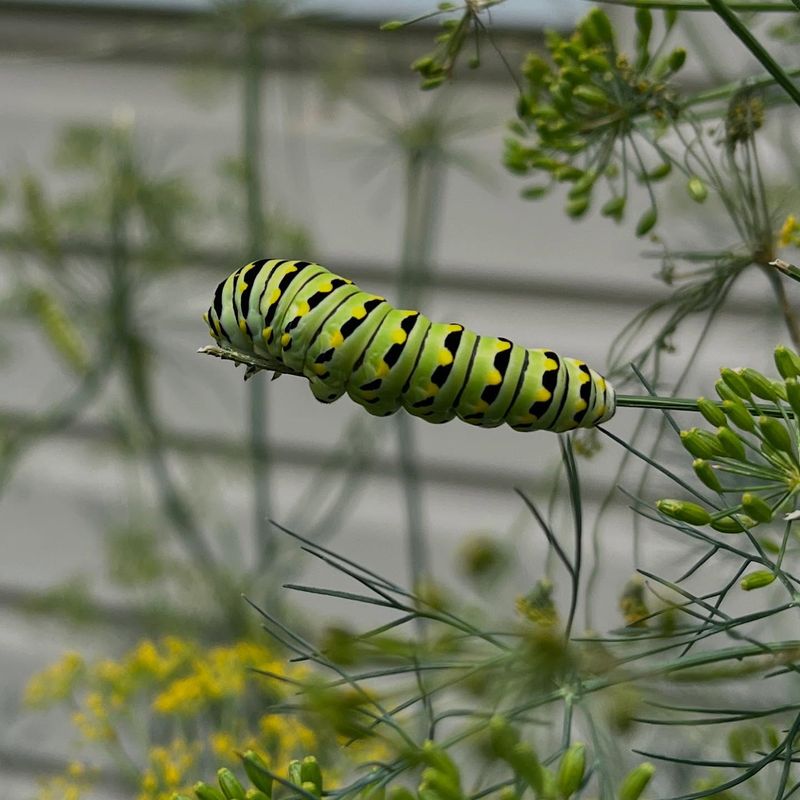
Most people think of dill as something that goes in a pickle jar, not a butterfly garden. But ask anyone who has grown it and then spotted striped caterpillars munching through the fronds, and they will tell you this herb earns a completely different kind of respect.
Dill is one of the primary host plants for the black swallowtail butterfly, a species common throughout Ohio.
Female black swallowtails lay their eggs on members of the carrot family, and dill is one of their favorites. The caterpillars that hatch are striking, banded in green, black, and yellow, and they feed on the foliage as they grow through their stages before forming a chrysalis.
If you plant dill in April, there is a reasonable chance you could have caterpillars present by late May or June, which means adult butterflies emerging not long after.
Dill is easy to grow from seed or transplant, and it does best in full sun with decent drainage. Plant a generous amount because the caterpillars can work through it quickly.
Many butterfly gardeners plant a second round a few weeks later to make sure there is always fresh growth available. Letting some plants go to flower also adds a bonus, since the yellow flower clusters attract adult butterflies looking for nectar too.
7. Parsley Can Pull More Caterpillar Magic Than You Expect
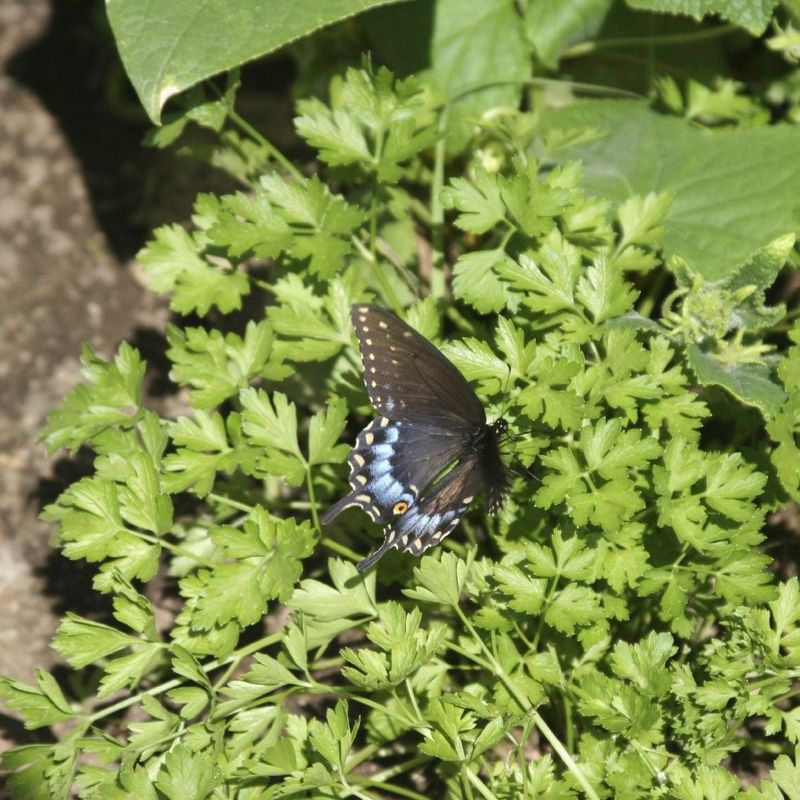
Parsley sitting in a garden bed does not look like much of a butterfly magnet at first glance. It is compact, green, and easy to overlook next to flashier blooms.
But for anyone who wants to support black swallowtail butterflies specifically, parsley is one of the most productive plants you can add to the April garden.
Like dill, parsley is a member of the carrot family and serves as a key host plant for black swallowtail caterpillars in Ohio. The caterpillars are not shy about using it either.
A single plant can host multiple caterpillars at once, and the foliage is dense enough that even heavy feeding rarely ruins the plant completely. Both flat-leaf and curly varieties work equally well from the butterfly’s perspective.
Parsley is also a biennial, meaning it survives its first winter and blooms in its second year. That second-year flowering stage produces small yellow-green flower clusters that attract adult butterflies and other pollinators.
Planting parsley transplants in April gives them the whole growing season to establish, and leaving them in the ground through winter means you get that bonus bloom the following spring.
For a plant that costs almost nothing and takes up very little space, the return for butterfly gardeners is surprisingly high.
8. Zinnias Bring Fast Color And Easy Butterfly Stops
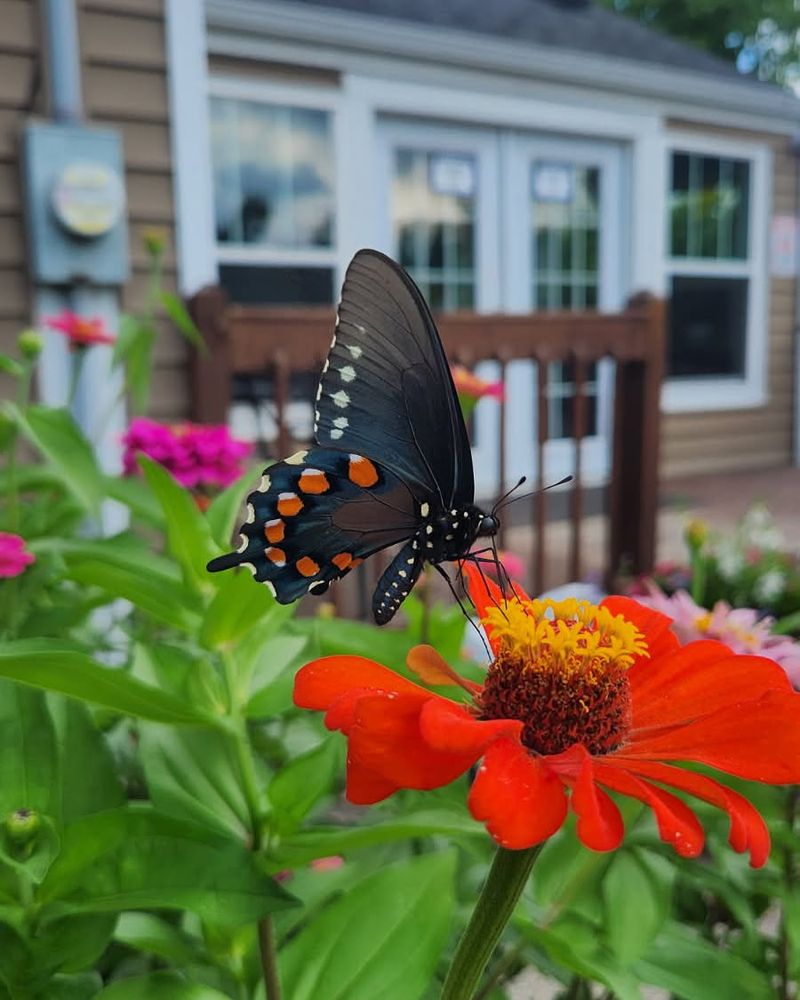
Not everything in a butterfly garden needs to be a native perennial. Zinnias are annual flowers originally from Mexico, but they have earned a permanent spot in butterfly gardens across Ohio because of one simple fact: butterflies love them.
Painted ladies, monarchs, swallowtails, and skippers all visit zinnia blooms freely, and the plants produce flowers from early summer until frost without much fuss.
Starting zinnias from transplants in late April, after Ohio’s last frost date has passed for your area, gives them a head start over direct-seeded plants. They prefer full sun and warm soil, and once they get going they are genuinely low-maintenance.
Taller varieties like Benary’s Giant tend to produce the largest, most butterfly-accessible blooms, though even compact varieties draw visitors reliably.
The real value of zinnias in a butterfly garden is that they fill the gap. Native perennials planted in April are still settling in and may not bloom heavily until later in their first season.
Zinnias start flowering quickly and keep going steadily, giving butterflies a reliable nectar source while the rest of the garden matures. Planting them alongside slower perennials means your garden looks active and welcoming by June rather than sparse and still getting established.
9. Verbena Keeps The June Garden Looking Open For Business
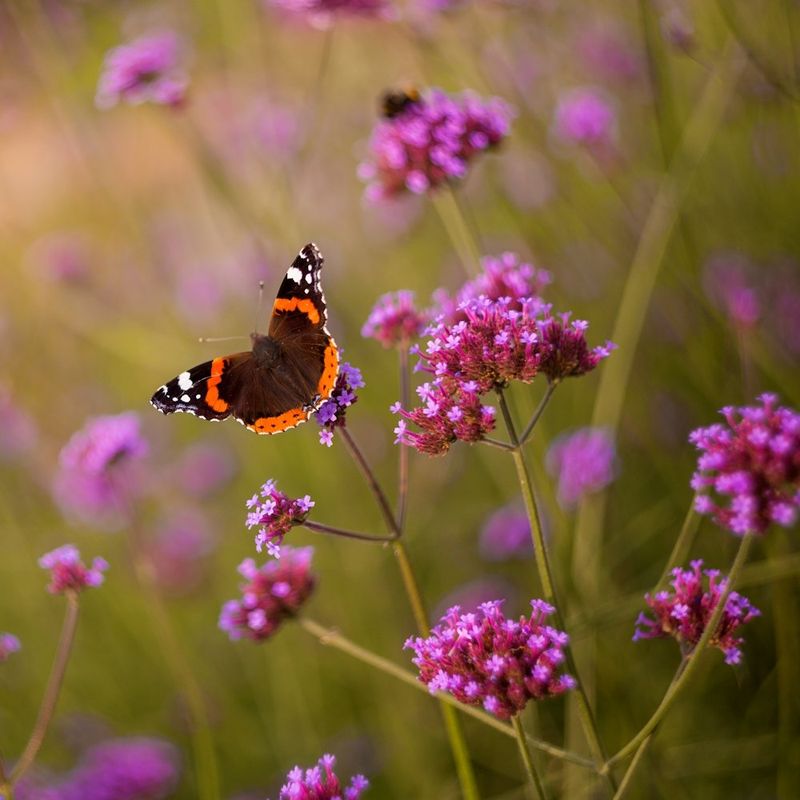
By the time June arrives, you want your garden to look like it is genuinely ready for visitors, not still waking up. Verbena is one of the plants that makes that happen.
Its small, clustered flowers in shades of purple, pink, and red open early in the season and keep producing blooms steadily for months, making it one of the more reliable nectar sources you can have going by early summer in Ohio.
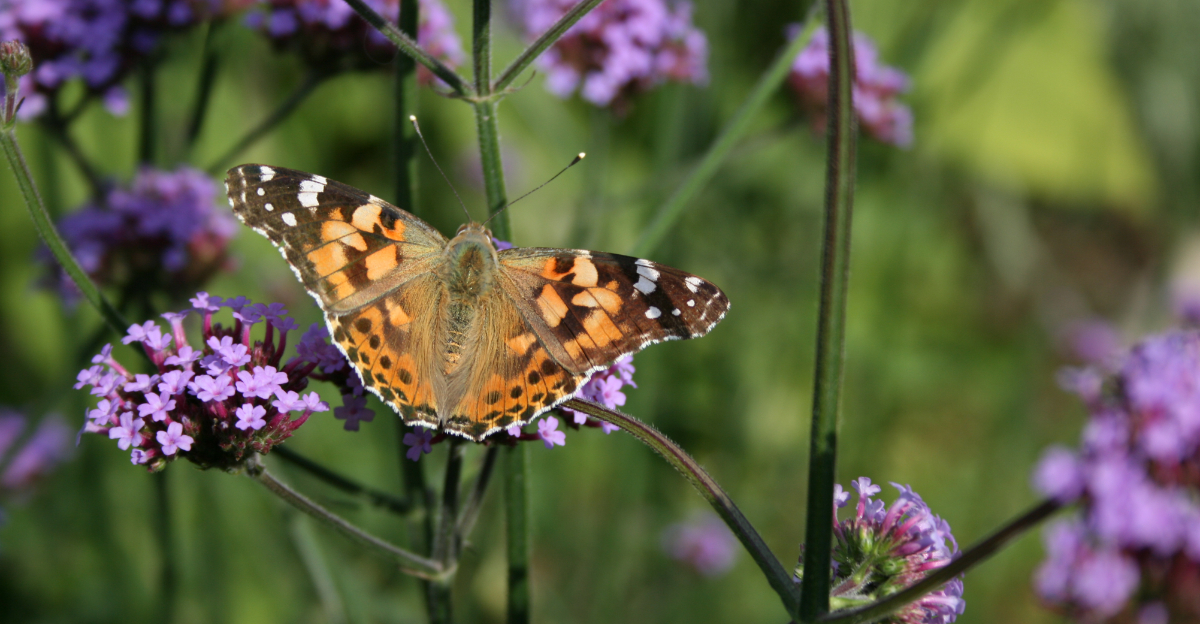
Verbena bonariensis, the tall airy species with purple flowers on branching stems, is a particular favorite with butterflies. It provides a landing platform that works well for larger species like tiger swallowtails and monarchs.
Annual verbena varieties, often sold in garden centers as bedding plants in April, are lower growing but equally productive in terms of nectar output and butterfly visits.
Planting verbena transplants in late April, once frost risk has passed, gives them enough time to establish and begin blooming well before June. They prefer full sun and tolerate heat well once settled in.
Verbena fills in nicely around the base of taller native plants and adds continuous color at a lower level, keeping the garden visually layered and consistently active.
For a butterfly garden that looks full and alive from the moment summer starts, verbena is a smart and reliable finishing touch.