Cheap Flowers That Will Make Your Oregon Garden Pop
It does not take a big budget to create a garden in Oregon that feels full of color and life.
In fact, some of the most eye-catching flowers are also the easiest and most affordable to grow, especially in a climate that already does a lot of the work for you.
With cool springs, mild summers, and reliable rainfall in many parts of the state, Oregon offers ideal conditions for fast-growing blooms that quickly fill in empty spaces.
The key is knowing which flowers establish easily from seed or low-cost starts and keep producing without demanding constant attention. A few well-chosen varieties can stretch your planting budget while still delivering strong color from late spring into fall.
These budget-friendly flowers are known for thriving in Oregon while making your garden stand out.
1. Zinnia Bursting With Bright Summer Color
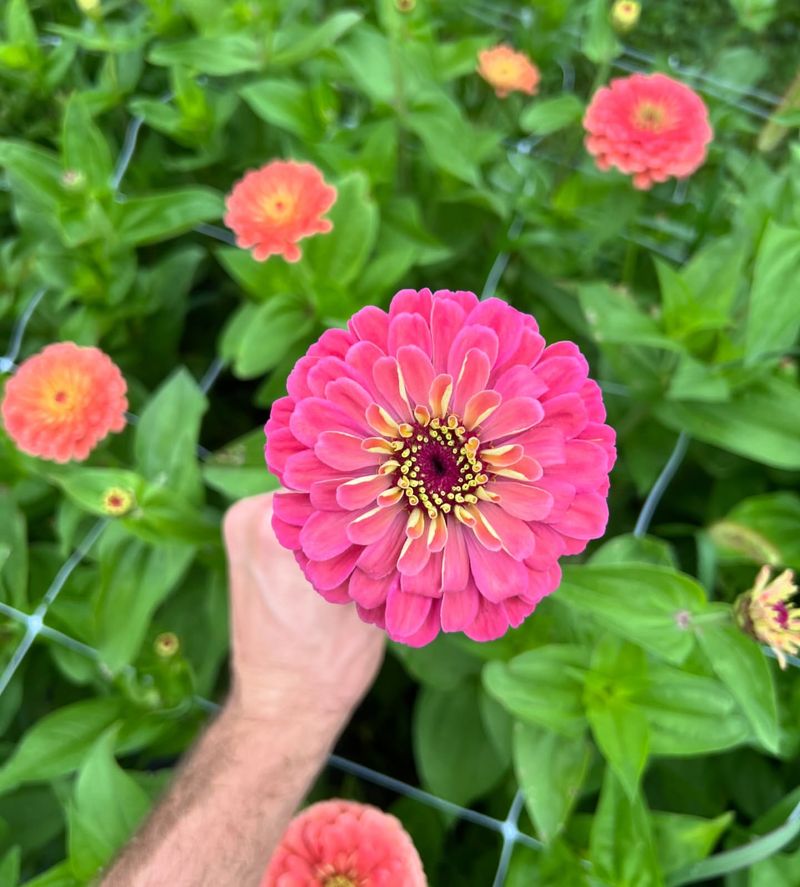
Few flowers pack as much color punch per penny as the zinnia. Gardeners across Oregon have been growing these cheerful blooms for generations, and it is easy to see why.
Zinnias come in nearly every color imaginable, from hot pink and fiery orange to creamy white and deep burgundy.
Zinnias are incredibly easy to grow from seed, which makes them one of the most budget-friendly options available. Simply scatter seeds directly into a sunny garden bed after the last frost, water them in, and watch the magic happen.
They thrive in Oregon’s warm summer months and can tolerate dry spells once established.
One of the best things about zinnias is how long they bloom. They keep producing flowers from early summer all the way through the first fall frost, giving you months of color without any extra cost.
Deadheading, which means removing faded blooms, encourages even more flowers to form. Zinnias are also magnets for butterflies and hummingbirds, turning your Oregon garden into a lively little ecosystem.
A single seed packet, often costing less than three dollars, can fill an entire flower bed beautifully.
2. Marigold With Its Bold Pest-Repelling Blooms
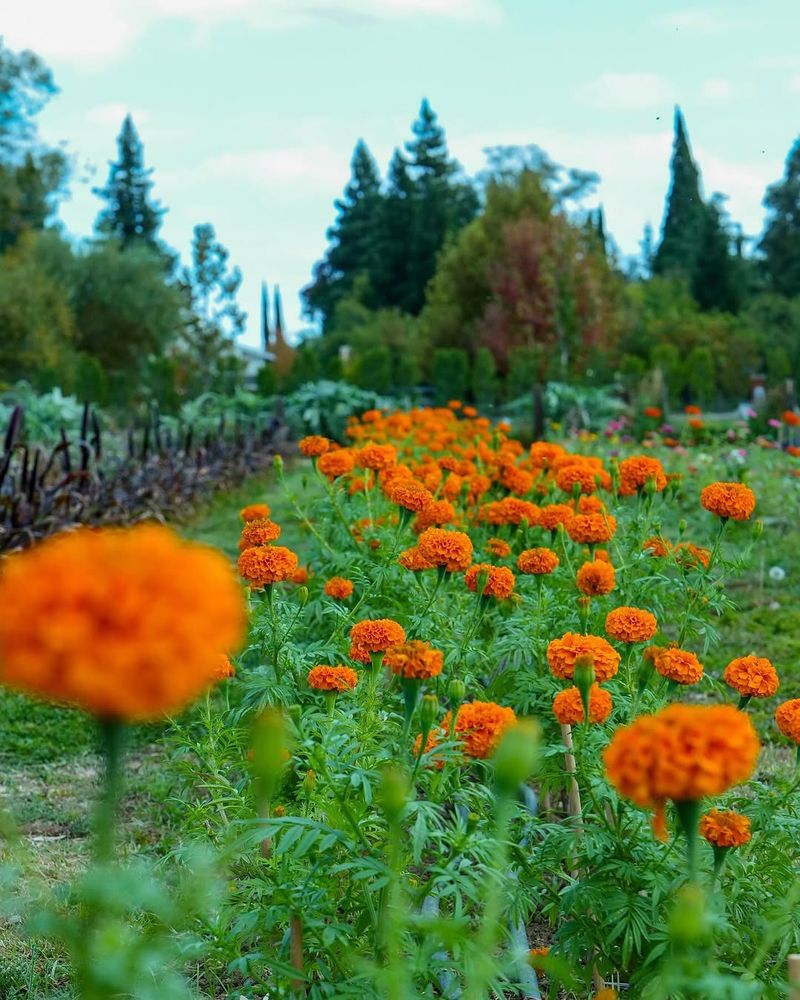
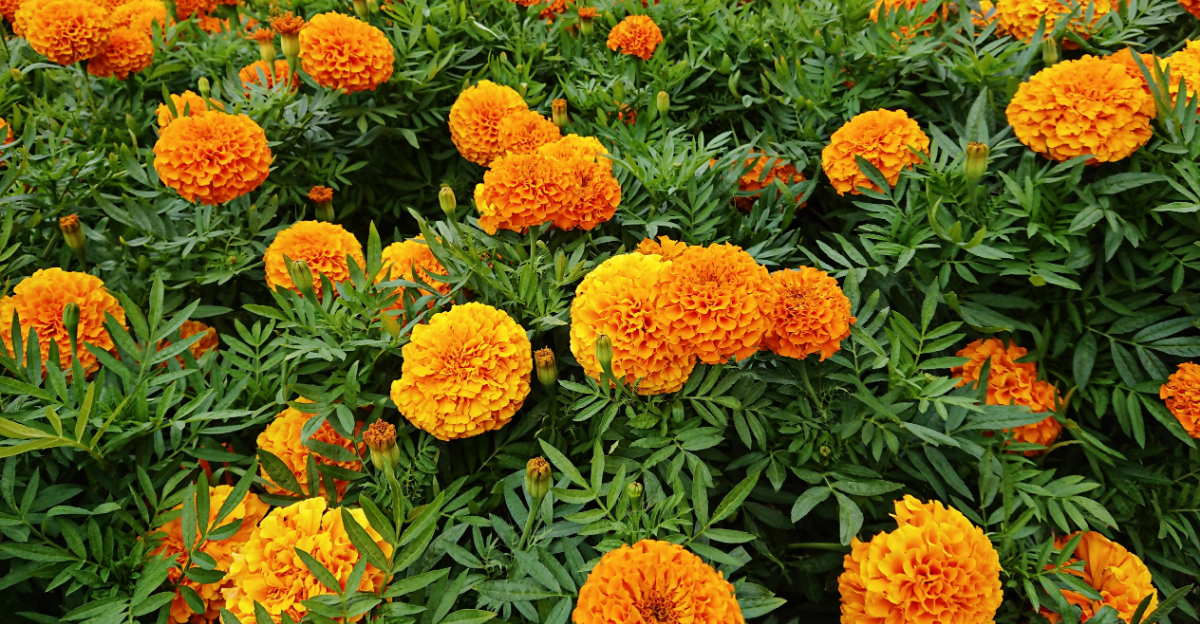
Marigolds are practically the mascot of the budget garden, and Oregon gardeners have every reason to love them. These bold, sunny flowers come in shades of gold, orange, and yellow that light up any yard like a warm campfire.
They are tough, reliable, and shockingly affordable, with seed packets available at most Oregon nurseries and hardware stores for just a couple of dollars.
Beyond their good looks, marigolds are workhorses in the garden. Marigolds are often used in companion planting, but their ability to repel insect pests in home gardens is limited and should not be relied on as a primary control method.
If you grow tomatoes or peppers in Oregon, planting marigolds nearby is a popular and practical strategy.
Marigolds grow quickly and start blooming within weeks of being planted. They prefer full sun and well-drained soil, both of which are easy to find in many parts of Oregon during summer.
Fun fact: marigolds have been used in cooking and natural medicine for centuries, and their petals are completely edible. Whether you plant them in containers, borders, or mixed beds, marigolds deliver maximum color with minimal effort and expense.
Your Oregon Garden Changes Every Week. Your Plan Should Too.
Gardening in Oregon changes quickly throughout the season. Every Friday you’ll receive a simple weekly plan showing exactly what to plant, prune, fertilize, harvest, and protect so you never miss the right timing.
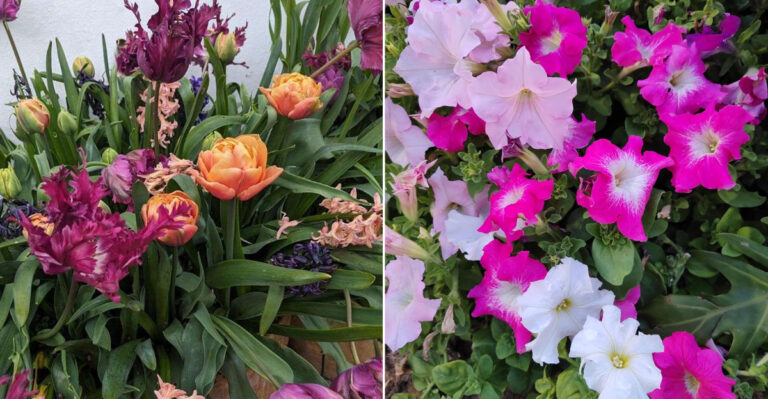
3. Petunia Spilling Over With Nonstop Flowers
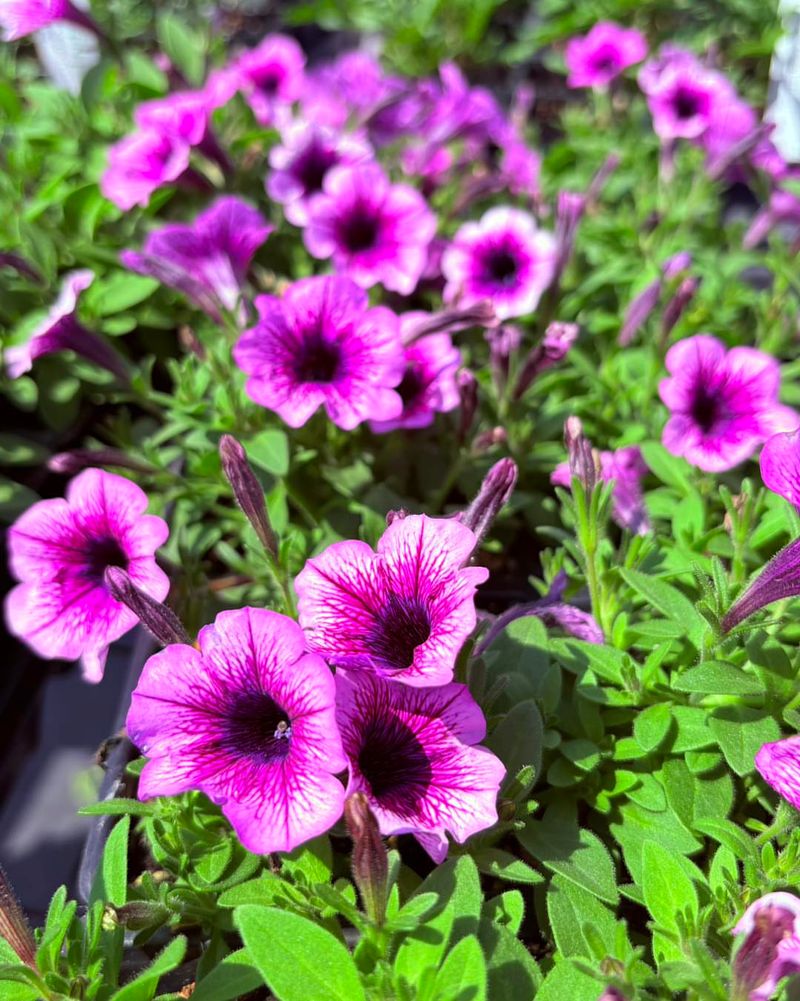
Walk through any Oregon neighborhood in summer and you will almost certainly spot petunias overflowing from window boxes, hanging baskets, and garden borders. These versatile flowers are wildly popular for good reason.
They bloom abundantly, come in dozens of color combinations, and cost very little to get started.
Petunias love Oregon’s long summer days and perform best in full sun. They tolerate heat well and only need regular watering and occasional fertilizing to stay looking their best.
One great trick is to pinch back the stems every few weeks, which encourages bushier growth and more blooms rather than long, leggy vines.
There are several types of petunias to choose from, including grandifloras with large single blooms, multifloras with smaller but more numerous flowers, and spreading varieties that work beautifully as ground cover. All of them are available from seed or as inexpensive transplants at most Oregon garden centers in spring.
A six-pack of petunia starts often costs less than four dollars and will fill a container or border bed with color for the entire season. Petunias can be grown from saved seed, though the plants may not come back true to type, especially for hybrid varieties commonly sold in garden centers.
4. Sweet Alyssum With Tiny Blooms And Big Fragrance
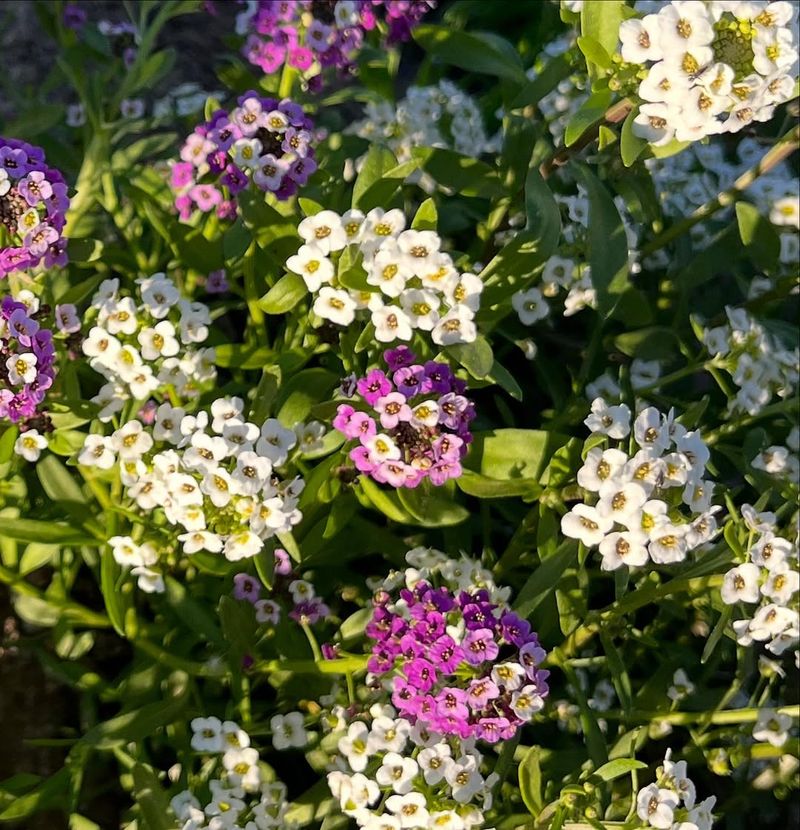
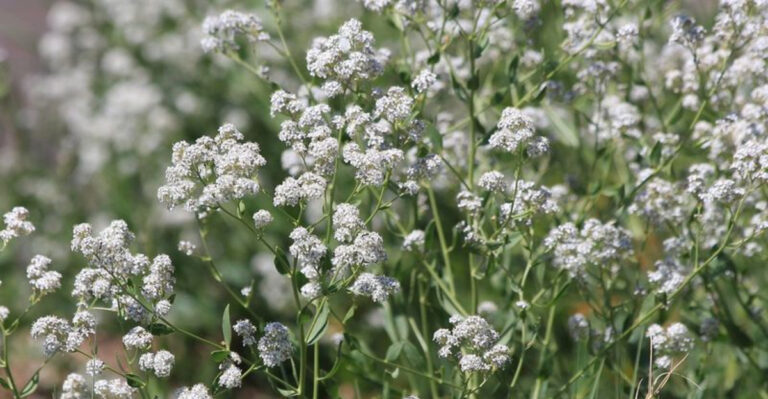
There is something almost magical about sweet alyssum. This low-growing annual produces clouds of tiny flowers in white, pink, or purple, and the fragrance it releases is genuinely sweet and honey-like.
In Oregon’s cool, moist spring weather, sweet alyssum absolutely thrives and spreads quickly along garden edges and borders.
One of its best qualities is how easygoing it is. Sweet alyssum grows well in average soil, tolerates light shade, and even self-seeds, meaning it often comes back on its own the following year without any extra effort or expense.
Scatter seeds along a walkway, between stepping stones, or at the base of taller plants, and watch it fill in beautifully.
Sweet alyssum is also a favorite among beneficial insects, including ground beetles and parasitic wasps that help keep garden pests under control. Planting it near vegetables in your Oregon garden can naturally reduce pest pressure without any chemicals.
Because it stays low and compact, it works well as a living mulch that helps retain soil moisture. Seed packets are among the cheapest you will find, often under two dollars, making sweet alyssum one of the smartest investments for any Oregon gardener working with a tight budget.
5. Cosmos Swaying Lightly With Airy Flowers
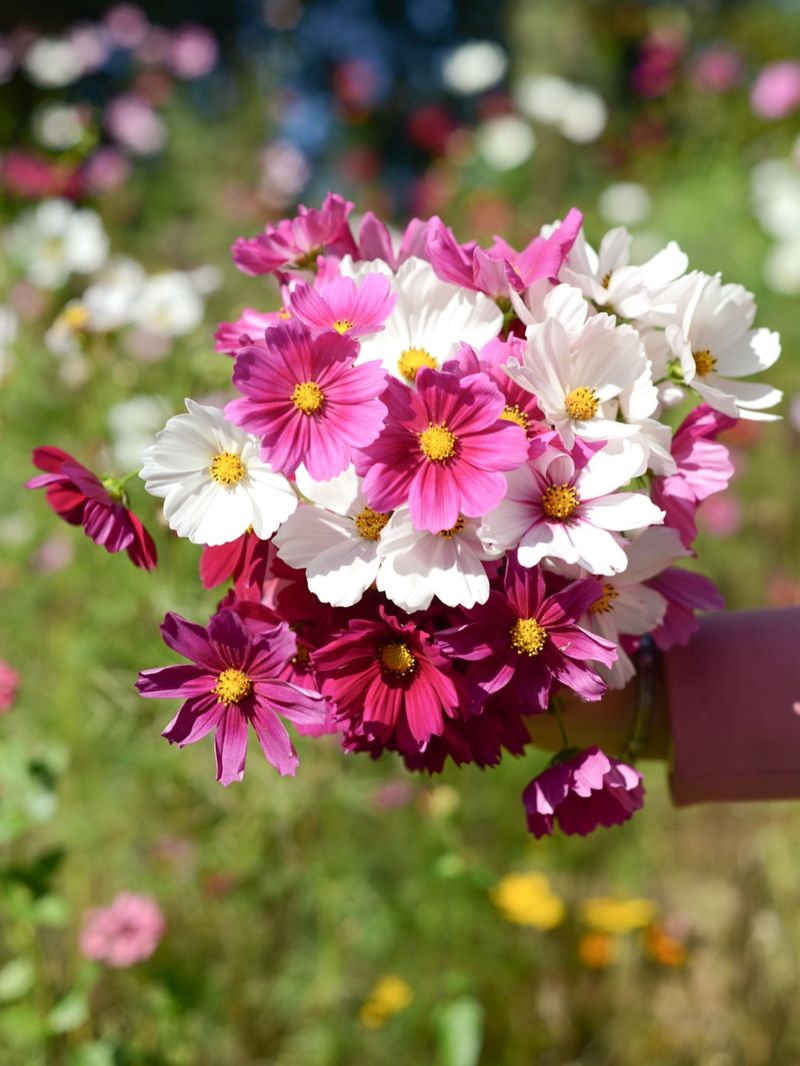
Cosmos have a certain wild, carefree beauty that makes a garden feel alive and effortless. These tall, feathery-leafed plants produce daisy-like flowers in shades of pink, magenta, white, and deep crimson, and they sway gracefully in the breeze.
Oregon gardeners who want big visual impact on a small budget often turn to cosmos first.
Direct sowing cosmos seeds into the garden after Oregon’s last spring frost is the easiest approach. They actually prefer poor to average soil and do not need much fertilizer.
In fact, too much nitrogen makes them grow lots of leaves but fewer flowers, so less really is more with this plant.
Cosmos grow tall quickly, sometimes reaching four to six feet, making them excellent as a colorful background plant or informal privacy screen. They bloom from midsummer until frost, and regular deadheading keeps the flowers coming strong.
Pollinators absolutely love cosmos, and you will notice bees and butterflies visiting constantly throughout the season. Because they self-seed freely, an Oregon garden planted with cosmos this year may reward you with volunteer seedlings next spring at zero additional cost.
A single seed packet can produce dozens of plants, giving you tremendous value for very little money.
6. Calendula With Cheerful Edible Blooms
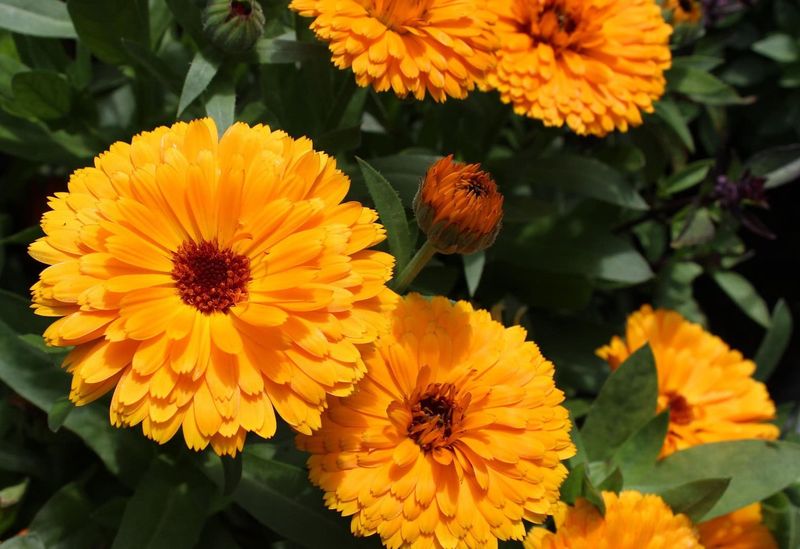
Calendula is the kind of flower that makes you feel like a skilled gardener even if you are just starting out. Also called pot marigold, calendula produces cheerful orange and yellow blooms that thrive in Oregon’s famously cool and damp weather.
It is one of the few flowers that actually prefers spring and fall temperatures over hot summer heat.
Growing calendula from seed is straightforward and inexpensive. Sow seeds directly outdoors in early spring, even while nighttime temperatures are still cool, and expect blooms within about six to eight weeks.
In milder parts of Oregon, calendula can bloom well into late fall and sometimes even through winter in sheltered spots.
Calendula has a fascinating history as both a garden flower and a medicinal herb. Its petals have been used for centuries in salves, teas, and natural skin care products.
Today, many Oregon gardeners grow it simply for its cheerful color and its ability to attract pollinators like bees and hoverflies. The flowers are also edible and can be sprinkled over salads for a pop of color.
Because seeds are cheap and the plants are so productive, calendula offers one of the best returns on investment in the entire garden.
7. Coreopsis Lighting Up Beds With Golden Color
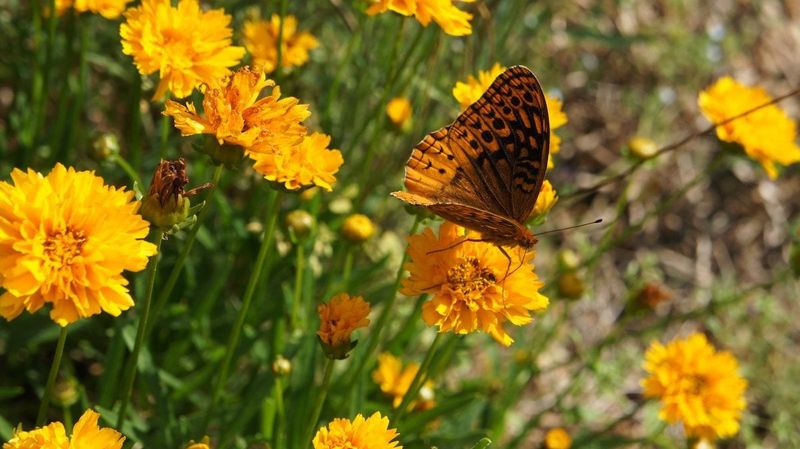
If you want a flower that practically takes care of itself, coreopsis deserves a top spot in your Oregon garden. Sometimes called tickseed, this sun-loving perennial or annual produces bright yellow, gold, or bicolor blooms that resemble cheerful little suns.
Once established, it is remarkably drought-tolerant and requires very little attention.
Coreopsis is available both as an annual and as a hardy perennial, depending on the variety. Perennial types are especially valuable because you pay for the plant once and enjoy blooms for many years.
In Oregon’s climate, perennial coreopsis overwinters well in most regions and returns reliably each spring, spreading slightly wider over time.
The blooming season for coreopsis is impressively long, often stretching from late spring through early fall with regular deadheading. Bees and butterflies visit the flowers constantly, making it a great addition to any pollinator-friendly Oregon garden.
Coreopsis grows well in average to poor soil and actually struggles if given too much water or rich fertilizer, so it rewards low-maintenance gardeners perfectly. Whether you plant it in a sunny border, a rock garden, or along a dry slope, coreopsis delivers consistent color season after season without breaking the bank or demanding constant care.
8. Gaillardia Bringing Heat With Fiery Tones
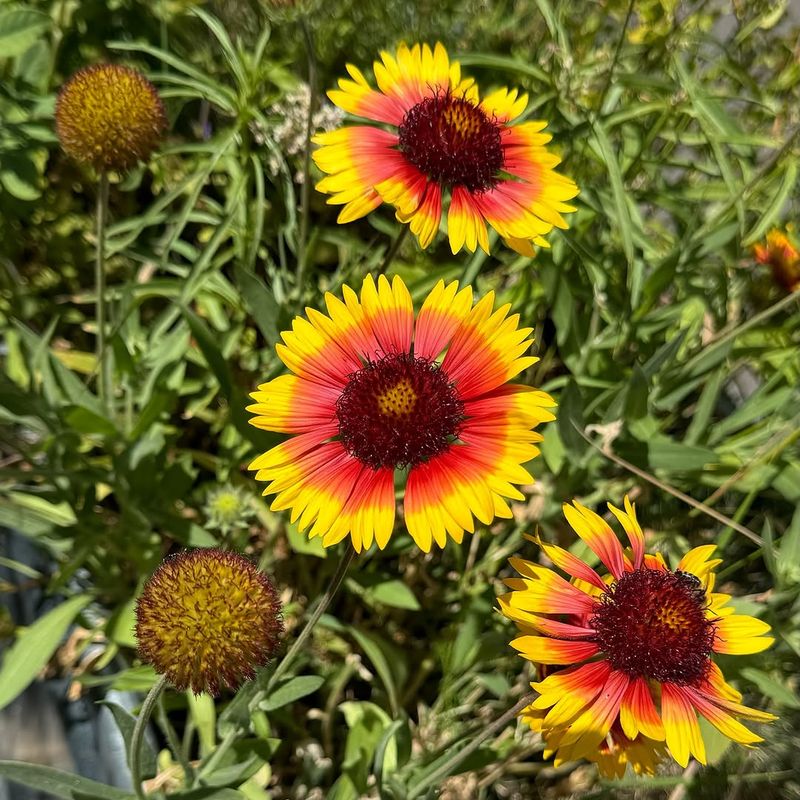
Commonly known as blanket flower, this is one of those plants that looks like it should be expensive but is actually very affordable. Its bold, bicolor blooms in fiery shades of red, orange, and yellow look like something out of a professional landscape design.
Oregon gardeners who want a wow factor on a budget should absolutely give gaillardia a try.
Native to North America, gaillardia is naturally tough and well adapted to a wide range of growing conditions. It thrives in full sun and tolerates dry, rocky, or sandy soil that would stress most other flowers.
This makes it a particularly smart choice for parts of eastern Oregon and other drier regions of the state where summer rainfall is limited.
Gaillardia blooms from early summer through fall, and the more you deadhead it, the more flowers it produces. Both annual and perennial varieties are available, with perennials offering the added bonus of returning each year.
The flowers are a favorite food source for bees and butterflies, supporting local pollinators throughout the season. Starting gaillardia from seed is easy and inexpensive, and transplants are usually available at Oregon nurseries at very reasonable prices, making it a fantastic value for any garden budget.
9. Sunflower Standing Tall With Giant Blooms
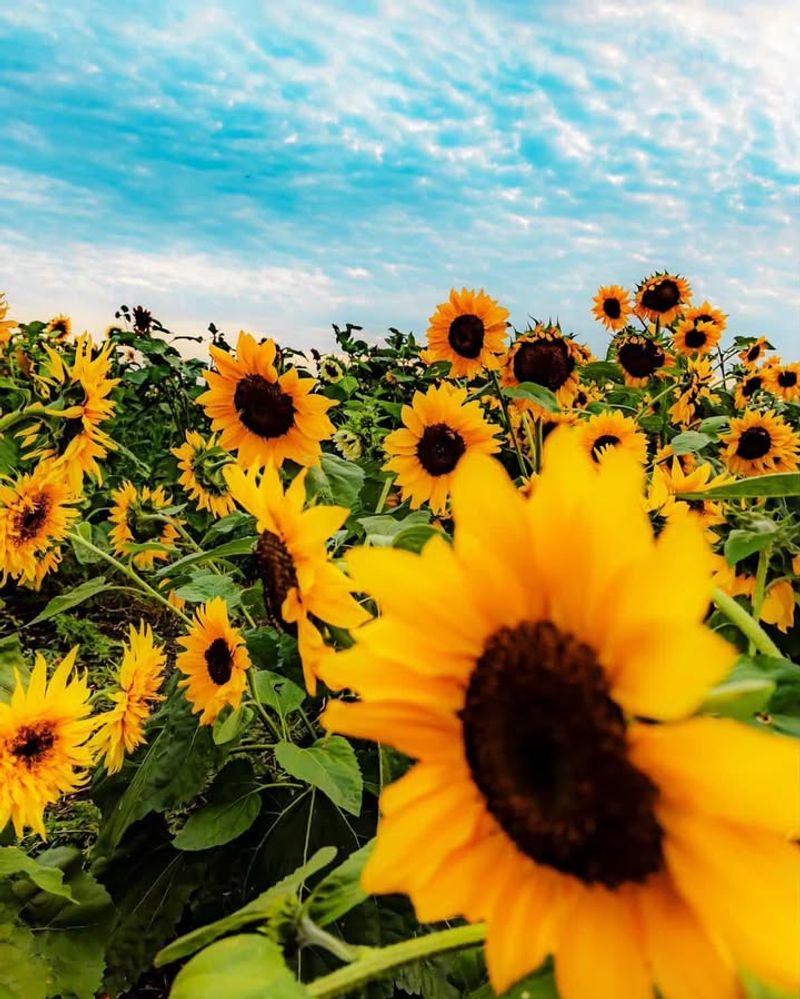
Nothing signals the height of summer in Oregon quite like a row of giant sunflowers reaching toward the sky. Sunflowers are among the most recognizable and beloved flowers in the world, and they happen to be one of the easiest and cheapest to grow.
A single seed packet costs just a dollar or two and can give you dozens of towering, cheerful plants.
Plant sunflower seeds directly in the ground after the last frost in spring. They grow fast, sometimes shooting up several inches per week during Oregon’s warm summer months.
Sunflowers prefer full sun and well-drained soil, and they are surprisingly drought-tolerant once their roots are established. Taller varieties can reach eight to twelve feet, while dwarf varieties stay compact enough for containers or small spaces.
Beyond their obvious visual appeal, sunflowers are incredibly useful. Their seeds feed birds and wildlife in fall, and the large leaves provide shade for smaller plants growing beneath them.
Pollinators swarm sunflower heads throughout the summer, making them a cornerstone of any wildlife-friendly Oregon garden. Growing different varieties together, from short multi-branching types to giant single-stem plants, creates a layered, dynamic look that makes a strong impression without requiring any serious gardening skill or expense.
10. Impatiens Filling Shade With Soft Color
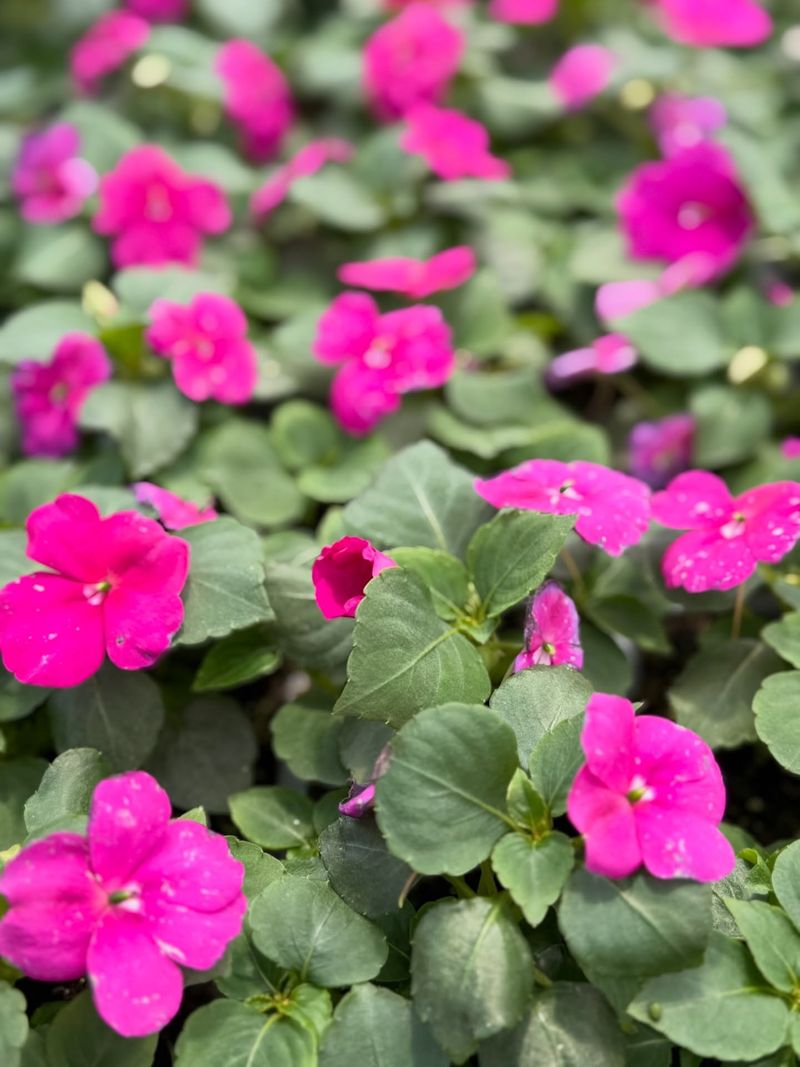
Shady spots in an Oregon garden can be tricky to fill with color, but impatiens handle low-light conditions better than almost any other flowering annual. These cheerful, mounding plants produce a non-stop parade of blooms in shades of red, pink, coral, white, and lavender from spring all the way until the first frost arrives.
Impatiens are a go-to solution for gardeners dealing with the deep shade created by Oregon’s tall Douglas firs and other large trees. They prefer consistently moist soil and indirect light, which actually makes them well suited to Oregon’s naturally damp climate.
Regular watering is the main thing they need to stay looking lush and full throughout the season.
These plants are widely available as inexpensive transplants at Oregon garden centers every spring, and a six-pack typically costs just a few dollars. Because they grow quickly and spread into tidy mounds, a small number of plants can cover a surprisingly large area by midsummer.
Impatiens also work wonderfully in containers, window boxes, and hanging baskets placed in shaded spots on porches or patios. For Oregon gardeners who struggle to find affordable flowers that perform in low-light areas, impatiens are simply unbeatable in terms of color, reliability, and value.