The Invasive Plant Oregon Gardeners Keep Accidentally Spreading
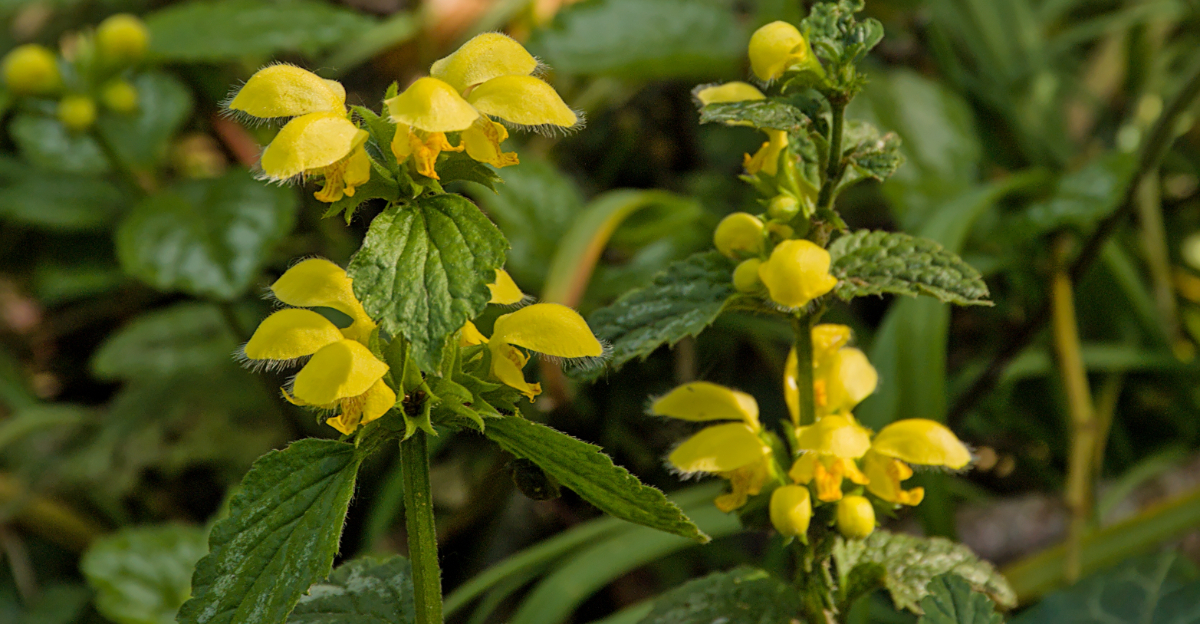
Some invasive plants do not look like trouble at first. Yellow archangel is a perfect example. Its silver marked leaves and small yellow flowers can make it seem like a pretty ground cover for shady Oregon yards.
That is part of the problem. Gardeners may plant it for quick coverage, then discover how fast it spreads into places where it was never invited.
A small stem piece can root again, so pulling it or moving soil can accidentally create more patches.
Yard waste can spread it too, especially when clippings end up near natural areas. Once yellow archangel gets comfortable, it can crowd out native plants and form thick mats that are hard to manage.
It is sneaky in the most annoying way. Oregon gardeners are not spreading it on purpose, but this plant does not need much help. One careless cleanup can give it a fresh start somewhere new.
This Pretty Groundcover Is Not As Innocent As It Looks
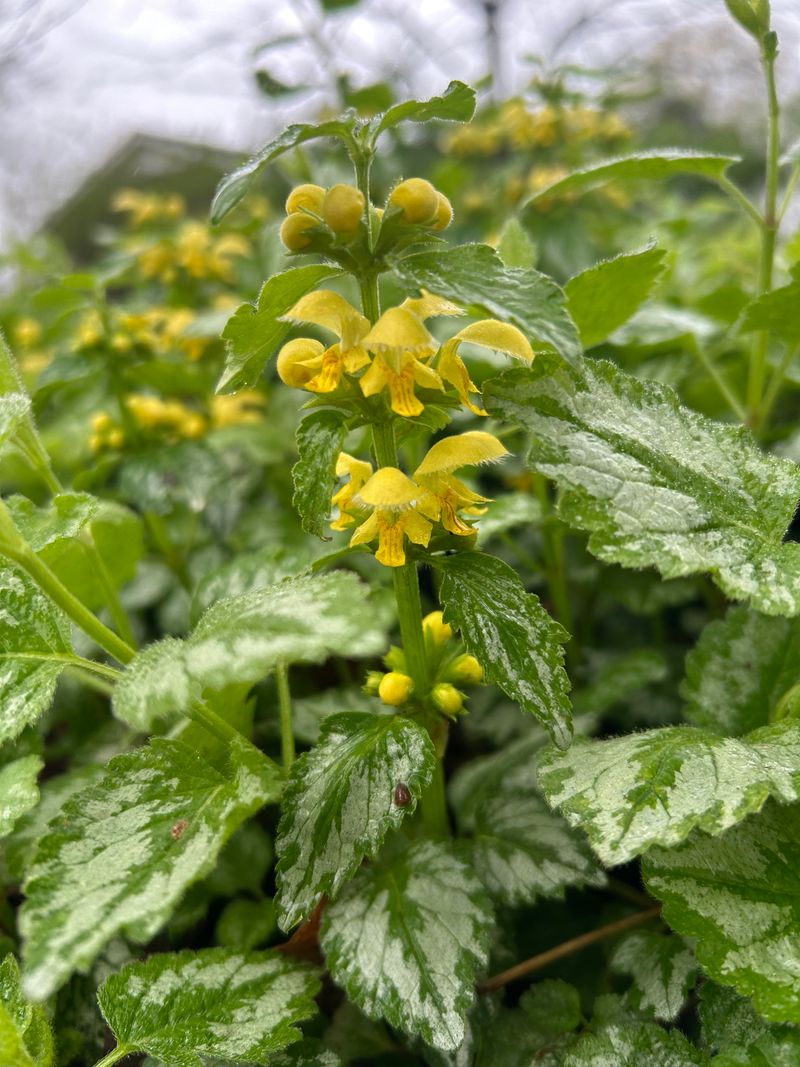
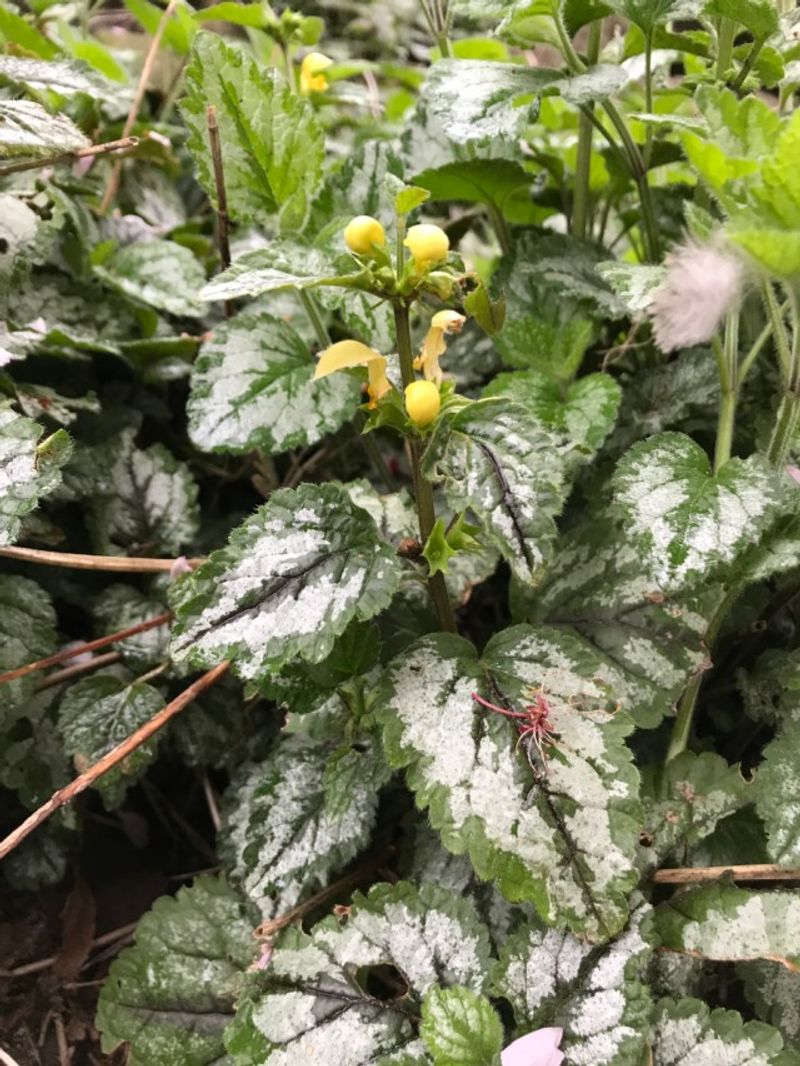
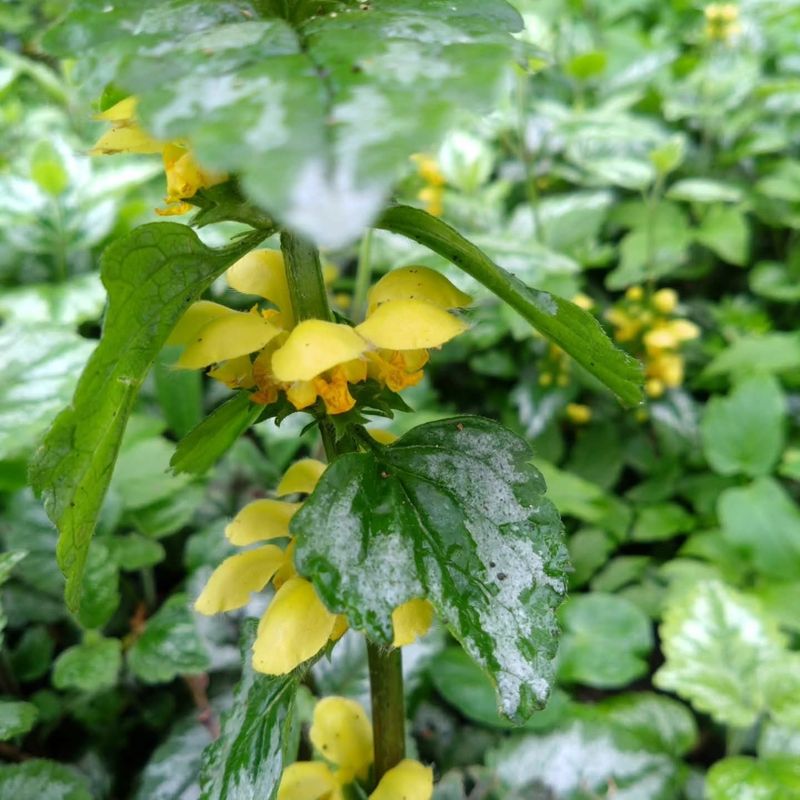
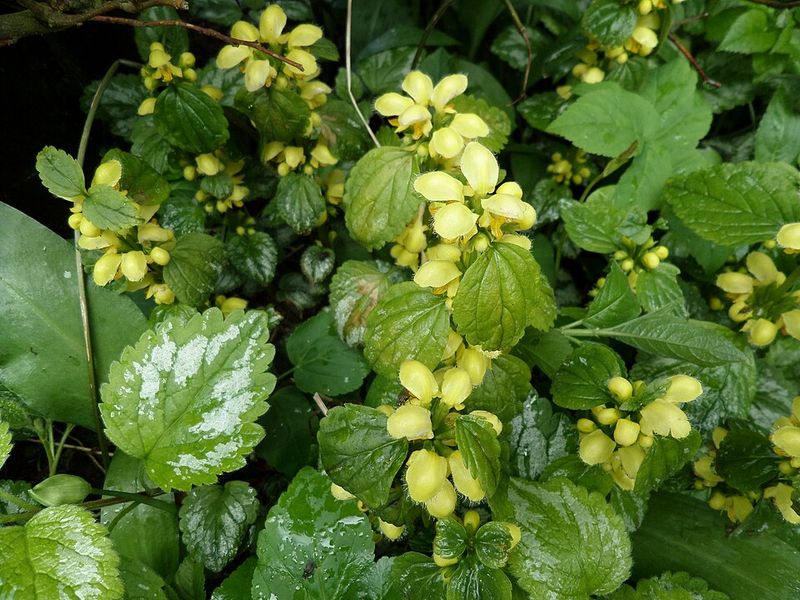
At first glance, Yellow Archangel looks like a dream plant. Its leaves are patterned with silvery markings, and in spring it produces clusters of soft yellow blooms that brighten up dark corners of a yard.
Plenty of gardeners have picked it up from a nursery or accepted a handful of cuttings from a neighbor, not thinking twice about what they were bringing home.
The problem is that this plant does not stay put. Yellow Archangel is a fast-spreading perennial that sends out long, flexible runners called stolons.
These stolons creep along the ground and take root wherever they touch soil. A single plant can spread several feet in just one growing season.
What makes it especially tricky is how innocent it looks. Most people see a low-growing, leafy plant and assume it is harmless.
Many gardeners even praise it online for being a great weed suppressor. And yes, it does suppress weeds, but it also suppresses everything else, including native wildflowers and seedlings that birds, bees, and other wildlife depend on.
Across the Pacific Northwest, land managers and conservation groups have flagged it as a serious ecological threat.
Several counties in this state list it as a Class B noxious weed, which means it is actively regulated.
Knowing what you are growing is the first step toward making smarter choices for your yard and the wild spaces nearby.
Yellow Archangel Spreads Quietly Through Shade Beds
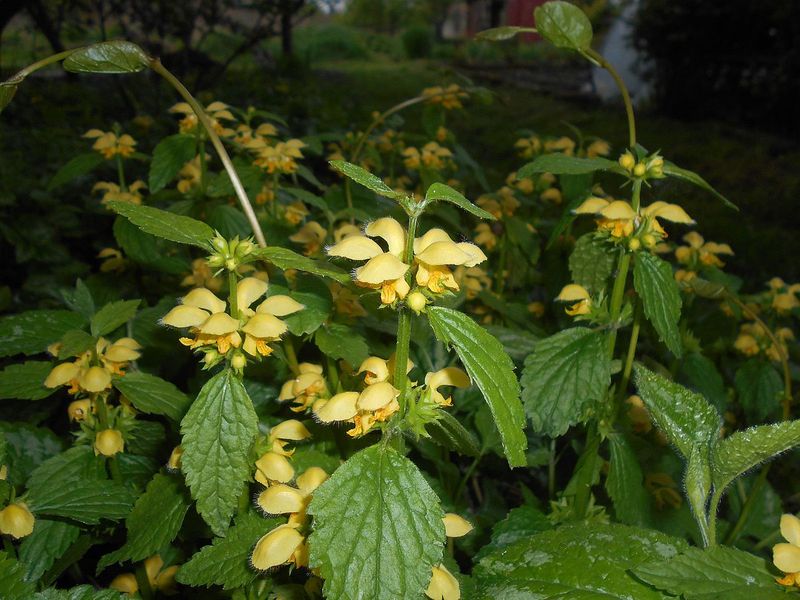
Shade gardens are tricky spaces to fill. Many popular plants need sunlight, so gardeners are always searching for something that thrives in dim, moist areas under trees.
Yellow Archangel seems to answer that need perfectly, which is exactly why it has ended up in so many yards.
Once planted in a shady bed, it does not just grow, it spreads. The plant produces long stems that run along the soil surface and root at each node.
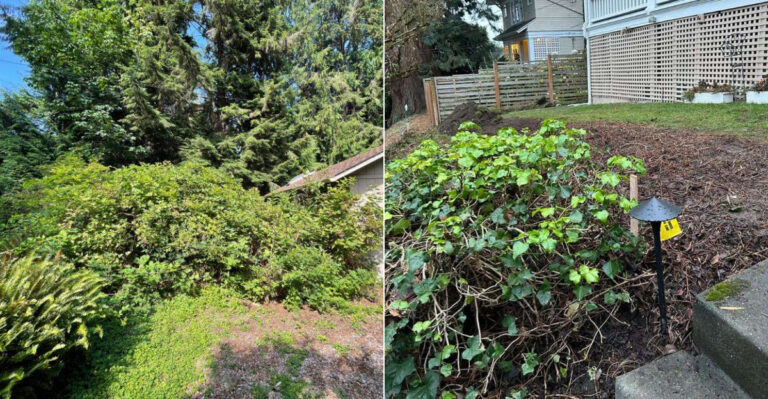
Before long, what started as a small cluster near the fence becomes a thick mat covering the entire bed. Most gardeners do not notice how far it has traveled until it is already well established.
Your Oregon Garden Changes Every Week. Your Plan Should Too.
Gardening in Oregon changes quickly throughout the season. Every Friday you’ll receive a simple weekly plan showing exactly what to plant, prune, fertilize, harvest, and protect so you never miss the right timing.
Shaded areas along streams, trails, and forest edges are especially vulnerable. Yellow Archangel thrives in the same cool, moist conditions found in natural woodland settings.
When it escapes a garden near a green space or park, it can establish itself in the wild with very little effort.
Spreading through shade beds also makes it harder to spot and harder to remove. The dense canopy above blocks light, making the area feel hidden.
Roots tangle with tree roots and other plants, so pulling Yellow Archangel out without disturbing the rest of the bed takes real patience.
By the time most gardeners realize it has spread, the job of removing it has already become much bigger than expected.
Dumped Clippings Can Start A New Patch
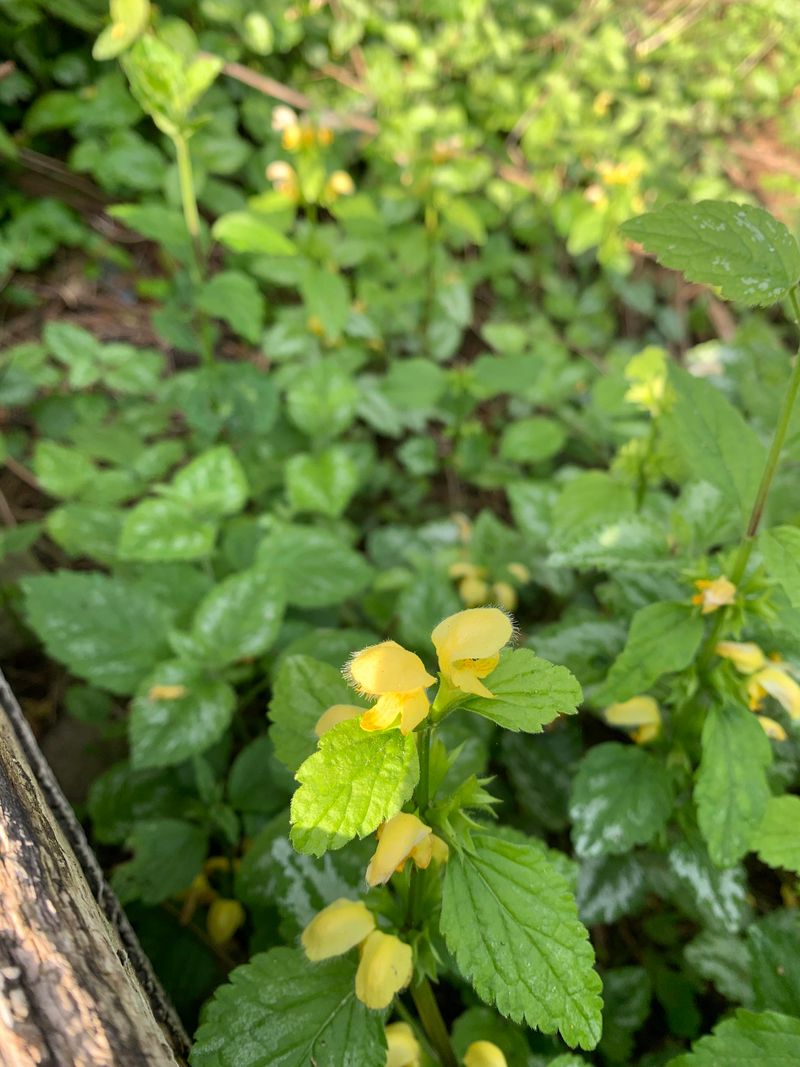
Here is something most gardeners never think about: tossing plant clippings into a compost pile or dumping them near a tree line can actually start a brand-new patch of an invasive plant.
With Yellow Archangel, even a small cutting with a node on it can take root in moist soil and begin growing all over again.
This is one of the most common ways the plant spreads beyond garden fences. A gardener trims back their groundcover in the fall, bags up the clippings, and tosses them into a yard waste pile at the edge of the property.
Rain soaks the pile, the cuttings settle into the soil, and by spring, a new colony is already forming.
Some people dump yard waste in forests, along trails, or near creek banks thinking they are doing something harmless or even helpful. But those moist, shaded environments are exactly where Yellow Archangel thrives.
A single dumped armful of clippings can spread across dozens of square feet within a few years.
The safest option is to bag Yellow Archangel clippings in sealed plastic bags and place them in the regular trash, not the yard waste or compost bin.
Many composting facilities do not get hot enough to break down invasive plant material completely.
Taking that extra step keeps a small garden task from turning into a much bigger problem for the natural areas near your home.
Its Variegated Leaves Help It Blend Into Gardens
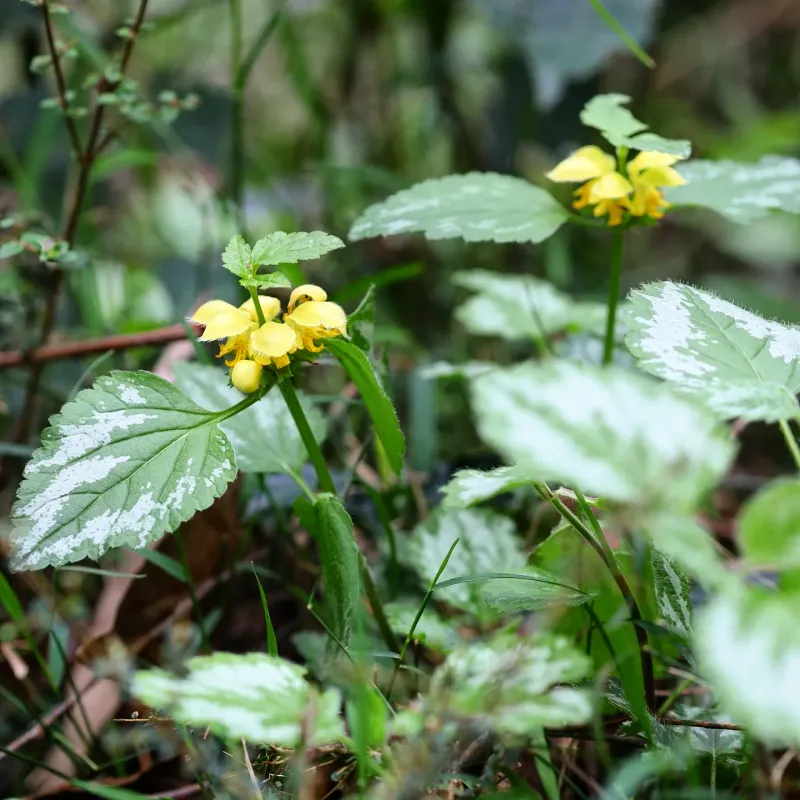
One reason Yellow Archangel stays in so many gardens for so long is simply that it looks like it belongs there. The leaves are genuinely attractive, with bold silver and green patterns that catch the eye.
In a mixed shade bed, it can look like a carefully chosen ornamental plant sitting right alongside hostas and ferns.
That visual appeal works against gardeners who are trying to identify what is growing in their beds. When a plant looks decorative and intentional, most people leave it alone.
They might even water and fertilize it without realizing they are helping an invasive species thrive.
The variegated form, sometimes sold under names like “Herman’s Pride” or “Silver Carpet,” is actually considered more aggressive than the plain green type.
Its showy leaves made it a popular nursery plant for years, and it was widely sold and traded before its invasive nature became well understood.
Some nurseries in this state still sell it today, which adds to the confusion. Learning to identify the plant is genuinely useful. Yellow Archangel has opposite leaves with toothed edges and silver markings.
In spring, it produces whorls of small yellow flowers along the stem. The stems are square in cross-section, which is a common trait in the mint family.
Once you know what to look for, spotting it in a garden bed becomes much easier, and you can take action before it spreads any further.
Shade Tolerance Makes It Harder To Contain
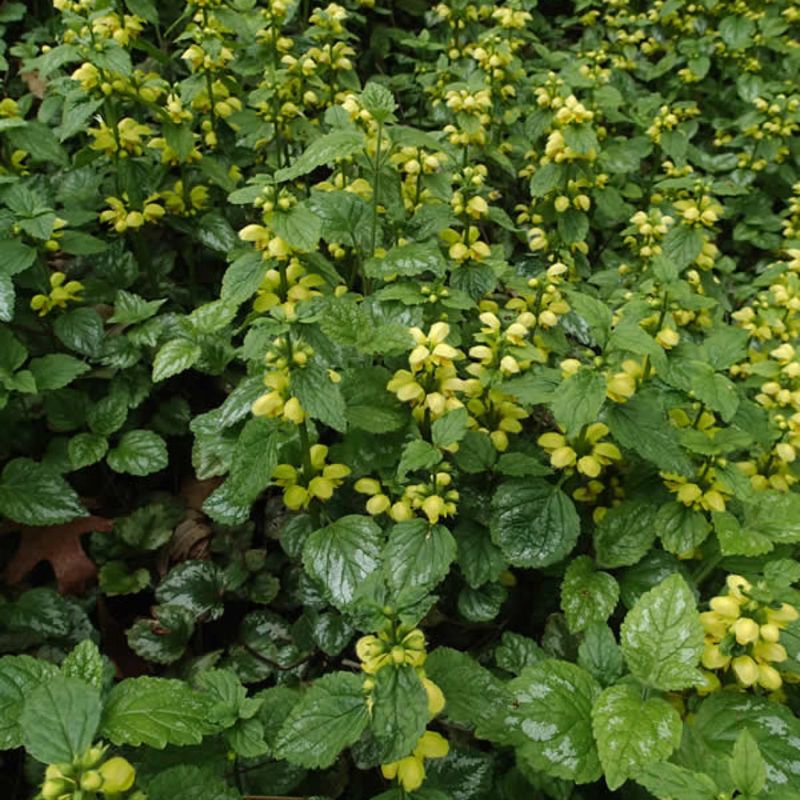
Most invasive plants have a weakness. Some need full sun, others require disturbed soil, and many cannot handle cold winters.
Yellow Archangel, though, is frustratingly adaptable. Its ability to grow in deep shade gives it a huge advantage over plants that gardeners might try to use to replace or outcompete it.
In a typical garden, shade-loving plants are already competing for limited space and resources. Yellow Archangel moves into those spots quickly and aggressively.
Its dense mat of leaves blocks light from reaching the soil below, which prevents other plants from getting the foothold they need to grow. Shaded natural areas near homes are particularly at risk.
Wooded backyards, stream corridors, and park edges often have the exact conditions this plant loves: moist soil, filtered light, and minimal disturbance. Once it establishes itself in one of these spots, containing it becomes a long-term project.
Even in deep shade where little else grows, Yellow Archangel continues to push outward. Removing it in shaded areas is difficult because the ground tends to be soft and root systems become deeply tangled over time.
Hand-pulling is the most recommended method, but it requires multiple sessions across several seasons to be effective. Persistence matters more than any single removal effort.
Staying consistent and checking the area several times a year gives you the best chance of keeping it from coming back and spreading further into natural spaces.
Once It Escapes, It Can Crowd Out Native Plants
Native plants are the backbone of healthy ecosystems. They provide food and shelter for local insects, birds, and other wildlife in ways that non-native species simply cannot replicate.
When an invasive plant like Yellow Archangel takes over a natural area, the impact goes far beyond just crowding out pretty wildflowers.
The plant forms a thick, continuous mat that can cover the entire forest floor. Native spring wildflowers, ferns, and tree seedlings cannot push through that dense layer.
Over time, the natural diversity of a woodland understory can collapse into a single-species carpet of Yellow Archangel.
This kind of takeover has already been documented in natural areas across the Pacific Northwest.
Volunteers and conservation crews spend significant time and resources trying to remove it from parks, nature preserves, and stream corridors.
In some locations, infestations cover entire hillsides and have been spreading for decades.
The loss of native plants also affects animals. Birds that rely on native berry-producing shrubs lose a food source.
Insects that evolved alongside native wildflowers cannot use Yellow Archangel as a substitute.
The whole food web shifts when native plants are replaced by a single invasive species. Gardeners who live near green spaces, parks, or natural areas carry extra responsibility.
Keeping Yellow Archangel out of your yard, or removing it if it is already there, directly protects the wild spaces nearby. Small choices in a home garden can have a real effect on the health of a whole ecosystem.
Gardeners Often Spread It While Cleaning Up Beds
Spring and fall cleanups are some of the most well-meaning things a gardener can do, but with Yellow Archangel, good intentions can backfire fast.
The plant spreads not just on its own but through the very actions people take to manage their yards.
Pulling up runners and tossing them aside is a common mistake. Any piece of stem with a node on it can root in moist soil.
A runner dropped on bare ground nearby, or tossed into a brushy corner of the yard, has a real chance of establishing a new plant.
Many gardeners have unknowingly created new patches while trying to clean up old ones. Moving soil is another way the plant travels.
If you dig up a section of a bed containing Yellow Archangel and use that soil elsewhere in the yard, you may be transplanting roots and stem fragments along with it. Even small root pieces left in the soil can regenerate over time.
Sharing plants with friends and neighbors is a beloved gardening tradition, but it is also how Yellow Archangel has traveled from yard to yard across this state.
Someone passes along a handful of what looks like a pretty groundcover, and within a season or two, the recipient has a spreading problem of their own.
Being careful during cleanups, bagging all material securely, and washing tools between garden areas are all simple habits that can make a meaningful difference in stopping the spread.
Better Shade Groundcovers Can Replace It Safely
Pulling out Yellow Archangel does not mean you have to live with a bare, muddy patch under your trees.
Plenty of native and well-behaved plants can fill that same shady space without threatening the natural areas around your home. Making the switch is one of the most positive steps a gardener can take.
Wild ginger, or Asarum caudatum, is a fantastic native option for shaded areas in this state. It grows slowly and steadily, forms a dense mat over time, and stays in bounds without runners escaping into wild spaces.
It also supports native pollinators and fits naturally into the local ecosystem.
Native sword ferns are another excellent choice. They are tough, beautiful, and deeply rooted in the forests of the Pacific Northwest.
Once established, they need very little care and provide great texture and year-round greenery in shady beds.
For gardeners who want flowering groundcovers, native violets are a lovely pick. They spread gently, attract native bees and butterflies, and look right at home in a woodland-style garden.
Bleeding heart, or Dicentra formosa, is another charming native that thrives in shade and adds a soft, cottage feel to a garden bed.
Local native plant nurseries and conservation districts are great resources for finding the right plants for your specific yard.
Many offer free advice and sometimes even host plant sales that make it easy and affordable to replace invasive species with plants that truly belong here.