The First Insects You Notice In Michigan Gardens In Spring Are Not Always Pests
The first stretch of warm weather in Michigan brings a noticeable shift outside.
You step into the yard, take a closer look at the soil and plants, and suddenly there is movement again where everything sat still not long ago, especially in areas you passed by all winter.
It is easy to assume those early insects mean trouble, especially when you are eager to protect new growth.
But many of these first arrivals play important roles in the garden, helping break down organic matter, supporting soil health, or keeping other insect populations in check, even before plants fully leaf out.
Some of them show up before common pests ever get established in the first place. Watching closely over a few days starts to reveal patterns you might not expect.
1. Early Spring Activity Starts Before Plants Fully Wake Up
Long before your tulips push through the soil or your tomato seedlings are ready to go outside, insects in Michigan are already on the move. Soil temperatures rising just a few degrees above freezing is enough to wake up many species that spent the winter hidden under leaf litter, bark, or just below the ground’s surface.
This early activity is actually a sign of a healthy garden ecosystem coming back to life.
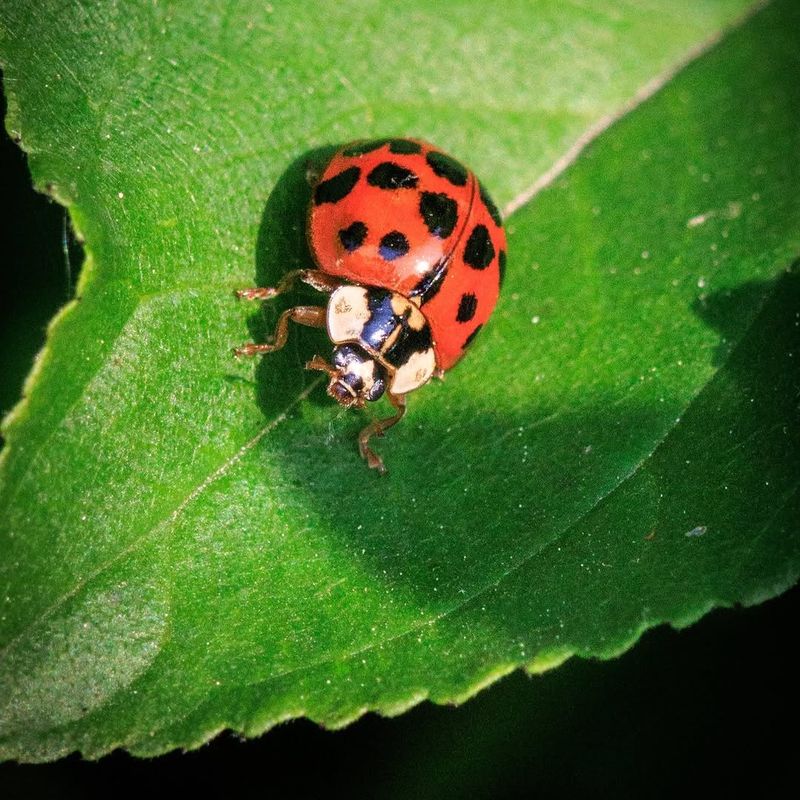
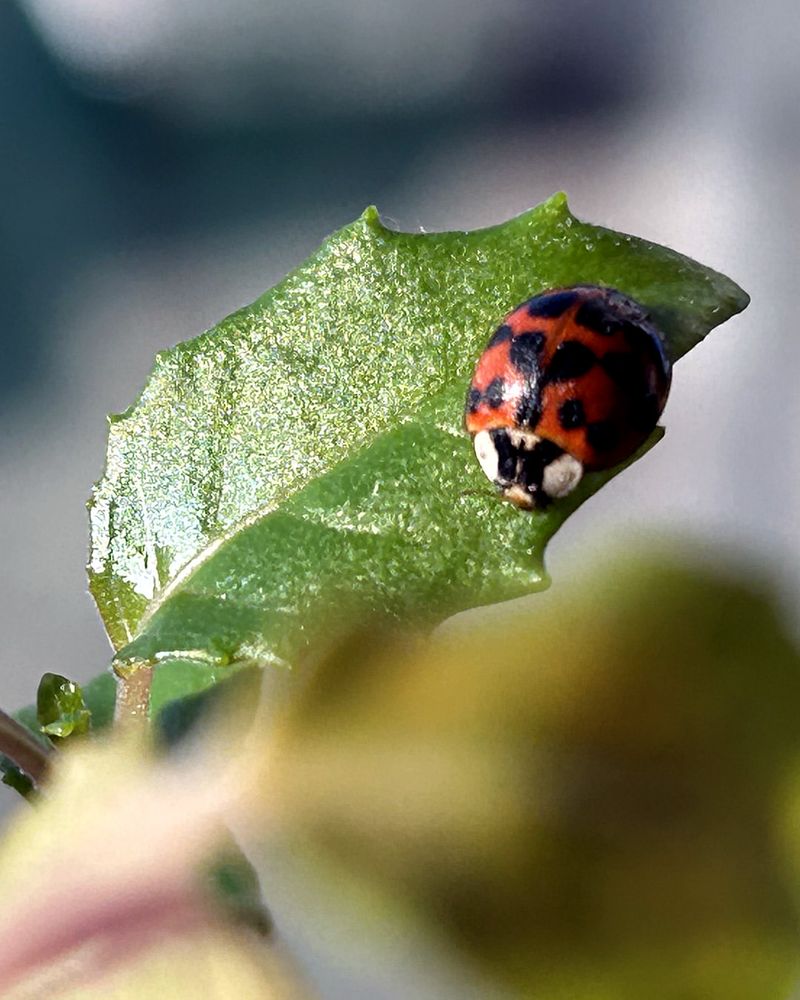
Lady beetles are among the first to appear, crawling out of sheltered spots to search for early aphid colonies on young plant growth. Ground beetles begin patrolling the soil surface at night, hunting for slug eggs and other soft-bodied creatures before most gardeners have even put on their boots for the season.
Hover flies, which look surprisingly similar to small bees, can be spotted on mild days even before many flowers have opened.
For Michigan gardeners, this early window is a great time to simply watch and learn. Avoid turning over mulch too aggressively in early spring, because you might disturb beneficial insects that are still getting their bearings.
A little patience goes a long way. Letting the garden wake up naturally, without heavy disturbance, gives these helpful early risers the best chance to settle in and start doing their good work before pests even have a chance to build up numbers.
2. Many Of The First Insects You See Are Not Garden Pests
Spotting a bug on your plant does not automatically mean something is wrong. In Michigan, the majority of insects that show up in the early weeks of spring are either completely harmless or actively helpful to your garden.
The problem is that many gardeners do not know what they are looking at, so they treat every insect as a threat and end up removing the very creatures that would have protected their plants.
Green lacewings are a perfect example. Their delicate, see-through wings and bright green bodies make them look almost decorative, but their larvae are fierce hunters that eat aphids by the hundreds.
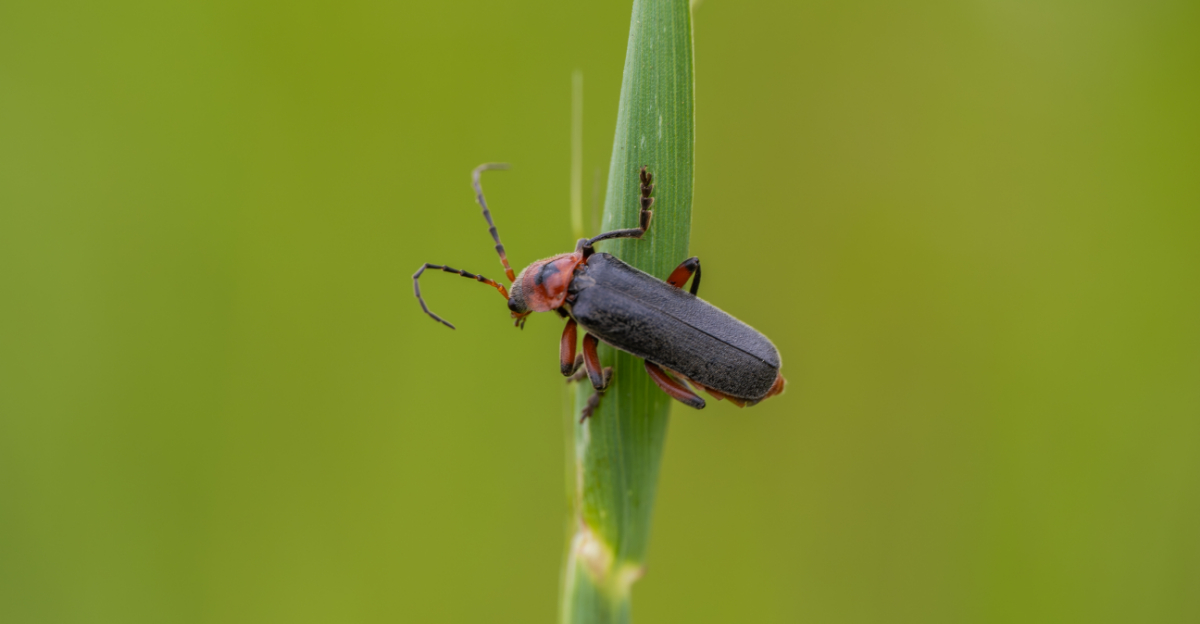
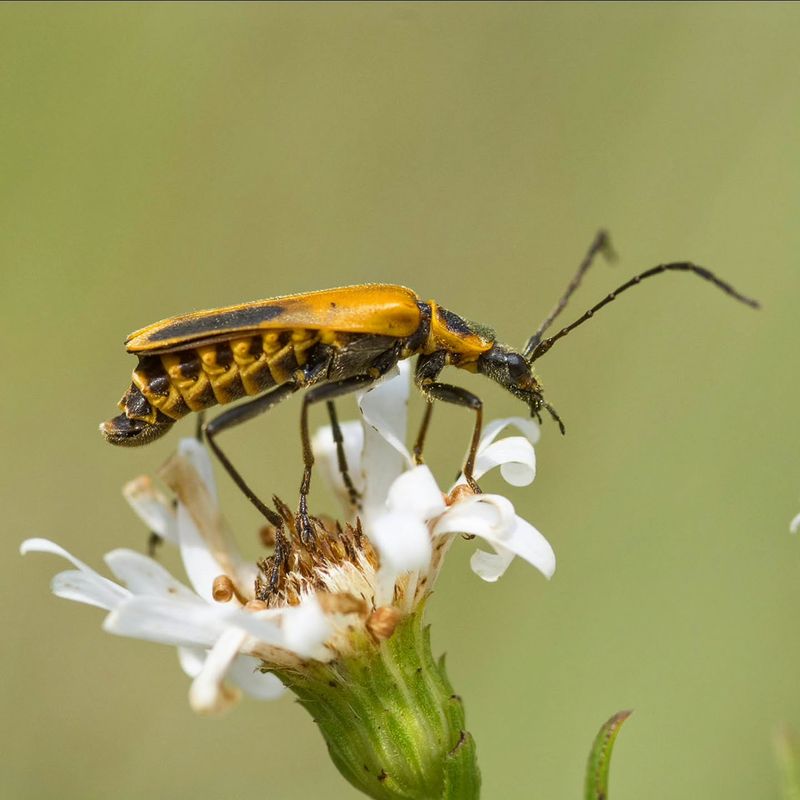
Soldier beetles, which look a little like fireflies with orange and black coloring, show up on flowers early in the season and spend their time feeding on pollen while also hunting soft-bodied pests. Neither of these insects causes any harm to your plants whatsoever.
Your Michigan Garden Changes Every Week. Your Plan Should Too.
Gardening in Michigan changes quickly throughout the season. Every Friday you’ll receive a simple weekly plan showing exactly what to plant, prune, fertilize, harvest, and protect so you never miss the right timing.
Learning to recognize a few common beneficial insects makes a huge difference in how you manage your Michigan garden. Field guides, gardening apps, and even a quick phone photo can help you identify what you are seeing.
The rule of thumb is simple: if you are not sure what an insect is, hold off before taking any action. Watching its behavior for a few minutes can tell you a lot.
Insects that are feeding on other insects are almost always on your side.
3. Beneficial Insects Help Control Pests Naturally
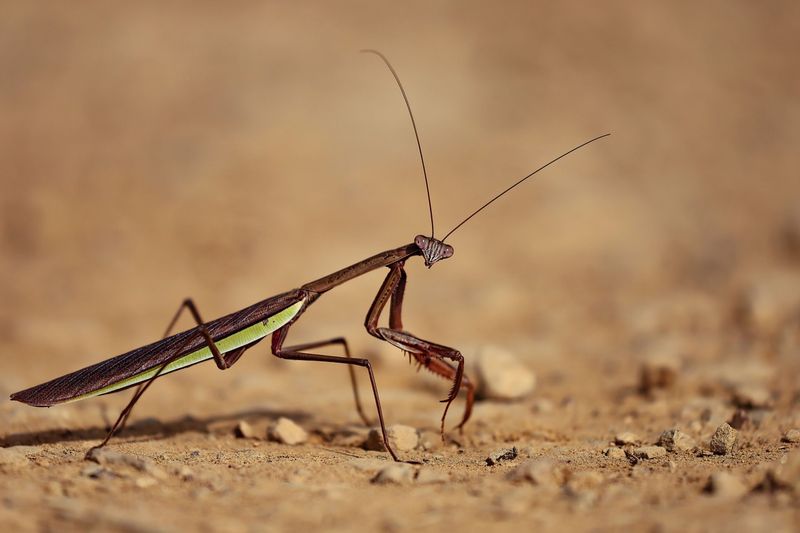
One of the best things about a well-balanced Michigan garden is that nature provides its own pest management team, completely free of charge. Predatory insects like praying mantises work quietly in the background, helping keep pest populations in check.
When these beneficial hunters are present, they can reduce pest pressure and make problems easier to manage, even if they do not eliminate pests entirely.
Praying mantises are among the most fascinating helpers you can have in the garden. They typically hatch from egg cases in late spring, so you may not notice them right away early in the season.
Once active, they become skilled hunters that will feed on a wide range of insects, including many common garden pests. Their ability to adapt and hunt different prey makes them a valuable part of a balanced garden ecosystem.
Encouraging praying mantises starts with creating a space where they can thrive. Avoid broad-spectrum pesticide sprays, which can harm beneficial insects along with pests.
Planting a mix of flowers with staggered bloom times helps provide shelter and supports a wider insect population. A diverse garden tends to stay healthier, more balanced, and more resilient throughout the growing season.
4. Pollinators Begin Visiting As Soon As Temperatures Rise
You might be surprised how quickly pollinators show up once Michigan temperatures start climbing above 50 degrees Fahrenheit. Hover flies are often the very first pollinators spotted in Michigan gardens each spring, sometimes appearing on warm days in late March or early April when only a handful of flowers are open.
Because they have yellow and black stripes, people frequently mistake them for small bees or wasps, but hover flies do not sting and are completely harmless to people and pets.
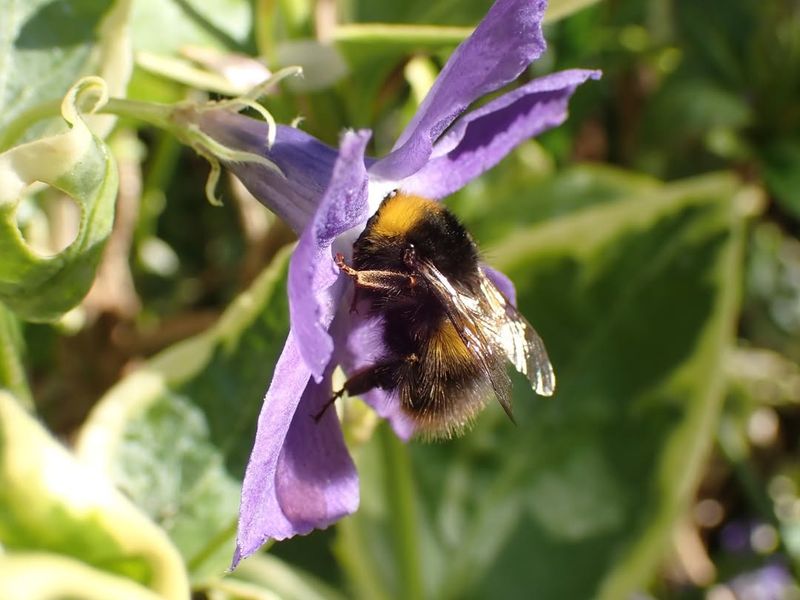
Early-emerging bumblebee queens are another welcome sight. After spending the winter underground, these large, fuzzy bees come out hungry and immediately begin searching for nectar and pollen from early bloomers like dandelions, crocuses, and willow trees.
Without these queens finding food and establishing new colonies in spring, there would be far fewer bumblebees to pollinate your garden vegetables and flowers later in the season.
Michigan gardeners can make a real difference for early pollinators by planting spring-blooming flowers like hellebores, lungwort, and early tulip varieties. Even leaving a patch of dandelions near the edge of your yard provides a valuable food source when almost nothing else is blooming.
Small choices like these add up quickly. A garden that feeds pollinators from the very start of the season will attract and support a much richer variety of beneficial insects throughout spring, summer, and into fall.
5. Moist Soil And Mulch Bring Out Ground-Dwelling Insects
After the snow melts and spring rains begin soaking Michigan’s garden beds, the soil and mulch layer become a busy neighborhood for all kinds of ground-dwelling insects. Lifting a piece of bark or a handful of mulch in April will often reveal a whole community of creatures living just beneath the surface.
Most of these are not threats to your plants at all.
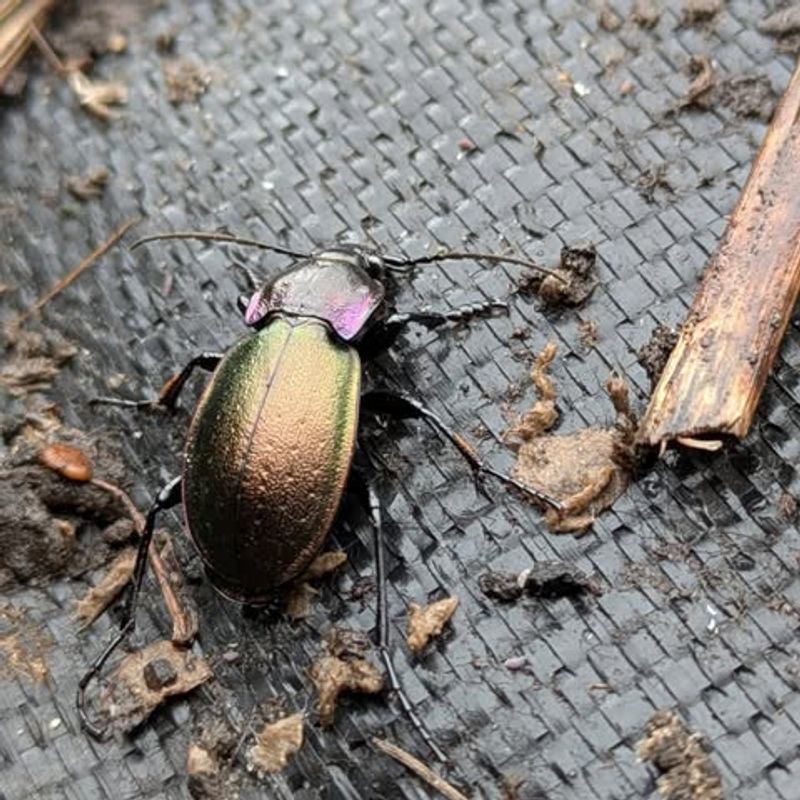
Ground beetles are among the most valuable residents of this underground world. These shiny, fast-moving beetles come out at night and spend their days hiding under mulch, stones, or garden debris.
They are active hunters that feed on cutworm larvae, slug eggs, root maggots, and other pests that can cause serious damage to vegetable gardens. A single ground beetle can consume a surprising number of harmful insects over the course of one season in a Michigan garden.
Roly-poly bugs, also known as pill bugs or sowbugs, are another common sight in moist garden beds. Despite their bug-like appearance, they are actually crustaceans, more closely related to crabs than insects.
They primarily break down decaying plant matter, which helps improve soil health. While very large populations can occasionally nibble on seedlings, they are generally considered harmless and even helpful.
Keeping a layer of mulch in your garden beds not only holds moisture but also provides the sheltered habitat that these ground-level helpers need to thrive all season long.
6. Indoor Plants Often Reveal Fungus Gnats First
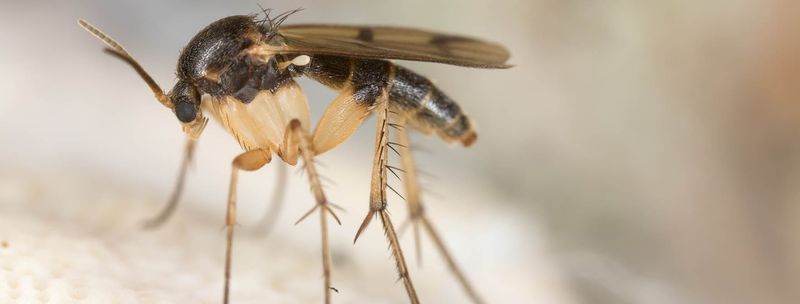
For many Michigan gardeners, the first insect encounter of the new year does not happen outside at all. Fungus gnats are tiny, dark-colored flies that breed in the moist soil of houseplants, and they often become noticeable in late winter or early spring when people start checking on their indoor plants more frequently.
Seeing a small cloud of flies rise up from a pot when you water it is a classic sign that fungus gnats have moved in.
Adult fungus gnats are mostly a nuisance rather than a serious threat. They do not bite and cause very little direct damage to plants.
The real issue is their larvae, which live in the top layer of soil and feed on organic matter, fungi, and occasionally the fine roots of young seedlings. For most mature houseplants, this is not a big problem.
However, if you are starting seeds indoors for your Michigan garden, fungus gnat larvae can be damaging to delicate young roots.
Managing fungus gnats is straightforward once you understand their habits. Allowing the top inch or two of soil to dry out between waterings removes the moist conditions their eggs and larvae need to survive.
Yellow sticky traps placed near affected pots catch adult gnats and help reduce the breeding population quickly. Starting seeds in a fresh, sterile seed-starting mix rather than reused potting soil also goes a long way toward preventing these tiny flies from becoming a recurring springtime headache in your Michigan home.
7. Simple Observation Helps You Tell Helpful From Harmful
The single most powerful tool any Michigan gardener has is also the simplest one: paying attention. Spending just a few minutes each day walking through your garden and watching what insects are doing can tell you an enormous amount about the health of your outdoor space.
You do not need expensive equipment or years of training to develop a good eye for what is happening at the insect level.
Start by asking basic questions when you spot an unfamiliar insect. Is it feeding on a plant, or is it feeding on another insect?
Is it hovering near flowers, or is it burrowing into stems? Insects that are actively hunting other bugs are almost always beneficial.
Insects that leave behind chewed leaves, sticky residue, or wilting stems deserve a closer look. Taking a quick photo and running it through a free insect identification app can give you a confident answer in seconds.
Michigan State University Extension offers excellent free resources for gardeners who want to learn more about identifying both beneficial and pest insects specific to the region. Local garden clubs and master gardener programs across Michigan also host spring workshops where you can learn alongside experienced growers.
Building this knowledge base early in the season means you will make smarter, more confident decisions all year long. A garden managed with observation and understanding is always healthier than one managed with fear and guesswork, and your plants will absolutely show the difference.