North Florida April Mistakes Gardeners Make As The Season Warms Up
Some mornings in North Florida start feeling almost like summer, and it is easy to think the garden is ready for anything.
After a few warm days, many gardeners jump into planting, pruning, and feeding without slowing down to think twice.
But April here still has a way of shifting under your feet. Soil can warm unevenly, a brief cool spell can sneak in, and the pace of growth changes quickly as days get longer.
What feels like a smart move in the moment can quietly set plants back or lead to stress later.
Those early choices tend to follow your garden for months, showing up in growth patterns, bloom timing, and overall plant health, and a closer look at what happens this month starts to reveal why.
1. Planting Warm Season Crops Too Early
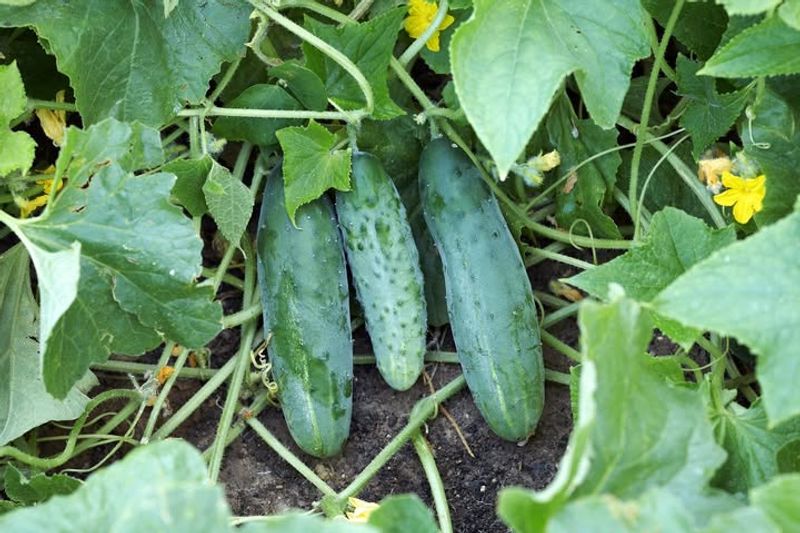
Getting excited about planting tomatoes and peppers the moment temperatures start climbing is one of the most common traps North Florida gardeners fall into every April. The days might feel warm and inviting, but nighttime temperatures in North Florida can still dip low enough to stress young transplants that have not had time to harden off properly.
Warm season crops like squash, cucumbers, and beans need consistent soil temperatures of at least 65 degrees Fahrenheit to germinate and grow well. If you rush things and the soil is still too cool, seeds can sit in the ground and rot before they ever sprout.
Transplants may look okay at first, but cool nights can slow root development and leave plants vulnerable to disease.
A good rule of thumb for North Florida gardeners is to check both the air temperature and soil temperature before planting. Use a simple soil thermometer, which costs just a few dollars at most garden centers.
If you plant in early April, focus on more cold-tolerant or transitional crops, and wait to plant heat-loving crops like sweet potatoes and southern peas until soil temperatures are consistently warm.Save the more temperature-sensitive crops for mid to late April when conditions are more reliably warm. Patience during this window pays off with stronger, healthier plants that produce more abundantly through the season.
2. Ignoring Late Frost Risk
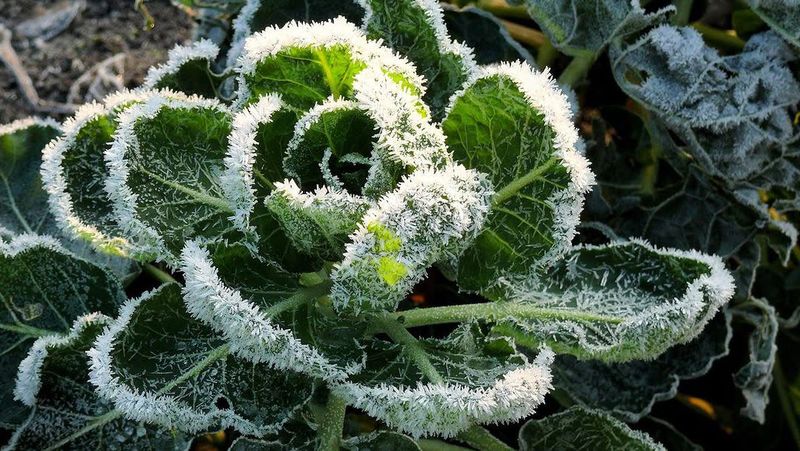
Most people assume that because North Florida sits so far south, frost is basically a non-issue by April. That assumption has cost many gardeners a full flat of seedlings in a single cold night.
While true hard freezes are rare this late in the season, light frost events can and do happen in northern parts of Florida, especially in low-lying areas and inland regions away from the coast.
Areas like Tallahassee, Gainesville, and Lake City sit at higher elevations and experience cooler overnight lows than coastal communities. A night that drops into the mid-30s might not seem alarming, but tender seedlings and tropical plants can suffer significant damage at those temperatures.
The tricky part is that April weather in North Florida can be unpredictable, swinging from warm afternoons to surprisingly chilly nights within the same week.
Keeping a close eye on the forecast, especially during the first two weeks of April, is a smart habit. Lightweight row covers or even old bedsheets draped over plants can provide enough protection on a cold night to make a real difference.
Your Florida Garden Changes Every Week. Your Plan Should Too.
Gardening in Florida changes quickly throughout the season. Every Friday you’ll receive a simple weekly plan showing exactly what to plant, prune, fertilize, harvest, and protect so you never miss the right timing.
Keep covers on hand and ready to use rather than scrambling at the last minute. For container plants, moving them to a covered porch or garage overnight is an easy solution.
A little preparation on the front end saves a lot of frustration and replanting costs later in the season.
3. Skipping Soil Improvement In Sandy Soil
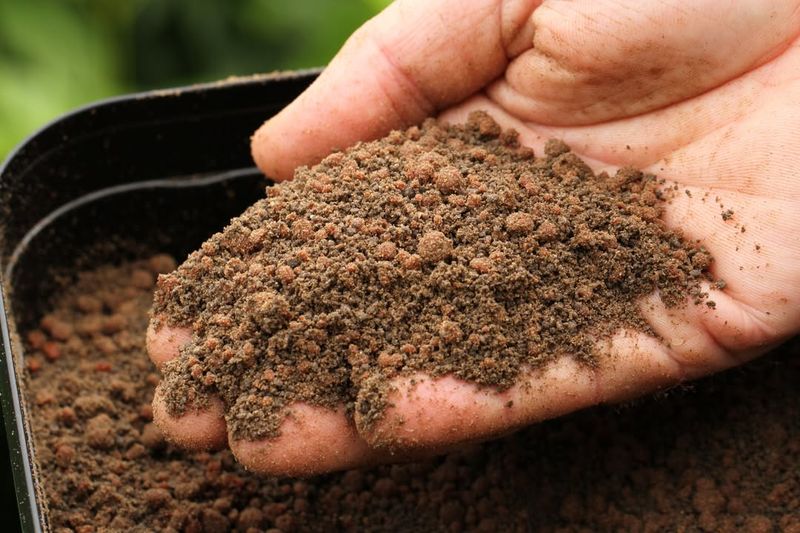
Sandy soil is practically the signature feature of North Florida gardening, and while it drains beautifully, it also struggles to hold onto the nutrients and moisture that plants need to flourish. Skipping soil improvement because the ground looks fine on the surface is a mistake that shows up fast once plants start growing and running out of what they need.
Sand particles are large and loose, which means water and fertilizer move through quickly without being absorbed by plant roots. Organic matter like compost, aged manure, or peat moss fills in those gaps, creating a richer, more balanced growing environment.
Adding two to three inches of compost and working it into the top several inches of soil before planting makes a noticeable difference in how well plants establish and grow throughout the season.
North Florida gardeners who invest in soil improvement every spring tend to see better yields, fewer watering issues, and healthier plants overall. Raised beds filled with a blend of quality topsoil, compost, and other amendments are another excellent option for areas where the native sandy soil is especially poor.
Mulching on top of the soil after planting also helps retain moisture and regulate temperature. Think of soil improvement not as an optional extra step but as the foundation that everything else depends on.
Strong, amended soil is the single most impactful upgrade a North Florida gardener can make in April.
4. Overwatering Or Underwatering
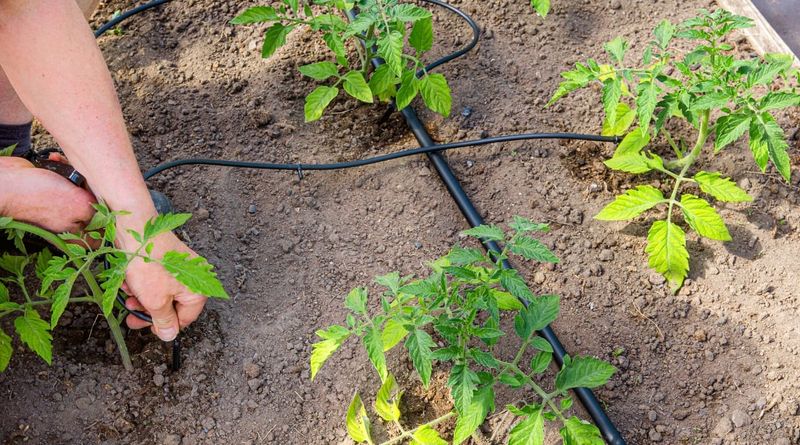
Water management is one of those gardening skills that sounds simple until you are standing in your North Florida yard in April trying to figure out why your plants look stressed despite regular watering. Both overwatering and underwatering are surprisingly common this time of year, and both can send plants into a downward spiral fast.
April weather in North Florida can be unpredictable. Some weeks bring steady rain, while others are dry and warm enough to pull moisture right out of the sandy soil within a day or two.
Gardeners who stick to a fixed watering schedule without checking actual soil conditions often end up either drowning their roots or leaving plants thirsty. The classic finger test, pushing your finger about an inch into the soil, is still one of the most reliable ways to check moisture levels before reaching for the hose.
Overwatering in sandy soil can lead to root rot, fungal problems, and nutrient washout. Underwatering, on the other hand, causes stress that weakens plants and makes them more susceptible to pests and disease.
Installing a simple drip irrigation system with a timer can take a lot of the guesswork out of the equation. Drip systems deliver water directly to the root zone, reducing waste and keeping foliage dry, which helps prevent fungal issues.
Adjusting your irrigation schedule weekly based on rainfall and temperature changes is one of the best habits a North Florida gardener can build this spring.
5. Planting Without Enough Sun
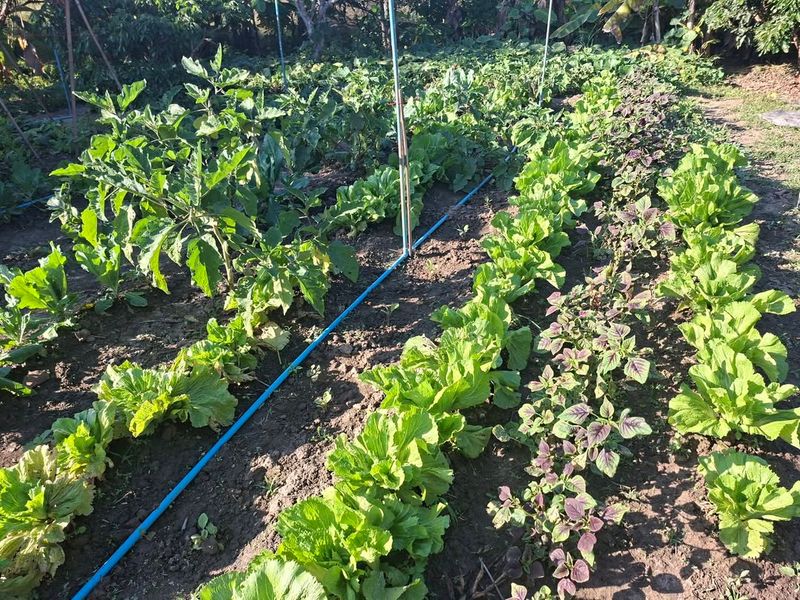
North Florida is famous for its beautiful live oaks and sprawling shade trees, and while those trees are wonderful for keeping your yard cool, they can be a real challenge when it comes to vegetable gardening. Planting crops in spots that do not receive enough direct sunlight is a mistake that shows up slowly but surely as the season progresses.
Most warm season vegetables, including tomatoes, peppers, squash, and beans, need at least six to eight hours of direct sunlight each day to produce well. When they are planted in partial shade or under a canopy of trees, they may grow but they will stretch and become leggy, produce fewer fruits, and become more vulnerable to fungal diseases that thrive in low-light, humid conditions.
North Florida’s April sun is strong and consistent enough to support excellent vegetable production, but only in the right spots.
Before planting, spend a day observing how sunlight moves across your yard. Take note of where shade falls in the morning versus the afternoon, since morning sun with some afternoon shade can actually work well for certain crops during the hotter months ahead.
Raised beds and container gardens offer the flexibility to move plants or position them in the sunniest available spots. If your yard is heavily shaded, consider shade-tolerant crops like lettuce, spinach, or herbs instead of sun-hungry vegetables.
Matching your plant choices to your actual light conditions sets everyone up for a much more rewarding season.
6. Choosing The Wrong Varieties
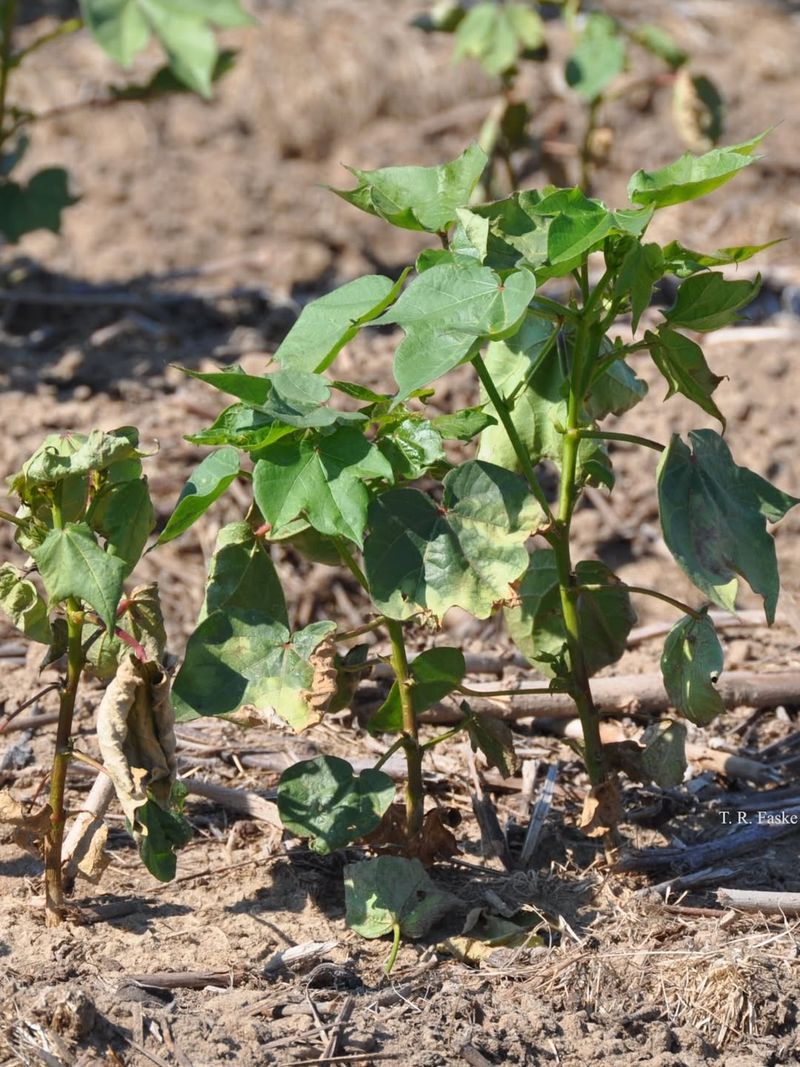
Walking into a garden center and picking up the first tomato or pepper variety that looks appealing is a tempting move, especially when everything looks healthy and promising in April. But not every variety sold at big box stores is well suited to North Florida’s intense heat, high humidity, and unique growing conditions, and choosing the wrong one can lead to a disappointing season.
Florida has its own set of challenges that varieties developed for cooler northern climates simply are not built to handle. Diseases like fusarium wilt, nematodes in the sandy soil, and the relentless summer heat can overwhelm plants that lack the right genetic traits.
University of Florida’s IFAS extension program has spent years identifying and recommending varieties that perform best in Florida conditions. Varieties like Heatmaster tomatoes, Seminole pumpkins, and Everglades tomatoes are bred or selected specifically for Florida’s climate and tend to outperform generic varieties significantly.
Spending a few minutes reading plant tags or doing a quick search for Florida-recommended varieties before purchasing can save a full season of frustration. Local UF/IFAS extension offices are a fantastic free resource for North Florida gardeners, offering planting guides, variety recommendations, and advice tailored to your specific county.
Heirloom varieties can be wonderful, but always check whether they have been trialed in Florida conditions before committing to a full bed. Choosing varieties thoughtfully is one of the smartest investments a North Florida gardener can make every spring.
7. Ignoring Early Pest Activity
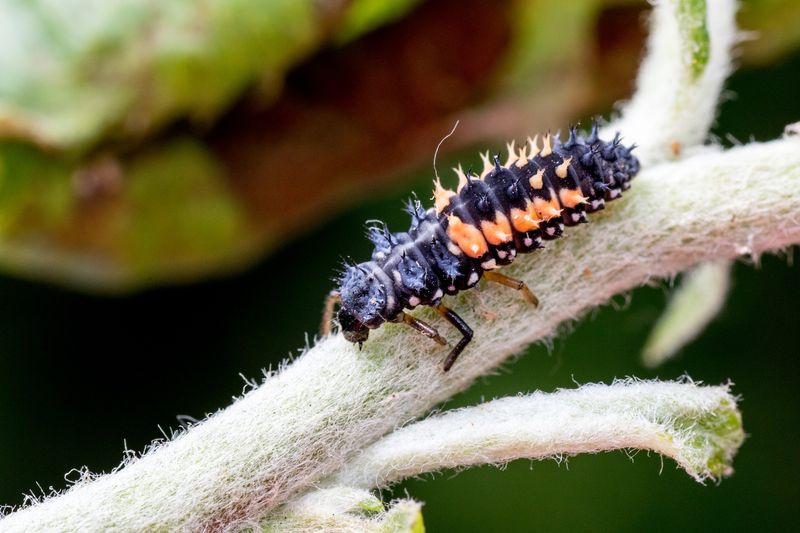
Warm April temperatures in North Florida do not just wake up plants. They also signal to insects that it is time to get back to work.
Aphids, caterpillars, whiteflies, and spider mites all ramp up their activity as the weather warms, and catching an infestation early makes a tremendous difference in how manageable it stays.
One of the most common mistakes North Florida gardeners make in April is waiting until damage is obvious before taking action. By the time you see large patches of chewed leaves or curling, yellowing foliage, pest populations may already be well established.
Making a habit of walking through your garden every few days and flipping leaves over to check the undersides is one of the simplest and most effective things you can do. Aphids in particular love to cluster on the undersides of leaves and on tender new growth, where they can be hard to spot until their numbers explode.
Early intervention options include a strong blast of water to knock off soft-bodied insects, insecticidal soap sprays, or neem oil treatments, all of which are effective and relatively gentle on beneficial insects when used correctly. Encouraging natural predators like ladybugs and lacewings by planting flowers nearby also helps keep pest populations in check.
North Florida’s warm, humid conditions create a perfect environment for rapid pest multiplication, so building regular monitoring into your gardening routine from early April onward keeps problems small and your plants productive all season long.
8. Fertilizing Incorrectly
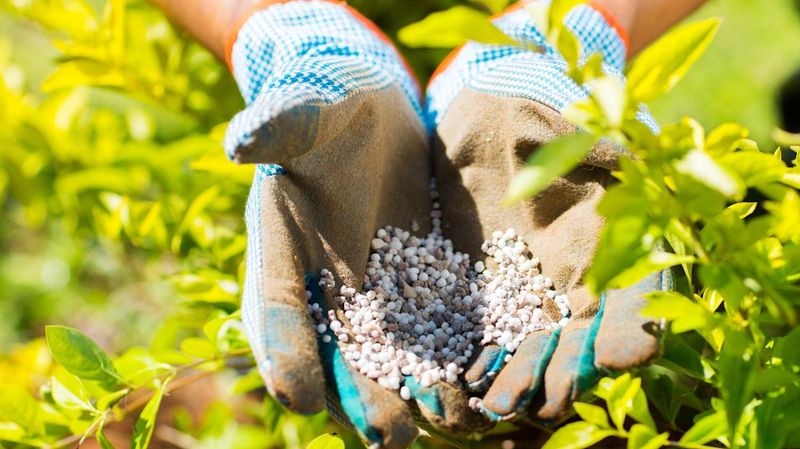
Fertilizing feels like one of those tasks that is hard to get wrong, but in North Florida’s sandy soil and warm April conditions, the timing and type of fertilizer you use matters more than most gardeners realize. Applying fertilizer too early, too late, or in the wrong form can waste money and actually harm your plants instead of helping them.
One of the biggest fertilizing mistakes in North Florida is applying a heavy dose of fast-release nitrogen fertilizer before plants have established their root systems. When roots are still small and developing, they cannot absorb nutrients quickly enough, and the excess washes right through the sandy soil into groundwater.
North Florida’s environmental regulations actually restrict fertilizer use during rainy periods for exactly this reason. Applying fertilizer right before a heavy rain is another common error that leads to nutrient runoff and little benefit to your garden.
A better approach is to use a balanced slow-release fertilizer worked into the soil at planting time, then follow up with lighter applications every four to six weeks as the season progresses. Organic options like fish emulsion or compost tea are gentler on the soil ecosystem and less likely to burn tender roots.
Always follow label directions rather than assuming more is better, because over-fertilizing can cause excessive leafy growth at the expense of fruit production. For North Florida lawns and vegetable gardens alike, waiting until mid-April when active growth is underway before fertilizing tends to produce the best and most efficient results.