This Easy Pennsylvania Plant Delivers Big Color Without The Fuss
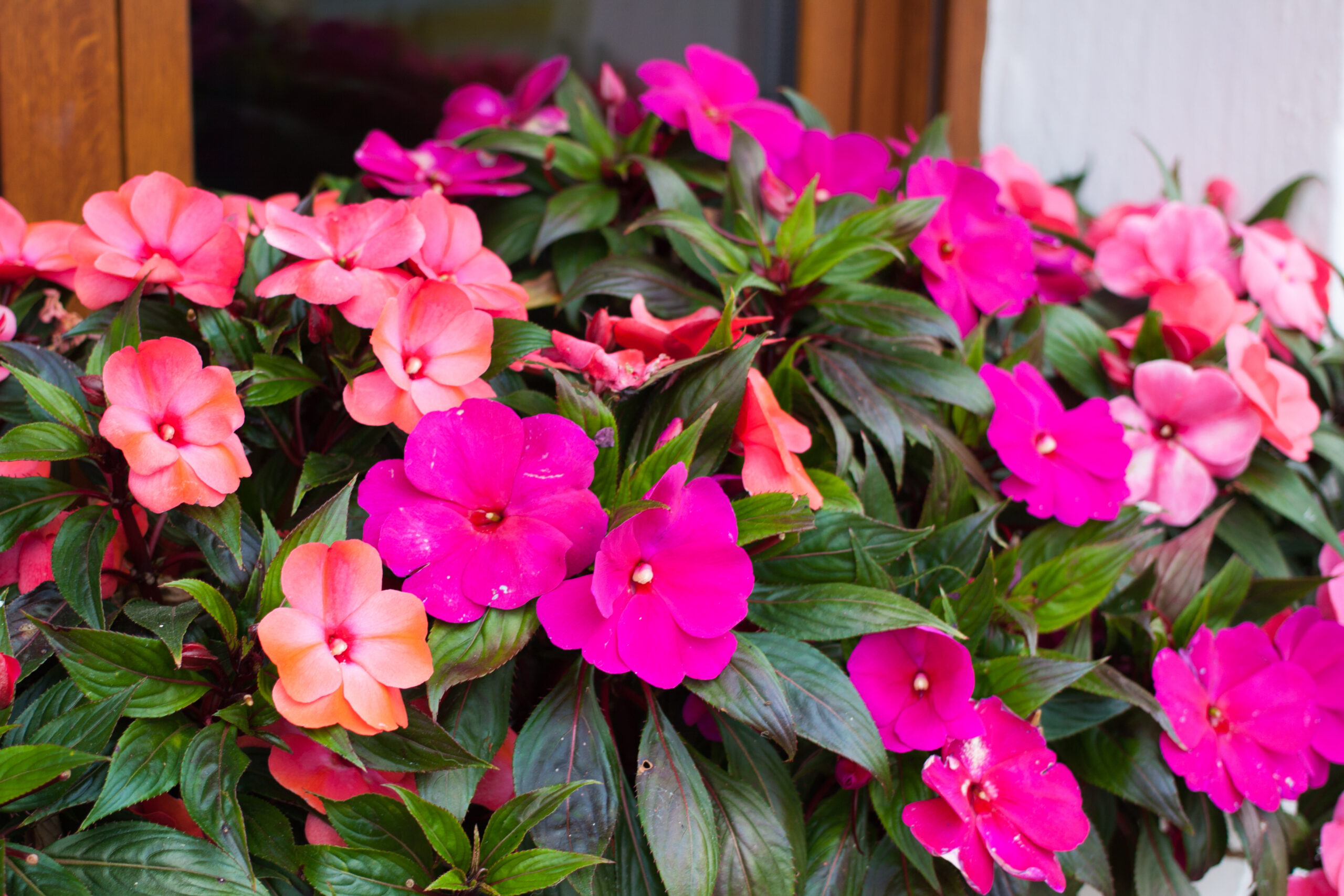
Not every colorful garden plant demands constant attention, and that is exactly why this one has earned so many fans in Pennsylvania.
It brings cheerful, eye-catching color to porches, shady beds, window boxes, and front walks without acting fussy every step of the way.
For gardeners who want something bright and reliable, that kind of easy payoff is hard to ignore. Even better, it fits right into spots where many other flowers struggle, especially areas that do not get blasted with sun all day.
Once it settles in, this plant has a way of making the whole yard feel more alive. It fills out nicely, blooms generously, and keeps the color going with less effort than people expect.
That makes it a favorite for busy homeowners, beginner gardeners, and anyone who wants a polished look without turning garden care into a full-time hobby.
If your outdoor space needs a simple boost, impatiens might be exactly the kind of low-stress beauty you have been missing.
Why Impatiens Are A Pennsylvania Favorite
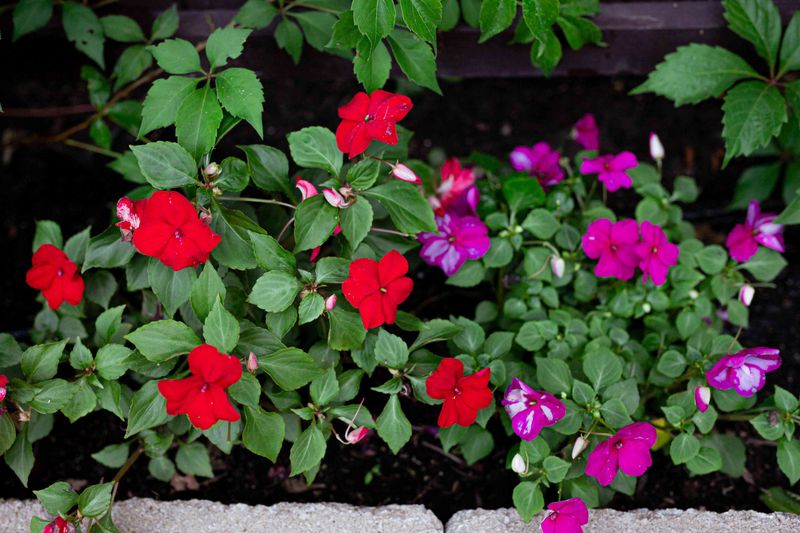
Walk through almost any Pennsylvania neighborhood in summer and you will spot them right away. Bright splashes of pink, red, coral, white, and purple tucked under trees, lining front walkways, and spilling out of porch containers.
Those are impatiens, and they have earned their place as one of the most beloved warm-season annuals across the state.
Pennsylvania gardeners face a real challenge. A huge portion of the state is shaded by mature oaks, maples, and other large trees, especially in older neighborhoods and suburban areas.
Most flowering annuals need full sun to put on a good show. Impatiens are different. They actually prefer the cooler, filtered light that those big trees provide, which makes them a natural fit for Pennsylvania yards.
Their bloom season is another big reason for their popularity. Plant them in late May after the last frost, and they will flower continuously right through September or even October.
No deadheading required. No complicated fertilizing schedules. They just keep going, week after week, filling shady spots with reliable, long-lasting color.
The color range is genuinely impressive. You can find impatiens in soft pastels, hot tropical shades, and crisp whites.
Many varieties come in bicolor patterns too, which adds even more visual interest to a planting. For Pennsylvania homeowners who want maximum impact without maximum effort, impatiens have long been the go-to answer.
Few other annuals can match their combination of easy care, shade tolerance, and season-long performance in this region.
What Makes Impatiens So Low-Fuss
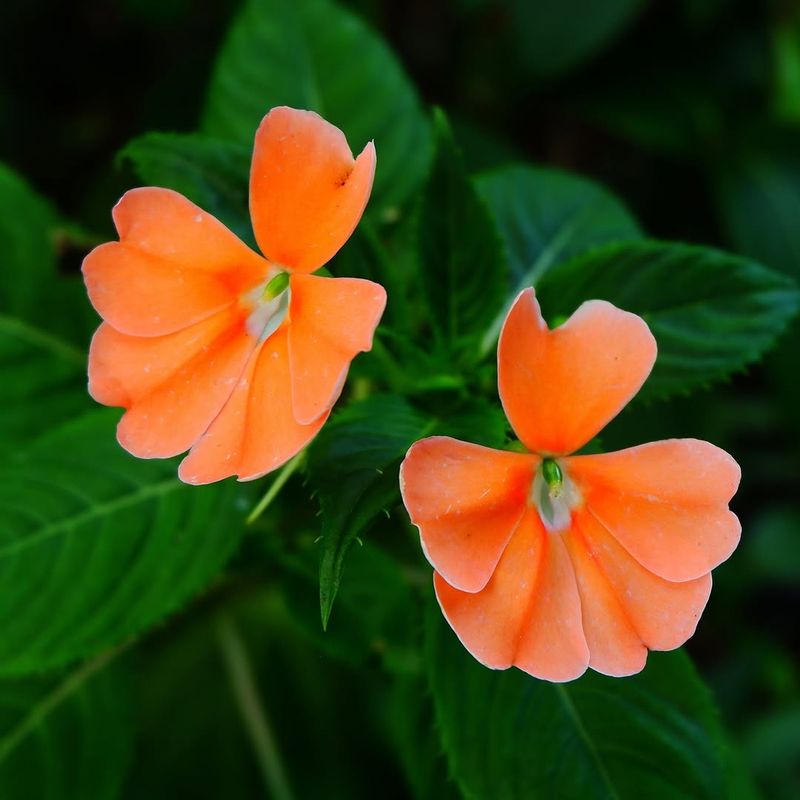
Honestly, part of what makes impatiens so appealing is just how little they ask of you. Traditional garden impatiens, known botanically as Impatiens walleriana, thrive in moist, well-drained soil and do their best work in partial shade.
Morning sun with afternoon shade is just about ideal for them, and that kind of light is incredibly common in Pennsylvania backyards and side yards.
Their compact, mounding growth habit means they naturally fill in bare spots without spreading out of control. You do not need to pinch them back or trim them to keep them looking tidy.
Your Pennsylvania Garden Changes Every Week. Your Plan Should Too.
Gardening in Pennsylvania changes quickly throughout the season. Every Friday you’ll receive a simple weekly plan showing exactly what to plant, prune, fertilize, harvest, and protect so you never miss the right timing.
They do the work themselves, staying bushy and full all season long. This self-maintaining quality is a huge plus for busy homeowners who want a pretty yard without a heavy time commitment.
Watering is straightforward too. Impatiens like consistent moisture, but they do not want to sit in soggy soil.
A good layer of mulch around the base of your plants helps hold moisture in during hot Pennsylvania summers while also keeping roots cool. In most years, rainfall in Pennsylvania does a lot of the watering for you.
Fertilizing is easy as well. A slow-release granular fertilizer mixed into the soil at planting time will carry most impatiens through the season without additional feeding.
If you notice them looking a little pale mid-summer, a diluted liquid fertilizer can perk them right back up. For gardeners who want reliable results without complicated routines, it is hard to beat the straightforward care that impatiens require.
Where Impatiens Shine In Pennsylvania Yards
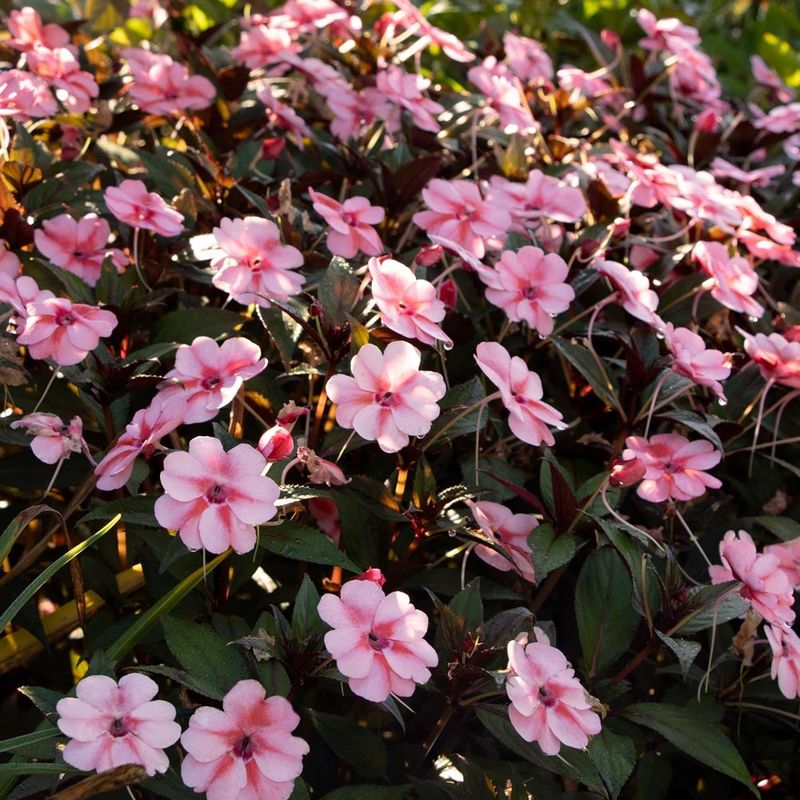
Few plants earn their keep in as many different spots as impatiens do. In Pennsylvania, where older neighborhoods are packed with mature shade trees, finding plants that actually perform in low-light conditions can feel like a real puzzle.
Impatiens solve that puzzle beautifully, and they work in more situations than most gardeners realize.
Shaded front beds are one of the most popular spots to use them. Tucked along a foundation or bordering a shady walkway, a row of impatiens creates a welcoming, colorful entrance from early summer through fall.
They also look fantastic in hanging baskets on covered porches and patios, where they spill over the edges in lush cascades of color. Window boxes on the shady side of a house are another excellent option.
Under large trees is where impatiens really set themselves apart from other annuals. Most sun-loving plants simply will not flower in deep shade.
Impatiens will. Planted in rings around tree bases or in broad sweeps beneath a canopy, they transform what might otherwise be a bare, dull patch of ground into a genuine focal point.
Across Pennsylvania, from Pittsburgh suburbs to the neighborhoods around Philadelphia, gardeners have figured out that impatiens are the reliable answer for those tricky shaded areas.
Container gardening is especially popular on Pennsylvania rowhouse porches and smaller urban lots, and impatiens are one of the top choices for those situations.
Wherever you need color in a spot that does not get much direct sun, impatiens are worth considering first.
The Big Caution: Know Which Type You Are Planting
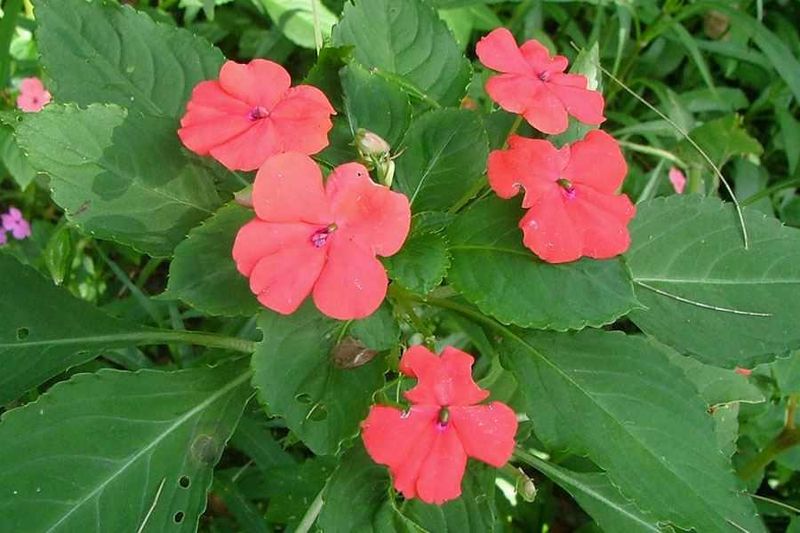
Here is something every Pennsylvania gardener should know before buying impatiens this season. Not all impatiens are equal when it comes to disease resistance, and understanding the difference can save you a lot of frustration before summer even gets going.
Traditional garden impatiens, Impatiens walleriana, are the classic variety most people picture when they think of impatiens. They have been widely planted across Pennsylvania for generations.
Unfortunately, they are also highly vulnerable to downy mildew, a fungal-like disease that spread aggressively through impatiens populations starting around 2012. Infected plants can lose all their leaves rapidly, leaving behind bare stems and no flowers.
It spreads quickly and can wipe out an entire bed in a short time. New Guinea impatiens are a different story. These plants have larger, more dramatic leaves and bigger flowers, and they are significantly more tolerant of sun than traditional varieties.
More importantly, they show much stronger resistance to downy mildew. For Pennsylvania gardeners who have struggled with disease problems in their impatiens beds, switching to New Guinea types is often the smartest move.
There is also good news for fans of the classic look. Several newer series of Impatiens walleriana have been bred specifically for downy mildew resistance.
The Beacon series is one well-known example. These resistant varieties give gardeners a way to keep the traditional impatiens look they love while reducing their risk of disease problems.
Reading plant tags carefully at the garden center before you buy is always a smart habit, especially when it comes to impatiens in Pennsylvania.
How Pennsylvania Gardeners Can Keep Them Looking Great
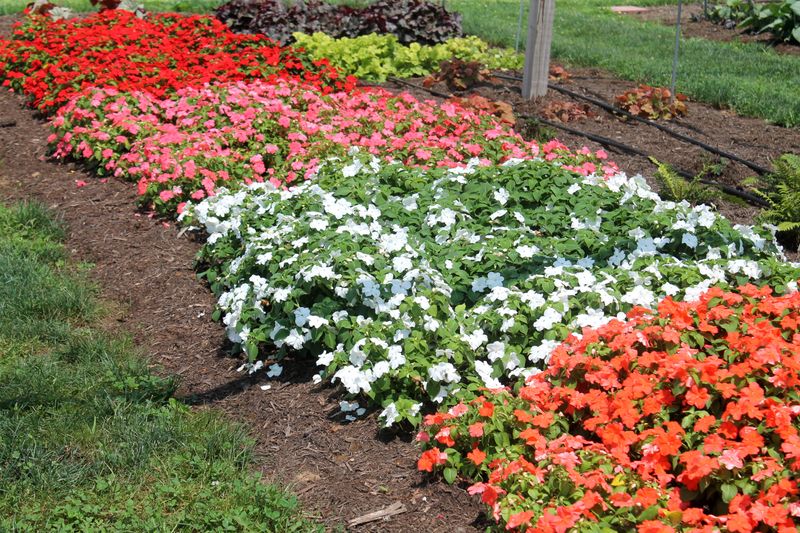
Getting impatiens off to a strong start makes a real difference in how they perform all season. Start by buying healthy plants from a reputable garden center.
Look for compact, bushy transplants with green leaves and no yellowing, spotting, or wilting. Healthy starts set the foundation for a great-looking bed right through fall.
Spacing matters more than many gardeners realize. Crowded plants trap moisture and limit airflow, which creates exactly the kind of conditions that downy mildew loves.
Give your impatiens enough room to breathe. Most traditional garden impatiens do well spaced about ten to twelve inches apart. New Guinea types, which grow larger, may need a bit more space between plants.
Knowing the warning signs of downy mildew is important for Pennsylvania gardeners. Watch for yellowing leaves that curl downward, sudden leaf drop that leaves bare stems, and a faint white or grayish coating on the undersides of leaves.
If you spot these signs early, removing affected plants quickly can help prevent the disease from spreading to neighboring plants.
Avoid overhead watering whenever possible. Watering at the base of plants keeps foliage dry and reduces disease risk.
Drip irrigation or a simple soaker hose works well for impatiens beds. If you have had downy mildew problems in previous seasons, seriously consider switching to New Guinea impatiens or one of the newer resistant Impatiens walleriana series like Beacon.
Making smarter plant choices upfront is far easier than dealing with a diseased bed mid-summer. A little planning goes a long way toward keeping your Pennsylvania impatiens healthy and colorful all season.
Why They Are Worth Planting

After everything said about downy mildew and choosing the right type, it is worth stepping back and remembering why impatiens became so popular in the first place.
Few annuals can match their ability to fill a shaded Pennsylvania garden with nonstop, season-long color. That core strength has not changed.
Smart plant selection takes most of the risk out of the equation. Gardeners who choose New Guinea impatiens or resistant series like Beacon can enjoy the lush, colorful displays that impatiens are famous for without the anxiety of watching their beds collapse to disease mid-season.
The options available today at Pennsylvania garden centers are genuinely better than what was on the market a decade ago.
There is also something to be said for the sheer visual impact impatiens deliver relative to the effort they require. Plant them, water them, mulch them, and step back.
That is essentially the whole routine. For busy Pennsylvania homeowners juggling work, family, and everything else, that kind of simplicity is genuinely valuable.
No annual is completely without tradeoffs, and impatiens are no exception. But for shaded spots, porch containers, hanging baskets, and foundation beds across Pennsylvania, they remain one of the most reliable tools a gardener has.
When you match the right type to the right location and give them basic care, they reward you with months of cheerful, bold color. For easy seasonal color in a shaded spot, very few annuals come close to what impatiens can deliver.
They have earned their place in Pennsylvania gardens, and they are still worth planting every single year.