7 Plants That Attract Pests And Diseases In Pennsylvania Gardens
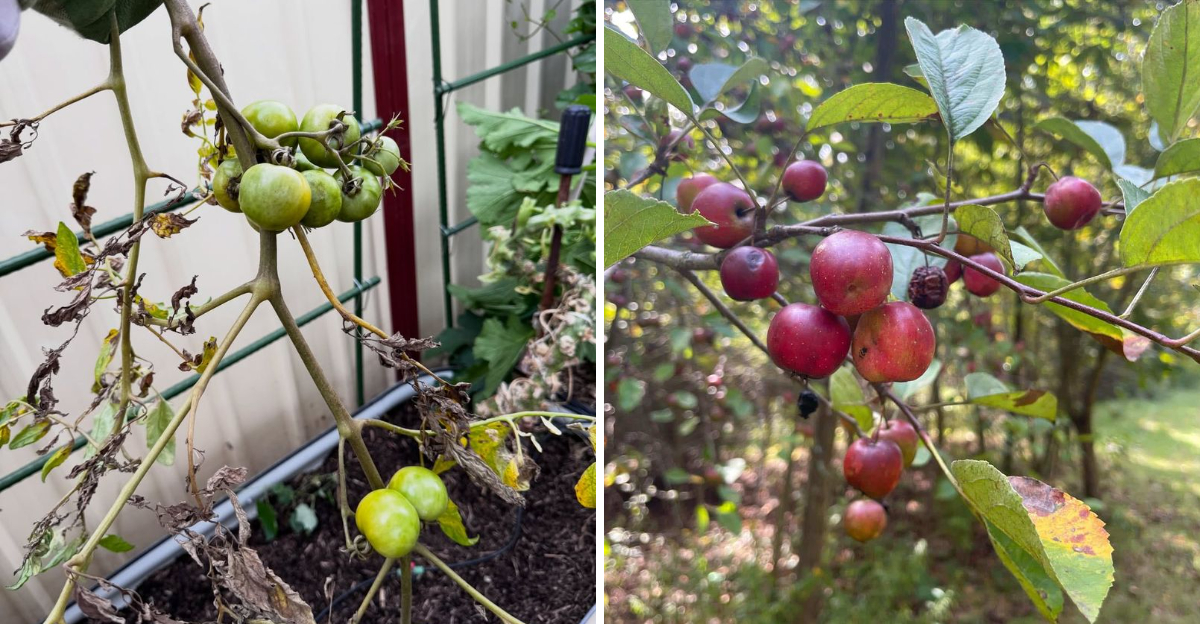
Some plants seem like a great idea at first. They look healthy at the store, promise beautiful blooms or lush growth, and feel like an easy win for your garden.
Then a few weeks pass, and things start to change. Leaves develop spots, stems weaken, or pests show up and refuse to leave. Before long, that one plant becomes the center of ongoing problems.
In Pennsylvania, certain plants are more likely to attract trouble than others. Local weather, humidity, and soil conditions can create the perfect environment for pests and diseases to settle in.
Even a well-kept garden can run into issues if the wrong plants are in the mix. What starts as a small problem can spread quickly and affect nearby plants too.
Knowing which plants tend to draw in these problems can save you time, effort, and frustration. When you make better choices from the start, your garden has a much better chance to stay healthy, balanced, and enjoyable throughout the growing season.
1. Hybrid Tea Roses
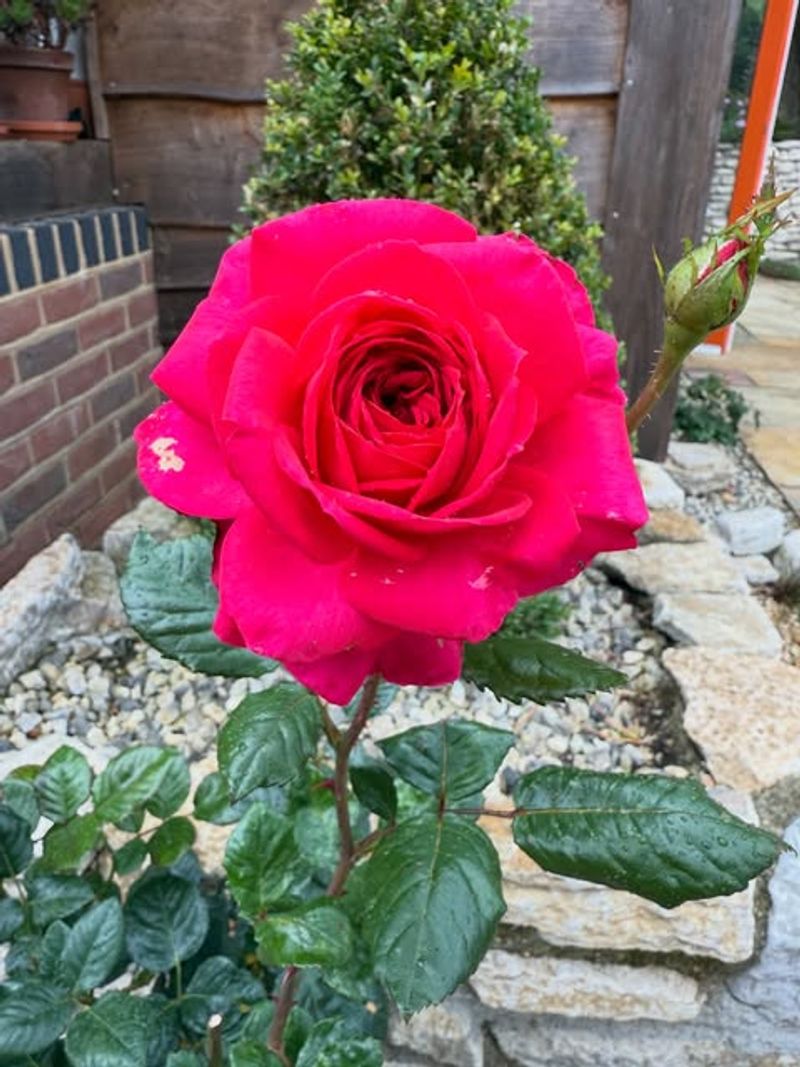
Few plants turn heads quite like hybrid tea roses, with their perfectly shaped blooms and rich colors. But in Pennsylvania, these beauties come with a hidden price tag. They are among the most pest-prone plants you can grow in the region.
Aphids are one of the biggest problems for hybrid tea roses. These tiny insects cluster on new growth and suck the sap right out of the stems, leaving plants weak and distorted.
Japanese beetles are another major headache, chewing through petals and leaves with shocking speed during summer months.
On the disease side, black spot is practically a rite of passage for rose growers in Pennsylvania. This fungal disease leaves dark, circular marks on leaves and causes them to drop early.
Powdery mildew is also very common, coating leaves with a white, dusty film that weakens the plant over time.
Proper spacing between plants is one of the best ways to reduce disease pressure. Good air circulation helps leaves dry out faster after rain, making it harder for fungal spores to take hold.
Avoid wetting the foliage when watering, and always water at the base of the plant. Choosing disease-resistant rose varieties can make a huge difference in Pennsylvania gardens. Look for labels that mention resistance to black spot or powdery mildew.
Regular inspection of leaves and stems helps you catch problems early before they spread to neighboring plants in your yard.
2. Phlox (Garden Phlox)
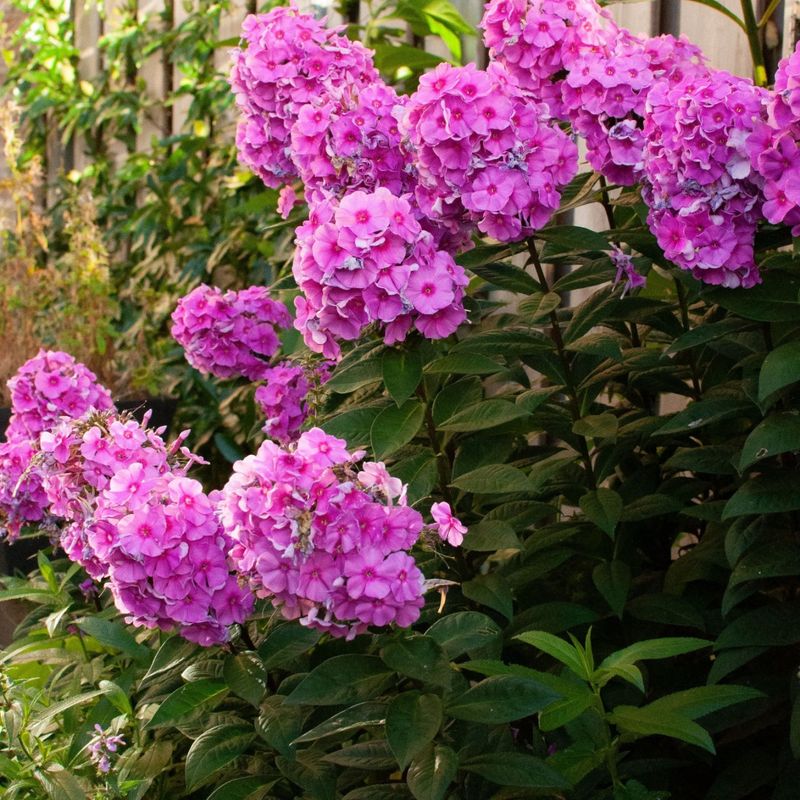
Garden phlox is a summertime favorite across Pennsylvania, famous for its tall, colorful flower clusters and sweet fragrance. Walk through any neighborhood garden in July and you are likely to spot it.
But beneath all that beauty lies a plant that struggles hard against one very stubborn enemy: powdery mildew.
Powdery mildew is a fungal disease that thrives in warm, humid conditions, which makes Pennsylvania summers a perfect breeding ground. It shows up as a white or grayish powder on the surface of leaves and stems.
Infected plants look unhealthy and tired, even when they are still producing flowers. The problem gets worse when plants are crowded together. Poor air circulation traps moisture around the foliage, giving the fungus exactly the environment it needs to spread.
Your Pennsylvania Garden Changes Every Week. Your Plan Should Too.
Gardening in Pennsylvania changes quickly throughout the season. Every Friday you’ll receive a simple weekly plan showing exactly what to plant, prune, fertilize, harvest, and protect so you never miss the right timing.
Planting phlox too close to fences, walls, or other plants is a common mistake that Pennsylvania gardeners make.
One smart move is to choose mildew-resistant phlox varieties. Several newer cultivars have been bred specifically to resist this disease and perform much better in humid climates.
Thinning out stems in early summer can also open up airflow and reduce the chances of infection.
Watering in the morning rather than the evening gives leaves time to dry before nightfall. Removing and discarding infected plant material at the end of the season prevents spores from overwintering in the soil.
With a little extra attention, garden phlox can still be a stunning addition to any Pennsylvania landscape.
3. Lilacs
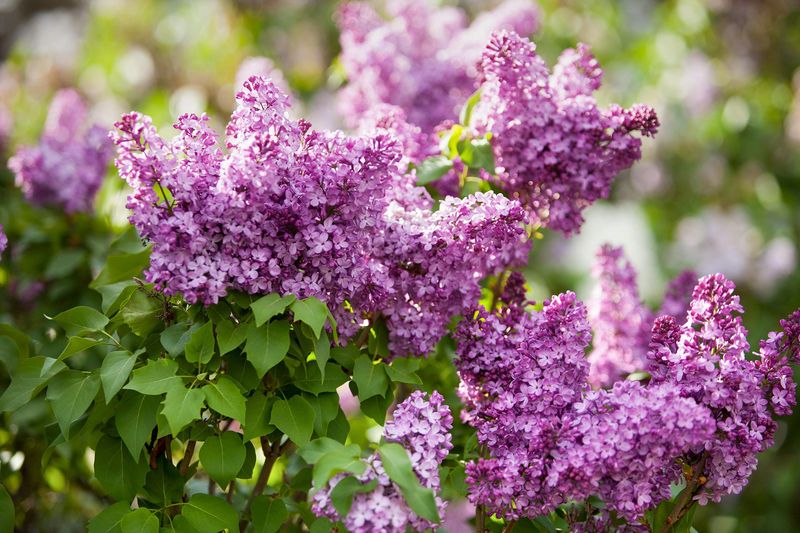
Lilacs hold a special place in the hearts of Pennsylvania gardeners. The smell alone can transport you straight back to childhood springs.
These classic shrubs are tough in many ways, but they have a few real weaknesses that can sneak up on even experienced gardeners.
Powdery mildew is one of the most common issues lilacs face in Pennsylvania. By late summer, many lilac shrubs develop that telltale white coating on their leaves.
While it rarely causes serious long-term harm, it makes the plant look rough and can weaken it over several seasons if left unchecked.
Lilac borers are a more serious threat. These insects lay eggs in the bark, and their larvae tunnel into the woody stems, causing branches to wilt and eventually collapse.
You might notice small holes in the bark or sawdust-like material near the base of affected stems. Catching borer damage early is key to saving the plant.
Pruning is one of the best tools a Pennsylvania gardener has against both of these problems. Removing dry or damaged branches right after blooming improves air circulation dramatically.
It also removes potential hiding spots for pests and reduces the moisture that fungal diseases need to spread.
Avoid planting lilacs in shaded, damp spots where air cannot move freely. Full sun and well-drained soil go a long way toward keeping these shrubs strong.
A healthy, well-maintained lilac can thrive for decades in Pennsylvania yards with the right care and attention.
4. Tomatoes
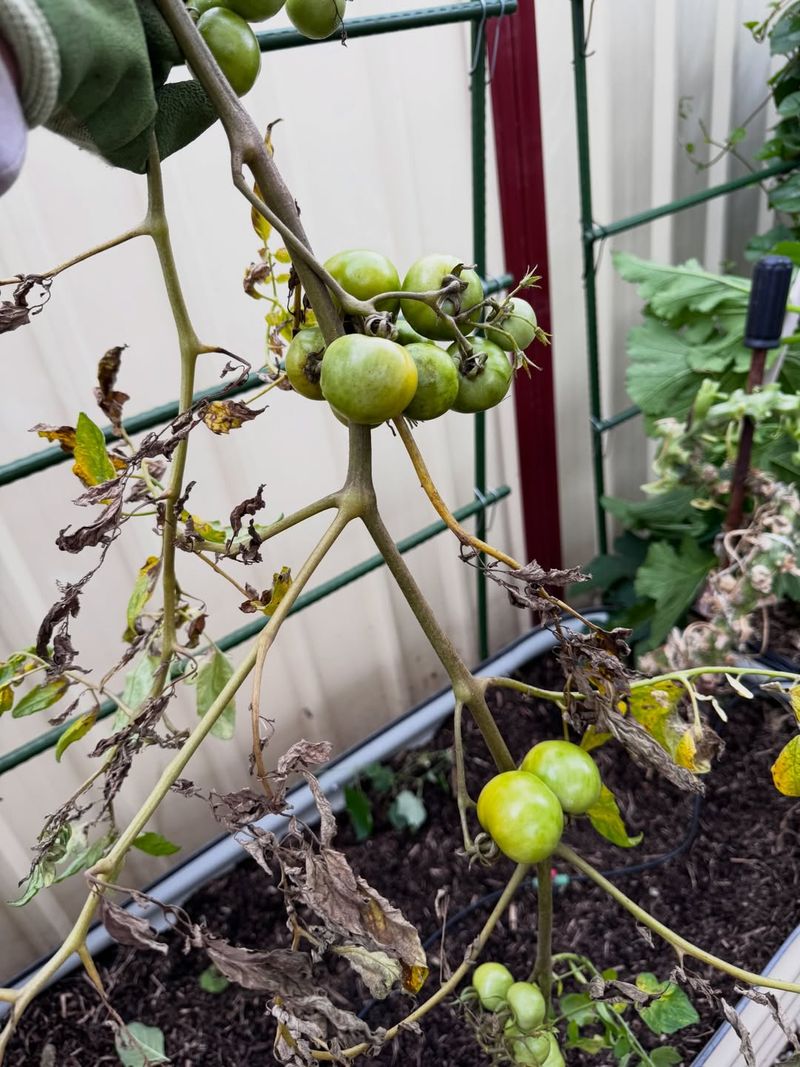
Ask any Pennsylvania home gardener what they grow every summer, and tomatoes will almost always top the list. They are satisfying, productive, and delicious.
But tomatoes also attract more pests and diseases than almost any other vegetable you can plant in the state.
Tomato hornworms are one of the most dramatic pests you will encounter. These large, green caterpillars can strip a plant of its leaves almost overnight.
They blend in so well with the foliage that many gardeners do not notice them until serious damage has already been done.
Early blight and late blight are two fungal diseases that hit Pennsylvania tomato growers hard. Early blight causes dark, ringed spots on lower leaves that gradually work their way up the plant.
Late blight is even more destructive and spreads rapidly during cool, wet weather, turning leaves and fruit into a mushy, dark mess.
Leaf spot diseases are also common, especially in gardens where plants are crowded or water splashes up from the soil onto lower leaves.
Mulching around the base of tomato plants helps prevent this kind of soil splash. It also keeps moisture levels more consistent, which reduces plant stress.
Rotating your tomato crops each year is one of the most effective strategies Pennsylvania gardeners can use. Moving tomatoes to a different bed prevents disease spores and pest eggs from building up in the soil.
Choosing blight-resistant varieties like Mountain Magic or Defiant adds another strong layer of protection for your summer garden.
5. Cucumbers
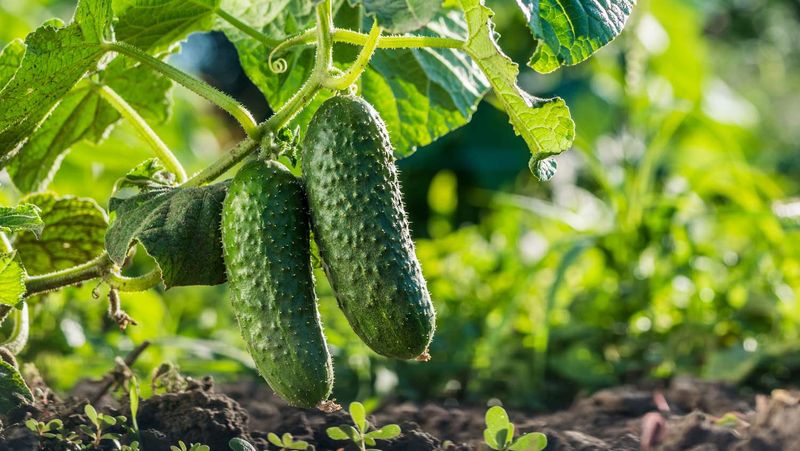
Cucumbers are a warm-season favorite in Pennsylvania gardens, and there is nothing quite like picking a fresh one straight from the vine on a hot July afternoon.
But cucumbers are surprisingly vulnerable plants, and they face a lineup of serious threats from both pests and diseases every single season.
Cucumber beetles are at the top of the problem list. Both the striped and spotted varieties feed on leaves, flowers, and fruit, weakening plants and reducing harvests.
Worse, these beetles carry bacterial wilt, a disease that spreads through the plant and causes vines to collapse rapidly. Once bacterial wilt takes hold, there is no reversing it.
Powdery mildew is another headache for cucumber growers in Pennsylvania. It shows up reliably in mid to late summer when humidity climbs and air circulation is poor.
Infected leaves develop that familiar white coating and begin to yellow and crisp up at the edges.
Row covers are a great early-season defense against cucumber beetles. Placing lightweight fabric covers over young plants keeps the beetles away during the most vulnerable growth stages. Just remember to remove the covers when flowers appear so pollinators can do their job.
Planting resistant cucumber varieties helps reduce disease pressure significantly. Look for varieties labeled as resistant to powdery mildew or bacterial wilt when shopping for seeds or transplants.
Keeping garden beds clean and removing plant debris at the end of the season also reduces the chances of pests and diseases returning to your Pennsylvania garden the following year.
6. Squash (Zucchini, Pumpkins)
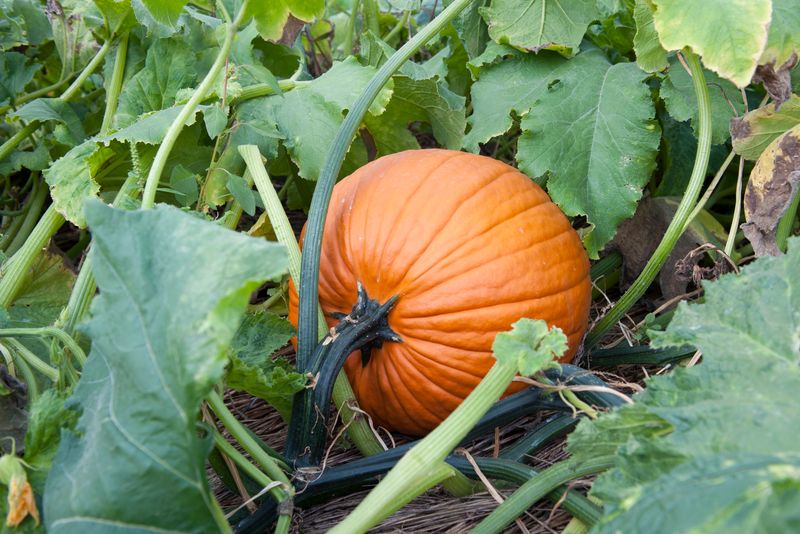
Squash plants, whether you are growing zucchini or pumpkins, are some of the most productive plants in a Pennsylvania garden.
They grow fast, produce heavily, and require very little fuss early in the season. Unfortunately, that productivity often attracts a crowd of unwanted visitors.
Squash bugs are a persistent problem across Pennsylvania. These brownish-gray insects gather in large numbers beneath leaves, sucking sap from the plant and causing leaves to wilt and turn brown.
They lay neat rows of bronze-colored eggs on the undersides of leaves, and those eggs hatch quickly in warm summer temperatures.
Squash vine borers are arguably even more destructive. The adult moth lays eggs near the base of the stem, and the larvae burrow inside and feed on the interior tissue.
The first sign of trouble is often sudden wilting of an otherwise healthy-looking vine. By the time you notice it, the damage inside the stem can already be severe.
Powdery mildew also hits squash plants hard in Pennsylvania, especially as summer humidity peaks in August. While mildew rarely stops a plant from producing entirely, it weakens the foliage and shortens the productive season.
Good spacing and airflow around your squash plants can reduce mildew pressure noticeably.
Checking plants early and often is the best strategy for squash growers in Pennsylvania. Removing squash bug egg clusters by hand before they hatch is surprisingly effective.
Using yellow sticky traps near your garden can also help you monitor pest populations and catch problems before they spiral out of control.
7. Crabapples (Malus Spp.)
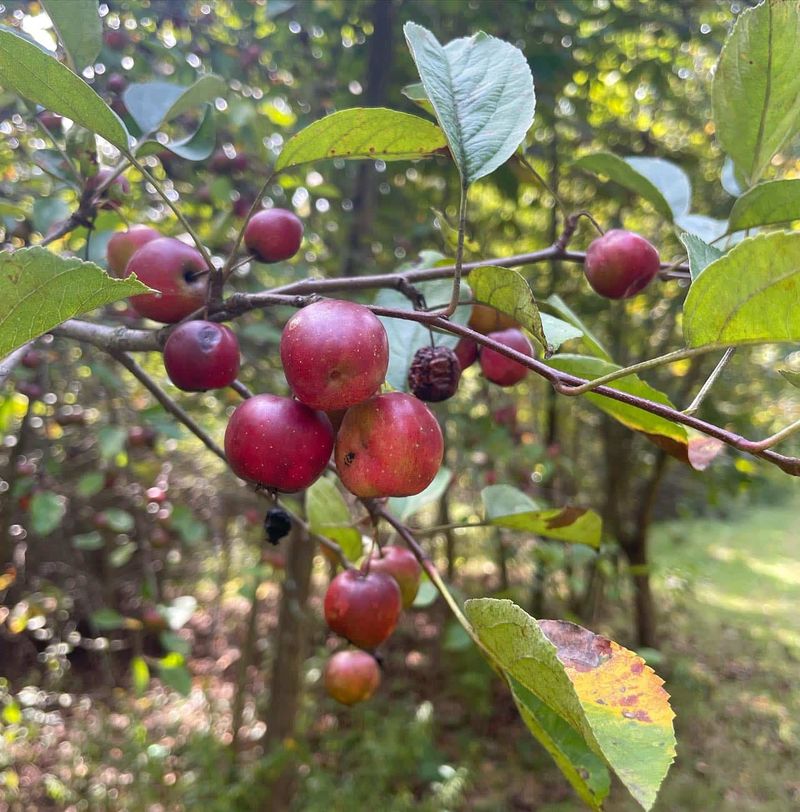
Crabapple trees are a beloved part of Pennsylvania landscapes, bursting into gorgeous pink and white blooms every spring. They add structure, seasonal color, and even wildlife value to home gardens.
But without careful variety selection and consistent care, these trees can become magnets for some very troublesome diseases.
Apple scab is the most widespread disease affecting crabapples in Pennsylvania. This fungal problem causes dark, scabby lesions to form on leaves and fruit.
Infected leaves drop prematurely, leaving trees looking bare and unhealthy by midsummer. Repeated scab infections over several years can seriously weaken a tree.
Fire blight is another serious concern, especially during warm, wet springs when Pennsylvania weather is unpredictable. This bacterial disease moves fast, turning branch tips brown and black as if they have been scorched by fire.
It spreads through pruning tools, rain splash, and pollinating insects, making it very hard to contain once it gets started.
Cedar-apple rust is a fungal disease that requires both a crabapple and a nearby cedar or juniper tree to complete its life cycle. In Pennsylvania, where both types of trees are common, this rust disease shows up regularly.
It creates bright orange or yellow spots on leaves and can cause early leaf drop. Choosing disease-resistant crabapple varieties is the smartest move any Pennsylvania gardener can make.
Varieties like Prairie Fire, Adirondack, and Sugar Tyme have strong resistance to scab, fire blight, and rust.
Proper pruning to open up the canopy and improve airflow also reduces disease pressure and keeps these trees looking their best year after year.