These Are The Best Privacy Plants For Small Pennsylvania Yards
A small yard can start to feel even smaller when it offers no privacy. Maybe the neighbors can see straight into the patio, the fence line feels too open, or the whole space just seems exposed instead of cozy.
That is a common problem in Pennsylvania, where many homes sit fairly close together and every bit of outdoor space needs to work hard. The good news is that you do not need a huge property to create a little breathing room.
The right plants can give you coverage, softness, and beauty without crowding the yard or making it feel boxed in.
That is what makes smart plant choices so important. Some grow tall without spreading too wide, some stay dense enough to block unwanted views, and some add color and texture while quietly doing the job of a living screen.
With the right mix, even a compact yard can feel calmer, greener, and far more private. A few well-placed plants can change the whole mood of the space.
1. Arborvitae (Thuja Occidentalis)
Ask any Pennsylvania homeowner what plant they use for backyard privacy, and there is a good chance they will say arborvitae. It has earned that reputation for a reason.
Few plants check as many boxes as this classic evergreen, especially for small yards where space is tight.
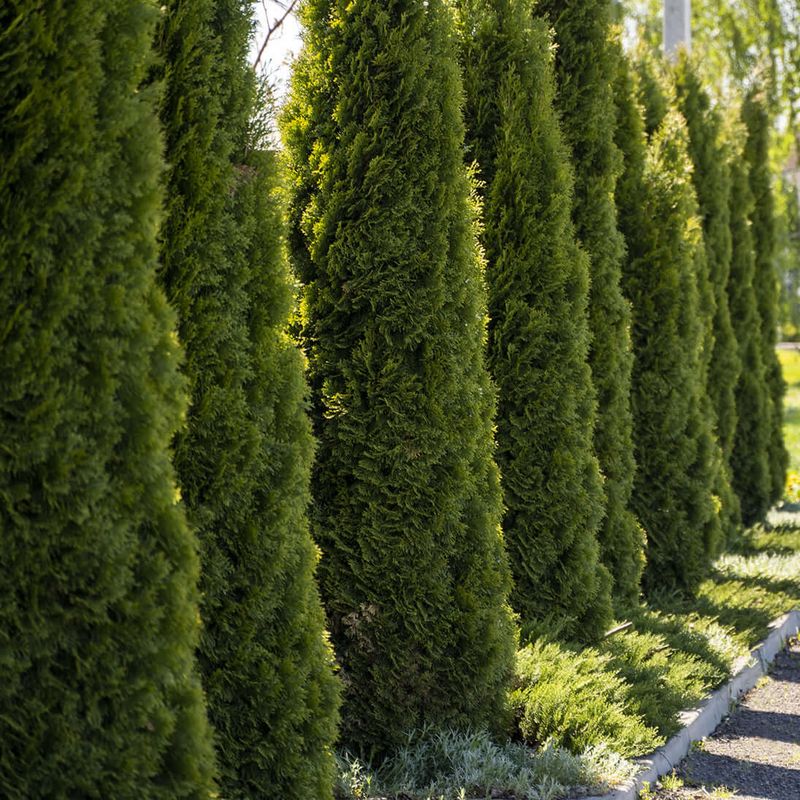
The variety called Emerald Green is a standout choice. It grows in a slim, column-like shape, reaching about 10 to 15 feet tall but staying only 3 to 4 feet wide.
That means you can plant several in a row without eating up too much of your yard. The dense, feathery foliage stays bright green all year long, so your privacy screen does not disappear when the leaves fall in October.
Pennsylvania winters can be brutal, but arborvitae handles them well. It is cold-hardy and keeps its color even through heavy snow and freezing temperatures.
That is a big deal when many other plants look bare and sad from November through March. It also does not need a lot of fuss once it is established.
Plant arborvitae in full sun to partial shade and make sure the soil drains well. Water regularly during the first growing season to help the roots settle in.
After that, it is pretty low-maintenance. Space your plants about 3 feet apart if you want a tight, solid screen.
One thing to watch out for is deer, since they do enjoy nibbling on arborvitae. If deer are common in your area, consider using deer repellent spray during the winter months.
2. Skip Laurel (Prunus Laurocerasus Schipkaensis)
Not every yard in Pennsylvania gets full sun all day. Some spaces are tucked between houses or under tall trees, leaving patches of shade that make it tough to grow a solid privacy screen.
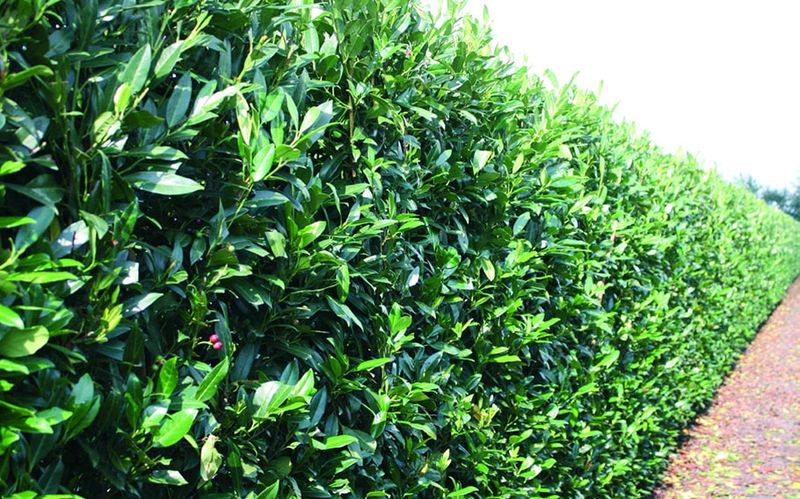
Skip laurel steps up where other plants struggle, thriving in partial to full shade while still producing a thick, lush hedge.
The leaves on skip laurel are something special. They are large, glossy, and a deep, rich green that stays vibrant throughout the year.
Your Pennsylvania Garden Changes Every Week. Your Plan Should Too.
Gardening in Pennsylvania changes quickly throughout the season. Every Friday you’ll receive a simple weekly plan showing exactly what to plant, prune, fertilize, harvest, and protect so you never miss the right timing.
When planted in a row, skip laurel creates a wall of greenery that looks polished and full. It grows 10 to 18 feet tall and 5 to 7 feet wide, making it a solid fit for medium-sized screening needs in smaller Pennsylvania landscapes.
One of the best things about skip laurel is how well it responds to pruning. If your space is really tight, you can trim it into a neat, formal hedge shape without stressing the plant.
It bounces back quickly and continues to fill in densely. In spring, it also produces small white flowers that add a subtle, pleasant fragrance to the yard.
Skip laurel grows best in well-drained soil with some moisture. It does not love standing water, so avoid low-lying spots in your yard.
In Pennsylvania, it is rated hardy through Zone 6, which covers most of the state. Give it a good start with some compost worked into the planting hole, and you will have a gorgeous, reliable privacy screen for many years to come.
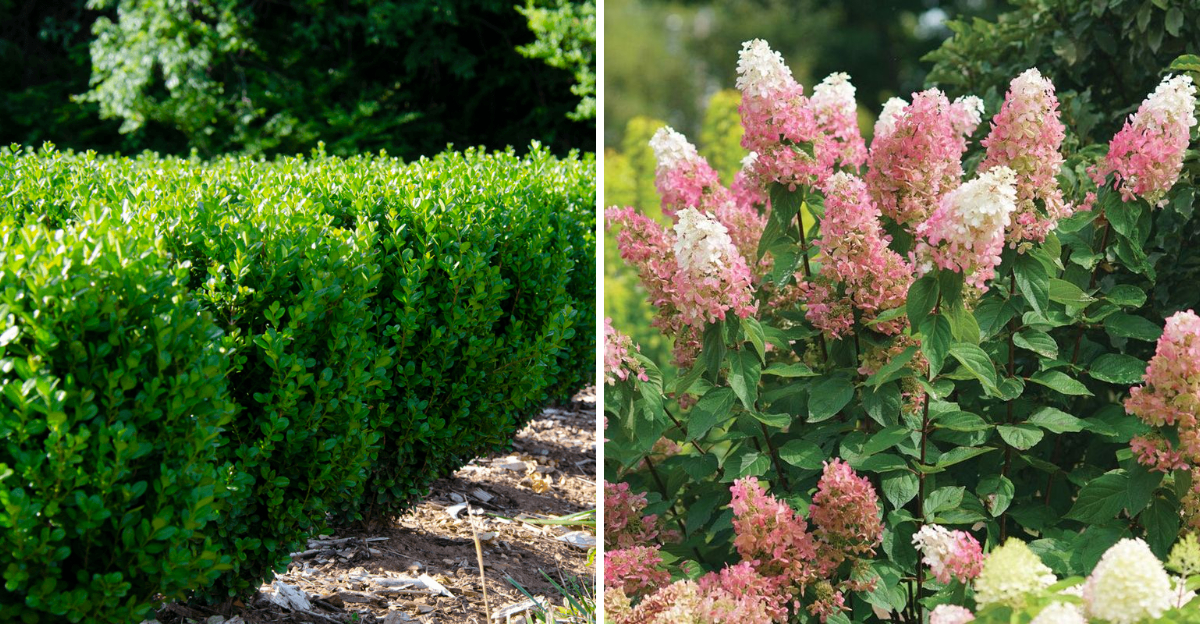
3. Boxwood (Buxus Spp.)
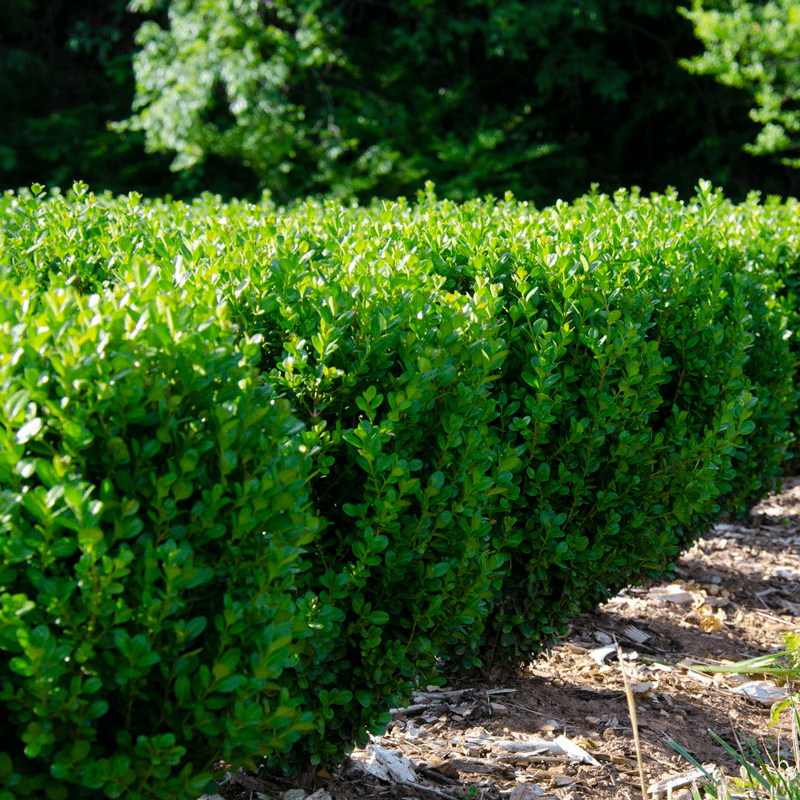
There is something timeless about a well-kept boxwood hedge. Walk through almost any historic neighborhood in Pennsylvania and you will spot them lining walkways, framing front doors, and defining property edges.
Boxwood has been a landscaping staple for centuries, and its staying power is no accident.
For small yards, boxwood works brilliantly as a low to medium-height privacy border. Depending on the variety, it can stay as compact as 2 feet or grow up to 5 or 6 feet tall with regular trimming.
That flexibility makes it useful in a lot of different situations, whether you want a low border around a patio or a taller screen along a property line. The dense, evergreen foliage holds its structure all year, even through Pennsylvania’s cold winters.
Shaping boxwood is genuinely satisfying. It responds well to pruning and can be cut into clean, geometric forms or left to grow in a softer, more natural mound.
Either way, it looks intentional and tidy. Boxwood grows slowly, which is actually a bonus for small spaces since you are not constantly cutting it back to keep it in check.
Plant boxwood in well-drained soil with full sun to partial shade. It does not like wet feet, so good drainage is a must.
One thing to be aware of is boxwood blight, a fungal disease that has been showing up more frequently across Pennsylvania.
To reduce the risk, avoid overhead watering, keep good air circulation between plants, and choose blight-resistant varieties like NewGen Independence or SugarTip when shopping at your local nursery.
4. Clumping Bamboo (Fargesia Spp.)
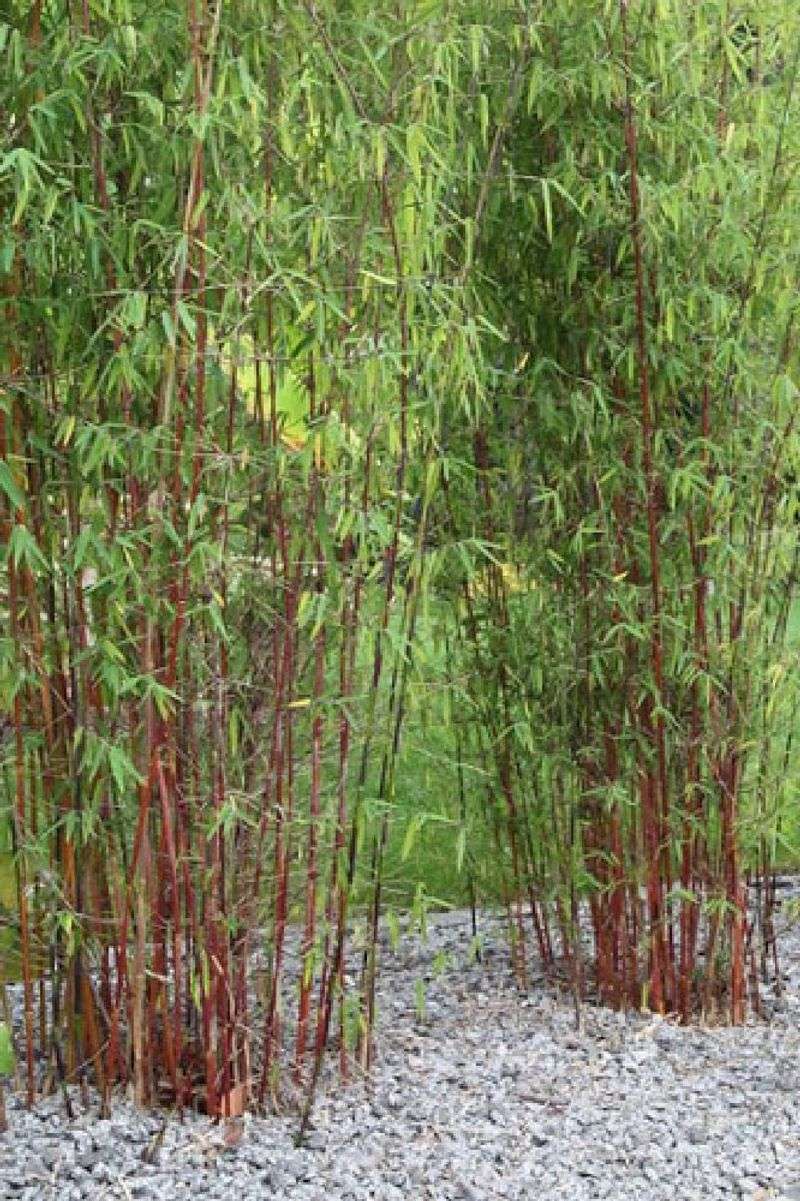
Bamboo has a bit of a reputation problem. Most people have heard horror stories about it spreading out of control, taking over flower beds, and popping up through cracks in the patio.
But clumping bamboo is a completely different story. Fargesia varieties stay put, growing in tight, well-behaved clusters that make them a fantastic choice for small yards in Pennsylvania.
Unlike running bamboo, which spreads through underground roots, clumping bamboo grows outward very slowly from a central base. You get all the height, texture, and screening power without the nightmare of containment.
Fargesia varieties can reach 8 to 12 feet tall, creating a graceful, airy privacy screen that sways gently in the breeze. The look is modern and a little unexpected, which is a nice change from the usual hedge lineup.
Pennsylvania winters do require some consideration when choosing bamboo. Not all varieties are cold-hardy enough to survive the state’s colder zones.
Look specifically for Fargesia robusta or Fargesia rufa, both of which can handle temperatures well below freezing. These varieties have been tested in Zone 5 and Zone 6 climates and come through winter looking strong.
Clumping bamboo grows best in moist, well-drained soil with some protection from harsh winter winds. A spot with morning sun and afternoon shade tends to work well across much of Pennsylvania.
It establishes relatively quickly and fills in nicely within two to three growing seasons. Once it is settled in, it is low-maintenance and adds a truly unique visual element to any compact outdoor space.
5. Hicks Yew (Taxus Media Hicksii)
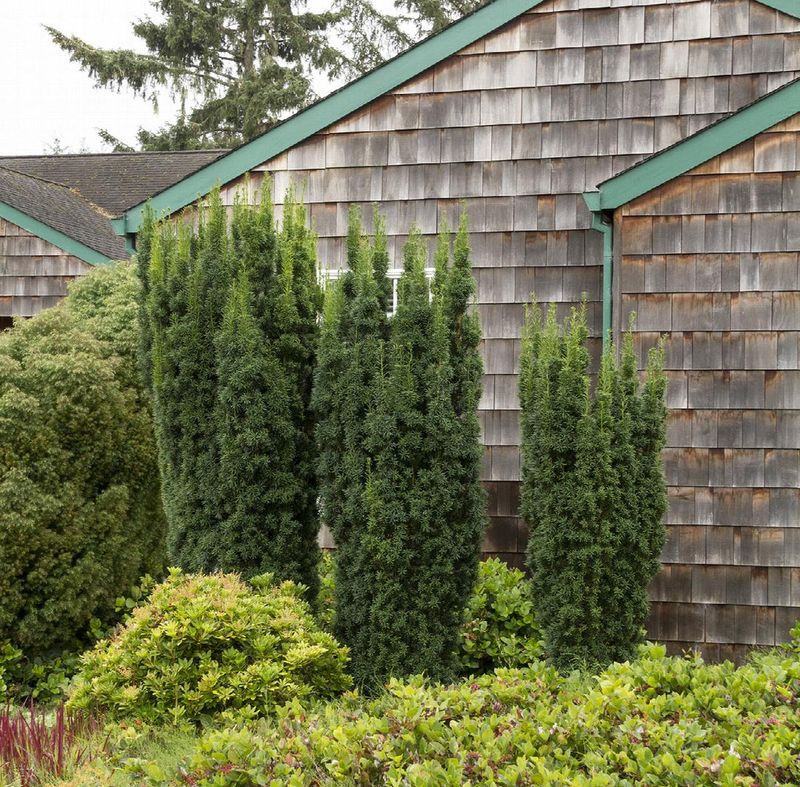
Shade can be a real challenge in smaller Pennsylvania yards. Tall houses, big trees, and close-together lots mean that some spots barely see direct sunlight.
Most privacy plants sulk in those conditions, but Hicks Yew practically thrives in them. It is one of the most shade-tolerant evergreens you can plant, making it a go-to solution for tricky low-light corners and narrow side yards.
Hicks Yew grows in a neat, upright column, usually reaching 10 to 12 feet tall and staying about 3 to 4 feet wide. That slim profile is a major advantage in tight spaces where a wider shrub would crowd everything out.
The foliage is a deep, rich green with a fine texture that looks polished and full even without much pruning. It creates a solid, dense wall of coverage that blocks sightlines effectively year-round.
Pruning Hicks Yew is a breeze. It tolerates hard cutting without complaint and quickly fills back in with fresh growth.
If you want a very formal, structured hedge look, this plant delivers. If you prefer a more natural, slightly softer shape, you can just let it grow with minimal intervention. Either approach works well in Pennsylvania landscapes.
Plant Hicks Yew in well-drained soil and water it regularly during its first season. It adapts to full sun, partial shade, and even deep shade, which is rare among evergreens.
One important note for households with pets or young children: the berries and foliage of yew are toxic if eaten, so keep that in mind when deciding where to plant it in your yard.
6. Panicle Hydrangea (Hydrangea Paniculata)
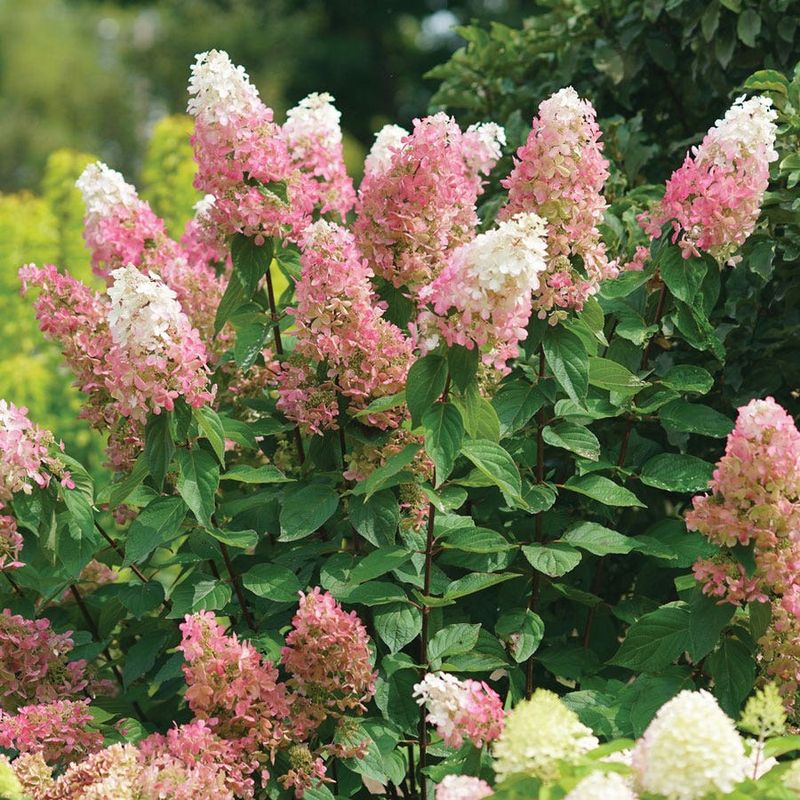
Privacy does not have to mean a wall of plain green. Panicle hydrangea brings something extra to the yard, combining solid seasonal screening with some of the most impressive flower displays you can find in Pennsylvania.
From midsummer all the way into fall, these shrubs are loaded with large, cone-shaped blooms that start creamy white and gradually shift to shades of pink and dusty rose as the season cools.
Planted in a row along a fence or property line, panicle hydrangeas create a lush, layered privacy screen that feels more like a garden feature than a barrier.
They typically grow 6 to 15 feet tall depending on the variety, with compact options like Little Lime or Bobo staying on the smaller end, which is perfect for tight Pennsylvania yards. The foliage is full and bushy, offering good coverage from late spring through fall.
One of the biggest selling points is cold hardiness. Panicle hydrangea is one of the toughest hydrangea types, blooming reliably every year in Pennsylvania without the fussiness of other varieties.
It blooms on new wood, meaning even if a late frost trims back the tips, it will still flower beautifully that season. That reliability is a big comfort for Pennsylvania gardeners who have dealt with unpredictable spring weather.
Grow panicle hydrangea in full sun to light shade with moist, well-drained soil. Prune lightly in late winter or early spring before new growth begins.
Adding a layer of mulch around the base helps retain moisture through dry Pennsylvania summers and keeps the roots insulated during cold snaps in winter.
7. Eastern Red Cedar (Juniperus Virginiana)
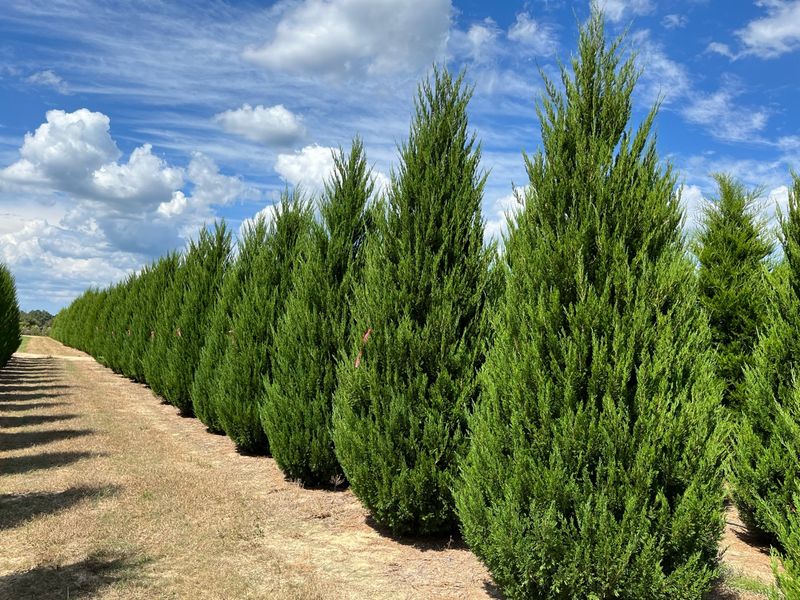
Some plants just belong in Pennsylvania. Eastern red cedar is one of them.
It is a true native, growing naturally across the state for thousands of years, and that deep-rooted connection to the local landscape shows in how well it performs. Poor soil, drought, harsh winters, rocky hillsides: eastern red cedar handles all of it without complaint.
For privacy purposes, it is hard to beat. Eastern red cedar grows into a tall, dense, pyramidal shape with deep blue-green foliage that stays on the tree all year long.
Over time, it can reach 40 feet, but in a managed yard setting, most trees stay in the 15 to 25-foot range for many years. That makes it a great option when you want a natural-looking privacy screen with some real height and presence along a property line.
Beyond privacy, this tree gives back to the local ecosystem in a meaningful way. Birds absolutely love it.
Cedar waxwings, bluebirds, and robins flock to eastern red cedar for its small blue berry-like cones, which ripen in fall and persist through winter.
If you enjoy watching wildlife in your Pennsylvania yard, planting a few of these trees will bring in more feathered visitors than almost any other choice on this list.
Eastern red cedar is low-maintenance once established. It needs no fertilizing, very little watering after the first year, and no special soil preparation.
Plant it in full sun for the densest growth. It is also naturally resistant to many pests and diseases, making it a genuinely carefree long-term addition to any small Pennsylvania yard looking for reliable, beautiful privacy coverage.