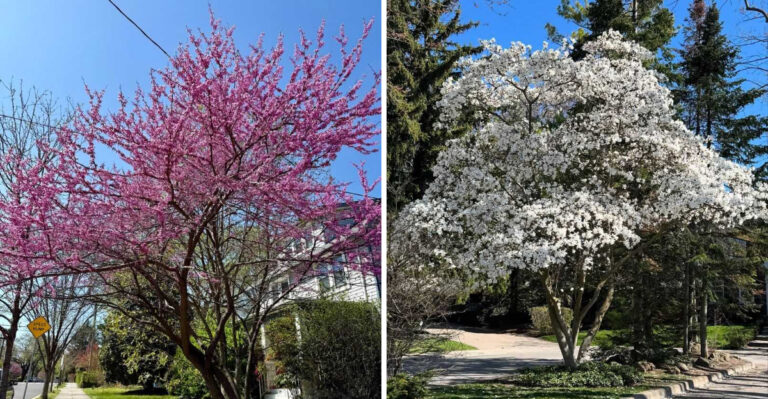
Pennsylvania Shade Perennials That Bloom All Summer Without Direct Sun
Finding perennials that bloom reliably through a full Pennsylvania summer is already a challenge. Finding ones that do it without any direct sun is where a lot of gardeners run out of ideas fast.
Shade gets treated like a limitation, a part of the yard where you settle for foliage and give up on flowers. That assumption undersells what Pennsylvania shade gardens are actually capable of.
There is a solid group of perennials that not only survives without direct sun but genuinely thrives in it, producing blooms from early summer through fall in conditions that would stress most flowering plants.
Pennsylvania’s humid summers and moderate shade from mature tree canopies actually create a comfortable environment for these plants to do their best work.
If the shady areas of your yard have been carrying all foliage and no flowers, that is a problem with the plant list, not the location.
1. Astilbe
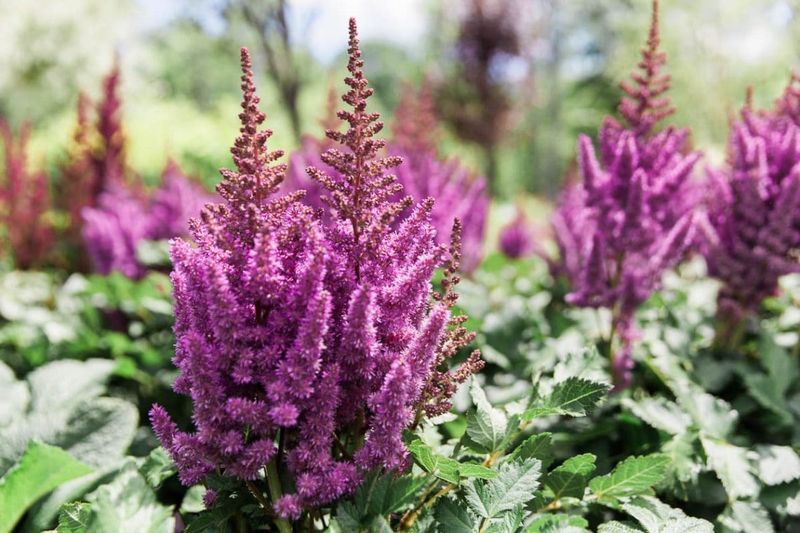
Few plants make a shady garden feel as lush and romantic as astilbe. Those feathery, plume-like blooms rise above the foliage like little fireworks, and they come in shades of pink, red, white, and lavender.
Astilbe is one of the most reliable shade bloomers you can plant in Pennsylvania. Astilbe loves moisture, so it does best in soil that stays consistently damp. If you have a low spot in your yard that tends to hold water, astilbe will thrive there.
Plant it near a downspout, a rain garden, or under a large tree where morning dew tends to linger.
The blooms typically appear from late spring through midsummer, and some varieties keep going even longer. After the flowers fade, the dried plumes stay attractive for weeks, adding texture to the garden even in late summer.
Many gardeners leave them standing through fall because they look beautiful with a light frost on them.
Astilbe grows in clumps that slowly expand over time, making it easy to divide and share with neighbors. It pairs beautifully with hostas and ferns since they all enjoy similar growing conditions.
Plant astilbe in groups of three or five for the best visual impact. A good layer of mulch around the base will help keep the soil moist between rain showers, which is especially helpful during hot Pennsylvania summers.
2. Foamflower
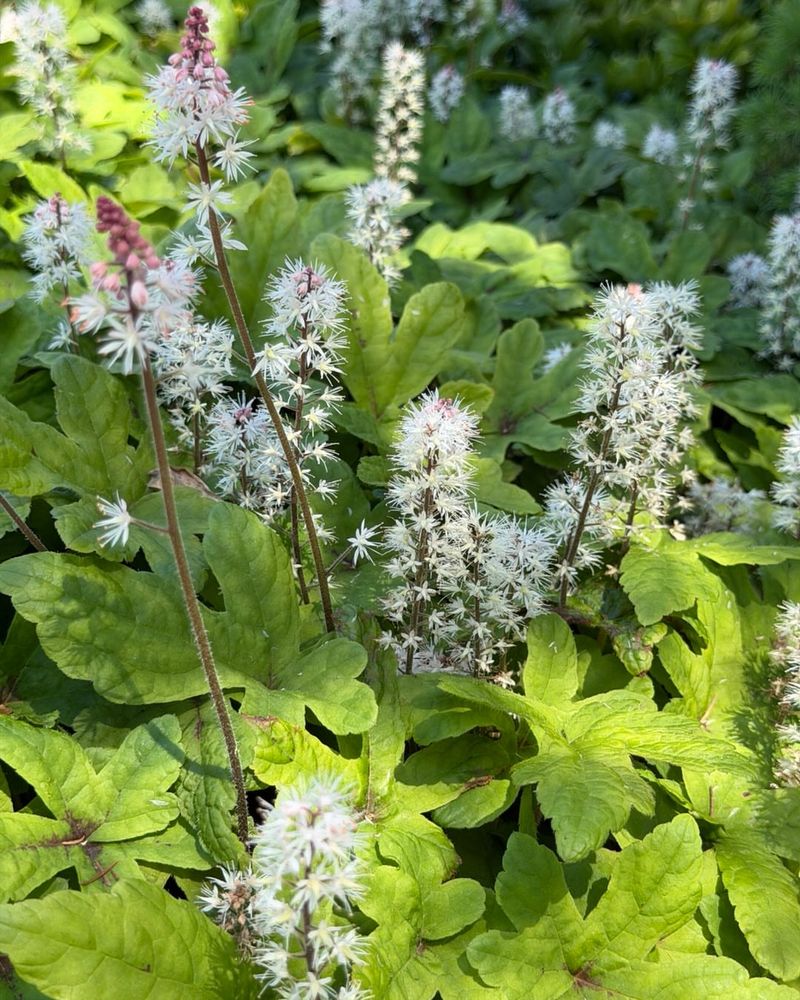
Walk through any Pennsylvania woodland in spring, and you might spot foamflower growing wild along the forest floor. That same carefree beauty can live right in your backyard.
Foamflower, or Tiarella, is a native plant that feels perfectly at home under trees and in shady borders.
The name comes from the tiny, star-shaped white or pale pink flowers that cluster together on upright stems, creating a soft, frothy look. They appear in spring and can continue blooming into early summer, especially if the plant stays cool and moist.
Even after the flowers fade, the heart-shaped leaves keep things looking interesting all season long.
One of the best things about foamflower is how gently it spreads. Unlike aggressive ground covers that take over everything, foamflower creeps slowly and politely, filling in gaps without crowding out neighbors.
Your Pennsylvania Garden Changes Every Week. Your Plan Should Too.
Gardening in Pennsylvania changes quickly throughout the season. Every Friday you’ll receive a simple weekly plan showing exactly what to plant, prune, fertilize, harvest, and protect so you never miss the right timing.
It is a wonderful choice for planting beneath shrubs or along a shaded path where you want low, lush greenery.
Foamflower is also incredibly low maintenance. Once established, it rarely needs watering unless there is a serious drought.
It does not require much fertilizer, and pests tend to leave it alone. Some varieties have beautifully patterned leaves with dark veining or burgundy centers, which adds visual interest even when the plant is not in bloom.
Plant it alongside wild ginger or Solomon’s seal for a naturalistic woodland look that feels effortless and completely at home in a Pennsylvania shade garden.
3. Impatiens
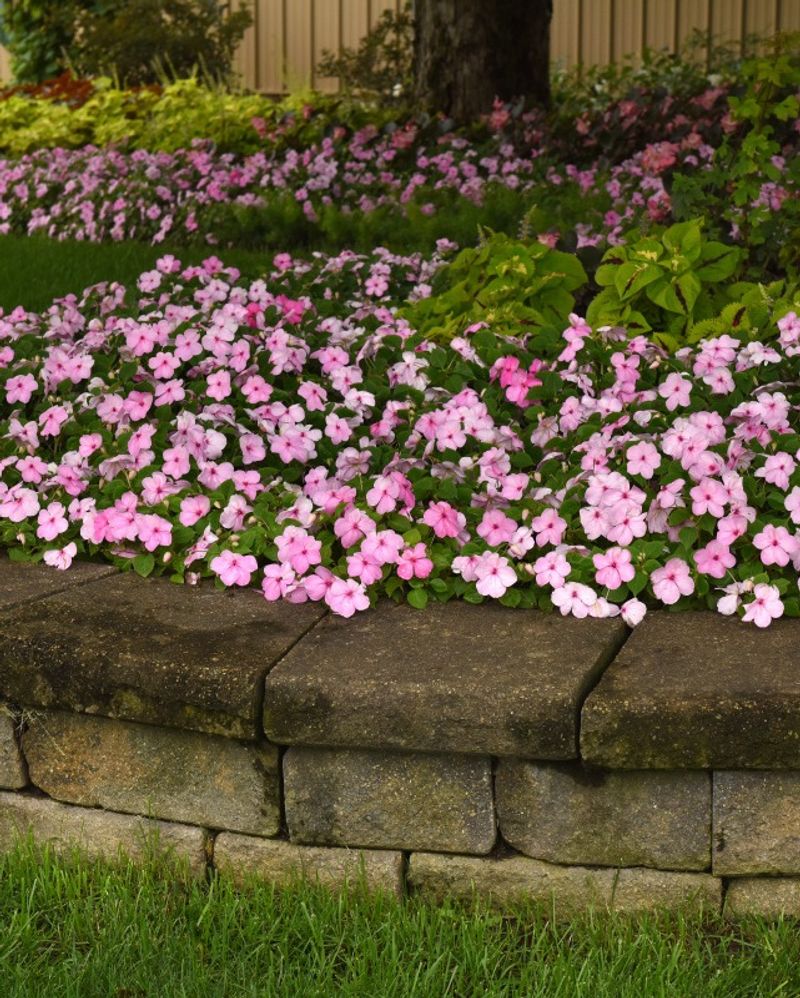
If you want nonstop color from June all the way through the first frost, impatiens might be your best friend. These cheerful little flowers practically never stop blooming.
They come in almost every color you can imagine, from hot pink and coral to white, red, and soft lavender.
Impatiens are one of the most popular shade annuals in the country, but many gardeners treat them like perennials because they self-seed so freely. In Pennsylvania, they may even surprise you by popping up in the same spot the following year.
They work beautifully in garden beds, hanging baskets, window boxes, and container gardens on shaded patios.
Keep the soil consistently moist and rich in organic matter, and impatiens will reward you generously. They do not like to dry out, so check them regularly during hot spells.
A layer of mulch around the base helps hold moisture and keeps roots cool during the warmest months of summer.
Downy mildew has been a concern for traditional impatiens in recent years, but newer varieties like SunPatiens and Beacon impatiens have been bred to resist this problem. Look for these improved types at your local garden center for the best results.
Planting them in masses creates a bold, eye-catching display that can completely transform a dark corner of your yard. Mix colors together or stick with one shade for a clean, polished look that stays vibrant all season long without much effort on your part.
4. Toad Lily
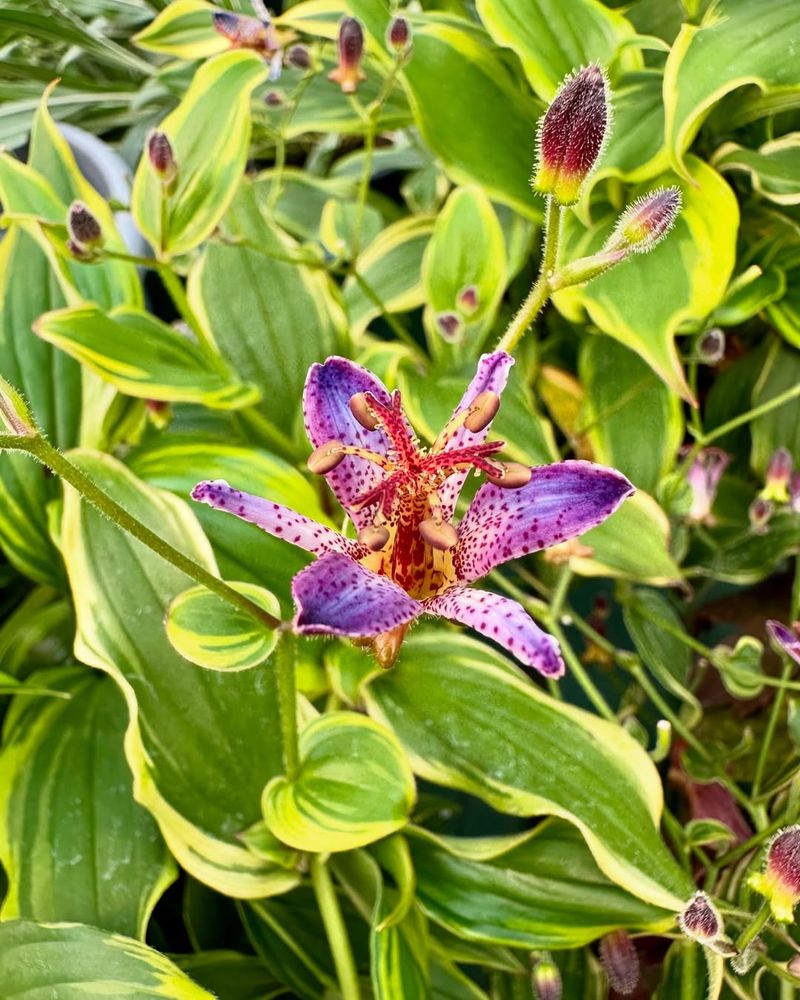
If you have ever wanted a plant that looks like it belongs in a fantasy novel, toad lily is the one for you.
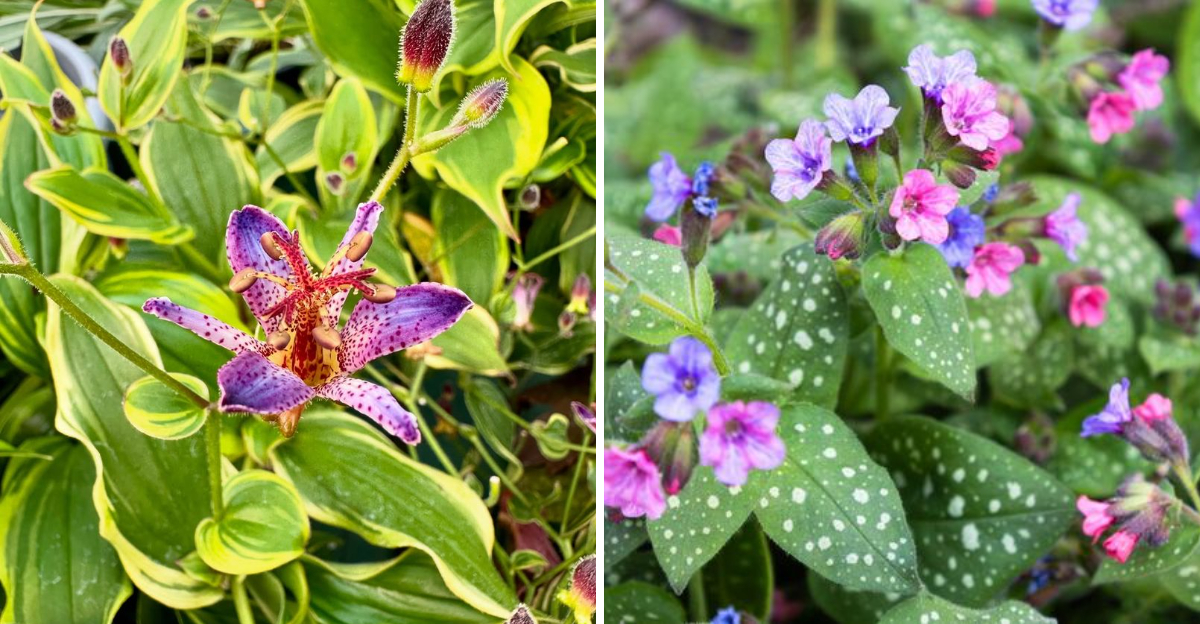
The blooms are absolutely wild, covered in purple spots and streaks on creamy white petals, almost like tiny orchids growing right in your garden. They are unlike anything else you can grow in Pennsylvania shade.
Toad lilies bloom in late summer and fall, which makes them especially valuable. Most shade plants finish flowering by midsummer, leaving gardens looking a little flat by August.
Toad lily steps in right when other plants are winding down, filling that late-season gap with something truly eye-catching.
These plants prefer moist, well-drained soil rich in organic matter. They grow in upright or arching clumps and do best in dappled shade, similar to what you would find on the north side of a house or under the canopy of tall trees.
Morning light is fine, but harsh afternoon sun can scorch the leaves. Toad lily is a slow grower, so be patient during the first year or two. Once established, it returns reliably each spring and gradually forms a larger clump.
It pairs wonderfully with hostas, ferns, and astilbe, creating a layered, textured look in the shade garden. The unusual flowers also make a great conversation starter when guests visit your yard.
Plant toad lily in a spot where you can appreciate the intricate bloom details up close, because the closer you look, the more beautiful they become.
5. Cardinal Flower
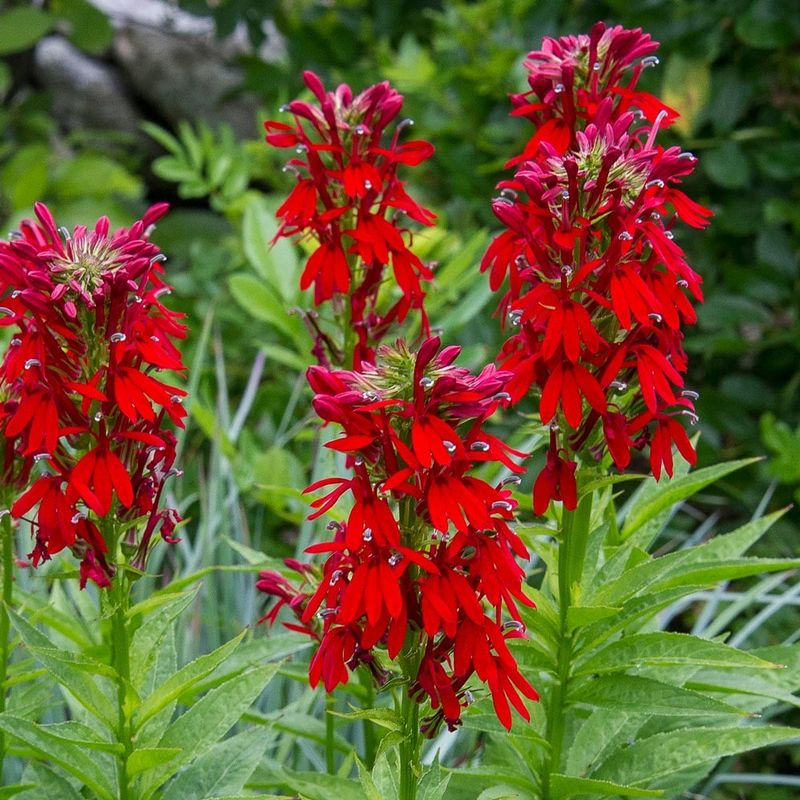
Imagine sitting on your porch on a warm summer afternoon and watching a ruby-throated hummingbird dart from bloom to bloom just a few feet away. Plant cardinal flower, and that scene becomes your reality.
The brilliant red spikes of Lobelia cardinalis are practically irresistible to hummingbirds, and they are one of the most vivid plants you can grow in a shaded Pennsylvania garden.
Cardinal flower is a native Pennsylvania wildflower, which means it is perfectly adapted to the local climate and soil conditions.
It naturally grows along stream banks and in moist meadows, so it thrives in spots that stay consistently wet. Rain gardens, pond edges, and low-lying shady areas are ideal locations for this plant.
The tall flower spikes can reach three to four feet high, making cardinal flower a strong vertical accent in the garden. Blooms appear from midsummer through early fall, giving you weeks of that intense red color.
Some gardeners also grow the hybrid varieties that come in pink, white, and deep purple, which can be equally stunning.
Cardinal flower is technically a short-lived perennial, but it self-seeds generously, so new plants keep appearing year after year. Deadheading the spent blooms before they go to seed will reduce this spreading if you prefer a tidier garden.
Rich, moist soil and partial shade are the keys to keeping this plant healthy and blooming. Add a slow-release fertilizer in spring to give it a strong start and encourage the most dramatic flower display possible throughout the season.
6. Lungwort
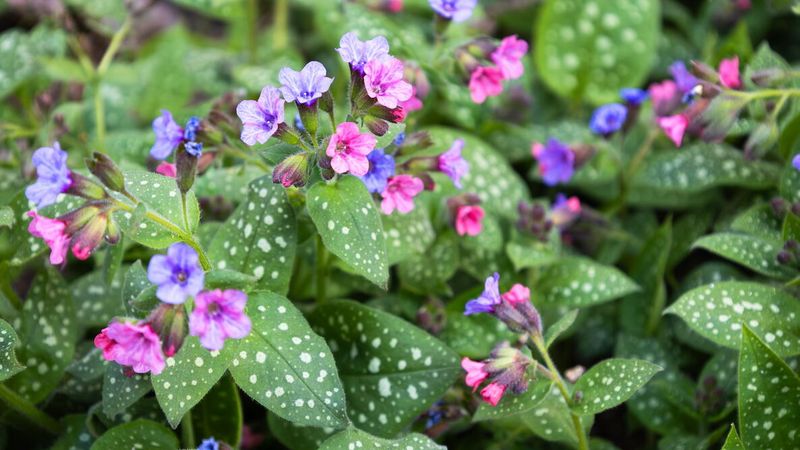
Lungwort might not have the most glamorous name, but this plant is a total overachiever in the shade garden. It is one of the earliest perennials to bloom in spring, often showing off its pink and blue flowers while snow is still a possibility.
Yes, the same plant produces both pink and blue flowers at the same time, which is genuinely unusual and delightful.
The leaves are just as interesting as the blooms. Most varieties feature striking silver or white spots and splashes on deep green foliage, creating a bold pattern that looks decorative all season long.
Even after the spring flowers fade, lungwort continues earning its place in the garden through sheer leaf appeal alone.
Lungwort, or Pulmonaria, grows best in moist, humus-rich soil with good drainage. It handles deep shade better than most flowering perennials, making it a go-to choice for those really dark spots under dense tree canopies.
In Pennsylvania, it is a tough, cold-hardy plant that comes back reliably every year without much fuss.
Slugs can occasionally be a problem, especially in very wet springs, so keep an eye out and use organic slug bait if needed. Dividing lungwort every three to four years keeps it vigorous and blooming well.
It looks stunning paired with hellebores, bleeding heart, and early spring bulbs. Plant it along a shaded walkway where the spotted leaves can be appreciated up close, and you will have a truly eye-catching garden feature that surprises visitors every single year.
7. Coral Bells
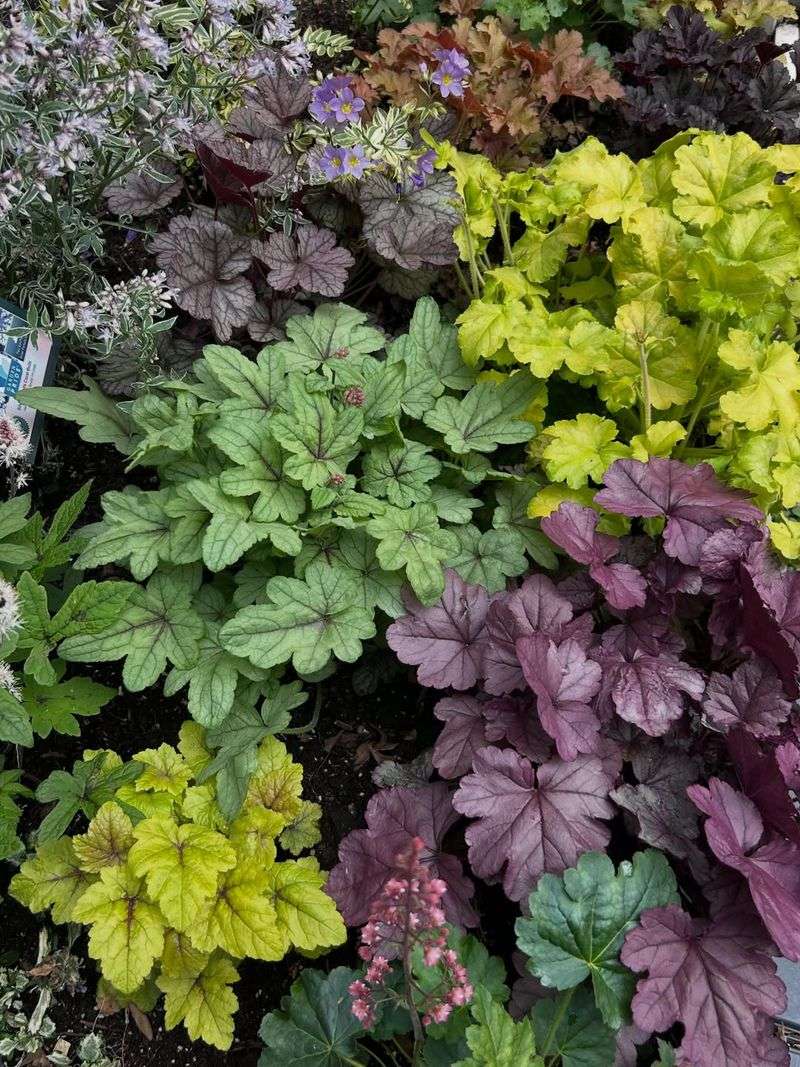
Coral bells are the chameleons of the shade garden. The foliage alone comes in an almost ridiculous range of colors, including deep burgundy, bright lime green, warm caramel, silver, and even near-black.
No other shade perennial offers this much variety in leaf color, and that makes Heuchera endlessly useful for designing eye-catching garden combinations.
Beyond the stunning leaves, coral bells send up slender, airy flower spikes in shades of pink, red, and white throughout much of summer. The tiny bell-shaped blooms are delicate and charming, and hummingbirds and pollinators love visiting them.
The combination of bold foliage and graceful flowers makes coral bells a true workhorse in the shade garden.
In Pennsylvania, coral bells grow best in partial to full shade with well-drained soil. They do not like wet feet, so avoid planting them in low spots that collect standing water.
A spot with morning sun and afternoon shade tends to bring out the richest leaf colors, especially in the darker-leaved varieties.
Coral bells are evergreen in mild winters, which means they add color to the garden even in late fall and early spring when little else is growing. Dividing them every three to four years keeps the plants healthy and prevents the crown from heaving out of the soil over time.
They look fantastic as edging plants along shaded paths or mixed into container gardens on a covered porch. Pair them with ferns, hostas, or astilbe for a layered, textured shade garden that looks professionally designed but is surprisingly easy to maintain.