The Most Useful Native Tree You Can Plant In Pennsylvania
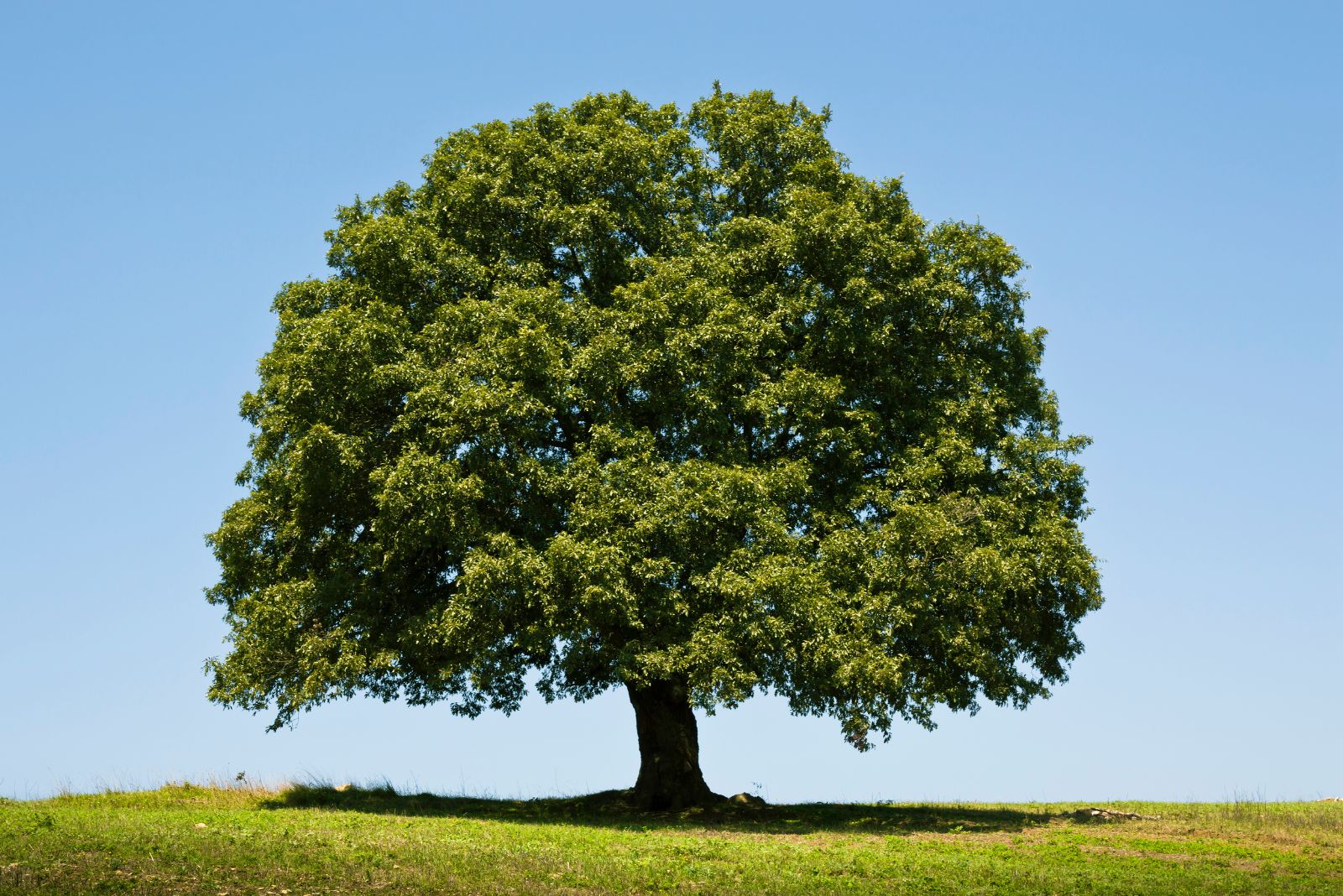
Some trees are beautiful. Some are tough. A few manage to do almost everything, and that is the kind of tree Pennsylvania gardeners and homeowners never regret planting.
It offers shade, strength, wildlife value, and the kind of lasting presence that can shape a property for generations.
When people talk about planting for the future instead of just filling space, this is exactly the sort of tree they mean. It does not just sit there looking nice. It works hard in the landscape and gives back in more ways than most people realize.
That is a big reason it stands out among native trees in Pennsylvania. White oak supports an impressive range of birds, mammals, and insects, while also bringing classic beauty to yards, parks, and open spaces.
Its broad canopy provides welcome relief in summer, and its deep roots help it stay sturdy over time. If you want a tree that adds character, supports local nature, and truly earns its place, this one is hard to top.
Why White Oak Is Such A Valuable Pennsylvania Tree
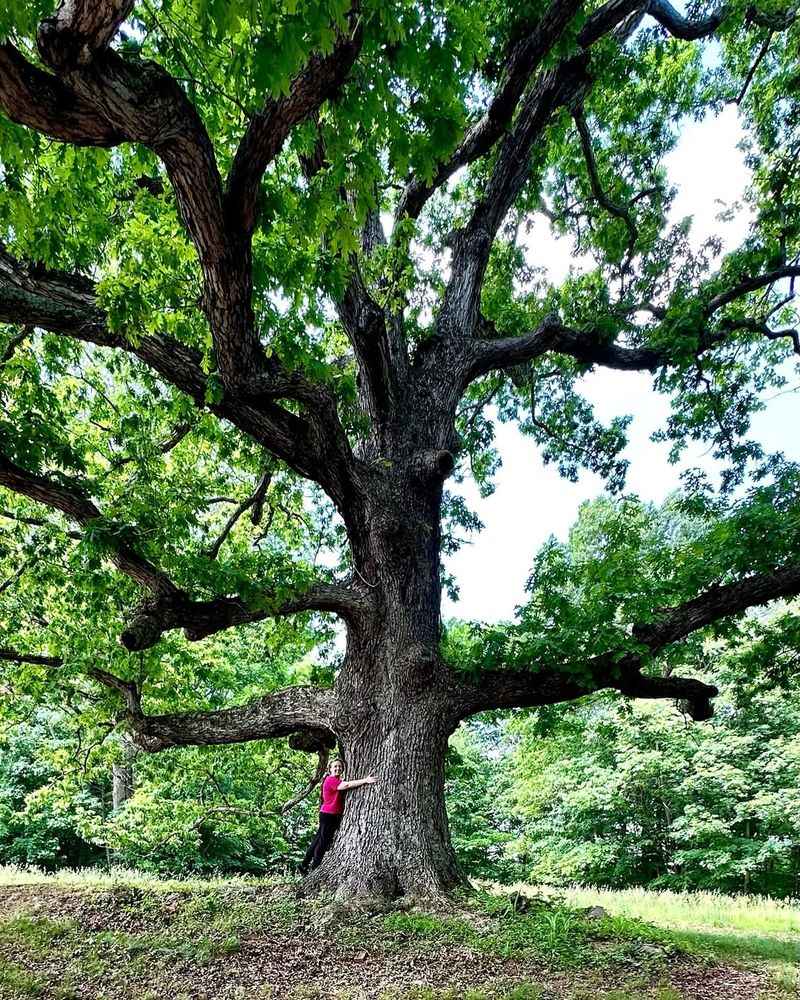
Walk through almost any woodland in Pennsylvania and you will likely spot a white oak standing tall among the other trees. White oak, or Quercus alba, has been a cornerstone of Pennsylvania’s forests for centuries.
It is not just a pretty tree. It is one of the most ecologically important trees you can grow in the entire state.
Oaks are what scientists call keystone plants. That means they support more living things than almost any other tree genus in North America.
Without them, entire food webs would struggle. White oak sits right at the center of that web, making it far more valuable than most people realize.
In Pennsylvania specifically, white oak thrives in the natural soil and climate conditions the state already provides. You are not fighting nature when you plant one.
You are working with it. That alone makes it a smarter long-term choice than many ornamental or non-native trees that need extra attention to survive.
Planting a white oak is also a way of connecting your yard to the larger Pennsylvania landscape. Birds, insects, and mammals that depend on oaks do not see property lines.
When you grow a white oak, you become part of something much bigger than your own backyard.
Researchers have found that a single oak tree can support over 500 species of caterpillars and moths alone. No other tree genus in North America comes close to that number. For Pennsylvania gardeners who care about local wildlife, that stat tells the whole story.
What Makes White Oak So Useful
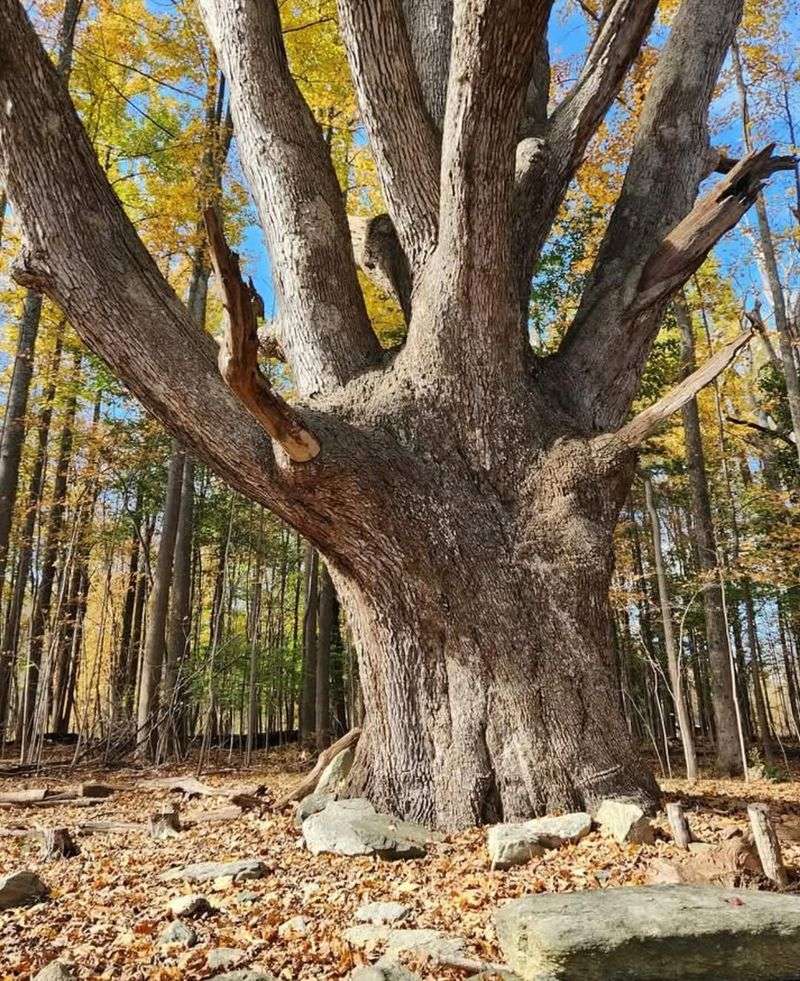
Shade, strength, beauty, and longevity are four words that sum up white oak pretty well. Mature white oaks can reach 50 to 80 feet tall with a canopy that spreads just as wide.
On a hot Pennsylvania summer afternoon, the shade from a full-grown white oak is hard to beat.
Beyond shade, white oak is known for its incredibly strong wood and long lifespan. Some white oaks in Pennsylvania have been standing for several hundred years.
Your Pennsylvania Garden Changes Every Week. Your Plan Should Too.
Gardening in Pennsylvania changes quickly throughout the season. Every Friday you’ll receive a simple weekly plan showing exactly what to plant, prune, fertilize, harvest, and protect so you never miss the right timing.
You are not planting a tree for yourself alone. You are planting something that your grandchildren and their children may still enjoy.
The structure of a mature white oak is striking. Its wide, spreading branches and deeply lobed leaves give it a classic look that fits naturally into Pennsylvania’s rolling hills and open landscapes.
It does not look out of place because it is not out of place. It belongs here. White oak is best suited to landscapes with plenty of room. This is not a tree for a tiny city lot.
It needs space to spread its canopy and roots over time. Properties with large lawns, farms, or open land across Pennsylvania are ideal spots to let a white oak truly shine.
One thing many gardeners appreciate is that white oak is a relatively low-maintenance tree once it gets established. It does not need heavy watering or constant care.
It simply grows, season after season, becoming more impressive and more valuable with every passing year. That kind of reliable performance is hard to find in any landscape tree.
How It Helps Wildlife More Than Most Trees
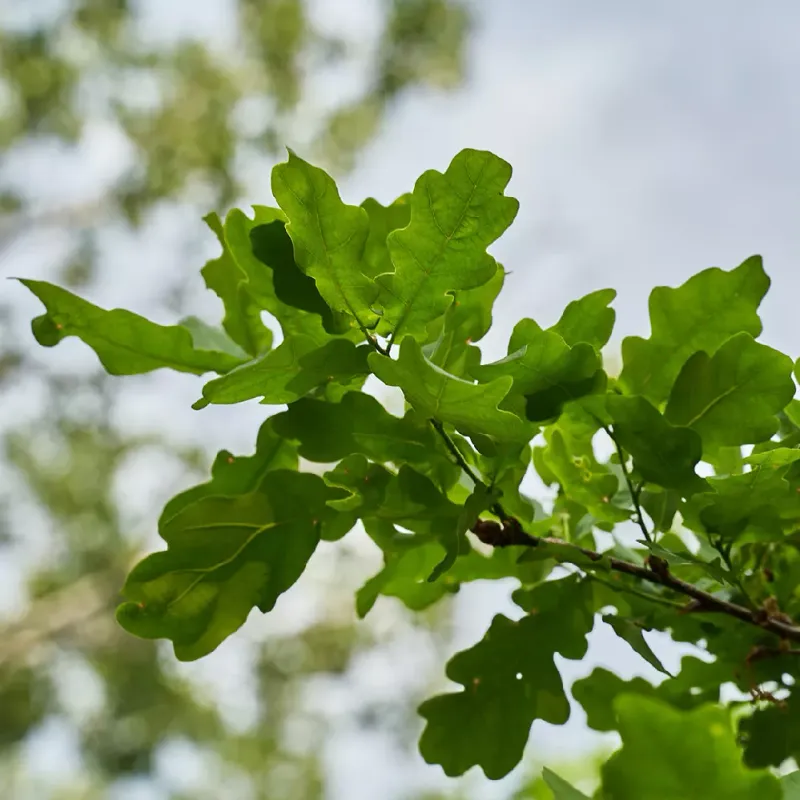
Few trees feed the food chain the way white oak does. Acorns from white oak are softer and lower in tannins than those from red oak, which makes them a favorite food for a huge range of wildlife.
White-tailed deer, wild turkeys, black bears, squirrels, and wood ducks all depend on white oak acorns as a primary food source during fall and winter in Pennsylvania.
But the real magic happens before the acorns even appear. The leaves of white oak support hundreds of caterpillar species.
Those caterpillars are the main food source for baby songbirds. Research from the University of Delaware found that a single pair of chickadees needs to find around 6,000 to 9,000 caterpillars just to raise one nest of chicks.
Without oaks, many birds simply cannot raise young successfully. White oak also provides shelter. Its thick bark creates crevices where insects overwinter.
Its cavities become nesting spots for woodpeckers, owls, and small mammals. Even fallen branches and leaves contribute to the habitat by creating homes for ground beetles and other beneficial insects.
Pollinators benefit from white oak too. The tree produces catkins in spring that provide early-season pollen for native bees.
That pollen boost matters a lot in Pennsylvania, where spring can be slow to warm up and early food sources for pollinators are limited.
Planting a white oak in Pennsylvania is essentially building a wildlife apartment complex. Every part of the tree serves a purpose, from the roots to the canopy, and the benefits grow stronger every single year as the tree matures.
Why It Works So Well In Pennsylvania
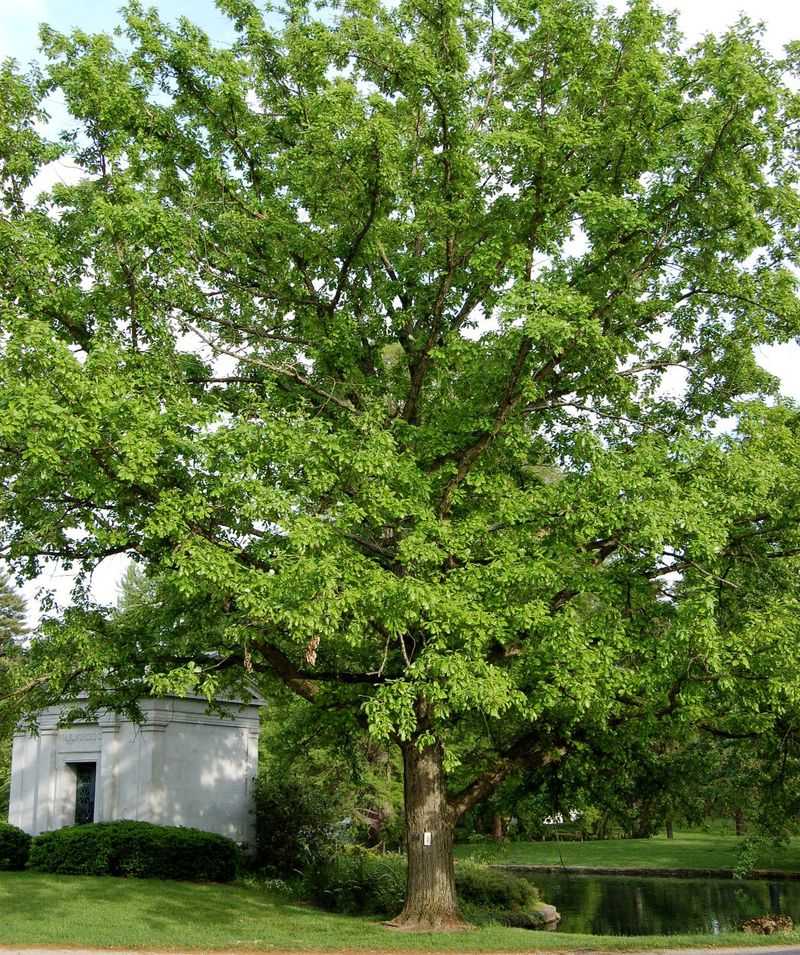
Pennsylvania sits in a sweet spot for white oak. The state’s mix of temperate climate, seasonal rainfall, and varied soil types matches almost perfectly with what white oak naturally prefers.
You do not need to amend your soil heavily or install irrigation systems. In most parts of Pennsylvania, white oak simply grows the way nature intended.
Native trees like white oak have spent thousands of years adapting to local conditions. They have learned to handle Pennsylvania’s cold winters, humid summers, and occasional dry spells without needing much help from gardeners.
Non-native trees often struggle through those same conditions, requiring extra water, fertilizer, and care just to stay alive.
White oak is found naturally in almost every county across Pennsylvania. From the Pocono Mountains to the Piedmont region in the southeast, this tree has proven it can handle the state’s diverse landscapes.
That wide natural range is a strong sign of how well-suited it is to Pennsylvania soil and weather.
Another reason white oak performs so well here is its deep root system. Over time, those roots reach far into the ground, helping the tree access water during dry summers and anchor itself against Pennsylvania’s occasional strong storms.
Shallow-rooted trees are far more vulnerable to storm damage. Choosing a native tree like white oak over a non-native species is also a way of reducing future headaches. Non-native trees can sometimes become invasive or require constant monitoring.
White oak fits into Pennsylvania’s natural ecosystem without causing problems, making it a responsible and reliable choice for any property owner in the state.
What Gardeners Should Know Before Planting
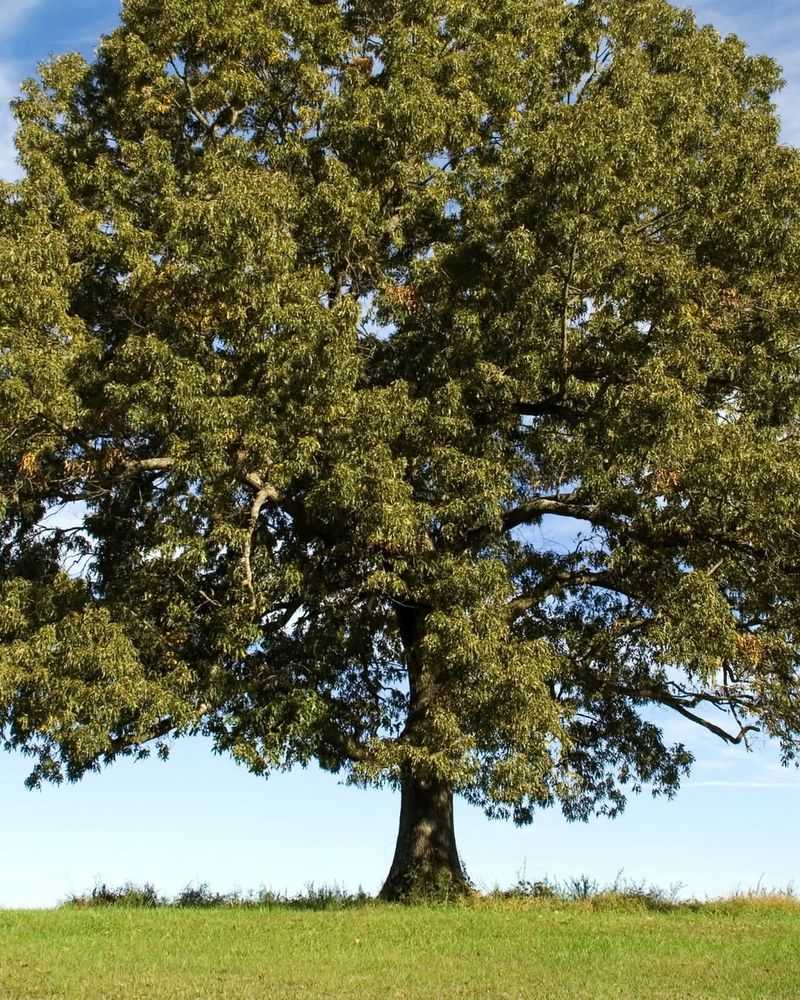
Before you head to the nursery, there are a few things worth knowing about planting white oak in Pennsylvania. First and most importantly, white oak needs space.
A lot of it. At full maturity, this tree can spread 50 to 80 feet wide. Planting it too close to your house, driveway, or power lines will cause problems down the road.
Pick a spot with full sun and well-drained soil. White oak can handle some clay, but it does not like sitting in waterlogged ground for long periods.
A gentle slope or elevated area in your Pennsylvania yard is often a great location. Good drainage keeps the roots healthy and the tree growing strong.
When it comes to the size of tree to buy, smaller is often smarter. A young white oak sapling, even one that is just a few feet tall, will often establish faster and more successfully than a large transplant.
Big trees have more roots to disturb during transplanting, and they can struggle to adjust. A smaller tree gets settled in quickly and starts growing with purpose.
Mulching around the base of your newly planted white oak is one of the best things you can do. A ring of mulch about three inches deep keeps moisture in, regulates soil temperature, and reduces competition from grass and weeds.
Just keep the mulch away from the trunk itself to avoid rot. Patience is part of the deal with white oak. Growth in the first few years can feel slow.
But once the roots are established, usually after two to three years, the tree picks up speed and starts making a real impact in your Pennsylvania landscape.
Why White Oak Is Worth It
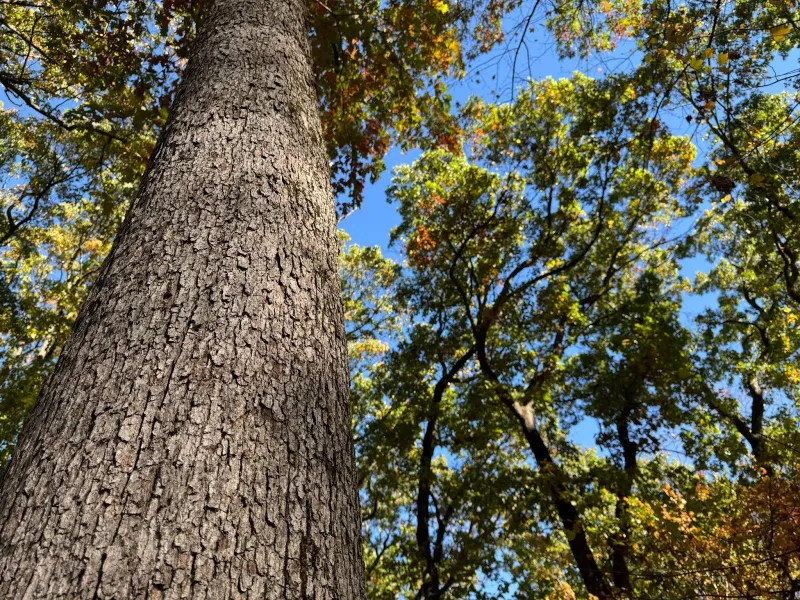
Some trees look nice. White oak does something much greater than that. Over its lifetime, a single white oak in Pennsylvania can support more species of birds, insects, and mammals than almost any other tree you could choose. That is not a small thing.
That is a legacy worth planting. The beauty of white oak is real and undeniable. Its canopy turns rich shades of red and brown in Pennsylvania’s fall season.
Its bark develops deep, rugged texture as it ages. In every season, this tree earns its place in the landscape through both looks and function.
Shade is another reward that only gets better with time. As the canopy spreads over the years, it can cool your yard significantly during Pennsylvania’s warm summers.
That natural cooling effect can even reduce energy costs if the tree is positioned well near your home.
Think of planting a white oak as making a long-term investment in habitat. Every year the tree grows, it gives more back.
More acorns for deer and turkeys. More leaves for caterpillars. More branches for nesting birds. More roots creating stability in Pennsylvania soil. The returns keep compounding in ways that no other landscaping choice can match.
Planting a white oak is not just about making your yard look better. It is about making Pennsylvania a little wilder, a little healthier, and a little more connected to the natural world.
That kind of impact starts with a single sapling and a good spot in the ground. Few decisions a Pennsylvania gardener makes will matter more in the long run.